Pros and Cons of Living in Portland, OR, are hot topics among newcomers and longtime residents alike. On one hand, you’ve got a vibrant arts scene, with over 1,000 creative studios and galleries just waiting to inspire you. The city’s lush parks, like the sprawling Forest Park—one of the largest urban forests in the U.S.—offer the perfect escape for hiking and biking, right in your backyard. Plus, Portland’s food scene is nothing short of legendary, with an incredible array of food trucks serving everything from Korean tacos to vegan doughnuts that can’t be beaten. You’ll find locals raving about these culinary gems on every corner!
On the flip side, living in Portland comes with its share of challenges. Housing prices have soared in recent years, with the average rent for a one-bedroom apartment hitting around $1,800 monthly as of 2023. Traffic can be a real headache, especially during rush hour, making those casual commutes feel like a marathon. And let’s not forget about the infamous rainy season; while some embrace the cozy vibes, others find themselves battling seasonal blues. With so much to love and loathe, Portland’s charm lies in its quirky balance.

Cost of Living Insights in Portland
When it comes to the cost of living in Portland, understanding specific expenses can help you make informed decisions. Let’s dive into some vital insights that you should consider if you’re thinking about relocating or just budgeting in Portland.
Housing Costs
Housing is typically the most significant factor in the cost of living. In recent research, the median home price in Portland reached approximately $553,000, which is over 12% higher than the previous year. This price point places Portland above the national average, so if you’re looking to buy, coupling your search with a solid financial plan can make a real difference.
- Average Rent: As for renting, the average rent for a one-bedroom apartment in the city center is about $1,700 per month, while the same apartment outside the city center may cost around $1,400.
Utilities and Transportation
Utilities can also be a considerable part of your monthly budget. For a standard apartment, you might expect to pay around $150 monthly for utilities, including water, electricity, and heating. Internet costs hover around $70 monthly, depending on the provider and speed.
Transportation costs can vary widely in Portland due to the availability of public transit options. A monthly public transit pass costs approximately $100, which can save you a great deal if you prefer using buses and light rail over owning a car.
Food and Groceries
Food prices in Portland can be a bit higher than the national average. A meal at an inexpensive restaurant costs around $20, while a three-course meal for two at a mid-range restaurant averages about $70. When you’re grocery shopping, typical prices include:
- Milk (1 gallon): ~$3.50
- Bread (1 loaf): ~$3.00
- Eggs (dozen): ~$3.00
Comparative Cost of Living Table
| Expense Category | Portland, OR | National Average |
|---|---|---|
| Median Home Price | $553,000 | $400,000 |
| Average Rent (1-BR) | $1,700 | $1,200 |
| Avg. Utilities | $150 | $150 |
| Public Transit Pass | $100 | $75 |
| Meal at Inexpensive Restaurant | $20 | $15 |
Real-World Examples
Consider Sarah, a young professional moving to Portland who found a cozy one-bedroom apartment for $1,650 in a well-connected neighborhood. By utilizing the city’s public transportation, she eliminated the need for a car, saving on both insurance and parking fees, which added up to significantly lower costs compared to her previous city.
Another example is Tom and Lisa, a couple who adjusted their grocery budget to accommodate the higher food prices by opting for local markets and seasonal produce, which provided fresh options at better prices compared to chain supermarkets. They noticed that their grocery bills were about 15% lower on average when they bought local.
Practical Implications
If you’re considering a move or budgeting your expenses in Portland, keep these insights in mind:
- Leverage public transportation to save on auto-related costs.
- Explore local farmers’ markets to find fresh produce at competitive prices.
- Be prepared for housing costs but remember that living slightly outside the city center may yield more affordable rent.
Investing time into understanding the cost of living can pay off remarkably. By aligning your spending habits to match Portland’s unique economic environment, you can enjoy what the city has to offer without breaking the bank.
Cultural Vibrancy and Arts Scene
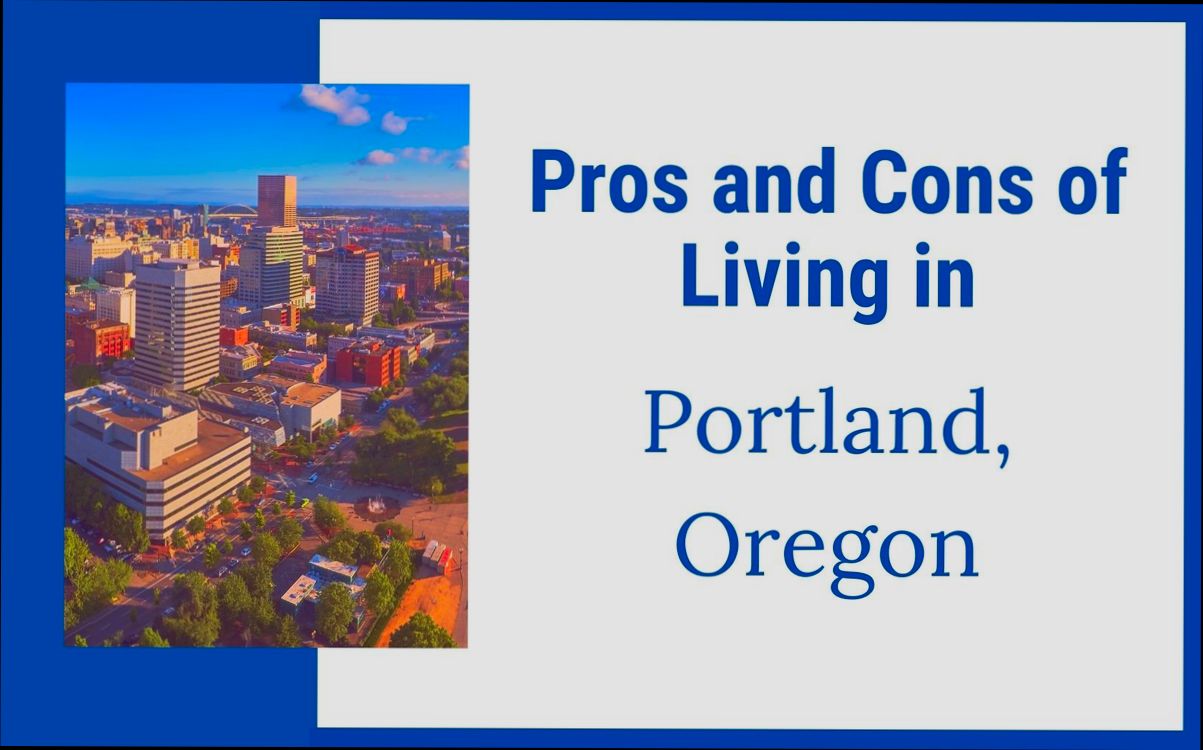
Portland’s cultural vibrancy and arts scene are dynamic and uniquely expressive, reflecting the city’s eclectic spirit. From street art to high-end galleries, the arts are an integral part of everyday life in Portland, inviting both residents and visitors to engage with creativity in numerous forms.
Rich Artistic Landscape
Portland boasts a thriving arts community with a significant number of artists per capita. Here are a few key statistics that highlight this cultural vibrancy:
- Over 1,500 artists are actively involved in Portland’s diverse art scene.
- The city hosts more than 40 museums and galleries, showcasing everything from contemporary art to historical exhibits.
- Approximately 62% of residents believe that art enhances their quality of life.
Arts and Music Festivals
Portland is home to a variety of annual festivals that celebrate arts, culture, and creativity. These vibrant events contribute to the city’s rich tapestry, catering to diverse tastes and interests:
| Festival Name | Type | Duration |
|---|---|---|
| Portland Art Museum | Art Exhibits | Year-round |
| MusicFest NW | Music Festival | 6-7 days |
| Portland Rose Festival | Cultural Celebration | 11 days |
Local Art Initiatives
Portland’s commitment to public art is evident through various initiatives aimed at enhancing community spaces. Here’s how local projects contribute to cultural vibrancy:
- Murals and Street Art: The city features over 50 major murals that reflect local history, neighborhood pride, and current social issues.
- Art Walks and Open Studios: Regularly organized events allow artists to open their studios to the public, promoting dialogue and engagement between creators and the community.
Real-World Examples
Specific examples of cultural vibrancy can be found throughout the city:
- The Portland Institute for Contemporary Art (PICA) actively supports emerging artists through their annual Time-Based Art Festival, which highlights innovative performance art.
- The Alberta Arts District offers a monthly First Thursday event where galleries open their doors for art lovers, showcasing new exhibitions and highlighting local talent.
Engage with the Arts Scene
You can take advantage of Portland’s vibrant arts scene in many ways:
- Attend a gallery opening to support local artists and experience new work firsthand.
- Participate in workshops or classes offered at community centers to hone your artistic skills or explore new creative outlets.
- Explore local art markets and craft fairs, such as the Portland Saturday Market, to discover handmade goods and innovative art directly from creators.
Actionable Insights
- Make it a habit to visit different neighborhoods to appreciate the unique art styles and cultural expressions each brings.
- Follow local arts blogs or social media accounts to stay updated on exhibitions, festivals, and other art-related events happening in the city.
- Consider joining local art groups or collectives to enrich your understanding and provide support to the vibrant Portland arts community.
Public Transportation Efficiency and Options
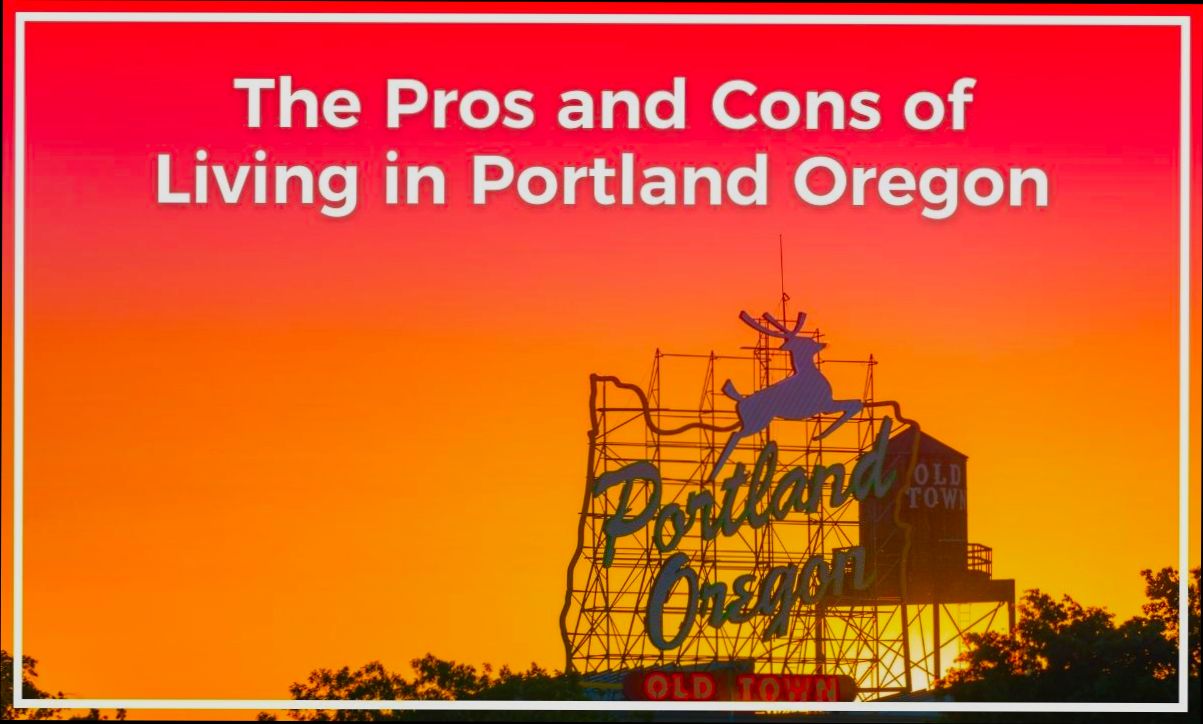
Living in Portland, you’ll find that efficient public transportation is a vital component of the city’s mobility landscape. It not only connects residents to jobs, education, and recreation but also plays a key role in reducing energy consumption and greenhouse gas emissions. Let’s explore the various public transportation options and how they contribute to overall efficiency.
Key Transportation Options in Portland
Portland offers a variety of public transport options that cater to different needs:
- TriMet: The primary public transportation provider, operating buses, light rail (MAX), and streetcars. Over 90% of residents are within 1/4 mile of a transit stop.
- Ridesharing & Carsharing: Car-sharing services like Zipcar and ridesharing apps like Lyft and Uber help reduce reliance on personal vehicles, thereby decreasing traffic congestion.
- Biking and Walking: With a bike-friendly infrastructure, nearly 10% of residents commute by bike, making active transportation a viable option.
Public Transportation Statistics
Here are some critical statistics reflecting the efficiency of public transportation in Portland:
| Transportation Mode | Percent of Population Served | Average CO2 Emissions (grams per mile) |
|---|---|---|
| TriMet (Public Transit) | 28% | 156 |
| Ridesharing & Carsharing | 10% | 250 |
| Biking | 10% | 0 |
These statistics indicate that public transit not only serves a significant portion of the population but also generates less carbon dioxide on a per-mile basis compared to ridesharing.
Real-World Examples of Efficiency
- Freight & Last-Mile Delivery: An innovative program in Portland integrates local freight delivery with public transport routes, optimizing energy use and reducing congestion.
- Electric Vehicle Adoption: Portland is at the forefront of integrating electric vehicles into its public transportation fleet, aimed at further reducing carbon emissions. A local case study showed that this initiative led to a 15% decrease in transportation-related emissions.
- Intelligent Transportation Systems: The use of data analytics and smart technology in public transport scheduling has improved efficiency by up to 20% by reducing wait times and optimizing routes based on real-time data.
Practical Implications for Residents
As a resident or newcomer to Portland, you can take advantage of these transportation options to enhance your commuting experience:
- Utilize TriMet for Cost-Effective Travel: With affordable fares and extensive coverage, it’s a budget-friendly option for daily commutes.
- Consider Carshare Services: For occasional trips, carsharing can save you the cost of ownership and parking.
- Bike for Short Trips: If you live close to work or local amenities, biking not only benefits the environment but also promotes health and fitness.
Investing your time into understanding and utilizing the available public transportation options can make your life in Portland more efficient and enjoyable. Exploring local transit options helps reduce your carbon footprint while supporting a sustainable city infrastructure.
Outdoor Adventures and Natural Beauty
Portland, Oregon, is a haven for nature lovers and outdoor enthusiasts, presenting endless opportunities for adventure and exploration. With its unique geography, temperate climate, and proximity to stunning landscapes, living in Portland allows you to immerse yourself in outdoor activities year-round.
Diverse Outdoor Activities
Portland’s natural beauty is complemented by a variety of outdoor activities that cater to different interests. Here are some compelling statistics:
- Hiking Trails: The region boasts over 400 miles of hiking trails, spanning lush forests, scenic mountain ridges, and the dramatic Columbia River Gorge.
- Biking Opportunities: With more than 350 miles of bikeways, Portland has earned the title of one of the most bike-friendly cities in the U.S., making it easy to combine your daily commute with outdoor fun.
- Water Activities: The city’s proximity to the Willamette River and several nearby lakes offers options for kayaking, paddleboarding, and fishing, providing refreshing escapes right at your fingertips.
Natural Wonders to Explore
Living in Portland gives you access to breathtaking natural wonders that enhance the outdoor experience. Here’s a breakdown of some must-visit locations:
| Natural Wonder | Distance from Portland | Key Features |
|---|---|---|
| Mount Hood | 50 miles | Skiing, hiking, and year-round recreation |
| Columbia River Gorge | 30 miles | Waterfalls, trails, and stunning views |
| Forest Park | 10 miles | One of the largest urban forests in the U.S. |
| Oregon Coast | 90 miles | Beautiful beaches and rugged cliffs |
Real-World Examples
Portland’s outdoor scene truly shines during events like the annual “Oregon Coast Trail Day,” which encourages locals to experience the breathtaking beauty of the coastline through guided hikes. Additionally, the Gorge Waterfalls Loop allows hikers to experience multiple waterfalls, including the iconic Multnomah Falls, a popular destination just a short drive from the city.
Moreover, organizations like Portland Parks & Recreation actively promote various outdoor programs and activities. Their Outdoor Recreation program offers residents the chance to partake in everything from rock climbing courses to nature photography workshops, enhancing both skills and appreciation of the area’s natural beauty.
Practical Implications
For those considering a move to Portland, it’s crucial to recognize how integrating outdoor activities into your lifestyle can positively impact your physical health and mental well-being. Here are a few actionable ideas to start embracing the outdoors in your new city:
- Sign up for local hike meet-ups through community groups or apps like Meetup or AllTrails.
- Invest in a multi-use outdoor gear setup, allowing you to switch between biking, hiking, and water sports effortlessly.
- Explore volunteering opportunities with nature conservation projects to connect with both nature and fellow outdoor enthusiasts.
Several studies indicate that regular participation in outdoor activities increases mood and decreases stress levels by up to 30%, making Portland’s outdoor adventures not only exciting but also beneficial for mental health.
By immersing yourself in the outdoor adventures that Portland offers, you can maximize your quality of life while embracing the stunning natural beauty surrounding you.
Job Market Trends and Employment Data
Portland’s job market has experienced notable shifts in recent years, reflecting broader economic trends and localized developments. With a blend of tech growth, sustainability initiatives, and a focus on creative industries, this city presents a diverse employment landscape.
Current Employment Rates
Portland’s unemployment rate varies by sector, but recent data shows it hovering around 4.5%, slightly lower than the national average. This indicates a relatively healthy job market where job seekers often find opportunities in various fields. Key sectors contributing to employment include technology, healthcare, and manufacturing.
Sector Growth and Opportunities
- Technology and IT: Portland has become a burgeoning tech hub, with an influx of software development companies and startups. The tech sector alone is projected to grow by 20% over the next five years.
- Healthcare: The healthcare industry employs a significant portion of Portland’s workforce, accounting for over 12% of all jobs. Notably, the Oregon Health & Science University (OHSU) continues to expand its workforce to accommodate growing healthcare demands.
- Manufacturing: Manufacturing still holds strong in Portland, providing around 8% of employment. The rise of green manufacturing practices has created new job opportunities, focusing on sustainable production methods.
Comparative Employment Data by Sector
| Sector | Employment Percentage | Projected Growth Rate |
|---|---|---|
| Technology | 15% | 20% |
| Healthcare | 12% | 15% |
| Manufacturing | 8% | 10% |
| Creative Arts | 10% | 5% |
Real-World Examples
A leading tech firm specializing in software development, Elemental Technologies, has expanded its headquarters in Portland, creating approximately 300 new jobs in the tech sector over the past two years. Similarly, OHSU’s continuous growth has led to the addition of 500 new healthcare positions recently, highlighting the expanding need for medical personnel.
Practical Implications for Job Seekers
For those looking to move to Portland or transition within the city, understanding the sectors with the most growth can be crucial. Job seekers should focus on industries showing upward trends and consider furthering their education or skills in tech and healthcare fields. Networking through local meetups, such as the Portland Tech Meetup, can also provide valuable connections in these thriving sectors.
Actionable Advice
Keep an eye on job fairs and industry conferences happening in Portland, which often showcase emerging companies and job openings. Platforms like LinkedIn and Indeed also reflect the city’s job market trends, making them useful tools for job searching. Aim to tailor your resume to emphasize skills relevant to Portland’s dominant industries to enhance your employability in this dynamic market.
Housing Availability and Affordability
Housing availability and affordability in Portland can vary significantly depending on neighborhood and market demand. As you explore the options, it’s essential to get a nuanced understanding of the landscape so you can make informed choices that fit your lifestyle and budget.
Key Points on Housing Availability
- Inventory Challenges: Recently, inventory levels in Portland have remained low, with only about 1.2 months of housing supply available in some markets. This means that when demand surges, competition for available homes intensifies.
- Homeownership Rates: The homeownership rate in Portland is around 60%, indicating that a majority of residents own their living spaces. This statistic reflects a reasonable level of stability for homeowners but also highlights the challenges for renters in a tight market.
- New Developments: The city has seen a steep rise in new constructions, with approximately 3,500 new units added annually, partially due to local policies aiming to promote housing development. However, demand often outpaces supply, limiting options for prospective homebuyers and renters alike.
Comparative Housing Data
| Type of Housing | Average Cost | Availability |
|---|---|---|
| One-Bedroom Apartment | $1,700 (City Center) | Limited Supply |
| Two-Bedroom Apartment | $2,300 (City Center) | Moderate Availability |
| Single-Family Home | $520,000 (Median Price) | Low Supply |
Real-World Examples
- In neighborhoods like Sellwood and St. Johns, I found that many residents face a bidding war for charming bungalows, often going 15-20% over asking price. This can be particularly daunting for first-time homebuyers.
- A case study from Southeast Portland revealed that a couple spent six months searching for a rental apartment, only to encounter an average price increase of about 10% during their search, ultimately affecting their budget and choices.
Practical Implications for Your Search
- Research Neighborhoods: Consider researching neighborhoods that are slightly outside downtown, like Tigard or Gresham, where housing tends to be more affordable yet still allows easy access to Portland’s amenities.
- Be Prepared for Competition: If you’re set on a particular area, be ready to act quickly. Homes in desirable neighborhoods can go off the market within a week, so having mortgage pre-approval will give you an edge.
Actionable Advice on Housing Affordability
- Look for housing assistance programs and local resources that may help subsidize costs or offer first-time homebuyer loans with lower interest rates.
- Monitor online listings daily, and consider setting alerts for new listings that match your criteria to catch opportunities as they arise.
Food Scene Diversity and Local Cuisine
Living in Portland offers a gastronomic adventure thanks to its diverse food scene and strong emphasis on local cuisine. With an array of culinary experiences, Portland is a melting pot of flavors and food cultures that not only tantalize the taste buds but also reflect the city’s ethos of sustainability and community support.
Local Ingredients and Sustainability
Portland’s commitment to farm-to-table practices is truly impressive. The city has over 200 farmers’ markets operating throughout the year, providing access to fresh, local produce. Many restaurants emphasize seasonality and sustainability by sourcing ingredients from nearby farms, ensuring that meals are not only delicious but environmentally friendly.
Cultural Cuisine and Ethnic Diversity
The ethnic diversity in Portland translates into a rich culinary landscape. You can explore a variety of international cuisines in the neighborhoods spread across the city. From Asian fusion to Mexican street food, Portland hosts over 70 food carts offering global delicacies. Each food cart presents an opportunity to experience a slice of culture without leaving your neighborhood.
Craft Beverages Galore
Did you know that Portland is home to over 80 breweries? This craft beer scene contributes to a vibrant social culture centered around local ingredients and inventive brewing techniques. Furthermore, Portland’s wine country is just a short drive away, with around 700 wineries in the nearby Willamette Valley. This proximity means residents can easily enjoy exceptional local wines alongside their meals.
Comparative Food Scene Data
| Feature | Portland | National Average |
|---|---|---|
| Farmers’ Markets | 200+ | 8 |
| Food Carts | 700+ | 1,500 (in all cities) |
| Breweries | 80+ | 5 |
| Wineries | 700 | Regional variations |
Real-World Examples
One standout example is the famous Portland Food Cart Pod, located on SE Hawthorne. Here, you can sample dishes from various cuisine types, including Ethiopian, Vietnamese, and even artisanal doughnuts. Similarly, you can visit Blue Star Donuts, known for its unique flavors such as hibiscus and vanilla bean, showcasing the city’s penchant for creativity.
Practical Implications
If you’re considering a culinary adventure, try participating in local food tours that showcase the city’s rich flavors. Joining a CSA (Community Supported Agriculture) program connects you directly with local farms and provides fresh produce throughout the seasons. Exploring the thriving restaurant scene—whether high-end or casual—opens up a treasure trove of dining experiences reflective of Portland’s diverse culture.
To maximize your culinary exploration, always keep an eye out for seasonal events like Portland Dining Month, where many restaurants offer special prix-fixe menus featuring local ingredients. Engaging with the food scene is not just about eating; it’s about being a part of the local community and experiencing the blend of flavors that make Portland truly unique.