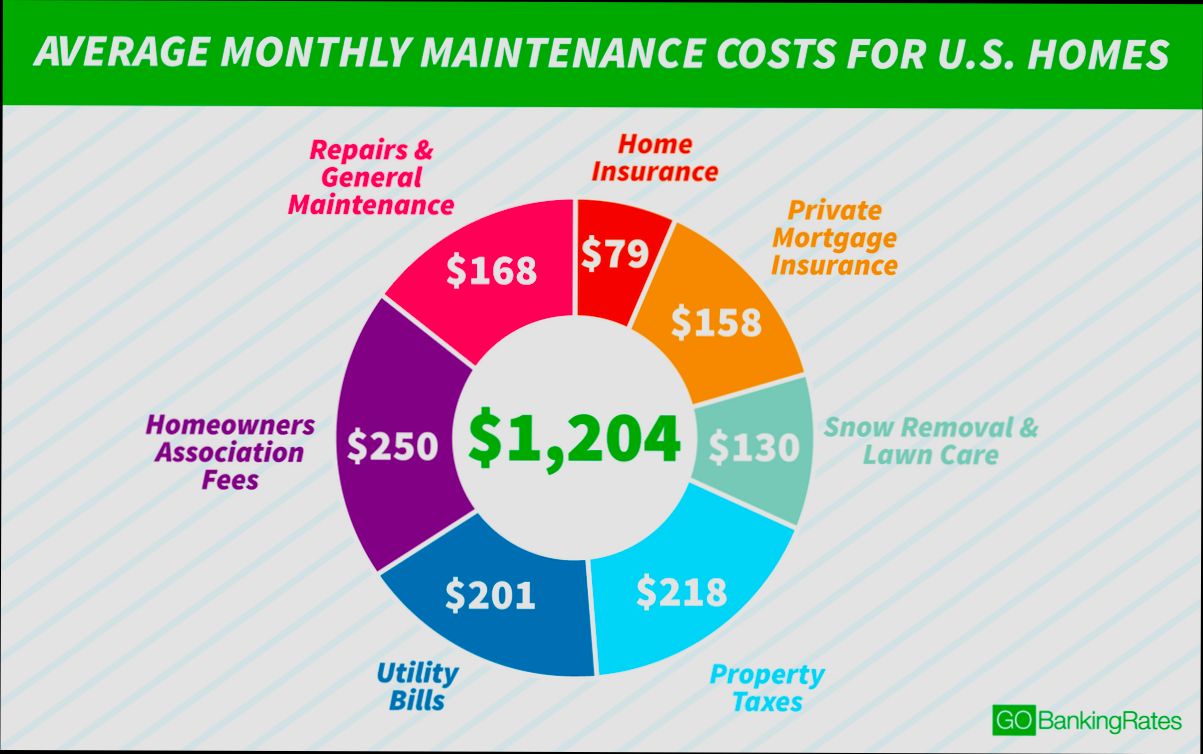
What are the Expenses for the Maintenance of Real Estate? Let’s dive straight into it! When you own property, you quickly realize that the costs go beyond just your mortgage or rent. For example, routine upkeep can easily set you back around 1% to 2% of the property value each year. If your home is worth $300,000, that’s anywhere from $3,000 to $6,000 annually just for general maintenance. This includes everything from lawn care to minor repairs, and trust me, those little projects add up.
Then you’ve got utilities and property taxes—two of the biggest ongoing expenses. On average, homeowners might spend over $2,000 a year on water, electricity, and gas combined. And don’t forget about homeowners’ insurance, which can run you another $1,200 or so per year. Add in things like pest control, seasonal cleaning, and even unexpected repairs like a leaky roof, and you start to see why those maintenance costs can be a serious hit to your wallet. With all these factors in play, being a property owner feels less like a dream and more like a balancing act on a financial tightrope!
Understanding Routine Maintenance Costs
When we think about real estate maintenance, routine costs play a significant role in sustaining property value and ensuring tenant satisfaction. Routine maintenance covers everything from regular inspections to minor repairs, contributing to broader property management expenses.
Key Points on Routine Maintenance Costs
- On average, routine maintenance costs account for about 1% to 4% of a property’s value per year. This percentage can vary depending on property type, age, and location.
- Research indicates that properties older than 20 years could experience yearly routine maintenance costs upwards of 5% of their value. This makes proactive maintenance even more critical for aging properties.
- Regular upkeep can help reduce emergency repair costs by as much as 60%. By investing in routine maintenance, you can avoid the costly consequences of neglect.
Comparative Analysis of Routine Maintenance Costs
| Property Type | Average Annual Routine Maintenance Cost (%) | Estimated Cost for a $300,000 Property |
|---|---|---|
| Single-Family Home | 2% | $6,000 |
| Multi-Family Units | 3% | $9,000 |
| Commercial Property | 4% | $12,000 |
| Historical Buildings | 5% | $15,000 |
Real-World Examples
Consider a multi-family property owner who was facing rising tenant complaints about plumbing issues. After assessing routine maintenance costs, they decided to implement regular inspections and preventative plumbing maintenance. The result? A 70% decrease in emergency plumbing calls, significantly lowering costs over time.
Another example involves a commercial property manager who noticed escalating maintenance bills. By adopting a proactive maintenance schedule, they reallocated $3,000 annually for preventive measures, which ultimately saved the company $15,000 in emergency repairs in just two years.
Practical Implications for Readers
Understanding the scope of routine maintenance costs allows you to budget better and anticipate financial requirements. Prioritize regular inspections, seasonal maintenance tasks, and preventative measures, as these can lead to long-term savings and enhanced property performance.
- Set a clear maintenance budget based on the property type and its condition.
- Keep track of all maintenance activities to identify patterns that may indicate larger issues.
- Allocate funds for unexpected repairs within your overall maintenance budget.
Actionable Advice on Routine Maintenance Costs
Investing in comprehensive property inspections at least once a year can help you forecast future maintenance costs accurately. Consider creating a routine maintenance checklist that includes essential tasks such as HVAC servicing, roof inspections, and plumbing checks. This proactive approach not only saves money in the long run but also helps maintain your property’s value and tenant satisfaction.
Analyzing Repair and Replacement Expenses
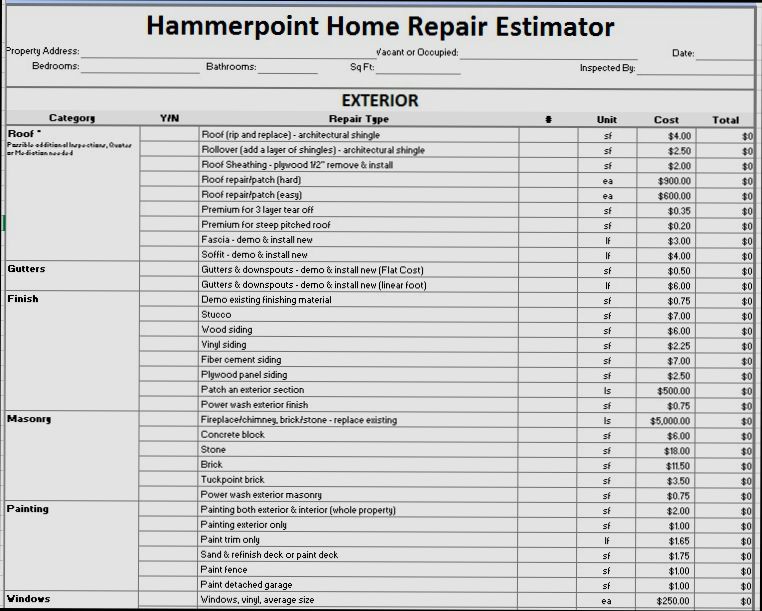
When it comes to maintaining real estate, repair and replacement expenses can be significant and often unexpected. An effective analysis of these expenses is crucial for effective budgeting and financial planning. In this section, we’ll dive into what to expect regarding repair and replacement costs, and how to manage them.
Key Insights on Repair and Replacement Expenses
Understanding the scope of repair and replacement expenses allows property owners to anticipate potential costs. Here are some key insights derived from research data:
- Replacement Frequency: Major systems like HVAC typically require replacement every 15-20 years, costing between $4,000 and $12,000 depending on the system’s size and quality.
- Roof Replacement: A new roof can set you back anywhere from $5,000 to $30,000. It’s crucial to factor this into long-term planning, as roofs have a lifespan of approximately 20-25 years.
- Appliance Lifespan: Kitchen appliances (like dishwashers and microwaves) generally last 9-15 years, with replacement costs averaging around $500 to $2,500 per unit.
- Impact of Materials: The choice of materials also affects longevity and replacement. For instance, using higher-quality materials can reduce the frequency of replacements.
Comparative Table of Repair and Replacement Costs
| Item | Average Lifespan | Replacement Cost Range |
|---|---|---|
| HVAC System | 15-20 years | $4,000 - $12,000 |
| Roof | 20-25 years | $5,000 - $30,000 |
| Kitchen Appliances | 9-15 years | $500 - $2,500 per unit |
| Water Heater | 8-12 years | $800 - $3,000 |
| Flooring | 10-30 years | $2,000 - $10,000 |
Real-World Examples of Repair and Replacement Expenses
In one case, a landlord owning a 30-unit apartment complex faced unexpected HVAC replacements that amounted to $150,000 over five years. By analyzing repair expenses, the owner learned to schedule preventive maintenance to extend equipment lifespans.
Another example involved a retail space owner who replaced an aging rooftop unit for a total cost of $12,000, only to realize it could have been extended through minor repairs costing around $2,000. This incident highlighted the importance of regular assessments to determine whether repairs or full replacements are more financially viable.
Practical Implications for Property Owners
To effectively manage repair and replacement expenses, consider these practical implications:
- Create a Maintenance Schedule: Regular inspections can help you detect issues early, enabling you to make repairs before they escalate into costly replacements.
- Budget for Replacements: Allocate a budget specifically for repair and replacement costs, ideally based on the estimated lifespan of major systems and items.
- Factor in Inflation: When estimating future replacement costs, consider the impact of inflation on material costs over time.
Actionable Advice for Managing Repair and Replacement Expenses
- Conduct Annual Audits: Regularly assess all major systems and components in your properties to evaluate their condition and potential future expenses.
- Prioritize Repairs: Focus on fixing items that become increasingly costly if left unattended. For example, a small leak in plumbing can escalate to water damage if not dealt with promptly.
- Utilize Professional Inspections: Bringing in licensed inspectors can save money in the long run by identifying problems that may not be visible to the untrained eye.
By carefully analyzing and managing repair and replacement expenses, property owners can not only maintain but also enhance their investments.
Impact of Deferred Maintenance on Value
Deferred maintenance is a crucial aspect of real estate management that can severely affect the value of a property. When maintenance needs are postponed, not only does the physical condition of the property deteriorate, but its market appeal and financial performance can also take a hit. Understanding how this phenomenon affects your investment is essential for any property owner.
Key Insights on Deferred Maintenance and Property Value
- Properties that suffer from deferred maintenance can see a devaluation of up to 10% to 20% depending on the extent and nature of the neglect.
- For every year that maintenance is deferred, owners can expect approximately a 5% reduction in the property’s market value.
- A well-maintained property can fetch rental rates that are 15% to 30% higher than similar properties in disrepair, highlighting how maintenance impacts cash flow.
- According to property appraisal studies, properties showing signs of neglect may incur repair costs that exceed 2.5 times the cost of regular maintenance.
| Condition of Property | Estimated Value Impact | Annual Maintenance Cost Increase |
|---|---|---|
| Excellent maintenance | 0% | 1% to 2% of property value |
| Fair condition | 10% to 15% | 1% to 3% of property value |
| Poor condition | 20% or more | 3% to 5% of property value |
Real-World Examples of Value Impairment
Consider a multifamily building that has postponed critical roof repairs for several years. As a result, water damage leads to mold, requiring extensive remediation and creating significant headaches for property management. The initial repair cost for the roof may have averaged $15,000, but due to deferred maintenance, the total expenses involved—including lost rent, legal fees, and additional repairs—could exceed $50,000, thereby slashing the property value.
Another example is a commercial property where the HVAC system was not replaced timely, leading to tenant dissatisfaction and increased turnover. The lost rental income, coupled with the rising costs for emergency repairs, can result in a market value decrease of nearly 12% for the property, equating to a significant financial loss.
Practical Implications for Property Owners
- Regular assessments of property conditions can help you identify maintenance needs early, preventing financial loss.
- Invest in regular maintenance schedules and budgeting to minimize the risk of deferred costs escalating into larger, more expensive repairs.
- Understand that maintaining your property’s exterior can significantly influence its perceived value; curb appeal is not just aesthetic but a financial strategy.
When assessing the impact of deferred maintenance, focus on the potential return on investment for regular upkeep. By committing to timely maintenance, you can protect your asset’s value and avoid the pitfalls of neglect.
Statistical Overview of Real Estate Upkeep
When it comes to real estate upkeep, understanding the numbers can significantly impact your financial planning and maintenance strategy. In this section, I’ll provide important statistics and insights into the costs associated with maintaining real estate, highlighting trends that can help you make informed decisions.
Key Points on Real Estate Upkeep Costs
- Annual Upkeep Expenditure: Data suggests that property owners typically spend around 1% to 6% of a property’s value on maintenance annually, depending heavily on the property type and age. This can range from minor routine maintenance to significant repairs.
- Impact of Maintenance on Property Value: Properties that are well-maintained not only preserve their value but also command higher resale prices. For instance, homes in excellent condition can maintain their value, while those that are poorly kept can lose up to 20% of their value—showing the direct financial impact of upkeep practices.
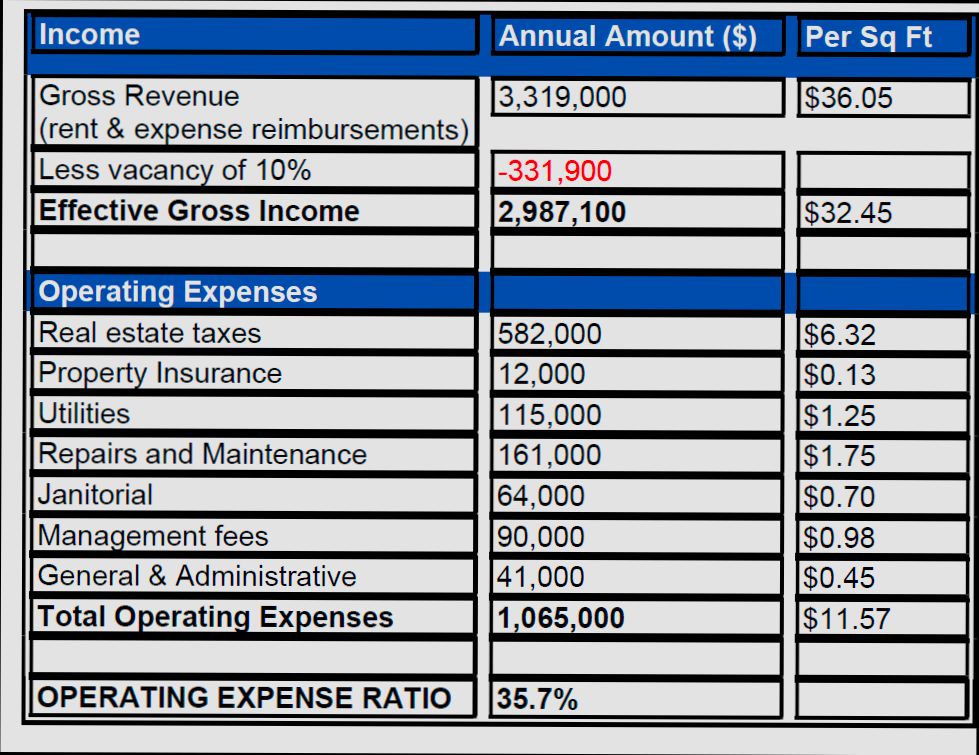
- Regional Variations: The National Association of REALTORS® reports significant differences in maintenance costs based on location. Areas with harsh climates may incur higher upkeep expenses, with reports indicating variations between $0.50 to over $4.50 per square foot annually depending on factors like weather and local costs of labor.
Comparative Table of Maintenance Costs
| Property Type | Average Annual Maintenance Cost (as % of Property Value) | Typical Annual Upkeep Cost per Square Foot |
|---|---|---|
| Single-family Homes | 1% to 3% | $1.00 to $2.00 |
| Multi-family Homes | 3% to 5% | $1.50 to $3.00 |
| Commercial Properties | 3% to 6% | $2.00 to $4.50 |
Real-World Examples
For example, a single-family home valued at $300,000 would typically see annual maintenance costs ranging from $3,000 to $9,000, depending on the maintenance cycle. In contrast, a commercial property valued at $1 million might incur upkeep costs from $30,000 to $60,000, illustrating the heavier burden often associated with commercial real estate maintenance.
In a case study involving a multi-family property in Chicago, owners reported spending approximately 5% of their property’s value annually on upkeep due to high tenant turnover and aging infrastructure, resulting in around $60,000 yearly for a property valued at $1.2 million. This demonstrates how specific market dynamics can influence real estate upkeep costs.
Practical Implications for Real Estate Owners
Being aware of these statistics empowers you to budget effectively for future upkeep needs. Consider these practical steps:
- Implement a proactive maintenance schedule that anticipates costs rather than reacting to emergencies.
- Regularly assess your property’s value to adjust your maintenance budget accordingly, ensuring you’re not under-prepared.
- When buying or managing properties, evaluate specific local trends that could affect maintenance costs—such as climate, labor costs, and local material prices.
Specific Facts and Actionable Advice
To keep your property’s maintenance costs manageable, aim to reserve 1% to 4% of your property’s value each year for upkeep. Regular inspections can identify potential issues early, helping you avoid costly repairs down the line. In addition, leveraging technology like property management software can greatly enhance your tracking of maintenance activities and expenses.
Practical Applications in Property Management
In the realm of property management, understanding maintenance expenses is essential for maximizing returns and ensuring tenant satisfaction. Let’s delve into practical applications that demonstrate how effective property management strategies can mitigate costs and enhance property value.
Budgeting for Maintenance
Effective property management inherently requires a clear budgeting strategy for maintenance. Research shows:
- 85% of property managers consider detailed annual budgets crucial for preventing interruptions in service delivery and ensuring ongoing maintenance.
- Regularly reviewing budget allocations can help you align spending with the actual needs of your properties.
By establishing a maintenance budget that includes both routine and unforeseen expenses, you can ensure that funds are available when needed, preventing potential issues from escalating into costly repairs.
Proactive Maintenance Scheduling
Implementing a proactive maintenance scheduling approach is a game-changer in property management. Studies reveal:
- Properties that use scheduled maintenance systems see a 20% reduction in emergency repairs compared to those relying on reactive measures.
- Utilizing software solutions for maintenance scheduling can streamline tasks and ensure timely responses.
Adopting tools that automate reminders for inspections or maintenance tasks can significantly reduce the risk of deferred maintenance, keeping your property in prime condition.
Tenant Communication and Engagement
Engaging tenants in maintenance processes significantly enhances satisfaction and can lower turnover rates. Research indicates:
- Properties with clear communication channels for maintenance requests report 15% higher tenant satisfaction than those without.
- Feedback systems on maintenance quality improve service levels by providing insights directly from tenants.
Create a platform for tenants to easily report issues and provide feedback on completed work. This not only encourages tenant involvement but also fosters a respectful landlord-tenant relationship.
Maintenance Cost Tracking
Keeping meticulous track of maintenance costs supports informed decision-making in property management. Consider the following:
- 75% of property managers cite tracking costs as pivotal in identifying high-expense areas, which can lead to targeted efficiency improvements.
- Analyzing cost categories helps in forecasting future budgets more accurately and mitigating unforeseen expenses.
By employing software to track expenditures related to maintenance, you can spot trends or spikes in spending and address issues strategically.
Comparative Table of Maintenance Management Practices
| Maintenance Practice | Impact on Costs | Common Tools |
|---|---|---|
| Proactive Maintenance Scheduling | Reduces emergency costs by 20% | Maintenance scheduling software |
| Tenant Engagement Strategies | Increases tenant satisfaction by 15% | Communication platforms |
| Detailed Cost Tracking | Identifies high-expense areas | Financial management software |
Real-World Examples
A property management company in Austin, Texas, adopted a proactive maintenance approach using digital scheduling tools. As a result, they reported a 20% decrease in emergency repairs, which not only saved costs but also improved tenant retention rates.
A Chicago-based property manager implemented a feedback system for tenants reporting maintenance issues. After engaging their tenants in this manner, they observed an increase in tenant satisfaction by 15%, leading to a notable decline in vacancy rates.
Practical Implications for You
To apply these insights effectively:
- Develop a detailed annual maintenance budget that accommodates both expected and unexpected expenses.
- Invest in proactive maintenance scheduling software that sends automatic reminders for inspections.
- Create open channels for tenant communication about maintenance issues.
- Use cost-tracking tools to understand where your money goes and identify potential areas for savings.
By integrating these strategic practices into your property management approach, you can enhance the value of your real estate investments and ensure smoother operations.
Evaluating the Benefits of Regular Maintenance
Regular maintenance serves as a cornerstone of effective property management, ensuring both functionality and tenant satisfaction. By assessing the benefits of maintaining a real estate property consistently, you can identify areas where proactive strategies can save money and enhance overall value.
Key Benefits of Regular Maintenance
1. Enhanced Property Value
- Properties that are consistently maintained can see a valuation increase of 5% to 10% over those that experience neglect. This is particularly important in competitive markets where curb appeal can significantly drive interest.
2. Increased Tenant Retention
- Proactive maintenance helps you avoid 80% of tenant complaints related to property condition. When tenants feel their concerns are addressed swiftly, they are more likely to renew their leases, leading to lower turnover costs.
3. Cost Efficiency
- Engaging in regular preventive maintenance can cut emergency repair costs by 30% to 50%. Regularly addressing minor issues prevents them from escalating into costly repairs that can be financially burdensome.
4. Energy Efficiency Improvements
- Routine maintenance on HVAC systems and appliances can result in energy savings of 10% to 20%, translating to lower utility bills for both owners and tenants. This not only increases tenant satisfaction but also promotes a greener environment.
Comparative Benefits Table
| Maintenance Frequency | Property Value Improvement | Tenant Complaint Reduction | Emergency Repair Cost Decrease |
|---|---|---|---|
| Routine (Quarterly) | 5% - 10% | 80% | 30% - 50% |
| Sporadic (Annual) | 2% - 5% | 30% | 10% - 20% |
| Deferred (Biannual) | Negative Impact (5% - 20%) | 15% | 60% or more |
Real-World Examples
A recent case study involving a multi-family unit in an urban setting highlighted the positive impact of regular maintenance. The property underwent quarterly inspections, resulting in a 7% increase in overall property value within a year. In contrast, another local property that neglected routine maintenance saw complaints soar, leading to an average tenant turnover of 35% compared to 15% in well-maintained properties.
Another instance involves a commercial property that invested in routine HVAC servicing. As a result, they achieved a 20% reduction in energy consumption, significantly lowering monthly expenses while improving indoor air quality, which tenants noted in their satisfaction surveys.
Practical Implications
For effective property management, it’s crucial to establish a regular maintenance schedule. Consider these actionable steps:
- Conduct quarterly inspections focusing on major systems.
- Educate tenants to report issues immediately to avoid escalation.
- Set a maintenance budget of about 2% of the property value specifically for routine upkeep, which can enhance long-term returns.
Focusing on regular maintenance does more than just preserve your investment; it enhances tenant relationships and leads to substantial cost savings over time.
Seasonal Maintenance Considerations for Properties
Maintaining properties through the changing seasons is crucial for both protecting your investment and ensuring tenant satisfaction. Each season brings specific maintenance tasks that, when scheduled appropriately, can prevent costly repairs and enhance the property’s overall appeal.
Seasonal Maintenance Tasks to Consider
1. HVAC System Maintenance: It’s essential to conduct regular HVAC upkeep, including changing filters and scheduling annual professional checks. This not only prolongs the lifespan of the system but prevents costly breakdowns, with proper maintenance often reducing repair needs by about 15%.
2. Water Heater Maintenance: Regularly checking and flushing your water heaters is vital. Sediment buildup can significantly reduce efficiency, leading to higher utility costs. Most experts recommend flushing water heaters annually to maintain optimal performance.
3. Plumbing Checks: As seasons change, plumbing systems can be susceptible to issues due to temperature variations. Check all fixtures for leaks, tighten connections as necessary, and clear drains annually to avoid backups. This proactive approach can save on emergency plumbing repairs, which can cost upwards of $300 on average.
4. Dryer Vent Inspections: Annual inspections and cleaning of dryer vents are crucial. Clogged vents are a leading cause of residential fires, and ensuring they are clear can minimize this risk. Each cleaning costs roughly $100 to $150, a small price to pay for safety.
5. Roof and Gutter Maintenance: Fall is an ideal time for roof inspections and gutter cleaning to prevent ice dams and water overflow in winter months. According to roofing experts, preventative maintenance can save property owners up to 30% on unexpected repairs.
6. Foundation Inspections: Check the foundation for cracks or shifting after heavy rains or snow melts. Ignoring these can lead to severe structural issues, with repairs potentially costing thousands. Minor crack repairs should be addressed quickly to avoid escalating expenses.
| Seasonal Task | Recommended Frequency | Estimated Costs |
|---|---|---|
| HVAC Maintenance | Biannual | $150 - $300 |
| Water Heater Flush | Annually | $75 - $150 |
| Plumbing Fixture Check | Biannual | $100 - $250 |
| Dryer Vent Cleaning | Annually | $100 - $150 |
| Roof Inspection & Gutter Cleaning | Annually | $200 - $500 |
| Foundation Check | Seasonally | $100 - $300 |
Real-World Examples
For instance, a property manager overseeing three apartment complexes found that by implementing a seasonal maintenance schedule, they reduced emergency repairs by 40%. Regularly scheduled HVAC maintenance and minor roofing repairs resulted in significant cost savings over several years.
Another manager noted that after addressing drainage issues during the winter months, they avoided a major plumbing crisis in the spring, saving around $2,000 in potential repair costs.
Practical Implications
Incorporating seasonal maintenance checks into your property management plan can streamline operations and enhance tenant satisfaction. Planning ahead allows you to onboard service partners in advance, ensuring that your properties remain in top-notch condition year-round.
Here are actionable steps you can take:
- Develop a maintenance calendar outlining key tasks for each season.
- Hire reliable contractors and establish long-term relationships for consistent service.
- Educate tenants about reporting maintenance issues early, especially during seasonal changes.
Scheduled maintenance not only preserves the value of your property but also cultivates a more positive environment for your tenants.