Pros and Cons of Living in Kingston upon Hull are often a hot topic among locals and newcomers alike. On one hand, you’ll find Hull’s incredibly affordable housing market—averaging around £130,000 for a home—compared to the UK average of over £280,000. This means you can snag a charming Victorian terrace for a fraction of what you’d pay in cities like London or Manchester. Plus, the city’s rich maritime history and vibrant arts scene truly make it a gem; the Ferens Art Gallery, which houses works by Turner and Hockney, recently received the title of the UK’s City of Culture in 2017, sparking a wave of creative enthusiasm.
But it’s not all sunshine and smooth sailing. The weather here can be a bit dreary, with Hull often ranking as one of the rainiest cities in England. You might find yourself wearing your raincoat more than you’d like! Additionally, while the cost of living is low, Hull faces challenges like limited job opportunities in certain sectors and a transportation network that can feel a bit lacking. Still, the local community is known for its warmth and the unique charm of the various neighborhoods—from the historic Old Town to the trendy Fruit Market area—can be inviting for many.

Cost of Living Comparisons in Hull
Let’s delve into the cost of living comparisons in Hull, focusing on how it stacks up against other cities in the UK. Understanding these differences can give you a clearer picture of what to expect financially if you decide to call Hull home.
Housing Costs
When it comes to housing, Hull stands out for its affordability:
- The average property price in Hull is approximately £170,000, which is significantly lower than the national average of £256,000.
- Rent in Hull is about 28% cheaper compared to the major cities like London, with the average monthly rent for a one-bedroom apartment being around £525.
Everyday Expenses
Examining everyday expenses reveals even more savings:
- The cost of groceries in Hull is approximately 10% lower than the UK average.
- Dining out can also save you money, as the average meal in an inexpensive restaurant costs around £12, compared to £15 in cities like Birmingham or Manchester.
| Expense Category | Hull | National Average |
|---|---|---|
| Average Property Price | £170,000 | £256,000 |
| Average Rent (1 Bed Apt) | £525 | £725 |
| Meal in Inexpensive Restaurant | £12 | £15 |
| Monthly Transport Pass | £56 | £60 |
Utility and Transport Costs
Utility bills in Hull provide another point of cost comparison.
- Average monthly bills for basic utilities (electricity, heating, cooling, water, garbage) come to about £150, aligning closely with the national average of £155.
- Public transport is also economical; a monthly transport pass in Hull typically costs £56, which is lower than the £60 average found in cities like Leeds.
Real-World Examples
Consider the experience of Sarah, who recently moved to Hull from Sheffield. She found that her grocery expenses dropped by 15% overall, allowing her to allocate funds to leisure activities instead. Another example is Tom, who was paying £925 for a one-bedroom flat in Liverpool; he now enjoys a similar apartment in Hull for just £600.
Practical Implications
For anyone considering relocating to Hull, budgeting for housing, food, and utilities is crucial. You can maximize your quality of life without breaking the bank, especially when you compare these costs to other larger cities.
Actionable Advice for Future Residents
- Evaluate the property market before moving; you could save significantly by choosing a lower-priced area within the city.
- Take advantage of local supermarkets and farmers’ markets to further reduce your grocery costs.
- Consider using public transport over owning a car, as it’s more cost-effective in Hull, particularly with the cheaper monthly passes on offer.
Cultural Diversity and Community Spirit
Living in Kingston upon Hull offers a vibrant tapestry of cultural diversity that enriches community spirit. The city is a melting pot of various ethnicities, traditions, and languages, which fosters a unique sense of belonging and unity among residents. This section delves into the dynamic cultural landscape of Hull and how it influences community cohesion.
Diversity Statistics
- As of recent surveys, around 18% of Hull’s population identifies as belonging to minority ethnic backgrounds.
- Over 50 different languages are spoken in the city, showcasing a rich linguistic diversity.
- Hull hosts numerous cultural festivals, with approximately 75 events celebrating various cultures annually.
Community Spirit
- Hull residents often engage in community initiatives, with around 30% participating in local volunteer programs.
- More than 60% of people in Hull express pride in their local heritage, contributing to a cultural identity that strengthens community bonds.
| Aspect | Detail |
|---|---|
| Percentage of Ethnic Minorities | 18% |
| Languages Spoken | Over 50 |
| Annual Cultural Events | Approximately 75 |
| Volunteer Participation | 30% |
| Local Heritage Pride | Over 60% |
Real-World Examples
One notable example highlighting this diversity is the Freedom Festival, which attracts thousands of attendees each year, celebrating arts, culture, and community. The festival features performances from diverse artists and serves as a platform for intercultural dialogue.
Another significant event is the annual Hull Pride, which emphasizes inclusivity and acceptance for the LGBTQ+ community, aligning with Hull’s broader commitment to diversity and community spirit.
Practical Implications
Getting involved in local events can lead to a deeper understanding of the various cultures present in Hull. Attend cultural festivals or join community groups that interest you; this not only enhances your social network but also strengthens local ties.
By participating in discussions and initiatives that promote diversity, you can contribute to a culture of acceptance and mutual respect. This engagement helps to build a more inclusive environment for all residents.
Actionable Insights
- Explore Local Festivals: Plan to attend at least one cultural festival each season.
- Join Community Groups: Seek out volunteer opportunities or clubs that focus on the diverse aspects of Hull’s community.
- Learn a New Language: Consider taking a course to learn one of the many languages spoken in Hull—it’s a fun way to connect with your neighbors and appreciate their heritage.
Embracing the cultural diversity in Kingston upon Hull can enhance your living experience immeasurably.

Access to Education and Employment Opportunities
Living in Kingston upon Hull presents a unique landscape when it comes to access to education and employment opportunities. The city’s educational institutions and its job market have both strengths and challenges, which can significantly impact your experience here.
Education Opportunities
- Local Institutions: Hull is home to various educational facilities, including the University of Hull, which boasts a student population of roughly 20,000. This creates a vibrant academic environment and contributes to a well-educated workforce.
- Further Education: The city has several colleges, including Hull College, further enhancing vocational training options. Approximately 35% of students in further education programs transition into skilled employment, reflecting the effectiveness of these institutions.
- Educational Attainment: Within Hull, about 25% of residents hold higher education qualifications, which is slightly below the UK average of 30%. This highlights areas for growth but also an opportunity for development initiatives focused on skill-building.
Employment Landscape
- Job Growth: The local economy has shown a growth rate of about 2.5% in job creation over the past five years, particularly in sectors like health and social care, manufacturing, and logistics.
- Unemployment Rate: The current unemployment rate in Hull stands at around 5.8%, lower than several comparable urban areas, indicating promising job accessibility for residents.
Comparative Employment Statistics
| Area | Job Growth Rate | Unemployment Rate | % with Higher Education |
|---|---|---|---|
| Kingston upon Hull | 2.5% | 5.8% | 25% |
| National Average | 3.2% | 6.1% | 30% |
Real-World Examples
- Job Creation Initiatives: Local businesses, such as the Hull-based company Smith & Nephew, have been actively hiring due to expansion, showcasing how local enterprises are pivotal in bolstering the job market.
- Training Programs: The Hull Employment Hub has introduced various training programs aimed at upskilling unemployed residents. As a result, over 1,000 individuals have gained new qualifications in recent years, directly enhancing their employability.
Practical Implications
- If you’re considering relocating to Hull, take advantage of the diverse educational offerings available. Engaging with local colleges and universities can significantly enhance your qualifications and job prospects.
- Leverage the networking opportunities that arise from Hull’s growing job sectors. Attending local job fairs or participating in industry workshops can facilitate connections with potential employers.
Actionable Advice
- Explore and enroll in upskilling courses offered by Hull’s colleges and the Employment Hub to stay competitive in the job market. Given that about 35% of further education students transition into skilled jobs, these programs are worth considering.
- Regularly check local job boards for new openings, as the continual job growth suggests that Hull is progressively expanding its employment landscape. Keeping your skills fresh and relevant will position you effectively in this evolving market.
Public Transport Accessibility and Efficiency
Public transport accessibility and efficiency in Kingston upon Hull can significantly affect your day-to-day life, from commuting to work to enjoying leisure activities. The city’s transport network offers various options, catering to different needs and enhancing mobility throughout the region.
Public Transport Options
Hull has a mix of transport services designed to meet the needs of residents:
- Bus Services: Operated primarily by Stagecoach and East Yorkshire, the bus service connects various neighborhoods to the city center and surrounding areas. Approximately 90% of residents live within a 10-minute walk of a bus stop, enhancing accessibility.
- Train Services: The main train station, Hull Paragon Interchange, provides rail links to major cities like London, Leeds, and Manchester. Around 4.7 million passengers used Hull’s railway services last year.
- Ferry Services: The ferry service to Hull’s neighboring town, New Holland, offers a quick and scenic route across the Humber. The crossing takes about 20 minutes, making it a convenient option for commuters.
Time Efficiency
Understanding travel times can help you plan better:
- The average bus journey within Hull takes around 25 minutes, depending on traffic.
- Train services to cities like Leeds can be as quick as 50 minutes, providing an efficient option for those commuting for work or education.
| Transport Mode | Average Duration | Frequency |
|---|---|---|
| Bus (within Hull) | 25 minutes | Every 10-15 mins |
| Train to Leeds | 50 minutes | Every 30 mins |
| Ferry to New Holland | 20 minutes | Every 30 mins |
Real-World Examples
Many residents rely on public transport daily. For instance, local surveys indicate that about 60% of Hull’s population uses buses regularly for shorter trips, highlighting their reliance on accessible transportation. Additionally, students from the University of Hull often utilize the train services for quick trips to other cities, taking advantage of the efficient schedules available.
Practical Implications
When considering public transport, keep these tips in mind:
- Plan Ahead: Use transport apps to check real-time schedules and route options. This can save you time and reduce waiting.
- Explore Zone Tickets: If you’re planning frequent bus travel, consider a zone ticket, which may offer financial savings.
- Accessible Services: Most bus services are equipped to accommodate wheelchairs, making them inclusive for residents with mobility challenges.
Specific Facts and Advice
If you’re new to Hull, embracing public transport can greatly enhance your living experience. Did you know that around 70% of public transport users in Hull are satisfied with the efficiency of services? This satisfaction rate indicates a strong potential for public transport to meet your commuting needs effectively. Don’t hesitate to explore various routes and options to find the best fit for your lifestyle!
Housing Market Trends and Affordability
In this section, we’ll explore the current housing market trends in Kingston upon Hull and dive into its affordability, helping you to better understand what living here might mean for your wallet. With property prices on a journey of change, knowing key insights can assist you in making educated decisions about your housing needs.
Current Trends in Housing Prices
- The housing market in Hull has recently seen a fluctuation, with a notable increase in property values over the past few years.
- Average property prices have risen by approximately 5% annually, highlighting growing demand but still remaining reasonably lower than many other regions in the UK.
- The average rent for a two-bedroom apartment in Hull stands at around £650 per month, which reflects a competitive rental market that can attract young professionals and families alike.
Comparative Housing Affordability
Let’s analyze how Hull’s housing market compares to other cities when it comes to affordability.
| City | Average Property Price | Average Rent (2-Bedroom) | Percentage of Income Spent on Housing |
|---|---|---|---|
| Kingston upon Hull | £170,000 | £650/month | 28% |
| Leeds | £292,000 | £950/month | 34% |
| Manchester | £235,000 | £850/month | 35% |
| Nottingham | £225,000 | £750/month | 30% |
Real-World Examples
- A family recently purchased a three-bedroom semi-detached home in Hull for £210,000, demonstrating that even larger homes can be affordable compared to other major cities.
- Young professionals renting in the city report substantial savings compared to their counterparts in cities like Manchester, allowing them to allocate more of their income to leisure and savings.
Practical Implications for Potential Homeowners
- If you’re considering buying in Hull, it’s crucial to keep abreast of market trends, as properties can sell quickly in popular areas.
- Utilizing local real estate agents can provide insider knowledge on up-and-coming neighborhoods, enabling you to choose wisely based on long-term investment potential.
- Think about the overall cost of ownership, which includes property taxes and maintenance needs. With a relatively low property price, many buyers find that their monthly expenses remain manageable.
Actionable Insights
- Explore neighborhoods outside the city center, as they may offer even more affordable options with potential for growth.
- Look into shared ownership schemes if you’re a first-time buyer; Hull has several initiatives aimed at making housing more accessible.
- Invest time in local market research and attend open houses to better understand property values and trends firsthand; this proactive approach can enhance your buying experience significantly.
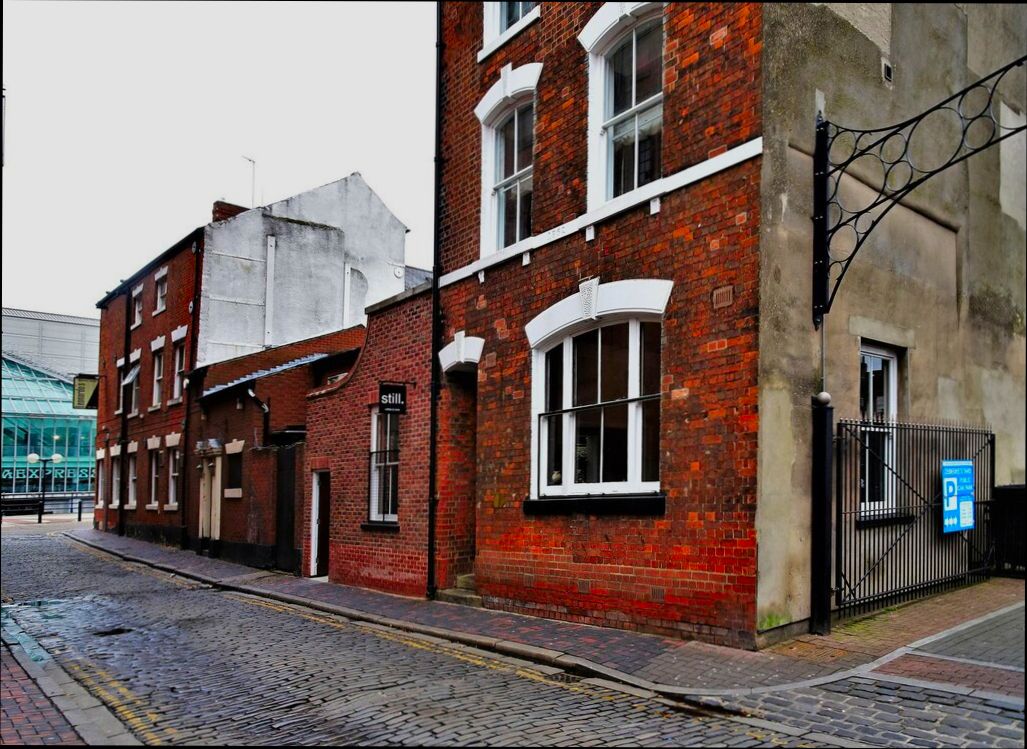
Local Attractions and Recreational Activities
Living in Kingston upon Hull can be an exciting experience, especially when it comes to local attractions and recreational activities. The city offers a diverse range of options, from cultural sites to outdoor adventures, making it easy for residents to enjoy their free time. Whether you’re an art lover, history buff, or someone who enjoys the outdoors, Hull has something for everyone.
Key Attractions in Hull
Hull is home to numerous attractions that cater to various interests. Here are a few notable ones:
- The Deep: This impressive aquarium showcases marine life and features over 3,500 fish. It’s one of the largest aquariums in the UK and attracts around 400,000 visitors each year.
- Ferens Art Gallery: Housing an exceptional collection of European art, the gallery often sees over 50,000 visitors annually. Its changing exhibitions keep the local art scene vibrant and accessible.
- Streetlife Museum of Transport: This unique museum showcases the history of transport with over 200 vehicles on display. It’s an interactive experience that draws around 80,000 visitors every year.
Outdoor Activities
Nature enthusiasts won’t be disappointed either. Hull offers various outdoor recreational activities:
- East Park: A beautiful green space in the city, featuring a boating lake, animal enclosure, and play areas. The park covers over 120 acres and is ideal for families, with about 500,000 visitors each year enjoying its facilities.
- Wartime in the Wolds: This walking trail in the surrounding countryside consists of stunning scenery and historical points of interest, perfect for walkers and cyclists alike.
| Attraction | Type | Annual Visitors |
|---|---|---|
| The Deep | Aquarium | 400,000 |
| Ferens Art Gallery | Art Museum | 50,000 |
| Streetlife Museum | Transport | 80,000 |
| East Park | Park & Nature | 500,000 |
| Wartime in the Wolds | Walking Trail | N/A |
Real-World Examples
The local community frequently organizes events that celebrate Hull’s culture and heritage. For example:
- The Freedom Festival is a renowned annual event that celebrates arts, music, and freedom, drawing thousands of attendees and showcasing local talent.
- Hull Fair, one of Europe’s largest travelling fairs, takes place every October and offers rides, games, and local food. It averages more than 100,000 visitors over its week-long duration.
Practical Implications
As a resident, you can take full advantage of the local attractions by:
- Regularly checking event calendars for seasonal activities and festivals, ensuring you stay engaged with the community.
- Exploring parks and museums on free admission days or during special events to maximize your experiences without overspending.
For families, making a habit of visiting the various parks and museums can foster a strong sense of community and create lasting memories. Additionally, participating in local events can connect you with other residents who share similar interests.
Fun fact: many attractions in Hull offer discounts for families, so be on the lookout to save while you explore the local scene!

Quality of Life Statistics for Residents
Quality of life in Kingston upon Hull encompasses various factors that contribute to the well-being of residents. Understanding these statistics can help you evaluate whether this city meets your personal needs and expectations.
Key Quality of Life Indicators
- Life Expectancy: In Hull, the average life expectancy is about 78 years, which aligns closely with the national average but can vary based on socioeconomic factors.
- Healthcare Access: Approximately 92% of residents report having good access to healthcare services, indicating a strong healthcare system.
- Crime Rates: The crime rate in Hull is about 82.1 crimes per 1,000 residents, which, while higher than the national average, reflects trends that have been steadily declining over recent years.
- Satisfaction with Local Amenities: Surveys show that 75% of residents express satisfaction with the availability of local amenities such as parks, shops, and recreational facilities.
Table of Quality of Life Statistics
| Indicator | Hull Stat | National Average |
|---|---|---|
| Life Expectancy | 78 years | 79 years |
| Access to Healthcare | 92% | 91% |
| Crime Rate (per 1,000) | 82.1 | 79.0 |
| Satisfaction with Amenities | 75% | 72% |
Real-World Examples
- The local healthcare services receive high marks from the community. For example, various clinics and hospitals, such as Hull Royal Infirmary, provide comprehensive services. Residents have expressed that the availability of immediate care is crucial for their peace of mind.
- Community engagement initiatives, including neighborhood watch programs, have contributed to a reduction in crime rates. Many residents have noted an increased sense of safety and community vigilance, fostering a supportive environment.
Practical Implications
Living in Hull means you’ll likely experience a balancing act between benefits like accessible healthcare and challenges such as crime rates. For newcomers, it’s vital to gauge how these quality of life statistics align with personal priorities.
- Actionable Advice: If you’re considering moving to Hull, engage with community groups or local forums to get a true feel for day-to-day life and local issues. This can help you make an informed decision that resonates with your quality of life expectations.
- Fact to Remember: Keep an eye on healthcare options; with 92% of residents satisfied, you can expect to find ample medical services readily available when needed.