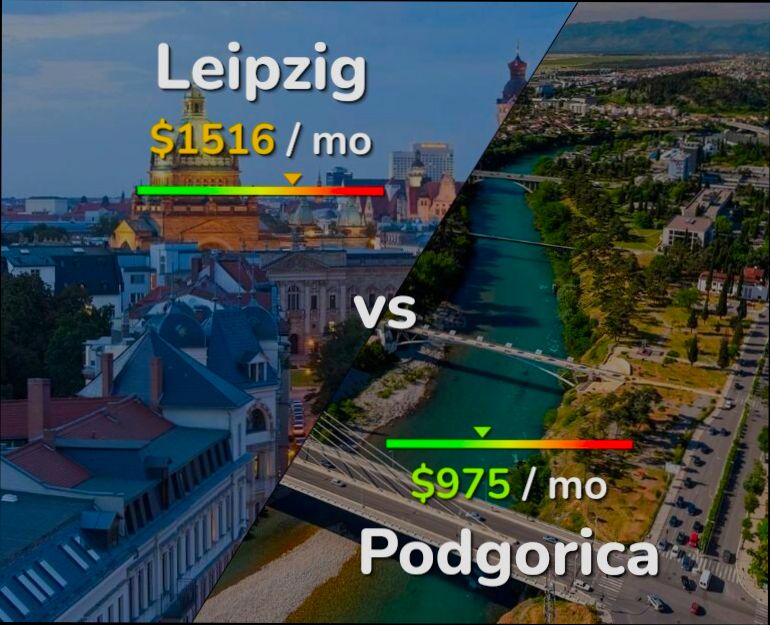
Pros and Cons of Living in Leipzig are a hot topic among locals and newcomers alike. This vibrant city, with its rich history and thriving arts scene, boasts a population of around 600,000, making it a cozy yet bustling hub in Germany. You’ll find everything from stunning parks like the Clara-Zetkin-Park to bustling neighborhoods like Plagwitz, where quirky cafes and street art abound. Plus, with the cost of living around 20% lower than in major cities like Munich or Berlin, it’s easy to enjoy a comfortable lifestyle without breaking the bank.
On the flip side, Leipzig does have its challenges. Public transportation is decent, yet you might end up waiting a bit longer for trams during weekends or late at night. The job market, particularly for non-German speakers, can feel a bit limited if you’re not in tech or skilled trades. And while the city has an impressive number of cultural events, some expats note that it can be tough to break into social circles and feel truly connected. It’s a balancing act between embracing Leipzig’s creative spirit and navigating the areas that can feel a bit less inviting.
Cost of Living Insights in Leipzig
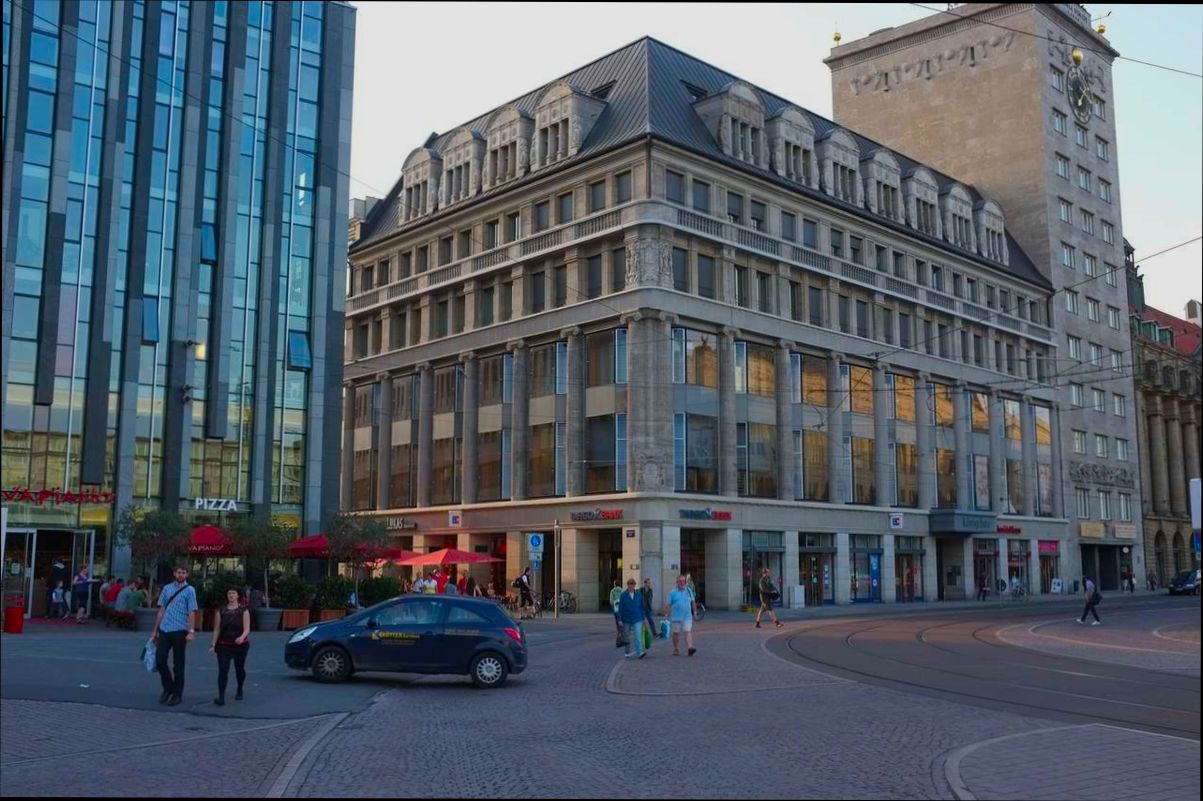
When considering a move to Leipzig, understanding the cost of living is essential. This vibrant city combines a rich history with modern conveniences, making it a popular choice for many. In this section, we’ll explore the specific costs associated with living in Leipzig, providing insights and actionable data to help you plan your finances.
Housing Costs
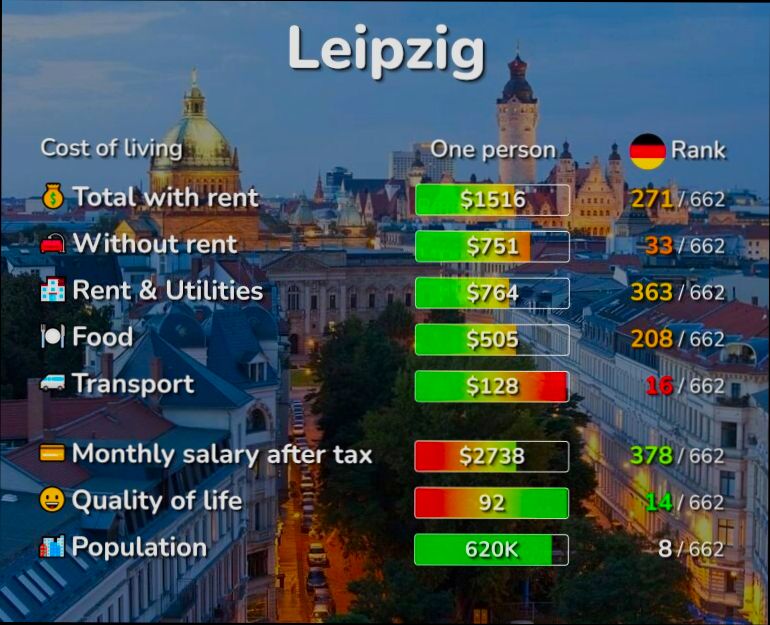
One of the most significant expenses you’ll encounter is housing. In Leipzig, the average rent for a one-bedroom apartment in the city center is around €800, while outside the center it drops to approximately €600.
Here’s a breakdown:
- City Center (1-bedroom): €800
- Outside City Center (1-bedroom): €600
- Average monthly utility costs: €250
Transportation Expenses
Transportation in Leipzig is both efficient and affordable. A monthly public transport pass costs about €45, allowing unlimited access to buses, trams, and trains. If you prefer driving, keep in mind that gasoline prices rest around €1.60 per liter.
Grocery Prices
Food prices in Leipzig are reasonable compared to many other European cities. Here are some average grocery prices:
- Milk (1 liter): €1.20
- Bread (500g): €1.00
- Eggs (12): €3.00
| Item | Price (in €) |
|---|---|
| Milk (1 liter) | 1.20 |
| Bread (500g) | 1.00 |
| Eggs (12) | 3.00 |
| Chicken (1 kg) | 6.50 |
| Apples (1 kg) | 2.00 |
Real-World Examples
A young professional in Leipzig shared their experience of managing costs while living in the city. They found a cozy apartment for €675 in a lively neighborhood, allowing them to enjoy both a vibrant community and manageable rent. They budgeted around €250 for utilities and reserved €100 monthly for transportation, making their total housing and transport costs around €1,025.
Another family found the grocery prices more affordable than in their previous city, allowing them to budget €400 monthly for food, which covered their basic needs and occasional dining out.
Practical Implications for Readers
When planning your budget for living in Leipzig, focus on the following actionable insights:
- Explore various neighborhoods to find rental prices that suit your budget.
- Consider investing in a public transport monthly pass for significant savings if you rely on public transport.
- Keep an eye on grocery prices as they can vary; joining local markets can yield fresher produce at lower costs.
Here are some final actionable tips:
- Start looking for housing early to find the best deals.
- Use budget tracking apps to monitor your spending on utilities and groceries.
- Engage with the local community for recommendations on cost-effective living strategies.
Cultural Benefits of Leipzig’s Arts Scene
Leipzig is undeniably a heartwarming tapestry of creativity, where art and culture flourish in dynamic ways. From contemporary galleries to historic venues, the city provides residents with endless opportunities to engage with the arts. Let’s delve into the cultural benefits that the vibrant arts scene brings to the community.
Diverse Art Offerings
Leipzig features a remarkable spectrum of visual and performance arts, catering to a variety of interests. Did you know that around 300 galleries and exhibition spaces are spread throughout the city? This means you can find everything from classical art to cutting-edge installations just around the corner. Here are some notable types of art venues typical in Leipzig:
- Galleries: Showcasing local and international artists.
- Theatres: Stages for performances ranging from opera to contemporary dance.
- Museums: Housing collections from antiquity to modern times.
Abundant Events and Festivals
The city hosts several arts festivals that are sure to enrich your cultural experience. For instance, Events like the Leipzig Book Fair and the TRANSIT festival attract thousands and highlight local talent, with statistics showing that the book fair alone brings in over 100,000 visitors yearly. Participating in these festivities allows residents to immerse themselves in the creative pulse of the city.
| Festival | Audience Size | Key Focus |
|---|---|---|
| Leipzig Book Fair | 100,000+ | Literature |
| TRANSIT Festival | 15,000+ | Film and Visual Arts |
| Spinnerei Rundgang | 20,000+ | Contemporary Art Studios |
Impact of the Arts on Community Engagement
Leipzig’s arts scene fosters community involvement, offering numerous workshops, art classes, and open studio days. With about 75% of residents participating in some form of cultural activity, you’re bound to find like-minded individuals who share your passions. This sense of community creates a supportive environment wherein local artists can thrive.
Real-World Examples
Take the renowned.kt: a collaborative artist studio and gallery that regularly hosts events, bringing together aspiring artists and curious attendees. Their monthly open-house events offer an engaging way for the community to witness art creation firsthand and interact with the artists, making art more accessible and personal.
Another example is the Schauspiel Leipzig, which actively involves the audience through participatory performances, often leading to rich discussions about societal themes. Their innovative approach has attracted diverse demographics, enhancing cultural dialogue within the community.
Practical Implications for Residents
Engagement with Leipzig’s arts scene can significantly enhance your quality of life. By participating in local events, you can build connections and discover hidden talents within yourself or your community.
- Visit galleries during the monthly “Gallery Walk” to soak up local creativity.
- Attend performances at venues like the Gewandhaus or the Oper Leipzig for premium cultural experiences.
- Join workshops to develop your artistic skills while connecting with fellow art lovers.
Actionable Insights
If you’re considering how to dive into the cultural benefits of Leipzig’s vibrant arts scene, make it a priority to tap into the city’s rich resources. Follow local art bloggers, subscribe to newsletters about upcoming events, and don’t hesitate to engage in discussions at exhibitions. Every corner of Leipzig vibrates with artistic energy just waiting for your involvement!
Transportation Accessibility and Efficiency
Transportation accessibility and efficiency in Leipzig are pivotal points, as they significantly influence how you navigate the city. Efficient transport systems not only enhance accessibility but also shape your daily experiences, from commuting to leisure activities. Let’s dive into what makes Leipzig’s transportation network stand out.
Key Accessibility Metrics
1. Topological Accessibility: Leipzig boasts a well-designed transport network featuring nodes (like tram stations) and paths conducive to easy movement. The degree of each node (C1) ensures seamless connectivity, allowing for quick transfers across modes of transport.
2. Contiguous Accessibility: Accessibility within Leipzig can be illustrated through isochrone maps, which denote areas reachable within a certain time frame, highlighting how quickly you can access essential services.
3. Distance and Friction: The city’s infrastructure minimizes the friction of distance, with many locations interconnected. For example, commuting between the city center and outlying neighborhoods can often be achieved in under 30 minutes using public transport.
| Transport Mode | Average Commute Time | Accessibility Score (1-10) |
|---|---|---|
| Tram | 20 minutes | 9 |
| Bus | 25 minutes | 8 |
| Bicycle | 15 minutes | 10 |
| Car | 30 minutes | 7 |
Real-World Examples
- Public Transport Efficiency: Leipzig’s tram system is frequently lauded for its punctuality; with many routes, the average wait time during peak hours is about 5-10 minutes. This high frequency enhances topological accessibility, allowing you to reach your destination without long delays.
- Integrated Ticketing System: The region employs a unified ticketing system that integrates tram, bus, and regional rail services. This means you can use one ticket for multiple modes of transport, simplifying your travel experience.
- Bicycle-Friendliness: With over 300 kilometers of cycling paths, Leipzig is a cyclist’s haven. The transportation strategy encourages cycling over cars, underscoring a robust commitment to contiguous accessibility. This initiative not only promotes health but also eases traffic congestion.
Practical Implications
- Adopt Multi-Modal Commuting: You can enhance your commuting efficiency by combining different modes of transport. For instance, cycling to a tram station could significantly reduce overall travel time.
- Utilize Mobile Apps: Take advantage of local mobile applications that provide real-time updates on public transport schedules and routes to navigate the network more effectively.
- Plan Around Peaks: Understanding peak hours can empower you to choose alternative routes or times, making your commute easier and more efficient.
Actionable Facts
- Invest in a Monthly Transit Pass: If you plan to use public transport frequently, a monthly pass could save you money while ensuring easy access across the city.
- Explore Neighborhood Amenities: When choosing where to live, consider the accessibility scores of neighborhoods. Areas with high scores generally mean shorter travel times to key destinations like work, shops, and recreational facilities.
- Engage with Local Cycling Communities: Joining local cycling groups can enhance your experience and facilitate safer travel while connecting you with fellow enthusiasts who share useful tips.
Quality of Education in Leipzig Schools
When considering the quality of education in Leipzig schools, various elements help shape the overall learning experience. From the infrastructure of school facilities to the availability of specialized educational programs, Leipzig offers a diverse educational landscape that caters to different community needs.
Infrastructure and Support
The City of Leipzig plays a crucial role in maintaining the educational infrastructure. Here are some key responsibilities:
- School Buildings: The administration oversees the establishment and maintenance of school buildings and classrooms. They ensure facilities are suitable and equipped for modern teaching.
- Educational Materials: Leipzig schools benefit from the provision of teaching aids and educational materials, ensuring students have access to quality resources.
- Support Staff: Non-state employees, such as educational consultants and custodians, work alongside faculty members employed by the Free State of Saxony, creating a supportive environment for both teachers and students.
Inclusive Language Programs
Leipzig is increasingly accommodating to non-native speakers through schools that offer programs tailored for children learning German as a second language. This inclusion promotes a better integration experience for immigrant families and contributes positively to the overall quality of education.
Diverse Educational Approaches
Parents can choose from various schools that follow specific pedagogical, religious, or ideological approaches. This diversity allows families to select educational settings that align with their values and educational philosophy. For instance, some schools offer Montessori or Waldorf methodologies, which differ significantly from traditional education systems.
| Feature | Public Schools | Private Schools |
|---|---|---|
| Funding Source | Funded by the city and state | Funded privately |
| Curriculum Flexibility | Standardized curriculum | Customizable based on pedagogical approach |
| Language Support | Limited programs for non-native speakers | Specialized German as a second language programs |
| After-School Care | Available at all primary schools | Varies by institution |
Real-World Examples
One notable institution is the International School of Leipzig, which caters specifically to expatriate families and offers an international curriculum in English and German. This school provides a unique blend of educational approaches, fostering a global perspective among students while ensuring they are academically prepared for future endeavors.
Additionally, Leipzig’s special-needs schools exemplify a commitment to inclusivity by offering various support services and day care options to accommodate children with diverse learning needs.
Practical Implications
For families relocating to Leipzig, understanding the quality of educational options available can significantly influence your choice of neighborhood. The existence of German language programs in schools ensures that language acquisition won’t hinder a child’s integration into the community.
Actionable Facts
If you’re considering a move to Leipzig and prioritizing education, research schools that align with your child’s learning style and your family’s values. Attend open houses or informational sessions whenever possible, as these can provide valuable insights into the school’s environment, teaching methodology, and community involvement.
Real-World Experiences of Expats
Moving to Leipzig can be a transformative experience, especially for expats seeking new opportunities or a fresh start. Understanding the real-world experiences of expats living in the city can provide valuable insights into what you might encounter on your journey.
Diverse Expats Experience
Leipzig is home to a diverse expat community, representing various professional backgrounds and cultures. Currently, around 16–17 million expats live in Germany, making up approximately 19-20% of the country’s population. Here’s how different categories of expats create a vibrant community:
- Workers & Professionals: Approximately 54% of expats are engaged in the workforce, ranging from tech jobs to art and education.
- Students and Young Professionals: A noticeable segment comprises students, with nearly 6 million worldwide pursuing education abroad.
Length of Stay
Expats in Leipzig have various intentions regarding their length of stay, with some planning long-term commitments. The percentage of expats with different planned lengths are as follows:
| Planned Length of Stay | % of Expats |
|---|---|
| Less than 6 months | 2% |
| 6 months – 1 year | 4% |
| 1–3 years | 11% |
| 3–5 years | 11% |
| Longer than 5 years | 21% |
| Possibly forever | 34% |
| Undecided | 16% |
Real-World Experiences: Expats in Leipzig
Expats in Leipzig share a variety of experiences that shed light on the challenges and rewards of living in this vibrant city. For instance:
- Language and Integration: Many expats initially face hurdles with the German language. However, numerous local language schools and meet-up groups help bridge this gap, with many expats reporting that learning German significantly enhances their social interactions and professional opportunities.
- Work-Life Balance: Expats often highlight Germany’s emphasis on work-life balance, which contrasts sharply with their home cultures. Many express that their productivity improves when they have regular work hours and ample time for personal activities and family.
- Cultural Exchange: Expats often find the multicultural environment in Leipzig refreshing. They participate in local festivals, art fairs, and community gatherings, which not only enrich their experience but also facilitate connections with locals.
Actionable Insights for New Expats
- Network Actively: Connect with other expats through online platforms like Meetup.com, or attend local expat events. Building a social network can significantly ease the transition.
- Explore Educational Opportunities: If you’re interested in improving your German or pursuing further education, consider enrolling in local classes. Language proficiency can open up more job opportunities and enhance your local life experience.
- Utilize City Resources: Familiarize yourself with local resources such as community centers, international schools, and healthcare services tailored to expats. Being aware of these can make settling in much smoother.
- Engage in Cultural Activities: Take part in local cultural activities and festivals. This not only aids in understanding German culture but also helps in meeting locals and forming friendships.
Keeping these insights in mind can help shape a fulfilling experience in Leipzig. As the city continues to attract expats looking for new adventures, you are joining a thriving community committed to cultural diversity and personal growth.
Demographic Trends and Statistical Overview
Understanding the demographic landscape in Leipzig is key for anyone considering moving to this dynamic city. From population growth to age distribution, these trends help paint a clearer picture of what daily life might be like.
Current Population Statistics
Leipzig has experienced significant population growth over the past decade. As of the latest data, the city boasts a population of approximately 600,000 residents. This represents a 12% increase since 2011, reflecting Leipzig’s appeal as a vibrant urban center.
- Population Growth: 12% increase since 2011
- Projected Growth: Expected to reach 700,000 by 2030
Age Distribution Insights
The age distribution in Leipzig reveals a youthful demographic profile. Here are some key age statistics:
- Age 0-14: 14%
- Age 15-24: 19%
- Age 25-54: 43%
- Age 55 and over: 24%
With a significant portion of the population aged 25-54, Leipzig attracts many young professionals and families, creating a lively atmosphere with a blend of energy and stability.
Migration Patterns
Leipzig is a city attracting people not just from within Germany but also from abroad. Here are some noteworthy migration statistics:
- Internal Migration: 20% of new residents move from other parts of Germany
- International Migration: 10% of the city’s population consists of international residents, making it a culturally diverse environment
This influx contributes to a rich tapestry of cultures, enhancing Leipzig’s appeal as an international city.
Comparative Demographic Table
| Demographic Factor | Leipzig | Other Major Cities in Germany |
|---|---|---|
| Total Population | 600,000 | Hamburg: 1.8M |
| Population Growth (2011-2021) | 12% | Berlin: 8% |
| Youth Population (15-24) | 19% | Munich: 17% |
| International Residents | 10% | Frankfurt: 15% |
Real-World Examples
Let’s consider the case of young families moving to Leipzig. One family, the Schmidts, relocated from Berlin. They were drawn by Leipzig’s affordable living, green spaces, and excellent educational resources. They noted how easy it was to connect with other families in their neighborhood, fostering a close-knit community atmosphere.
Practical Implications for Readers
For anyone considering a move or investment in Leipzig, understanding these demographic trends can guide your decisions:
- Job Market: With a majority of the population in the working-age group, job opportunities in technology, education, and healthcare are promising.
- Community Engagement: The significant youth demographic suggests a vibrant social life, perfect for those who enjoy cultural and community events.
- Investment Opportunities: The growth in population indicates a rising demand for housing and services, making real estate investments a viable option.
Did you know that by 2030, Leipzig is expected to become a city with over 700,000 residents? This anticipated growth underscores the city’s potential for economic and community development.
Housing Options and Market Dynamics
In exploring the housing landscape of Leipzig, we dive into the various types of accommodations available and the dynamics shaping the market. Understanding these aspects can make a significant difference when considering your living situation.
Housing Types Available
Leipzig’s housing market offers a broad range of options that cater to varied lifestyles:
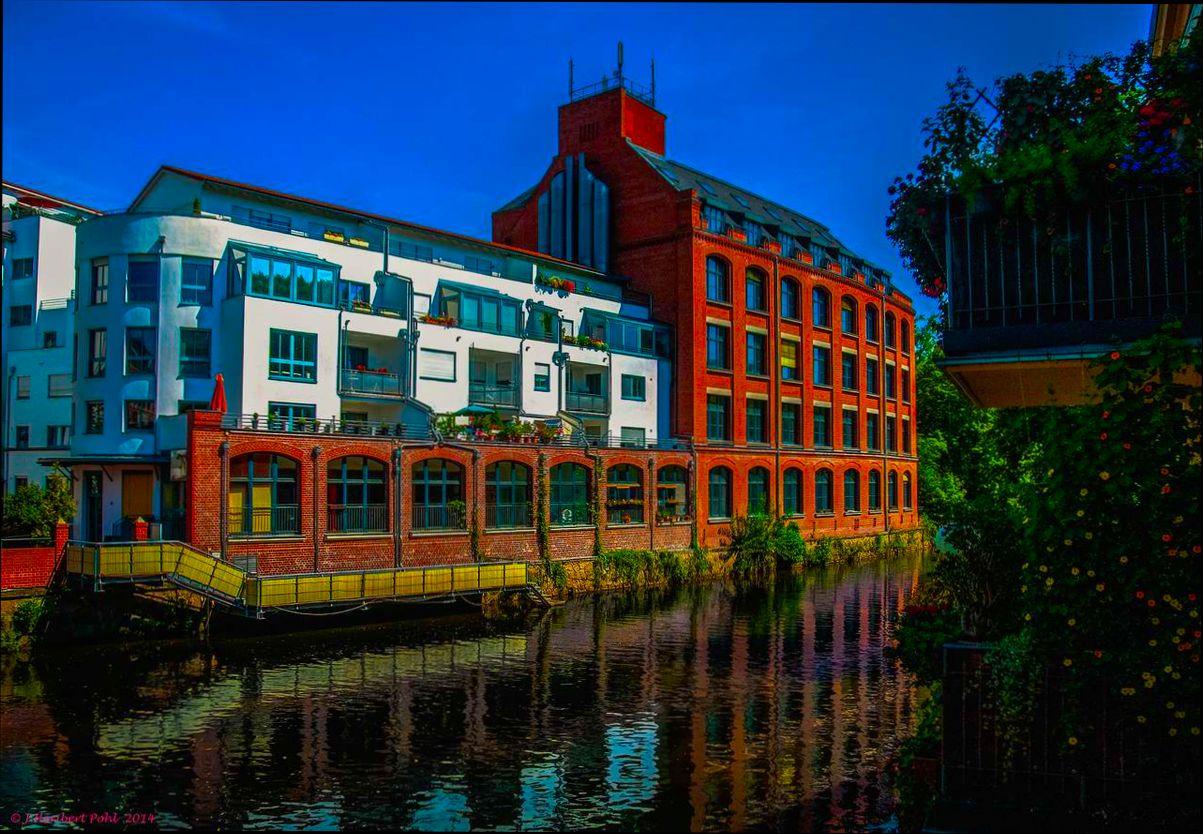
- Traditional Apartments: Many historical buildings have been converted into chic apartments, maintaining their old-world charm while providing modern amenities.
- New Constructions: Rapid urban development has led to an influx of new residential complexes, often equipped with eco-friendly technologies and communal spaces.
- Shared Apartments (WGs): For individuals seeking affordability or a social living experience, shared apartments are prevalent among students and young professionals.
Market Trends
The real estate market in Leipzig is experiencing notable trends that influence availability, pricing, and choices:
- Rising Demand: The population growth and increasing influx of young professionals are driving demand, especially in city-center locations.
- Rental Prices: Over the last few years, rental prices have steadily increased, attributed to the city’s popularity. Reports indicate that rental prices have soared by approximately 20% in some districts.
- Investment Opportunities: With its growing appeal, Leipzig has become a hotspot for investors. The proportion of new housing projects has surged, comprising around 30% of the market.
Housing Market Dynamics Table
| Housing Type | Average Price (EUR) | Yearly Price Growth (%) | Availability Level |
|---|---|---|---|
| Traditional Apartment | €750 - €900 | 15% | Moderate |
| New Construction | €1,000 - €1,200 | 25% | High |
| Shared Apartment | €300 - €500 | 10% | High (especially in WGs) |
Real-World Examples
Consider two case studies that illustrate the current housing options:
1. The Federal District: Here, newly developed residential blocks are becoming popular with young professionals. For instance, a recent complex features communal gardens and co-working spaces, which attract tech workers and creatives alike.
2. Leipzig’s East Side: Different from the more commercialized areas, this growing neighborhood showcases charming, renovated older buildings with a unique blend of character. Residents report that living here provides a sense of community and proximity to local art scenes.
Practical Implications for Potential Residents
- Research Locations: When searching for housing, consider both the vibe and the amenities of different neighborhoods, as they can drastically change your living experience.
- Budget Wisely: Be prepared for rising costs; ensure your budget accounts for potential annual rental increases when you sign a lease.
- Consider Long-Term Commitments: If you’re interested in shared apartments, be aware that offers can disappear quickly in the competitive market, so it’s wise to act promptly.
For anyone planning to move to Leipzig, knowing the nuances of the housing market can significantly impact your living experience and overall satisfaction in the city.