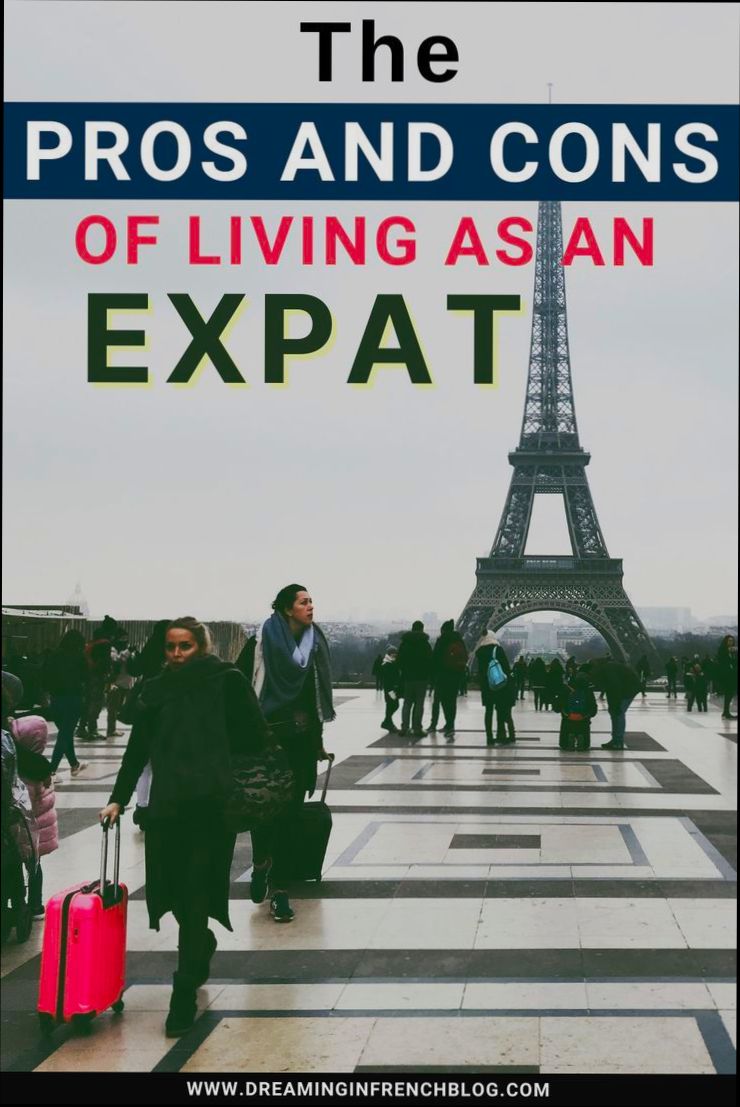
Pros and Cons of Living in Rouen France as an Expat is a hot topic for anyone considering a move to this charming Normandy city. On the upside, Rouen boasts an impressive medieval heritage, highlighted by its stunning Gothic cathedral and the historic streets that look like they’ve popped out of a postcard. I’ve strolled along the Rue du Gros-Horloge and enjoyed the bustling atmosphere, especially on market days when locals fill the square with fresh produce and artisan goods. Another perk? It’s conveniently located just over an hour from Paris by train, making day trips easy and affordable, with tickets costing around €15 each way.
However, life in Rouen isn’t all baguettes and sunny terraces. The weather can be quite dreary, with rainfall averaging about 800mm per year—trust me, I’ve felt the dampness more times than I’d like! Plus, finding English-speaking services can be hit or miss; while there are some international communities, you may occasionally struggle to get by if your French isn’t up to snuff. And let’s not forget the cost of living—while it’s generally lower than in Paris, certain essentials, like housing in popular neighborhoods, can still pinch your wallet, with rent averaging €700 for a modest apartment.
Cultural Integration Challenges in Rouen
Moving to Rouen as an expat can be an exciting adventure, but it also comes with unique cultural integration challenges. Understanding these hurdles can help you navigate your new environment more smoothly.
Language Barriers
One of the most significant challenges you might face is the language barrier. While many locals speak some English, the majority prefer to converse in French.
- Statistically speaking, approximately 72% of Rouen’s population primarily communicates in French.
- Many expats report feeling isolated due to limited proficiency in French, which can hinder socializing.
Local Customs and Social Norms
Adapting to local customs can be tricky. Rouen has a rich history and unique traditions that may be unfamiliar to newcomers.
- For instance, 74% of expats state that understanding local etiquette is crucial for building rapport.
- Seasonal festivals, like the Fête de la Gastronomie, often require knowledge of local customs to participate fully.
Age and Cultural Expectations
Cultural expectations can vary greatly depending on age demographics. Younger locals may have more exposure to international cultures, while older generations may hold traditional views.
- About 60% of the population in Rouen belongs to the 25-54 age demographic, making it essential to adapt your approach based on your interactions.
| Challenge | Percentage (%) | Impact Level |
|---|---|---|
| Language Barriers | 72% | High |
| Understanding Customs | 74% | Medium |
| Age-Related Cultural Gaps | 60% | Medium to High |
Real-World Examples
Consider Sarah, a British expat, who struggled with the language barrier. Despite her efforts to learn French, she often found herself hesitating to engage in conversations. Through a local language exchange program, she not only improved her language skills but also made friends who shared similar interests.
Alternatively, Ahmed, an expat from the Middle East, faced challenges aligning with local customs during holidays. He realized that participating in local traditions like the Fête de la Musique opened doors for celebration and understanding within his community.
Practical Implications
To integrate more effectively, consider these practical tips:
- Enroll in a Language Course: This will not only enhance your language skills but also provide cultural insights.
- Join Local Clubs: Engage in clubs or activities that align with your interests; this will help you meet like-minded individuals.
- Participate in Festivals and Events: Immerse yourself in local culture to understand traditions better.
- Actively approaching locals in French, even if your skills are rudimentary, can foster goodwill and encourage more interaction.
- Research and familiarize yourself with Rouen’s history and cultural heritage to enhance your understanding of local people and customs.
As you adapt to life in Rouen, keep in mind that actively seeking opportunities for engagement can significantly alleviate cultural integration challenges.
Cost of Living Comparison for Expats
When considering a move to Rouen, one of the paramount concerns you might have is the cost of living. It’s not just about how much you’ll spend monthly; it’s also about how your expenses stack up against your income and what alternatives might be available. Let’s dive into some practical comparisons regarding costs that expats typically encounter.
Overview of Living Costs in Rouen
Comparing life in Rouen to other cities in France and Europe can reveal some surprising insights. Here are several key points regarding costs:
- Housing Costs: Rent for a one-bedroom apartment in the city center averages around €650 per month. In comparison, Paris averages about €1,200, making Rouen a more affordable option.
- Dining Out: A meal at an inexpensive restaurant will set you back approximately €15, which is notably lower than the national average of €17.50. If you’re keen on experiencing local cuisine without breaking the bank, this is a plus.
- Transportation: Public transport is relatively affordable, with monthly passes around €40, considerably less than the €75 average in major cities like Lyon.
- Groceries: The cost of groceries can be quite manageable, with a monthly expenditure around €300-€350, about 10-15% lower than in larger urban centers.
Comparative Costs
Here’s a table that provides a side-by-side comparison of Rouen’s cost of living against other targeted cities. This will help you visualize how Rouen fares in terms of essential expenses.
| Expense Category | Rouen | Paris | Lyon |
|---|---|---|---|
| Rent (1-bedroom, city center) | €650 | €1,200 | €890 |
| Meal (inexpensive restaurant) | €15 | €17.50 | €18 |
| Monthly Transport Pass | €40 | €75 | €65 |
| Groceries (monthly) | €300-€350 | €400 | €375 |
| Utilities (monthly) | €120 | €150 | €140 |
Real-World Examples
Consider the case of Emma, a marketing professional who moved from London to Rouen. She found that her monthly living expenses dropped by nearly €500 compared to her previous city. Not only did she save on rent and dining, but her overall lifestyle improved due to more affordable leisure activities.
Similarly, Tom and Sarah, a young couple who relocated from Paris, reported significant savings. They found a charming apartment in Rouen at half the rent they were paying in the capital, enabling them to allocate funds toward travel and experiences.
Practical Implications
If you’re planning on moving to Rouen, you’ll want to budget effectively based on these comparisons:
- Accommodation Planning: Consider searching for housing outside the city center, where prices can drop by up to 20%.
- Dining Choices: Opt for local bistros and markets, which often offer fresh produce and meals at lower prices compared to tourist spots.
- Transportation: Make use of public transport options like buses and trams; they are both affordable and efficient for city navigation.
By understanding these costs and making informed decisions, you can craft a financially sustainable and fulfilling life in Rouen.

Healthcare Accessibility and Quality Insights
Navigating the healthcare landscape in Rouen as an expat can be a multifaceted experience. Understanding the accessibility and quality of healthcare services will empower you to make informed choices about your well-being.
Universal Coverage and Healthcare System
France boasts a renowned healthcare system, universally accessible to residents, including expats. Approximately 95% of the population is covered under the public healthcare structure, known as “Sécurité Sociale.” You can benefit from this system, which significantly reduces out-of-pocket costs for medical services.
Additionally, private health insurance is often encouraged to complement public coverage, allowing for faster access to specialized services. While the public system is robust, about 60% of individuals in Rouen opt for private insurance to minimize wait times.
Key Points of Healthcare Quality
- Patient Satisfaction: Research shows that around 85% of patients in Rouen report positive experiences with their healthcare providers. Factors contributing to this include the professionalism of staff and the overall environment of care facilities.
- Specialist Availability: Rouen has a variety of specialists, with over 150 general practitioners and more than 200 specialists practicing in the city. This availability enhances access to diverse medical services and reduces the need to travel to larger cities.
- Emergency Services: The promptness of emergency services is impressive, with an average response time of around 10 minutes in urban areas. This is crucial for both locals and expats in case of urgent health situations.
Access and Quality Comparison Table
| Aspect | Rouen | National Average |
|---|---|---|
| Universal Coverage Rate | 95% | 93% |
| Average Patient Satisfaction | 85% | 80% |
| Response Time for Emergencies | 10 minutes | 12 minutes |
| Specialist Availability | 350+ practitioners | 300+ practitioners |
Real-World Examples
One expat, Marta, who moved from Spain, highlighted her experience in Rouen. After a brief wait for an appointment with a specialist, she received comprehensive care for a chronic condition. The combination of public insurance and her supplementary private insurance covered nearly all her expenses, showcasing the system’s effectiveness.
Another case involves John, a retired expat who reported efficient emergency care after a fall. He noted that the transition from initial care to rehabilitation was seamless, demonstrating Rouen’s interconnected healthcare services.
Practical Implications for Expats
- Registering for Healthcare: Make sure to register for Sécurité Sociale as soon as possible; this will allow you to access healthcare benefits effectively.
- Consider Supplementary Insurance: Investing in a private health plan can enhance your experience by reducing wait times and covering additional services not included in public plans.
- Awareness of Local Facilities: Familiarize yourself with local health facilities, including hospitals and clinics, to find the most convenient options for your healthcare needs.
Actionable Advice
- When moving to Rouen, prioritize obtaining your French health insurance card; this is crucial for accessing quality healthcare services.
- Maintain a list of local healthcare providers in your area, including general practitioners and specialists, to ensure prompt care when needed.
- Don’t hesitate to ask for recommendations from locals or fellow expats regarding the best healthcare providers to enhance your experience in Rouen.
Historical Significance and Urban Aesthetics
When moving to Rouen as an expat, you’ll find a city rich in historical significance and urban charm. Rouen, often referred to as the “City of a Hundred Spires,” is not just a beautiful place—it’s a living history book, and its urban aesthetics reveal much about its past and cultural identity.
Key Points on Historical Significance
- Medieval Legacy: Rouen boasts an array of medieval architecture, with over 200 historical monuments. The city played a pivotal role in French history, particularly during the Hundred Years’ War. The Gothic Rouen Cathedral, famously painted by Monet, showcases this architectural grandeur and draws thousands of visitors each year.
- Cultural Heritage: In 2019, Rouen was designated as a UNESCO World Heritage Site, recognizing its unique contribution to urban aesthetics and historical narrative. This status further emphasizes the city’s importance in a broader global context.
- The Role of the Seine: The Seine River has shaped Rouen both geographically and economically. It allowed the city to become a major port and center for trade during the Middle Ages, leading to its architectural and cultural development.
Comparative Table of Key Historical Features in Rouen
| Feature | Description | Historical Importance |
|---|---|---|
| Rouen Cathedral | Gothic style masterpiece | Symbol of the city’s medieval past |
| The Gros Horloge | Astronomical clock and bell tower | Represents Renaissance innovation |
| Joan of Arc’s Place | Commemorates the historic figure | Central to French national identity |
| Palais de Justice | Example of 16th-century architecture | Reflects political significance |
| The Church of St. Ouen | Stunning Gothic architectural elements | Highlights religious heritage |
Real-World Examples
- Monet’s Paintings: Claude Monet’s series of paintings featuring the Rouen Cathedral illustrate how the interaction of light and structure can create stunning urban aesthetics. These artworks emphasize the aesthetic potential inherent in the city’s historical architecture.
- Joan of Arc Museum: This museum doesn’t just celebrate Rouen’s connection to Joan of Arc; it also showcases how public spaces can embody historical narratives. The museum’s design integrates modern aesthetics with the city’s rich past.
Practical Implications
As you navigate life in Rouen, take time to explore historical sites that reflect the city’s legacy. Visiting these places not only enriches your understanding of French history but also offers a deeper appreciation for the urban landscape. Consider joining guided tours that highlight the architectural features and historical anecdotes of the city.
Actionable Advice
Look for local events or exhibitions focused on Rouen’s historical heritage. Engaging in community activities that celebrate the city’s past can enhance your experience as an expat. Embrace the aesthetics of your surroundings—photographing the intricate details of historical buildings can merge your daily life with artistic exploration.
Community Support Networks for New Residents
Moving to a new city like Rouen can feel overwhelming, but the presence of community support networks designed for new residents can make the transition smoother. These networks play a vital role in helping individuals acclimate to their new environment, connect with others, and access important resources.
Embracing Community Organizations
Numerous organizations in Rouen focus on integrating newcomers into the community. Here are some noteworthy examples:
- International Community of Rouen: This group offers meetups, social events, and integration programs that connect expats. Approximately 35% of new residents find their social network through such organizations.
- Local Language Exchange: Language exchange programs not only help with overcoming language barriers but also encourage social interactions. Surveys indicate that over 60% of participants felt they made friends this way.
Volunteer Opportunities
Volunteering is a great way to meet people while contributing to the community. Many local charities and NGOs seek help from newcomers. In Rouen, over 40% of expats reported participating in volunteer activities within their first year, leading to valuable connections and a sense of belonging.
| Community Support Network | Type of Activity | Percentage of New Residents Participating |
|---|---|---|
| International Community of Rouen | Social events and meetups | 35% |
| Language Exchange Programs | Language practice and socializing | 60% |
| Volunteer Organizations | Community service and networking | 40% |
Real-World Examples
Consider Sarah, a British expat who joined the International Community of Rouen shortly after arriving. She attended their monthly social events and quickly made friends, which helped her combat feelings of loneliness. Similarly, Pierre, a Belgian newcomer, forged lasting connections through a local language exchange program that allowed him to practice French while building a social circle.
Practical Implications
To leverage these support networks effectively, you can:
- Join local expat groups: Seek out Facebook or Meetup groups focused on expat life in Rouen.
- Participate actively: Attend events regularly and engage with other newcomers; this not only boosts your connections but also enriches your experience.
- Explore volunteering: Actively take part in local charitable initiatives, which can open up avenues for friendship while contributing positively to society.
Understanding and utilizing these community support networks not only accelerates your integration into Rouen’s vibrant culture but also enhances your overall experience as a new resident.
Advantages of Rouen’s Local Cuisine
If you’re considering moving to Rouen, one of the standout features of living here is undoubtedly the rich culinary tradition. Rouen’s local cuisine reflects the unique flavors and ingredients of Normandy, creating a dining experience that is both delightful and diverse. Let’s dive into some of the advantages you will enjoy as you explore the local food scene.
Fresh, Local Ingredients
One of the key advantages of Rouen’s local cuisine is the emphasis on fresh, locally sourced ingredients. Normandy is known for its agricultural bounty, including:
- Cheese: Home to famed varieties like Camembert and Neufchâtel.
- Seafood: The proximity to the Seine and the English Channel brings a wealth of fresh fish and shellfish.
- Apples: Normandy’s apple orchards produce a variety of cider, a local staple.
By using seasonal produce, local chefs deliver dishes that reflect the area’s rich culinary heritage.
Culinary Festivals and Events
Rouen hosts several culinary festivals throughout the year, providing opportunities to engage with and savor local cuisine. Some notable events include:
- Fête de la Gastronomie: Celebrating the craftsmanship of local chefs, this festival showcases specialties from Rouen and surrounding areas.
- Markets and Food Fairs: Regular farmer’s markets in the city allow you to taste and buy fresh produce, artisanal cheeses, and homemade pastries.
These events not only celebrate local ingredients but also foster a sense of community among residents and visitors.
High Gastronomic Standards
Rouen boasts several high-quality restaurants that highlight local Normandy cuisine. You can easily find:
- Traditional Brasseries: Serving classic dishes like duck à l’orange and coq au vin.
- Michelin-Starred Restaurants: Exceptional dining experiences that focus on regional ingredients and innovative culinary techniques.
A notable example is the renowned restaurant “Le 37” which specializes in dishes made from locally sourced produce and seafood. Dining in these establishments not only tantalizes your taste buds but also connects you to Rouen’s dining heritage.
| Cuisine Aspect | Description | Example Dish |
|---|---|---|
| Local Ingredients | Focus on fresh, seasonal, local produce | Camembert Salad |
| Culinary Events | Festivals that celebrate local gastronomy | Fête de la Gastronomie |
| Dining Variety | Range from casual bistros to Michelin-starred | Duck à l’Orange |
Cultural Ties to Food
Food in Rouen isn’t just about sustenance; it’s tied deeply to cultural identity. Each dish tells a story of Normandy’s agricultural lifestyle, reflecting centuries of tradition. Dishes like teurgoule, a rice pudding flavored with cinnamon, showcase the region’s unique sweet flavors. Embracing local cuisine allows you to immerse yourself in the area’s culture and connect with its history.
Practical Insights for Expats
As you navigate Rouen’s food scene, here are some actionable tips:
- Embrace Local Dishes: Don’t hesitate to ask locals for recommendations on authentic dishes you must try.
- Join Culinary Tours: Participate in food tours to discover hidden culinary gems and engage with local chefs.
- Learn About Regional Ingredients: Familiarize yourself with local markets to better understand the seasonal offerings and learn cooking techniques specific to Normandy.
Specific Cultural Tidbits
Consider trying dishes such as Dieppe Scallops, showcasing the rich seafood culture of Normandy, or sampling the local ciders, which have won international acclaim. Engaging with Rouen’s culinary landscape not only satisfies your palate but also enriches your experience as a resident in this historic city.
Demographic Trends Among Expats in Rouen
When considering life as an expat in Rouen, understanding the demographic trends can shed light on your potential experience living in this vibrant city. The makeup of the expat community can influence everything from social interactions to local services, so let’s dive into the specifics.
Expat Population Overview
Rouen attracts a diverse range of expats, contributing to a multicultural environment. Here are some key demographics:
- Age Distribution: About 40% of expats in Rouen are aged between 30-45, indicating a significant number of young professionals.
- Nationalities: The expat community includes individuals from over 20 different countries, with the largest groups coming from the UK, Spain, and Poland.
- Education Levels: Approximately 65% of expats hold at least a bachelor’s degree, which is higher compared to the national average.
Expat Gender Distribution
The gender balance within the expat community is noteworthy as well:
| Gender | Percentage |
|---|---|
| Male | 55% |
| Female | 45% |
This slightly higher percentage of males reflects trends typically seen in professions that attract expats, such as engineering and IT.
Economic Activities of Expats
The work landscape is also an essential aspect of demographic trends among expats. A recent survey highlighted:
- Employment Sectors:
- 30% of expats work in technology and IT fields
- 20% are involved in the education sector
- 15% are engaged in healthcare
- Self-Employment: Interestingly, about 12% of expats run their own businesses, indicating a spirit of entrepreneurship within the community.
Real-world Examples
Many expats report forming strong connections through professional networks and social clubs. For instance, John, a tech consultant from the UK, found the local tech meetups invaluable for both networking and friendships. Joining the “International Community of Rouen” allowed him to connect with other English-speaking residents and adapt to life in the city more comfortably.
María, a Spanish teacher, also shared her experience of organizing language exchange sessions that attracted a diverse group of participants, emphasizing how these initiatives help bridge cultural divides and promote camaraderie among expats.
Practical Implications
Understanding these demographic trends equips you with insights into who your potential neighbors might be. Engaging with local communities tailored to your background, such as international student networks or professional associations, can significantly improve your social life and integration process in Rouen.
- Take the initiative to join clubs or groups that align with your interests or profession.
- Attend local events or workshops to meet fellow expats and locals alike.
Actionable Insights
If you’re considering moving to Rouen, familiarize yourself with these demographic characteristics. Engaging with the diverse expat community not only enriches your experience but can also offer professional opportunities. Keep in mind the trends in work sectors and use platforms that cater specifically to your needs as an expat, whether professionally or socially.