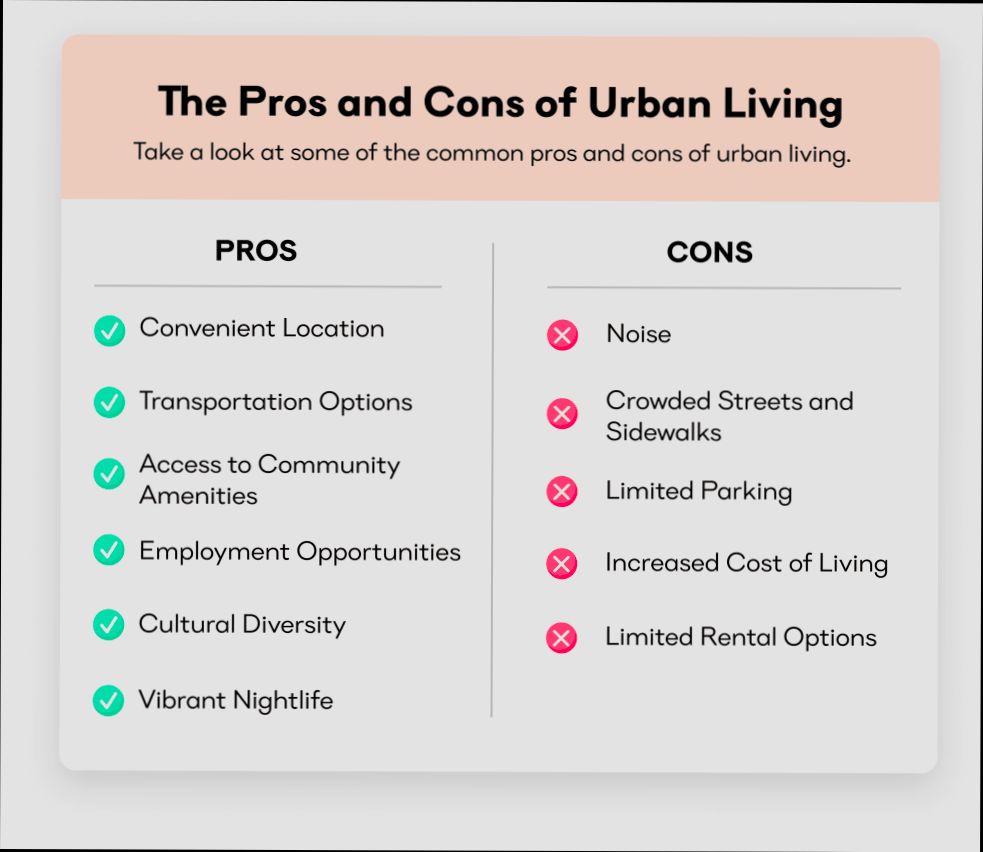
Pros and Cons of Living in Amersfoort create a vivid picture of life in this charming Dutch town nestled between Utrecht and the Veluwe National Park. On the plus side, Amersfoort boasts a vibrant blend of historic charm and modern convenience. Just wander through its well-preserved medieval streets and you’ll discover stunning landmarks like the Onze Lieve Vrouwetoren, which towers over the city at 98 meters. The town’s energy can be contagious, especially when you stroll through its buzzing market square filled with local shops, cafes, and trendy eateries. Plus, the public transport system is top-notch—within a mere 30 minutes, you can zip to Amsterdam or Utrecht, taking the hassle out of long commutes.
However, living in Amersfoort isn’t all sunshine and tulips. The housing market has been heating up, driving up prices that might make your wallet sweat. If you’re eyeing a cozy apartment in the city center, be prepared to dig deeper, as the average rent for a one-bedroom can hover around €1,200 per month. And while the quaint charm is refreshing, the nightlife can feel a bit subdued if you’re used to the vibrant scenes in bigger cities. So, while you’ll find beautiful parks and friendly neighbors, those looking for a constant buzz and a diverse nightlife might find themselves missing the beat.

Cost of Living in Amersfoort
Understanding the cost of living in Amersfoort can help you make informed decisions about relocating or budgeting your finances. This section breaks down various aspects of living expenses, including housing, groceries, transportation, and more, to give you a clearer picture of what to expect.
Housing Costs
Housing is typically the largest expense for anyone living in Amersfoort.
- The average rent for an apartment in the city center is around €1,200 per month.
- If you prefer a more suburban area, expect to pay about €1,000 for a similar space.
- Buying property costs about €3,400 per square meter on average.
Now, let’s look at housing costs more closely in a comparative table:
| Housing Type | City Center Rent (€) | Suburban Rent (€) | Purchase Price (€ per m²) |
|---|---|---|---|
| 1 bedroom apartment | 1,200 | 1,000 | 3,400 |
| 3 bedroom apartment | 1,700 | 1,400 | 3,300 |
Grocery Prices
Grocery shopping in Amersfoort is relatively affordable when compared to other cities in the Netherlands.
- A typical monthly grocery budget for one person can range from €250 to €300.
- For a family of four, this budget increases to approximately €800, which includes basic staples as well as some treats.
Here are some specific grocery prices:
- A liter of milk costs about €1.10.
- Bread is around €1.80 for a standard loaf.
- A kilogram of apples generally costs about €2.50.
Transportation Expenses
Public transportation in Amersfoort is efficient and reasonably priced.
- A single bus or train ticket costs around €3.50.
- For daily commuters, a monthly public transport pass costs about €80.
If you prefer to drive, consider the following costs:
- Fuel prices are approximately €1.80 per liter.
- Parking fees in the city can add another €2 to €3 per hour, depending on the area.
Real-world Examples
Let’s consider a hypothetical family living in Amersfoort to see how these costs add up.
- The Smith family rents a 3-bedroom house in the suburbs for €1,400 a month. Additionally, they budget €800 monthly for groceries and €80 for public transportation.
- Meanwhile, they spend around €100 a month on utilities, including electricity, heating, and internet.
In this case, their total monthly living expenses would be about €2,380.
Practical Implications
When budgeting for a move to Amersfoort, factor in the following expenses:
- Housing should take the largest portion of your budget; aim to keep it below 30% of your income, especially if you want to enjoy other aspects of life in the city.
- Grocery prices can vary by store and location, so take time to shop around or consider local markets for fresher and possibly cheaper options.
- Use public transportation to save on vehicle costs, especially if you plan to commute regularly within the city or to nearby areas.
In summary, Amersfoort’s cost of living reflects a good balance between urban conveniences and more affordable suburban lifestyles. Keep these costs in mind as you plan your future in this charming Dutch city!
Quality of Education and Schools
When considering a move to Amersfoort, one of the key aspects to evaluate is the quality of education and schools available in the area. The educational landscape here offers a mix of public and private institutions, renowned for their commitment to high academic standards and inclusive environments.
Quality Indicators
In Amersfoort, the quality of education is measured through various indicators, such as student performance, teacher qualifications, and school facilities. Here are some key statistics that may interest you:
- The average student-to-teacher ratio in primary schools is approximately 15:1, which allows for individualized attention and better support for students.
- About 85% of schools in Amersfoort achieve a quality rating of ‘good’ or ‘excellent’ from the Dutch Education Inspectorate.
- Schools offering bilingual education have seen a 30% increase in enrollment over the past five years, reflecting the growing demand for language skills in a globalized world.
Comparative Education Table
| School Type | Average Student-Teacher Ratio | Quality Rating (% good/excellent) | Bilingual Programs Available |
|---|---|---|---|
| Public Primary Schools | 15:1 | 85% | Yes |
| Private Schools | 12:1 | 90% | Yes |
| Secondary Schools | 14:1 | 88% | Limited |
Real-World Examples
One notable institution is the Amersfoort International School, which offers an International Baccalaureate program that attracts both expatriate families and locals. The school boasts a student-teacher ratio of 13:1, enabling a more personalized education approach. Additionally, the presence of innovative learning resources and technology integration enhances the student experience.
Another example is the school De Nieuwe Kameleon, which emphasizes a project-based learning curriculum. This approach has garnered recognition for its ability to adapt education to the needs of individual students, contributing to its 90% quality rating from parents.
Practical Implications
As you evaluate schools in Amersfoort, consider visiting open houses or scheduling meetings with teachers and administrators to better understand their educational philosophies. Engaging with current parents can also provide insights into the school’s culture and community involvement.
Being aware of the bilingual programs available could also be beneficial if you seek to develop language skills within an international context. This choice can enhance both your children’s educational experience and their future career opportunities.
If you’re contemplating the education options for your family in Amersfoort, investigate the various specialized programs and school ratings to find the best fit. Schools with strong community ties and a focus on both academic and social development can greatly influence your child’s learning journey.
Cultural Attractions and Recreational Opportunities
Living in Amersfoort offers you a delightful mix of cultural attractions and recreational opportunities that can enrich your daily life. From historic sites to vibrant arts scenes, this city has something for everyone looking to immerse themselves in both relaxation and entertainment.
Rich Historical Heritage
Amersfoort is steeped in history, evident through its well-preserved medieval architecture. Key attractions include:
- The Onze Lieve Vrouwetoren (Our Lady Tower): At 98 meters tall, it’s the tallest church tower in the Netherlands. Climbing the 346 steps offers a breathtaking panoramic view of the city.
- The Historic City Walls: Parts of the original city walls built in the 14th century still stand, inviting you to explore the enchanting streets and learn about the city’s past.
Vibrant Arts Scene
Anyone with a passion for the arts will feel right at home in Amersfoort. The city boasts several galleries and theaters:
- Amersfoort’s Theater: A hub for performing arts, it hosts over 300 performances each season, including theater, dance, and music events.
- Art Centers: You can find over 30 galleries featuring both contemporary and classical works from local artists, making for an exciting cultural stroll.
Recreational Parks and Nature
For those who enjoy nature, Amersfoort doesn’t disappoint. The city has numerous parks and recreational areas:
- Park Schothorst: A large green space perfect for picnics, jogging, or simply unwinding in nature.
- The Bult: A favorite local park that features a pond, playgrounds, and vast green lawns that host summer festivals and community events.
Comparative Table of Cultural Attractions and Recreational Opportunities
| Attraction Type | Number of Locations | Average Visitors per Year | Special Features |
|---|---|---|---|
| Historical Sites | 10 | 100,000+ | Guided tours available |
| Art Galleries | 30 | 60,000+ | Frequent exhibitions by local artists |
| Theaters | 1 | 150,000+ | Multi-genre performances |
| Recreational Parks | 5 | 200,000+ | Event hosting throughout the year |
Real-World Experiences
Consider the annual Amersfoort Arts Festival, which attracts visitors from all over the region. It features live music, art installations, and workshops, allowing you to engage with the local artistic community. Additionally, the Kunst in de Stad event promotes public art throughout the city, showcasing how public spaces can become canvases for creativity.
If you’re a history buff, participating in guided tours of the city’s museums, like the Mondriaan House, can deepen your appreciation for Amersfoort’s artistic significance, being the birthplace of the famous painter Piet Mondrian.
Practical Implications for Enjoying Culture and Recreation
To truly enjoy the cultural attractions of Amersfoort, consider joining local clubs or organizations that focus on art and history. This engagement not only expands your social circle but also provides insider access to events and activities, often at reduced rates.
Actionable Facts
- Don’t miss the first Saturday of each month, when many galleries host open houses and special events.
- Take advantage of membership options in local cultural institutions, which often include discounts on tickets and special access to events.
- Look out for community-led initiatives, such as pop-up markets and art classes, that frequently occur in various neighborhoods, offering a hands-on way to connect with the culture.
Amersfoort is not just a place to live; it’s a vibrant canvas of culture and recreation waiting for you to explore!

Commute Times and Transportation Options
When it comes to living in Amersfoort, understanding the commute times and available transportation options is crucial for making the most of your daily routines. Let’s dive into what you can expect when it comes to getting around this charming city and beyond.
Amersfoort boasts a well-connected transportation network, making commuting efficient for residents. Here’s what you need to know:
Commute Times
- Most commuters can anticipate an average travel time of around 30 minutes to Amsterdam when utilizing the train service. This makes Amersfoort an appealing choice for those who work in the capital but prefer suburban living.
- For trips to Utrecht, the commute time is typically shorter, averaging about 20 minutes, facilitating quick access to one of the Netherlands’ major cities.
- If you are driving, expect slightly longer commute times due to traffic, averaging around 40 minutes to Amsterdam and 30 minutes to Utrecht during peak hours.
Transportation Options
Amersfoort offers a variety of transportation methods to cater to different preferences:
- Train Services: The train station in Amersfoort is a central hub, with frequent services to major cities across the Netherlands. Approximately 50 trains depart from Amersfoort daily to Amsterdam, ensuring flexibility in your schedule.
- Bicycle Infrastructure: Known for its bike-friendly atmosphere, Amersfoort encourages cycling, with over 250 kilometers of bike paths surrounding the city. This not only promotes a healthy lifestyle but also significantly reduces commute times for local trips.
- Bus Network: The city is served by a robust bus system that connects neighborhoods and nearby towns. The buses typically run every 15-30 minutes, making it convenient for short distances.
Comparative Commute Times
| Destination | Transport Mode | Average Commute Time |
|---|---|---|
| Amsterdam | Train | 30 minutes |
| Utrecht | Train | 20 minutes |
| Netherlands (Driving) | Car | 40 minutes (Amsterdam) 30 minutes (Utrecht) |
| Local Areas | Bicycle | Varies, often 15-20 minutes |
Real-World Examples
Consider a professional working in Amsterdam. Living in Amersfoort, they can easily catch a train at 8:00 AM and arrive in the city around 8:30 AM, allowing ample time for a morning coffee before starting their workday. For residents who prefer cycling, opting for a bike to the train station may only take 10-15 minutes, ensuring they stay active while commuting.
On the other hand, families might find the bus service adequate for school rides, with buses arriving consistently every 20 minutes, providing flexibility and convenience in planning school drop-offs or picking up groceries.
Practical Implications
Having diverse transportation options means you can tailor your commuting experience based on your lifestyle and preferences. Whether you prefer the fast-paced life of train travel, the leisurely pace of cycling, or the flexibility of driving, Amersfoort accommodates all.
Additionally, if you’re looking to reduce your carbon footprint, opting for bicycle commutes or public transportation not only contributes to sustainability but can also enhance your overall quality of life.
To make the most of your time in Amersfoort, consider integrating cycling or train travel into your routine. For those commuting to nearby cities, starting early can help avoid peak-hour traffic, ultimately saving time and stress.

Healthcare Accessibility and Services
When considering a move to Amersfoort, understanding the healthcare accessibility and services available can significantly impact your quality of life. Let’s dive into what you can expect regarding healthcare options, accessibility, and overall service quality in the city.
Availability of Healthcare Facilities
Amersfoort is well-equipped with healthcare facilities that cater to a range of needs. According to local data, there are approximately 15 primary care centers and 4 hospitals, ensuring that residents have timely access to medical care.
Key healthcare facilities include:
- Meander Medical Center: A leading hospital offering comprehensive services from emergency care to specialized treatments.
- Neighborhood Health Centers: Provide accessible services such as family medicine, pediatrics, and preventive care.
Accessibility Metrics
When we look at healthcare accessibility, several factors come into play, such as the number of professionals per capita and waiting times for appointments. Here are some specifications:
- On average, each general practitioner serves about 2,000 residents, leading to a manageable patient-to-doctor ratio.
- Average waiting times for a regular appointment with a general practitioner are around 1 to 2 weeks, which is relatively quick compared to global standards.
Healthcare Costs
Healthcare in Amersfoort operates on a system that’s partially funded by health insurance. Here’s how costs breakdown:
- Basic health insurance premiums range from €100 to €130 per month, covering essential services.
- Residents often face a deductible of about €385 annually before insurance companies cover additional medical costs, which is a reasonable rate in relation to the benefits provided.
| Type of Service | Average Cost (in €) | Accessibility Level |
|---|---|---|
| General Practitioner Appointment | €30-€50 | High (1-2 weeks waiting time) |
| Specialist Consultation | €50-€100 | Moderate (3-4 weeks waiting time) |
| Hospital Emergency Visit | €100+ | High (24/7 availability) |
Real-World Examples
In 2022, a report highlighted a local initiative aimed at improving healthcare access for elderly residents. The program included free transportation to medical appointments, thereby reducing barriers for those with mobility issues. Many participants reported that this service enhanced their ability to maintain regular health check-ups and ultimately improved their overall well-being.
Another influential case involved the integration of telehealth services, which became prominent during the pandemic. Local clinics adopted digital consultations, making healthcare even more accessible. Patients appreciated the convenience, with a survey revealing that 75% of users preferred telehealth for non-urgent medical issues.
Practical Implications for Residents
For you as a resident or prospective resident of Amersfoort, knowing these details can aid in making informed decisions about your healthcare needs. Here’s what you can do:
- Familiarize yourself with the local healthcare providers and their specialties.
- Ensure that you choose a health insurance plan that aligns with your expected healthcare needs.
- Consider leveraging telehealth services for efficiency, especially for routine follow-ups.
Actionable Facts
Stay proactive about your healthcare by:
- Regularly reviewing and updating your health insurance coverage to embrace any changes that may arise.
- Participating in community health programs to stay informed about available services.
- Engaging with local health initiatives aimed at enhancing accessibility, as these can lead to better health outcomes and utilize the resources offered by the community.

Demographic Trends and Population Statistics
Exploring the demographic trends and population statistics of Amersfoort reveals a vibrant community with a range of characteristics that influence daily life. Understanding these trends not only helps you appreciate the city’s cultural fabric but also guides your decisions related to relocation or investment.
Population Growth and Density
Amersfoort has witnessed a steady population growth, making it one of the attractive locales in the Netherlands. The latest statistics indicate that the population has increased to approximately 157,000 residents, marking a growth of about 8% over the past decade. This growth reflects the city’s appeal as a mid-sized urban area that balances urban amenities with a community feel.
Age Distribution
The age distribution in Amersfoort showcases a mix of youth and an aging population, which impacts everything from education to healthcare services. Below is a breakdown:
- Ages 0-14: 18%
- Ages 15-64: 79%
- Ages 65 and older: 13%
This demographic structure suggests a higher working-age population that contributes to the local economy and supports diverse community initiatives.
Racial and Ethnic Diversity
Amersfoort boasts an increasingly diverse population. Recent census data shows that over 25% of residents belong to ethnic minorities. This rising diversity fosters a rich cultural environment and influences local businesses and community events. The city’s commitment to inclusivity can be seen through various initiatives aimed at integrating different cultural backgrounds.
Educational Attainment
A critical factor affecting demographic trends is the level of educational attainment in Amersfoort. Approximately 45% of residents hold a higher education degree, which is higher than the national average. Such statistics indicate a well-educated workforce that can adapt to dynamic job markets and drive innovation in local industries.
| Demographic Factor | Amersfoort Percentage |
|---|---|
| Population Growth | 8% |
| Residents Aged 0-14 | 18% |
| Ethnic Minorities | 25% |
| Higher Education Attainment | 45% |
Real-World Examples
To illustrate these demographic trends further, consider the opening of “Nederlandsche Spoorwegen,” a local train service that expanded its routes due to increased commuter numbers. This infrastructure investment was largely a response to an influx of younger professionals moving to Amersfoort for job opportunities. Such actions indicate a proactive approach in urban planning and community building, responding to demographic shifts.
Another notable case is the establishment of diverse cultural events like the “Amersfoort World Jazz Festival,” which caters to the rich cultural mosaic of the city, showcasing talents from various backgrounds. This kind of event promotes community engagement and celebrates the unique characteristics of its diverse residents.
Practical Implications
For those considering a move to Amersfoort, these demographic trends can guide your decisions about neighborhood selection, schools for children, and job opportunities tailored to a young, educated population. Also, the variety of cultures and backgrounds presents ample opportunities for networking and socializing, fostering a sense of belonging.
In planning for the future, you may want to engage with local community groups or government initiatives focusing on sustainable development that respects diversity while promoting growth. Awareness of these demographic factors will enable you to navigate living in Amersfoort with greater confidence and insight.
A key takeaway is to leverage resources such as community forums, local cultural events, and educational networks to fully integrate into Amersfoort’s rich demographic landscape.

Real-Life Experiences from Amersfoort Residents
Living in Amersfoort brings with it a unique tapestry of experiences that shape day-to-day life. Residents often share insights about their neighborhoods, the community’s friendliness, and the practicalities of everyday living that contribute to their overall satisfaction.
Community Connections
Many Amersfoort residents highlight the strong sense of community. About 78% of citizens feel a sense of belonging in their neighborhoods, which is crucial for newcomers looking to integrate easily.
- Neighborhood gatherings, such as summer barbecues or seasonal markets, foster face-to-face interactions.
- There are also numerous local clubs and associations, from sports teams to book clubs, where residents engage with one another.
Safety and Support
Safety is another significant aspect of living in Amersfoort. Approximately 85% of residents report feeling secure in their neighborhoods. For example, Annemieke, a long-time resident, shares her experience of walking home at night without concern, attributing this peace to the active neighborhood watch groups in her area.
- Local police and community services also host safety workshops, which residents often attend to stay informed and engaged.
Daily Life Challenges
While many enjoy the city’s perks, residents also face challenges. About 25% report difficulties finding suitable parking, especially in busier neighborhoods. Tomas, a father of three, mentions that securing a parking spot during school pickup hours can be particularly stressful, leading him to explore public transport alternatives.
- The limited parking often encourages more residents to adopt biking as their main mode of transport, benefiting the environment.
Diverse Amenities
Amersfoort offers diverse amenities, tailoring to various lifestyles. Residents pride themselves on the easy access to local markets and shops. A survey indicated that 80% of people prefer shopping at local markets over supermarkets, valuing fresh produce and supporting local businesses.
- This preference contributes to a sense of community, as many enjoy chatting with vendors and neighbors while shopping.
| Aspect | Positive Experiences (%) | Challenges (%) |
|---|---|---|
| Sense of Community | 78% | 22% |
| Safety Perception | 85% | 15% |
| Parking Availability | 70% | 25% |
| Preference for Local Shopping | 80% | 20% |
Personal Stories
As shared by residents, these stories encapsulate their experiences:
- Annemieke enjoys her coffee at the local café, remarking on how she sees familiar faces regularly. This routine fosters relationships that make her feel connected.
- Tomas shares his experience of joining an amateur soccer league, which has helped him bond with other dads in the neighborhood. They often share parenting tips while kicking a ball around on weekends.
Practical Implications for Residents
These lived experiences can be instrumental for potential newcomers and current residents alike. Understanding the community dynamic can help you integrate more smoothly:
- Consider participating in local clubs or attending community events to foster connections.
- Explore the local market scene to not only enjoy fresh produce but also meet residents who share your interests.
Actionable Advice
Engage with your neighbors through organized community events or sports leagues, as this involvement can enrich your experience in Amersfoort. If parking proves to be a challenge, exploring biking or public transport options might provide a stress-free alternative while contributing to a greener community.