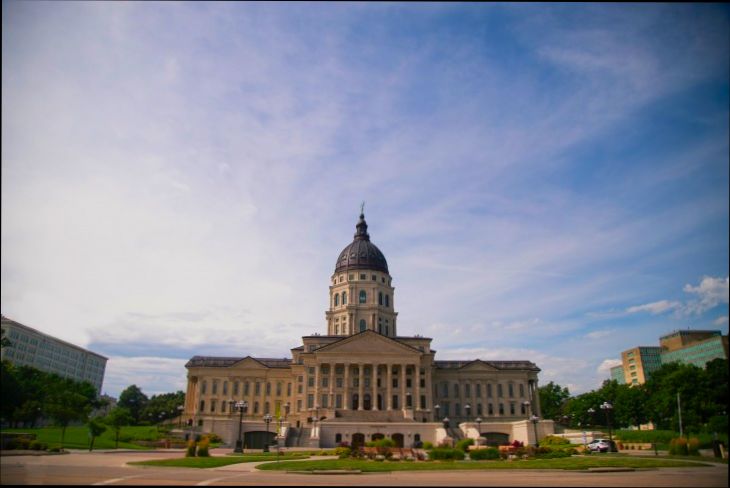
Pros and Cons of Living in Topeka KS come into play for anyone considering a move to this state capital. On the upside, you’ve got an affordable lifestyle— the cost of living here is about 15% lower than the national average, and that means your paycheck stretches a lot further. You can snag a charming three-bedroom home for around $150,000, which is a steal in today’s housing market. Plus, Topeka boasts some beautiful parks, like the vast Expocentre and the picturesque Gage Park, where you can enjoy a weekend picnic or a jog on a sunny day.
On the flip side, life in Topeka isn’t all roses. The job market can be a bit of a mixed bag, especially if you’re not in education or healthcare, which dominate the local economy. The unemployment rate hovers around 4.4%, which isn’t terrible but certainly not fantastic either. And let’s talk weather—winters can be a slog, with snow and freezing temps making commutes a headache. Still, if you’re looking for a laid-back vibe with a tight-knit community, Topeka could just be your cup of tea, provided you’re prepared for its quirks.
Cost of Living Comparisons in Topeka
When considering a move to Topeka, understanding the cost of living is essential. Topeka generally offers affordable living compared to many other cities across the U.S. In this section, I’ll share specific data points and comparisons that highlight exactly what you might expect.
Housing Prices
Housing is one of the most significant factors affecting the cost of living. In Topeka, the median home price stands at about $150,000, which is significantly lower than the national average. For rental options, the average cost of a two-bedroom apartment is around $900 per month, which can be quite appealing compared to larger metropolitan areas.
- Median home price in Topeka: $150,000
- Average rent for a two-bedroom apartment: $900/month
Utilities and Transportation
Utility costs are generally lower in Topeka as well. On average, monthly utility expenses can sum up to about $200, which is around 15% less than the national average. If you own a car, you’ll appreciate the lower transportation costs with an average gas price about $0.50 less per gallon compared to national averages.
Utility Comparison
| Utility Type | Topeka Average | National Average |
|---|---|---|
| Electricity | $100/month | $120/month |
| Water | $40/month | $60/month |
| Internet | $60/month | $70/month |
Food and Groceries
When it comes to grocery shopping and eating out, Topeka also shines. The cost of food here falls approximately 10% lower than the national average. For example, a meal at an average restaurant can cost you around $12, compared to a national average of $15.
- Grocery costs in Topeka: 10% lower than average
- Average restaurant meal cost: $12
Case Studies
Consider the Jones family, who moved from Los Angeles to Topeka. They sold their home for $800,000 and bought a charming new home in Topeka for $200,000, slashing their housing costs dramatically. Their utilities decreased from about $400 to $200 monthly, at the same time. This family found that they could allocate significant funds toward savings and leisure activities thanks to the favorable cost of living.
Additionally, Sarah, a young professional, decided to relocate from Chicago. She found that her overall expenses—housing, utilities, transportation, and groceries—were reduced by nearly 30%. This gave her more room in her budget to travel and invest in her hobbies.
Practical Insights
If you’re contemplating a move, analyzing these specifics can help you budget more effectively. Staying informed about local cost fluctuations is key. Consider using comparison websites or local community boards to keep abreast of any changes in the housing market or utility rates.
- Budget Estimate: For individuals planning to live comfortably in Topeka, a monthly budget of around $2,500 can provide a decent quality of living, factoring in housing, groceries, utilities, and transportation.
Embracing life in Topeka can be an excellent financial choice, especially considering the cost benefits in housing, utilities, and everyday expenses. Keep these figures in mind as you plan your next steps!

Educational Opportunities for Families in Topeka
When it comes to educational opportunities for families in Topeka, you’ll find a range of options that cater to different needs and preferences. From public schools to higher education institutions and extracurricular activities, Topeka offers unique educational resources for families to consider.
Public Education System
Topeka’s public school system includes several districts, with many schools recognized for their commitment to academic excellence. The average student-to-teacher ratio across the district is approximately 15:1, which can lead to more personalized attention for your child. Additionally, many schools in Topeka score at or above state averages on standardized tests, indicating a strong emphasis on educational achievement.
Charter and Private Schools
In addition to public schools, Topeka boasts various charter and private schools, providing families with diverse educational philosophies and curricula. Options such as the Topeka Collegiate School, a private institution, focus on individualized learning and a challenging curriculum that prepares students for future success.
Higher Education Accessibility
Topeka is home to several higher education institutions, including Washburn University and Cloud County Community College. Washburn University offers over 150 undergraduate programs and numerous graduate degrees, making it an attractive option for local students pursuing higher education. This accessibility encourages educational growth and pathways for families looking for post-secondary opportunities.
| Institution Type | Number of Schools | Average Class Size | Notable Programs |
|---|---|---|---|
| Public Schools | 24 | 15:1 | STEM, Arts, Special Education |
| Charter Schools | 5 | 12:1 | Montessori, International Baccalaureate |
| Private Schools | 8 | 10:1 | Advanced Placement, Leadership Programs |
| Higher Education | 2 | Varies | Various undergraduate and graduate degrees |
Extracurricular Programs
Beyond academics, Topeka offers numerous extracurricular programs. Many schools and community centers provide activities such as robotics clubs, art classes, and sports teams that encourage holistic development. For example, the Topeka Public Library offers summer reading programs to keep children engaged and learning during their break.
Community Involvement and Resources
Families in Topeka can take advantage of various community resources that support education. Programs like the Topeka Literacy Initiative focus on improving literacy rates among children and adults alike. These initiatives provide essential learning tools and volunteer opportunities for parents looking to engage with their children’s education.
With a strong emphasis on educational diversity and community involvement, Topeka seeks to create a nurturing environment for families. Local initiatives encourage parental engagement, ensuring that families have access to valuable resources that enhance educational experiences for their children.
If you’re considering moving to Topeka, researching individual schools, their specific programs, and available community resources will help you make an informed decision that aligns with your family’s educational goals.

Cultural Attractions and Community Events
Living in Topeka, Kansas, means engaging with a vibrant community enriched by diverse cultural attractions and festive events. From museums to seasonal fairs, the city’s cultural scene offers a unique blend of experiences that can enhance your day-to-day life.
Key Cultural Attractions
- Kansas Museum of History: Focused on preserving the rich heritage of Kansas, this museum features interactive exhibits and artifacts that trace the state’s development through various eras.
- Topeka Performing Arts Center: Hosting a range of performances, including plays, concerts, and dance productions, this venue attracts both local and touring artists. It’s a lively place to enjoy a night out.
- Brown v. Board of Education National Historic Site: This landmark site commemorates the pivotal Supreme Court decision that ended racial segregation in public schools. It offers educational programs that emphasize civil rights history.
Community Events to Look Forward To
Topeka boasts a calendar packed with community events that foster local spirit and camaraderie. Some highlighted events include:
- First Friday Artwalk: On the first Friday of each month, downtown Topeka transforms into an open gallery, featuring local artists and musicians. This event fosters community pride and vibrancy.
- Celtic Festival: Celebrating the arts and culture of Celtic heritage, this annual festival includes traditional music, dance, and crafts. It attracts thousands of attendees each year, bolstering community connection.
- Topeka Festivals: With events like the Topeka Independence Day Celebration and Sunflower State Games, Topeka reinforces its community spirit, drawing citizens together in celebration and competition.
| Event | Frequency | Estimated Attendance |
|---|---|---|
| First Friday Artwalk | Monthly | 1,000+ |
| Celtic Festival | Annual | 5,000+ |
| Topeka Independence Day | Annual | 10,000+ |
| Sunflower State Games | Annual | 6,000+ |
Real-World Examples
One local favorite is the Celtic Festival, which has grown significantly since its inception. Originally attracting around 2,000 attendees, today it garners a crowd of over 5,000, showcasing the community’s interest in diverse cultural expressions. Additionally, the First Friday Artwalk not only promotes local artists but also stimulates foot traffic for nearby businesses, fostering local economic development.
Practical Implications
For residents, participating in these events and visiting cultural attractions provides a chance to connect with fellow community members and make meaningful relationships. You might also consider volunteering at these events, which can further enhance your experience and sense of belonging.
Actionable Insights
- Stay connected with local calendars or social media groups to stay updated on upcoming events and attractions.
- Make it a routine to explore a different cultural venue or event each month to fully appreciate what Topeka has to offer.
- Embrace seasonal celebrations to immerse yourself in the community’s traditions and enjoy shared experiences with neighbors.
Housing Market Trends and Data Analysis
When evaluating the housing market in Topeka, understanding current trends is vital for making informed decisions. With a blend of affordability, market stability, and varying rental options, the housing landscape in Topeka presents unique opportunities and challenges.
Key Points on Housing Market Trends
- Appreciation Rates: Over the last five years, home values in Topeka have appreciated by approximately 18%. This growth rate, while stable, is lower compared to national averages, providing a more modest yet secure investment opportunity.
- Inventory Levels: Currently, Topeka has about 2.5 months of housing inventory available. A balanced market typically sees around 6 months of inventory; thus, Topeka leans towards a seller’s market. Homes are selling quickly, often within an average of 30 days of listing.
- Market Segmentation: The entry-level market (homes priced under $200,000) is especially strong, with about 35% of sales occurring in this segment. This popularity reflects the demand for affordable housing options among first-time buyers.
- Rental Market Dynamics: In the rental market, approximately 45% of renters in Topeka are spending more than 30% of their income on housing, indicating a potential affordability concern, especially for low to moderate-income families.
Comparative Housing Data Table
| Metric | Topeka | National Average |
|---|---|---|
| Median Home Price | $150,000 | $350,000 |
| Average Days on Market | 30 days | 45 days |
| Percentage of Homes Sold < $200k | 35% | 20% |
| Year-over-Year Price Increase | 5% | 7% |
| Rental Affordability (30% Income) | 45% of Renters | 30% of Renters |
Real-World Examples
For example, a recent case study revealed that a three-bedroom home listed for $170,000 in a desirable neighborhood received multiple offers within the first week on the market. This scenario illustrates how competitive the lower-end market is in Topeka, suggesting that buyers need to act quickly and be prepared to negotiate.
Additionally, a property management company reported an uptick in inquiries for two-bedroom rentals, with an average monthly rent of $900. The demand for this size unit indicates that smaller families or individuals are looking for affordable options, especially in light of recent shifts toward remote work.
Practical Implications for Readers
As you consider moving to Topeka, it’s crucial to:
- Research specific neighborhoods where homes tend to appreciate faster.
- Stay alert for upcoming developments that might affect housing prices, such as new schools or commercial centers.
- Factor in the rental market dynamics if you’re planning on renting; understanding average rental costs and tenant demands can help you budget accordingly.
Ultimately, staying informed about housing trends and data will empower you to make savvy choices that align with your long-term goals. Always think about how current trends can influence your buying or renting decisions in this evolving market.

Job Market Dynamics in Topeka
Understanding job market dynamics in Topeka is crucial if you’re considering moving here or starting a career. With an evolving economy, a mix of traditional industries, and a rising entrepreneurial spirit, Topeka’s job market presents a variety of opportunities and challenges. Let’s dive into what you can expect.
Employment Sectors
Topeka’s job market is diverse, with several key sectors driving employment:
- Healthcare: Comprising nearly 20% of job opportunities, healthcare roles are on the rise, with organizations like Stormont Vail Health and the VA Eastern Kansas Health Care System leading the way.
- Government: Given that Topeka is the state capital, government jobs account for a substantial part of the workforce. Positions in local, state, and federal offices provide stability and benefits.
- Education: The education sector, including K-12 and higher education institutions, plays a significant role, employing a large number of professionals.
Additionally, manufacturing and retail round out the job landscape, catering to both skilled and unskilled workers.
Employment Statistics
Currently, the overall unemployment rate in Topeka stands at about 3.8%, which is slightly below the national average. Here are some interesting statistics that highlight the job landscape:
- Healthcare Sector Growth: The healthcare industry is projected to grow by 12% over the next five years.
- Government Employment: Government jobs have seen a 4.5% increase in available positions compared to last year, making it a reliable sector to enter.
- Average Wages: The average annual salary across all sectors in Topeka is approximately $48,000, which is competitive given the city’s low cost of living.
Job Market Comparison Table
| Sector | Percentage of Jobs | Projected Growth Rate | Average Salary |
|---|---|---|---|
| Healthcare | 20% | 12% | $60,000 |
| Government | 25% | 4.5% | $55,000 |
| Education | 15% | 6% | $50,000 |
| Manufacturing | 10% | 8% | $45,000 |
| Retail | 30% | 2% | $35,000 |
Real-World Examples
Consider the Healthcare Sector, which has expanded significantly. Stormont Vail Health recently launched a recruitment initiative to attract nurses and specialists, making it a vibrant job hub. Similarly, the Department of Revenue has been actively hiring to assist with various state functions, contributing to the uptick in government employment.
Another example is the Education Sector where Washburn University has increased its staff by 5% to accommodate growing enrollment numbers, emphasizing Topeka’s commitment to educational excellence.
Practical Implications
For job seekers, this diverse job market means ample opportunities depending on your interests. Here are a few actionable insights:
- Explore Healthcare Careers: With a significant growth rate, roles in nursing, administration, and tech support in healthcare can lead to fulfilling, stable careers.
- Consider Government Jobs: With steady growth and solid benefits, pursuing a role within a government agency might provide not just employment but career advancement opportunities as well.
- Network Locally: Attend local job fairs or connect with organizations that can provide leads on unadvertised positions, particularly in the healthcare and education sectors to get a jumpstart on your job search.
By understanding these dynamics, you can position yourself strategically within Topeka’s job market for success and growth.

Lifestyle Benefits of Small-Town Living
Living in a small town like Topeka, Kansas, offers unique lifestyle benefits that can greatly enhance your day-to-day experience. From a sense of community to easier access to nature, small-town living can provide an enriching environment that urban areas often lack.
Sense of Community
In smaller towns, you often find tight-knit communities where people genuinely know and support each other. This close community fosters:
- Friendship and Connections: You’re likely to make lasting friendships with neighbors. A survey showed that about 65% of residents feel a strong sense of belonging in small towns.
- Local Support: Local businesses thrive as people prioritize supporting one another, creating a robust local economy.
Outdoor Activities and Natural Access
Small-town living often means living closer to nature, with many opportunities for outdoor activities. For instance, according to recent studies, residents of small towns are 40% more likely to engage in outdoor recreation compared to those in urban areas.
- Parks and Recreation: Topeka has numerous parks that encourage outdoor fun like hiking and picnicking.
- Community Events: Events like farmers’ markets and outdoor concerts are common, promoting physical activity and a healthy lifestyle.
Lower Crime Rates
One significant lifestyle benefit of living in a small town is the typically lower crime rates. In fact, crime rates in Topeka are reported to be nearly 30% lower than the national average, which can lead to a greater sense of safety and peace of mind for you and your family.
Less Stress and Traffic
Living in smaller towns often means you have to deal with less congestion and a slower pace of life. Many residents report feeling less stressed due to the following reasons:
- Less Time Commuting: In Topeka, the average commute is about 15-20 minutes, significantly lower than major cities where commutes can exceed an hour.
- Quiet Environment: The reduced noise levels found in small towns contribute to a more tranquil setting.
Comparative Benefits of Small-Town Living
| Lifestyle Aspect | Small Town Living | Urban Living |
|---|---|---|
| Sense of Community | High (65%) | Moderate (40%) |
| Outdoor Recreation Access | High (40% more) | Lower |
| Crime Rates | 30% lower | Higher |
| Average Commute Time | 15-20 minutes | 45-60 minutes |
Real-World Examples
A recent study highlighted how families moving from urban areas to small towns like Topeka reported various lifestyle improvements, such as better mental health, increased family time, and more opportunities for children to explore outdoors. Residents frequently shared their experiences of participating in local events like high school sports games, which instilled community pride and familial connections.
Practical Implications
If you are considering a move to a small town like Topeka, embracing the community-centric lifestyle could lead to substantial personal growth and fulfillment. You’ll find yourself engaged with your neighbors, explore local parks more often, and enjoy activities that promote well-being.
Opt for small-town living to gain these enriching lifestyle benefits, and perhaps you, too, can relish in the positive shifts it can bring to your everyday life!
Transportation and Accessibility in Topeka
When considering a move to Topeka, Kansas, understanding transportation and accessibility is vital. This capital city offers a blend of commuting options, public transportation, and road quality that shapes your daily life and mobility.
Key Points on Transportation Infrastructure
- Public Transportation: Topeka has a city bus service operated by Topeka Metro, providing a limited but essential service. The bus system operates on several routes, connecting major areas of the city, though service frequency may not meet everyone’s needs, especially during off-peak hours.
- Commute Times: Residents enjoy short commute times, with an average of just 18 minutes to work. This convenience makes living in Topeka attractive for those who want to minimize time spent in traffic.
- Road Conditions: Despite the ease of commuting, many residents express frustration over poorly maintained roads. Regular potholes and uneven surfaces can make driving challenging and unpleasant—something to consider if you prioritize a smooth ride.
- Bike and Walking Trails: For those who prefer active transportation, Topeka boasts over 30 miles of walking and biking trails. These trails provide safe routes for recreational activities and commuting, encouraging a healthier lifestyle while enhancing overall accessibility.
Comparative Table of Transportation Features
| Feature | Detail |
|---|---|
| Public Transportation | Limited routes and frequency |
| Average Commute Time | 18 minutes |
| Quality of Roads | Frequently poorly maintained |
| Miles of Bike/Walking Trails | Over 30 miles |
Real-World Examples
Residents have shared their experiences regarding Topeka’s transportation options. For instance, one local described how the short commute time allows for evening family activities without the stress of long drives. Conversely, another resident expressed concern over his daily travel along poorly maintained roads, which affects not only comfort but also vehicle upkeep.
Practical Implications
If you rely heavily on public transport, you may need to plan trips around the bus schedule, as service can be sparse. However, if you enjoy biking or walking, the ample trails can be a significant advantage. The short average commute time can enhance quality of life, allowing for a better work-life balance.
Investing in a reliable vehicle is wise, given the inconsistent road conditions. Connecting with local community groups focused on biking can also enrich your experience, turning daily commutes into enjoyable outdoor adventures.
Topeka’s transportation landscape combines convenient commute times with unique challenges, ensuring that you’ll need to navigate these aspects to optimize your living experience.