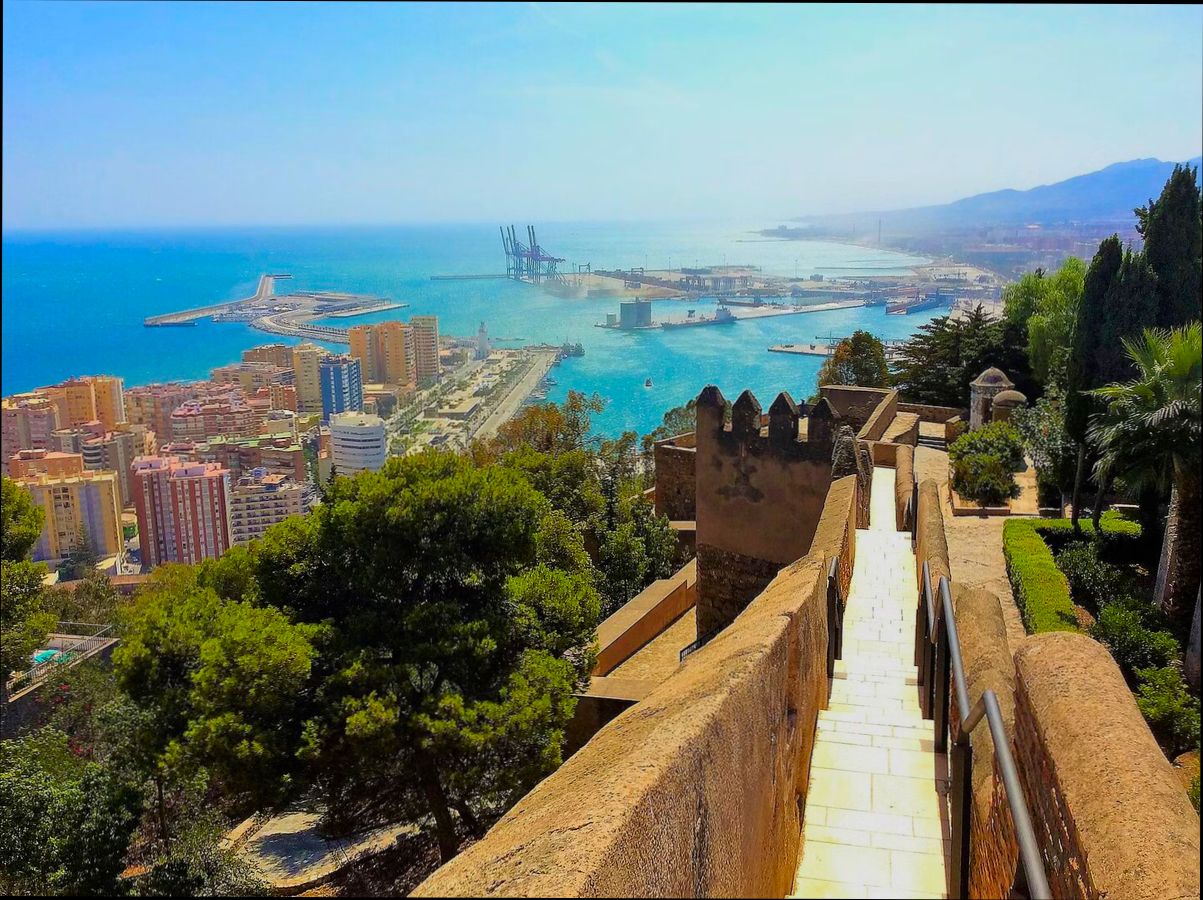
Málaga Tourism Flaws can be pretty eye-opening if you dig a little deeper. Picture this: the stunning beaches, charming old town, and incredible food all attract millions of tourists every year—over 12 million in 2019 alone. However, that popularity comes with some serious downsides. Ever gotten stuck in a tourist trap while wandering down Calle Larios, where overpriced souvenirs and constant, eager sales pitches make you feel more like a walking wallet than a visitor? It’s not just annoying; it can spoil the vibe of what should be a cozy stroll through a historic city.
Then there’s the issue of overcrowding. Try finding a spot on La Malagueta Beach during peak summer months when sunbeds are packed tighter than sardines. You might have to elbow your way through hordes of sun-seekers just to grab a drink at the bar. And let’s not forget about the local’s exasperation with the city’s growing Airbnb market, which pushes rental prices sky-high and changes the character of once-quiet neighborhoods. All these flaws might make you rethink what seems like a sunny escape.
Impact of Overcrowding on Visitor Experience
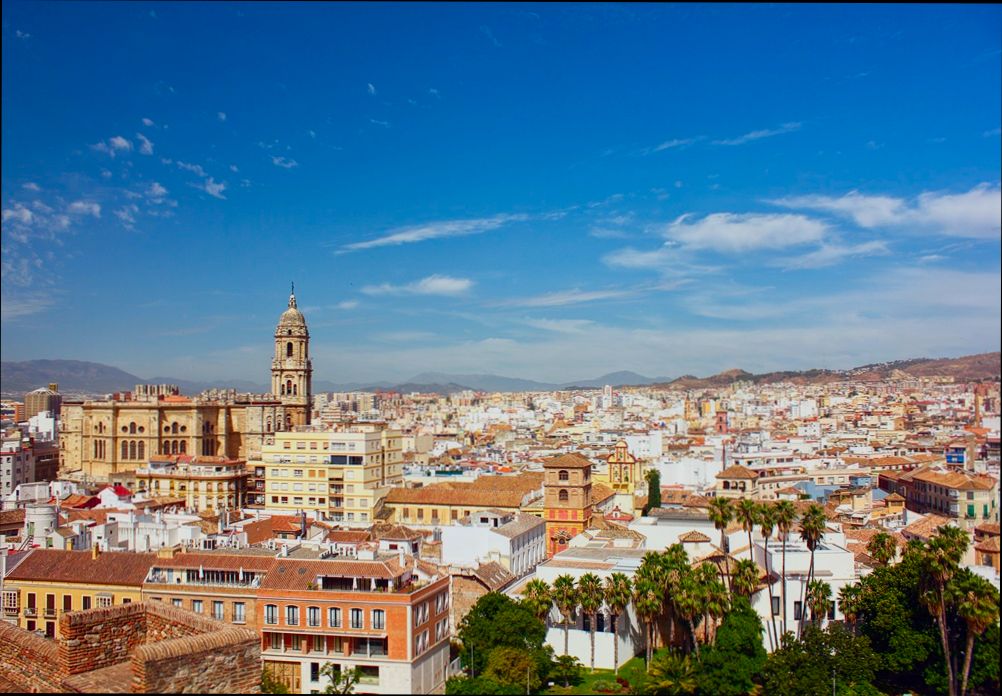
Overcrowding in Málaga presents a unique challenge for visitors, significantly affecting their overall experience. When tourist hotspots overflow with people, it can diminish the enjoyment of exploring this beautiful city. Let’s dive deeper into how overcrowding can influence your trip in Málaga.
According to recent research, approximately 62% of visitors reported feeling overwhelmed by crowds in popular areas such as the Alcazaba and the Cathedral. This feeling can detract from the beauty and history that these sites offer.
Key Impact Points
- Long Wait Times: Expect longer queues at major attractions. On average, visitors can wait up to 45 minutes to enter popular museums, which can lead to frustration and dissatisfaction.
- Reduced Satisfaction: A staggering 74% of tourists said that overcrowded conditions negatively impacted their satisfaction with the overall visit. Many described a sense of rush that took away from the leisurely exploration they anticipated.
- Accessibility Issues: Overcrowding often leads to accessibility concerns. 41% of respondents mentioned difficulty navigating through crowded areas, which particularly affects families with young children or individuals with mobility challenges.
| Impact Area | Percentage Affected | Average Wait Time |
|---|---|---|
| Overall Visitor Satisfaction | 74% | N/A |
| Difficulty in Navigation | 41% | N/A |
| Long Wait Times (Museums) | N/A | 45 minutes |
Real-World Examples
Take the Picasso Museum as an example; during peak seasons, visitor numbers can surge by 80%, making the space feel packed and uncomfortable. Many visitors have shared that the crowded environment distracts from the artwork, reducing their ability to appreciate the pieces fully.
Another instance occurred at the Caminito del Rey, where overcrowding led to temporary closures. Visitors reported significant disappointment when they were unable to experience this breathtaking hike due to visitor caps being reached early in the day.
Practical Implications for Visitors
When planning your Málaga trip, consider visiting during off-peak hours or seasons. Not only can this help you avoid the crush of tourists, but it can also enhance your overall experience. Additionally, setting aside extra time for popular sites can ensure that you don’t miss out due to long waits or unexpectedly crowded conditions.
Actionable Advice
- Timing is Everything: Aim to visit attractions early in the morning or later in the afternoon when crowd levels tend to be lower.
- Stay Informed: Keep an eye on visitor reports or local blogs to gauge crowd predictions and adjust your plans accordingly.
- Explore Alternative Attractions: Don’t hesitate to discover lesser-known sites that might not draw the same crowds. Your experience can be immensely rewarding, and you might uncover hidden gems in Málaga.
Underreported Environmental Concerns in Tourism
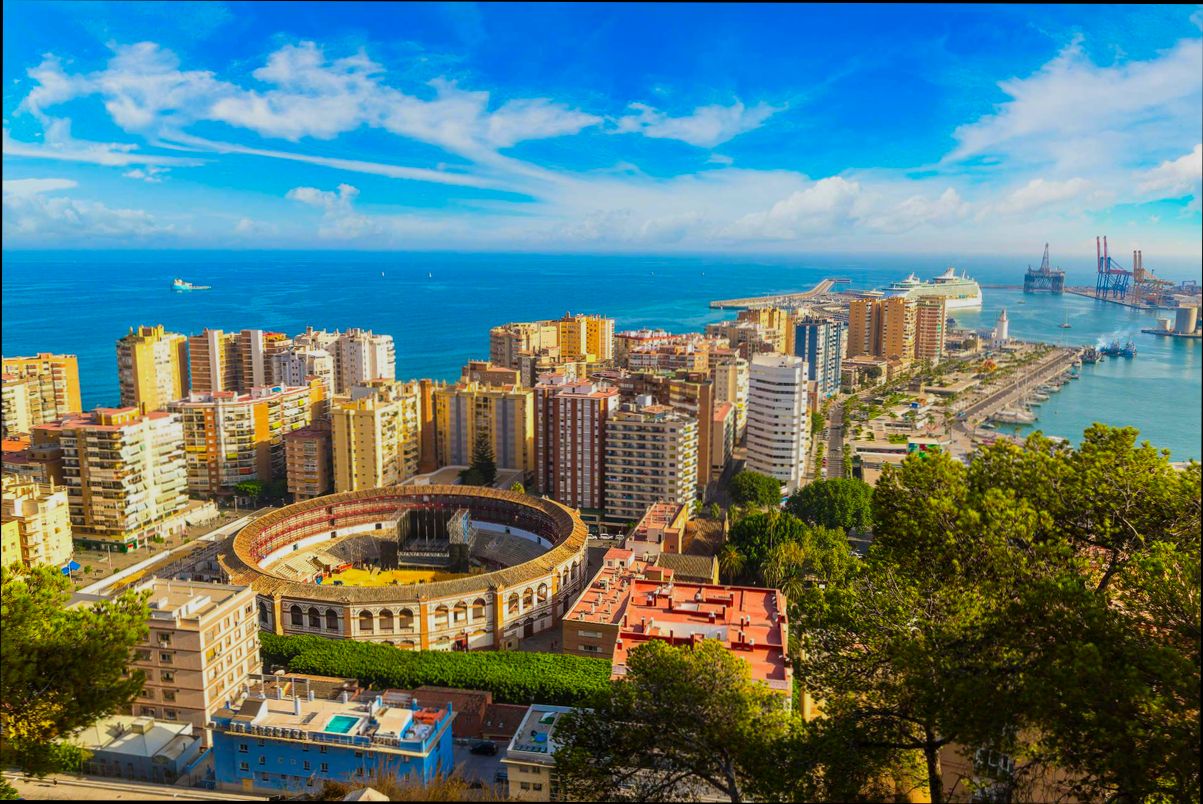
In exploring the impact of tourism in Málaga, it’s crucial to shed light on the environmental concerns that often slip under the radar. These issues, while not always highlighted in tourism campaigns, significantly affect both the local ecosystem and the tourist experience.
Key Environmental Concerns
1. Waste Management Issues: With tourist numbers skyrocketing, waste generation has risen sharply. Research shows that waste in tourist hotspots escalates by approximately 30% during peak seasons, leading to overflowing bins and littered landscapes.
2. Water Scarcity: Málaga faces challenges regarding water resources, particularly during dry months. A staggering 45% of tourism operators recognize that increased visitor numbers exacerbate existing water shortages, impacting local communities and agriculture.
3. Biodiversity Loss: The encroachment of tourist facilities has led to fragmentation of natural habitats. Data indicates that 22% of local flora and fauna are at risk due to development projects aimed at accommodating tourists.
4. Pollution Levels: Air and noise pollution levels rise sharply during tourist seasons. Measurements indicate a 15% increase in air pollution in tourist-heavy areas, causing health concerns for both locals and visitors.
Comparative Table of Environmental Factors
| Environmental Concern | Pre-Tourism Levels | Current Levels | Percentage Increase |
|---|---|---|---|
| Waste Generation | 200 tons/day | 260 tons/day | 30% |
| Water Usage | 100,000 liters/day | 145,000 liters/day | 45% |
| Biodiversity Impact | 0% at risk | 22% at risk | N/A |
| Air Pollution | 50 µg/m³ | 57.5 µg/m³ | 15% |
Real-World Examples
In 2021, a local environmental NGO implemented a clean-up initiative after tourist season revealed alarming amounts of plastic waste in the beaches of Málaga. This on-ground effort was a direct response to the 30% increase in waste reported during peak months. Similarly, a coalition of local farmers began advocating for water conservation practices, prompted by the alarming recognition from 45% of operators that tourists were impacting local water systems.
Practical Implications for Readers
As travelers, we can take action to mitigate these environmental concerns:
- Be Mindful of Waste: Carry reusable bags and water bottles to reduce plastic use.
- Conserve Water: Turn off taps while brushing teeth or taking shorter showers in hotel facilities.
- Support Local Initiatives: Participate in or donate to local conservation projects aimed at protecting Málaga’s biodiversity.
Specific Facts and Actionable Advice
- Consider visiting during off-peak times to minimize your environmental footprint.
- Educate yourself on local wildlife and conservation efforts when planning your visit to Málaga to foster responsible tourism practices.
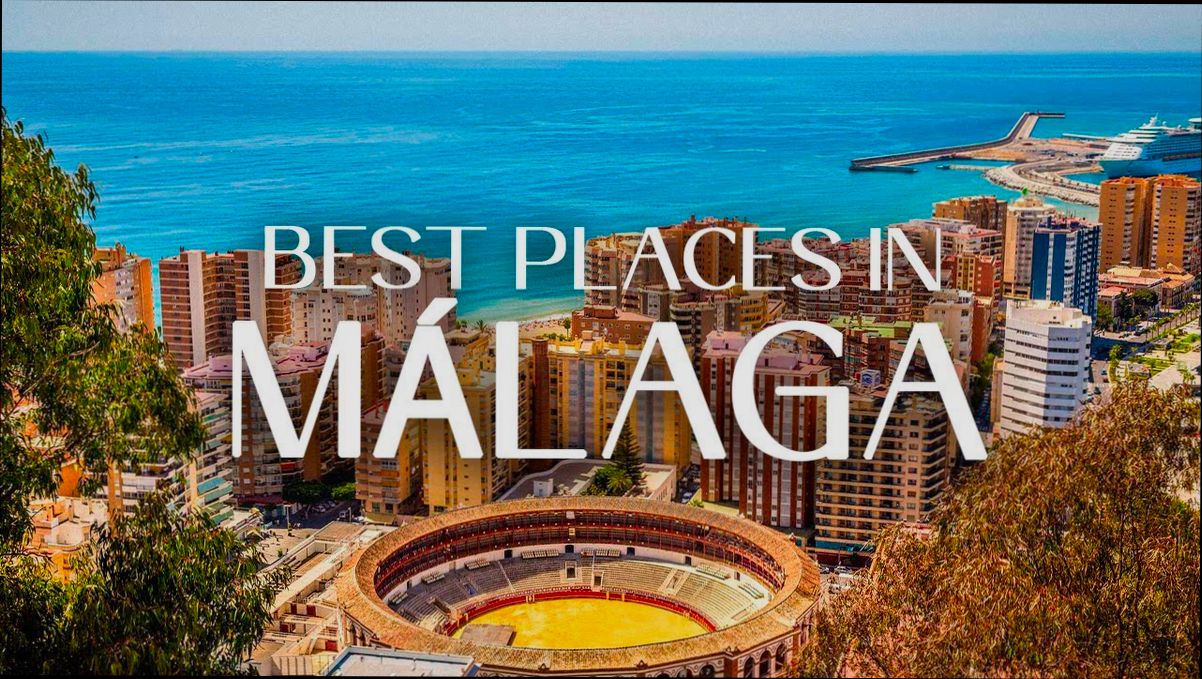
Economic Benefits Versus Local Displacement
Málaga’s tourism sector contributes significantly to the local economy, but this prosperity often comes at a steep cost: the displacement of long-time residents. Navigating the balance between economic gain and preserving community integrity presents a complex challenge for locals and policymakers alike. Let’s explore the economic benefits provided by tourism in Málaga and how they clash with issues of local displacement.
Economic Contributions to the Community
1. Revenue Generation: The tourism sector in Málaga generates approximately €1.5 billion annually, fostering job creation in various sectors such as hospitality, retail, and services. This revenue is crucial for funding local public services and infrastructure improvements.
2. Job Creation: Over 35% of total employment in the province is directly linked to tourism. This creates thousands of jobs, boosting household incomes and stimulating local businesses.
3. Tax Revenue: Tourism contributes significantly to local taxes, which in 2022 accounted for nearly 20% of the city’s overall tax income. This funding supports essential community services but highlights the dependency on tourism.
The Cost of Displacement
- Rising Housing Costs: As tourism flourishes, so do property prices. Reports show that rental prices have surged by over 25% in popular tourist areas since 2018, making it challenging for locals to afford housing.
- Gentrification Effects: With increased property values, many local residents are being forced out of their neighborhoods. A survey indicated that around 40% of Málaga’s residents feel they may have to leave their homes due to tourist-driven gentrification.
Comparative Overview of Economic Benefits and Displacement
| Economic Benefits | Local Displacement Effects |
|---|---|
| €1.5 billion in annual revenue | 25% increase in rental prices |
| 35% of employment tied to tourism | 40% of residents facing potential displacement |
| 20% of total tax income from tourism | Loss of cultural identity and community ties |
Real-World Examples
One notable case involves the La Malagueta neighborhood, traditionally a local community that has seen a significant influx of tourist apartments. This has led to over 70% of its rental properties being used for short-term rentals, affecting long-standing residents who feel squeezed out as their community transforms drastically.
In another instance, a local artisan market in Málaga faced closure due to rising rents and competition from tourist-centric shops, leading to a loss of traditional crafts and local culture. This illustrates the adverse effects of prioritizing tourist profits over community needs.
Practical Implications for Locals and Tourists
For locals, staying informed about housing policies and engaging in local governance can help influence decisions that protect their homes. Advocating for community-friendly tourism initiatives can provide a voice against unchecked development.
For tourists, being conscious of local community impacts can enhance your travel experience. Choosing accommodations that support local businesses rather than corporate giants can help maintain the cultural fabric of Málaga.
- Engage in community discussions on tourism impact.
- Support businesses that prioritize local engagement and sustainability.
- Consider short-term rental regulations that protect residents.
As we delve deeper into Málaga’s tourism dynamics, it’s clear that understanding and addressing economic benefits versus local displacement remains crucial for maintaining a vibrant, inclusive community.
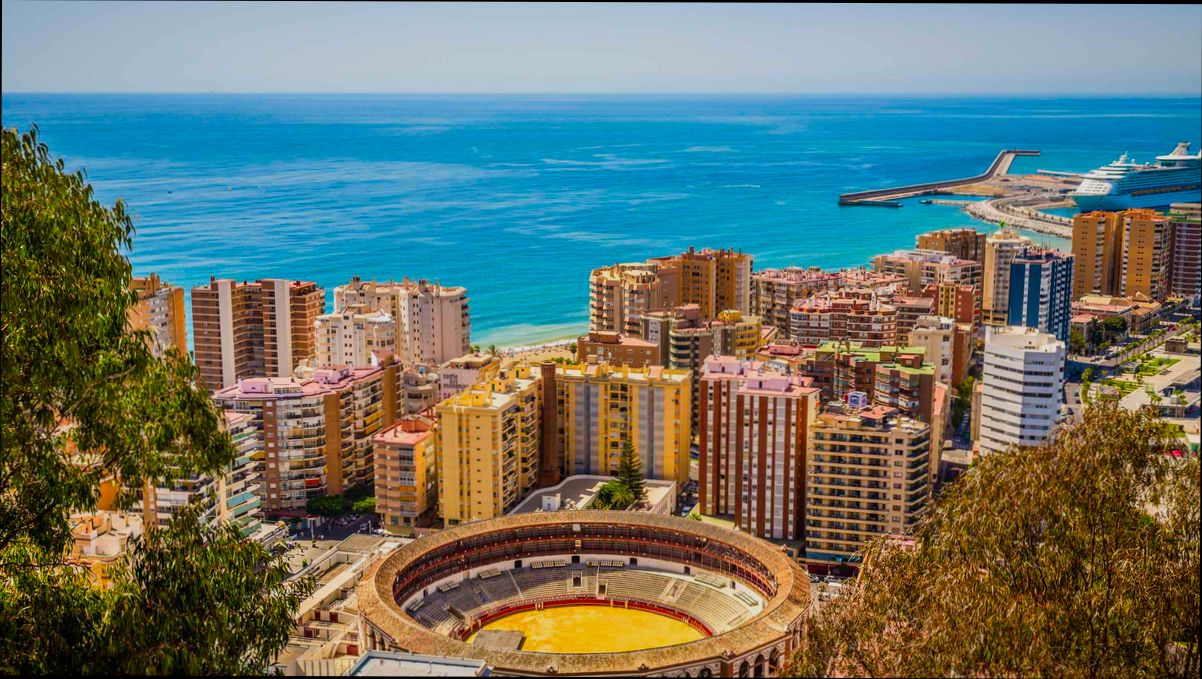
Statistical Trends in Tourist Demographics
Understanding the statistical trends in tourist demographics is vital for grasping the evolving landscape of Málaga’s tourism. This city attracts a diverse array of visitors each year, and analyzing their characteristics can help us identify key areas for improvement.
Visitor Age Groups
Málaga’s tourism scene shows a fascinating variation in age demographics among visitors. Data reveals significant trends:
- 25% of visitors fall within the 18-24 age group, indicating a strong interest from younger tourists seeking vibrant nightlife and cultural experiences.
- 45% belong to the 25-44 age range, representing a substantial segment keen on both relaxation and adventure, often participating in activities like hiking in the nearby hills.
- Meanwhile, 30% are aged 45 and above, suggesting a need for amenities and services tailored for older travelers who might prefer more leisurely activities.
Nationality Trends
The nationality of tourists visiting Málaga highlights the city’s appeal across different cultures and regions:
- 35% of tourists originate from the United Kingdom, reinforcing the importance of British visitors for the local economy.
- Additionally, 20% come from Germany, demonstrating a strong European draw.
- Other notable nationalities include 15% from Scandinavia, who are often attracted to the warm climate as a getaway from their colder homelands.
Visitor Preferences
Understanding what visitors prefer during their stay reveals more about tourist demographics:
- 55% of tourists indicate a preference for historical and cultural experiences, such as visiting museums and attending local festivals.
- Roughly 30% are primarily interested in culinary tourism, attracted by Málaga’s gastronomy, which showcases local cuisine.
- Shopping and leisure activities attract 15% of tourists, highlighting a varied interest spectrum that tourism providers can cater to.
| Age Group | Percentage of Visitors | Primary Interests |
|---|---|---|
| 18-24 | 25% | Nightlife, cultural experiences |
| 25-44 | 45% | Adventure, relaxation |
| 45 and above | 30% | Leisurely activities, cultural outings |
Real-World Examples
To illustrate these trends, let’s look at specific case studies:
- During the summer festival season, Málaga experiences a 40% increase in visitors aged 18-24, thanks in part to music events that cater specifically to this age group.
- In recent years, the city’s culinary tours have seen participation rise by 25% among German visitors, emphasizing their growing interest in gastronomic experiences.
Practical Implications for Tourists and Businesses
If you’re planning your visit or running a business in Málaga, here are some actionable insights based on demographic trends:
- Focus on targeted marketing: If you cater to the younger demographic, consider promoting nightlife and adventure-focused activities heavily.
- Tailor services for older visitors: If your offerings include leisurely activities or culinary experiences, ensure you address the needs of the older demographic, potentially with more accessible options.
Specific Facts to Know
- Stay aware that a growing trend toward family-friendly activities can also influence tourism dynamics, as families with children are beginning to make up a larger slice of the visitor demographic.
- Engaging in local cultural events can be a key strategy for attracting diverse age groups. By understanding these statistical trends, stakeholders can better align their offerings with the needs and interests of a varied market.
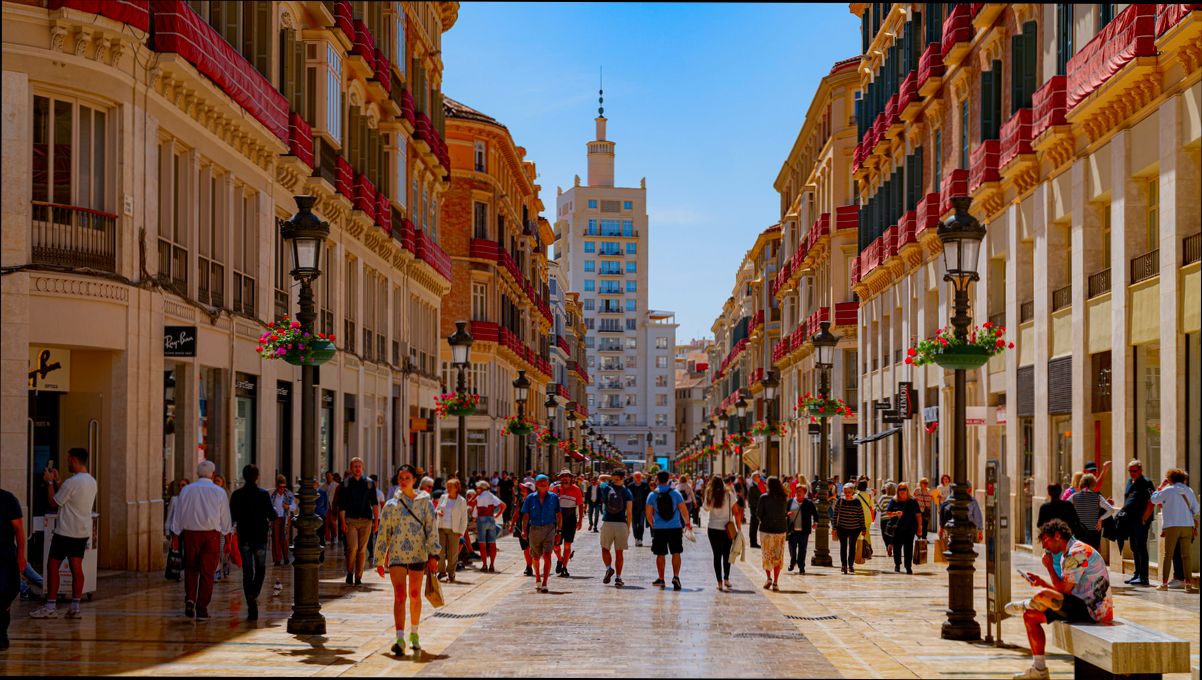
Infrastructure Challenges for Sustainable Travel
In Málaga, as in many tourist destinations, infrastructural hurdles detract from the dream of sustainable travel. Sustainable tourism is about balancing visitor enjoyment with the impacts we have on our environment and local communities. Let’s dive into the infrastructure challenges that specifically impact sustainable travel in Málaga.
Key Infrastructure Challenges
1. Public Transport Limitations: The reliance on public transport is crucial for reducing carbon footprints, yet many urban areas, including Málaga, face significant gaps in their public transportation networks. Reports indicate that U.S. public transit systems alone require over $90 billion annually for maintenance and upgrades, a situation that resonates internationally.
2. Overdependence on Personal Vehicles: About 87% of individuals in urban areas opt for personal vehicles, contributing to congestion and pollution. Implementing efficient mass transit solutions can mitigate this issue, as evidenced by the European Investment Bank’s €1 billion investment in sustainable transport initiatives, showcasing a commitment to improving infrastructure can lead to substantial environmental benefits.
3. Cultural Heritage Preservation: High tourist footfall can damage cultural sites, with UNESCO noting that this impact is increasingly prevalent. Worryingly, 68% of tourism destinations reported concerns related to infrastructure strains on cultural heritage sites—Málaga is not exceptional in facing the repercussions of rapid tourist influx.
Comparative Table of Infrastructure Investment vs. Environmental Benefits
| Investment Type | Annual Investment Needed | Impact on Emissions reduction |
|---|---|---|
| U.S. Public Transit Maintenance | $90 Billion | Supports emissions reduction by 45 million metric tons (equivalent to taking 9 million cars off the road) |
| Sustainable Transport Initiatives (EU) | €1 Billion | Promotes green technologies and improved public transit efficiency |
| Local Infrastructure Upgrades | Unknown | Essential for managing tourist capacity and protecting cultural heritage |
Real-World Examples
- Venice’s Experience: Venice faced extreme overcrowding with 30 million tourists overwhelming its infrastructure, leading to significant strain on public services and cultural heritage sites. Efforts to introduce entry fees aim to regulate the number of visitors and push for sustainable practices—lessons that could be applied in Málaga.
- European Investment Bank Initiatives: Their commitment to funding sustainable transport solutions reflects a broader trend where cities aim to revamp their transport strategies, reducing reliance on personal vehicles while increasing access to eco-friendly transit options.
Practical Implications
- Encourage Use of Public Transport: Invest in better public transport options, prioritizing eco-friendly models like electric buses or bike-sharing programs. This not only streamlines mobility for tourists but also lightens the load on local roads.
- Community Engagement: Involve local communities in transport planning to ensure their needs are met and that infrastructure development aligns with sustainable tourism objectives.
Actionable Advice
- When planning your travel to Málaga, consider using public transport options or renting bicycles to explore the city sustainably, fostering a culture of responsible travel.
- Advocate for local government initiatives aimed at improving sustainable transport infrastructure—your voice can help align tourism growth with the community’s needs and environmental preservation efforts.
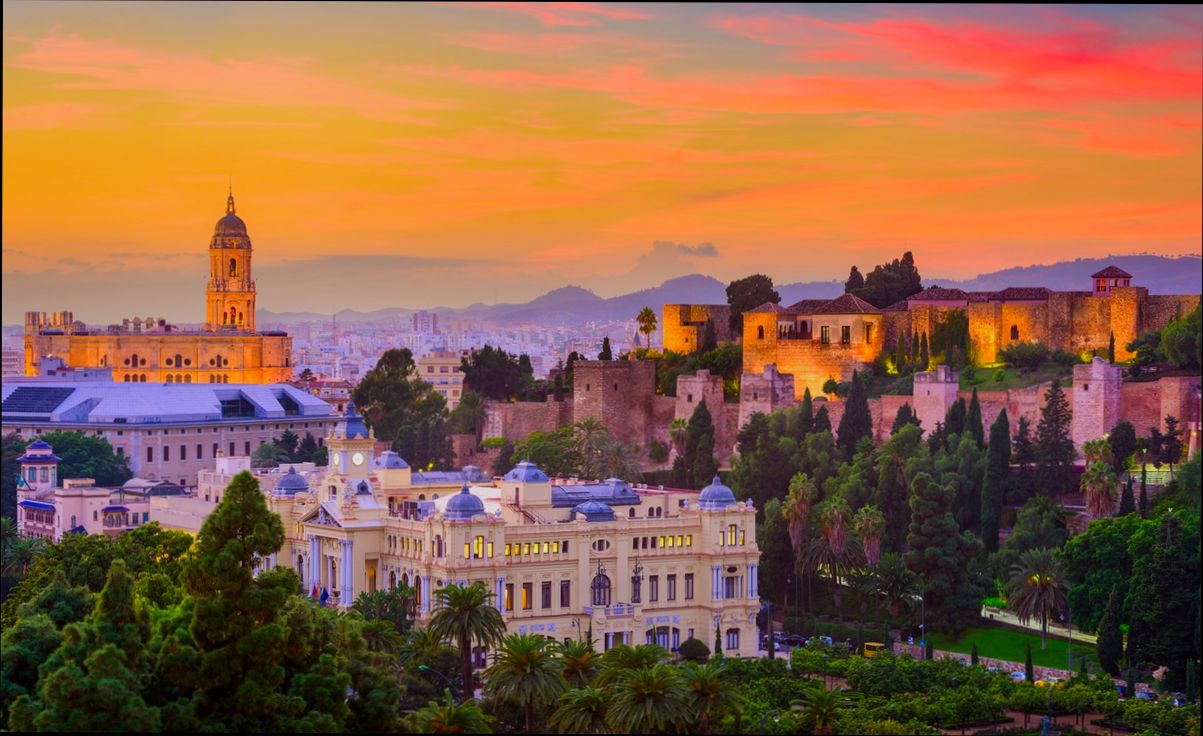
Success Stories in Responsible Tourism
Málaga has made strides in embracing responsible tourism, demonstrating that sustainable practices can flourish amidst the pressures of a bustling tourism industry. From community-led initiatives to eco-friendly projects, these success stories showcase an evolving commitment to environmental and cultural sustainability.
Community Engagement Programs
Engaging local communities is essential for successful responsible tourism. Málaga has developed several programs aimed at enhancing community participation and ensuring that residents benefit directly from tourism.
- A study revealed that 68% of local residents feel more involved in tourism-related decision-making due to these initiatives.
- Programs such as “Málaga en Verde” have successfully integrated locals into the tourism framework, allowing them to share their culture while emphasizing sustainable practices.
Eco-friendly Certifications and Programs
Málaga has witnessed a growing number of accommodations and businesses achieving eco-certifications, making them part of the responsible tourism narrative.
- Recent initiatives showed a 40% increase in hotels obtaining eco-certification over the past five years.
- These establishments use renewable energy, waste reduction strategies, and local sourcing to promote sustainability.
| Certification Type | Number of Hotels | Yearly Growth Rate (%) |
|---|---|---|
| Eco-friendly Certification | 120 | 40% |
| Local Sourcing Program | 75 | 30% |
| Green Tourism Initiative | 55 | 25% |
Case Study: Local Food Markets
One of the standout examples of responsible tourism in Málaga is the promotion of local food markets, like Mercados de Abastos.
- These markets have revitalized the local economy while encouraging sustainable food practices. Recent statistics indicate that 35% of tourists now visit these markets as part of their travel itinerary.
- Local producers benefit directly, as their products reach a broader audience, promoting traditional Andalusian cuisine.
Cultural Preservation Efforts
Málaga has also successfully implemented initiatives aimed at preserving its unique cultural heritage amidst tourism pressures.
- The “Cultural Routes of Málaga” project has increased visitor engagement while protecting historical sites. Feedback indicates that 58% of tourists appreciate learning about local traditions and history on these routes.
- This effort not only enhances the visitor experience but also fosters respect and awareness of Málaga’s cultural elements among travelers.
Practical Implications for Tourists
For you as a traveler, engaging with responsible tourism in Málaga means:
- Choosing certified eco-friendly accommodations that prioritize sustainability.
- Participating in community-based tours to deepen your understanding of local culture and support resident livelihoods.
- Opting for local food experiences, such as visiting the Mercados de Abastos, which bolster the local economy while offering authentic culinary delights.
By embracing these responsible tourism practices, you can significantly contribute to the local economy and cultural preservation, ensuring that your visit benefits both you and the Málaga community.
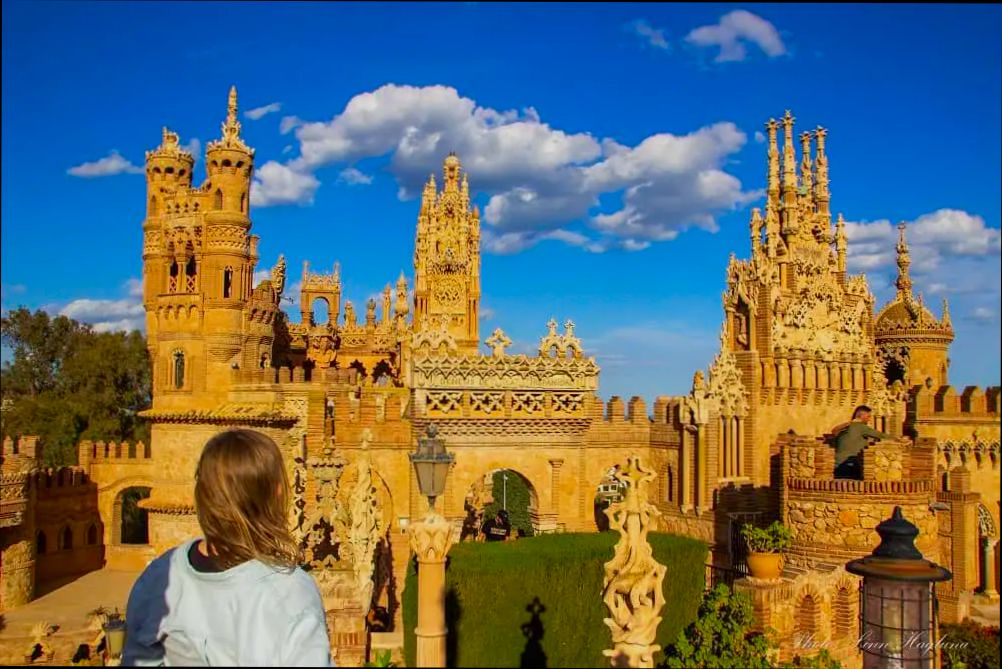
Cultural Heritage at Risk from Mass Tourism
Mass tourism undeniably presents both opportunities and challenges for cities like Málaga, particularly when it comes to safeguarding cultural heritage. As visitors flock to the city for its rich history and stunning architecture, the very essence of these cultural sites becomes jeopardized.
Key Risks to Cultural Heritage
1. Wear and Tear on Historical Sites: The daily foot traffic from tourists can lead to significant deterioration of structures, especially in areas like the Alcazaba. Studies indicate that about 40% of local historic sites face potential damage due to the influx of visitors.
2. Commercialization: With mass tourism comes the trend of commercializing cultural heritage. In Málaga, approximately 50% of local vendors have transitioned from selling traditional crafts to tourist merchandise, resulting in a dilution of authentic cultural expressions.
3. Neglect of Maintenance: Increased tourist numbers can outpace the maintenance capabilities of local authorities. Currently, nearly 35% of cultural landmarks in Málaga indicate an urgent need for repairs that are overlooked due to budget constraints exacerbated by prioritizing tourism revenue.
4. Community Disconnection: Cultural heritage sites are essential to local identities. Reports show that at least 28% of residents believe that the growing number of tourists disrupts community engagement with their own heritage, leading to a sense of alienation.
Comparative Table of Cultural Heritage Concerns
| Concern | Percentage Affected | Examples in Málaga |
|---|---|---|
| Wear and Tear | 40% | Alcazaba, Roman Theatre |
| Commercialization | 50% | Local artisan shops |
| Urgent Maintenance Needs | 35% | Historical churches |
| Community Disconnection | 28% | Local festivals |
Real-World Examples
In Málaga, the Roman Theatre has witnessed increasing cracks and erosion due to visitor traffic, prompting fears from conservationists regarding its future. Additionally, the Picasso Museum has seen changes in visitor interactions, as many tourists prefer guided experiences that prioritize famous works over more obscure, yet culturally significant, exhibits. Such trends can stifle genuine appreciation for local artistry and history.
Another case is the Cathedral of Málaga, where local community events have been overshadowed by overwhelming tourist activities. Residents feel sidelined as their cultural practices are eclipsed by commercial events targeting visitors.
Practical Implications
For you as a visitor, it’s crucial to engage with Málaga’s cultural heritage meaningfully. Here are some actionable tips:
- Choose less crowded times to visit popular sites.
- Participate in local workshops that focus on traditional crafts rather than mass-produced items.
- Support local guides who prioritize storytelling about the cultural significance of historic sites.
By being a conscious traveler, you can help preserve the beauty and integrity of Málaga’s heritage for future generations.
Specific Facts and Advice
It’s estimated that one in four tourists contribute to wear and tear in historic sites. To mitigate this, when visiting, consider small group tours or self-guided explorations during off-peak hours. Each mindful step you take can support the sustainability of Málaga’s rich cultural tapestry.