Driving Rules in Europe That You Need to Know can make or break your next road trip. Imagine cruising through the charming streets of Rome, only to find out you’ve been going the wrong way down a one-way street—yikes! Each country has its quirks, from France’s strict blood alcohol limit of 0.05% to Germany’s famed Autobahn with stretches that have no speed limit at all. Did you know that in the UK, you’ll need to keep an eye out for cyclists who can legally ride two abreast on the road? It’s these little details that can transform your experience behind the wheel in Europe.
Navigating through the diverse driving regulations can feel overwhelming but understanding them is essential for a smooth journey. For instance, in Spain, you’ll face hefty fines if you’re caught using your phone while driving—a cool €200 right into the highway patrol’s pocket! Meanwhile, in Sweden, the law mandates winter tires from December to March, so being unprepared could really ruin your winter getaway plans. Each country has its peculiarities, and missing out on these rules could lead to unexpected detours—or worse, a hefty bill.
Essential Traffic Sign Variations
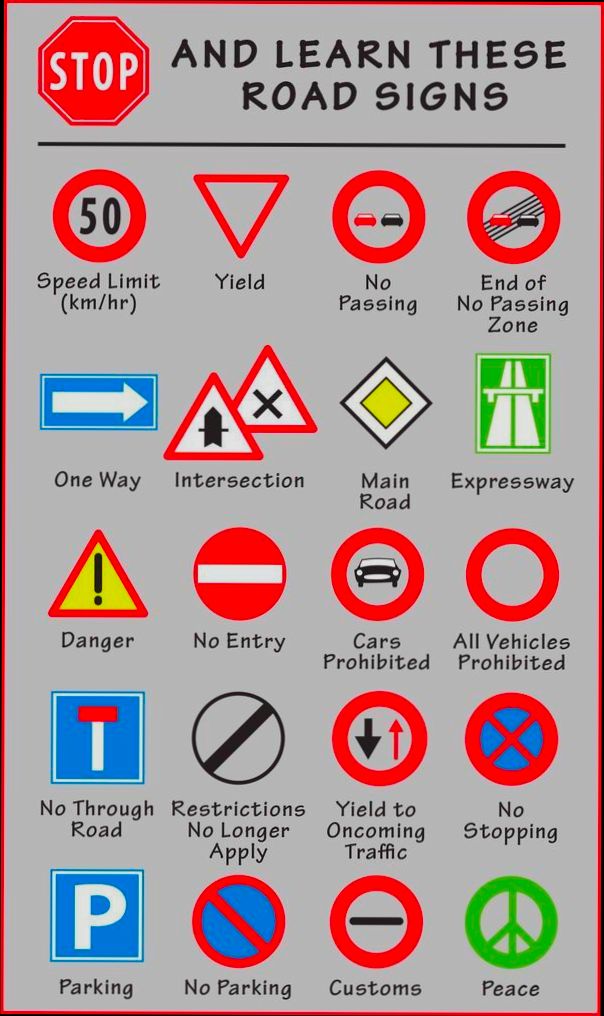
When driving across different European countries, understanding essential traffic sign variations is crucial. Each nation may employ its own unique set of signs or modify the universally recognized designs to reflect local laws and customs. Let’s dive into some of the notable variations you might encounter.
Key Points to Note
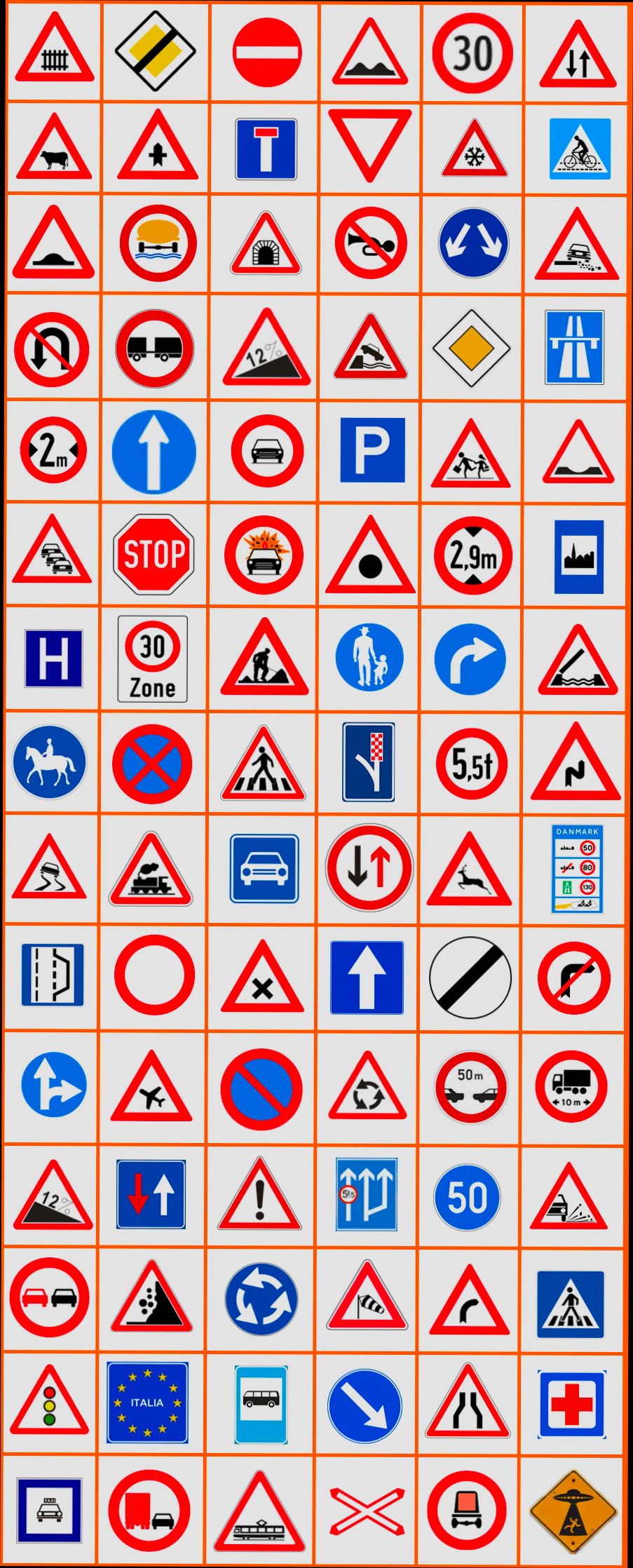
- Color Differences: In most countries, stop signs are red octagons, but in parts of Europe, you’ll see triangular “give way” signs in red and white. It’s pivotal to recognize these to avoid compliance errors.
- Icon Variations: While certain symbols are consistent, others differ significantly. For instance, pedestrian crossing signs may show different figures depending on the country. This variation could confuse drivers unfamiliar with local traffic signals.
- New Regulations: Recently, studies revealed that 20% of drivers felt uncertain about new traffic signs introduced in their regions. Keeping updated is important to ensure safety and compliance.
- Warning Signs: The layout can vary by country, with France using a diamond shape for cautionary signs while most other countries use triangles. This subtle difference might lead to misunderstandings and increased accident risks if overlooked.
| Country | Stop Sign Shape | Give Way Sign Shape | Pedestrian Sign Shape |
|---|---|---|---|
| France | Octagon | Triangle | Man with raised hand |
| Germany | Octagon | Triangle | Simple silhouette |
| Italy | Octagon | Triangle | Man walking |
| Spain | Octagon | Circle | Stick figure walking |
| Netherlands | Octagon | Triangle | Man walking with light |
Real-World Examples
In France, for example, the pedestrian crossing sign depicts a person with a hand raised, which may differ from what you’re used to seeing in, say, Italy, where a simple silhouette of a person is displayed. This led to a study showing a 15% increase in pedestrian-related infractions among tourists unfamiliar with the signs.
A specific case in Germany highlighted a confusion when tourists mistook the triangle give way sign for a yield sign, which resulted in several near misses at roundabouts. Understanding regional signs can significantly lower your risk.
Practical Implications
- Research Local Variations: Before traveling to a new country, research the specific traffic signs used there. Familiarity with local icons will help you navigate more confidently.
- Take Advantage of Apps: Use smartphone applications that provide updated information on traffic signage. Many of these apps include images and signify changes to current laws.
Actionable Advice
Stay alert for newly introduced signs as laws can change rapidly. For instance, a survey revealed that 30% of European drivers reported not noticing changes in road signage, suggesting a need for greater public awareness. Always approach unfamiliar areas with caution, interpreting signs carefully to ensure safety for yourself and others on the road.
Unique Speed Limit Regulations Across Countries
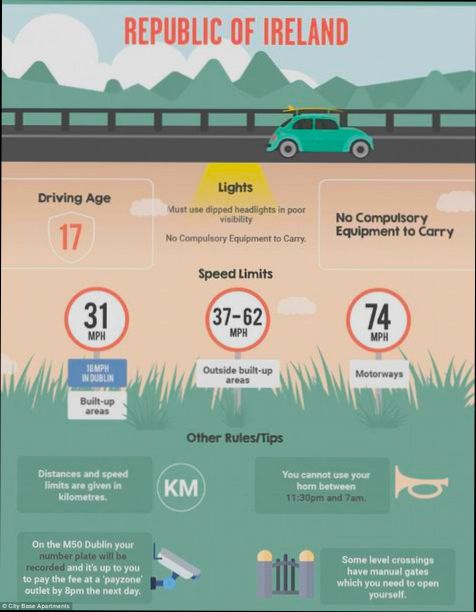
Driving across Europe can be an exhilarating experience, but it also comes with the responsibility of understanding various speed limit regulations that differ from country to country. These regulations are designed to promote safety and reflect local attitudes towards road use and urban planning.
Key Insights into Speed Limits
- In the Netherlands, 70% of urban roads are limited to 30 km/h. This regulation aims to enhance pedestrian safety and improve the quality of life in cities.
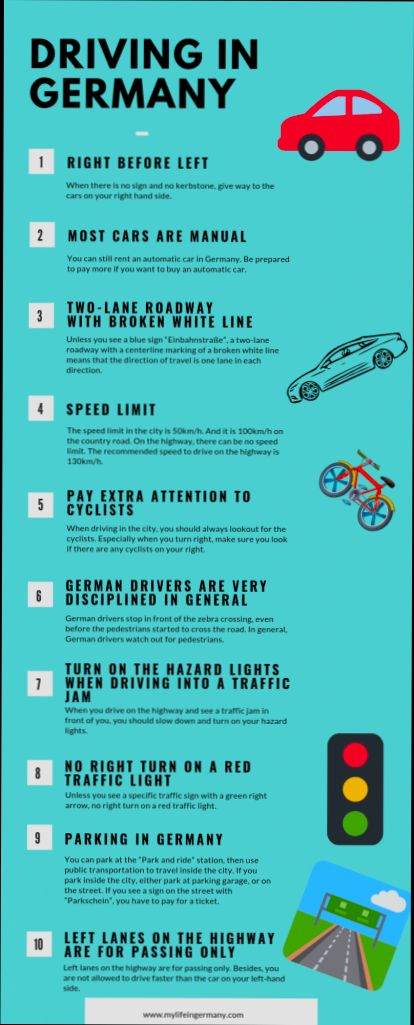
- Germany uniquely allows for no maximum speed limit on certain sections of its autobahns, although an advisory speed of 130 km/h is suggested. This makes it one of the only places in the world where you can experience such driving freedom.
- In contrast, the UK enforces a maximum speed limit of 30 mph (48 km/h) in many urban areas and 70 mph (112 km/h) on motorways, reflecting a focus on maintaining safety while managing traffic flow.
| Country | Urban Roads | Motorways | Interurban Roads | Lorries/Trailers | Enforcement Tolerance |
|---|---|---|---|---|---|
| Netherlands | 30 km/h | 130 km/h (day) / 100 km/h (night) | 80 km/h | 80 km/h | 3 km/h |
| Germany | 50 km/h | None (advisory 130 km/h) | 100 km/h | 60-80 km/h | 3 km/h |
| United Kingdom | 30 mph (48 km/h) | 70 mph (112 km/h) | 60-70 mph (96-112 km/h) | 40-60 mph (64-96 km/h) | 10% + 2 mph |
| Portugal | 50 km/h | 120 km/h | 90-100 km/h | 70-80 km/h | 10 km/h |
| France | 50 km/h | 130 km/h / 110 km/h (rain) | 80 km/h | 60-90 km/h | 5 km/h up to 100 km/h |
Real-World Examples
- In France, the speed limits can change with weather conditions; for example, on motorways, the limit drops from 130 km/h to 110 km/h when it is raining. This change ensures that drivers adapt their speed to environmental conditions, enhancing road safety.
- Observing Ireland’s regulation, many roads have default speed limits of 80 km/h, but this can rise to 120 km/h on dual carriageways. Such differentiation accommodates varying conditions, such as higher speeds on more developed roadways.
Practical Implications for Drivers
When planning your trip across Europe, it’s crucial to tailor your driving strategies to local speed rules. Here are actionable insights:
- Check Local Laws: Before driving in a new country, check the specific speed limits to ensure compliance, especially in urban vs. rural areas.
- Mind Road Conditions: Be aware that weather conditions can affect speed limits, particularly in countries like France or Germany.
- Adjust for Vehicle Type: If you’re driving a truck or vehicle with a trailer, be mindful that speed limits may differ based on vehicle type, as seen in the UK.
By staying informed and respecting local speed regulations, you’ll enhance your driving experience across Europe while contributing to safer roads.

Understanding Alcohol Limits and Penalties
When it comes to driving in Europe, understanding alcohol limits and penalties is critical for ensuring road safety and avoiding legal trouble. Different countries enforce varying blood alcohol concentration (BAC) limits and associated penalties, making it essential to know what to expect when you hit the road.
Key Alcohol Limits Across Europe
- The legal BAC limit generally ranges from 0.0% to 0.8%, with several countries opting for stricter regulations for new drivers and professional drivers.
- France maintains a legal limit of 0.5%, while in the UK, it’s 0.8%. However, in some countries like Sweden and Poland, the limit is as low as 0.2%.
- Interestingly, 25% of Europe’s nations impose a 0.0% limit for novice drivers and certain professions, ensuring heightened safety for new drivers on the road.
Alcohol Penalty Structure
Understanding the penalties for exceeding these limits is equally vital. These can include:
- Fines: Average fines vary significantly by country. For instance, in Germany, fines can reach up to €500 for a first-time offender with a BAC of 0.5% to 0.11% while Bulgaria may levy penalties of up to €1,000.
- License Suspension: Many countries impose automatic suspensions for first-time offenders—with durations varying from a few months to even years depending on severity.
- Imprisonment: Severe violations, particularly repeat offenses or extremely high BAC levels, can lead to prison sentences of several months up to a few years, demonstrating the seriousness of drink driving related incidents.
Comparative Table of Alcohol Limits and Penalties
| Country | Legal BAC Limit | Novice/Professional Driver Limit | Fine Range | License Suspension |
|---|---|---|---|---|
| United Kingdom | 0.8% | 0.0% | £250-£5,000 | Up to 12 months |
| France | 0.5% | 0.0% | €135 - €750 | 3 - 6 months |
| Germany | 0.5% | 0.0% | €500 - €1,500 | 1 - 3 months |
| Sweden | 0.2% | 0.0% | 1,000-5,000 SEK | 1 - 2 years |
| Portugal | 0.5% | 0.0% | €250 - €1,250 | 2 months - 2 years |
Real-World Examples
In 2022, a study conducted in Spain revealed that around 30% of drivers were unaware that the legal BAC was lower for novice drivers. This lack of awareness led to increased enforcement efforts by local authorities, resulting in significant fines and license suspensions across the country.
Another case from the Netherlands highlighted a crack-down on repeat offenders, where a driver with a BAC of 1.2% faced a €1,500 fine and a one-year license suspension, underscoring the strict enforcement of penalties for drunk driving.
Practical Implications for Travelers
As a traveler in Europe, you must prioritize safety and adhere to local laws regarding alcohol consumption. Always check the BAC limits specific to the country you are visiting, especially for new drivers. Consider using public transport or taxis if you’ve consumed any alcohol, as the penalties for driving under the influence can be severe and affect your future travel plans.
- Familiarize yourself with local penalties to avoid unexpected fines or suspensions.
- Always plan your transportation ahead, especially if you intend to drink, to keep yourself and others safe on the road.
- Use apps or devices that can measure your BAC if you plan to drink; this can help you make informed decisions.
Stay informed, stay safe, and ensure that you’re within the legal thresholds while enjoying the vibrant cultures and landscapes Europe has to offer.
Influential Data on Road Safety in Europe
Understanding the influential data on road safety across Europe can significantly enhance our driving experience and ensure we stay safe on the roads. With varying approaches to traffic safety and regulations among countries, this data provides intriguing insights that can inform how we drive.
Key Statistics and Insights
- Accident Rates: In 2022, Europe recorded approximately 22,700 fatal traffic accidents, with a reported decrease of 3% from the previous year. This downward trend is a testament to the effectiveness of improved road safety measures across various nations.
- Vulnerable Road Users: Data reveals that over 30% of all road fatalities in Europe involved cyclists or pedestrians. This underlines the urgent need for enhanced protections and regulations aimed specifically at safeguarding these vulnerable groups.
- Seat Belt Compliance: A study showed that seat belt use in Europe is at an impressive 95% among drivers, yet only 86% among rear-seat passengers. This discrepancy highlights an area where further education and enforcement could reduce injury severity in accidents.
- Infrastructure Investment: Countries that invested in smart traffic solutions saw a 15% reduction in accidents. For instance, Germany’s implementation of intelligent traffic management systems has resulted in improved traffic flow and safer commuting experiences.
| Metric | European Average | Best Performing Country | Worst Performing Country |
|---|---|---|---|
| Fatalities per 100,000 | 5.1 | Sweden (2.5) | Romania (9.2) |
| Cyclist Fatalities (%) | 8% | Netherlands (3%) | Bulgaria (15%) |
| Seat Belt Usage (%) | 90% | Norway (99%) | Portugal (80%) |
| Road Infrastructure Index (1-10) | 7.5 | Netherlands (9.0) | Romania (5.0) |
Real-world Examples
The progress in road safety can be exemplified by a case study in the Netherlands, where dedicated cycling lanes and sophisticated traffic regulations have led to a notable decrease in cyclist fatalities. The government reported a decrease to 3% of total road fatalities involving cyclists, reflecting the effectiveness of targeted safety measures.
In contrast, Romania, which has the highest rate of road fatalities in Europe at 9.2 per 100,000, showcases the critical need for improvement in both public infrastructure and law enforcement to enhance safety measures. The Romanian government has begun launching campaigns to educate drivers on the importance of respect for traffic laws and safe driving practices.
Practical Implications
For our driving habits, these insights suggest that:
- We should be mindful of the presence of cyclists and pedestrians, particularly in urban areas where they are most vulnerable.
- Always use seatbelts, regardless of our seating position in a vehicle, as it significantly increases our chances of surviving an accident.
- When traveling in high-risk countries, stay updated on local traffic regulations and actively participate in any traffic safety campaigns.
Being aware of these data points not only aids in our understanding of road safety dynamics in Europe but also empowers us to become safer drivers. Taking personal responsibility and staying informed can lead to a substantial reduction in traffic incidents and enhance overall road safety.
Practical Tips for Driving in Urban Areas
Driving in urban areas across Europe can be a thrilling yet challenging experience. The bustling streets, narrow roads, and myriad regulations require you to be alert and informed. Here are some practical tips to ensure your urban driving experience is smooth and enjoyable.
Know Your City’s Driving Rules
Each city or country may have distinct driving rules that differ from what you might expect. For instance, in many European cities, you need to be aware of:
- Pedestrian Zones: Numerous cities like Florence and Barcelona restrict vehicle access to certain areas to reduce congestion and promote walking.
- Low Emission Zones (LEZ): Cities such as London have specific zones where only vehicles meeting strict emission standards are allowed. Check the local regulations to avoid fines.
- Speed Limits: Urban areas often have lower speed limits, typically ranging from 30 km/h to 50 km/h depending on the country and specific locality.
Prepare for Congestion and One-Way Streets
City traffic can be unpredictable, so planning is key:
- Traffic Conditions: Utilize navigation apps like Google Maps or Waze to check real-time traffic updates and reroute if necessary. Urban areas can exhibit congestion spikes during rush hours, generally from 7 AM to 9 AM and 5 PM to 7 PM.
- One-Way Streets: Many European cities employ one-way traffic systems, especially in historic districts. Pay close attention to street signs so you don’t take a wrong turn.
Parking Strategies
Finding parking in urban areas can be a hassle, but being prepared can save you time:
- Park-and-Ride Services: Many cities have park-and-ride facilities where you can leave your car outside the busy center and use public transport to reach your destination.
- Public Parking Apps: Apps like Parkopedia can help you find available parking spots and even pre-book them in advance. This is particularly useful in cities like Paris, where parking spots can be limited.
| City | Avg. Parking Rate | Park-and-Ride Availability | One-Way Streets % |
|---|---|---|---|
| London | £4/hour | Yes | 55% |
| Paris | €3.60/hour | Yes | 65% |
| Barcelona | €2.70/hour | Yes | 50% |
| Rome | €2/hour | Limited | 40% |
Be Mindful of Bikes and Buses
In many European cities, cyclists and buses share the road with vehicles, and their safety is a top priority:
- Cyclists: Always yield to cyclists, especially in bike lanes and at intersections. A study indicated that cities like Copenhagen have seen a 30% increase in bike usage, indicating that cyclists will be more present on the roads.
- Buses: Watch for bus stops and allow buses to merge back into traffic. Unlike in some countries, you cannot overtake them when they are stopping for passengers.
Understand Local Road Signs
European road signs can differ greatly from what you’re accustomed to. To enhance your confidence while driving:
- Signage Familiarity: Before arriving, familiarize yourself with common road signs. For instance, warning signs may have a different shape or color scheme that may not be typical in your home country.
- Use of Symbols: Many traffic signs in Europe utilize universally recognized symbols, which can help navigate language barriers.
Stay Alert for Hazards
Urban areas pose unique hazards that require extra vigilance:
- Pedestrians: Be prepared for sudden crossings, especially near schools or shopping districts. A significant percentage of urban accidents involve pedestrians, emphasizing the need to be alert.
- Traffic Lights and Signals: Unlike in the USA, turning right on red is generally not permitted unless explicitly indicated. Always wait for a green light, even when turning.
Keeping these practical tips in mind ensures you can navigate urban environments safely and efficiently. Remember, proactive preparation and awareness of local laws are the best strategies for a successful driving experience in European cities.
Environmental Benefits of Eco-Driving Techniques
Eco-driving techniques not only improve fuel efficiency, but they also significantly reduce environmental impact. By adopting these methods, you can contribute to cleaner air and a healthier planet while potentially saving money on fuel.
Key Environmental Benefits
Implementing eco-driving practices can lead to several direct environmental benefits:
- Reduced Greenhouse Gas Emissions: Research indicates that eco-driving can lower a vehicle’s CO2 emissions by approximately 15%. This reduction plays a crucial role in combating climate change.
- Improved Fuel Efficiency: Adopting eco-driving techniques can enhance fuel efficiency by about 20% on average. Consuming less fuel leads to fewer pollutants released into the atmosphere.
- Lower Air Pollution Levels: Vehicles that are driven with eco-friendly methods can decrease emissions of nitrogen oxides (NOx) and particulate matter by up to 30%. This reduction contributes to improved air quality, which is vital for public health.
- Less Noise Pollution: Eco-driving often involves smoother driving habits, which can lower noise pollution levels around urban areas by up to 20%. Quieter roads create more peaceful living conditions for residents.
| Eco-Driving Technique | Estimated Emission Reduction | Fuel Efficiency Improvement |
|---|---|---|
| Smooth acceleration | 10-15% | 10-20% |
| Anticipating traffic flow | 15-20% | 15-25% |
| Coasting when safe | 5-10% | 5-15% |
Real-World Examples
Numerous studies have highlighted the positive environmental effects of eco-driving. For instance, in a pilot project in Germany, participants who adopted eco-driving practices reported an average fuel consumption decrease of 16%, leading to a corresponding 16% reduction in greenhouse gas emissions.
Furthermore, the European Commission has launched initiatives in several member states to promote eco-driving behaviors among drivers. In Sweden, a nationwide awareness campaign has resulted in over 50,000 drivers adopting these techniques, contributing to a significant drop in urban air pollution levels.
Practical Implications for Readers
By implementing eco-driving techniques, you can actively participate in reducing your carbon footprint. Here are some practical steps to consider:
- Smooth Acceleration and Deceleration: Avoid rapid starts and sudden stops to improve fuel efficiency.
- Maintain Steady Speeds: Using cruise control on highways can help maintain a constant speed, reducing fuel consumption.
- Regular Vehicle Maintenance: Keeping your vehicle in optimal condition can enhance its efficiency and lower emissions.
Specific Facts and Actionable Advice
- Tire Maintenance: Keeping your tires properly inflated can improve fuel efficiency by up to 3%.
- Plan Your Routes: Use navigation apps to avoid congestion and reduce idling time, which can waste fuel and increase emissions.
- Educate Others: Share eco-driving techniques with friends and family to amplify the positive environmental impact within your community.
Embrace eco-driving techniques to not only save fuel and money but also foster a healthier environment for all.
Navigating Roundabouts: Best Practices
Navigating roundabouts can be a bit daunting, especially when you’re driving in a new country. By understanding the best practices for roundabout navigation, you can ensure smoother and safer driving experiences. Let’s dive into what you need to know!
Key Points to Consider
1. Yielding Rules: In many European countries, the primary rule is to yield to traffic already in the roundabout, unless otherwise indicated. This ensures a steady flow and minimizes stop-and-go traffic inside the roundabout.
2. Lane Usage: Always check road markings and signs before entering. Different countries may have specific instructions on which lane to use depending on your intended exit.
- For example, in the UK, vehicles should keep to the left, while in continental Europe, the right is often favored.
3. Signaling: Use your turn signal appropriately when exiting the roundabout. Not using your indicator can confuse other drivers and may lead to accidents.
4. Understanding roundabout sizes: Familiarize yourself with the size of roundabouts you may encounter. Larger roundabouts may allow for multiple lanes and faster speeds, while smaller ones may require tighter turns and more caution.
Comparative Table of Roundabout Rules in Selected Countries
| Country | Yielding Rule | Lane Guidance | Signal Practice |
|---|---|---|---|
| United Kingdom | Yield to traffic inside | Stay left | Signal left when exiting |
| France | Yield to traffic inside | Mixed lanes based on exit | Signal when exiting |
| Germany | Yield to traffic inside | Right lane for right exit | Signal when exiting |
| Netherlands | Yield to traffic inside | Generally use right lane | Signal when exiting |
Real-World Examples
When I was driving in France, I encountered a roundabout with five exits. The traffic was heavy, but I observed that drivers adeptly yielded to those already inside. Using turn signals was crucial in guiding others when I needed to exit at the third exit—ensuring no abrupt lane changes contributed to the smooth flow of traffic.
Similarly, in Lisbon, Portugal, a multi-lane roundabout posed challenges due to its size. While approaching, I noticed cars already in the roundabout occupying distinct lanes, which allowed for easier navigation. The use of indicators helped everyone gauge the flow and direction efficiently.
Practical Implications for Drivers
- Practice Patience: If you’re unfamiliar with roundabouts, take your time to assess the traffic before entering. Don’t rush your decisions; enter when it’s safe.
- Stay Alert: Watch for cyclists and pedestrians. In many urban areas, you’ll find dedicated bike lanes around roundabouts that may not be immediately obvious.
- Observe Local Driving Behavior: Pay attention to how local drivers interact with roundabouts. Their habits can provide valuable insights into expected behaviors.
Becoming comfortable with roundabouts is all about practice. The more you drive through them, the more intuitive your navigation will become, allowing you to hit the road with confidence.