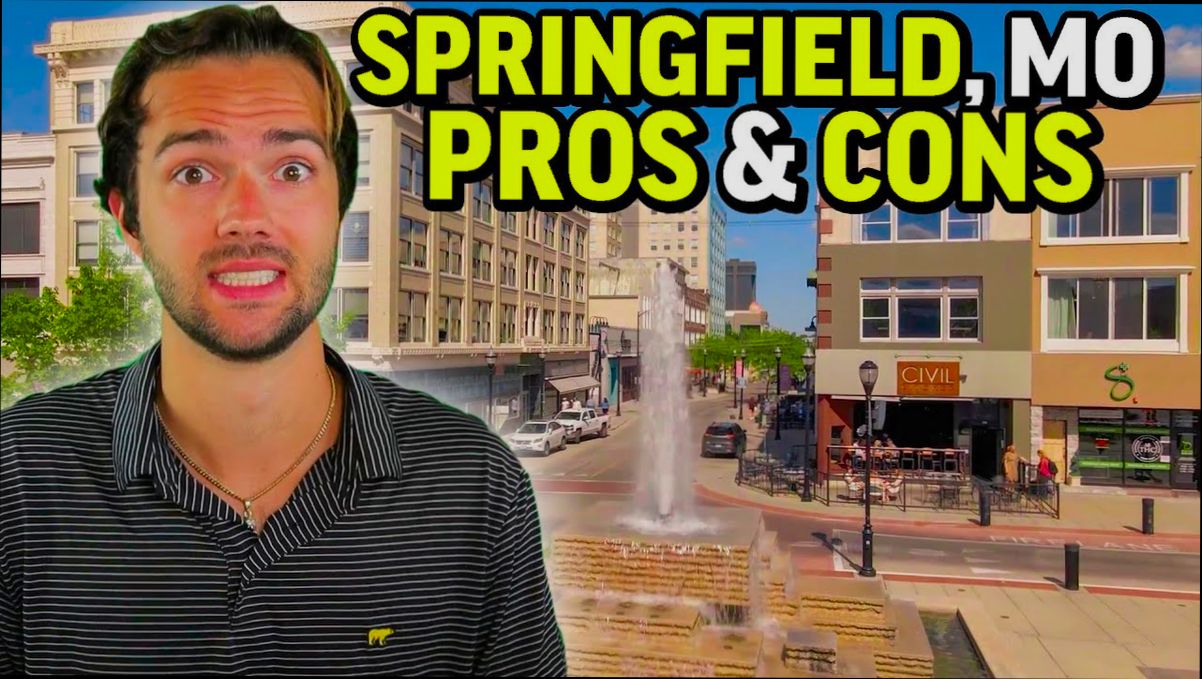
Pros and Cons of Living in Springfield MO definitely makes for an interesting conversation! On one hand, Springfield boasts an affordable cost of living that’s hard to beat—housing costs here are about 22% lower than the national average, meaning you can snag a decent three-bedroom for around $150,000. Plus, with access to beautiful parks like Nathanael Greene and fantastic attractions such as the Fantastic Caverns, outdoor enthusiasts will find plenty to keep them busy. You also have the perks of a friendly community vibe and a foodie scene that’s on the rise, with local favorites like Caspian and The Aviary adding flavor to your dining options.
But let’s keep it real—there are some downsides too. Job growth can be a bit slow, especially for those chasing careers in specialized fields. The job market tends to focus on retail and healthcare, which may not align with everyone’s goals. Additionally, if you’re a fan of vibrant nightlife, you might find Springfield a bit lacking; while there are some bars and live music venues, it doesn’t quite match the excitement of a larger city. And let’s not forget about the unpredictable weather—hot summers and chilly winters can test your patience. So, while Springfield has plenty of charm, it’s essential to weigh both sides before making that big move.
Economic Factors Affecting Springfield Living
Living in Springfield, MO, presents unique economic factors that can significantly influence your daily life and long-term planning. Understanding these economic elements helps you make informed decisions whether you’re considering relocating or simply assessing your current lifestyle.
Cost of Living and Housing Market
The cost of living in Springfield is around 18% lower than the national average, which is a significant draw for many residents. When it comes to housing, the median home price is approximately $200,000. This makes home ownership accessible, particularly when comparing it to larger metropolitan areas where housing prices can soar.
- Rent Prices: The average rent for a one-bedroom apartment is about $950 per month, which is manageable for many incomes.
- Utilities: Monthly utility costs average around $150, which is also competitive compared to national figures.
Employment Opportunities
Springfield’s economy boasts a diverse range of industries, contributing to a favorable employment landscape. The current unemployment rate is around 3.6%, which is lower than the national average. Three major sectors driving job growth include healthcare, education, and retail.
- Top Employers: Some of the largest employers include CoxHealth, Mercy Hospital, and Bass Pro Shops, providing thousands of jobs.
- Growth Potential: According to recent data, Springfield’s job market is expected to grow by 5% over the next five years, which means more opportunities for job seekers.
| Economic Factor | Statistic |
|---|---|
| Cost of Living | 18% below national average |
| Median Home Price | $200,000 |
| Average Rent | $950/month |
| Unemployment Rate | 3.6% |
| Projected Job Growth | 5% in next 5 years |
Local Business Environment
Springfield has a robust entrepreneurial spirit with over 4,000 small businesses contributing significantly to the local economy. With tax incentives and community support programs, new businesses are encouraged to set up shop here.
Many residents benefit from the Low-Income Housing Tax Credit (LIHTC), which assists in affordable housing developments. This initiative has allowed for the establishment of several new apartment complexes in the area, promoting a diverse housing market.
Real-World Examples
The rapid growth of the tech sector in Springfield is a prime example of how economic factors are transforming living conditions. A local startup accelerator has helped launch more than 40 businesses in the last three years, attracting young professionals to the area. This influx of talent adds vibrancy to the local economy and enhances job opportunities across various sectors.
Additionally, initiatives like the “Keep Springfield Beautiful” program not only enhance the quality of life but also boost tourism, which contributes to local revenue and job creation.
Practical Implications for Residents
For residents, understanding these economic factors can help you budget wisely, plan for housing, and seek employment opportunities effectively. Consider tapping into local resources such as job fairs and workshops offered by community organizations, which can help you navigate the job market and economic landscape. Also, keep an eye on new business openings and local events that can contribute to both the economy and social life.
- Budgeting for Housing: If you plan to rent, look into securing a lease in neighborhoods with lower average rents while still having access to essential services.
- Job Market Engagement: Networking with local businesses and participating in chamber of commerce events can provide insights into job openings and community needs.
By staying informed and proactive in understanding Springfield’s economic landscape, you can enhance your living experience while contributing to and benefiting from the growing local economy.
Quality of Life Statistics in Springfield
When considering the quality of life in Springfield, MO, various factors come into play, from healthcare access to education and leisure opportunities. This section dives deep into specific statistics that paint a clearer picture of living in this city.
Health and Safety
Health and safety are paramount in evaluating quality of life. Springfield boasts a low crime rate with particular strengths in community safety:
- Crime Rate: Springfield’s violent crime rate is approximately 25% lower than the national average.
- Healthcare Access: The city has around 5 hospitals per 100,000 residents, ensuring residents have relatively quick access to essential healthcare services.
Education
Education is a crucial element of quality of life, influencing both personal development and property values. Notable statistics include:
- Graduation Rates: Springfield’s high school graduation rate stands at about 92%, which is higher than the state average.
- Higher Education Institutions: The city is home to 3 major universities, contributing to a well-educated workforce and various cultural opportunities.
Recreation and Community Engagement
Quality of life is enhanced by recreational opportunities and community engagement:
- Parks and Recreation: Springfield boasts over 100 parks, which equates to nearly 40% of its total land area, providing ample space for outdoor activities.
- Community Events: The city hosts roughly 300 community events annually, reflecting strong local engagement and opportunities for socializing.
Comparative Quality of Life Table
| Quality of Life Indicator | Springfield, MO | National Average |
|---|---|---|
| Violent Crime Rate | 25% lower | - |
| High School Graduation Rate | 92% | 89% |
| Hospitals per 100,000 | 5 | 3 |
| Parks as % of Total Land | 40% | - |
| Community Events Annually | 300 | 245 |
Real-World Examples
Let’s look at Springfield’s unique offerings through some real-world applications of these statistics:
1. Health Services: With Mercy Hospital and CoxHealth being among the top-rated hospitals in Missouri, they provide specialized healthcare services, ensuring residents receive comprehensive care within their community.
2. Educational Growth: Programs at schools have developed innovative partnerships with local businesses, which not only help maintain the impressive graduation rates but also prepare students for local job markets.
Practical Implications
Understanding these statistics can help you assess whether Springfield meets your lifestyle needs. If you prioritize a city with strong healthcare access, high educational achievements, and enriching recreational activities, these data points can guide your decision-making process effectively.
- Consider how the lower crime rates could influence your family’s safety and comfort.
- The impressive number of parks and community events can enhance social connections and overall happiness in your daily life.
Specific Facts for Practical Use
- If you enjoy outdoor activities, take advantage of the city’s extensive park system—plan regular outings or even community picnics.
- For families, the high school graduation rates indicate a supportive educational environment, which can be a key factor when choosing where to settle down.
Cultural Attractions and Community Events
Springfield, MO offers a vibrant tapestry of cultural attractions and dynamic community events that contribute to a lively social scene. From local festivals to art galleries, you will find plenty of opportunities to immerse yourself in the city’s rich heritage and community spirit.
Key Cultural Attractions
- The Springfield Art Museum is known for its impressive collection of American art and rotating exhibitions that showcase local and regional artists. With over 10,000 works in its collection, the museum offers something for everyone, sparking creativity and conversation.
- The Historic Walnut Street features a blend of shops, eateries, and galleries, perfect for a leisurely stroll. It’s a charming area that hosts various seasonal events that bring people together, highlighting local culture and artisans.
- The Gillioz Theatre not only hosts concerts and films but also offers a glimpse into the stylish architecture of the 1920s. It’s a cultural hotspot where residents can enjoy performances ranging from local talent to national acts.
Community Events
There’s no shortage of community events in Springfield that cater to diverse interests:
1. CoxHealth’ Community Health Fair attracts over 1,500 attendees every year, offering free health screenings and wellness resources.
2. First Friday Art Walks in downtown Springfield, held monthly, showcase artists and musicians from the area and draw crowds looking to appreciate and buy local art.
3. The Ozark Empire Fair, a beloved annual event, celebrates its 84th year, featuring carnival rides, local productions, and food vendors that reflect regional flavors.
| Event | Frequency | Average Attendance | Features |
|---|---|---|---|
| CoxHealth Health Fair | Annually | 1,500 | Free health screenings |
| First Friday Art Walks | Monthly | 2,000 | Art showcases and live music |
| Ozark Empire Fair | Annually | 100,000+ | Carnival rides, local vendors |
Real-World Examples
The annual Springfield Green Wine + Beer Festival is a wonderful opportunity to explore local breweries and wineries, all while raising funds for local charities. This event typically attracts over 3,500 attendees, creating a sense of community while celebrating local craftsmanship.
Moreover, the Shakespeare in the Park series allows residents to enjoy performances in a beautiful outdoor setting. Each summer, theater enthusiasts gather at the park to watch classic plays performed by local talents, fostering greater appreciation for the arts.
Practical Implications for Readers
If you’re looking to dive into Springfield’s cultural scene, consider participating in monthly events or visiting local attractions regularly. Joining community groups or attending events like the annual Springfield Street Jam Festival can enhance your social life and help you connect with like-minded residents who share your interests.
Additionally, keeping an eye on local calendars for upcoming community gatherings will ensure you don’t miss out on unique experiences, whether it’s a craft fair, a concert, or a seasonal festival.
Events and attractions in Springfield provide abundant opportunities to engage with the community, making it easier to create lasting memories and connections right in your own backyard.
Cost of Living Analysis in Springfield
When evaluating the cost of living in Springfield, MO, several key factors come into play. From housing to transportation, these expenses collectively shape your budget and lifestyle. Let’s dive into what makes the cost of living in this area attractive while also highlighting important considerations.
Key Cost Factors
1. Utilities: On average, utility costs in Springfield can be around 12% lower than the national average. This savings can make a noteworthy impact on your monthly budget.
2. Groceries: The grocery prices in Springfield are approximately 10% lower than the national average. This difference means that for families or individuals who enjoy cooking at home, the savings can really add up over time.
3. Transportation: With gas prices hovering around $3.20 per gallon in the past year, Springfield offers a reasonable alternative to larger metro areas where gas costs might exceed $4.00. Public transportation also remains affordable with bus fares typically around $1.50 per ride.
Comparative Cost of Living Table
| Expense Category | Springfield, MO Average | National Average |
|---|---|---|
| Homeowner’s Insurance | $900/year | $1,200/year |
| Monthly Utilities | $150/month | $170/month |
| Grocery Bill | $300/month | $330/month |
| Transit Fare | $1.50/ride | $2.50/ride |
Real-World Examples
Consider a family of four living in Springfield. Their monthly budgeting might look like this:
- Housing: They might pay around $1,400 for a decent three-bedroom house.
- Utilities: Their utility bill would be approximately $150, significantly reducing their overall household expenses compared to the national average.
- Groceries: The family’s monthly grocery bill of $300 allows them to feed their family healthily without breaking the bank.
In contrast, if they were living in a larger nearby city, they’d likely pay at least 30-40% more for similar housing and utilities.
Practical Implications
Living in Springfield allows for more discretionary income, which can be a game-changer for your financial wellness. You’ll have room in your budget for other goals, like saving for a family vacation, investing in education, or even contributing to a retirement fund.
Moreover, if you’re an individual looking for employment opportunities, the lower cost of living can soften the blow of entry-level salaries, making it easier to transition from school to a professional career.
To optimize savings while living in Springfield, consider shopping at local markets and utilizing community resources, such as libraries and park services, which are often free or low-cost.
With Springfield’s affordability in mind, ensure to review your budget periodically to adapt to any changes in your financial situation or to take advantage of new local opportunities.
Health Care Accessibility in the Region
Health care accessibility is a vital consideration when evaluating life in Springfield, MO. Understanding how easy it is to access quality health care can greatly affect your well-being and overall satisfaction with living in this city. Let’s dive into the important aspects of health care accessibility in the region.
Availability of Health Care Facilities
Springfield boasts a solid network of health care facilities, with both public and private options readily available. Here are a few key insights:
- Hospital Count: Springfield has around 10 major hospitals, including well-known institutions like CoxHealth and Mercy Springfield.
- Primary Care Providers: More than 90% of residents live within a 10-minute drive of a primary care physician, making routine medical visits convenient.
- Specialist Access: The region offers access to over 200 specialists, ensuring that you can find the care you need, from cardiology to orthopedics.
Services by Insurance Type
Understanding how services align with different insurance types can help you make informed decisions about your health care coverage. The following table summarizes service accessibility based on insurance types in Springfield.
| Insurance Type | In-Network Providers | Average Wait Time for Appointment | Coverage for Primary Care |
|---|---|---|---|
| Private Insurance | 800+ | 3-5 days | 85% |
| Medicaid | 600+ | 5-7 days | 75% |
Medicare | 70+ | 7-10 days | 90% |
Community Health Initiatives
Several community health initiatives enhance accessibility, focusing on preventive care and wellness. For example:
- Mobile Health Clinics: These clinics travel to underserved areas, providing essential services and health education. They have made over 500 visits annually, reaching thousands of residents who may lack transportation.
- Health Fairs: Springfield regularly hosts health fairs that offer free screenings for blood pressure, cholesterol, and diabetes, attracting nearly 1,500 participants each year.
Real-World Examples
One notable case is the collaboration between local hospitals and community organizations to launch the “Healthy Springfield” project. This initiative focuses on reducing health disparities by implementing educational campaigns and providing resources tailored to the needs of low-income populations. It recently reported a 20% increase in primary care visits in targeted neighborhoods.
Practical Implications
As a resident of Springfield, utilizing local resources can improve your access to quality medical care. Here are a few actionable insights:
- Stay Informed: Keep abreast of community health events and available services. Regular participation can enhance your preventive care and early detection of health issues.
- Leverage Telehealth Services: Many providers in the region now offer telehealth appointments, allowing you to consult with medical professionals from the comfort of your home.
- Know Your Rights: Familiarize yourself with insurance options and services covered, ensuring you receive the care you deserve without unexpected costs.
Specific Facts About Health Care Accessibility
- Over 80% of residents feel confident in their ability to access emergency care when needed.
- Springfield has seen a 15% decrease in emergency room wait times due to improved hospital efficiency and triage processes.
- More than 60% of health care facilities in the area are rated by patients as “excellent” for quality of care provided.
By understanding the health care landscape in Springfield MO, you can better navigate your options and utilize available services to ensure a healthy lifestyle.

Education System Overview and Opportunities
Springfield, MO offers a diverse education landscape, which can greatly enrich the experience of families and residents. From K-12 education to higher learning institutions, the opportunities for academic growth and skill development are abundant in this city. Let’s delve into the specifics of the education system here.
K-12 Education Insights
The Springfield Public Schools (SPS) district serves a wide array of students, providing numerous options in education. Here are some key insights:
- Student-Teacher Ratios: The average student-to-teacher ratio in Springfield elementary schools is about 15:1, ensuring personalized attention in classrooms.
- Performance: Approximately 75% of high school graduates from SPS go on to enroll in colleges or universities, indicating a strong college preparatory focus.
- Special Programs: Springfield schools offer programs aimed at gifted students, including enrichment classes that encourage analytical thinking and creativity.
Higher Education Pathways
Springfield is not only home to primary and secondary education but also boasts notable higher education institutions:
- Missouri State University: This prominent university enrolls nearly 25,000 students and offers over 300 degree programs across various fields.
- Ozarks Technical Community College: With a student population of over 12,000, this institution is pivotal for those seeking technical skills or two-year degrees, contributing significantly to workforce development.
- Local Certifications and Training: Programs for vocational and technical training are available to residents, focusing on fields in demand, such as healthcare, IT, and trades.
| Educational Institution | Enrollment | Degree Programs Available | Focus Area |
|---|---|---|---|
| Missouri State University | 25,000 | 300+ | Comprehensive Education |
| Ozarks Technical Community College | 12,000 | Technical and Vocational | Workforce Development |
| Springfield Public Schools | 24,000 | K-12 | Foundation Education |
Real-World Opportunities
Consider the case of Springfield’s School of the Arts, where students have successfully participated in regional and national competitions. This performance-based program not only enhances artistic skills but also promotes discipline and teamwork among students.
Another notable example is the “Missouri Innovation Campus,” a partnership between local high schools and universities. It allows high school students to take college-level courses while still in secondary education, paving the way for advanced learning opportunities while saving on tuition costs.
Practical Implications for Families
The educational opportunities in Springfield can have a direct impact on your family’s development and long-term prospects. Engaging with local educational initiatives can provide your children with valuable experiences and skills.
- Community Engagement: Participate in school functions or volunteer programs to stay connected with the education system, aiding not only your child but the entire community.
- Explore Scholarships: Many local institutions have scholarship options for both high school and college students, which can significantly reduce the cost of education.
- Local Educational Events: Check out events hosted by local schools and colleges that provide insight into future career paths, helping students make informed decisions.
Springfield’s education system offers pathways for children and adults alike to explore, learn, and grow. By leveraging the available resources, you can maximize the educational journey for you and your family.

Outdoor Activities and Natural Attractions
Springfield, MO is a haven for outdoor enthusiasts, offering a myriad of activities and natural attractions that cater to all interests. Whether you enjoy hiking, biking, or simply soaking in the natural beauty, Springfield has something special in store for you.
Abundant Parks and Recreational Areas
- Springfield boasts over 1,200 acres of parkland, providing numerous spaces for outdoor activities.
- The city maintains 100+ parks, including playgrounds, picnic areas, and sports facilities.
- Popular parks like Nathaniel Greene Park and the Springfield Botanical Gardens offer trails and beautiful landscapes ideal for both relaxation and exercise.
Trails and Outdoor Pursuits
- The city features over 50 miles of trails for biking and hiking.
- The scenic Founders Park Trail along the creek is perfect for a family outing or a solo nature walk.
- Trail enthusiasts can explore the Frisco Highline Trail, which stretches 35 miles between Springfield and nearby towns, ideal for a day-long adventure.
Natural Attractions Nearby
Springfield serves as a gateway to stunning natural attractions:
- California’s Ozark National Scenic Riverways, about an hour’s drive away, offers canoeing, fishing, and river hiking. This area ranks among the top locations for outdoor lovers.
- The Mark Twain National Forest is also within reach, providing additional options for camping, hiking, and wildlife observation.
Access to Lakes and Rivers
The presence of lakes and rivers enhances outdoor activity options:
| Attraction | Distance from Springfield | Activities Offered |
|---|---|---|
| Table Rock Lake | 45 miles | Boating, fishing, swimming |
| Lake Springfield | 6 miles | Kayaking, paddleboarding, hiking |
| Bull Shoals Lake | 60 miles | Scuba diving, camping, fishing |
Real-World Examples
Many local residents share their love for outdoor space. For instance, the annual Springfield Outdoor Adventure Festival attracts thousands, highlighting activities from rock climbing to kayaking. Local residents often share stories of their weekend adventures, whether it’s fishing at Lake Springfield or biking along the Frisco Highline Trail.
Practical Implications for Residents
If you live in Springfield, it’s essential to take advantage of the outdoor spaces available:
- Consider joining local hiking clubs or outdoor groups to meet like-minded individuals and explore new trails.
- Utilize the parks for community events or outdoor workouts; many parks offer fitness programs.
- Try to engage in different seasonal activities, like skiing nearby during winter or swimming in local lakes during summer.
Springfield’s wealth of outdoor activities and natural attractions truly enhances the living experience, making it a great place for nature lovers and those seeking an active lifestyle. Don’t miss the chance to explore and appreciate what this beautiful area has to offer!