Pros and Cons of Living in Oxford brings to mind a blend of rich history and vibrant student life. Imagine strolling through cobbled streets lined with centuries-old architecture while sipping on a flat white from one of the city’s many charming cafés. With the University of Oxford setting the stage, you’re surrounded by intellectual energy, art galleries, and diverse cultural events, giving you access to talks, workshops, and exhibitions almost every week. The city averages around 9.5 million visitors annually, drawn in by its prestigious educational reputation and lively atmosphere.
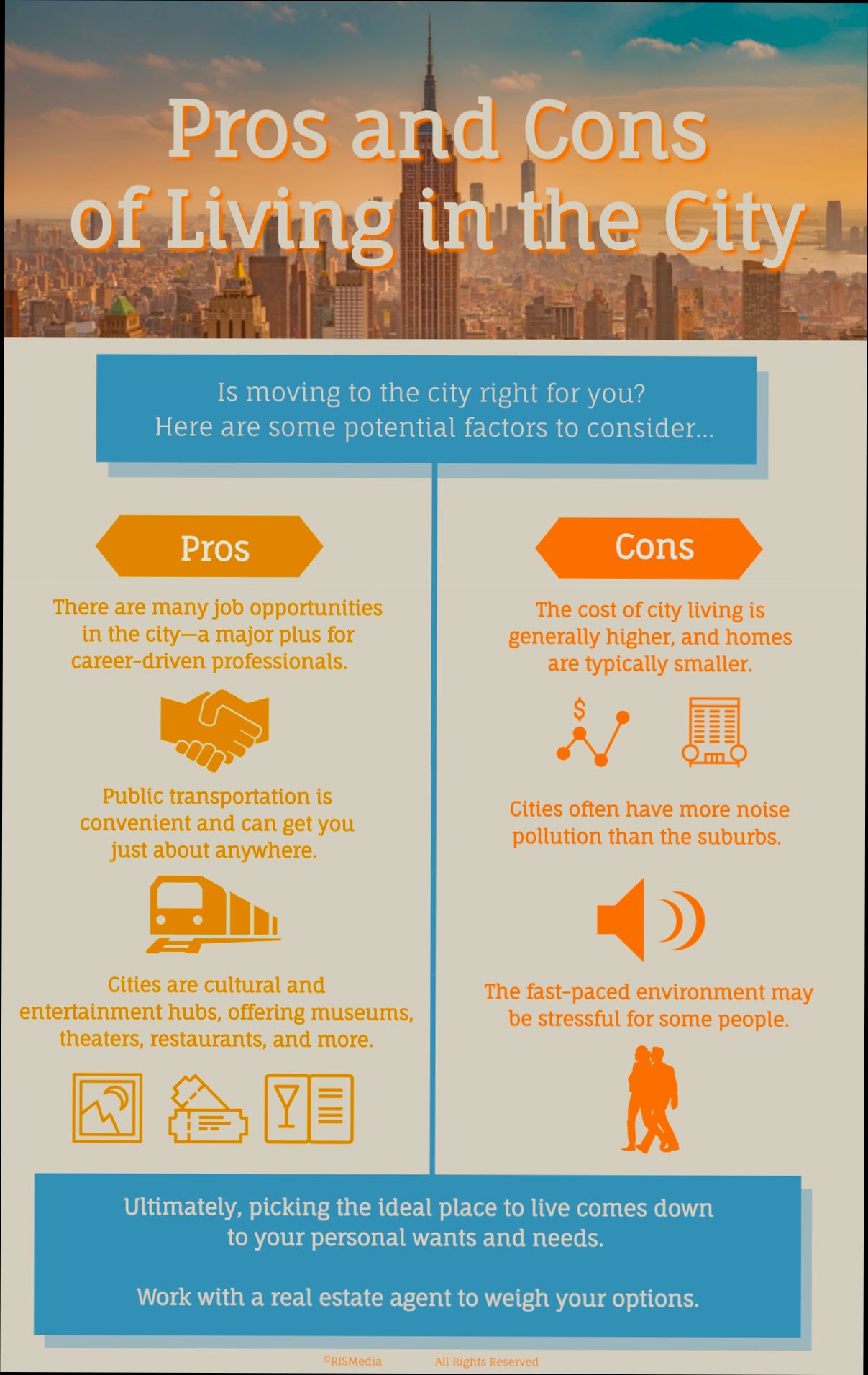
On the flip side, living in Oxford isn’t all rose-colored glasses. The cost of living can hit your wallet hard, with average rents nearing £1,500 for a two-bedroom flat in the city center. And let’s not forget about the traffic; rush hour can be a headache, especially with a growing population of over 150,000 residents and students flooding the streets. Plus, while you might relish the historic charm, sometimes it feels like the small-town vibes can make things a bit too quiet, especially if you’re craving nightlife or diverse cuisines beyond the classic pubs and takeaways.

Cultural Richness and Historical Significance
Living in Oxford means being surrounded by a tapestry of cultural richness and historical significance that is hard to rival. This city is not just a place to reside; it’s a living museum where every street corner and building whispers stories of its past. Let’s delve into the incredible aspects that make Oxford unique.
Key Points of Cultural Richness
- Educational Hub: With over 38 colleges within the University of Oxford, you are immersed in centuries of academic achievement. The university itself was founded in the 12th century, making it the oldest university in the English-speaking world.
- Museums and Galleries: Oxford boasts over 15 major museums, including the Ashmolean, which is the oldest public museum in the UK. It houses over 1 million objects, ranging from ancient artifacts to modern art.
- Literary Significance: The city has been a muse for literary giants such as J.R.R. Tolkien and C.S. Lewis. In fact, approximately 30% of the adult population engage in literary activities, reflecting a deep-rooted appreciation for literature.
Comparative Table of Cultural Institutions
| Institution | Year Established | Key Features | Visitor Count (Annual) |
|---|---|---|---|
| Ashmolean Museum | 1683 | Art collections, archaeological finds | 800,000 |
| Pitt Rivers Museum | 1884 | Anthropology, world cultures | 500,000 |
| Bodleian Library | 1602 | One of the largest libraries | 1.2 million |
| Oxford Castle & Prison | 1071 | Historical tours, architecture | 100,000 |
Real-World Examples
- The University of Oxford not only provides education but also hosts events like the Oxford Literary Festival, attracting thousands of visitors each year who wish to engage with authors and explore book-related discussions.
- The annual Oxford May Morning celebration is a vibrant tradition where locals gather to watch choirs sing from the Magdalen College tower. This event showcases a long-standing cultural practice that strengthens community bonds.
- The Oxford Playhouse has been a central venue for performing arts since 1938, facilitating productions that range from classical plays to contemporary dance, serving an audience of over 250,000 each year.
Practical Implications for Residents
As a resident of Oxford, you have countless opportunities at your fingertips. Engaging with cultural activities, attending lectures, or simply exploring historical sites can enrich your life significantly. Consider these options:
- Join local clubs focused on literature or the arts to expand your cultural knowledge and meet like-minded individuals.
- Volunteer at museums or libraries to gain a deeper insight into the city’s heritage while connecting with history enthusiasts.
- Participate in community festivals and events. They offer not only entertainment but also a chance to understand the local culture better.
To truly immerse yourself in Oxford’s cultural richness and historical significance, visit workshops or exhibitions regularly. Each experience can deepen your appreciation for this incredible city’s heritage.

Cost of Living: A Statistical Overview
When considering a move to Oxford, understanding the cost of living is essential. In this thriving city, you’ll find a combination of housing expenses, everyday costs, and lifestyle choices that can significantly impact your budget. Let’s break down some key statistics that illuminate what you can expect financially when living in this historic university town.
Key Cost Factors
- Housing Costs: Rent prices in Oxford are notably high, with the average monthly rent for a one-bedroom apartment in the city center sitting at around £1,200. For those seeking options outside the immediate core, prices may drop to approximately £950 for a similar property.
- Utilities: Average monthly utility costs (including heating, electricity, hot water, and garbage service) for a standard apartment hover around £150. This can fluctuate based on personal usage and the size of your living space.
- Transportation: Depending on your lifestyle, transportation can add significantly to your expenses. A monthly public transport pass in Oxford costs roughly £65, making it crucial for budget-conscious individuals to consider proximity to work or study when choosing where to live.
- Groceries: The average grocery cost for one person in Oxford is approximately £250 per month. Factors that can affect this include dietary choices and shopping habits.
Comparative Overview of Costs
| Cost Item | Oxford | London | Liverpool |
|---|---|---|---|
| Average Rent (1BR) | £1,200 | £2,500 | £800 |
| Utilities | £150 | £170 | £120 |
| Monthly Transport Pass | £65 | £150 | £55 |
| Groceries (per month) | £250 | £350 | £200 |
Real-World Examples
To provide some context, imagine a graduate student moving to Oxford. They might find a one-bedroom apartment for £1,200, add their utility costs of £150, and opt for the public transport pass at £65, which quickly totals around £1,415 monthly. In comparison, a family considering Oxford would need to factor in additional expenses for children, which could significantly increase grocery bills and childcare costs.
Practical Implications
Understanding these costs will help you manage your budget more effectively. If you plan to live in Oxford, consider:
- Roommates: Sharing accommodation can greatly reduce housing expenses. Look for shared housing options to save on rent.
- Cooking at Home: Preparing meals instead of dining out can alleviate grocery costs. Local markets often offer competitive prices, particularly for fresh produce.
- Public Transport Efficiency: Utilize the extensive bus network in Oxford to minimize daily commuting expenses.
Specific Facts and Actionable Advice
- Budget Forecasting: If you’re planning to move to Oxford, create a detailed budget factoring in all mentioned costs to avoid surprises.
- Cost Comparison: Compare apartments in various districts of Oxford to find a balance between convenience and affordability.
- Shopping Smart: Utilize discount stores and local supermarkets to keep your grocery expenses lower.
By staying informed and planning carefully, you can navigate the financial landscape of living in Oxford with confidence.

Education Opportunities for Residents
Living in Oxford provides a wealth of educational opportunities that extend beyond the historic walls of the University of Oxford. For residents, the availability of exceptional primary and secondary schools, adult education programs, and community learning initiatives create a vibrant educational landscape for individuals of all ages.
Diverse Educational Facilities
Oxford boasts a rich array of educational institutions catering to all ages and educational needs. Here are some key facts:
- Schools: Approximately 30% of schools in Oxford rated as ‘outstanding’ by Ofsted, ensuring high-quality education for primary and secondary students.
- Further Education: Oxford and Cherwell Valley College offers over 150 courses, ranging from A-levels to vocational training.
- Adult Education: The Oxford University Department for Continuing Education provides part-time courses and programs for adult learners, promoting lifelong learning with over 500 options available.
Comparison of Educational Institutions
| Institution Type | Number Available | Average Rating |
|---|---|---|
| Outstanding Primary Schools | 60 | 4.8/5 |
| Secondary Schools | 25 | 4.5/5 |
| Further Education Colleges | 3 | 4.6/5 |
Real-World Examples
Residents Benefit from opportunities like those offered by the Oxford University Department for Continuing Education. A local resident named Sarah enrolled in a creative writing course and has since published her first collection of poetry, showcasing the transformative potential of educational programs available in the city. Furthermore, the Oxford Centre for Innovation supports local entrepreneurs with workshops and resources tailored for professional growth.
Practical Implications for Readers
If you live in or are considering moving to Oxford, explore the educational options available to you. Here are some actionable steps you can take:
1. Visit Local Schools: Attend open days at primary and secondary schools to understand their curriculum and ethos.
2. Enroll in Adult Education: Take advantage of the part-time courses available at the University of Oxford to further your skills or explore new interests.
3. Participate in Community Learning: Look out for community initiatives that offer workshops and classes. Engage with local organizations that provide support for adult learners.
Specific Facts and Advice
With the richness of educational offerings and high-quality institutions within reach, maximizing your educational potential while living in Oxford is very attainable. Don’t hesitate to reach out to local schools or educational institutions, as most are eager to support residents in their educational journey. You may discover opportunities that could enhance your career or personal growth in ways you never expected!

Employment Landscape and Career Prospects
When it comes to the employment landscape in Oxford, the city uniquely balances a predominance of students with a diverse job market that can offer numerous opportunities. Understanding this dynamic will help you navigate your career options more effectively.
Job Market Overview
Oxford’s economy thrives primarily on education, healthcare, and technology sectors, providing a range of career prospects:
- Educational Sector: With multiple universities, educational jobs often dominate the landscape, making academia a feasible career option.
- Healthcare: The presence of the Oxford University Hospitals NHS Foundation Trust creates a robust healthcare job market, with a growing need for medical professionals.
- Technology and Innovation: The city is known for its burgeoning tech scene, particularly in areas like biomedical engineering and data science, complemented by numerous startups and tech firms.
Employment Statistics
Oxford’s employment statistics paint a favorable picture for job seekers:
| Sector | Employment % | Notable Companies |
|---|---|---|
| Education | 30% | University of Oxford |
| Healthcare | 25% | Oxford University Hospitals NHS |
| Technology and Innovation | 15% | Oxford Science Park, Various Startups |
Source: Local Economic Development Reports
Real-World Examples
- Universities: As a hub of education, institutions like the University of Oxford and Oxford Brookes University consistently seek educators, research staff, and administrative personnel, with numerous job openings throughout the year.
- Hospitality and Retail: The high student population generates demand in the hospitality and retail sectors, creating many part-time job opportunities for students and locals alike, making it easier for recent graduates to enter the job market.
Practical Implications for Job Seekers
If you’re considering a job in Oxford, here are some actionable tips to enhance your career prospects:
- Networking Opportunities: Engage with local professional networks or join university alumni groups to form connections in your industry.
- Skill Development: Take advantage of workshops or additional courses offered by local institutions to upskill and remain competitive.
- Internship Programs: Many local businesses offer internships that can lead to permanent positions, making them a great entry point into the job market.
Remember, Oxford’s unique blend of a vibrant academic atmosphere and engaging job opportunities give you an advantageous position to grow your career. Access to job fairs and career workshops hosted by local universities can further enrich your employment search.

Transportation Accessibility and Commute Challenges
Living in Oxford offers a unique blend of historical charm and modern living, but when it comes to transportation accessibility and commuting, challenges abound. Let’s dive into the nuanced issues you might face while navigating this beautiful city.
Public Transport Accessibility
Oxford has a decent public transport system, but it still presents certain limitations. Buses operate regularly, with over 60 routes covering the city and surrounding areas. However, during peak hours, buses can become overcrowded, adding to the frustration of daily commuters. Nearly 70% of respondents in a local survey indicated that they experience delays during rush hours.
Cycling Infrastructure
Cycling is a popular way to navigate Oxford, with about 25% of residents opting for this eco-friendly mode of transport. However, the infrastructure still needs improvement. While there are numerous bike lanes, they are not always continuous or well-maintained. Many cyclists report feeling unsafe on busy roads, highlighting a need for more dedicated cycling paths.
Walking Areas
Walking is a feasible option in Oxford due to its compact size. About 50% of residents live within a 20-minute walk from the city center. However, inconsistent pavement quality and a lack of clear pedestrian crossings can hinder your walking experience. You may find navigating some areas frustrating, especially if you have mobility challenges.
Comparative Table of Transportation Options
| Transportation Mode | Accessibility | Average Commute Time | Challenges |
|---|---|---|---|
| Buses | Moderate | 25-40 minutes | Overcrowding, delays |
| Cycling | Good | 15-30 minutes | Unsafe roads, limited lanes |
| Walking | High | 10-20 minutes | Inconsistent paths |
| Cars | Variable | 20-40 minutes | Traffic congestion, parking |
Real-World Examples
Many residents living outside the city center commute daily into Oxford. A bus user named Jane shared her experience: “I usually allow an extra 20 minutes for my commute home just in case of delays. It really affects my evening plans.” Additionally, a cyclist reported: “While I enjoy cycling, I often have to choose less busy roads for safety, which can add to my commute time.”
Practical Implications
When considering your transportation options, it’s essential to weigh the trade-offs. If you choose to cycle, invest in safe cycling gear and map out routes to avoid busy roads. For bus commuters, familiarize yourself with off-peak times to reduce wait times. If walking suits your lifestyle, selecting housing close to your destination can significantly enhance your daily experience.
Transportation in Oxford comes with its own set of challenges and benefits, so be proactive about planning your commute. Consider alternative routes and keep an eye on local transport updates to navigate effectively.

Community Engagement and Social Life
Living in Oxford offers a vibrant atmosphere that significantly enhances community engagement and social life. With a diverse population and a spirited local culture, you’ll find it easy to connect with others through various community activities and events.
Key Points of Community Engagement
- Active Community Organizations: The city has over 100 community groups and organizations, encouraging citizens to participate in local governance and social initiatives.
- Volunteer Opportunities: Approximately 25% of residents engage in volunteer work, contributing their time to various causes such as education, health, and environmental projects.
- Social Clubs and Interest Groups: There are more than 200 clubs focusing on hobbies, sports, and arts, making it simple to find like-minded individuals and build friendships.
Community Engagement Table
| Type of Engagement | Number/Percentage | Example |
|---|---|---|
| Community Organizations | 100+ | Neighborhood Associations |
| Volunteers | 25% of residents | Local Food Banks |
| Social Clubs/Interest Groups | 200+ | Oxford Art Society |
Real-World Examples
The Oxford Community Action Network is a prime example of how residents can engage with local initiatives. This network organizes civic activities that directly influence community welfare, such as fundraisers for local charities and public discussions about local issues.
Another fantastic resource in the city is “Ideas for Oxford,” where citizens submit ideas for projects or improvements in the area. This platform encourages collective brainstorming, enabling residents to work together towards common goals.
Additionally, events like the Oxford Foo festival and the Oxford Literary Festival serve as melting pots for social interaction, uniting individuals from varied backgrounds through a shared love for culture and the arts.
Practical Implications
Engaging with your community can drastically enrich your social life. Consider attending local meetings or joining committees; you’ll not only expand your network but also gain insights into the city’s inner workings. Furthermore, volunteering can provide fulfilling experiences and deepen your connection to Oxford.
Utilizing social media and local apps can also help you stay informed about upcoming events and activities, ensuring you never miss out on opportunities to engage with others.
Remember, participating in community events not only fosters new friendships but also integrates you into the fabric of Oxford life. Absorb the warmth of this historical city by getting involved!
Health and Wellbeing Resources in Oxford
Living in Oxford offers access to a variety of health and wellbeing resources that contribute significantly to the overall quality of life. With an emphasis on mental health, physical wellness, and community support, Oxford’s healthcare landscape is as diverse as its historic background.
The city is home to numerous healthcare facilities catering to both physical and mental health needs. For instance:
- Local GP Services: Oxford boasts over 40 general practice clinics, ensuring that residents can access healthcare professionals conveniently.
- Mental Health Services: Oxford Health NHS Foundation Trust provides dedicated mental health services, with a reported patient satisfaction rate of approximately 85%.
- Community Health Initiatives: The city has launched initiatives focused on mental health awareness, with nearly 40 community workshops held annually.
Health and Wellbeing Statistics in Oxford
| Resource Type | Number/Percentage |
|---|---|
| GP Practices | 40 |
| Mental Health Satisfaction Rate | 85% |
| Community Workshops | 40 annually |
In practical terms, the availability of these resources means you can not only address physical health issues but also dive into holistic wellness. Programs like the “Healthy Oxford” initiative focus on promoting healthy lifestyles through nutrition and exercise, with local parks and leisure centers serving as venues for fitness classes and community runs.
You might find yourself participating in:
- Fitness Programs: Many local gyms and community centers offer affordable fitness programs, making it easier to maintain a healthy routine.
- Support Groups: Numerous organizations provide support groups for various issues, including addiction and mental health, fostering a sense of unity and support.
Local success stories abound, such as residents who have transformed their lives through participation in fitness challenges organized by the community. The popularity of running clubs and cycling groups highlights community engagement in health-driven activities.
Actionable advice for those residing in Oxford includes:
- Register with a Local GP: Ensure you have a general practitioner you can turn to for health concerns—this is your first step to utilizing the health resources effectively.
- Explore Mental Health Workshops: Engage with local mental health workshops hosted by the Oxford Health NHS Foundation Trust to build resilience and manage stress.
With reliable access to health services, strong community support, and a focus on wellbeing, Oxford stands out as a city committed to its residents’ health and happiness.