Pros and Cons of Living in Bristol is a hot topic among locals and newcomers alike. Imagine waking up to the stunning views of the Clifton Suspension Bridge, but then grappling with the realities of a bustling city that can hit your wallet hard. Rent prices here can take a big bite out of your budget, with average monthly costs hovering around £1,200 for a one-bedroom in the city center. If you’re eyeing a vibrant community life, Bristol’s got you covered with its quirky shops and colorful street art, but navigating the public transport system can feel like a game of hide and seek, especially since bus delays can make you late for work more often than you’d like.
On the flip side, you’re living in a cultural hub bursting with creativity. The annual Bristol International Balloon Fiesta draws in crowds and paints the skies with vibrant colors, while the city boasts a thriving music scene from Glastonbury-bound bands to underground gigs in cozy pubs. But, let’s not sugarcoat it—Bristol’s reputation as one of the UK’s more expensive cities comes with its own stressors, like finding affordable housing in desirable neighborhoods. Plus, if you’re a fan of consistent sunshine, prepare yourself for the West Country’s drizzly reputation—average rainfall here can reach around 850 mm a year. It’s a mixed bag, full of character and quirks!

Cost of Living in Bristol
The cost of living in Bristol can vary significantly depending on your lifestyle and choice of neighborhood. With its vibrant culture and diverse amenities, it’s important to understand the financial implications of living in this city.
Housing Costs
When considering a move to Bristol, housing is often your biggest expense. The average monthly rent for a one-bedroom apartment in the city center is approximately £1,100. If you opt for a similar apartment outside the city center, you can expect to pay around £850.
- Key Points:
- Studio apartments range from £800 to £1,000 in popular areas like Clifton or Southville.
- Housing prices in Bristol have seen an increase of approximately 4.5% over the last year, reflecting the growing demand.
Transportation Expenses
Transportation is another essential expense to factor into your budget. Bristol boasts a comprehensive public transport system, but costs can add up.
- Public Transport:
- A monthly travel card averages around £70.
- If you prefer cycling, bike-sharing services are available and generally cost £3 for a day pass.
Grocery and Dining Costs
Food expenses also contribute significantly to your overall cost of living. Here’s a breakdown of average grocery costs:
| Item | Average Cost (£) |
|---|---|
| 1 liter of milk | 1.10 |
| A loaf of bread | 1.10 |
| 1 kg of chicken | 6.00 |
| 1 kg of apples | 2.00 |
Dining out can also impact your finances, with an average meal at a mid-range restaurant costing about £15.
Utilities and Internet
Don’t overlook utility costs, which can add significant expenses to your monthly budget. For a standard apartment, you might expect the following:
- Utilities (electricity, heating, cooling, water, garbage): Approximately £150-£200 per month.
- Internet: Typical costs run around £30-£40 per month for a decent package.
Real-World Examples
A young professional moving from London to Bristol found that while housing was more affordable, transportation and dining were roughly comparable, especially when factoring in their existing London lifestyle. They budgeted about £1,600 a month, balancing rent and leisure activities.
Practical Implications
Understanding these costs can help you create a realistic budget if you plan to move to Bristol. Be sure to:
- Research neighborhoods to find the best rental deals that fit your budget.
- Consider public transportation versus owning a car to save on commuting costs.
- Plan your grocery shopping wisely by comparing prices at local markets and supermarkets.
Actionable Insights
- If you can, choose to live slightly outside the city center to enjoy lower rent. This can save you hundreds monthly.
- Invest in a travel card if you regularly use public transport to maximize savings.
- Look out for local promotions at restaurants and grocery shops to help lower your dining and food expenses.
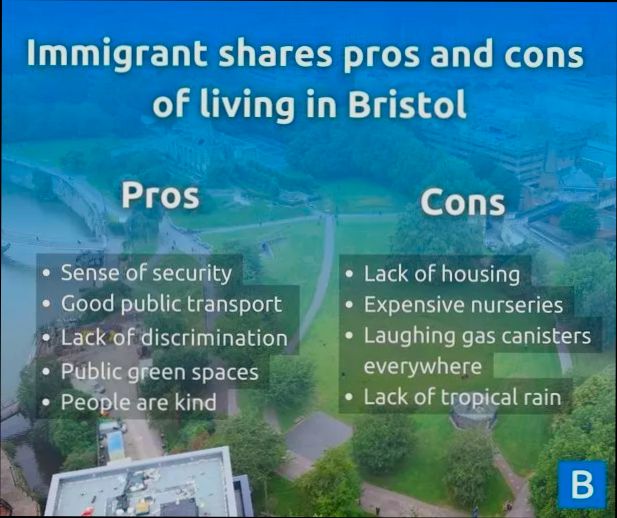
Public Transportation and Accessibility
Bristol boasts a vibrant public transportation system, making it easier for residents to travel around the city and beyond. With various options available, accessibility is key for many people, whether you’re commuting to work, running errands, or exploring the city’s rich culture.
Public Transport Options
1. Buses: Bristol’s bus network is extensive, featuring over 30 bus routes managed by various companies, including First West of England. Approximately 57% of the population use bus services regularly, highlighting their popularity as a mode of transport.
2. Train Services: Bristol Temple Meads serves as the primary railway station, with intercity trains connecting to key destinations such as London, Cardiff, and Birmingham. Notably, around 9 million passengers travel through this station annually, showcasing its vital role in the transportation landscape.
3. Ferry Services: The Bristol Ferry Boat Company operates several routes along the city’s waterways. These ferries provide a unique perspective of Bristol and are a sustainable travel option, especially during the warmer months.
4. Cycling Infrastructure: Bristol is recognized as a cycling city, with over 300 miles of cycling routes available. The recent investments in cycling infrastructure have led to a 20% increase in the number of cyclists on the roads since 2016.
| Mode of Transport | Key Features | Usage Statistics |
|---|---|---|
| Buses | Network of 30+ routes | 57% of population uses it |
| Train Services | Intercity connections | 9 million passengers/year |
| Ferry Services | Scenic routes | Popular in summer months |
| Cycling | 300+ miles of routes | 20% increase since 2016 |
Real-World Examples
The success of Bristol’s public transport can be illustrated by the introduction of electric buses in the city, aimed at reducing pollution and improving sustainability. With their launch, carbon emissions from public transport are expected to decrease by around 20%, significantly contributing to Bristol’s climate goals.
Additionally, the City Cycle project has strengthened cycling as an option for many residents. Surveys show that residents who cycle to work exhibit lower commute times and reported higher satisfaction with their daily travel experiences.
Practical Implications for Readers
When considering living in Bristol, think about your daily commute and the modes of transportation available to you. Whether you rely on buses, trains, or prefer to cycle, you’ll find options that cater to diverse needs. Public transport tickets can often be purchased online or via apps, making it convenient for you to plan your journeys ahead of time.
Utilizing the public transport system can help you save on parking fees and promote a healthier lifestyle if you choose to cycle or walk to your destinations. Familiarizing yourself with the routes and schedules can streamline your travel experience, allowing you to navigate the city with ease.
If you are a frequent traveler, look into discounted travel cards available for public transport — they often offer significant savings for regular commutes.
Cultural Richness and Community Spirit
Bristol pulsates with cultural vitality, drawing residents and visitors alike into its dynamic atmosphere of art, music, and community engagement. This section dives into what makes Bristol a true cultural epicenter, reflecting its rich heritage and the strong sense of community that flourishes here.
Vital Statistics of Bristol’s Cultural Scene
- Diverse Festival Hub: Bristol hosts over 30 annual festivals, many centering around art, music, and food, such as the renowned Bristol International Balloon Fiesta which attracts over 130 balloonists and thousands of visitors each year.
- Artistic Innovation: The city is famous for street art, with over 250 murals in the city, showcasing local and international talents, including the iconic works of Banksy.
- Community Participation: A survey indicated that 75% of Bristol’s residents believe that cultural events strengthen community bonds, making them eager to participate regularly.
Cultural Comparisons in Bristol
| Aspect | Advantages | Disadvantages |
|---|---|---|
| Local Festivals | Vibrant and diverse events catering to all tastes | Event overcrowding in peak times |
| Art Scene | Accessibility to numerous public art installations | Limited funding for smaller artists |
| Community Spaces | Numerous local spaces foster engagement and collaboration | Gentrification may displace community venues |
Real-World Examples of Community Spirit
Furthermore, community-led projects like the Bristol Green Capital initiative illustrate how residents come together to promote sustainability and environmental consciousness. This grassroots involvement not only cultivates a strong neighborhood bond but also addresses pressing local issues.
Additionally, the Harbourside Festival encapsulates the community spirit; with food stalls, local artisans, and live music, it serves as a gathering point for Bristolians from all walks of life to meet, celebrate, and create lasting memories.
Practical Implications for Residents
If you’re an aspiring artist or simply love creative pursuits, Bristol’s plethora of workshops and community art projects provides valuable opportunities to connect with like-minded individuals. Joining local groups or participating in community events could enrich your experience and enhance your social network.
Embrace the diversity of cultural experiences that Bristol offers. Whether you’re attending a local gig or partaking in a street market, these interactions contribute significantly to the communal tapestry of the city.
Final Insights on Bristol’s Cultural Landscape
- Participate in local festivals to immerse yourself fully in the community.
- Explore neighborhoods renowned for their street art, as they’re not only visually stunning but also tell the stories of Bristol’s history and evolution.
- Engage with community projects or volunteer at local events to build deeper connections with fellow residents.
Bristol’s cultural richness and community spirit form the backbone of its vibrant lifestyle, promising an engaging and enjoyable living experience for those who call it home.

Housing Market Trends and Insights
The housing market in Bristol is a dynamic landscape, influenced by various factors such as demand, local trends, and economic conditions. Understanding these trends is essential if you’re considering a move to this vibrant city.
Current Housing Price Trends
In recent months, Bristol’s housing market has experienced some notable shifts. The average property price in Bristol currently sits at around £296,000, with notable year-over-year growth of approximately 4.1%. This upward trend in property values positions Bristol among the more expensive cities in the UK, driven by high demand.
- Rental Market: Rental prices have also spiked, with an increase of about 8% within the past year. In areas like Bedminster and Montpelier, you could find multi-bedroom apartments averaging around £1,500 a month, reflecting a robust rental market catering to both professionals and families.
Housing Supply Breakdown
The inventory of homes available is critical to understanding Bristol’s housing trends. The supply has tightened, showcasing a 15% decrease in available properties due to rising demand coupled with limited new builds.
| Area | Average Property Price | Yearly Change | Availability Change |
|---|---|---|---|
| Central Bristol | £350,000 | +5.2% | -10% |
| East Bristol | £275,000 | +3.8% | -20% |
| North Bristol | £250,000 | +4.5% | -15% |
| South Bristol | £300,000 | +4.0% | -12% |
Shift in Buyer Demographics
There’s been a significant demographic shift in potential homebuyers. Not only are young professionals looking for homes close to the city center, but families are also drawn toward suburban areas with better schools and parks. This shift is leading to a competitive market, especially in family-friendly neighborhoods.
- Case Study: For instance, in Redland, a popular area known for its community vibe and excellent schools, properties can receive multiple offers, often sold for 10% above asking price, reflecting the intense competition among buyers.
Predictive Insights
Experts predict that as Bristol continues to attract tech companies and startups, housing demand will likely increase in correlation with job growth. The city’s strategic investments in infrastructure and amenities are also projected to further inflate housing values over the next few years.
Practical Takeaways
If you’re planning to buy or rent in Bristol, consider these actionable insights:
- Research Neighborhoods: Prioritize neighborhoods based on your lifestyle needs, focusing on areas with projected growth.
- Stay Updated: Regularly check local listings to understand the changing market values and act quickly when you find a property that suits you.
- Consider Future Trends: Be aware of ongoing developments that may impact housing prices in the near future.
With the market evolving rapidly, it’s essential to stay informed and flexible in your housing choices.
Opportunities for Education and Employment
When considering a move to Bristol, one of the most compelling factors is the city’s strong educational institutions and diverse job market. Bristol radiates opportunity for both students and professionals looking to advance their careers and gain valuable skills in a thriving environment.
Educational Institutions
- Bristol is home to several renowned universities, including the University of Bristol and the University of the West of England (UWE), which together host over 50,000 students. This dense student population fosters an enriching educational atmosphere and provides various courses that cater to a wide range of career paths.
- The University of Bristol, consistently ranked among the top universities in the UK, has a research budget exceeding £100 million, indicating a solid commitment to innovation and employability.
- Additionally, UWE is recognized for its strong links to local industries, which enhances the practical training and placement opportunities for students.
Employment Landscape
- The employment rate in Bristol hovers around 77%, which is slightly above the national average, indicating a robust job market with plenty of opportunities for job seekers.
- Specific sectors that thrive in Bristol include technology, aerospace, and creative industries, with the tech sector alone contributing over £1.3 billion to the local economy.
- Bristol’s emphasis on sustainability has also led to a burgeoning green jobs sector, with a commitment to achieving net-zero emissions by 2030, thus creating roles in environmental consultancy and renewable energy.
| Sector | Key Employers | Growth Rate | Median Salary |
|---|---|---|---|
| Technology | Redgate, OVO Energy | 10% | £38,000 |
| Aerospace | Airbus, Rolls Royce | 8% | £45,000 |
| Creative Industries | Aardman Animations, BBC | 15% | £30,000 |
Real-World Examples
One notable example is the rise of the tech startup scene in Bristol, with companies like Yoyo Wallet and Leap Environmental gaining traction and creating hundreds of jobs in recent years. The city also hosted the Bristol Tech Festival, promoting innovation and networking opportunities that link budding entrepreneurs with established professionals.
In the realm of education, UWE recently partnered with local businesses to launch the Bristol Institute of Technology, focusing on equipping students with industry-relevant skills, resulting in increased employability rates among graduates.
Practical Implications for Readers
For those interested in pursuing education in Bristol, consider attending open days at the universities to explore the diverse programs they offer. If you’re a job seeker, tapping into local networking events can open doors to unadvertised roles and collaborations.
Actionable Advice
- Stay informed about local job fairs or employer meet-and-greet events—you might find your ideal position without having to navigate through countless job postings.
- If you’re a degree holder, take advantage of the work placement opportunities offered by educational institutions in partnership with local businesses, which can provide firsthand work experience and invaluable connections in your chosen field.

Environmental Considerations in Urban Living
When we think about urban living, it’s easy to overlook the complex environmental implications that come with densely populated areas like Bristol. Urban environments are not just made up of buildings and roads; they’re ecosystems that significantly affect our natural surroundings and overall quality of life. Let’s dive into some key environmental considerations that impact urban living.
Key Points on Environmental Impact
- Air Quality Challenges: Urban areas tend to struggle with air pollution. In Bristol, studies indicate that around 63% of locals are concerned about air quality, particularly from traffic emissions. The city runs programs aimed at reducing vehicle emissions to improve air quality and promote public health.
- Green Space Availability: Access to green spaces has been found to be crucial for reducing urban heat and improving mental well-being. Bristol is lauded for its efforts to maintain parks and green spaces, with approximately 20% of the city designated as parks or nature reserves. These areas provide refuge for wildlife and enhance biodiversity.
- Waste Management Systems: Urban living generates significant amounts of waste. Bristol’s recycling rates stand at approximately 50%, leading the way in waste management efforts among UK cities. The city encourages residents to engage in responsible waste disposal practices to minimize landfill contributions.
Comparative Table of Environmental Metrics in Urban Living
| Metric | Bristol (%) | UK Average (%) |
|---|---|---|
| Air Quality Concern | 63 | 55 |
| Green Space Allocation | 20 | 12 |
| Recycling Rate | 50 | 45 |
Real-World Examples
Bristol has successfully implemented initiatives that showcase its commitment to environmental sustainability. For example, the Bristol Clean Air Zone aims to reduce emissions from traffic, benefiting public health and enhancing air quality. Moreover, the city’s local community gardens and urban farms have sparked interest in sustainable food practices, allowing residents to engage directly with their environment while growing fresh produce.
Practical Implications for Residents
Living in an urban setting like Bristol presents both challenges and opportunities for reducing environmental impact. Here are a few actionable steps you can take:
- Utilize Public Transport: Leverage Bristol’s robust public transport system instead of reliance on personal vehicles to help reduce emissions.
- Participate in Local Recycling Programs: Ensure you’re actively recycling at home. Bristol’s initiatives rely on community involvement to hit those impressive recycling rates.
- Engage with Green Spaces: Make the most of Bristol’s parks and gardens. Spending time in these areas not only benefits your health but also supports local wildlife and biodiversity.
Specific Facts and Actionable Advice
- Know that up to 40% of urban emissions can be attributed to transportation. Opting for cycling or walking, especially in a bike-friendly city like Bristol, reduces your carbon footprint significantly.
- Be aware that city planning efforts include increasing green spaces over the next decade, which aims to enhance urban biodiversity. Stay informed about ongoing projects and consider getting involved.
These insights showcase the importance of being environmentally aware in an urban setting like Bristol, where our everyday choices can have meaningful impacts on both our ecosystem and our quality of life.

Health and Wellbeing Benefits in Bristol
Living in Bristol offers a unique blend of health and wellbeing advantages that can significantly enhance your lifestyle. The city’s focus on green spaces, active living, and community well-being contributes to a healthier way of life for residents.
Access to Green Spaces
Bristol is known for its abundance of parks and green areas. With over 400 parks and green spaces, residents have ample opportunity to engage in outdoor activities. Some key benefits include:
- Physical Activity: Residents living near parks are more likely to meet physical activity guidelines.
- Mental Health: Access to nature has been linked to reduced stress and improved mood.
Community Health Initiatives
Bristol actively promotes community health programs, encouraging residents to lead healthier lives. Local health initiatives focus on:
- Healthy Eating: Various programs promote nutrition awareness and healthy eating habits, targeting a 15% increase in awareness among local citizens.
- Physical Fitness: The council has initiated walking and cycling campaigns aiming for a 20% participation rate increase in regular physical activities.
Integrated Healthcare Services
The city features a robust healthcare system that supports preventive care and overall wellbeing. Here’s how it benefits you:
- Access to Services: With over 90% of residents living within 30 minutes of a health service, timely access to healthcare is easily achievable.
- Mental Health Resources: Bristol has numerous mental health services, including the Bristol Mental Health program, which has improved access for nearly 10,000 people annually.
Health and Wellbeing Statistics in Bristol
| Health Aspect | % of Residents Benefitting | Notes |
|---|---|---|
| Access to Parks | 70% | Improves physical activity levels |
| Community Health Programs | 15% | Increase in health awareness |
| Access to Health Services | 90% | Close proximity to healthcare providers |
| Mental Health Resources | 10,000 individuals/year | Enhanced mental health support available |
Case Study: Active Travel Programs
Bristol’s active travel programs encourage walking and cycling, integrating physical activity into daily life. For instance, the “Bristol Walking Strategy” has attracted numerous participants, aiming for a 30% rise in walking to work. This initiative has not only improved public health metrics but has also fostered a sense of community among participants, demonstrating how simple efforts can lead to significant health benefits.
Practical Implications for Residents
Living in Bristol means embracing a lifestyle that encourages health and wellbeing. Here are a few actionable insights:
- Utilize Local Parks: Spend regular time in nearby parks for physical activity and relaxation.
- Engage in Community Programs: Get involved in local health initiatives to enhance both your own and others’ wellbeing.
- Prioritize Mental Health: Take advantage of the city’s mental health resources for support when needed.
Facts to Consider
- Bristol’s green space ratio is among the highest nationally, beneficial for both ecological and individual health.
- The city’s commitment to health initiatives has led to a documented decline in obesity rates among schoolchildren.
These aspects contribute to a vibrant, health-focused lifestyle that makes Bristol an appealing place to live for those keen on maintaining their wellbeing.