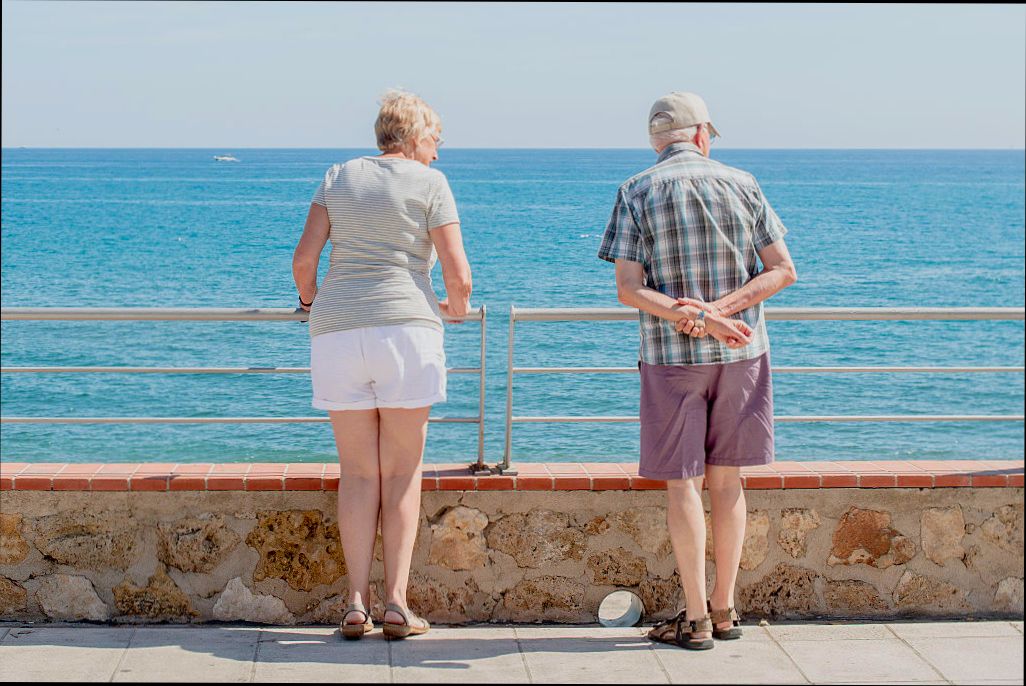
Can I retire to Spain after Brexit? That’s the million-dollar question for many Brits dreaming of sun-soaked beaches and tapas-filled lunches. With around 400,000 UK citizens already calling Spain home before Brexit, the allure hasn’t faded, but the rules have certainly changed. In 2021, the new residency requirements came into play, meaning we need to navigate several hoops, like securing a visa or applying for the non-lucrative residence permit if we want to stay over six months a year. You’ll also want to keep an eye on affordable healthcare options since the European Health Insurance Card (EHIC) no longer covers us like it used to.
Imagine swapping the rainy skies of London for the bright sunlight of Costa del Sol. If you’ve got an annual retirement income of at least €26,000, you might just be in a sweet spot for a smoother application process. But let’s not forget about the cost of living—rents in Madrid or Barcelona can skyrocket, while smaller towns offer more pocket-friendly options. So, if you’re picturing yourself sipping sangria on a terraza, there’s a lot to consider, and knowing the ins and outs of residency and lifestyle can make your dream a bit clearer.
Understanding Spanish Residency Requirements
Navigating the residency requirements in Spain post-Brexit can feel overwhelming, but understanding the key points will help you make informed decisions. This section breaks down what you need to know about obtaining residency in Spain as a retired expatriate.
Key Residency Requirements
1. Legal Residence Duration: To apply for Spanish nationality, you must be legally resident in Spain for at least 10 years on a continuous basis. This duration is crucial and starts counting from the moment you secure your residency status.
2. Special Residency Permits: Depending on your financial situation, you may qualify for a non-lucrative visa, which allows you to live in Spain without conducting any business activities. This can be ideal for retirees living on savings or pensions.
3. Healthcare Coverage: It is essential to demonstrate that you have health insurance coverage that is valid in Spain. For many retirees, this often means securing private health insurance if not covered by the Spanish public healthcare system.
4. Financial Solvency: You will need to show proof of sufficient financial resources to support yourself during your stay. This can include:
- Bank statements
- Pension income
- Other financial documents illustrating your economic stability
5. Language and Culture: The process for citizenship also includes an understanding of Spanish language and culture unless you are exempt due to age or another qualification.
Comparative Table of Residency Options and Requirements
| Residency Type | Duration Required | Financial Proof Required | Language Requirement | Work Allowance |
|---|---|---|---|---|
| Non-Lucrative Visa | N/A | Yes | No | No |
| Temporary Residency | 1 year | Yes | No | Yes (limited) |
| Permanent Residency | 5 years | Yes | No | Yes |
| Citizenship by Residence | 10 years | Yes | Yes | N/A |
Real-World Examples
In 2023, 240,208 foreign nationals acquired Spanish nationality, with 212,779 of these cases stemming from residency requirements. Among these, many retirees found the non-lucrative visa option practical, allowing them to reside comfortably on their pensions without the requirement to work.
Additionally, the Comunidad de Madrid saw a high uptake of Spanish citizenship, with 50,049 cases processed, reflecting its appeal for expatriates and retirees alike. This area stands out for its robust community support networks, which can help ease the transition into Spanish life.
Practical Implications for Readers
When planning your retirement in Spain, be proactive about gathering necessary documentation to prove your residency, financial stability, and health coverage. Consider engaging with an immigration lawyer or consultant familiar with the changes post-Brexit to navigate the residency application process efficiently.
Actionable Advice
To streamline your residency application:
- Start compiling your financial documents early, ensuring you meet the required financial thresholds.
- Review local health insurance options and secure coverage ahead of your move.
- Familiarize yourself with the necessary cultural and language aspects if you’re considering applying for citizenship in the future.
Understanding these residency requirements is vital in making your retirement dream in Spain a reality.

Financial Considerations for British Retirees
Navigating the financial landscape as a British retiree moving to Spain after Brexit involves several critical elements. Understanding the cost of living, taxation, healthcare, and currency exchange rates can fundamentally affect your retirement experience.
Cost of Living in Spain
The cost of living in Spain can significantly influence your retirement budget. In comparison to the UK, you may find that:
- Housing costs in Spain are approximately 23% lower than in the UK, particularly in regions like Andalusia and Murcia.
- Daily living expenses, including groceries and transportation, often rank 15-20% lower than in major UK cities.
- Dining out can also be more affordable; a meal at an inexpensive restaurant averages around €12 compared to £15 in the UK.
Currency Exchange and Its Impact
As you transition to living in Spain, the strength of the British pound against the euro will affect your finances. Consider:
- In recent months, the exchange rate ranged between 1.10 to 1.15 euros per pound, meaning slight fluctuations can impact how much euros you receive when converting your pension.
- Keep an eye on marketplace rates and transaction fees to maximize your euros. Utilize services with the best exchange rates to save money over time.
Tax Considerations
As a British retiree, understanding your tax obligations can save you from surprises:
- The Spanish tax system can require you to pay up to 24% tax on your income, depending on your residency and earnings.
- Your UK state pension is typically taxable in the UK, but additional private pensions might be subject to double taxation unless a double taxation agreement is invoked.
Healthcare Costs
Spain’s public healthcare system is one of the reasons many British retirees choose to relocate. However, there are still costs to consider:
| Health Services | Estimated Annual Cost (in Euros) |
|---|---|
| Public Health Access | Free for residents |
| Private Health Insurance | €500 - €1,500, depending on coverage |
Opting for private health insurance is recommended if you do not qualify for Spain’s public healthcare. It typically covers more extensive services and shorter wait times.
Real-World Examples
Let’s consider the experiences of a couple who retired in Malta:
- John and Susan moved from Manchester to Costa del Sol. They capitalized on a €150,000 property investment that costs 40% less than their previous home in the UK.
- They budgeted €1,200 monthly for living expenses, allowing for a comfortable lifestyle that includes dining out, activities, and travel within Europe.
Practical Implications for Your Finances
- Create a comprehensive budget plan reflecting your income, expenses, and savings to ensure financial stability.
- Investigate the options for transferring your UK pension directly to Spanish bank accounts to avoid unfavorable exchange rates.
- Consider consulting a financial advisor to help you navigate cross-border taxation and investment opportunities.
Keep in mind that adjusting to a different financial system requires research and careful planning. Ensure that your financial affairs are in order before making the move.
Statistical Trends in Expat Retirement in Spain
Are you curious about what statistical trends reveal about expat retirement in Spain? Spain remains a top destination for retirees, especially after Brexit, and analyzing the current data can provide insightful perspectives on what you can expect.
Growing Expat Population
Recent statistics indicate that the expat population aged 55 and older in Spain has surged over the past decade. As of 2023, nearly 400,000 British retirees reside in Spain, marking an increase of 15% from 2020. This trend indicates a growing interest among British retirees for the Spanish lifestyle and climate as they seek new opportunities for leisure and relaxation.
- Regions of Preference:
- Costa del Sol: Popular for its warm climate and vibrant expat community.
- Alicante: Known for its affordability and healthcare services.
- Balearic Islands: Attracting retirees looking for a picturesque setting.
Financial Impact of Retirement Choices
Data shows that around 60% of retirees in Spain live on a retirement income from pensions, investments, or savings. Interestingly, a significant portion of these retirees reported an effective financial strategy that maximizes their retirement funds. For instance, 75% have chosen to invest in property, often leading to better financial stability in the long run.
Comparative Table: Expat Retirement Choices in Spain
| Aspect | Percentage/Number |
|---|---|
| British retirees in Spain | 400,000 |
| Growth since 2020 | 15% |
| Retirees living on pensions | 60% |
| Retirees investing in property | 75% |
Case Studies Highlighting Trends
1. John and Mary from London: This couple moved to the Costa del Sol. They reported that their pension income, combined with smart investments in local real estate, has given them a comfortable lifestyle. They specifically chose Spain for its favorable healthcare services and community ties, demonstrating an actionable trend among British expat retirees.
2. Henry from Birmingham: After relocating to Alicante, he highlighted how the lower cost of living—according to his calculations, around 30% less than in the UK—allowed him to save money on daily expenses. His journey emphasizes how location choice can significantly affect financial stability during retirement.
Practical Implications for Your Retirement Journey
If you’re considering retiring in Spain, understanding these statistical trends can guide your decision-making process. For instance:
- Consider regions that report higher populations of expats; this often indicates better community support and amenities tailored to retirees.
- Strategic property investment could enhance your financial situation; areas popular with British retirees typically have robust rental markets, potentially offering additional income.
- Awareness of financial strategies that others have utilized can help you craft a personalized plan to maximize your investments and income.
Keep these trends in mind as they can substantially influence your retirement experience in Spain. Statistical insights reveal not only the allure of the Spanish lifestyle but also the importance of making well-informed decisions.

Navigating Healthcare Options in Spain
When considering retirement in Spain, understanding your healthcare options is vital for peace of mind. The Spanish healthcare system offers an array of services, but knowing how to access these as a retiree – especially as a British citizen post-Brexit – can seem daunting. Let’s dive into the specifics of navigating healthcare options available to you.
Public Healthcare System
Spain boasts a robust public healthcare system, called the Sistema Nacional de Salud (SNS), which provides mostly free medical care to residents. However, as a British retiree, your access to this system may vary:
- Eligibility: To qualify for public healthcare, you generally need to have full residency status and should either be working, have contributed to the Spanish social security system, or meet specific requirements related to pension income.
- Healthcare Card: Once eligible, you will receive a health card (Tarjeta Sanitaria), which grants you access to public healthcare services throughout the country.
- Cost Implications: While many services are free, some co-payments may apply, especially for prescription medications. In Spain, you might pay 10% for most prescriptions, depending on your income level.
Private Healthcare Options
For those who prefer additional flexibility or quicker access to specialists, private healthcare is a popular choice in Spain. Here’s what you should know:
- Insurance Costs: Average premium costs for private health insurance can vary significantly, typically ranging from €50 to €300 per month, contingent on age, coverage level, and pre-existing conditions.
- Private Services: With private health insurance, you often receive amenities such as shorter waiting times and a broader selection of healthcare providers.
- Popular Insurers: Companies like Sanitas, Asisa, and DKV offer various plans catering to expatriates, including language support and regional coverage.
| Aspect | Public Healthcare | Private Healthcare |
|---|---|---|
| Eligibility | Full residency needed | Available to all, often without residency |
| Cost | Mostly free, some small co-payments | Monthly premiums, €50 to €300 |
| Waiting Times | Can be long | Generally shorter |
| Choice of Doctor | Assigned provider | Free choice of providers |
| Language Support | Limited in some areas | Often available in English |
Real-World Examples
Consider Sarah, a British retiree in Valencia, who opted for private healthcare after experiencing longer waiting times for a knee procedure through the public system. She found a plan with Sanitas that not only covered her treatment but also included physiotherapy sessions, all while providing support in English.
On the other hand, Mark and Jane, another couple who are residents in Málaga, have been pleased with the public healthcare services for routine check-ups and minor treatments, appreciating the absence of medical bills. They have found that, with their pension contributions, accessing the public system was straightforward.
Practical Implications for Readers
Understanding these healthcare options allows you to tailor your medical care to suit your needs. If you want extensive coverage with less out-of-pocket expense, consider enrolling in a private plan early on, especially before reaching retirement age. If you’re leaning towards public coverage, familiarize yourself with the processes for obtaining your health card and know what documentation you’ll need to avoid potential pitfalls.
- Actionable Tip: Research various health insurance plans and compare them, focusing on coverage options and customer reviews to find a policy that meets your needs.
- Consider Networking: Join local British expat groups online or in your area for shared experiences and recommendations about healthcare options.
By being proactive about your healthcare, you’ll ensure that you have the right support in place to enjoy your retirement in Spain.

Real-Life Experiences of British Expats
Navigating life as a British expat in Spain brings unique challenges and rewarding experiences, especially after Brexit. As you consider retirement in this sunny locale, it’s insightful to hear directly from those who’ve made the leap. Their first-hand accounts can help illuminate your journey.
Key Points to Consider
Many British expats share similar experiences when settling in Spain, from enjoying a lower cost of living to establishing new social connections. Here are some important data points:
- Cost of Living: Research indicates that British retirees find Spain’s living costs significantly more manageable. For instance, food and dining out are often up to 40% cheaper compared to the UK.
- Healthcare Access: Expats report that the quality of the Spanish healthcare system is a standout feature, with many noting how grateful they are for access to excellent medical facilities.
- Community Connection: Nearly 70% of British expats mention they’ve easily integrated into local or expat communities, fostering friendships and support networks.
- Language: Although many expats initially struggle with the language barrier, 60% eventually feel comfortable using Spanish daily, while still navigating many routines in English.
Cost of Living in Different Regions
| Region | Average Monthly Rent | Average Meal Cost | Monthly Utilities |
|---|---|---|---|
| Costa del Sol | €800 | €12 | €150 |
| Barcelona | €1,200 | €15 | €200 |
| Valencia | €900 | €10 | €170 |
| Madrid | €1,300 | €18 | €220 |
Real-World Examples
Example 1: Linda and David from Kent
Linda and David relocated to Málaga after decades of working in the UK. They found that their UK pension stretched much further in Spain than they anticipated. They enjoy dining out, often spending less than €40 for a lovely meal, while similar outings back home were costing upwards of £80.
Example 2: Mark from Liverpool
Mark moved to the Costa Brava seeking a quieter lifestyle. Initially, he was concerned about healthcare access. However, after using the public system for a minor surgery, he praised the efficiency and quality, exclaiming that “it exceeds what I had in the NHS.”
Example 3: Sarah from London
Sarah shared that joining the expat community in Barcelona made her transition a breeze. She started attending local meetups and quickly formed friendships, as the 70% of expats reported thriving on connections with fellow Brits.
Practical Implications
As you ponder your expat journey, consider these takeaways from the experiences shared by others:
- Explore regional differences: Not all regions in Spain offer the same lifestyle. Research different areas based on your preferences for climate, community, and cost.
- Engage with communities early: Whether through social media or local clubs, reaching out to existing expat groups can ease the transition drastically.
- Budget for healthcare: Factor healthcare into your retirement financial planning, as the benefits of Spain’s system are immensely appreciated by those living there.
Many British expats have successfully transitioned, finding joy in their new lives while navigating the complexities that come with relocating. Embracing the local culture, building a social network, and managing finances wisely are essential steps that can make your retirement in Spain fulfilling and enjoyable.

Exploring the Cultural Benefits of Retiring in Spain
Retiring in Spain opens the door to a rich tapestry of cultural experiences that can enhance your quality of life. From historic architecture to the vibrant local festivals, there’s so much to discover that significantly contributes to a fulfilling retirement.
The Allure of Spanish Traditions
The deep-rooted traditions in Spain offer retirees a cultural richness that’s hard to find elsewhere. You won’t just observe culture; you’ll participate in it!
- Festivals: Spaniards celebrate numerous festivals throughout the year, such as La Tomatina in Buñol and Running of the Bulls in Pamplona, which welcome both locals and visitors into the heart of their traditions.
- Cuisine: Spain is famous for its diverse cuisine. Enjoying tapas, attending local food fairs, or taking cooking classes enhances your culinary skills and provides a delicious way to mingle with locals.
Access to Art and History
Spain’s artistic heritage is monumental. As a retiree, you can immerse yourself in this creative environment:
- Museums and Galleries: Institutions like the Prado Museum in Madrid and the Picasso Museum in Barcelona house world-renowned art collections. Retirees can often find discounted tickets or free entry days.
- Architectural Wonders: From Gaudí’s Sagrada Familia to the stunning Alhambra, exploring these sites can feel like stepping into a postcard. Many cities also offer guided tours, catering specifically to expats and retirees looking to dive deeper into local history.
| Cultural Feature | Description | Benefits for Retirees |
|---|---|---|
| Local Festivals | Events celebrating tradition and community | Foster connections with locals |
| Culinary Experiences | Cooking classes and local food markets | Engagement with Spanish culture |
| Art and Architecture | Access to museums and iconic landmarks | Stimulating mental engagement |
| Language Classes | Opportunities to learn Spanish through community | Enhance social integration |
Real-World Examples
Many British retirees relish the cultural landscape. For example, John and Mary, a couple from Surrey, moved to Valencia and quickly engaged with their community through a local dance group. They not only learned traditional Spanish dances but also forged friendships that enriched their social lives.
Another retiree, Henry, found joy in participating in local culinary workshops, which allowed him to bond with both locals and fellow expats while learning how to make authentic Spanish paella.
Practical Implications for Your Retirement
Consider how engaging in local culture can significantly enhance your retirement experience:
- Networking Opportunities: Join local clubs or volunteer with community organizations to meet like-minded individuals.
- Language Skills: Participate in language meet-ups or classes, which can boost your confidence and help with daily interactions.
- Exploration: Make a list of cultural destinations you want to visit. Plan weekend trips to absorb local history and art.
Actionable Facts for Cultural Engagement
- Research cultural events in your chosen region online or through expat forums.
- Attend local council meetings or community events to stay informed and involved.
- Make it a point to dine at local restaurants to truly appreciate Spanish cuisine while supporting the economy.
Diving into the cultural benefits of retiring in Spain promises not only a new lifestyle but also lasting memories enriched by meaningful interactions and experiences.

Legal Implications Post-Brexit for Retirees
Understanding the legal implications of retiring to Spain after Brexit is crucial for British retirees. The landscape has changed significantly, affecting residency rights, pension access, and even healthcare eligibility. Let’s explore these implications in detail, so you can navigate your retirement in Spain with confidence.
Residency Status Changes
One significant legal change post-Brexit involves residency requirements. You will now need to apply for a visa to live in Spain long-term. There are different residency types to consider, including:
- Non-Lucrative Visa: This allows you to reside in Spain as long as you can prove sufficient financial means to support yourself without working.
- Golden Visa: Available if you invest a certain amount in property or other investments in Spain.
A recent report indicated that around 60% of British expats are applying for non-lucrative visas, reflecting a major shift from the previous freedom of movement.
Pension Access and Transferability
Brexit has complicated pension arrangements for British retirees living in Spain. Here are essential points to consider:
- Pension Payment Continuity: Despite Brexit, UK pensions can still be paid to individuals residing in Spain without incurring additional taxes or legal barriers. However, some banks in Spain may have ceased offering banking services to UK nationals, which could affect pension payment methods.
- State Pension Adjustments: As of January 2021, the UK announced there would be no change to the way state pensions are calculated for retirees living abroad. You will still receive your state pension incrementally based on UK laws, but remember, annual cost-of-living increases are subject to bilateral agreements.
Healthcare Coverage
Legal changes have also affected healthcare options for retirees. Post-Brexit, access to Spain’s healthcare system hinges on your residency status:
- If you hold a residency permit, you’ll qualify for the same healthcare as Spanish citizens. However, you must ensure you register for a health card promptly.
- If you do not qualify for free healthcare and rely on the EHIC (European Health Insurance Card), it will no longer remain valid, which may lead to additional insurance costs.
Comparative Table of Legal Changes
| Legal Aspect | Pre-Brexit Situation | Post-Brexit Situation |
|---|---|---|
| Residency Requirements | Freedom of movement | Visa application necessary |
| Pension Access | Unrestricted | Continuity but bank access may vary |
| Healthcare Eligibility | Automatic inclusion | Dependent on residency status |
| State Pension Updates | Automatic yearly adjustments | Stability, but with caution on index linking |
Real-World Examples
Consider the case of John and Mary, a retired couple who moved to Spain before Brexit. After January 2021, they found that their banking service was limited, making it challenging to access their pension funds. They had to switch banks and withdraw cash manually until they established a relationship with a new provider offering reliable services for expatriates.
Another example involves Susan, who initially did not apply for a visa, believing she could remain in Spain due to her previous residency status. After receiving notice from local authorities regarding new regulations, she quickly applied for a non-lucrative visa, allowing her to continue enjoying life in Spain without interruption.
Practical Implications for Readers
For retirees planning to move to Spain, here are some actionable insights:
- Start the Visa Process Early: Begin your residency application as soon as possible to avoid any legal complications.
- Plan for Banking Changes: Research banks that continue to offer services to UK nationals and establish your account well in advance.
- Investigate Health Insurance Options: Fully understand your healthcare eligibility and consider supplemental insurance if necessary.
Specific Facts and Advice
- Be aware that more than 50% of British retirees may face banking challenges related to receiving pensions.
- The increasing number of visa applications (up by 40%) has led to longer processing times, so prepare for potential delays.
- Actively maintain awareness of your state pension adjustments and ensure you stay informed about any changes to international agreements affecting your pension rights.