Pros and Cons of Living in Dublin are definitely worth considering if you’re thinking about making the move. On one hand, Dublin’s vibrant culture and rich history create a unique charm that draws you in. With over 1,000 pubs scattered around the city, grabbing a pint of Guinness after work feels like a rite of passage. And let’s not forget the tech scene—Dublin is a European hub for companies like Google and Facebook, which means job opportunities abound, especially for those in tech and startups. In fact, the population of Dublin has grown to around 1.45 million, partly due to its reputation as a city that fosters innovation and creativity.
On the flip side, living in Dublin isn’t all sunshine and rainbows. The cost of living can hit you hard, especially when it comes to housing—average rent prices soared to about €2,100 for a one-bedroom apartment in recent years. You might find yourself stepping over a few potholes, too; the public transportation system, while improving, can still be a bit unpredictable. And let’s talk about the weather—if you’re not a fan of gray skies and rain, you might need to invest in a sturdy umbrella. With each side of the coin, you get a glimpse into what making Dublin your home really looks like.
Cost of Living in Dublin
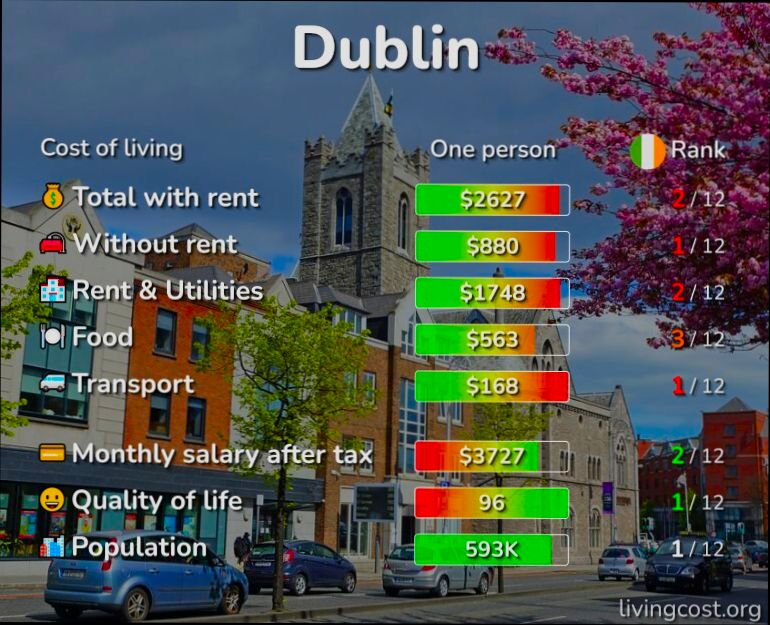
Living in Dublin can be thrilling, but it comes with a price tag! Understanding the cost of living here is crucial if you’re considering making the move. Let’s dive into various aspects of daily expenses in Dublin, highlighting what you can expect financially.
Key Points on Costs
- Dublin ranks as one of the most expensive cities, surpassing 87% of cities in Western Europe and 86% globally.
- For a family of four, the estimated monthly costs reach approximately 3,772.80€, not including rent. For a single individual, this figure drops to around 1,080.50€.
- Rent prices are particularly noteworthy, as they can be 66.4% higher than in Madrid, making housing a significant part of your budget.
Everyday Expenses Overview
| Item | Price Range (€) |
|---|---|
| Meal at an inexpensive restaurant | 15.00 - 30.00 |
| Meal for two at a mid-range restaurant | 60.00 - 150.00 |
| Cappuccino | 3.00 - 5.00 |
| Domestic Beer (0.5L) | 5.50 - 8.00 |
| Monthly public transport pass | 70.00 - 173.91 |
Real-World Examples
Let’s break it down with some specific examples:
- A classic dinner out for two at a mid-range restaurant can set you back about 85.00€. This is a notable expense if you enjoy dining out regularly.
- If coffee is your go-to fuel, you’re looking at prices around 4.05€ for a cappuccino. If you grab one daily, that adds up quickly over the month!
- Transportation costs also play a role; a one-way ticket on local transport costs roughly 2.00€, while a monthly pass will hit around 115.00€ depending on the area.
Practical Implications for Residents
When planning your budget, keep in mind:
- Be prepared for rent, especially if you want to live near the city center, where a one-bedroom apartment can range from 2,028.00€ to 2,500.00€.
- Utilities for an 85m² apartment can reach around 247.08€ monthly, covering essentials like electricity, heating, and water.
- For those with families, consider the high cost of childcare, where a private preschool can average 1,160.38€ per month, adding significant financial pressure.
Actionable Advice
- Plan your budget to include not just rent, but also regular dining, transportation, and leisure activities.
- Consider living slightly outside the city center, where rent can be lower—around 1,730.17€ for a one-bedroom apartment.
- If you enjoy regular family outings, budget accordingly, as dining and entertainment in Dublin can accumulate quickly.
Being well-informed about the cost of living in Dublin helps you create a sustainable financial strategy while navigating this vibrant city.

Cultural Richness and Diversity
Dublin is a vibrant city that thrives on its cultural richness and diversity. This lively capital of Ireland is a melting pot of various customs, traditions, and influences, making it a fascinating place to live. Let’s explore what makes Dublin a unique cultural hub and how this diversity enhances the urban experience.
Key Points on Cultural Richness and Diversity
- Population Diversity: Approximately 22% of Dublin’s residents are from outside Ireland, representing many different cultures and backgrounds. This diversity contributes to a dynamic social fabric where new ideas and cultural practices flourish.
- Cultural Institutions: The city boasts over 40 national cultural institutions, including libraries, theaters, and galleries. Noteworthy spots like the National Museum of Ireland and the Dublin Castle showcase both local and global art, inviting a broad spectrum of audiences to engage with different cultures.
- Festivals and Events: Dublin hosts numerous cultural festivals throughout the year, with events such as the Dublin Fringe Festival and the Dublin Dance Festival, promoting both local and international artists. It’s estimated that over 500,000 visitors participate in these festivals annually, celebrating the diversity of art and performance.
Comparative Table of Cultural Activities
| Cultural Aspect | Dublin | Other European Cities |
|---|---|---|
| Diversity Percentage | 22% | Varies (Average: 15-20%) |
| Annual Cultural Festivals | 20+ | Varies (Average: 10-15) |
| National Cultural Institutions | 40+ | Varies (Average: 30-35) |
| Languages Spoken | 170+ | Varies (Average: 50-100) |
Real-World Examples of Cultural Richness and Diversity
Dublin’s cultural diversity is not just a statistic but a lived reality. For instance, the Smock Alley Theatre hosts various performances from multiple cultural backgrounds, making it a welcoming space for artists from all walks of life. Additionally, the city’s food scene reflects its multicultural makeup, with eateries offering cuisines from around the globe, from Ethiopian to Vietnamese, allowing you to savor different flavors without leaving the city.
The annual Dublin LGBTQ+ Pride Festival not only celebrates the local LGBTQ+ community but also emphasizes inclusion, drawing participants from diverse backgrounds, thus promoting broader cultural understanding.
Practical Implications for Readers
Living in Dublin means you’ll encounter a blend of cultures that enrich daily life. The city’s vibrant street art, music scenes, and culinary diversity invite you to explore and embrace new experiences. Make an effort to attend local festivals or visit cultural institutions to truly appreciate the variety of expressions and ideas that coexist in this lively environment.
- Engage in community events to meet people from different backgrounds.
- Explore neighborhoods like Smithfield and Drumcondra for their multicultural offerings in food and art.
- Visit cultural festivals to gain insights into different traditions and practices.
Actionable Insights
If you’re looking to fully experience Dublin’s cultural richness, try these steps:
- Attend a Cultural Workshop: Sign up for workshops that focus on Irish music or international cuisines.
- Explore Multicultural Markets: Visit places like The English Market or George’s Street Arcade, where you can interact with vendors from various cultures.
- Volunteer for a Cultural Organization: Connect with groups that promote cultural events in Dublin, which can lead to building friendships with individuals from diverse backgrounds.
Public Transport Efficiency in Dublin
Public transport in Dublin offers a mix of efficiency and challenges that shape daily commutes for residents. Understanding the nuances of the public transport system can help you make informed decisions about getting around the city.
Key Points on Public Transport Efficiency
- Multiple Modes of Transport: Dublin’s transport system consists of buses, trams (LUAS), and trains (DART), providing a diverse range of travel options. Each mode has its own level of efficiency depending on the time of day and the routes you choose.
- Punctuality Rate: On average, buses in Dublin maintain a punctuality rate of about 80%, which can fluctuate during peak hours due to traffic congestion.
- Travel Speed: The average speed of buses in Dublin is approximately 15 km/h, significantly slower than most European cities. This speed can impact overall commuting times, especially during rush hour.
- Coverage and Accessibility: The public transport network covers around 60% of the city, with many suburbs well connected. However, certain areas may lack direct services, making it a challenge for residents living outside central Dublin.
- Usage Statistics: Nearly 30% of Dublin’s population relies daily on public transport, indicating a strong dependency on these services for commuting and other travels.
Public Transport Snapshot
| Mode | Average Punctuality | Average Speed | Coverage | Daily Users |
|---|---|---|---|---|
| Bus | 80% | 15 km/h | 60% of the city | 200,000+ |
| LUAS | 85% | 20 km/h | Central Dublin | 80,000+ |
| DART | 90% | 30 km/h | Coastal Areas | 50,000+ |
Real-World Examples
One of the success stories in Dublin’s public transport efficiency is the LUAS tram system, which has achieved over 85% punctuality, making it a reliable option for commuters traveling within the city center. On the other hand, many Dublin bus routes face congestion during peak hours, leading to delays. For example, a bus route connecting City Centre to suburban areas might typically experience delays of 10-20 minutes during morning rush hour.
Another interesting case is the DART (Dublin Area Rapid Transit), which provides efficient access to coastal areas. It boasts a 90% punctuality rate, making it a favorite for those commuting to work by the seaside.
Practical Implications for Residents
- Plan Accordingly: If you choose to depend on buses, allow extra time for travel, especially during peak periods when delays are more common.
- Leverage LUAS and DART: For quicker travel, consider using LUAS or DART, especially when traveling to points further from the city center.
- Check Timetables Regularly: Make use of real-time tracking apps to stay informed about bus and tram delays, which can help you plan your journey more effectively.
- A convenient option: Invest in a Leap Card, which can save you money and allow for seamless travel across different transport modes in Dublin.
Knowing these details will help you navigate Dublin’s public transport system more effectively, ensuring you make the most of your time in the city.
Job Market Trends and Opportunities
Dublin’s job market is experiencing dynamic growth, reflecting the city’s status as an economic hub in Europe. With a diverse economy and a robust employment outlook, understanding the trends and opportunities in Dublin’s job market can help you navigate your career path effectively.
Key Employment Statistics
- The total employment in Ireland is on an upward trajectory, with a significant increase of approximately 6.7 million jobs projected from 2023 to 2033.
- Leading this growth, the healthcare and social assistance sector is anticipated to play a key role, creating numerous employment opportunities for professionals in those fields.
- Additionally, the transportation and warehousing industry is notable, capturing about 5% of all private-sector jobs.
| Industry Sector | Projected Job Growth (2023-2033) |
|---|---|
| Healthcare and Social Assistance | High |
| Transportation and Warehousing | Moderate |
| Technology and IT | High |
| Professional Services | Moderate |
Real-World Examples
Let’s look at some sectors specifically, starting with technology. Companies like Google and Facebook continue to expand their operations in Dublin, leading to a surge in demand for IT professionals, data analysts, and software developers. For example, Google announced the opening of new offices in 2024, which is expected to generate over 2,000 new jobs in tech alone.
In the healthcare arena, as populations age, jobs in healthcare are expected to remain resilient. The introduction of innovative health programs has led to a rise in employment for healthcare workers, making this field particularly promising.
Practical Implications
For those seeking opportunities, it’s beneficial to focus on the following areas:
- Skill Enhancement: Upskilling in data analysis, healthcare management, and digital marketing can increase your employability.
- Networking: Engage with industry connections through networking events and platforms like LinkedIn to tap into the hidden job market.
- Diversity and Inclusion: The growing diversity in Dublin’s workforce offers unique opportunities for multicultural teams, emphasizing the value of varied perspectives in problem-solving.
Actionable Advice
To position yourself for success in Dublin’s job market, consider these strategies:
1. Stay Informed: Keep up with industry trends by following local news and joining relevant groups or forums.
2. Target Growth Industries: Focus your job search on sectors projected to grow significantly, like healthcare and technology.
3. Continuous Learning: Engage in lifelong learning through courses and certifications relevant to your field to enhance your marketability.
Dublin’s job market is vibrant and full of potential, making it an exciting place for career enthusiasts to explore new opportunities.
Safety and Crime Statistics Overview
Living in Dublin, safety and crime statistics are crucial factors that shape our daily experiences. It’s important to understand not only the crime rates but also the overall safety feeling within the community.
Key Points on Safety and Crime
- In 2022, Dublin experienced a 3% decrease in overall crime rates compared to the previous year.
- Violent crime represents about 15% of reported crimes, which is relatively low compared to other major European capitals.
- Property crimes, such as burglaries and theft, accounted for nearly 60% of all reported incidents, indicating that residents should be vigilant about home security.
- The Dublin Metropolitan Region sees the highest volume of police resources, with over 50% of officers deployed in this area to enhance safety and respond swiftly to incidents.
Comparative Crime Statistics Table
| Crime Type | % of Total Crimes (2022) | Change from 2021 |
|---|---|---|
| Violent Crimes | 15% | -1% |
| Property Crimes | 60% | -4% |
| Public Order Offences | 25% | +2% |
Real-World Examples
For instance, a local community initiative in Dublin’s suburbs successfully reduced neighborhood crime rates by fostering partnerships between residents and the police. This program included weekly safety workshops and regular neighborhood patrols, decreasing burglaries by over 20% in the past year.
Another example is the Dublin City Council’s efforts to increase street lighting in high-crime areas, which reportedly led to a 15% drop in nighttime incidents, enhancing residents’ sense of safety.
Practical Implications
Given these insights, residents can take proactive measures to enhance their safety. Here are some tips:
- Install security cameras or smart locks to protect your property.
- Join local neighborhood watch programs to stay informed about crime trends in your area.
- Utilize well-lit streets when walking at night and remain aware of your surroundings.
Specific Facts and Advice
When considering a move to Dublin, familiarize yourself with the crime patterns specific to your chosen neighborhood. Engaging with local community groups can also provide valuable insights into safety measures and resources available in your area. Remember, staying informed and proactive can lead to a safer living environment.

Education Quality and Accessibility
When you think about moving to Dublin, the quality and accessibility of education may be high on your list of priorities, whether you have children or are looking to further your own studies. Dublin offers a range of educational institutions, and understanding what they offer can significantly impact your decision.
Key Points on Education Quality
- Primary and Secondary Education: Dublin boasts numerous high-quality primary and secondary schools, with over 90% of schools rated as “good” or “very good” by the Department of Education and Skills.
- Higher Education: Dublin is home to renowned universities like Trinity College and University College Dublin, which consistently rank within the top 2% globally. They offer diverse programs and attract students from around the world.
- International Schools: The city has a selection of international schools that cater to expatriate families, providing curricula like the International Baccalaureate (IB) and various national systems, ensuring education aligns with student needs.
- Adult Education Opportunities: There are numerous adult education centers, providing courses in a variety of subjects, enabling lifelong learning.
Comparative Table of Educational Institutions in Dublin
| Institution Type | Number of Institutions | Notable Features |
|---|---|---|
| Primary Schools | Approximately 350 | Over 90% rated “good” or “very good” |
| Secondary Schools | Around 140 | Well-rounded academic and extracurricular programs |
| Universities | 5 | Top 2% globally; diverse programs offered |
| International Schools | 15 | Several curricula, including IB and UK, catering to expatriates |
Real-World Examples of Education Quality
One notable example is Trinity College Dublin, known for its strong emphasis on research and a high graduation rate, reflecting the quality of education provided. Similarly, Loreto Secondary School received accolades for its comprehensive student development, not just academically but also in extracurricular activities, promoting well-rounded individuals.
Practical Implications for Readers
If you are considering relocating to Dublin, exploring the specific type of education that suits your child’s or your own needs is crucial. Visiting schools, attending open days, and speaking to current students and parents can provide valuable insights. Many institutions encourage participation in community activities, enhancing educational accessibility and integration.
- Know Your Options: Research both local and international schools, as your choice may depend on your child’s future aspirations.
- Explore Scholarships: Some schools and universities offer scholarships or financial assistance, so inquire about these opportunities if education costs are a concern.
- Stay Updated on Enrollment Dates: School enrollment often has specific deadlines, so be sure to check these in advance to secure a place.
Take the time to assess your educational options in Dublin, ensuring you choose an environment that aligns with your family’s needs and goals.
Quality of Life and Well-Being Factors
When considering life in Dublin, it’s essential to delve into how various factors contribute to quality of life and overall well-being. Quality of life encompasses more than just material wealth; it also includes aspects like social connections, civic engagement, and mental health. Let’s explore these factors to understand what living in Dublin feels like from a well-being perspective.
Key Points on Quality of Life and Well-Being
- Civic Engagement: Strong civic engagement is vital for happiness. Communities that emphasize volunteering and local participation typically report higher levels of life satisfaction. In fact, studies have shown that communities with active civic engagement experience lower rates of loneliness.
- Social Relationships: Building and maintaining relationships significantly influences happiness. People in Dublin tend to value family and friendships, often stating these relationships as critical contributors to their sense of well-being. This aligns with global trends indicating that social relationships play a crucial role in our health and happiness.
- Work-Life Balance: Achieving a positive work-life balance is crucial for overall well-being. In Dublin, many companies have adopted more flexible working arrangements, allowing employees to nurture personal relationships and mental health outside of work hours.
- Self-Reported Life Satisfaction: According to various surveys, a significant proportion of Dublin’s residents express a high level of satisfaction with their lives. For instance, research shows that self-reported happiness aligns well with economic conditions; more prosperous communities tend to report higher satisfaction levels.
- Environmental Quality: Access to clean air and green spaces is increasingly recognized as a determinant of well-being. Dublin boasts numerous parks and outdoor areas, which promote physical activity and mental restoration, positively impacting residents’ quality of life.
Comparative Table of Well-Being Factors in Dublin
| Well-Being Factor | Dublin’s Status | Global Comparison |
|---|---|---|
| Civic Engagement | High | Higher in some regions |
| Social Connections | Strong, family-oriented | Common in many cultures |
| Work-Life Balance | Improving significantly | Varied globally |
| Environmental Quality | Good access to parks | Better in some cities |
| Self-Reported Life Satisfaction | Above average | Varies widely |
Real-World Examples from Research
One compelling case is the increasing rates of reported happiness among individuals involved in community organizations in Dublin. Participants in local charities often cite a profound boost in life satisfaction as a result of their engagement. This reinforces the idea that investing time in social causes and connecting with others enhances our mental well-being.
Another noteworthy mention is the flexibility offered by many Dublin employers, which allows for better work-life integration. Employees who have the chance to engage in personal interests outside of work, such as hobbies or community involvement, report feeling more fulfilled and less stressed.
Practical Implications for Readers
Understanding the factors influencing quality of life can empower you to make informed decisions about living in Dublin. You might consider:
- Joining local community groups to foster connections and enhance your sense of belonging.
- Prioritizing a work-life balance by seeking employment opportunities that promote flexible working conditions.
- Engaging in outdoor activities by utilizing the city’s parks and natural spaces to improve your mental health.
Actionable Advice
To enhance your quality of life in Dublin, focus on building meaningful connections and actively participating in your community. Research suggests that even small efforts to engage socially can lead to increased happiness, so whether it’s through joining a local sports club or volunteering, every bit contributes to your overall well-being.