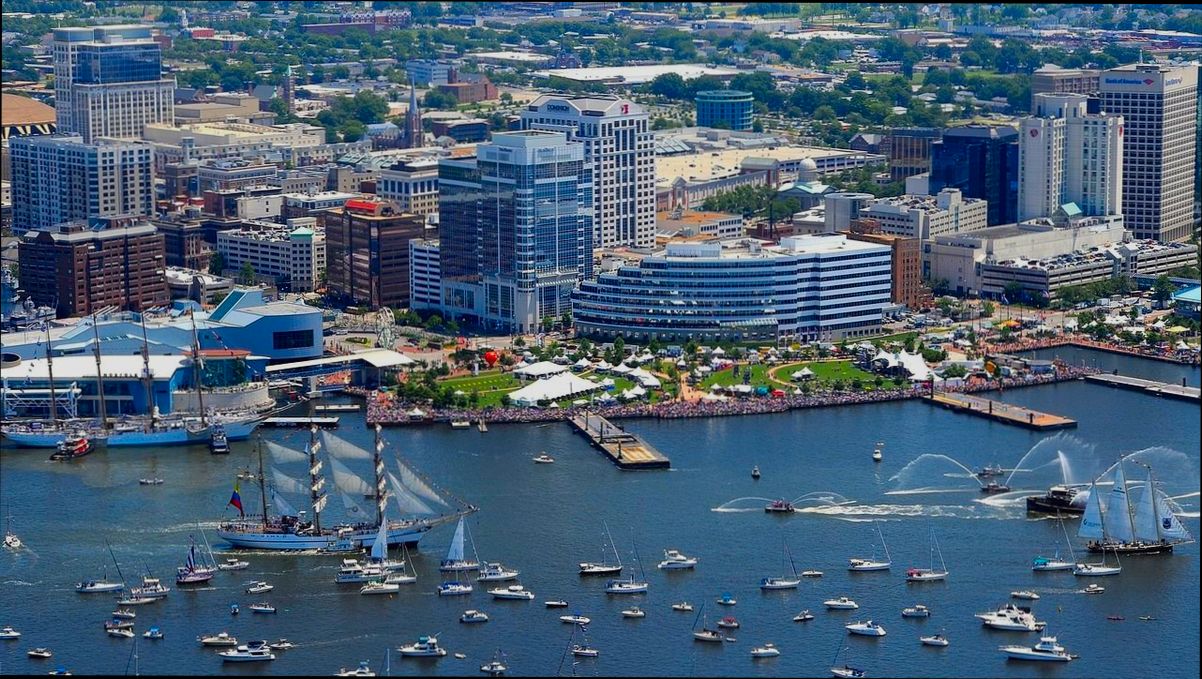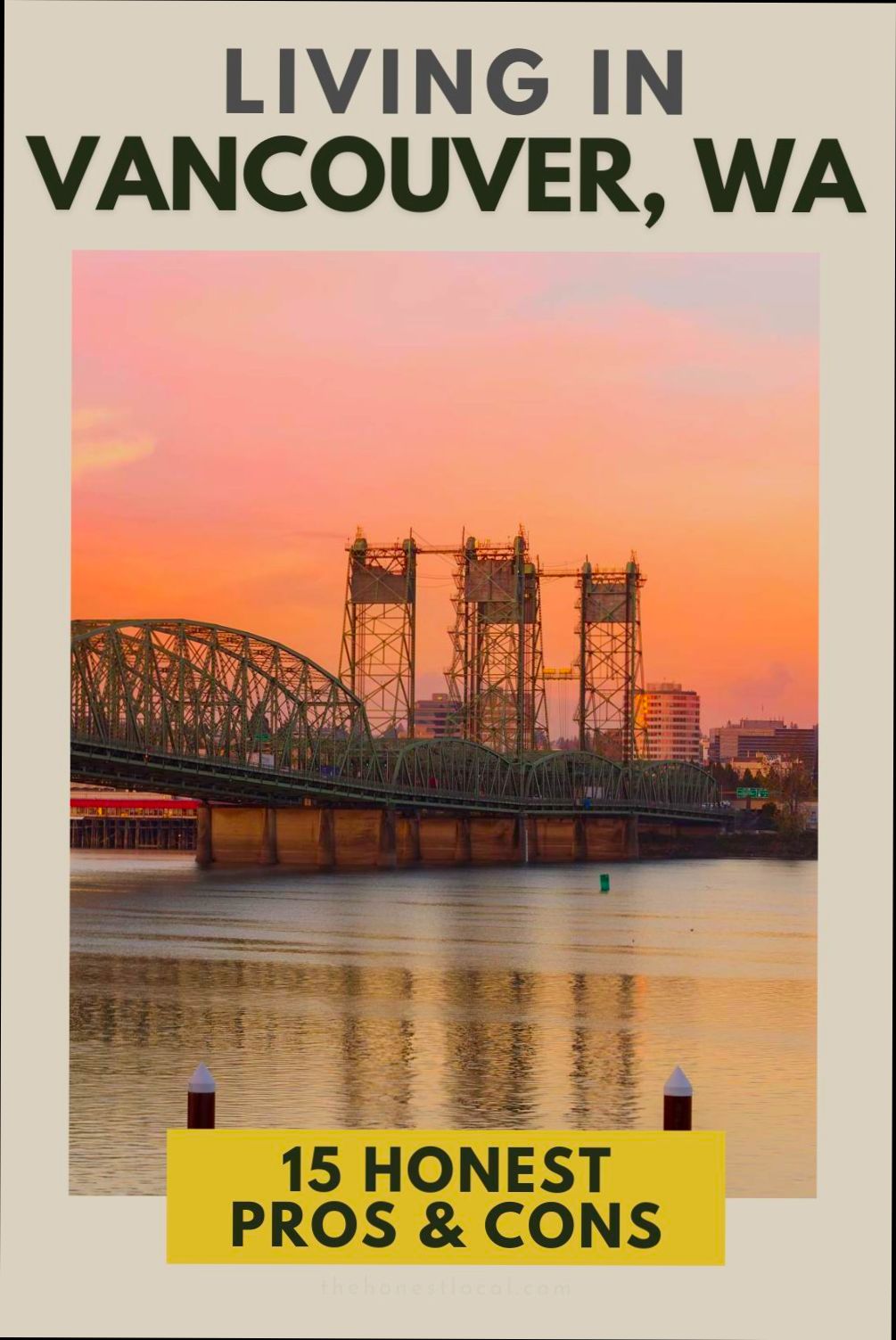
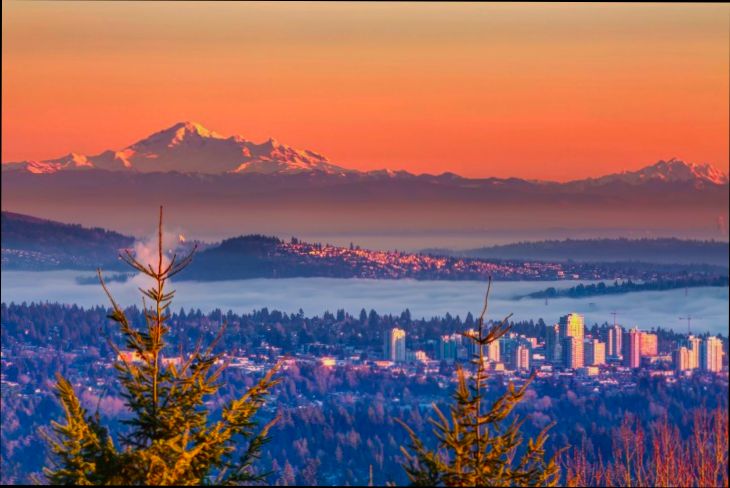
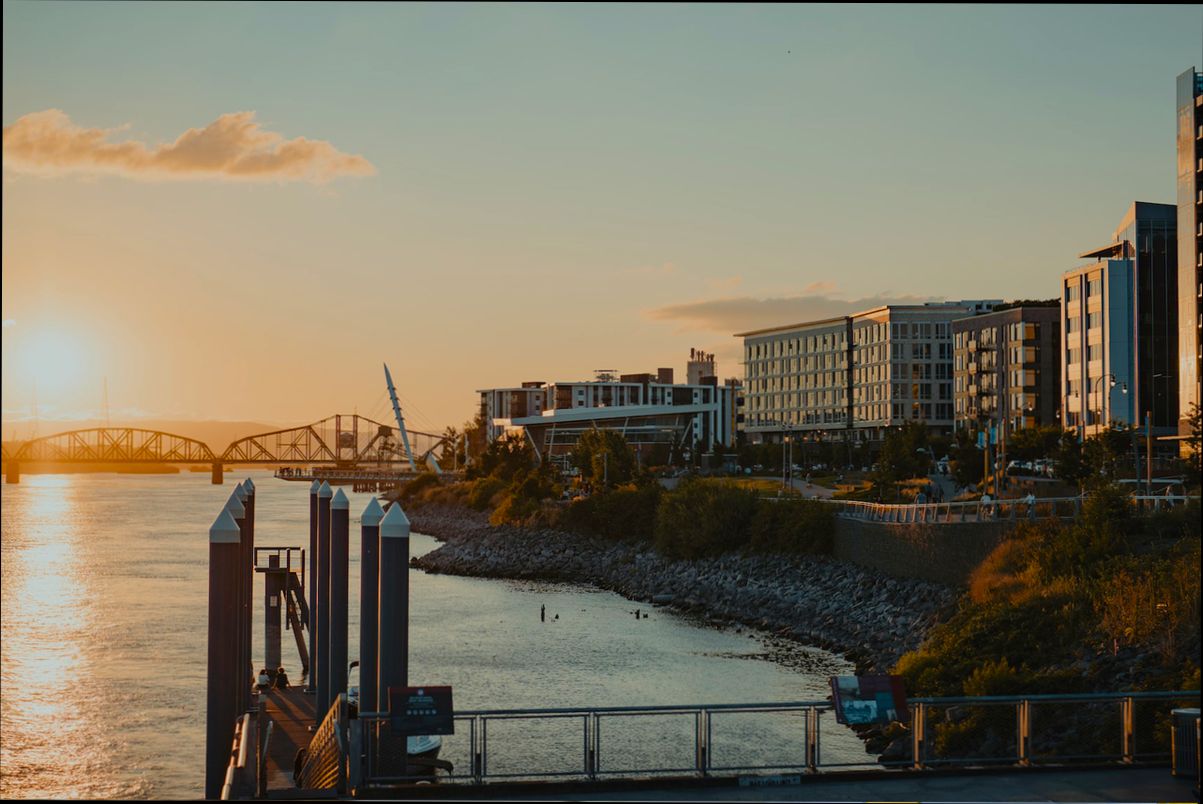
Pros and Cons of Living in Vancouver WA are a hot topic among locals and newcomers alike. One of the biggest draws to this charming city is its stunning natural beauty. Nestled right on the Columbia River and just a stone’s throw from the breathtaking Cascade Mountains, you’ll have endless opportunities for outdoor adventures. Parks like Esther Short Park and the waterfront revitalization area provide perfect spots for relaxation and recreation. Plus, with a population hovering around 190,000, you’ll find that it’s big enough to offer amenities but small enough to foster that tight-knit community vibe.
On the flip side, let’s talk cost of living—it’s a real consideration for anyone eyeing Vancouver as a potential home. While housing prices have been on the rise, with the median home price approaching $500,000, you might find it still more affordable than nearby Portland, where prices soar even higher. However, some folks get tripped up by the lack of diverse job opportunities in certain industries; tech jobs can be a bit thin on the ground compared to bigger cities. And then there’s the weather—let’s be honest, the rainy season can feel like it lasts forever. Being aware of these factors can help paint a clearer picture of what life in Vancouver is really like.
Cost of Living and Housing Trends
When considering living in Vancouver, WA, understanding the cost of living and housing trends is crucial. This area has unique characteristics that can significantly impact your financial decisions and lifestyle.
The median home price in Vancouver has seen a steady increase over the past few years, currently hovering around $470,000. This is a notable rise of approximately 10% from the previous year. When compared to the Seattle metropolitan area, where the median home price exceeds $800,000, Vancouver offers a more budget-friendly alternative for prospective homeowners.
Key Cost of Living Stats
- The overall cost of living in Vancouver is about 5% higher than the national average, primarily driven by housing, healthcare, and transportation costs.
- Utility costs in Vancouver average around $180 per month, aligning closely with the national average but can vary with seasonal changes.
- For renters, the average monthly rent for a two-bedroom apartment in Vancouver is around $2,000, reflecting a 3.5% increase compared to last year.
Comparative Cost of Living Table
| Category | Vancouver, WA | National Average |
|---|---|---|
| Median Home Price | $470,000 | $350,000 |
| Average Rent (2-BR) | $2,000/month | $1,500/month |
| Utilities (monthly) | $180 | $170 |
| Overall Cost Index | 105 | 100 |
Local vacancies for rentals have also tightened, reflecting a current vacancy rate of only 2.5%. This tight housing market can lead to quick listings being snagged up, so timing is crucial if you plan to rent.
Real-World Examples
Consider a family looking to buy their first home. In 2022, the average price for a three-bedroom home increased by about $45,000 within just six months due to demand, highlighting the competitiveness of the housing market. On the rental side, a recent college graduate secured a two-bedroom apartment for $2,000 just after it was listed, showing how rapid the turnover can be in this market.
Practical Implications
Understanding these trends can help you make informed decisions. If you’re planning to move to Vancouver, consider these actionable insights:
- Budget for fluctuating rent: Factor potential increases into your financial planning.
- Act quickly: Homes can sell fast; be prepared to make offers swiftly.
- Explore neighborhoods: Different areas can have varying price points and living conditions.
With the steady rise in housing costs, assessing offers carefully while staying aware of market trends can position you well, whether renting or buying. You might find that with careful planning, Vancouver, WA can offer a rewarding living experience.
Employment Opportunities and Job Market
If you’re contemplating a move to Vancouver, WA, understanding the local employment opportunities and job market is essential. The economic landscape here presents diverse prospects across various industries, offering residents a solid foundation for career growth.
Job Market Overview
The job market in Vancouver has shown promising trends with consistent employment growth. The unemployment rate as of the latest data stands at around 4.5%, slightly lower than the national average. Here’s a breakdown of key sectors employing locals:
- Healthcare: This sector is the largest employer, reflecting a growing need for medical professionals as the population ages.
- Retail Trade: With shopping centers like the Vancouver Mall, this sector supports a substantial number of entry-level positions.
- Education: Local school districts and colleges, including Washington State University Vancouver, continually seek educators and support staff.
Employment Opportunities by Sector
| Sector | Percentage of Workforce | Average Salary |
|---|---|---|
| Healthcare | 22% | $75,000 |
| Retail Trade | 15% | $35,000 |
| Education | 10% | $55,000 |
| Manufacturing | 12% | $65,000 |
| Technology | 11% | $80,000 |
This table illustrates how various sectors contribute to the job market and the average salaries you can expect. Notably, the technology sector, which is on the rise, boasts competitive salaries and a growing number of startups.
Real-World Examples
Several businesses in Vancouver have expanded their operations recently, creating jobs and enhancing the local economy:
1. PeaceHealth Southwest Medical Center: One of the largest employers in the area, they have recently added new facilities, increasing staffing needs for healthcare professionals.
2. Nucor Corporation: This steel manufacturing company has experienced significant growth, prompting them to hire additional workers, showcasing Vancouver’s industrial expansion.
3. ZoomInfo: A tech company that opened new offices in Vancouver is rapidly recruiting local talent, especially in software development and sales, reflecting the tech industry’s push into the region.
Practical Implications for Job Seekers
If you’re considering employment in Vancouver, tailoring your job search to match the local market will be beneficial. Here are some actionable insights:
- Network Locally: Engage with local business groups and attend industry meet-ups to build connections.
- Utilize Job Portals: Websites like WorkSource Oregon and local job boards can provide updated listings tailored to Vancouver.
- Consider Skill Development: Upskilling in high-demand areas like tech and healthcare could greatly improve your job prospects.
This strategic approach to navigating the job market in Vancouver can lead to more opportunities and career advancement. With a keen eye on emerging trends and local needs, you can position yourself effectively for success in this vibrant city.

Quality of Education in Vancouver Schools
When it comes to the quality of education in Vancouver, WA, you’ll find a diverse range of opportunities that cater to different learning styles and needs. The schools here have made significant strides in recent years, aiming to provide a well-rounded educational experience for students.
Key Educational Highlights
- School District Overview: Vancouver Public Schools (VPS) serves over 23,000 students across 36 schools, demonstrating a commitment to educational excellence in the region.
- Graduation Rates: The graduation rate in Vancouver high schools has improved to about 87% for the 2021-2022 academic year, reflecting strong community support and effective educational programs.
- Student-Teacher Ratio: The student-teacher ratio in Vancouver is around 18:1, which allows for more personalized attention and interaction between educators and students.
- Diverse Curriculum Offerings: VPS has implemented various programs that focus on STEM education, arts integration, and advanced placement courses, catering to a wide array of student interests and career paths.
- Community Involvement: About 60% of parents in the area actively participate in school events and activities, enhancing the school environment and fostering a supportive community.
| Indicator | Vancouver Schools | State Average |
|---|---|---|
| Graduation Rate | 87% | 80% |
| Average Class Size | 20 students | 24 students |
| Student-Teacher Ratio | 18:1 | 20:1 |
| AP Course Enrollment | 35% of high school students | 30% |
| Parent Involvement Rate | 60% | 50% |
Real-World Examples
For those interested in specifics, the success of various programs in VPS stands out. For example, Skyview High School has integrated a robust Advanced Placement (AP) program where approximately 35% of students enroll in AP courses, often leading to college credit. This proactive approach to rigorous academics prepares students for future successes in higher education.
Another strong point is the diversity of schools focusing on the arts, sciences, and technology. For instance, the Vancouver School of Arts and Academics offers a unique curriculum that emphasizes creative expression alongside traditional academic subjects, providing an avenue for students with artistic talents to thrive.
Practical Implications for Residents
If you are considering moving to Vancouver and have children, you’ll want to assess the specific school programs available. Engaging in school events and communicating with educators can significantly enhance your family’s educational experience.
Moreover, be aware that the involvement of parents in the educational process plays a fundamental role in student achievement. Participating in parent-teacher organizations or volunteering at your child’s school can improve both academic outcomes and community connection.
Actionable Insights
- Visit local schools to understand their educational philosophy and curriculum offerings better.
- Consider enrolling your child in specialized programs, such as AP courses or arts-focused schools, to maximize their educational potential.
- Engage with the community through parent-teacher associations to remain informed and supportive of academic initiatives in the area.
These insights can help you navigate the educational landscape in Vancouver, making informed decisions about your child’s schooling options.
Natural Disasters and Safety Considerations
When considering a move to Vancouver, WA, it’s essential to understand the natural disaster risks and associated safety considerations. The region is prone to certain natural disasters, primarily earthquakes and flooding, which can significantly impact your living experience and safety preparations.
Earthquake Risks
Vancouver is located near the Cascadia Subduction Zone, making it vulnerable to significant seismic events. Historical data reveals that a major earthquake occurs along this fault approximately every 300 to 600 years, with the last significant event occurring in 1700. According to the US Geological Survey, there’s a 15% chance of a magnitude 6.0 or greater earthquake occurring in the next 30 years in this region.
Flooding Concerns
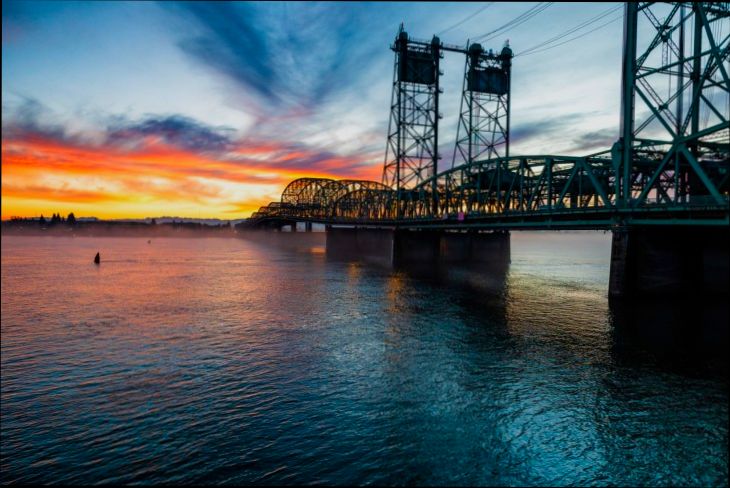
Flooding is another concern for residents, especially in low-lying areas. The city’s proximity to the Columbia River means that during heavy rainfall or rapid snowmelt, there is a heightened risk of flood conditions. In fact, the Federal Emergency Management Agency (FEMA) identifies several areas of Vancouver within a 100-year floodplain, meaning they have a 1% chance of flooding in any given year.
| Disaster Type | Chance of Occurrence | Impact Severity |
|---|---|---|
| Earthquake (6.0+) | 15% over 30 years | High |
| Major Flooding | 1% annually | Moderate to High |
| Landslides | 5% within any year | Low to Moderate |
Real-World Examples
One notable case occurred in 1996 when heavy rains resulted in significant flooding because of the swollen Columbia River. Several homes were damaged, prompting the city to enhance its flood preparedness strategies, including improved drainage systems and public awareness campaigns. Similarly, the 2014 earthquake in nearby British Columbia reminded local residents of the importance of earthquake preparedness kits and plans.
Practical Implications for Residents
To effectively prepare for these risks, you should consider the following actions:
- Prepare an Emergency Kit: Include water, food, first aid supplies, and essential documents. Update this kit regularly to ensure it meets your family’s needs.
- Create a Family Emergency Plan: Discuss how you will react in the event of an earthquake or flood. Establish communication methods and meeting points.
- Stay Informed About Local Alerts: Sign up for local alerts related to natural disasters. The city frequently updates residents about potential risks and emergencies.
Understanding and preparing for these natural disaster risks can significantly enhance your safety and peace of mind while living in Vancouver, WA. If you invest the time to prepare, you’ll likely find yourself more resilient in the face of potential challenges.
Cultural Diversity and Community Engagement
Living in Vancouver, WA, offers a rich tapestry of cultural diversity that enhances community engagement. The vibrant mixture of cultures not only enriches the social fabric of the city but also fosters connections among residents. Let’s explore what makes Vancouver’s cultural scene unique and how it affects community involvement.
Cultural Diversity in Vancouver
Vancouver welcomes a range of cultural backgrounds, contributing to a vibrant community. Here are some statistics that highlight this diversity:
- Ethnic Composition: Approximately 25% of Vancouver’s population identifies as part of a minority group, including Hispanic, Asian, and Black communities. This diversity shapes the cultural activities and celebrations throughout the year.
- Language Diversity: Over 16% of residents speak a language other than English at home, showcasing the multilingual environment. Spanish, Vietnamese, and Russian are among the most spoken languages after English.
- Cultural Organizations: The city hosts over 50 cultural organizations representing various ethnicities, offering residents opportunities to partake in cultural exchanges, classes, and festivals.
Community Engagement Initiatives
Community engagement thrives in Vancouver, anchored by its diverse populace. This engagement is reflected through numerous initiatives aimed at uniting residents:
| Initiative Name | Description | Outcome |
|---|---|---|
| Vancouver Cultural Plan | A strategic plan focused on enhancing community access to diverse cultural expressions. | Increased participation in community events by 30% over the last three years. |
| Arts and Culture Grants | Grants supporting local artists and cultural events, fostering talent and engagement. | Creation of over 200 art projects annually. |
| Multicultural Festival | An annual event celebrating diversity through food, music, and art from various cultures. | Draws over 10,000 attendees, enhancing intercultural dialogue. |
Real-World Examples
Several initiatives and events illustrate how cultural diversity fuels community engagement in Vancouver:
- The Vancouver International Film Festival showcases diverse cinematic voices, bringing together filmmakers and audiences from various backgrounds. This festival encourages cultural exchange and participation, highlighting stories that resonate with different communities.
- The Hispanic Heritage Festival celebrates Latino culture with performances, food, and art. This event not only entertains but also educates attendees about Hispanic traditions, fostering cross-cultural understanding.
- The Clark County Diversity Council works towards promoting inclusivity by advocating for policy changes and hosting workshops, thus engaging citizens in discussions that matter.
Practical Implications for Residents
If you want to engage with Vancouver’s diverse community, consider these actionable steps:
- Attend local events: Participate in multicultural festivals and workshops to experience and appreciate the nuances of different cultures.
- Join cultural organizations: Get involved with local ethnic groups that align with your interests, fostering deeper connections with your neighbors.
- Volunteer for community projects: Many organizations are looking for volunteers for various events, which enhances community ties while promoting your own cultural learnings.
Engaging with Cultural Diversity
To truly appreciate and engage with Vancouver’s cultural diversity, I encourage you to:
- Explore community centers that offer classes in various cultural practices, such as cooking or dance.
- Support local businesses that reflect the diverse makeup of the city, helping to sustain the rich cultural fabric of Vancouver.
- Seek out local art installations that reflect the community’s diversity, enhancing your understanding of the various narratives present in the city.
By embracing cultural diversity and actively participating in community engagement, you not only enrich your own experience but also contribute to a more inclusive and vibrant Vancouver.

Statistical Overview of Vancouver Demographics
Understanding the demographics of Vancouver, WA, can be quite enlightening, especially if you’re considering making it your home. The population’s age distribution, racial composition, and household statistics can greatly impact your experience in the city. Let’s take a closer look at the specific demographic data that defines Vancouver.
Population Size and Growth
As of the latest census, Vancouver boasts a population of approximately 190,000 residents. This population reflects a steady growth trend, with an increase of nearly 12% over the last decade. This growth indicates a thriving community that attracts newcomers looking for opportunities and a vibrant lifestyle.
Age Distribution
Vancouver’s age demographics reveal a diverse population:
- Children (0-14 years): 20%
- Working Age (15-64 years): 75%
- Seniors (65 years and older): 15%
This distribution suggests that a significant portion of the population is in the working age group, which can enhance the local economy and contribute to a vibrant community atmosphere.
Racial and Ethnic Composition
Vancouver’s diversity is reflected in its racial and ethnic makeup:
- White: 70%
- Hispanic or Latino: 12%
- Asian: 9%
- Black or African American: 5%
- Two or More Races: 4%
Understanding this composition can provide insights into the cultural dynamics, businesses, and community events present in Vancouver.
Household Statistics
When it comes to household characteristics, Vancouver’s data highlights important trends:
- Average Household Size: 2.5 individuals
- Percentage of Homeownership: 62%
- Single-Parent Households: 28%
These statistics indicate a fairly stable housing market and give a glimpse into the family structures within the community.
Comparative Table of Demographic Data
| Demographic Indicator | Vancouver, WA | Washington State Average |
|---|---|---|
| Population (approx.) | 190,000 | 7.7 million |
| Average Household Size | 2.5 individuals | 2.6 individuals |
| Median Age | 36 years | 38 years |
Real-World Examples
The demographic trends in Vancouver can be illustrated through local institutions and initiatives. For instance, the Vancouver Public Library caters to a diverse population, emphasizing community reading programs suitable for all ages and backgrounds. This service is a direct response to the area’s age distribution and cultural diversity, aiming to enhance community engagement.
Practical Implications for Readers
If you’re moving to Vancouver, keeping in mind the significant portion of working-age residents can impact your networking opportunities, whether for job searches or social connections. Additionally, with 62% of residents owning their homes, the housing landscape may shape your expectations around community engagement and local services.
Specific Facts
- A growing population suggests potential for business opportunities, especially in service sectors catering to diverse age groups.
- The youth and family-friendly initiatives can be a boon if you’re moving with children, as schools and recreational activities adapt to cater to a younger demographic.
Outdoor Recreational Activities and Lifestyle
Living in Vancouver, WA, offers a paradise for outdoor enthusiasts. With its lush natural surroundings, access to numerous parks, and recreation opportunities, you can easily engage in a variety of activities that promote a healthy and active lifestyle. Let’s delve into what makes the outdoor recreational landscape in Vancouver so appealing.
Abundant Parks and Trails
Vancouver is home to several parks and trails, making outdoor exploration convenient. In fact, there are over 85 parks spread throughout the city, offering everything from sports fields to serene picnic spots. Key highlights include:
- Fort Vancouver National Historic Site: A rich history combined with trails and open spaces for hiking and biking.
- Lacamas Lake Regional Park: Featuring picturesque trails and opportunities for fishing and kayaking.
Water Activities
Being close to water significantly enriches outdoor activities in Vancouver. The proximity to the Columbia River and several lakes allows residents to partake in:
- Kayaking and Canoeing: Rent a boat to paddle along the scenic waters.
- Fishing: The Columbia River hosts various fish species, making it a favorite among local anglers.
- Swimming and Sunbathing: Public beaches along the river provide a great spot for summer fun.
Vibrant Hiking and Biking Community
Hiking and biking are central to the outdoor lifestyle in Vancouver, with numerous trails catering to all skill levels. Many local residents leverage this vibrant community. Here are a few noteworthy trails:
| Trail Name | Distance | Difficulty Level | Highlights |
|---|---|---|---|
| Columbia River Renaissance Trail | 6 miles | Easy | Scenic waterfront views |
| Lacamas Heritage Trail | 3.5 miles | Moderate | Lakeside vistas, wildlife viewing |
| Salmon Creek Greenway | 4 miles | Easy | Family-friendly, lush greenery |
Engaging Community Activities
Outdoor living isn’t just about solo activities; Vancouver boasts vibrant community events that foster outdoor connections. Here are some events to consider:
- Vancouver Farmers Market (open seasonally): Experience local produce, crafts, and outdoor socializing.
- Annual Vancouver Dragon Boat Festival: Join in on the fun of this thrilling event while enjoying the river’s beauty.
Real-World Examples
Outdoor living shapes daily life for many Vancouver residents. For instance:
- Mike, a local teacher, regularly participates in the Clark County Running Club, which organizes group runs along beautiful trails, fostering community and fitness.
- Sarah, a nurse, takes full advantage of her weekends exploring the Lacamas Lake trails with her family, making it a cherished family routine.
Practical Implications
Choosing to embrace an outdoor lifestyle in Vancouver can greatly enhance your quality of life. Here’s how:
- Physical Health Benefits: Regular outdoor activities improve physical fitness, reducing stress and enhancing mental well-being.
- Social Connections: Engaging in community outdoor events can lead to new friendships and networking opportunities.
Enjoy the unique landscape, community spirit, and the numerous outdoor activities Vancouver has to offer. Dive into adventures like hiking, biking, or simply soaking in the beauty of nature right in your backyard.