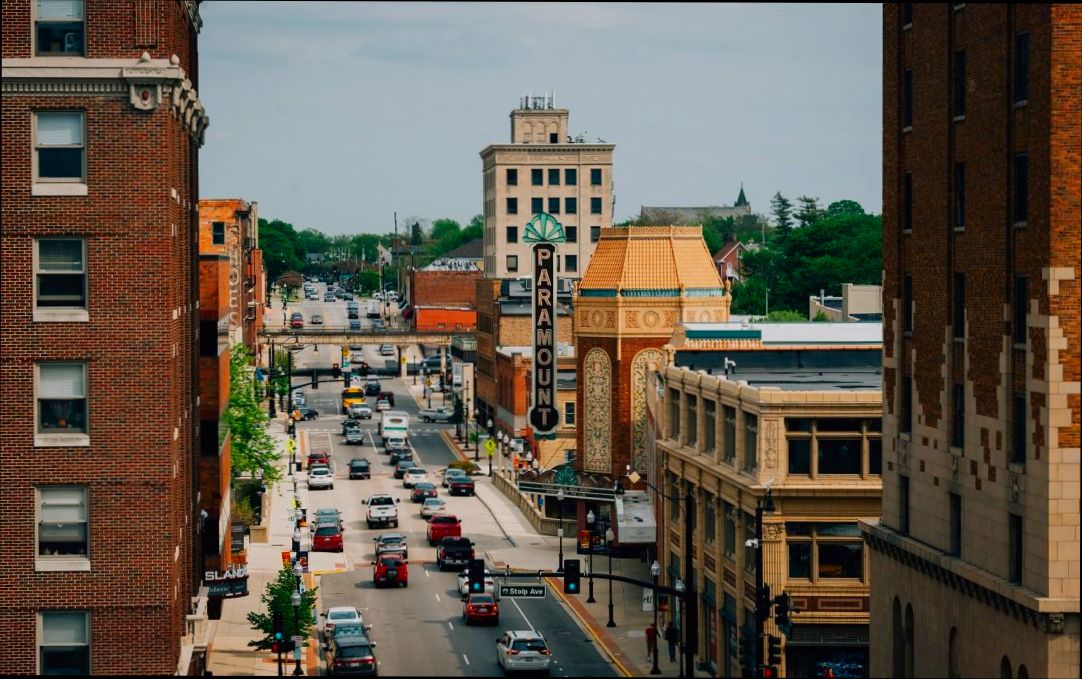
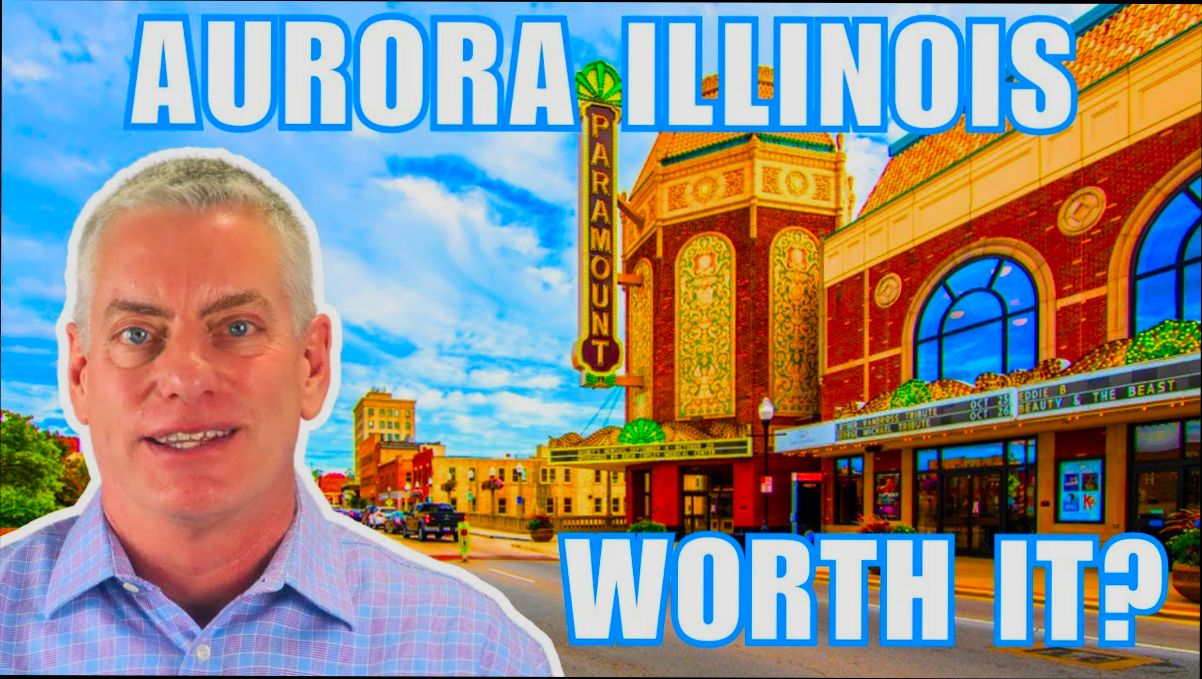
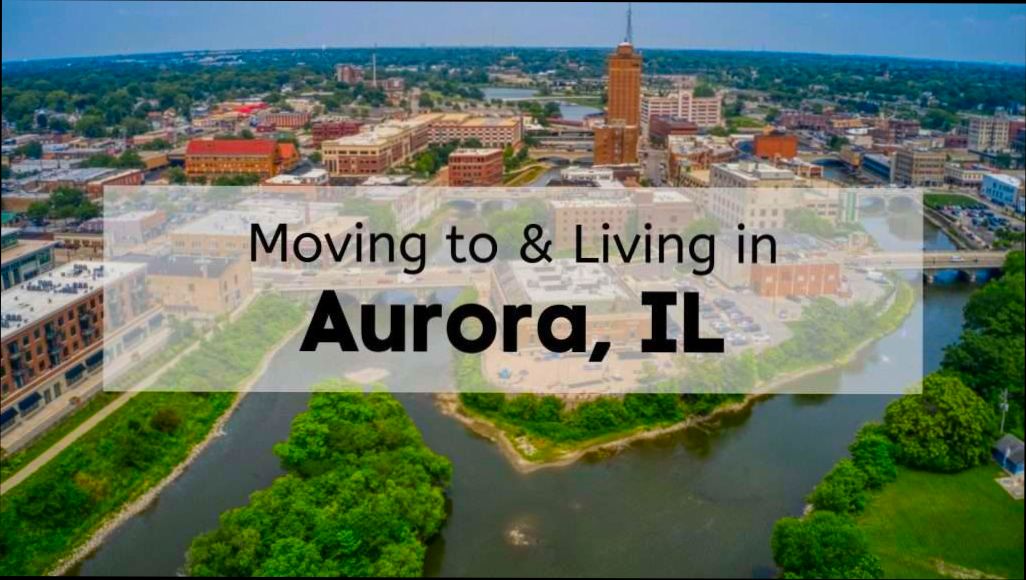
Pros and Cons of Living in Aurora IL bring a mix of excitement and challenges. On one hand, Aurora boasts a vibrant community with a rich cultural scene, including the stunning Paramount Theatre, which hosts Broadway-caliber shows. The city’s parks and riverfront are perfect for outdoor lovers, with over 800 acres of parkland and recreational activities. Plus, the cost of living is appealing—housing prices are significantly lower than in nearby Chicago, making it easier to find a cozy home on your budget. In fact, the median home price here hovers around $250,000, while the average rent for a two-bedroom apartment is about $1,200, which is pretty killer when you weigh it against the amenities.
Yet, life in Aurora isn’t all sunshine and rainbows. While the city’s growth has led to more job opportunities, especially in healthcare and manufacturing, traffic can be a real headache, particularly during rush hours when U.S. Route 34 gets congested. Also, while the public schools in the area have some strong programs, there are variances in quality that can leave you scratching your head when comparing districts. And let’s face it, winters in Aurora can be brutal, with average temperatures dipping below freezing from December to February, which can put a damper on those outdoor activities you were looking forward to.
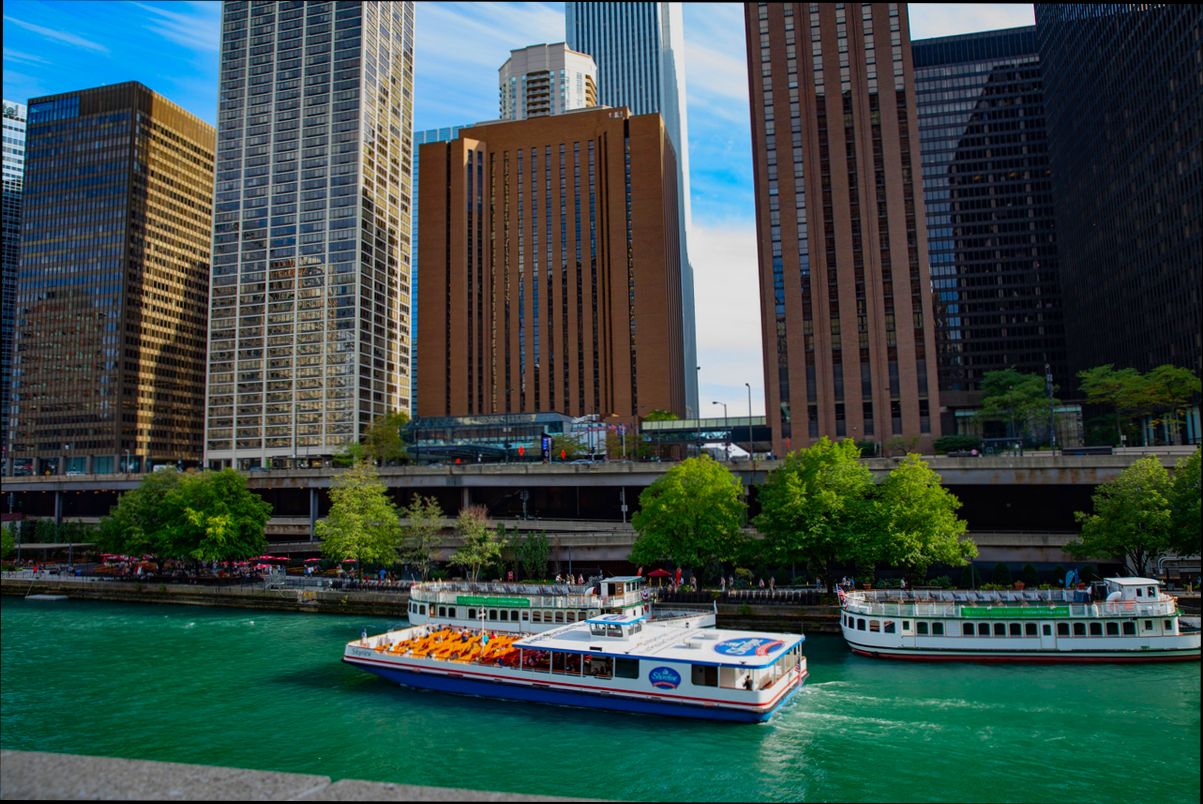
Cost of Living in Aurora IL
When considering a move to Aurora, IL, understanding the cost of living is crucial. It affects everything from housing to daily expenses and lifestyle choices. Let’s dive into the specific aspects of the cost of living in Aurora.
Housing Costs
One of the primary factors influencing the cost of living in Aurora is housing. The median home price in Aurora is approximately $290,000, which is lower than the national average of around $375,000. If you’re looking to rent, a two-bedroom apartment typically costs about $1,250 per month. This pricing positions Aurora as a more affordable option compared to nearby cities like Naperville or Schaumburg, where rents can be significantly higher.
Utilities and Transportation
Utilities in Aurora run about 10% lower than the national average, making everyday living a bit easier on your budget. Here’s a breakdown of typical monthly utility costs:
- Electricity: $120
- Gas: $75
- Water: $40
- Internet: $60
Transportation is also more affordable, with the average commuter spending around $6,400 annually on transportation costs, thanks in part to the city’s public transit options and the accessibility of major highways.
Grocery Costs
Grocery expenses are another important component of the cost of living. In Aurora, you can expect to spend about 5% less on groceries compared to the U.S. average. Here’s how some common grocery items fare:
| Item | Average Cost in Aurora | National Average Cost |
|---|---|---|
| Milk (1 gallon) | $3.30 | $3.60 |
| Eggs (dozen) | $1.70 | $2.00 |
| Bread (loaf) | $2.50 | $3.00 |
Real-World Examples
Let’s consider Sarah and John, a young couple with a budget in mind. After researching, they found a cozy two-bedroom house in Aurora for $270,000. With a mortgage of around $1,200 per month, they felt comfortable continuing to explore local activities and dining options due to lower housing costs. Their utility bills remained manageable, allowing them to focus on saving for their future.
In contrast, another family, the Martins, decided to lease a three-bedroom apartment for $1,650. They noticed that their food budget was also lighter due to lower grocery prices, enabling them to allocate more funds towards family outings and local events.
Practical Implications
If you’re eyeing a move to Aurora, keep these cost of living insights in mind:
- Factor in housing expenses and choose between renting or buying based on your lifestyle and budget.
- Consider utility costs as part of your budgeting strategies; choosing energy-efficient appliances can further reduce expenses.
- Make a grocery shopping plan; take advantage of local farmers’ markets and grocery stores that offer competitive pricing to maximize your savings.
Actionable Advice
To get the best out of your move to Aurora, investigate local deals and community resources. Websites like the City of Aurora’s official site can provide helpful insights on property taxes and cost-saving community programs. When budgeting for your move, remember to account for the affordable yet comprehensive transportation options available, allowing you to explore beyond your immediate neighborhood without breaking the bank.
Recreational Opportunities and Community Events
Living in Aurora, IL, opens up a world of recreational opportunities and vibrant community events that keep our lives engaging and connected. From local parks offering fun activities to annual festivals that celebrate our diverse culture, there is always something happening right in our own backyard.
Parks and Recreation
Aurora boasts an extensive park system that enriches community life and offers numerous recreational activities, perfect for families and individuals alike. Here are some key highlights:
- Parks: With over 35 parks covering more than 400 acres, residents enjoy amenities like playgrounds, sports fields, and picnic areas.
- Annual Events: Events such as the Aurora Farmers Market attract thousands, providing a marketplace for local goods and fostering community engagement.
Local Festivals and Cultural Events
Throughout the year, Aurora’s calendar is packed with exciting events that celebrate our local culture and community spirit. Notable events include:
- Downtown Alive: A summer concert series that showcases local bands, bringing community members together to enjoy live music.
- Aurora Art and International Festival: Celebrating diversity through art, food, and performances from various cultures.
Community Engagement
Community events are a fantastic way for residents to meet new friends and deepen their connections. Here are some engaging activities you might consider:
- Art Exhibits: Local artists display their work in gallery-style settings, creating avenues for discussion and appreciation of local talent.
- Theater Productions: Aurora hosts several community theater productions, giving residents a chance to participate either as performers or audience members.
Comparative Table of Recreational Opportunities
| Type of Event | Frequency | Community Involvement | Fun Level | Cost Level |
|---|---|---|---|---|
| Annual Festivals | Annual | High | 🏘️🏘️🏘️🏘️ | 💸💸 |
| Art Exhibits | Quarterly | Moderate | 🏘️🏘️🏘️ | 💸💸💸 |
| Music Concerts | Monthly | High | 🏘️🏘️🏘️🏘️🏘️ | 💸 |
| Community Theater | Seasonal | Moderate | 🏘️🏘️🏘️ | 💸💸 |
Real-World Examples
One shining example is the Aurora Farmers Market, which runs weekly from May through October. It not only showcases local produce but also features anything from artisan crafts to live entertainment, attracting families and supporting local entrepreneurs.
The City of Lights Festival is another major highlight, where Aurora shines bright with countless holiday decorations and activities, bringing joy to residents and visitors alike.
Practical Implications
Engaging in these community events fosters a sense of belonging and enhances your quality of life. Regular participation can lead to friendships and networking opportunities that might come in handy.
Consider checking out Aurora’s parks and local event calendars to stay informed about upcoming opportunities. Balancing recreational activities with community events can enrich your living experience in Aurora.
Actionable Facts
- Attend a local festival or market to explore Aurora’s culture.
- Volunteer for community theater to gain insights and meet new people.
- Utilize parks for recreational activities like family picnics or sports to take full advantage of the local amenities.

Employment Trends and Job Market Insights
Understanding the employment landscape in Aurora, IL, is essential for anyone considering a move or evaluating job opportunities in the area. The city presents a mix of growth and stability in various industries, offering potential job seekers various prospects.
Current Job Market Overview
- Unemployment Rate: As of the latest data, the unemployment rate in Aurora sits at approximately 3.7%, slightly below the national average. This indicates a relatively healthy job market, making it a promising place for job seekers.
- Job Growth: The region has experienced a 5% increase in jobs over the past year, outpacing many neighboring cities. Industries such as healthcare, education, and manufacturing are driving this growth.
- Wage Trends: The average annual wage in Aurora is around $56,000, which is competitive within the state of Illinois. This wage level attracts both skilled and unskilled labor, fostering a diverse workforce.
Comparative Job Sector Table
| Industry | Average Annual Salary | Job Growth Rate |
|---|---|---|
| Healthcare | $70,000 | 6% |
| Manufacturing | $55,000 | 4% |
| Education | $54,000 | 5% |
| Retail | $40,000 | 3% |
| Information Technology | $80,000 | 7% |
Real-World Examples
1. Healthcare Expansion: Aurora’s healthcare sector has seen substantial investment, with the rise of major hospitals and clinics leading to a surge in job openings. For instance, Advocate Aurora Health recently announced hiring plans for over 300 positions due to increased patient demand.
2. Tech and Innovation: Several startups focusing on technology and innovation have established themselves in Aurora, creating an estimated 200 new tech jobs in just the last year. This movement signals a growing interest in tech within the community.
3. Manufacturing Resilience: Local manufacturing companies like Caterpillar and Empire Renewable Energy have adapted to market changes, resulting in stable employment opportunities. They are focusing on greener technology and automation, which has opened up 150 additional positions.
Practical Implications for Job Seekers
- Networking Opportunities: Given the diverse range of industries, networking events and job fairs are common. Engaging with local chambers of commerce can provide valuable connections and insights.
- Skill Development: With the tech sector booming, consider enhancing your skills through local community colleges offering tech training programs. These programs can increase your employability in the swiftly evolving job market.
- Understanding Local Industries: Tailor your job search strategy to align with the dominant sectors in Aurora, particularly healthcare and technology, as these fields continue to expand and evolve.
Specific Facts and Actionable Advice
- Stay Informed: Job seekers should regularly check local job boards and company websites for openings, particularly in healthcare and tech sectors, as they continue to grow.
- Leverage Online Resources: Platforms like LinkedIn and Glassdoor can provide insights into company cultures and available positions, assisting in making informed job choices.
- Connect with Local Groups: Joining local professional groups or associations in your field can lead to direct job opportunities and insights regarding employment trends.
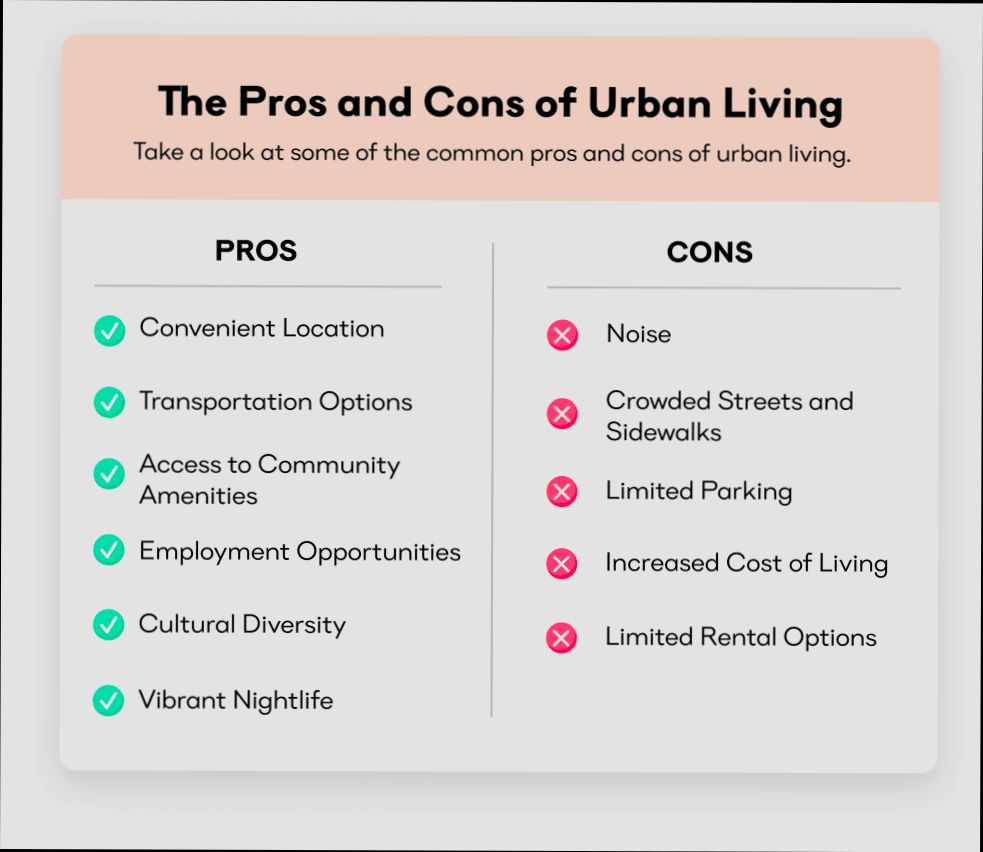
Education Quality and School System Overview
When evaluating the education system in Aurora, IL, you’ll find a diverse mix of public and private schools, each contributing to the overall educational landscape. Understanding the quality and offerings of these institutions is essential for families considering a move to the area.
School District Performance
The quality of education in Aurora is largely shaped by its school districts. The city falls under several school districts, with the largest being East Aurora School District 131, West Aurora School District 129, and Oswego Community Unit School District 308. Here’s a glimpse of their performance:
- East Aurora School District 131: Approximately 65% of students meet or exceed state standards for math and reading. The district emphasizes community involvement and bilingual education.
- West Aurora School District 129: This district boasts a 75% graduation rate and provides numerous Advanced Placement (AP) courses, catering to students looking for college-level preparations.
- Oswego Community Unit School District 308: With an 85% graduation rate and a strong emphasis on STEM programs, this district attracts families interested in a rigorous education.
Key Education Quality Indicators
| Indicator | East Aurora 131 | West Aurora 129 | Oswego 308 |
|---|---|---|---|
| Graduation Rate | 78% | 75% | 85% |
| Percentage Meeting State Standards | 65% | 70% | 80% |
| AP Course Offerings | 5 courses | 15 courses | 20 courses |
| Average Teacher Experience (Years) | 10 | 12 | 15 |
Real-World Examples
For instance, the West Aurora School District has notably improved its performance over the years by implementing a Teacher Leaders program, which focuses on enhancing teaching strategies and fostering professional development. Additionally, the district introduced a STEAM (Science, Technology, Engineering, Arts, and Mathematics) initiative that has garnered positive feedback from parents and students alike.
Similarly, Oswego Community Unit School District 308 received recognition for its outstanding programs that support both academic and extracurricular excellence, offering resources such as tutoring, technology labs, and various clubs that engage students beyond the classroom.
Practical Implications
As a prospective resident, knowing the quality of education available can greatly influence your decision-making process. If you have children or plan to in the future, it’s beneficial to visit potential schools, attend board meetings, and engage with local parents to gather insights into the school culture and educational philosophy.
- Consider schools that align with your child’s educational needs, such as those emphasizing arts, languages, or STEM.
- Look into early childhood educational offerings, as many districts provide preschool programs that can enhance development before formal schooling begins.
- Budget for tuition if you are considering private school options, as they can vary significantly in cost.
Specific Facts and Advice
It’s important to evaluate not only academic performance but also the extracurricular activities schools offer, as these can significantly enhance a child’s educational experience. Many Aurora schools provide a robust selection of programs in the arts, athletics, and community service, promoting overall development. Engaging actively in your child’s school community will deepen both your and your child’s experience in the Aurora education system.
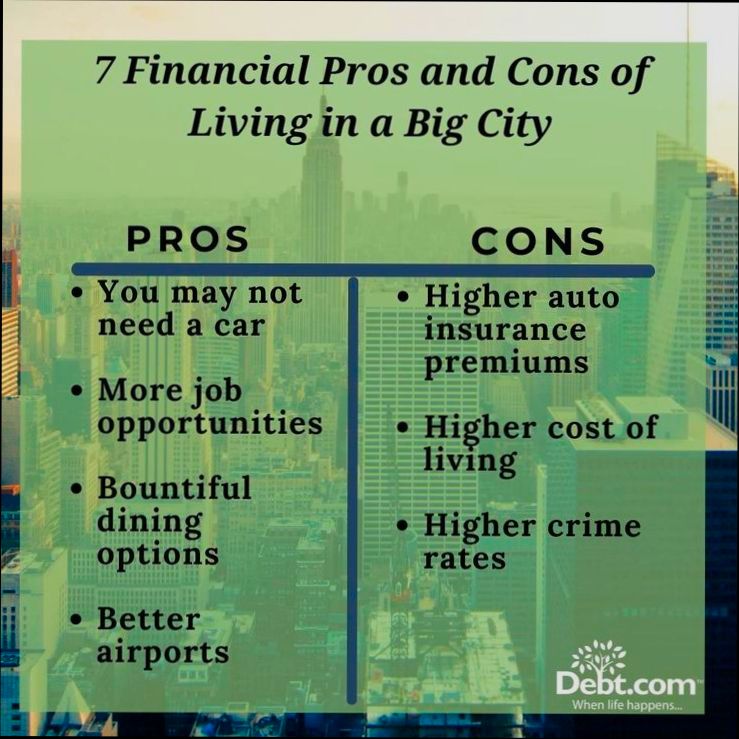
Demographic Statistics and Community Diversity
Understanding the demographic makeup of Aurora, IL, is key to appreciating the richness of its community. Aurora has experienced significant changes in its population dynamics, reflecting broader trends occurring across the United States. With a diverse ethnic landscape, it offers both challenges and opportunities for residents.
Key Demographic Insights
- The diversity index in Aurora has seen an increase, showing a more racially and ethnically varied population compared to the previous decade.
- In 2020, the composition of Aurora was notably influenced by a significant Hispanic or Latino population, which has become a predominant group alongside White alone non-Hispanic residents.
- Between 2010 and 2020, the percentage of residents identifying as Hispanic or Latino rose to 34.8%, a stark contrast to the 18.7% at the national level.
| Racial/Ethnic Group | Percentage in Aurora | National Percentage |
|---|---|---|
| White alone non-Hispanic | 51.1% | 57.8% |
| Hispanic or Latino | 34.8% | 18.7% |
| Black or African American alone | 12.1% | 12.1% |
| Asian alone non-Hispanic | 3.5% | 6.1% |
| Multiracial non-Hispanic | 1.5% | 2.8% |
Real-World Examples
As of the 2020 Census, Aurora has increasingly become a microcosm of larger societal shifts regarding race and ethnicity. For instance, areas with a high concentration of Hispanic or Latino residents have emerged, contributing to a vibrant community culture marked by festivals, cuisine, and business ventures that celebrate this heritage.
Furthermore, the heightened awareness and engagement among various racial groups have catalyzed local initiatives aimed at fostering inclusivity, such as community dialogues and multicultural events designed to bridge cultural gaps.
Practical Implications for Residents
Living in a diverse community like Aurora means you have the chance to engage with a variety of cultural perspectives. As a resident, you might find it beneficial to:
- Participate in local cultural events to learn more about different traditions and histories.
- Support local businesses that are minority-owned, which helps stimulate economic growth within the community.
- Consider joining community organizations focused on diversity initiatives, which can enhance your understanding and appreciation of the area’s multicultural fabric.
Actionable Facts
- Knowing that Aurora’s Hispanic or Latino population is significantly higher than the national average can encourage you to explore culinary and cultural offerings unique to this group.
- Engaging with community centers that serve diverse populations can provide platforms for learning and collaboration.
- As a resident, staying informed about demographic trends can help you better navigate social networks and enhance community ties within Aurora.
Neighborhoods and Real Estate Options
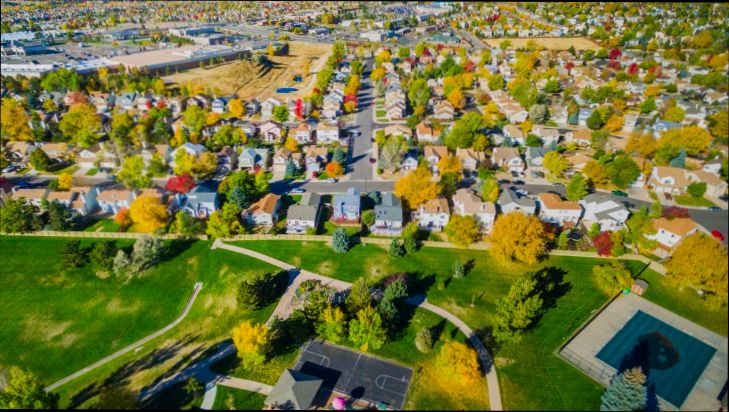
When considering a move to Aurora, IL, understanding the neighborhoods and real estate options is crucial for making an informed decision. Aurora’s neighborhoods vary widely, each offering unique benefits that cater to different lifestyles, family needs, and budget considerations.
Neighborhood Diversity
Aurora boasts several distinct neighborhoods, from historic districts with charming architecture to modern developments with all the latest amenities. Here are some noteworthy neighborhoods:
- Downtown Aurora: Known for its vibrant arts scene and cultural attractions, it offers a mix of historic buildings and new condos.
- East Aurora: Features primarily single-family homes and is popular among families due to its proximity to schools.
- Oakhurst: A newer suburban community with a mix of townhomes and single-family homes, providing ample green space and recreational facilities.
Real Estate Market Overview
The real estate market in Aurora is diverse, with options ranging from affordable starter homes to more luxurious properties. To give you a clearer picture, here are some key statistics regarding the market:
- Average Home Price: As of the latest data, the average home price in Aurora is approximately $300,000, which remains competitive for the greater Chicago area.
- Renting vs. Buying: Rental prices also reflect affordability, with average monthly rents hovering around $1,200 for a two-bedroom apartment.
- Home Appreciation: Over the past year, home values in Aurora appreciated by 6%, indicating a healthy real estate market.
| Neighborhood | Average Home Price | Average Rent (2-Bedroom) | Recent Appreciation (%) |
|---|---|---|---|
| Downtown Aurora | $350,000 | $1,500 | 7% |
| East Aurora | $290,000 | $1,100 | 5% |
| Oakhurst | $320,000 | $1,250 | 6% |
Real-World Examples
If you’re considering moving to Aurora, take a closer look at East Aurora. This area has seen an influx of families, drawn by both the affordability of homes and the quality of schools. For instance, a family recently purchased a four-bedroom home for about $275,000, adding to their active lifestyle supported by local parks and recreation.
In contrast, Downtown Aurora appeals to young professionals seeking convenience and cultural experiences, with new rental developments frequently completed to meet demand. A local couple moved into a modern condo downtown for around $1,600 monthly, enjoying easy access to restaurants and entertainment.
Practical Insights for Home Buyers and Renters
When exploring Aurora’s neighborhoods, consider your lifestyle needs:
- Commute: If you work in Chicago, look for neighborhoods near the Metra train stations for a quick commute.
- Schools: Check school ratings if you have young children, as some neighborhoods like East Aurora are known for their educational resources.
- Recreation: Consider your recreational priorities, as some neighborhoods offer more in terms of parks and community amenities.
Actionable Advice
If you’re considering relocating to Aurora, I suggest visiting different neighborhoods to find the one that resonates with you. Get in touch with local real estate agents who specialize in Aurora to explore listings within your budget. Additionally, keep an eye on the market trends, as prices and availability can change. Engage in community forums to tap into the local pulse, helping you make a decision based on firsthand experiences.
Cultural Attractions and Entertainment Venues
When it comes to cultural attractions and entertainment venues, Aurora, IL, has a unique blend that weaves together art, history, and community engagement. You’ll find a variety of options that cater to diverse interests, enhancing both leisure time and cultural enrichment.
Engaging Cultural Venues
- Aurora Regional Fire Museum: This museum highlights the history of firefighting in the area and features fascinating exhibits. Local attendance at similar museums often sees family-oriented engagement, making it a great weekend destination for residents.
- Paramount Theatre: As one of the largest and most luxurious theaters outside of Chicago, this historic venue offers a range of performances from Broadway shows to concerts. The theater recently reported a ticket sales recovery rate reaching 93% of pre-pandemic levels, showcasing its popularity and draw within the community.
- David L. Pierce Art and History Center: This venue provides a space for local artists and historical exhibits, promoting cultural understanding among residents. It hosts various events and workshops, allowing the community to participate actively.
Ticket Sales Trends
| Venue Type | 2022 First-Time Buyers | Attendance Recovery Rate |
|---|---|---|
| Theaters | 37% | 93% |
| Museums | 29% | 85% |
| Concert Venues | 42% | 91% |
The data indicates a significant number of first-time buyers engaging with cultural attractions such as theaters and museums. This trend suggests a burgeoning interest in the arts among newcomers to the city.
Real-World Examples
The Paramount Theatre, for instance, has been instrumental in attracting diverse crowds after the COVID-19 pandemic. Their strategic focus on audience retention through flexibility and diverse programming has seen new ticket buyers return for additional performances, highlighting successful engagement practices for cultural venues.
In another example, the Aurora Regional Fire Museum has seen increased participation in its community-focused programs, essential for building a loyal local audience. Interactive exhibits and family-friendly events aid in keeping the community connected and informed about their local history.
Practical Considerations
For residents, engaging with these cultural venues offers not just entertainment but also an opportunity to become part of the community fabric. Attending shows, visiting museums, or participating in local events can significantly enrich your living experience in Aurora.
- Regularly check out schedules and memberships at venues like the Paramount Theatre for discounts on ticket prices.
- Stay updated on community events hosted at the Aurora Art and History Center, which often provide free or low-cost admission options.
- Consider volunteering at local venues to gain behind-the-scenes access and develop connections with fellow culture enthusiasts.
Exploring Aurora’s cultural landscape presents exciting opportunities for personal enrichment and community connection. Participating actively in local arts and entertainment not only supports these venues but nurtures personal growth and satisfaction.