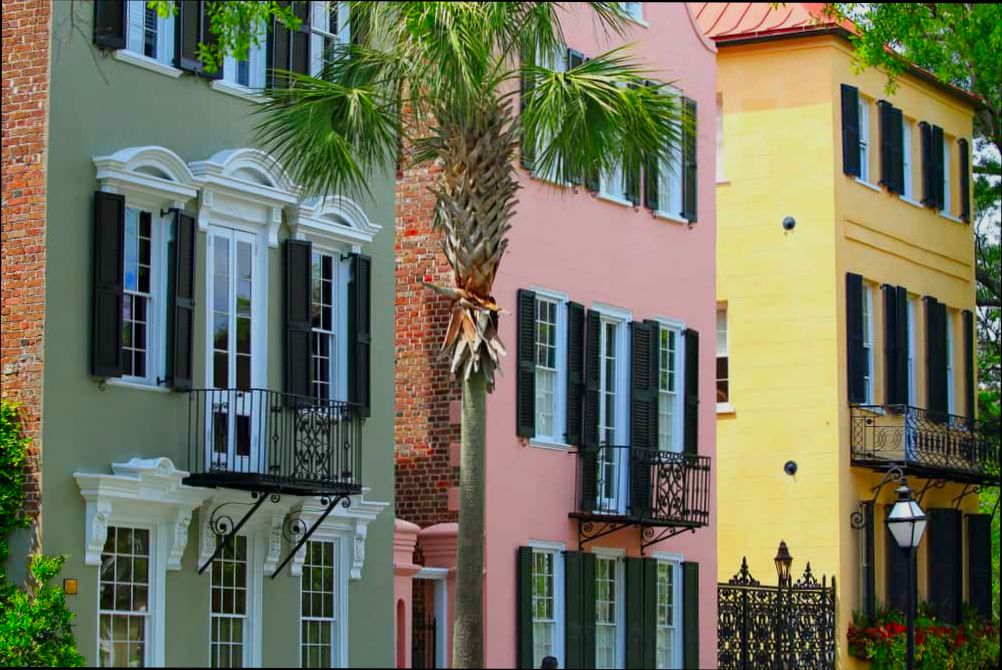
Pros and Cons of Living in Savannah GA. If you crave a blend of Southern charm and a lively arts scene, Savannah might just steal your heart. Picture cobblestone streets lined with lush oak trees draped in Spanish moss, and you’re in the city’s historic district, where a stroll can feel like stepping back in time. Plus, with a cost of living about 14% lower than the national average, you can enjoy everything from cozy cafe sit-downs to weekend ghost tours without breaking the bank. The weather? It’s typically warm, but those humid summers can feel like a sauna, especially if you’re not a fan of sweating through your shirt.
On the flip side, living in Savannah comes with its quirks. Job opportunities can be a bit scarce, especially if you’re not in the tourism or hospitality sectors which dominate the local economy. The unemployment rate hovers around the national average at about 3.9%, but that doesn’t account for the fierce competition in a city that attracts dreamers from all over. And while you can’t beat the picturesque scenery, the slower pace of life may leave some feeling a bit stifled if they’re used to the hustle and bustle of bigger cities.
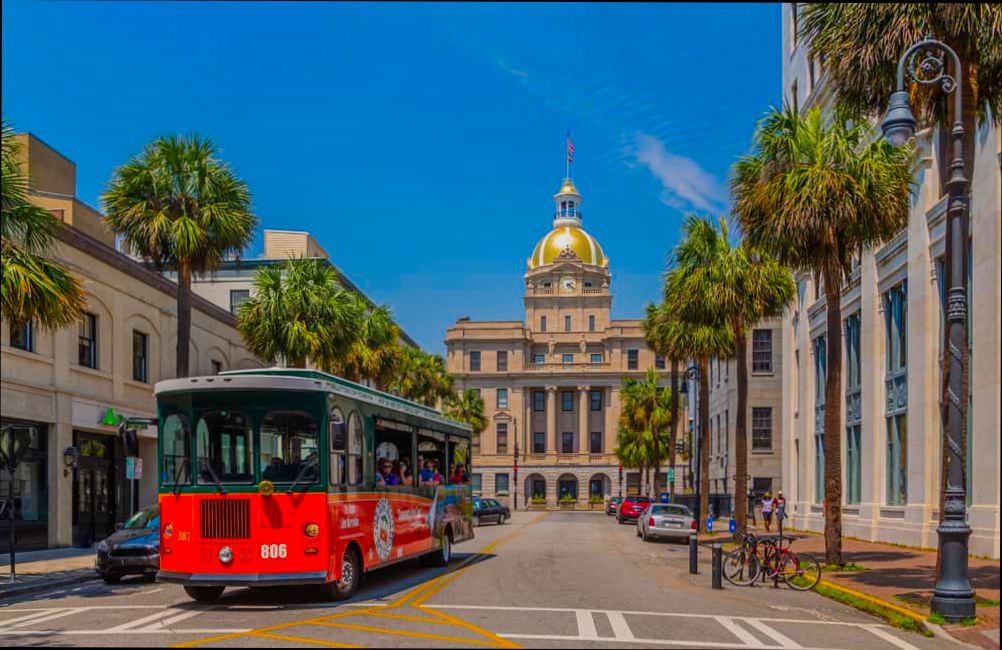
Cultural Richness and Historical Charm
Savannah, GA, stands out as a vibrant tapestry woven with rich cultural threads and historical narratives. Every corner of the city tells a unique story, making it a vibrant place for both residents and visitors. If you’re considering making Savannah your home, let’s dive deeper into what makes its cultural richness and historical charm truly captivating.
Rich Cultural Heritage
- Diverse Influences: Savannah boasts a mix of cultures, including African, Native American, Spanish, and British influences. These elements come together to create a unique cultural landscape.
- Art Scene: The city is home to the Savannah College of Art and Design (SCAD), which attracts artists and creatives from around the globe. Approximately 10,000 students attend SCAD, significantly contributing to the local art scene and cultural vibrancy.
Historical Significance
- Historic District: Savannah’s Historic District is one of the largest in the United States. It includes over 20 squares, showcasing stunning antebellum architecture and preserved landmarks, adding to the city’s character.
- National Landmark Status: Did you know that Savannah was the first city in America to be designated as a National Historic Landmark District? This designation protects and preserves its hundreds of historical buildings.
| Feature | Description |
|---|---|
| Historic Sites | Over 15 historic sites open to the public |
| Annual Festivals | More than 20 cultural and art festivals held yearly |
| Architecture Styles | Predominantly Georgian and Federal, with some Victorian elements |
Real-World Examples of Cultural Events
Savannah hosts numerous cultural events that bring the community together and celebrate its heritage:
1. Savannah Music Festival: This annual event showcases a variety of musical genres and attracts artists from all over the world. It typically hosts more than 100 events across 18 venues.
2. Savannah Film Festival: Organized by SCAD, this festival highlights independent films and emerging filmmakers. It draws thousands of attendees and has become a respected platform in the film industry.
3. First Friday: Every month, the city celebrates local art through this gallery hop, allowing residents and visitors to explore new exhibitions while supporting local artists.
Practical Implications for Residents
Living in Savannah offers you the chance to immerse yourself in a culturally rich environment:
- Cultural Engagement: You can participate in workshops, art walks, and theater productions, ensuring you stay engaged with the local arts scene.
- Historical Education: Exploring the many museums and historical sites can provide insights into the city’s past and its evolution over time.
- Networking Opportunities: The vibrant art scene gives you access to a community of creative individuals, fostering friendships and collaborations.
Actionable Facts about Cultural Richness and Historical Charm
- Explore Museums: Plan visits to the Telfair Museums and the Juliette Gordon Low Birthplace to deepen your appreciation of Savannah’s history.
- Attend Local Festivals: Keep an eye on the community calendar to participate in cultural events that interest you.
- Join Historical Tours: Engage in guided tours that delve into Savannah’s fascinating past, enhancing your understanding of the city’s charm and history.
By embracing the cultural richness and historical charm of Savannah, you’ll find yourself deeply connected to a community steeped in tradition and vibrancy.
Cost of Living: Statistics and Comparisons
The cost of living in Savannah, GA, presents a unique landscape that can significantly influence your decision to move here. As we delve into the key statistics and comparisons, you’ll find essential insights tailored to your budgeting needs.
Overall Cost of Living
Savannah boasts a relatively affordable cost of living compared to national averages. As of recent data:
- The overall cost of living index for Savannah is approximately 9% lower than the national average.
- Housing costs in Savannah are about 15% less than the average housing prices across the United States.
- Groceries in Savannah are about 2% lower than national figures.
Comparative Table of Living Expenses
| Expense Category | Savannah, GA | National Average |
|---|---|---|
| Housing Cost | 15% lower | - |
| Groceries | 2% lower | - |
| Transportation | 5% lower | - |
| Utilities | 5% higher | - |
| Health Care | 7% lower | - |
Real-World Examples
Consider the housing market in Savannah. A recent survey highlighted that the average rent for a one-bedroom apartment downtown is about $1,400, while the average rent in major cities like Atlanta or New York City can soar to $2,000 or more. This stark difference makes it appealing for budget-conscious residents.
In terms of daily expenses, local grocery prices can reflect a significant savings. For instance, the cost of a gallon of milk in Savannah is around $3.50, compared to about $4.00 nationally. Such savings add up over time, especially for families or individuals who frequently shop for groceries.
Practical Implications for Your Budget
When planning a budget for living in Savannah, consider these practical implications:
- Housing Affordability: With lower housing costs, you may have more budget flexibility for other areas such as dining out or entertainment.
- Transportation Costs: The slightly lower transportation costs could allow you to explore the city’s vibrant scenes with ease. Utilizing public transport can further save you money.
- Utility Bills: Although utility costs are slightly higher, the overall savings in other areas can offset this increase.
For anyone considering a move, these insights into Savannah’s cost of living can help ensure that you plan effectively for your new lifestyle. These specific numbers directly relate to your financial planning and will aid in making informed decisions about relocation.
Climate Considerations for Savannahians
Living in Savannah is like basking in a warm embrace of Southern hospitality, but the climate undoubtedly adds its own distinct flavor to life in this coastal gem. As we explore the climate considerations for Savannahians, you will discover how both benefits and challenges shape your day-to-day living experience.
Warm and Humid Summers
Savannah summers are renowned for their warmth and humidity. Expect average high temperatures to soar to about 90°F (32°C) during the peak summer months of July and August. The humidity index often climbs, making it crucial for residents to stay hydrated and find relief in air-conditioned spaces.
- Tip: Invest in high-quality air conditioning systems and consider hydration measures like carrying water bottles everywhere you go.
Mild Winters
One of the perks of living in Savannah is the mild winters. Temperatures typically hover around 40°F to 60°F (4°C to 16°C). While this makes for cozy days, you won’t need to worry much about snow—it’s a rare occurrence in the city. Residents often appreciate the ability to enjoy outdoor activities year-round.
- Tip: Ensure your outdoor spaces are winter-friendly with plants that can thrive in milder temperatures.
Precipitation Patterns
Savannah receives moderate rainfall throughout the year, with an annual average of about 48 inches (1219 mm). The wettest months tend to be from August to October. This precipitation can influence home maintenance and landscaping, encouraging mold growth and affecting drainage systems.
- Tip: Regularly check your home’s gutters and invest in mold-resistant paint.
Potential for Extreme Weather
While Savannah’s climate may sound charming, it also poses risks. The city is vulnerable to hurricanes, particularly from August through September. Extreme weather instances can lead to flooding or power outages, requiring residents to remain vigilant and prepared.
| Weather Consideration | Average Statistic |
|---|---|
| Summer High (July) | 90°F (32°C) |
| Winter Low (January) | 40°F (4°C) |
| Annual Rainfall | 48 inches (1219 mm) |
Real-World Implications
Consider the case of a local resident, Emily, who initially moved to Savannah for its beautiful weather but quickly learned the importance of having an emergency kit during hurricane season. She now has a plan in place that includes board-up materials for windows and a disaster supply kit with essentials to ride out the storm safely.
Seasonal Allergies and Pollen
Another nuance of the climate is the seasonal pollen. The spring months can bring challenges for allergy sufferers as trees, especially oak and pine, release high levels of pollen, resulting in discomfort for many residents.
- Tip: Be proactive during peak pollen seasons—keep windows closed and consider air purifiers indoors.
In wrapping up this section on climate considerations specific to Savannahians, remember to stay engaged with local weather updates, invest wisely in home maintenance, and adapt to seasonal changes for a more comfortable living experience.
Neighborhoods to Explore: Pros and Cons
Savannah is a city bursting with diverse neighborhoods, each offering a unique flavor of Southern living. Whether you’re drawn to historic charm or modern amenities, it’s essential to explore the pros and cons of the different areas in Savannah to find the perfect fit for your lifestyle.
Key Neighborhoods and Their Pros and Cons
Savannah’s neighborhoods vary widely, and understanding the pros and cons can help guide your decision-making process. Here’s a breakdown of some key areas:
| Neighborhood | Pros | Cons |
|---|---|---|
| Historic District | Rich history and architectural beauty | High tourist traffic |
| Ardsley Park | Family-friendly with green spaces | Higher housing costs |
| Midtown | Central location with various amenities | Can feel crowded at times |
| Isle of Hope | Scenic views and waterfront access | Limited public transportation |
| Thunderbolt | Affordability and a tight-knit community | Fewer commercial options |
Analyzing the Neighborhoods
1. Historic District
- Pros: Living in the Historic District means you’re at the heart of Savannah’s charm. You’ll enjoy breathtaking architecture, vibrant parks, and easy access to local eateries.
- Cons: However, be prepared for the influx of tourists, especially during peak seasons. This can lead to noise and congestion, especially on weekends.
2. Ardsley Park
- Pros: Ardsley Park is perfect for families, showcasing beautiful homes and plenty of parks. It’s known for its strong community vibe and great schools.
- Cons: The downside is that real estate prices here tend to be on the higher side, which might stretch your budget.
3. Midtown
- Pros: With a variety of shops and restaurants, Midtown offers a central location and convenience. Plus, it’s a hub for events and activities.
- Cons: The downside is that it can become crowded, particularly during local festivals or holidays, which might affect the peace you’re seeking.
4. Isle of Hope
- Pros: This lovely neighborhood boasts picturesque views along the waterfront. It’s ideal for nature lovers and offers a calmer atmosphere.
- Cons: However, public transport options are limited, making a car essential for commuting and shopping.
5. Thunderbolt
- Pros: If affordability is your primary concern, Thunderbolt presents appealing housing prices with a friendly community feel. You can find a range of housing options without breaking the bank.
- Cons: The commercial scene isn’t as robust, which could mean traveling further for work or leisure activities.
Real-World Examples
I recently spoke with a couple, Sarah and Ben, who settled in the Historic District. They love being near iconic sites, but often mentioned how they wish for quieter nights particularly during the summer tourist rush. On the other hand, a family of four in Ardsley Park, the Johnsons, relished their spacious backyard but had to adjust their budget significantly to accommodate rising property values.
Practical Implications
When exploring neighborhoods in Savannah, consider what lifestyle factors are most important to you. If you thrive in vibrant, bustling environments, the Historic District might be your ideal choice. Conversely, if you prioritize family life with ample green spaces, Ardsley Park could be a better fit.
- Tip: Spend a weekend in various neighborhoods to get a feel for each community’s atmosphere before making a decision.
- Fact: Housing prices in areas like Ardsley Park can exceed the Savannah average by as much as 20-30%, depending on the home’s proximity to amenities and parks.
Taking these insights into account will help you make an informed choice as you explore Savannah’s captivating neighborhoods.

Access to Outdoor Recreation Opportunities
When you think about moving to Savannah, GA, the blend of access to outdoor recreation opportunities is a major plus! Here, you’re surrounded by natural beauty that encourages an active lifestyle and a connection to nature. Let’s dive into some specifics and how they can enhance your life in Savannah.
Abundance of Parks and Green Spaces
Savannah is dotted with parks and green spaces, making it easy for residents to enjoy the outdoors. Over 1,400 acres of parkland lies within the city, featuring spaces like Forsyth Park, which is perfect for walking, jogging, or simply relaxing under the live oaks. Here’s a quick overview:
- Forsyth Park: Popular for its iconic fountain and walking paths.
- Daffin Park: Features a dog park and sports facilities.
- Wormsloe Historic Site: Offers scenic trails and a glimpse into the area’s history.
Water Recreation
Living in Savannah means you’re never far from water-based activities. The proximity to the Savannah River and nearby coastal areas presents numerous opportunities for water sports. Here’s what you can find:
1. Kayaking and Canoeing: The Savannah River and nearby lakes offer great spots for these water activities.
2. Fishing: Various locations, including Tybee Island and local fishing piers, make it easy to cast a line.
3. Boating: Several marinas in the area provide access for boaters to explore the coast.
Trails and Walkways
For those who love biking, jogging, or simply walking, Savannah boasts an expanding network of trails. The city has invested in creating or improving over 30 miles of multi-use trails throughout the community.
- The Savannah Riverwalk: A scenic path along the waterfront that offers stunning views and access to shops and dining.
- The Warsaw Island Trail: Ideal for longer runs and bike rides while enjoying nature.
Comparative Table of Outdoor Recreation Facilities
| Facility Type | Number Available | Facilities/Activities |
|---|---|---|
| Parks | Over 20 | Playgrounds, Sports Fields, Picnic Areas |
| Marinas | 3 | Boat Rentals, Fishing Spots |
| Trails | 30 miles | Walking/Biking Paths |
| Public Beaches | 4 | Swimming, Sunbathing, Fishing |
Real-World Examples
Take, for instance, the popular Bonaventure Cemetery, which serves not only as a historic site but also as a tranquil place for walking and appreciating nature’s beauty. Additionally, nearby Tybee Island offers miles of public beach where residents can enjoy everything from sunbathing to paddleboarding, making it a vibrant part of the Savannah outdoor experience.
Practical Implications
Access to these outdoor recreation opportunities means you can lead a healthier lifestyle. Whether you’re into yoga in the park or kayaking on the river, there’s likely something for everyone. If you’re new to the area, consider joining local groups or clubs focused on biking, running, or water sports to meet new friends while exploring the options available.
Actionable Advice for Outdoor Enthusiasts
- Join a local outdoor club: It’s a great way to engage with the community while exploring outdoor options.
- Invest in outdoor gear: Whether it’s a bike, kayak, or just a good pair of walking shoes, having the right gear opens up more possibilities.
- Stay informed about events: Look out for local outdoor events and activities, as Savannah hosts regular festivals and gatherings celebrating its natural beauty.
By taking advantage of what Savannah has to offer outdoors, you can enrich your lifestyle with healthy, active pursuits while enjoying the stunning landscapes and community spirit.

Job Market Trends in Savannah
Savannah’s job market reflects a dynamic landscape positively impacting both residents and the broader economy. As a resident, understanding these trends can help you navigate your career path, whether you’re seeking new employment opportunities or planning to settle down.
Key Employment Statistics
Savannah’s job market has shown resilience with an impressive decrease in the unemployment rate to 2.8% as of December 2024, significantly outperforming the national average of 4.1%. This achievement is a clear indicator of robust economic health, with the civilian labor force reaching 208,700 participants.
- Total Nonfarm Employment: Approximately 206,000 jobs, reflecting steady growth despite fluctuations in some sectors.
- Unemployment Trends: The unemployment rate has dipped from 5.9% to 2.8% over recent months, showcasing a strong recovery post-pandemic.
Employment by Sector
Understanding sector-specific employment trends can guide you in making informed career choices. Here’s a brief look at key sectors and their employment figures:
| Sector | Employment (Thousands) | 12-Month % Change |
|---|---|---|
| Total Nonfarm | 206.0 | 0.1% |
| Trade, Transportation, and Utilities | 50.4 | 1.2% |
| Education and Health Services | 29.8 | 3.1% |
| Leisure and Hospitality | 27.2 | 3.0% |
| Professional and Business Services | 22.7 | -8.8% |
| Government | 25.7 | 2.8% |
Sector Highlights
- The Trade, Transportation, and Utilities sector, the largest employment category, continues to expand, adding about 1.2% over the past year. This growth indicates a strong demand for logistics and shipping roles, largely due to Savannah’s strategic positioning as a coastal trading hub.
- The Education and Health Services sector showcases strong growth, with a 3.1% increase. The rise reflects Savannah’s commitment to expanding its healthcare facilities, catering to a growing population in need of medical services.
- Although the Professional and Business Services sector has experienced a decline of 8.8%, this sharp downturn may suggest opportunities as businesses reassess and restructure post-pandemic, potentially leading to various openings in the near future.
Real-World Examples
Consider the recent efforts by local businesses, which have capitalized on Savannah’s educational growth. The Partnership for Community Action has launched initiatives aimed at connecting local graduates with job opportunities in healthcare and education. Local government employment opportunities continue to thrive, promoting initiatives that aim to bolster economic development.
Savannah’s job market hit a new high with 1,600 jobs added compared to the previous year, signaling a resilient economy. Fields such as tourism are bouncing back strong, evident in local hospitality venues seeing a surge in hiring as travel resumes, reflecting increasing consumer confidence.
Practical Implications
For job seekers, this vibrant job market presents various opportunities across multiple sectors. Focusing your efforts in growing fields such as education, healthcare, or logistics could yield fruitful results.
- Consider enhancing your skills through local training programs or certifications that align with in-demand job sectors, especially in health services and logistics.
- Networking within local industry groups can clarify niche opportunities, especially if you’re seeking roles within the thriving service industry, which has notably bounced back.
Key Facts and Advice
- With an unemployment rate of 2.8%, now is a prime time to enter the job market, especially in sectors that are expanding.
- Engage with local employment agencies or community centers that offer resources tailored to job seekers in Savannah.
- Stay informed about emerging industries that may arise as Savannah continues to evolve as an economic hub, particularly in technology and environmental services.
Family-Friendliness and Community Benefits
When considering the family-friendliness of Savannah, GA, it’s essential to appreciate the community benefits available to residents. The city offers various resources, activities, and a strong sense of togetherness that enhances the living experience for families.
Strong Educational Opportunities
Savannah takes pride in its commitment to education, which is significantly important for families. The Chatham County public school system includes numerous schools rated above average. Additionally, the presence of private institutions gives families choices. Here are some educational statistics worth noting:
- Graduation Rate: Approximately 83% of Chatham County students graduate high school.
- Average Class Size: Schools typically maintain an average class size of 20-25 students, making for a more personalized learning environment.
Access to Family-Centric Community Events
Savannah’s community hosts a plethora of family-friendly events throughout the year, promoting engagement and togetherness among residents. Here are some highlights:
- Annual Festivals: Events like the Savannah Children’s Book Festival foster literacy and creativity, attracting families from all around.
- Community Parks Programs: Many parks offer weekend programs including yoga, movie nights, and farmers’ markets ideal for family outings.
Safe and Welcoming Neighborhoods
Safety is paramount for families, and Savannah’s neighborhoods foster a feeling of security and community. You might find that:
- Crime Rate: The crime rate in Savannah has seen a decline of around 11% over the past five years, contributing to a safer environment for families.
- Neighborhood Watch Programs: Many communities have established programs that encourage residents to work together to ensure safety.
| Neighborhood | Family-Friendly Features | Community Events |
|---|---|---|
| Ardsley Park | Good schools, spacious parks | Summer festivals and barbecues |
| Midtown | Community center with activities for kids | Art walks and holiday parades |
| Isle of Hope | Access to waterfront and playgrounds | Family fishing days |
| Thunderbolt | Close-knit community with block parties | Monthly movie nights |
Real-World Examples of Family Engagement
Several local initiatives exemplify Savannah’s commitment to family-friendliness:
- Savannah Urban Forestry Program: This initiative focuses on children where they can learn about tree planting and preservation, but it fosters a strong community bond.
- Local Libraries: The live storytime events at the Bull Street Library engage families in reading and learning together, with over 15 different events per month designed specifically for children.
Practical Insights for Families Considering Savannah
If you’re looking to move your family to Savannah, consider these actionable insights:
- Explore Local Schools: Visit schools to assess their curriculum and community involvement, enhancing your child’s educational experience.
- Participate in Community Events: Regularly attend local festivals and events to engage with other families, making new friends and establishing social networks.
- Leverage Neighborhood Groups: Join neighborhood associations or social media groups to stay informed about safety measures and community gatherings.
Savannah offers an inviting atmosphere where families can thrive. By tapping into the resources available, engaging in community activities, and taking advantage of educational opportunities, you can create a fulfilling family life in this beautiful city.