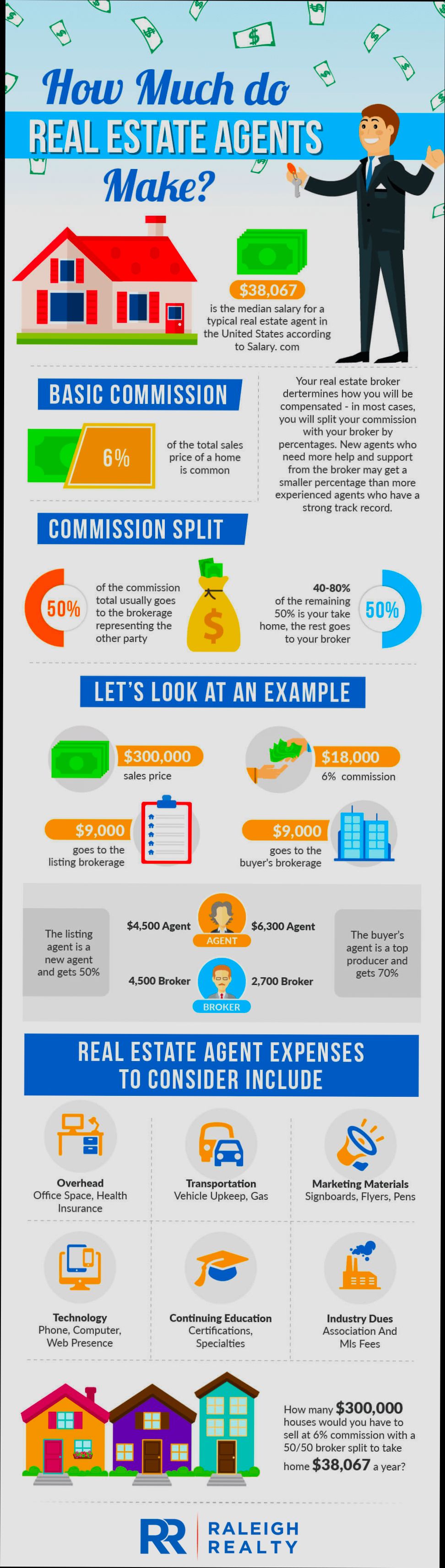
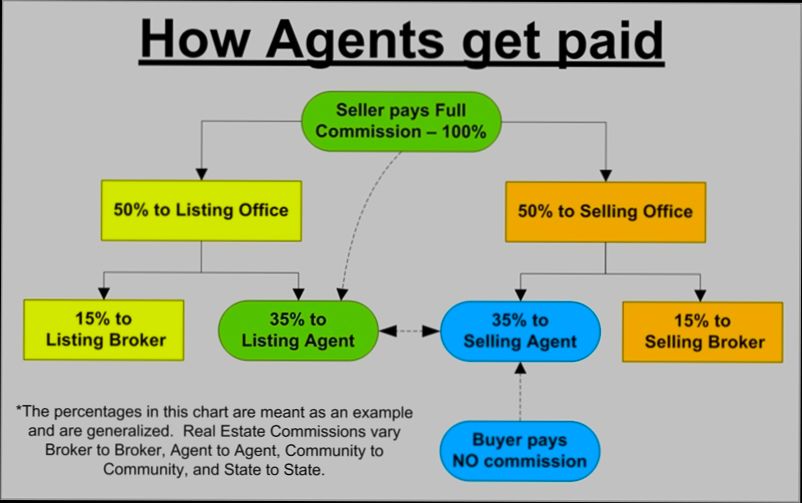
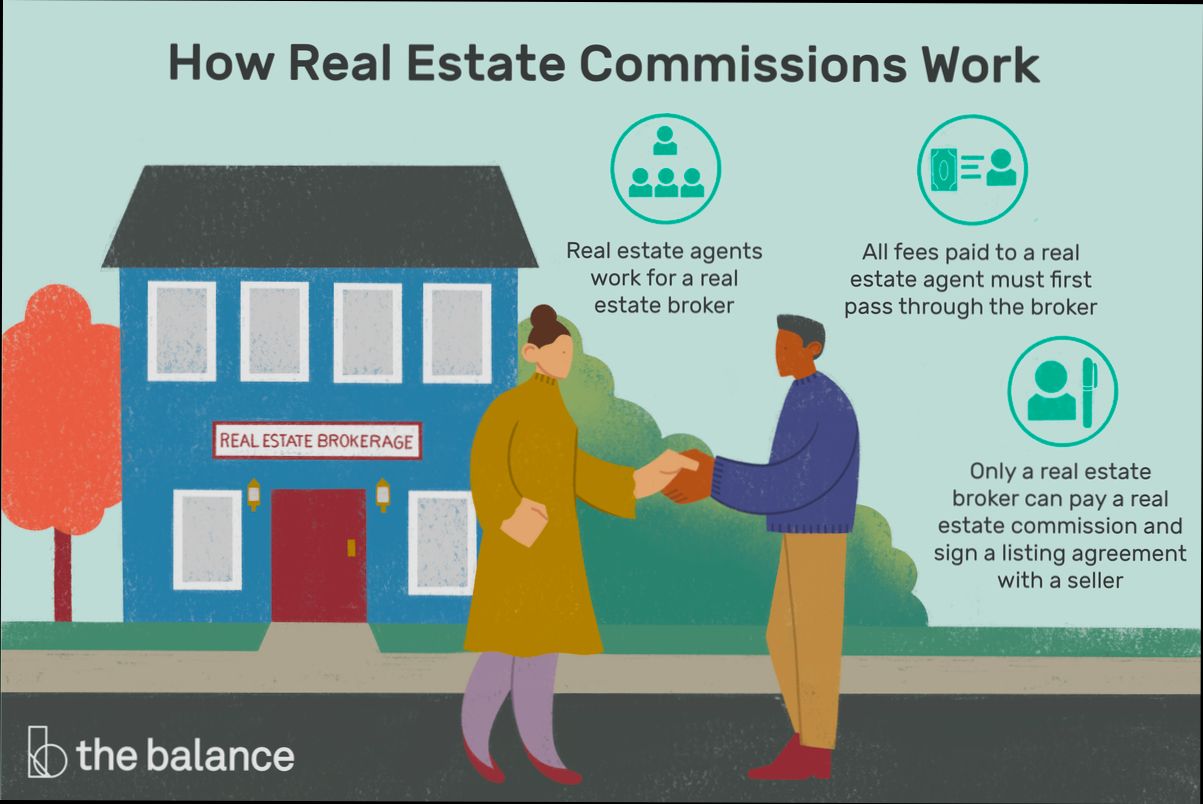
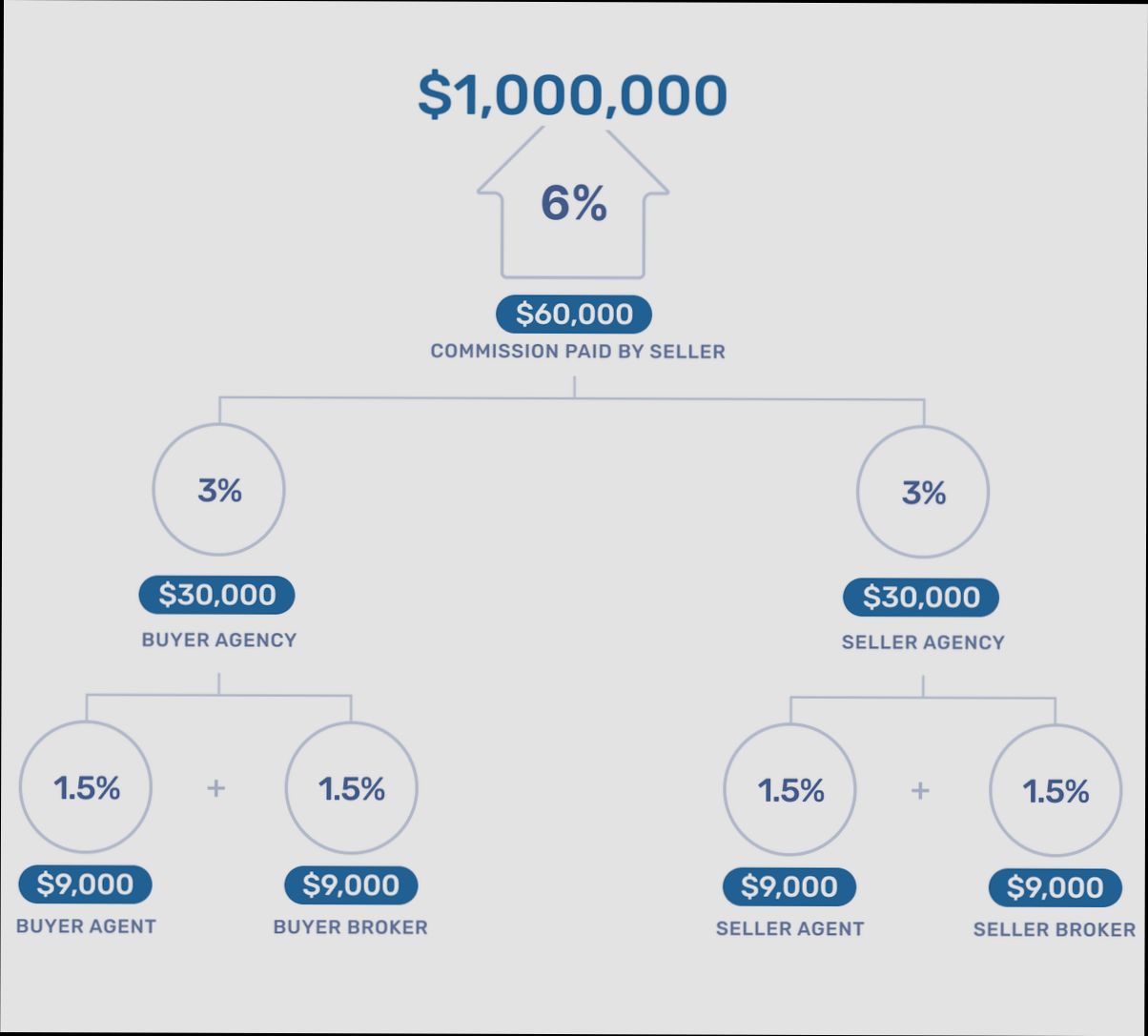
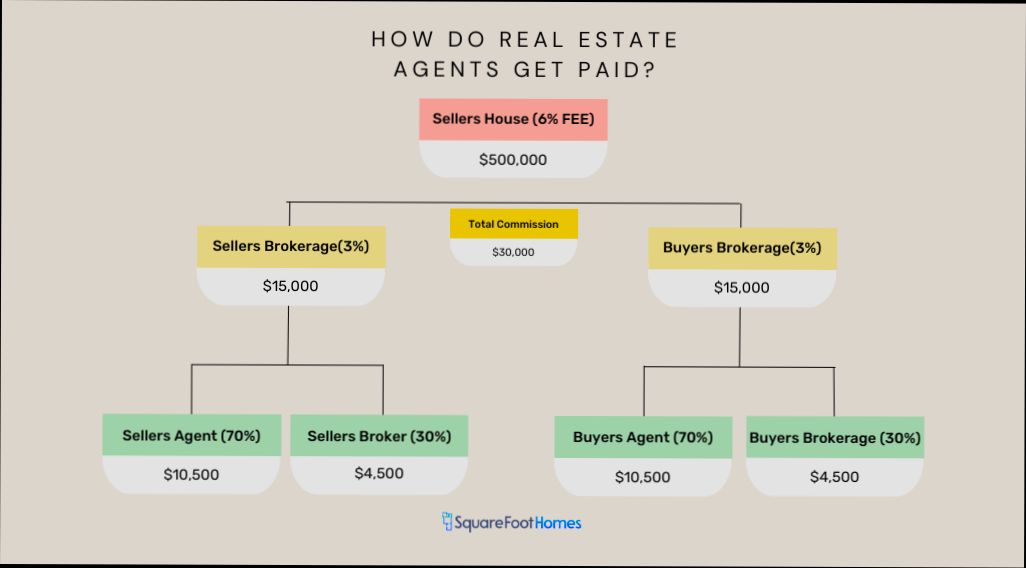
How do real estate agents get paid? It’s a great question and one that many first-time homebuyers and sellers ponder. Typically, agents earn their income through commissions, which usually range from 5% to 6% of the home’s sale price. So, let’s say you sell your house for $300,000; that could mean a paycheck of around $15,000 to $18,000 for the agent once the deal closes. It’s essential to note that this commission isn’t pocketed entirely by them. Agents often share this commission with their broker, which is another layer to the pay structure that many don’t consider.
Now, imagine you’re selling a property in a hot market like San Francisco, where homes can go for over a million dollars. With that sale, the agent’s commission can skyrocket to $30,000 or more. But there’s more to it. The commission usually comes into play only when a deal is successfully closed, meaning that a considerable amount of time, energy, and resources are devoted before they even see a dime. Agents invest in marketing, hosting open houses, and negotiating deals—all while facing the risk of not getting compensated if the sale falls through. So, it’s a hustle that combines patience, strategy, and a touch of risk, making it a unique earning experience.
Commission Structures in Real Estate
When we delve into the world of real estate, understanding commission structures becomes crucial for agents and clients alike. Commissions are the primary way that most agents earn their income, and they can vary significantly depending on various factors. Let’s unpack the details of how these commission structures work, including different types and what you can expect.
Types of Commission Structures
Real estate commissions typically follow a few primary structures:
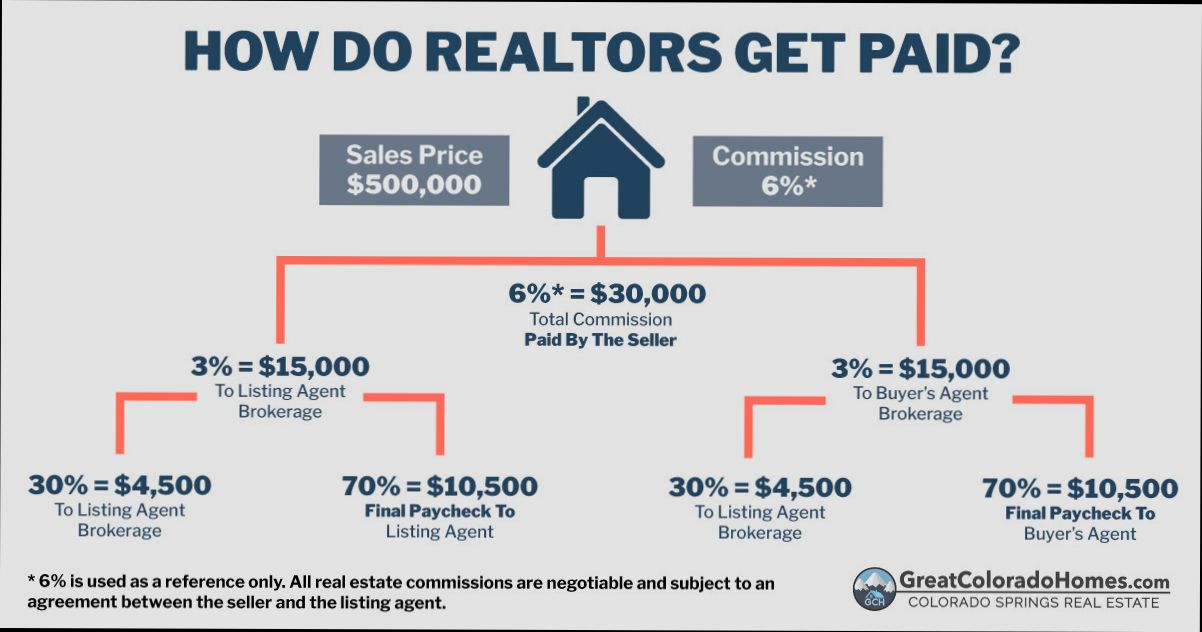
- Standard Commission Split: Traditionally, commission rates range from 5% to 6% of the property’s sale price. This amount is generally split between the seller’s agent and the buyer’s agent.
- Flat Fee Commission: Some agents offer a flat fee model, charging a predetermined amount regardless of the home’s sale price. This can be appealing for sellers who prefer upfront knowledge of costs.
- Tiered Commission Rate: This structure can involve varying percentage rates based on sale price thresholds. For instance, a 5% rate up to $500k, tapering down to 4% for amounts above that.
- Negotiable Commissions: Many agents are open to negotiating their commission, allowing you to find a structure that feels fair and reasonable based on your situation.
Comparative Overview of Commission Structures
| Commission Type | Standard Rate | Advantages | Disadvantages |
|---|---|---|---|
| Standard Commission Split | 5% - 6% | Familiarity, typical industry standard | Higher costs for sellers |
| Flat Fee Commission | Varies (e.g., $3,000) | Predictable costs, may save money | Less incentive for high sale price |
| Tiered Commission Rate | 4% - 6% based on thresholds | Potential savings above certain price points | Complexity in understanding fees |
| Negotiable Commissions | 5% - varies | Flexibility and tailored agreements | May require negotiation skills |
Real-World Examples of Commission Structures
To illustrate these structures in action, let’s consider a couple of case studies:
- Case Study 1: Standard Commission Split
In a recent transaction, a home sold for $300,000. The total commission was 6%, split equally between the two agents, resulting in each agent earning $9,000. This traditional model provides clarity for both parties.
- Case Study 2: Flat Fee Approach
An agent offered a flat fee of $5,000 to sell a $400,000 home. The seller appreciated knowing the total commission upfront, ultimately saving money compared to a traditional percentage-based commission, which could have been $24,000 at a 6% rate.
Practical Implications for Commission Structures
When deciding on commission structures, consider these actionable insights:
- Know Your Options: Familiarize yourself with various types of commission structures to determine what aligns best with your needs.
- Evaluate Costs: Calculate potential costs based on the selling price and expected commission rate to determine which structure offers the best financial outcome.
- Negotiate: Don’t hesitate to negotiate with your agent. Flexibility in commission structures can lead to better financial arrangements that suit you.
- Ask For Clarity: Ensure that all details of the commission structure are clearly outlined in your agreement, avoiding any potential misunderstandings later on.
Lastly, keep in mind that commission structures can vary widely by region and market. Understanding this landscape helps you make informed decisions about how to budget for agent commissions during your real estate transactions.
Exploring Listing and Transaction Fees
Understanding listing and transaction fees is crucial for both real estate agents and clients. These fees can significantly influence how agents earn their commissions and how clients budget for buying or selling property.
First off, let’s break down what listing and transaction fees entail. Listing fees generally refer to the costs associated with marketing a property, while transaction fees cover various charges incurred when a sale is finalized.
Key Insights on Listing and Transaction Fees
According to a recent survey, clients show clear preferences towards certain fee structures:
- A significant 60% of clients prefer transparent flat fees instead of traditional commission percentages, reflecting a shift in how buyers and sellers view real estate services.
- Approximately 45% of respondents expressed a desire for a hybrid model, where a lower commission is coupled with nominal transaction fees for specific services like inspections and appraisals.
This trend indicates that clients are looking for more predictable cost structures, moving away from the conventional percentage-based commission models.
Comparative Overview of Fee Preferences
| Characteristic | Clients’ Preferences | Future Fee Structures |
|---|---|---|
| Transparency | 60% prefer flat fees | Increased clarity expected |
| Hybrid Models | 45% favor mix of lower commission & fees | Adaptation of traditional models |
| Inclusive Services Offered | High interest in one-stop services | Potential growth in service bundling |
| Variable Costs | Concern over hidden fees | Anticipated adaptation in pricing strategies |
Real-World Examples
In 2023, a major real estate firm reported that its clients opting for flat fee structures saved an average of 15% compared to traditional commission models. This appeal likely stems from the straightforward nature of flat fees, ensuring clients know exactly what they’ll pay upfront.
Additionally, many agents have begun to adopt hybrid models to accommodate shifting client preferences. For instance, one prominent agency in California introduced a program where sellers pay a minimal listing fee while still benefiting from traditional value-added services, like professional staging and photography.
Practical Implications
Understanding the evolving landscape of listing and transaction fees is key for anyone involved in real estate. Here are a few actionable points to consider:
- Clients should thoroughly compare different fee structures offered by agents and be sure to ask for a breakdown of what services are included.
- Real estate professionals must adapt and provide clear, upfront information about all fees involved in transactions, easing concerns over hidden costs.
- It’s beneficial to stay updated on newer models and trends in the industry to meet client expectations effectively.
Specific Facts to Consider
- Approximately 30% of future transactions may involve service bundles that capitalize on the growing preference for transparency and value.
- Active communication about fees can enhance trust between agents and clients, leading to stronger relationships and potential referrals.
Being aware of these factors related to listing and transaction fees can empower both clients and agents, leading to more successful real estate transactions.
Real Estate Agent Income Statistics
When it comes to understanding how real estate agents get paid, the income statistics paint a revealing picture. Let’s dive into the numbers that showcase earnings for real estate brokers and sales agents, and what those figures mean for your potential career in real estate.
Income Overview
As of May 2023, the median annual wage for real estate brokers was $63,060, while real estate sales agents earned a median of $54,300. These figures indicate the general pay scale within the industry, but they also highlight the disparities in income based on experience and success levels.
Key Income Statistics:
- Lowest 10 Percent: Real estate sales agents in the lowest tier earned less than $31,410. This may reflect entry-level positions or those in less active markets.
- Top 10 Percent: Conversely, the top 10 percent of agents brought home substantial incomes, exceeding $100,000 annually. This is often the result of effective networking, marketing strategies, and market knowledge.
- Self-Employment: Approximately 54% of real estate agents are self-employed, which influences their income potential significantly. Self-employment can lead to greater earnings if agents build a strong client base and brand.
Comparative Income Table
| Income Category | Real Estate Brokers | Real Estate Sales Agents |
|---|---|---|
| Median Annual Wage | $63,060 | $54,300 |
| Lowest 10 Percent | < $36,490 | < $31,410 |
| Highest 10 Percent | > $100,000 | > $100,000 |
| Self-Employed Percentage | 54% | 53% |
Real-World Examples
Consider the experiences of real estate agents from a recent survey. One agent who has been in the business for over five years reported earnings of $75,000 annually, primarily due to specializing in high-demand neighborhoods. Meanwhile, a new agent shared their challenges, earning just above $30,000 in their first year, emphasizing that income varies greatly depending on effort and market conditions.
Practical Implications
For aspiring agents, understanding these statistics is crucial. The median wage gives a baseline, while recognizing the potential for higher earnings can serve as motivation. Here are a few actionable insights based on these income statistics:
- Networking is Key: Join local real estate groups to build connections, which can lead to higher sales and commissions.
- Market Knowledge: Stay informed about local market trends, as specialized knowledge can attract clients willing to pay for your expertise.
- Consider Specialization: Focusing on niche markets may result in higher commissions and a more robust client base.
Specific Advice
Always track your earnings and set realistic financial goals based on industry standards. While the median income offers a benchmark, strive to surpass it by investing time in personal branding and marketing strategies. This proactive approach will be pivotal in enhancing your earning potential and ultimately achieving success in your real estate career.
Case Studies of Agent Earnings
When we dive into the earnings of real estate agents, it’s essential to look at real-world cases that highlight the various income potentials and challenges agents face. The landscape can be quite mixed, with some agents thriving while others struggle to make ends meet, often leading to high turnover rates in the industry.
Key Statistics on Agent Earnings
- Income Variability: The median income for real estate sales agents can significantly vary based on experience, market, and individual network. For example, while some agents may earn upwards of $100,000 annually, others may earn less than $30,000, illustrating a broad spectrum in potential earnings.
- Turnover Rates: More than 90% of new agents quit within their first year, often due to low earnings and lack of client acquisition strategies.
- Work Hours: Successful agents typically report working over 40 hours a week, which isn’t just about selling properties but also includes networking and building relationships.
- Earning Potential Growth: The real estate market continues to expand, giving agents the potential for increased earnings as demand for housing grows.
Earnings Comparison Table
| Year of Experience | Average Annual Earnings |
|---|---|
| 0-1 Year | $30,000 - $35,000 |
| 1-3 Years | $40,000 - $55,000 |
| 3-5 Years | $55,000 - $75,000 |
| 5+ Years | $75,000 - $150,000+ |
Real-World Case Examples
1. New Agent Struggles: A newly licensed agent in a competitive urban market shared that despite the challenges, they were able to close three transactions in their first six months, earning around $25,000. However, they also encountered months with no sales, leading to financial stress that nearly pushed them to leave the profession. This highlights the financial unpredictability many new agents face.
2. Seasoned Agent Success: Conversely, a seasoned agent with over ten years of experience in the suburbs reported consistently earning over $120,000 annually. Their success stemmed from a strong network, effective marketing strategies, and a diversified income stream through rental properties, demonstrating a key to long-term stability in earnings.
3. Mid-Level Agent: One mid-level agent shared that after three years in the business, they earned $52,000 in their best year by leveraging relationships built with previous clients to generate referral business. They recognized that retaining past clients led to further sales, emphasizing the importance of maintaining connections for long-term success.
Practical Implications for Readers
Understanding these case studies can empower you as an aspiring agent or a client considering which agent to work with. If you’re new to real estate, focus on building relationships and capturing referrals early on. For clients, recognizing the variance in agent earnings can inform your decision on whom to hire—look for agents with proven track records and strong client loyalty.
- Networking: Make it a priority to network within your community and industry; this can lead to a sustainable income stream.
- Client Retention: Understand the value of repeat business and referrals, as they can significantly impact agent earnings over time.
- Market Knowledge: Stay informed about market trends to position yourself as a knowledgeable resource, which can enhance your earnings potential.
By grasping these real-world scenarios and statistics, you can navigate the real estate landscape more effectively—whether you are looking to start your career or hire an agent.
Benefits of Working with Agents
When entering the real estate market, collaborating with a qualified agent can be a game-changer. Agents not only navigate complex transactions but also provide valuable insights that can help you achieve your goals more effectively.
Knowledge of the Local Market
One of the most significant benefits of working with a real estate agent is their expertise in the local market. Studies show that agents familiar with specific neighborhoods can offer information on market trends and property values that could be crucial for making informed decisions. For instance, agents can pinpoint areas with increasing demand or provide data about the average days on market for similar properties, helping you optimize pricing strategies.
Negotiation Skills
Real estate agents are skilled negotiators equipped with the experience and tactics needed to close deals favorably. Research indicates that properties sold with the assistance of agents often achieve higher sale prices compared to those sold by owners without professional help. In fact, it is estimated that homes sold by agents can fetch up to 10% more in some markets, which can be a substantial financial advantage for sellers.
Access to Resources and Networks
Agents provide access to a broader network of resources that average buyers or sellers may not have. This includes:
- Professional Contacts: From inspectors to mortgage brokers and contractors, agents can connect you to trusted professionals.
- Market Insights: Agents often have access to exclusive market data and analytics that can help inform your decisions.
- Property Listings: Many listings aren’t publicly advertised; agents can provide early access to these opportunities.
Comparative Table of Direct Benefits
| Benefit | Agent Involvement | DIY Involvement |
|---|---|---|
| Local Market Expertise | Tailored insights on pricing and neighborhoods | Limited insights without extensive research |
| Negotiation Efficacy | Proven negotiation strategies resulting in higher sale prices | Potentially less effective negotiations |
| Resource Access | Network of industry contacts and exclusives | Limited to personal contacts |
Real-World Examples
Let’s consider a couple of real-world scenarios. A family planning to sell their home without an agent may face challenges, such as setting a competitive price based on market trends. By contrast, an agent guided another family to list their property just below market value, leveraging their negotiation skills, which resulted in multiple offers and eventually a 12% increase over their asking price.
In another situation, a buyer looking for investment properties benefited significantly from an agent’s connections to contractors and inspectors, which streamlined their renovation plans and avoided costly missteps. Agents not only saved time but also provided actionable strategies that directly impacted the buyer’s return on investment.
Practical Implications for Readers
If you’re thinking about diving into the real estate market, here’s what you should keep in mind:
- Engaging a real estate agent can save you time and stress in the transaction process.
- Consider interviewing multiple agents to gauge their expertise in your local area.
- Look for an agent with a strong negotiation track record, which could significantly impact your sale or purchase price.
Specific Facts or Actionable Advice
Did you know that nearly 90% of home sellers use an agent? This statistic underscores the common acknowledgment of the unique benefits agents bring to the transaction. If you’re reluctant about agent fees, remember—many agents work to earn their commission by ensuring you get the best possible outcome in your transaction. Don’t hesitate to invest in their services, as the potential returns can far outweigh the costs.

Negotiating Commission Rates Effectively
Navigating commission rates is a vital skill when working with real estate agents. Understanding how to approach negotiations can lead to more favorable outcomes for you as a client. Here, I’ll share actionable insights to help you negotiate commission rates effectively.
Key Insights into Negotiating Commission Rates
1. Knowledge is Power: Familiarize yourself with the typical commission rates in your area. Research indicates that clients who are informed about local market rates are more confident in their negotiations. Knowing that the norm is between 5% and 6% can give you leverage to negotiate.
2. Identify What You Can Offer: Consider factors that can make you a more attractive client to an agent. Perhaps you have a property that could sell quickly or are buying in a high-value area. Offering a higher commission rate for faster closings might persuade agents to lower their standard rates for you.
3. Timing Matters: Engage in negotiations during slower market periods when agents might be more willing to compromise. In a recent survey, 40% of agents reported a willingness to negotiate rates during quieter months as they seek to secure listings.
Comparative Table of Commission Negotiation Strategies
| Strategy | Description | Potential Savings (%) |
|---|---|---|
| Offer a Flat Fee | Propose a fixed commission instead of a percentage | 1-2% |
| Provide Referrals | Agree to refer future clients to the agent | 0.5-1% |
| Sell Quickly | Commit to a speedy sale to incentivize an agent | 1-2% |
| Bundle Services | Combine multiple transactions (buy/sell) | 1-3% |
Real-World Examples of Effective Negotiation
In a case study from a suburban market, a client who sold their home for $450,000 negotiated a commission rate from 5% to 4% after demonstrating their willingness to refer multiple friends to the agent. This showcases how leveraging your network can lead to significant savings.
Another example came from a buyer in a competitive market who negotiated a 0.5% reduction in their commission by offering the agent the chance to represent them in two upcoming listings. This strategic approach not only benefited both parties but also reduced the overall costs involved.
Practical Implications for Readers
As you prepare to negotiate commission rates, consider these actionable steps:
- Do Your Research: Compile data on local commission rates and be ready to discuss them.
- Communicate Openly: Be transparent about your budget and seek to find common ground without sacrificing quality service.
- Assess Agent Experience: Newer agents may have more flexibility to negotiate their rates than seasoned professionals.
Specific Facts and Tips on Negotiating Commission Rates
- Utilize online platforms to assess competitors’ commission rates in your locality for better data.
- Remember, negotiations should be win-win; successful outcomes often lead to referrals and positive relationships.
- Finally, frame your conversations around value; if you can convey that you are committed to a successful sale, agents may be more receptive to your negotiation style.

Different Payment Models Explained
Understanding the various payment models in real estate is essential for both agents and clients. Each model provides a unique way for agents to earn their income, influenced by factors such as client preferences and market dynamics. Let’s dive into the most common payment models and how they impact the earnings of real estate professionals.
Common Payment Models
Real estate agents have several payment models to choose from, and each comes with its own set of rules and potential earnings. Here are a few primary models:
- Flat Fee Model: In this structure, agents charge a predetermined fee for their services, regardless of the selling price of the property. This flat fee can vary significantly by region and service offered.
- Hourly Rate: Although less common in real estate, some agents may charge clients on an hourly basis, particularly for consulting services or when representing a client in a specific negotiation or transaction.
- Retainer Fees: Some agents operate on a retainer basis, charging a monthly fee for availability and commitment to a client’s needs over a set period. This model guarantees the agent’s time and effort for ongoing support.
Comparative Payment Models
| Payment Model | Description | Key Benefits |
|---|---|---|
| Flat Fee | Set fee regardless of sale price | Predictable costs for clients |
| Hourly Rate | Fee charged per hour of service | Pay only for needed time |
| Retainer Fees | Monthly fee for support availability | Ongoing commitment from the agent |
Real-World Examples
Consider an agent working under a flat fee model who charges $5,000 to list a home. If that home sells for $400,000, the agent still pockets the same fee, making this model attractive for clients who prefer cost certainty.
On the other hand, an agent who uses an hourly rate might charge $150 per hour for consultations, appealing to clients who only need specific advice during their property search. In such cases, if a client hires the agent for ten hours, they would pay $1,500 for professional guidance.
Agents charging retainer fees usually establish a monthly fee of around $1,000. This ensures clients access ongoing expertise, which can be especially beneficial in volatile markets.
Practical Implications
Choosing a payment model often depends on the client’s preferences and the specific demands of their real estate situation. It’s crucial for clients to assess what type of payment structure aligns with their needs:
- Evaluate the total expected costs against the services you desire.
- Consider potential savings with a flat fee model if you anticipate a high sale price.
- If unsure about your needs, an hourly rate might offer flexibility without a long-term commitment.
By understanding different payment models, you can make an informed decision that best suits your situation and goals in the real estate market. Remember to weigh the pros and cons specific to your needs before deciding on the right payment structure.