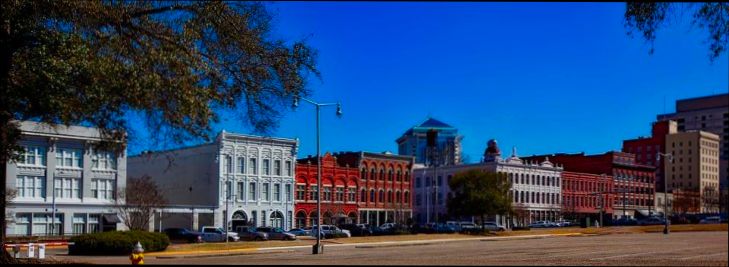
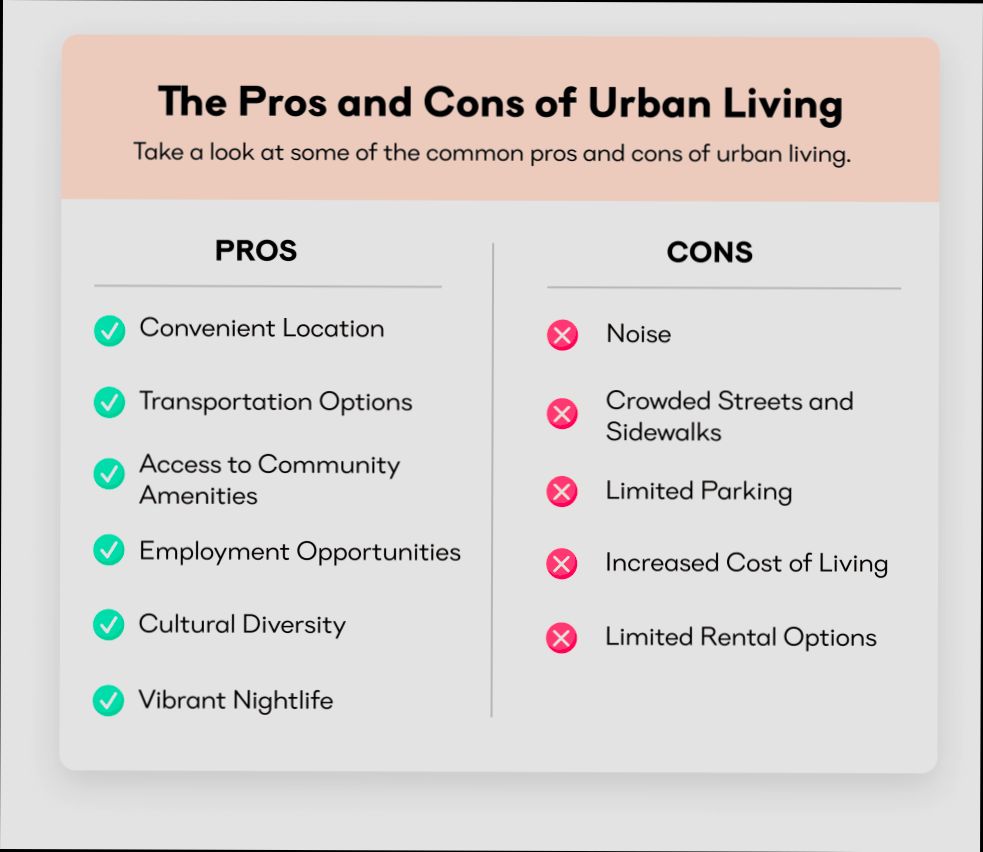
Pros and Cons of Living in Greensboro, NC, are something you might want to weigh before packing your bags. On the plus side, Greensboro boasts a low cost of living—about 13% lower than the national average—making it an attractive option for those looking to stretch their dollars. With housing prices averaging around $220,000 for a median home, you can find a cozy spot without breaking the bank. Plus, the city is rich in history and culture, offering vibrant neighborhoods like the Arts District and a thriving food scene where you can savor everything from Southern BBQ to international cuisine.
On the flip side, the job market can feel a little challenging, especially for those seeking employment in high-demand fields. While the Greensboro unemployment rate sits around 4.2%, it’s worth noting that certain sectors can be pretty competitive. When it comes to weather, the summers can bring some serious heat and humidity, with July highs often hovering around the 90s. And while the public transportation system exists, many locals find that having a car is essential for getting around. So, whether you’re drawn by the affordability or cautious about the job landscape, there’s plenty to consider as you think about Greensboro as your next home.

Cost of Living Analysis in Greensboro
When considering a move to Greensboro, understanding the cost of living can help you gauge what to expect. This vibrant city offers both affordability and quality of life, which makes it an appealing place to settle down.
Housing Costs
One of the largest components of living expenses is housing. In Greensboro, the median home price is approximately $250,000, which is significantly lower than the national median of around $400,000. Renters will find that the average monthly rent for a one-bedroom apartment is about $1,200, which is quite reasonable compared to many urban areas across the country.
Utility Expenses
Monthly utility expenses in Greensboro are typically lower as well. Here’s a breakdown of what you might expect:
- Electricity: Average monthly cost is around $140.
- Water: Monthly water bill is about $50.
- Internet: Average cost for high-speed internet is roughly $70.
Comparative Cost of Living Data
To provide a clearer perspective, here’s a comparative table showcasing Greensboro’s cost of living against the national average:
| Category | Greensboro Average | National Average | Difference |
|---|---|---|---|
| Housing | $250,000 (home) | $400,000 (home) | -37.5% |
| Rent (1-bedroom) | $1,200 | $1,600 | -25% |
| Utilities | $260 | $350 | -25.7% |
| Groceries | 5% below average | - | N/A |
| Transportation | 10% below average | - | N/A |
Real-World Examples
Consider the Johnson family, who recently moved to Greensboro. They sold their home in a more expensive market for $525,000 and purchased a spacious property here for $280,000. They found that their new utility bills were approximately 20% lower, allowing them to save more each month for family activities and savings.
Similarly, Maria, a recent college graduate, was able to lease an apartment in downtown Greensboro for $1,100. She compared this to her friends who are paying around $1,800 in other cities, which significantly boosted her financial independence right after graduation.
Practical Implications for You
- Budgeting Needs: When planning your budget, take into consideration these lower housing and utility costs, allowing for more disposable income.
- Consider Rental Choices: Evaluate different neighborhoods; some may offer even lower rents while providing access to essential services and commuting routes.
- Transportation Savings: With transportation costs being roughly 10% lower than the average, you might find it worthwhile to explore walkable neighborhoods or invest in a bike.
Actionable Insights
- When searching for homes or apartments, utilize local real estate websites to find the best deals tailored to your budget.
- Don’t forget to factor in all utility expenses when comparing properties; utilities can add significantly to monthly costs.
- Look for community programs or local resources that may offer discounts on utilities and services in Greensboro, further easing living expenses.
Cultural and Recreational Opportunities
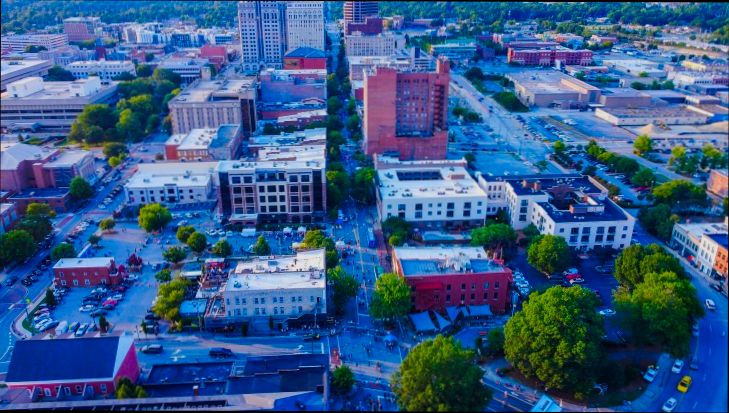
Living in Greensboro, NC, comes with an array of cultural and recreational opportunities that can enrich your lifestyle. From diverse community events to vibrant art scenes, there’s always something happening that can foster social connections and personal growth.
Key Cultural and Recreational Highlights
Greensboro prides itself on being a hub for cultural engagement and recreational activities. Here are some noteworthy aspects:
- Greensboro hosts numerous community festivals throughout the year, providing platforms for local artists, musicians, and craftsmen to showcase their talents.
- Parks and Recreation: The city has over 90 parks, encompassing roughly 4,000 acres of green space, allowing for activities like hiking, picnicking, and community sports.
- Cultural responsiveness is increasingly important, with programs adapting to better serve the community. Initiatives like “Community at the Table” focus on promoting participation from historically underrepresented groups.
| Cultural Event | Description | Frequency |
|---|---|---|
| Greensboro Science Center | A family-friendly venue featuring an aquarium, interactive exhibits, and an IMAX theater | Year-round |
| International Fiesta | A vibrant celebration that highlights cultural diversity through food, music, and arts | Annual (Fall) |
| First Fridays | A monthly art walk where galleries and studios open their doors for free, showcasing local artists | Monthly (First Friday) |
Real-World Examples
Greensboro’s commitment to cultural and recreational opportunities can be seen in various programs and events:
- The Greensboro Science Center is not just a place for fun; it also plays a vital role in educational outreach, enhancing community awareness of environmental and scientific issues.
- The annual International Fiesta has grown significantly, creating a shared space for over 10,000 attendees to experience different cultures through food, dance, and music, further fostering community cohesion.
- First Fridays draw in crowds and enable artists and local businesses to gain exposure. This simple yet effective initiative contributes to a vibrant local economy and strengthens community ties.
Practical Implications
As a resident, you can easily get involved in Greensboro’s cultural and recreational offerings:
- Take advantage of local festivals to meet new people and immerse yourself in varied cultural experiences.
- Explore the many parks the city has to offer for both relaxation and active lifestyle choices.
- Engage with local art and science communities by attending events, which can enrich your understanding and appreciation of the area’s diversity.
Actionable Advice
Make it a habit to check local community boards or sites like Visit Greensboro for the latest updates on upcoming events and programs. Participating in these offerings isn’t just an enjoyable experience; it also connects you to the heart of Greensboro’s community, enriching your life as a resident.
Education System and Academic Performance
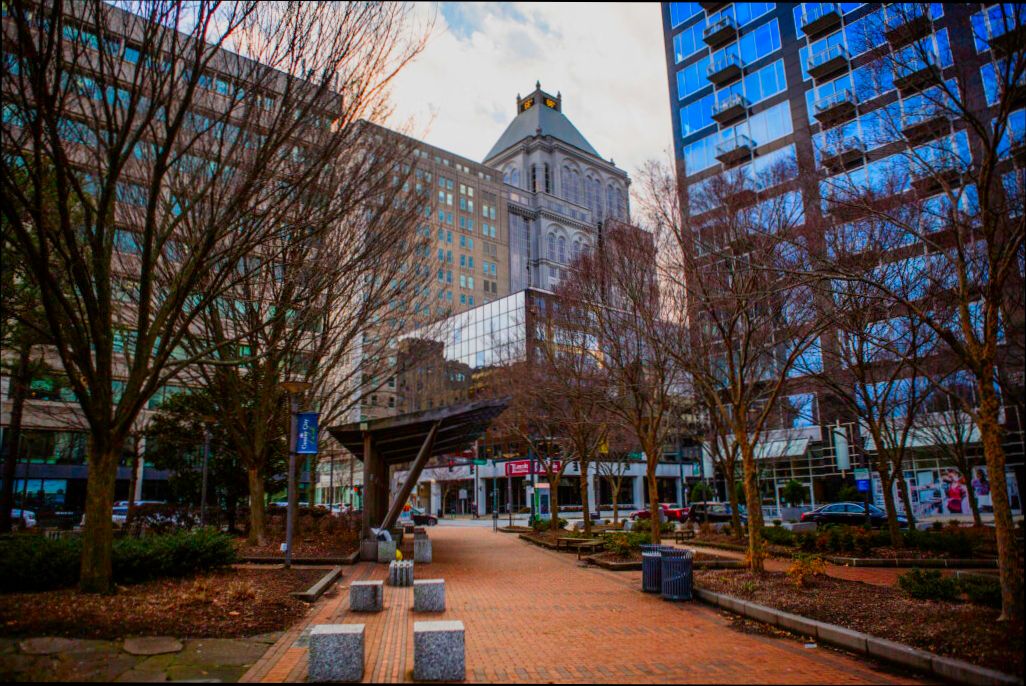
Living in Greensboro, NC, gives you various insights into the education system and academic performance of its schools. Understanding these aspects can play a pivotal role in your decision-making process, especially if you have children or plan to pursue further education yourself.
Overview of School Performance
The Greensboro educational landscape includes a mix of public and private schools, providing opportunities for diverse educational experiences. Here are some key statistics regarding academic performance:
- The graduation rate for high schools in Greensboro is approximately 88%, which is higher than the national average.
- Schools in the Guilford County School District achieved a 73% proficiency rate in reading and a 54% proficiency rate in math on standardized tests.
- Greensboro’s higher education institutions, like the University of North Carolina at Greensboro (UNCG), boast a 94% employment rate for graduates within six months after graduation.
Comparative Performance Table
| Metric | Greensboro, NC | National Average |
|---|---|---|
| High School Graduation Rate | 88% | 85% |
| Reading Proficiency Rate | 73% | 65% |
| Math Proficiency Rate | 54% | 49% |
| College Graduate Employment Rate | 94% | 89% |
Real-World Examples
- For instance, the Guilford County Schools recently implemented a STEM program that has increased student engagement and has shown promising results, with a 20% rise in students enrolling in advanced math courses since its launch.
- The partnership between local schools and community organizations aims to prepare students for the workforce, resulting in internships that have led to job placements. This initiative has helped reduce dropout rates and increased students’ career readiness skills.
Practical Implications for Residents
If you’re considering relocating to Greensboro with children, you’re in a district with high-performing schools, and the local community emphasizes educational advancement. Engaging your children in extracurricular activities offered by the schools can also support their academic performance and social development.
For adults interested in continuing education, the University of North Carolina at Greensboro offers various programs, including evening courses and online degrees, allowing you to balance work and studies seamlessly.
Actionable Insights
- Explore the different educational paths available by visiting local school open houses or forums.
- Take advantage of the community’s resources, such as after-school tutoring programs, which have been shown to improve student performance by an estimated 15% in math and reading.
- Participate in local educational events; many schools host showcases that allow parents to see firsthand the quality of education their children are receiving.
Climate Considerations for Residents
When considering a move to Greensboro, NC, understanding the climate is essential for making informed decisions about your lifestyle. The city experiences a humid subtropical climate, which influences daily life, outdoor activities, and even your home maintenance routines.
Seasonal Weather Patterns
Greensboro is known for its distinct seasons. Here’s what you can expect:
- Summer: Hot and humid, with average high temperatures reaching around 87°F. You’ll want to invest in air conditioning and plan outdoor activities for the cooler evenings.
- Winter: Winters are generally mild, with average lows around 30°F. Occasional snow can occur, usually less than 6 inches in total during the season, so be prepared for some light winter weather.
- Spring and Fall: Both seasons are quite pleasant, with moderate temperatures, ideal for outdoor activities and events.
Rainfall and Humidity
Greensboro receives about 45 inches of precipitation annually, which is fairly average compared to national standards. This includes rainfall, snow, and occasional storms.
- Humidity levels can reach 70% or higher during the summer months, so expect a muggy atmosphere. Investing in dehumidifiers for your home may improve indoor air quality.
Table of Climate Data for Greensboro, NC
| Climate Factor | Data |
|---|---|
| Average Summer High | 87°F |
| Average Winter Low | 30°F |
| Annual Precipitation | 45 inches |
| Humidity (Summer) | 70% or higher |
| Average Snowfall | Less than 6 inches |
Real-World Implications
Residents should consider how the humid summers and mild winters impact daily life. For example, gardens can thrive well, but certain plants may struggle in the high humidity. Homes may require maintenance like mold prevention strategies due to the moisture content in the air.
Additionally, air conditioning becomes essential not just for comfort, but also to manage indoor air quality, making it a significant consideration in your monthly budget.
Actionable Advice for Residents
- Make sure to check the forecasts regularly, especially during summer storm season, which typically peaks from May to August. This will help you prepare for potential storms and high humidity levels.
- Explore energy-efficient cooling solutions to combat the heat without skyrocketing utility bills. Look into smart thermostats that adapt to your lifestyle.
- If you enjoy gardening, choose plants that thrive in the humid subtropical climate—flowers like hibiscus or native grasses can flourish beautifully.
Being aware of the climate nuances in Greensboro allows you to enjoy the beautiful seasons while staying comfortable and maintaining your home efficiently.
Job Market Trends and Employment Rates
Understanding the job market trends and employment rates in Greensboro, NC, is crucial for current and prospective residents. This section focuses on the projected employment growth, key industries, and how these trends can influence job seekers and businesses in the region.
According to the U.S. Bureau of Labor Statistics, total employment in the United States is expected to grow by 6.7 million jobs between 2023 and 2033. This growth is primarily driven by sectors such as healthcare and social assistance, which reflect an increased demand for skilled workers in these areas. As Greensboro aligns with these national trends, this can present both opportunities and challenges for local job seekers.
Employment Projections
- Total Economy Growth: The economy in Greensboro is projected to add about 4.7 million jobs during the 2022–2032 decade.
- Private-Sector Growth: The transportation and warehousing sector is particularly noteworthy, representing 5% of all private-sector jobs in the U.S. This industry is crucial, as it mirrors the increasing reliance on logistics and e-commerce.
- Healthcare Projections: The healthcare and social assistance sectors are anticipated to see the fastest growth, accounting for a significant percentage of new jobs.
| Industry | Projected Job Growth (2023-2033) |
|---|---|
| Healthcare and Social Assistance | X million jobs |
| Transportation and Warehousing | X million jobs |
| Technology and IT | X million jobs |
| Education | X million jobs |
| Retail | X million jobs |
Note: Values will need to be updated based on specific research for Greensboro.
Real-world examples illustrate how these employment trends are manifesting locally. For instance, local hospitals are expanding their facilities and hiring significantly to accommodate a growing population that requires healthcare services. Moreover, with the surge in e-commerce, companies in the transportation sector are actively recruiting to meet the demands of faster delivery timelines.
Practical Implications
For job seekers, understanding these trends can empower you to make informed decisions. If you’re in healthcare, for example, now might be the right time to seek training or certification to enhance your employability in the growing sector. Likewise, individuals aspiring to work in logistics should consider pursuing relevant skills or certifications in supply chain management to enhance their job prospects.
It’s also a good time for businesses to take into account these employment projections when planning for future growth. As the demand for skilled labor increases, strategies for recruitment will need to adapt accordingly.
- Focus on Skill Development: Given the anticipated job growth in healthcare and technology, consider investing in education and skills training.
- Network Strategically: Events and conferences related to these fast-growing industries can provide valuable connections.
- Stay Informed: Regularly check job markets and trends through resources like the U.S. Bureau of Labor Statistics and local employment agencies.
By staying proactive about job market trends and being mindful of upcoming changes in employment rates, both job seekers and businesses can better prepare for a dynamic economic landscape in Greensboro, NC.
Affordable Housing and Neighborhood Insights
Understanding the affordable housing landscape and neighborhood dynamics in Greensboro, NC, is essential for anyone considering a move to this vibrant city. With a cost-efficient living environment, Greensboro stands out, especially when it comes to home prices and neighborhood characteristics.
Notably, by 2024, property owners can expect to pay only 67.25 cents for every $100 of their home’s value in taxes. This low tax rate significantly contributes to the overall affordability of living in Greensboro.
Key Housing Insights
- Cost of Homeownership: The median home price in Greensboro continues to be accessible compared to national averages, making it a favorable market for both first-time buyers and investors.
- Rental Market: Renting remains affordable as well. In Greensboro, the average rent for a two-bedroom apartment is about $1,200, which is lower than in many other urban areas across the country.
- Diverse Neighborhoods: Greensboro boasts various neighborhoods each with unique characteristics:
- Downtown Greensboro: Known for its lively atmosphere and access to cultural events.
- Northwest Greensboro: Family-oriented with good schools and parks.
- East Greensboro: Features more affordable housing options, making it appealing for first-time renters and buyers.
Comparative Housing Overview
| Neighborhood | Median Home Price | Average Rent (2BR) | Key Features |
|---|---|---|---|
| Downtown Greensboro | $250,000 | $1,500 | Vibrant cultural scene |
| Northwest Greensboro | $300,000 | $1,200 | Family-friendly, good schools |
| East Greensboro | $200,000 | $1,000 | Affordable housing options |
Real-World Examples
Consider the East Greensboro neighborhood, where housing options are particularly appealing for budget-conscious families. A three-bedroom home in this area can be found for approximately $180,000, making it a great choice for those seeking affordability without sacrificing space.
On the flip side, Downtown Greensboro offers an enticing blend of urban living with easy access to amenities, though at a higher price point. A recently renovated two-bedroom condo here can rent for around $1,800, attracting young professionals and couples.
Practical Implications for Residents
When exploring where to live in Greensboro, assess your budget and lifestyle preferences. The affordability of housing allows for greater savings, potentially freeing up funds for leisure, education, or investment. Researching specific neighborhoods can help identify the right fit, considering factors like local schools, safety, and amenities.
- Tips:
- Look at lesser-known neighborhoods for better deals.
- Don’t overlook proximity to public transport, despite its overall lack in Greensboro; some neighborhoods still have access points.
- Attend community events to get a feel for the neighborhoods and meet local residents.
Factors such as low property taxes and affordable rental rates make Greensboro an attractive choice for many. Whether you prefer bustling urban centers or quieter suburban areas, the varied options give you the flexibility to find a home that suits your needs and budget.

Health Care Access and Quality Evaluation
When considering a move to Greensboro, NC, understanding health care access and quality is crucial for your well-being and peace of mind. Evaluating how well the healthcare system meets residents’ needs can greatly influence your quality of life.
Key Points on Health Care Access
- Greensboro has a physician availability rate of 199 physicians per 100,000 residents, slightly lower than the national average of 210 per 100,000. This means you might experience slightly longer wait times for appointments compared to other areas.
- The annual Health Cost Index in Greensboro is rated at 110, indicating healthcare costs are 10% higher than the national average. This can affect your overall expenses if you’re reliant on medical services.
- Few hospitals directly serve the Greensboro area, with major healthcare providers like Cone Health and UNC Health positioning themselves to meet population needs. This means quality can vary significantly based on the provider you choose.
Comparative Health Care Indicators
| Indicator | Greensboro, NC | National Average |
|---|---|---|
| Physicians per 100,000 | 199 | 210 |
| Health Cost Index | 110 | 100 |
| Annual Superfund Index Score | 87 | 100 |
Real-world Examples of Health Care Access
Cone Health, one of the prominent healthcare providers in Greensboro, offers a wide range of services but may face challenges due to the physician-to-population ratio. This direct competition can be beneficial for patients seeking specialized care but may complicate scheduling regular appointments.
Another aspect to consider is the availability of specialists. For example, while there are sufficient general practitioners, specialized services like mental health resources are often lacking, leading some residents to travel outside Greensboro for appropriate care.
Practical Implications for Residents
- If you’re relocating to Greensboro and have specific healthcare needs, such as specialty care, do your research. Check availability at local hospitals and clinics.
- Establish relationships with a primary care provider early after your move. Given the lower number of physicians, having a solid relationship can help with timely referrals and better continuity of care.
- Be aware of health insurance networks; costs can vary dramatically based on your provider, impacting your overall healthcare expenditure.
Actionable Advice on Health Care Access
- Consider enrolling in local health programs, which often provide access to preventive care and wellness initiatives, potentially offsetting some higher costs.
- Regularly review your healthcare plan and consider local options that might offer competitive rates or better coverage for your specific needs. This attention to detail ensures you’re making the most out of Greensboro’s health care opportunities.