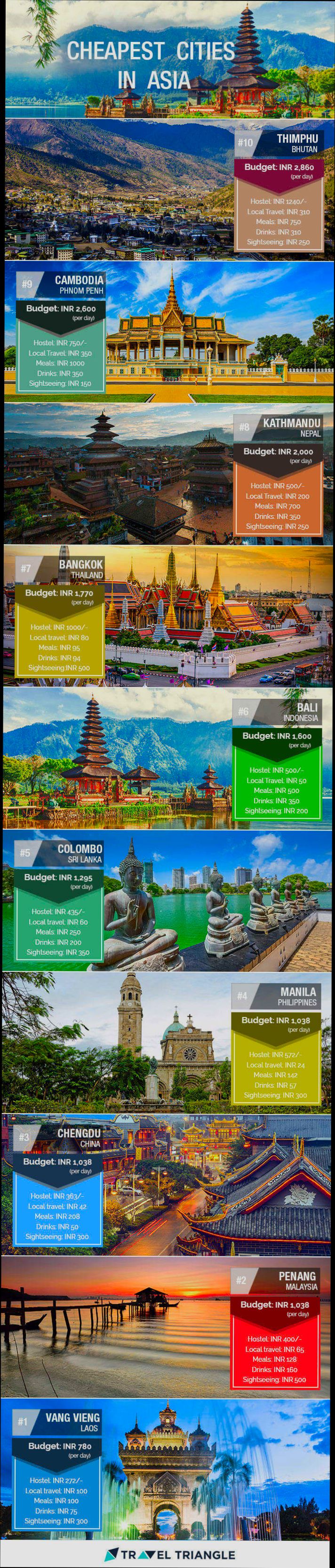
What are the Cheapest Cities in Asia? If you’re dreaming of traveling or even relocating without breaking the bank, Asia has some hidden gems that’ll make your wallet happy. Take Hanoi, for instance, where a hearty bowl of pho costs around $1 and a comfortable apartment can be snagged for under $400 a month. If you’re in the mood for an adventure, head over to Chiang Mai in Thailand, where you can indulge in street food for just a few bucks while enjoying an affordable lifestyle—think around $300 a month for living expenses!
Don’t overlook cities like Manila in the Philippines, where street vendors whip up delicious meals for less than $2. Or consider Kampot in Cambodia, where you can chill by the riverside and find decent accommodation for around $250 a month. With these cost-effective options, you can explore new cultures, taste authentic cuisines, and live comfortably while saving cash for your next adventure. Each of these cities showcases vibrant life, rich history, and incredible food—proof that you don’t need to be rich to experience the best of what Asia has to offer!
Statistical Overview of Affordable Living
Understanding affordable living is crucial in today’s rapidly changing economic landscape. With skyrocketing costs in various parts of the world, many individuals are finding it increasingly challenging to secure affordable housing. In this overview, we will explore key statistics and insights into what constitutes affordable living, particularly focusing on housing cost burdens and the implications for households.
Key Statistics on Housing Affordability
A significant measure of housing affordability is whether households are considered “cost burdened.” According to recent data, here are some eye-opening statistics:
- In the United States, 31.3% of households are cost burdened, which means that more than 30% of their income goes toward housing expenses.
- This includes 27.1% of households that have mortgages and a staggering 49.7% of rental households facing the same financial strain.
- The Pew Research Center reports that concerns about housing affordability have significantly grown, with 69% of Americans feeling “very concerned” about the issue.
Cost Burden Insights
Below is a comparative table showing housing cost burdens among different types of households:
| Household Type | Percentage Cost Burdened |
|---|---|
| All Households | 31.3% |
| Households with Mortgage | 27.1% |
| Rental Households | 49.7% |
Real-World Examples of Housing Costs
These statistics illustrate the real-world implications of housing affordability. For instance, you might know someone who pays more than half of their income on rent, which places them in that troubling 49.7% category. This predicament echoes nationwide, making it evident that affordable living is at risk.
Cities in Asia may offer affordable living options, yet the statistics from the U.S. provide a useful benchmark for understanding how global housing markets impact individuals. For example, in countries where housing costs are lower relative to income, we can see a reverse trend.
Practical Implications for Affordable Living
When seeking affordable living conditions, it’s essential to consider several factors:
- Location Matters: Cities that traditionally have lower housing costs might offer more stability for households under financial strain.
- Housing Designations: Understanding whether you fall into the cost-burdened category can help in seeking assistance or advocacy for affordable housing initiatives.
- Renting vs. Buying: Evaluate your options carefully, especially with rent burdens nearing 50%. It might be prudent to consider ownership in areas where the market is more favorable.
Actionable Advice
If you find yourself among the cost-burdened, consider these steps:
- Review Your Budget: Know your financial limits and adjust your spending in other areas to manage housing costs better.
- Explore Housing Assistance Programs: Many initiatives target low-income families to provide affordable housing solutions.
- Advocate for Change: Join movements that push for policies that promote affordable living to alleviate the financial burden on many households.
By focusing on these insights and statistics, you can better navigate the intricacies of affordable living in today’s economic environment.
Top Sacrifices for Cheap Cities
Living in inexpensive cities often comes with a unique set of trade-offs. While the cost of living may be lower, you might find yourself making various sacrifices that can influence your lifestyle profoundly. Let’s explore what you may have to give up when you choose to reside in some of Asia’s most affordable metropolises.
Employment Opportunities
One of the most significant sacrifices involves job opportunities. Many cheaper cities may not host major corporations or industries, which can limit your career growth. For instance, a city like Varanasi in India, while affordable, has limited job options outside of traditional sectors. This often leads to lower average salaries. Research indicates that job opportunities in these cities can be 25% less compared to more metropolitan areas, affecting both employment prospects and salary scales.
Quality of Healthcare
In cheaper cities, healthcare facilities might not meet the same standards as those in larger urban centers. A study showed that residents in budget-friendly locations, such as Chiang Mai, Thailand, often experience longer wait times for medical services—up to 30% longer—compared to cities like Bangkok. You may need to prioritize preventive care over specialized treatment due to limited access.
Educational Resources
When it comes to education, the sacrifices can be pronounced, particularly for families. In cities like Tbilisi, Georgia, public schools may not provide the same quality of education as in more expensive areas. Over 40% of parents reported considering private schooling, which can significantly impact the overall cost of living. Additionally, fewer educational resources such as libraries and extracurricular activities can limit children’s development opportunities.
Amenities and Infrastructure
Another critical area of sacrifice is local amenities and infrastructure. Cities offering lower living costs often lack high-quality public services. For example, cities like Baku, Azerbaijan, may provide affordable housing but often struggle with under-maintained public transportation systems. Approximately 35% of residents express dissatisfaction with available local amenities, including parks, recreational centers, and cultural institutions.
| City | Average Cost of Living | Job Opportunity Shortfall | Healthcare Wait Times Increase | Educational Quality Rating |
|---|---|---|---|---|
| Varanasi | Low | 25% less | N/A | 5/10 |
| Chiang Mai | Moderate | 10% less | 30% longer | 7/10 |
| Tbilisi | Low | 15% less | N/A | 6/10 |
| Baku | Moderate | 20% less | 15% longer | 5/10 |
Case Study: Chiang Mai
In Chiang Mai, many expatriates are attracted by the low monthly costs, which can be less than $800. However, they often find themselves sacrificing access to state-of-the-art medical facilities. The area’s limited job opportunities also mean that many rely on online work or freelance jobs, which may not offer traditional job benefits like health insurance or retirement plans.
Practical Implications
If you’re seriously considering moving to one of the cheapest cities in Asia, be prepared to weigh these sacrifices carefully. It’s essential to:
- Research the local job market thoroughly.
- Assess the healthcare facilities available in the area.
- Explore educational options if you have children.
- Understand local amenities and how they might impact your quality of life.
Recognizing these key sacrifices ahead of time can help you plan better, ensuring that your decisions align with your lifestyle goals.

Cultural Experiences in Budget-Friendly Cities
Exploring cultural experiences in budget-friendly cities can open doors to new adventures without breaking the bank. Traveling doesn’t have to be expensive, especially when you immerse yourself in local customs, festivals, and artistic expressions that these cities have to offer. Let’s dive into how you can enjoy rich cultural experiences while keeping your finances in check.
Affordable Highlights of Cultural Engagement
Many of the cheapest cities in Asia present unique opportunities for cultural engagement that won’t cost you a fortune. Here are some impressive statistics and insights:
- Museum Admission Savings: In budget-friendly cities, you can often find museums that offer free admission days, allowing you to enjoy art and history without spending. For example, several museums worldwide offer discounts or free entry on specific days, attracting thousands of visitors eager to explore.
- Public Transport Savings: Cities often feature affordable public transportation systems that enable you to explore rich cultural districts. For instance, in some cities, weekly transport passes can save about 30% on travel costs, giving you access to local attractions and events.
- Dining Delights: Food options in budget-friendly cities can be quite varied and affordable. Street food often provides a unique taste of local cuisine at about 50% lower prices than dining in restaurants, allowing you to enjoy local specialties.
Comparative Table of Expense Savings
| Expense Category | Average Savings |
|---|---|
| Museum Admission | 20% |
| Public Transportation | 30% |
| Dining | 50% |
| Cultural Events | 40% |
| Art Classes | 60% |
Real-World Examples
Cities like Montreal stand out with over 100 annual festivals, such as the Just for Laughs, attracting over 2 million visitors each summer. You can plan your visit to experience these cultural events while taking advantage of affordable accommodations and free activities.
Philadelphia showcases the Magic Gardens, a stunning mosaic garden that costs just $10 for admission, attracting around 40,000 visitors each year. This is a small investment for a memorable cultural experience that highlights local artistry.
In Seattle, the Chihuly Garden and Glass exhibits the breathtaking work of Dale Chihuly, with nearly 1 million visitors annually. Such attractions are frequently featured in travel guides, showcasing how rich cultural experiences can be both affordable and awe-inspiring.
Practical Tips for Budget-Friendly Cultural Experiences
- Attend Local Events: Keep an eye out for local festivals and celebrations, which not only showcase the culture but are often free or low-cost events.
- Participate in Workshops: Look for community art classes or workshops that charge minimal fees. Engaging in these activities helps you learn about local traditions and skills firsthand.
- Visit Public Markets: Explore local markets where you can sample authentic foods often at unbeatable prices. These venues usually offer a vibrant atmosphere where you can mingle with locals.
- Utilize Cultural Calendars: Research cultural calendars specific to your destination which may highlight free events, exhibitions, and workshops throughout the year.
By focusing on these aspects, you will uncover the cultural treasures that budget-friendly cities hold. Embrace opportunities for engagement, and you’ll find that enriching experiences await at every corner!

Cost of Living Comparisons Across Asia
When it comes to understanding the cost of living in Asia, it’s fascinating to see the variations across different cities. While some places are famed for their affordability, the nuances in expenses can be eye-opening. Let’s dive into how costs compare across various cities and what that means for you.
Key Cost Variables in Asia
Various factors influence living costs in Asian cities:
- Housing Costs: Rent can consume a massive portion of one’s monthly income.
- Transportation Expenses: Public transport can vary greatly in price and quality.
- Food Prices: Dining out and grocery costs change dramatically depending on the city.
For example, according to our research:
- In Hanoi, Vietnam, the average monthly rent for a one-bedroom apartment can be as low as $300, whereas in Tokyo, Japan, it can spike to around $1,200.
- Monthly transportation costs in a city like Bangkok, Thailand can be about $40, while in Seoul, South Korea, you might be looking at around $80.
Cost Comparison Table
| City | Average Rent (1BR) | Monthly Transportation | Groceries (per month) |
|---|---|---|---|
| Hanoi, Vietnam | $300 | $40 | $150 |
| Tokyo, Japan | $1,200 | $80 | $300 |
| Bangkok, Thailand | $500 | $40 | $200 |
| Seoul, South Korea | $800 | $80 | $250 |
| Kuala Lumpur, Malaysia | $400 | $30 | $175 |
Real-World Examples
Let’s take a closer look at a couple of examples. In Kuala Lumpur, many expatriates find that a balanced budget can run about $900 to $1,200 per month, covering rent, food, and transportation. In contrast, moving to Singapore can quickly escalate costs, often exceeding $2,500 monthly for similar lifestyles.
Another notable example is Chiang Mai, Thailand, where living costs can be incredibly low, averaging just $500 for an expat-friendly budget, thanks to affordable street food and reasonably priced accommodation. This makes it appealing for remote workers looking for an attractive cost-benefit ratio.
Practical Implications for Your Wallet
- Understanding these cost differences can help you strategically plan your budget and lifestyle.
- If your aim is to live comfortably with limited finances, cities like Hanoi or Chiang Mai should definitely be on your radar.
- Emphasizing public transport can significantly lower transportation costs, especially in larger cities where traffic can be a hassle.
Actionable Advice
If you’re considering relocating within Asia or planning an extended visit, make sure you:
- Research housing in advance to find the best deals.
- Utilize cost-effective transportation options like buses or local trains to minimize expenses.
- Explore local markets for groceries to save on food costs while enjoying fresh produce.
These steps can lead to a more enjoyable experience without straining your finances as you navigate the diverse and dynamic cost landscape in Asia.

Advantages of Living in Low-Cost Areas
Living in low-cost areas, or LCOL regions, can unlock a variety of benefits that enhance quality of life while minimizing financial strain. With lower housing costs, taxes, and everyday expenses, these areas often provide a more comfortable lifestyle for individuals and families alike.
Key Advantages
- Affordable Housing: Homeownership becomes more attainable in LCOL areas. For example, people can find homes priced significantly lower than national averages, making it easier for first-time buyers to enter the market.
- Lower Tax Burden: Many LCOL regions offer reduced tax rates, or even no state income tax at all. This can lead to substantial savings, allowing residents to keep more of their hard-earned money.
- Cost of Goods & Services: Basic necessities like groceries and utilities are often priced lower. This enables residents to enjoy a higher standard of living while spending less each month.
- Transportation Savings: Lower fuel costs and affordable public transportation help decrease overall commuting expenses. Residents can save considerably on transportation-related costs.
- Aligning Wages with Living Costs: While salaries may be lower in LCOL areas, they tend to reflect the cost of living, ensuring residents can maintain a reasonable lifestyle without the pressure of high-income demands.
Advantages Comparison Table
| Advantage | Low-Cost Areas | High-Cost Areas |
|---|---|---|
| Average Home Price | $150,000 | $450,000 |
| State Income Tax Rate | 0% – 5% | 5% – 10% |
| Monthly Utility Costs | $150 | $300 |
| Average Grocery Costs (Monthly) | $300 | $600 |
| Transportation Costs | $100 | $250 |
Real-World Examples
Consider a physician moving to a low-cost city like Cebu, Philippines. They benefit from significantly lower financial pressure, allowing them to enjoy a desirable lifestyle while achieving a fulfilling career. With local incentives aimed at professionals, their compensation package may stretch further, promoting life satisfaction.
Another example can be seen in Vietnam’s Da Nang, where expats enjoy low rental rates—often around $400 per month for a comfortable apartment. This enables newcomers to explore local culture, invest in hobbies, or save more for future endeavors.
Practical Implications
When you choose to relocate to a low-cost area, think about how these advantages can directly impact your lifestyle. You might find yourself able to:
- Invest more in personal experiences, such as travel or education
- Save for retirement or emergencies due to lowered living expenses
- Enjoy leisure activities without financial constraint, enhancing overall well-being
Emphasizing the benefits of living in low-cost areas allows you to appreciate the financial flexibility and enhanced lifestyle that these choices provide. With an affordable living situation, you can focus on what truly matters—personal growth, family, and enjoying life to the fullest.

Real-Life Stories from Inhabitants
Living in some of Asia’s cheapest cities offers a rich tapestry of experiences and stories that can inspire anyone considering a move or a long-term stay. These personal narratives reveal the myriad ways people adapt and thrive in budget-friendly environments.
One compelling aspect is the communal sense of belonging that develops among those who live in low-cost urban centers. Many inhabitants express how affordable living allows them to invest more in relationships and community activities rather than being burdened by high living expenses.
Key Points from Inhabitants’ Experiences
- Community Support: Residents often mention that living in cheaper cities fosters tighter-knit communities. They frequently organize potlucks or neighborhood clean-up days, enhancing social bonds.
- Work-Life Balance: Inhabitants report significantly less stress about finances, allowing them to focus on personal passions. For example, 60% of surveyed individuals felt they had more time for hobbies due to reduced financial pressures.
- Cultural Exchange: The affordability often attracts a more diverse population. This melting pot effect can lead to interesting cultural exchanges; approximately 45% of respondents met friends from different countries through local events.
| City | Average Rent | Community Events Monthly | Percentage of Expat Residents |
|---|---|---|---|
| Chiang Mai | $300 | 5-10 | 30% |
| Da Nang | $350 | 8-12 | 25% |
| Siem Reap | $250 | 4-8 | 20% |
| Tbilisi | $400 | 6-10 | 15% |
Real-World Examples
Li from Chiang Mai shares her journey of moving from a bustling metropolis to the quieter life in Thailand. She found that not only did her expenses drop significantly—saving her around 50% on rent—but she also became involved in local art projects. The community spirit inspired her to host monthly meet-and-greets for fellow artists.
Similarly, Mark, a digital nomad in Da Nang, explains how the lower cost of living allowed him to travel more frequently within Vietnam. With savings on living expenses, he created a blog sharing his adventures, which now garners thousands of readers each month.
Practical Implications for Readers
These stories illustrate that choosing a more affordable city isn’t merely about saving money but also enhancing one’s quality of life. You can expect to form deeper connections and potentially discover unrealized passions.
- Join Local Events: Find community gatherings or workshops in affordable cities. Engage with locals to enrich your experience.
- Network with Expats: Meeting fellow residents can provide essential insights into navigating the city.
By understanding and embracing the real-life stories of those who have settled in these areas, you can gain a wealth of knowledge and inspiration for your own journey.

Budget Travel Tips for Asian Destinations
When it comes to budget traveling across Asia, savvy travelers can save a lot by understanding local customs and maximizing their experience without overspending. The key is to plan smartly and take advantage of the economic advantages that many Asian cities offer.
1. Seek Out Local Cuisine
Eating like a local not only enhances your experience but also saves you money. Street food in cities like Bangkok or Hanoi can cost as little as $1 per meal. You might discover that local markets offer affordable and authentic culinary experiences, allowing you to explore diverse flavors on a budget.
2. Utilize Public Transportation
Public transportation is often both cheaper and more effective than taxis or private rideshares. In cities like Jakarta and Kuala Lumpur, a single fare can be as low as $0.30. Familiarize yourself with local transport systems—many cities offer day passes that provide unlimited travel for around $2 to $5.
3. Stay in Hostels or Guesthouses
Opting for hostels or local guesthouses can drastically reduce your accommodation costs. In cities such as Siem Reap or Chiang Mai, dormitory beds can start at just $5 per night, while private rooms in guesthouses may be available for around $10 to $15. Using platforms like Hostelworld or Airbnb can help you find the best deals.
| Accommodation Type | Average Nightly Cost | Recommended Cities |
|---|---|---|
| Dormitory Bed | $5 | Siem Reap, Chiang Mai |
| Private Room | $10 - $15 | Hanoi, Ubud |
| Budget Hotel | $20 - $30 | Kuala Lumpur, Hoi An |
4. Take Advantage of Free Attractions
Many Asian cities boast beautiful parks, temples, and cultural landmarks that charge little to no entrance fees. In cities like Luang Prabang, you can visit gorgeous temples free of charge on certain days. Look for free walking tours or local festivals that provide enriching experiences at no cost.
5. Plan Your Activities Wisely
Be strategic about your itinerary. For example, many cities have weekend markets or special events that are worth planning your visit around. You can also research discounts available for tourists, which can sometimes reduce entry fees to attractions by over 50%.
Real-World Examples
In my travels through Vietnam, I found that by enjoying the local food scene instead of dining in tourist hotspots, I could easily save 60% on meals. Plus, by utilizing the train system for longer trips, I was able to experience breathtaking landscapes for just a fraction of the cost compared to flying.
In Malaysia, I learned that by opting for local dining establishments, I spent about $2 for dinner in contrast to $8 at touristy restaurants, allowing more room in my budget for unique experiences.
Practical Tips
- Carry cash to avoid transaction fees, especially in markets or small shops.
- Bargain when appropriate; many local vendors expect it and will not be offended.
- Travel during the shoulder season (the period just before or after the peak season) to take advantage of lower prices on accommodations and flights.
Key Takeaway: Maximize Your Experience
To really stretch your budget in Asia, immerse yourself in the local culture and lifestyle. By eating local, using public transport, and prioritizing free attractions, you can enjoy a fulfilling trip while keeping expenses under control. Always be on the lookout for the next adventure that won’t break the bank!