
Pros and Cons of Living in Newark NJ are worth exploring if you’re considering making this city your home. On the plus side, Newark is a bustling urban hub packed with history and culture. It boasts a vibrant arts scene, exemplified by the New Jersey Performing Arts Center, where you can catch everything from concerts to theater productions. The Newark Liberty International Airport is also a major advantage, making travel a breeze—you can be jetting off to your favorite vacation spot in no time. Plus, when it comes to affordability, Newark shines; the cost of living is generally lower than neighboring New York City, with a median home price around $300,000, making it a tempting option for budget-conscious city dwellers.
However, it’s not all sunshine and rainbows. Newark faces its share of challenges, particularly when it comes to safety. While neighborhoods like Ironbound are relatively safe and community-oriented, crime rates can be concerning in other areas; the city had a violent crime rate of about 860 incidents per 100,000 people as of recent data, which is higher than the national average. Public transportation is decent, but delays on NJ Transit can turn a simple commute into a lengthy ordeal. And let’s talk about the weather—those frigid New Jersey winters can be a real drag, especially if you’re not a fan of snow shoveling. Living in Newark has its charms, but those bumps in the road are worth considering.
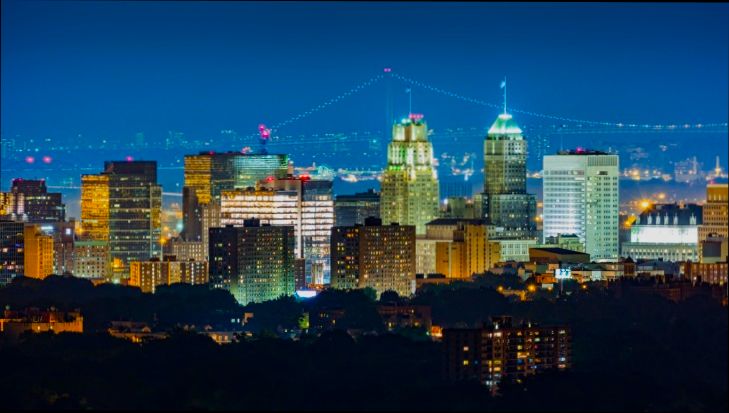
Cost of Living Analysis in Newark
When considering a move to Newark, New Jersey, understanding the cost of living is crucial. This city, known for its cultural vibrancy and proximity to New York City, presents a unique economic landscape that can affect your monthly budget.
The average monthly cost of living in Newark is approximately $2,729 for a single person and about $6,019 for a family of four. While this ranks Newark in the top 5% of the most expensive cities globally, it remains relatively accessible compared to nearby metropolitan areas like Manhattan and Jersey City.
Key Cost Statistics
Here are some standout figures regarding Newark’s cost of living:
- Total Monthly Costs: $2,729 (one person) and $6,019 (family of four)
- Rent and Utilities: $1,821 for a single person, $2,888 for a family
- Food Expenses: $666 for one person and $1,741 for a family
- Transportation Costs: $80.60 monthly for individuals and $228 for families
Cost Breakdown Table
| Expense Category | One Person | Family of 4 |
|---|---|---|
| 💰 Total with Rent | $2,729 | $6,019 |
| 🏠 Rent & Utilities | $1,821 | $2,888 |
| 🍽️ Food | $666 | $1,741 |
| 🚐 Transport | $80.6 | $228 |
| 💳 Monthly Salary After Tax | $3,310 |
Real-World Examples
In Newark, you spend around $18.10 for a lunch menu, while a dinner for two in a mid-range restaurant costs approximately $75.10. If you prefer fast food, a meal similar to McDonald’s will set you back about $10.70. For coffee enthusiasts, a cappuccino costs about $5.89, giving you a daily caffeine fix without breaking the bank.
Like any city, the cost of living can vary by neighborhood. For instance, areas like Forest Hill might offer a more spacious living arrangement for families, but could also come with a higher price tag compared to North Ironbound, which tends to have more affordable apartments.
Practical Implications
If you’re planning to relocate to Newark, budgeting for your monthly rent and utilities should be a priority, as they constitute a substantial portion of the overall cost. Additionally, keep in mind the transportation costs, which can also impact your monthly budget, especially if you’re commuting. Utilizing public transit options such as NJ TRANSIT can help mitigate some of these expenses.
Here are some actionable insights:
- Explore Housing Options: Investigate different neighborhoods to find a balance between quality living and rental costs.
- Plan for Food Expenses: Budget appropriately especially if you enjoy dining out or ordering takeout; meal costs can add up quickly.
- Consider Transport Choices: If you rely on public transport, factor in those costs to your monthly expenses.
Living in Newark can be a fantastic experience, but it’s essential to be prepared for the financial commitments involved. Familiarizing yourself with the cost of living can give you a clearer picture as you navigate this vibrant city.
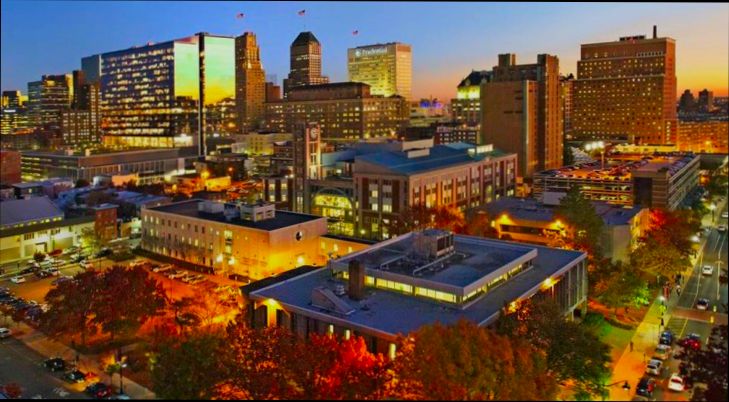
Cultural Diversity and Community Life
Living in Newark, NJ, offers a vibrant tapestry of cultural diversity, which shapes the community life in unique ways. With a population that boasts a mix of ethnic backgrounds, Newark serves as a melting pot where different cultures come together to celebrate their identities and share experiences.
Key Points on Cultural Diversity
- Population Diversity: Newark’s population includes approximately 50% Hispanic or Latino community members, about 35% Black or African American residents, and a smaller but significant percentage of White and Asian populations. This rich diversity leads to a multitude of cultural influences in daily life.
- Festivals and Celebrations: The city hosts various cultural festivals throughout the year, such as the Newark Caribbean Festival and the Newark International Film Festival. These events celebrate the traditions, music, and cuisines of different communities, fostering connections among residents.
- Culinary Scene: Newark is known for its plethora of food options that reflect its diverse heritage. From soul food and Latin cuisine to Italian and gourmet vegan offerings, newcomers can experience an array of flavors that tell the stories of Newark’s communities. Local favorites like “La Casa de las Empanadas” offer genuine tastes of Latin America right in the neighborhood.
Comparative Table of Cultural Events
| Cultural Event | Description | Community Involvement |
|---|---|---|
| Newark Caribbean Festival | An annual celebration of Caribbean culture through music, food, and dance | Strong participation from Caribbean communities |
| Newark International Film Festival | Showcases films from diverse filmmakers worldwide | Engages local artists and filmmakers |
| Ironbound Community Festival | Celebrates the Portuguese and Brazilian cultures with food and music | Highlights local traditions and unity |
Real-World Examples
One of the most striking examples of Newark’s cultural diversity is the Ironbound neighborhood, known for its strong Portuguese and Brazilian influences. Residents often gather for community barbecues and street fairs, where traditional foods like feijoada and chouriço are served, creating an inclusive atmosphere where everyone is welcome.
Additionally, neighborhoods such as Central Ward illustrate the community’s commitment to inclusivity. Initiatives like the Friends of the Newark Public Library bring together individuals from various backgrounds to engage in literacy programs and cultural discussions, bridging gaps through shared learning experiences.
Practical Implications for Residents
For those considering making Newark their home, embracing the cultural diversity of the city can enrich your life significantly. Here are actionable insights:
- Participate in Local Events: Engage with community events, as they are not only fun but also help in building connections with your neighbors.
- Explore Different Cuisines: Take the opportunity to try authentic dishes from various cultures found in local restaurants—this not only satisfies your taste buds but also deepens your cultural understanding.
- Join Community Organizations: Groups focused on cultural heritage or community service provide a platform to meet people and expand your social network.
As you immerse yourself in Newark’s diverse community life, you’ll not only appreciate the richness of its cultures but also find a sense of belonging among the vibrant tapestry of its residents.
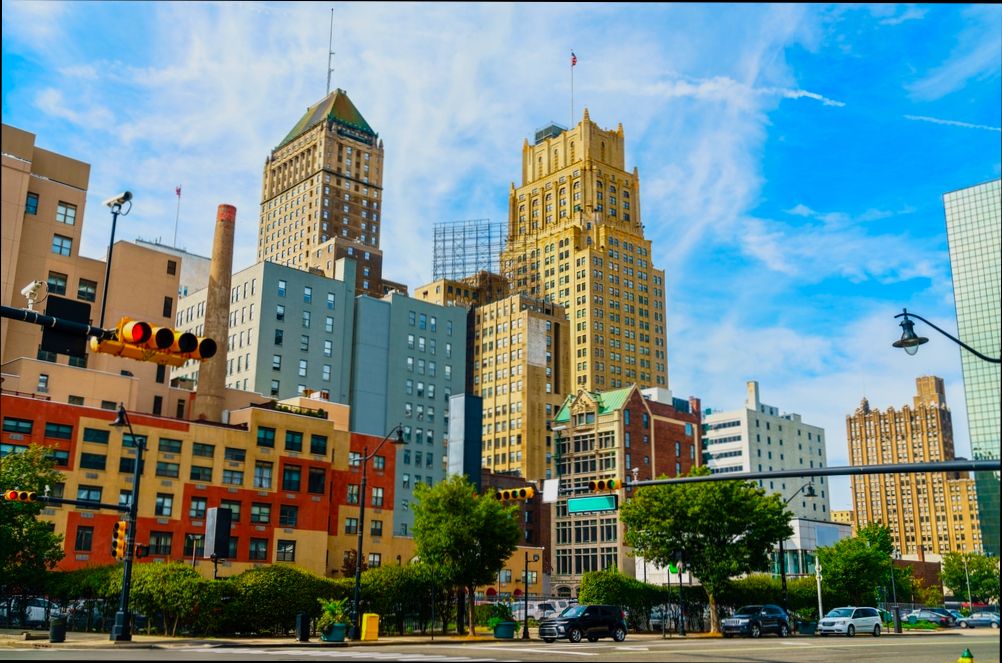
Commute Options and Accessibility Benefits
When it comes to commuting in Newark, NJ, you’ll find a variety of options that cater to different lifestyles and preferences. Whether you’re heading into New York City for work or exploring the local area, Newark’s accessibility offers significant benefits that enhance daily living.
Diverse Transportation Options
1. Public Transit: Newark boasts an extensive public transportation network, including:
- NJ Transit trains and buses, which provide access to New York City in about 25 minutes.
- Newark Light Rail, connecting major areas within the city and adjacent towns.
- Amtrak services from Newark Penn Station for longer trips.
2. Walkability: Many neighborhoods in Newark provide excellent walkability, making it easy to navigate shops, parks, and restaurants on foot. The city scored 79 on Walk Score, indicating that most errands can be accomplished without a vehicle.
3. Biking Infrastructure: Newark encourages cycling with designated bike lanes and shared pathways. The city is evolving to enhance these options, promoting a healthier commuting method and reducing traffic congestion.
4. Accessibility for All: Many transit hubs and key bus routes are equipped with features for individuals with disabilities, ensuring that public transport remains inclusive and accessible.
Commute Times and Costs
| Commute Method | Average Commute Time | Cost per Trip | Notes |
|---|---|---|---|
| NJ Transit Train | 25 minutes | $5.25 | Direct service to NYC |
| Newark Light Rail | 30 minutes | $2.00 | Local connectivity |
| Bus Services | Varies | $1.60 | Extensive network |
| By Car | Varies (depends on traffic) | Varies (fuel & tolls) | Offers flexibility |
Real-World Examples
- Daily Commuter: Jack lives in the Ironbound neighborhood and commutes to Midtown Manhattan every day. He takes the NJ Transit train, which allows him to read or use his smartphone during the commute, transforming travel time into productive time.
- Student Life: Maria, a student at Rutgers University in Newark, accesses the university via the Newark Light Rail. Not only is it affordable, but it also saves her parking hassles and provides reliable access to campus events.
Practical Implications for Residents
Understanding these commute options means you can choose what suits your lifestyle best. If you’re driving, consider traffic patterns during rush hour and explore parking options available in the city. For public transport, familiarize yourself with schedules and explore monthly passes to save on daily fares.
Train commuters can plan their trips around frequently scheduled NJ Transit service, allowing for a predictable routine. Meanwhile, cyclists can take advantage of bike-sharing programs to avoid traffic and promote a healthy lifestyle.
When considering the overall benefits of commuting in Newark, it’s clear that the combination of options available can significantly improve quality of life and increase connectivity with the greater New York metropolitan area.
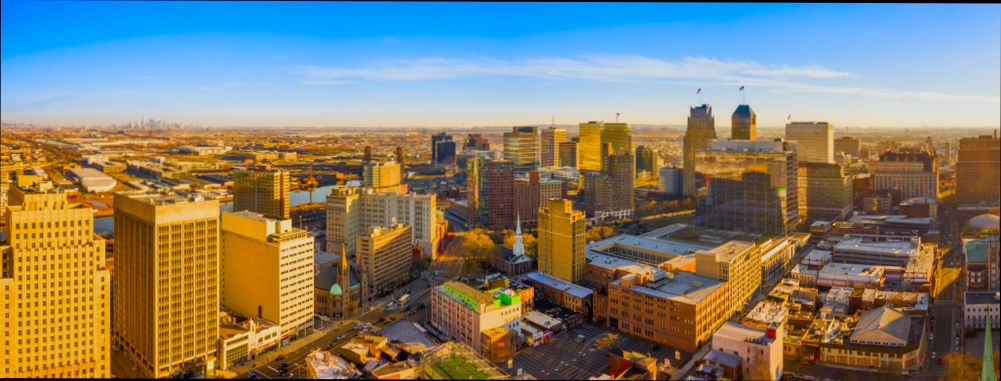
Local Education Quality and Opportunities
When considering a move to Newark, NJ, one of the pivotal aspects to examine is the quality of local education and the opportunities available for students. Education systems can significantly influence a community’s future, and Newark boasts a mix of public, charter, and private schools with varying performance metrics and educational programs.
Key Education Statistics
- High School Graduation Rates: Newark’s high school graduation rate stands at approximately 76%, which is a significant improvement over previous years but still reflects challenges within the educational system.
- School Quality Ratings: The New Jersey Department of Education evaluates schools, and Newark has several schools rated as “Commendable” within the state, showcasing promising educational environments.
- Charter Schools Presence: Approximately 30% of school-age children in Newark attend charter schools, providing alternative educational choices that focus on innovative teaching methods and smaller class sizes.
Comparative Table of Education Quality Metrics
| Metric | Newark | New Jersey Average |
|---|---|---|
| High School Graduation Rate | 76% | 90% |
| % Charter School Enrollment | 30% | 13% |
| Average Teacher Experience | 7 years | 11 years |
| Student-Teacher Ratio | 15:1 | 12:1 |
Real-World Examples
One prominent example of educational success in Newark is the Newark Teachers Union (NTU) initiative that focuses on improving teacher training and retention in underserved areas. This initiative has resulted in a notable increase in teacher effectiveness, contributing to better academic performance in local schools. Additionally, the city’s partnership with organizations like Teach For America has brought enthusiastic educators into the classroom, which can enhance the educational experience for students.
Moreover, Newark’s partnership with local universities has facilitated mentorship and enrichment programs for high school students, enabling them to gain college credits before graduating. For instance, the University of Newark has engaged high school students in dual enrollment programs, expanding their academic opportunities significantly.
Practical Implications for Residents
For families considering relocation, it’s critical to explore school options. Utilizing resources such as GreatSchools.org can help you get insights into individual school performance, ratings, and parent reviews.
Engaging with Local School Boards: Attend meetings or community forums to understand upcoming programs and improvements, allowing you to be proactive in your child’s education.
Explore Extracurricular Opportunities: Many schools in Newark offer after-school programs, including arts, sports, and academic clubs. Engaging in these can greatly enrich your child’s educational experience and peer interactions.
Specific Facts for Consideration
- Families should note that the performance of schools can vary widely, even within school districts. Researching specific schools for their academic achievements and extracurricular offerings will provide a clearer picture of the educational landscape.
- Look into scholarship opportunities and resources available at schools, as some may provide financial assistance for advanced placement courses or college preparatory activities, giving your children a competitive edge.
Crime Rates and Safety Concerns
When considering a move to Newark, NJ, it’s essential to take a closer look at crime rates and safety concerns that could impact your living experience. Understanding the local crime landscape can help you make informed decisions about your safety and wellbeing.
Key Crime Statistics
Newark has witnessed some concerning trends in crime:
- The overall violence rate in Newark surged to 70 violent crimes per 100,000 residents in 2022, which marks a significant increase from previous years.
- Motor vehicle thefts specifically rose by 11% during the same period.
- Property crime, particularly larceny, saw a noticeable uptick, reflecting a wider trend of increased property crime across the U.S.; property crimes rose by 7% nationwide.
Comparative Crime Table
| Crime Type | Newark, NJ (2022) | National Average |
|---|---|---|
| Violent Crimes | 70 per 100,000 | Varies by City |
| Motor Vehicle Theft | Increased by 11% | 7% Nationwide |
| Property Crimes | Increased (exact % TBD) | 7% Nationwide |
Real-World Examples
The perception of crime in Newark has shifted significantly in recent years. For instance, a Gallup poll highlighted that 53% of Americans worried “a great deal” about crime, suggesting that many feel less secure in their communities, including urban centers like Newark. The neurotic feeling surrounding crime can lead to anxieties that affect the quality of life.
In a notable incident that underscores safety concerns, reports indicated that less than half (45.6%) of violent crimes and 30.8% of property crimes were reported to authorities. This underreporting raises questions about the visibility and handling of crime within the city, prompting residents to be more vigilant about their surroundings.
Practical Implications for Residents
Being aware of trends in crime can empower you as a resident:
1. Stay Informed: Regularly check local news and community boards for updates on crime trends and safety advisories.
2. Neighborhood Watch: Consider joining or forming a neighborhood watch program to foster community engagement and ensure collective vigilance.
3. Emergency Preparedness: Familiarize yourself with local emergency contacts and create a safety plan for you and your household.
Understanding Newark’s crime landscape can significantly enhance your sense of security and preparedness while living in the city. With crime rates changing, staying vigilant and proactive is key.
Actionable Insights
- Be proactive in your neighborhood by communicating safety concerns with local law enforcement.
- Utilize technology, such as safety apps, to stay connected and informed about crime in your area.
- Always practice safe habits, including locking your vehicles and being mindful of your surroundings, particularly at night.
Real Estate Trends and Housing Market
When considering a move to Newark, NJ, it’s essential to delve into the real estate trends and housing market dynamics. The city’s evolving landscape reflects a mix of opportunities and challenges, influenced by various economic factors and community developments.
Key Trends in Newark’s Real Estate Market
- Rising Property Values: The median home price in Newark has seen a steady increase, estimated currently at around $329,000, compared to previous years. This upward trend suggests a burgeoning demand for housing in the area.
- Market Competition: More buyers are entering the Newark market, which means homes are selling faster and often above their asking prices. A recent report indicated that homes in Newark typically stay on the market for an average of 45 days, showcasing an active market.
- Rental Demand Surge: As urban living grows in popularity, rental demand in Newark has soared. The average rent for a one-bedroom apartment is now close to $1,800, which highlights the strong interest from renters looking for affordable options relative to nearby New York City.
Comparative Table of Housing Data in Newark
| Housing Metric | Current Value | Year-over-Year Change |
|---|---|---|
| Median Home Price | $329,000 | Up 7% |
| Average Rent (1-Bedroom) | $1,800 | Up 4% |
| Average Days on Market | 45 days | Decreased by 10% |
| Vacancy Rate | 6% | Decreased from 8% |
Real-World Examples
A latest development project, the “Ironside Newark,” showcases the changing face of Newark’s housing market. This luxury apartment complex not only features modern amenities but also represents a trend towards urban renewal aimed at attracting a younger demographic and professionals moving into the city. Units in this development have reported lease rates at approximately $2,500 for two-bedroom apartments, indicating a shift towards premium housing options.
Additionally, the renovation of historical buildings into mixed-use spaces has played a significant role in revitalizing neighborhoods, leading to increased real estate investments in areas once considered blighted.
Practical Implications for Potential Residents
For home buyers and investors, understanding these dynamics is crucial. If you’re looking to buy, it might be wise to act quickly given the fast-paced nature of the market. Consider neighborhoods that are undergoing revitalization, as these areas often appreciate more rapidly.
Renters should also keep an eye on new developments, as these often offer incentives and promotional pricing that can lead to better deals compared to older, established units. If you’re a newcomer or planning to relocate, keeping an eye on Newark’s evolving neighborhoods could position you for more favorable housing choices.
- Start your home search early to navigate the competitive landscape effectively.
- Consider working with a local real estate agent who understands the nuances of the Newark market.
- Explore upcoming areas as potential living choices that could yield long-term benefits.
Monitor these trends closely to make informed decisions about your housing options in Newark.
Job Market Dynamics in Newark
When exploring Newark’s job market, it’s essential to grasp the unique dynamics that shape employment opportunities in this vibrant city. Newark has been experiencing notable shifts, characterized by growth in specific sectors and the infusion of new companies. Let’s delve into the current landscape of job opportunities, industry trends, and employment statistics that make Newark’s job market distinctive.
Employment Growth and Key Industries
Newark’s job market showcases growth in various industries, with some sectors thriving particularly well:
- Healthcare: The healthcare sector is a significant employment driver, attributed to institutions like University Hospital and several clinics expanding their services.
- Transportation and Logistics: Due to Newark’s strategic location, the transportation and logistics sectors continue to flourish, employing many individuals in roles ranging from warehousing to shipping.
- Finance and Technology: Financial services and tech startups are making their mark, providing diverse job openings and fostering innovation.
Around 11% of jobs in Newark are in the healthcare sector, which continues to grow as demand for services expands.
Job Market Statistics
Here’s an overview of some key job market statistics in Newark:
| Industry | Percentage of Jobs | Year-over-Year Growth |
|---|---|---|
| Healthcare | 11% | 4% |
| Transportation and Logistics | 15% | 5% |
| Finance and Technology | 9% | 6% |
Real-World Examples
Consider the example of the ongoing developments at Newark Liberty International Airport, which have led to the creation of over 2,000 new jobs in maintenance, logistics, and customer service roles. Furthermore, the increasing presence of tech companies in Newark’s Innovation District is fostering job growth; for instance, companies like Audible have created numerous positions in engineering and creative roles, enhancing Newark’s appeal to professionals in the tech sector.
Practical Insights for Job Seekers
If you’re on the job hunt in Newark, here are a few actionable insights:
- Networking Opportunities: Engage with local professional groups or attend job fairs. Organizations such as the Newark Regional Business Partnership provide networking opportunities and resource events that can connect you with potential employers.
- Skill Enhancement: Consider enrolling in training programs or workshops offered by local colleges, equipping yourself with skills that align with the demand in high-growth fields like technology or healthcare.
Actionable Advice
Stay updated on job openings by utilizing platforms like LinkedIn, Indeed, or local job boards that focus specifically on Newark. Target industries that are growing, as this will increase your chances of landing a job in a competitive market. Networking with professionals already established in the desired field can also yield helpful insights and potential referrals.