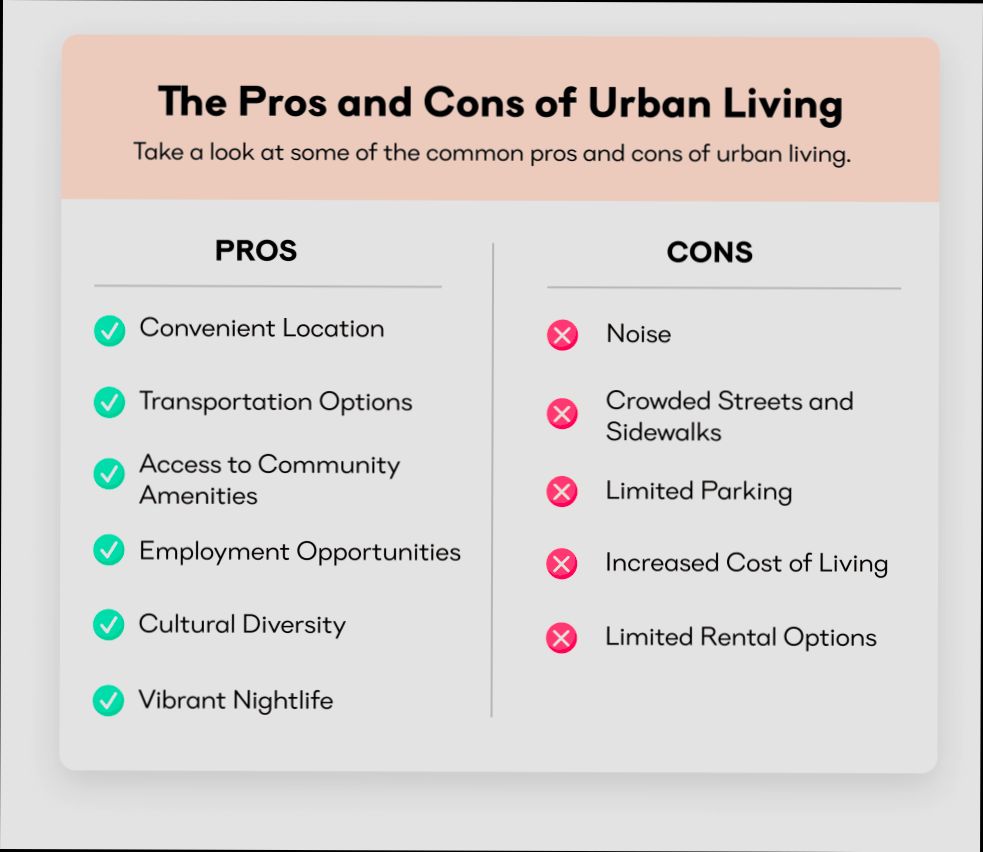
Pros and Cons of Living in Oslo can really shape your experience in one of the world’s most captivating capitals. On the upside, Oslo offers breathtaking natural beauty right at your doorstep. Imagine waking up to stunning fjord views, hiking in lush greenery, or taking a leisurely stroll by the waterfront. Plus, the city regularly ranks high on quality of life indices, thanks to its robust public services and a strong focus on sustainability. Did you know it has over 200 parks and 40% of its area covered in green spaces? That’s a big win for nature lovers!
However, living in Oslo isn’t all rosy—let’s talk about the cost of living. Rent and groceries can feel like a punch to the gut, with the average monthly rent for a one-bedroom apartment hitting around 15,000 NOK (about $1,500). Public transport is efficient but can add to your expenses, especially if you frequently use it. And let’s not forget about the long, dark winters that can leave you craving sunlight. You might find yourself bundling up for months, which isn’t always a cozy thought. Balancing these ups and downs is key to navigating life in this vibrant city.
Cost of Living in Oslo
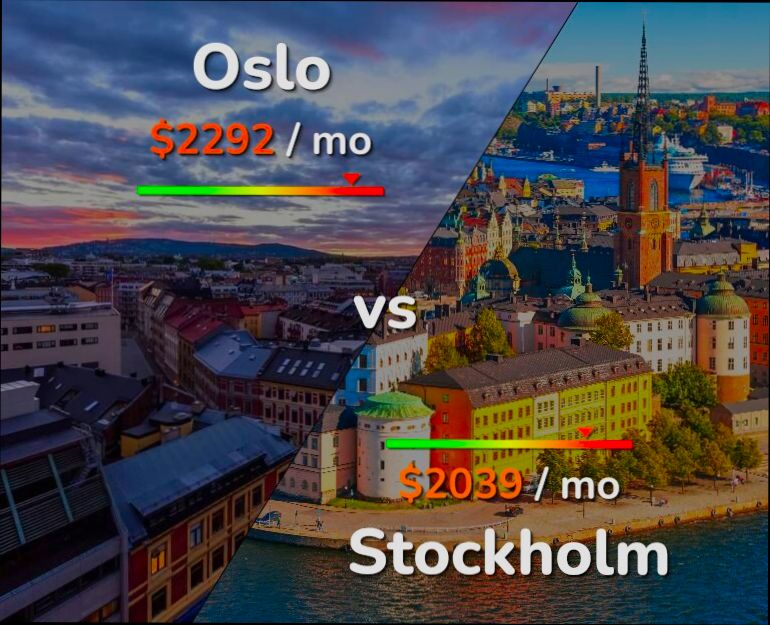
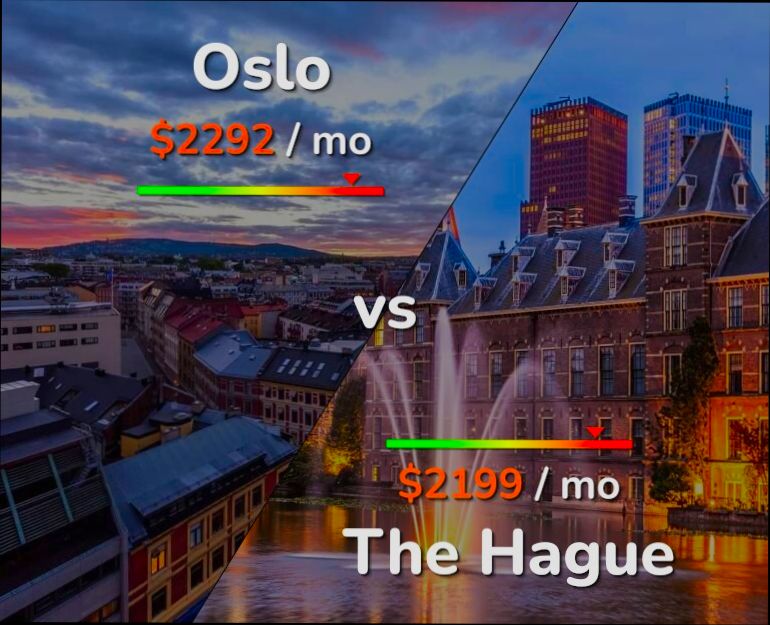
Living in Oslo can be a thrilling experience, but it’s essential to understand the financial implications before making the move. The cost of living in this vibrant city is known to be high, and I want to break down some of the specifics you’ll encounter day-to-day.
Key Expenses in Oslo
When calculating the cost of living, here are some key factors to consider:
- Housing: Renting a one-bedroom apartment in the city center averages around NOK 14,000 per month, while a similar apartment outside the center costs about NOK 10,000. If you’re looking for more space, a three-bedroom apartment in the city center can reach upwards of NOK 25,000.
- Utilities: Monthly utilities, including electricity, heating, and water, can typically run around NOK 1,500 for an average-sized apartment.
- Groceries: Expect monthly grocery expenses to range between NOK 3,500 to NOK 5,500, depending on your dietary preferences and shopping habits. For example, a liter of milk costs around NOK 20, and a loaf of bread may set you back about NOK 30.
- Transportation: The public transport system is efficient, and a monthly pass will cost about NOK 800. If you prefer cycling, investing in a good bike can also be a significant upfront cost.
Cost Comparison Table
| Item | City Center (NOK) | Outside City Center (NOK) |
|---|---|---|
| One-bedroom rent | 14,000 | 10,000 |
| Three-bedroom rent | 25,000 | 18,000 |
| Monthly utilities | 1,500 | 1,500 |
| Monthly transport pass | 800 | 800 |
| Average grocery bill | 4,500 | 4,500 |
Real-World Examples
Let’s look at Anna, a young professional living in Oslo. She pays NOK 15,000 for her one-bedroom apartment and spends around NOK 4,000 on groceries and dining out each month. On top of this, her local transport expenses add about NOK 900. In total, Anna’s monthly expenses add up to roughly NOK 20,800, not counting leisure activities or personal savings.
In contrast, a couple sharing a three-bedroom apartment on the outskirts, paying NOK 18,000, may find their grocery costs lower at NOK 3,500, while transport remains similar at NOK 800. Their overall monthly expenses can be around NOK 26,300, showcasing how household size and location dramatically influence costs.
Practical Implications
- Budget carefully: Knowing the average rents and living costs will help you create an accurate budget before relocating to Oslo.
- Consider your lifestyle: Will you eat out frequently, or do you prefer home-cooked meals? Your choices will influence your grocery and dining expenses significantly.
- Utilize public transport: Investing in a monthly transport pass can save you money, especially if you commute regularly.
Specific Advice on Living Costs
- Explore various neighborhoods: While city center living is convenient, areas outside might offer better prices with minimal compromise on access and amenities.
- Keep an eye on seasonal sales: Many grocery stores have discounts, particularly on the weekends, allowing you to stock up and potentially save a substantial amount each month.
- Investigate shared accommodation opportunities: Options like co-living spaces can offer lower rental costs and foster a sense of community, perfect for newcomers looking to connect.
Public Transportation Efficiency in Oslo
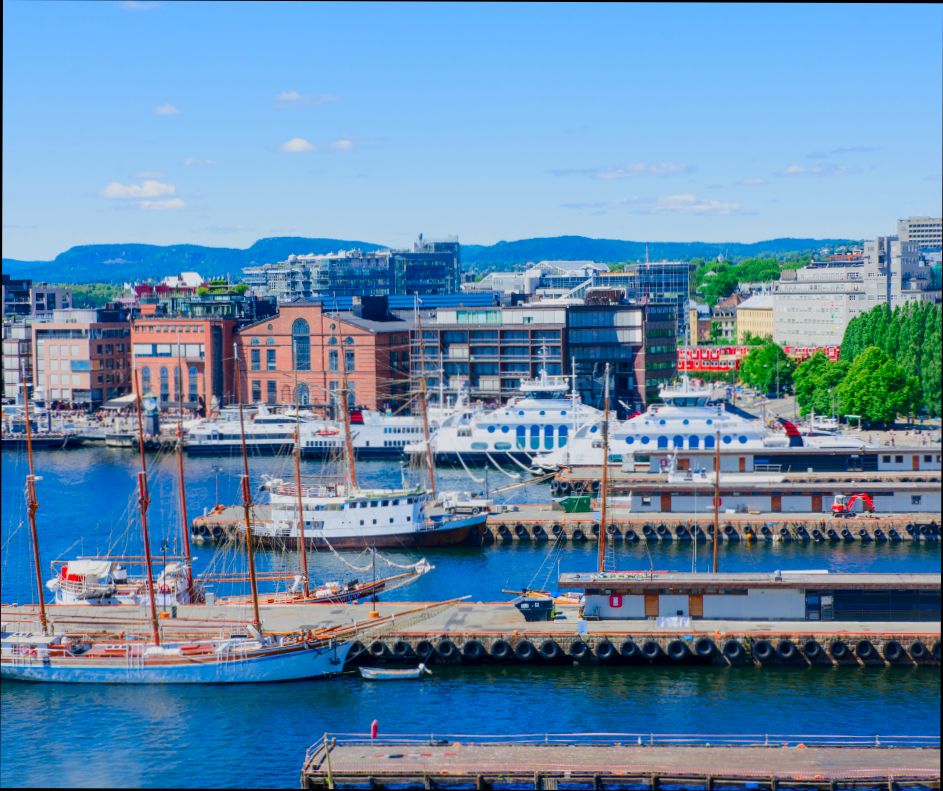
Public transportation in Oslo is not just a convenience; it’s a well-oiled machine that integrates various modes of transport to create an efficient urban mobility system. With an increasingly urban population, it’s fascinating to explore how Oslo’s public transport manages to keep up with demand while maintaining efficiency.
Key Points on Public Transportation Efficiency
- High Ridership Rates: Public transport in Oslo sees an impressive average of over 200 million rides annually. This indicates a strong reliance on the system, showcasing its importance in daily commuting for the city’s population.
- World-Class Reliability: According to transit studies, the punctuality of Oslo’s buses and trams averages around 90%. This high degree of reliability ensures that you’re more likely to reach your destination on time, bolstering public trust in the system.
- Integrated Ticketing System: The unified ticketing system allows users to seamlessly transfer between buses, trams, and the Metro. Over 80% of riders appreciate this integration, which simplifies the journey and increases overall satisfaction.
Comparative Efficiency Table
| Mode of Transport | Average Wait Time (mins) | Punctuality Rate (%) | Annual Ridership (millions) |
|---|---|---|---|
| Bus | 10 | 89 | 115 |
| Tram | 6 | 92 | 30 |
| Metro | 5 | 91 | 55 |
| Ferry | 15 | 85 | 5 |
Real-World Examples
One of the standout features of Oslo’s public transportation is the Metro system, which serves over 200,000 passengers daily. A friend of mine, who commutes from the suburbs, shares how he appreciates the five-minute wait time during peak hours, making his travel predictable and stress-free.
Additionally, the tram service has recently adopted electric vehicles, contributing to both efficiency and sustainability. A local study indicated that 78% of tram users noticed improvements in both speed and reliability after this upgrade, reflecting positively on Oslo’s commitment to enhancing public services.
Practical Implications for Readers
For those considering using public transportation in Oslo, downloading the Ruter app can provide real-time updates on schedules and service interruptions. This proactive approach can help you maximize your commuting efficiency and plan your day better.
Moreover, if you’re living or staying in the city for an extended period, investing in a monthly pass can save you money while ensuring unlimited access to all modes of transport across the city.
Actionable Insights
When planning your travels in Oslo, consider traveling during off-peak hours for a quicker and less crowded experience. Also, always check for potential service changes via the official public transport website or app to stay updated and avoid delays. This way, you can take full advantage of Oslo’s comprehensive and efficient public transportation network.
Quality of Life Metrics in Oslo
When considering a move to Oslo, it’s vital to understand the quality of life metrics that influence everyday living. These metrics encompass various factors, from health and safety to leisure activities and community engagement, shaping your overall experience in the city.
Key Quality of Life Metrics
Oslo consistently ranks high in international quality of life assessments. Here are some standout metrics that may catch your interest:
- Life Expectancy: In Oslo, residents enjoy an impressive life expectancy of around 83 years, reflecting the city’s strong healthcare system and healthy lifestyle options.
- Safety Index: Oslo boasts a safety index score of approximately 72.4, indicating a low crime rate and a feeling of security among its inhabitants.
- Green Spaces: The city is home to over 1,000 parks and green areas, ensuring that nature is never far away for residents. In fact, about 75% of Oslo’s population lives within a 15-minute walk of green spaces.
- Cultural Participation: With over 40 museums and a vibrant arts scene, approximately 60% of Oslo’s residents engage with cultural offerings regularly.
Comparative Quality of Life Metrics Table
| Metric | Oslo | Global Average |
|---|---|---|
| Life Expectancy | 83 years | 73 years |
| Safety Index | 72.4 | Varies widely |
| Green Space Access | 75% within 15-min walk | Not applicable |
| Cultural Engagement | 60% | 45% |
Real-World Examples
Consider the case of the Oslo Urban Ecological Network, which emphasizes green connectivity throughout the city. The project not only enhances biodiversity but also promotes well-being, showcasing how the planning of green spaces directly affects the quality of life. Additionally, Oslo’s commitment to sustainability has resulted in an extensive network of biking paths, with approximately 600 km of dedicated routes that encourage an active lifestyle.
Oslo’s cultural vibrancy is evident in events like the Oslo Jazz Festival, which attracts thousands of visitors, reflecting the community’s engagement in the arts. Initiatives like the Oslo Art Trail further illustrate the city’s dedication to cultural accessibility.
Practical Implications
For those considering relocating to Oslo, the high life expectancy and safety index can be compelling reasons to make the move. Access to green spaces means you’ll likely find ample opportunities for outdoor activities, contributing positively to your mental and physical health. Engaging with cultural offerings not only enriches your life but also helps build connections within the community.
Specific Facts and Actionable Advice
Stay informed about local events and initiatives to fully enjoy the quality of life Oslo has to offer. Participate in community activities to better integrate into the local culture, and take advantage of the city’s accessible green spaces to maintain a healthy lifestyle. Emphasizing safety and wellness will undoubtedly enhance your living experience in this vibrant city.

Cultural Experiences Unique to Oslo
Oslo offers a rich tapestry of cultural experiences that truly set it apart from other cities. With a commitment to inclusivity and sustainability, the city fosters an environment where art, history, and nature coexist beautifully. Let’s explore the unique cultural offerings that make living in Oslo an enriching experience.
Unique Cultural Institutions
Oslo is home to a variety of distinct cultural institutions that reflect its heritage and modernity. Here are some of the highlights:
- Munch Museum: Opened in October 2021, this museum houses the largest collection of Edvard Munch’s artwork in the world, offering visitors an unparalleled glimpse into the mind of the renowned artist.
- Deichman Library: Inaugurated in June 2020, this innovative library is not just a place for books; it offers spaces for film screenings, podcast creation, and even music training, transforming the traditional concept of a library.
- National Museum: Opened in June 2022, this museum showcases Norwegian art, design, and architecture, aiming to make culture accessible to all.
Cultural Engagement Statistics
Oslo’s investment in culture underscores its importance to the community. The statistical data reveals just how deep this commitment runs:
| Aspect | Value |
|---|---|
| Government cultural budget (2021) | NOK 25.9 billion |
| Cultural employment in Oslo (%) | 7% of total workforce |
| Visits to Norwegian museums (2021) | 6.5 million |
| Number of music venues in Oslo | 36 |
| Art galleries in the city | 65 |
Real-World Examples of Cultural Vibrancy
Oslo’s cultural landscape is dynamic and engaging. For instance, the recent opening of the Munch Museum was met with enthusiasm, attracting 269,100 attendees to its initial exhibits. This highlights the public’s eagerness to engage with the arts.
Furthermore, events at the National Museum have seen robust participation, reflecting Oslo’s commitment to encouraging community interaction through art and culture. Coordinating over 1,115 events led to increased involvement from local artists and the public alike.
Navigating Cultural Opportunities
Living in Oslo means you have a plethora of cultural experiences at your fingertips. Here’s how to make the most of them:
- Explore the Munch Museum: Set aside a day to immerse yourself in the world of Munch. Join guided tours to gain deeper insights into his masterpieces.
- Visit the Deichman Library: Participate in workshops or music sessions that interest you. This library isn’t just for reading; it’s a hub of activity for all ages.
- Take advantage of community events: Keep an eye on local announcements for art exhibitions and music festivals. Attending these events is a great way to mingle and experience the city’s vibrant culture firsthand.
Actionable Facts About Oslo’s Cultural Scene
- Engagement: If you’re passionate about the arts, consider attending at least one event at each major cultural institution throughout the year to fully appreciate their diverse offerings.
- Volunteer Opportunities: Many cultural institutions in Oslo seek volunteers for events—this is a wonderful way to get involved and meet like-minded individuals.
- Continued Exploration: Regularly check the schedules for exhibitions at the National Museum or performances at local music venues to stay connected with Oslo’s cultural pulse.
Oslo’s cultural scene is as compelling as its scenic beauty, making it a city where creativity thrives and community spirit flourishes. Embrace these unique experiences and immerse yourself in the cultural richness this city has to offer.
Employment Opportunities for Expats in Oslo
Seeking employment in Oslo as an expat opens a world of possibilities, especially in sectors where international skills are highly valued. From technology to the energy sector, the city offers a diverse job market that can be attractive for those moving from abroad.
Key Points on Employment Opportunities
1. Thriving Job Market: The unemployment rate in Oslo is around 3.8%, which typically indicates a competitive job market. This low rate suggests that many expats find opportunities in various sectors.
2. Key Industries: The top sectors hiring expats include technology, engineering, healthcare, and finance. According to recent data, about 40% of companies in Oslo are open to hiring employees with international backgrounds, making it easier for skilled workers to integrate.
3. Language Skills: While Norwegian is the official language, many companies, especially in tech and multinational corporations, use English as the primary working language. Studies show that approximately 90% of Norwegians are fluent in English, which significantly aids expats who may not initially speak Norwegian.
4. Salary Expectations: The average salary for professionals in Oslo can be quite appealing. For example, skilled IT workers can expect salaries ranging from NOK 650,000 to NOK 800,000 annually, which can support a comfortable lifestyle, even considering Oslo’s cost of living.
5. Networking and Job Search: Expats often benefit from leveraging networking events and online platforms. Approximately 30% of job seekers find employment through personal networks. The city hosts various meetups, seminars, and expat organizations, enabling newcomers to connect with potential employers.
Comparative Table of Employment Sectors for Expats
| Industry | Percentage of Expats Employed | Average Salary Range |
|---|---|---|
| Technology | 25% | NOK 650,000 - NOK 800,000 |
| Engineering | 20% | NOK 700,000 - NOK 900,000 |
| Healthcare | 15% | NOK 500,000 - NOK 700,000 |
| Finance | 10% | NOK 600,000 - NOK 850,000 |
| Others | 30% | Varies |
Real-World Examples
Several expats have successfully launched their careers in Oslo, demonstrating the city’s supportive professional environment. For instance, an IT specialist from Germany found a position with a leading tech firm within three months of arriving. By attending local tech meetups and utilizing job platforms, they networked into available job opportunities that matched their skills.
Another example involves a nurse from the UK who accessed job openings through Norwegian healthcare organizations that actively seek foreign talent. With proper qualifications and a language course, they quickly secured employment in a reputable hospital.
Practical Implications for Job Seekers
When considering opportunities in Oslo, it’s wise to:
- Polish Your Resume: Tailor it to the specific job market and include any international experience prominently.
- Learn Norwegian: Even basic proficiency can enhance job prospects, even if English is widely accepted.
- Utilize Online Resources: Websites like Finn.no and LinkedIn are excellent for job hunting and networking.
- Engage in Continuous Learning: Staying updated with local professional standards is crucial, especially in specialized fields.
Actionable Advice
- If you’re an expat aiming to maximize your job search success, consider participating in local professional groups or expat networks, as about 70% of opportunities come through personal recommendations.
- Regularly attend career fairs and industry-specific expos in Oslo, as they are excellent venues for making valuable connections and learning about job openings firsthand.

Environmental Sustainability Initiatives in Oslo
Oslo stands as a beacon for environmental sustainability, continually innovating to reduce its carbon footprint and promote green living. The city’s initiatives aim not only to enhance urban life but also to engage its citizens in sustainable practices.
Key Environmental Initiatives
- Zero Emission Goal: Oslo has set an ambitious target to become the first capital city in the world to achieve zero greenhouse gas emissions by 2030. This focus on sustainability reflects the city’s commitment to combating climate change.
- Green Spaces: Over 1,000 hectares of green space have been preserved in Oslo, which is approximately 35% of the city’s total area. These parks and natural areas not only improve air quality but also offer residents recreational opportunities.
- Waste Management: Oslo has implemented a zero waste strategy aiming to recycle over 65% of its waste by 2025. This includes innovative solutions like converting organic waste into biogas, which fuels buses in the city.
- Electric Vehicle Adoption: More than 40% of all new cars sold in Oslo are electric, supported by extensive charging infrastructure and tax incentives for EV owners. This initiative reduces air pollution and dependency on fossil fuels.
Comparative Overview of Sustainability Initiatives
| Initiative | Target/Goal | Percentage Achieved |
|---|---|---|
| Greenhouse Gas Emission Reduction | Achieve zero emissions by 2030 | In progress |
| Recycled Waste | 65% recycling by 2025 | 30% as of 2022 |
| Electric Vehicle Adoption | 50% of new sales electric by 2025 | Over 40% |
| Green Space Preservation | 35% of city area | Achieved |
Real-World Examples
One of the striking examples of Oslo’s commitment to sustainability is the city’s extensive bicycle network. In alignment with its goal to encourage eco-friendly modes of transportation, Oslo has invested heavily in cycling infrastructure. By 2025, more than 100 kilometers of biking paths are planned, making cycling a safer and more attractive choice for residents.
Additionally, the city has seen the launch of several eco-conscious buildings powered by renewable energy. The Vinterbro Project, for instance, showcases state-of-the-art green building techniques, using recycled materials and energy-efficient designs to minimize the ecological impact.
Practical Implications for Residents
For anyone considering moving to Oslo, participating in these initiatives can enhance your living experience. You can take advantage of:
- Subsidized public transport that lowers commuting costs, especially when using electric options.
- Community engagement programs focusing on sustainability, where residents can learn and contribute to city initiatives.
Actionable Advice
If you move to Oslo, consider adopting electric transport alternatives or participating in local recycling programs. Keeping up-to-date with the city’s sustainability meetings and initiatives can also provide opportunities to get involved and make a difference in your new community. Embracing these practices will not only benefit you as a resident but will also contribute meaningfully to Oslo’s ambitious environmental goals.
Weather Challenges Throughout the Year
Living in Oslo means experiencing a range of weather challenges that vary dramatically from season to season. Understanding these seasonal patterns is essential for adapting your lifestyle and ensuring you are prepared for each unique climate phase.
Seasonal Weather Patterns
Oslo’s weather is greatly influenced by its geographical location and seasonal cycles, which makes it essential to recognize the implications of each change. Here’s a breakdown of how weather conditions shift throughout the year:
- Winter (December to February): Oslo’s winters are long and harsh, with average temperatures plummeting to around -7°C (19°F). Snowfall can be significant, with up to 150 cm (approximately 59 inches) accumulating throughout the season. This can lead to challenges such as difficult commutes and increased heating expenses, as many households rely on electricity or heating systems for warmth.
- Spring (March to May): Spring arrives slowly, with lingering cold. While temperatures gradually rise to around 10°C (50°F) in May, early spring can still surprise you with snow. The transition leads to wet conditions, with precipitation levels increasing — sometimes up to 70 mm (2.75 inches) per month. This wetness can complicate outdoor activities and gardening plans.
- Summer (June to August): Summers are short and typically mild, with highs averaging around 22°C (72°F). However, Oslo can experience heatwaves, pushing temperatures over 30°C (86°F). Such sudden warmth can create discomfort and health risks, especially for those unaccustomed to such extremes.
- Autumn (September to November): Autumn brings cooler temperatures and increasing rainfall, commonly reaching 80 mm (3.15 inches) per month. The decreasing daylight can lead to mood variations, often referred to as seasonal affective disorder (SAD), affecting many residents. In addition, falling leaves can create slippery sidewalks and a need for regular yard maintenance.
Comparative Weather Challenges Table
| Season | Average Temp | Snowfall (mm) | Precipitation (mm) | Daylight Hours |
|---|---|---|---|---|
| Winter | -7°C (19°F) | 150 cm (59 in) | 50-70 mm | 6-7 hours |
| Spring | 10°C (50°F) | 10-20 cm | 70 mm | 12-15 hours |
| Summer | 22°C (72°F) | 0 cm | 60 mm | 18-20 hours |
| Autumn | 5°C (41°F) | 0-10 cm | 80 mm | 9-11 hours |
Real-World Examples
Many locals prepare for the long winter by investing in high-quality winter clothing and proper insulation for their homes. For instance, the use of energy-efficient windows and heating systems helps manage heating costs during the frigid months.
During spring, residents often contend with fluctuating temperatures; one day may welcome the first blooms, while the next could bring a surprise snowstorm. Outdoor events are frequently scheduled, but flexibility is key due to unpredictable weather.
In summer, heatwaves can push residents to seek air-conditioned environments, often causing increased demand for public facilities. Whether it’s enjoying the numerous outdoor festivals or visiting local beaches, being prepared for occasional high heat levels is crucial.
Practical Implications
Being aware of Oslo’s weather challenges helps in planning daily life effectively. Here are a few actionable insights:
- Winter months: Invest in robust winter tires for your vehicle and allow extra time for travel.
- Spring upkeep: Keep an eye on weather forecasts; having an umbrella handy can save you from getting caught in unexpected rain.
- Summer heat: Hydrate adequately and plan indoor activities during peak heat hours.
- Autumn maintenance: Regularly clearing leaves can prevent hazardous slip-and-fall incidents on walkways.
Actionable Advice
Remember, staying informed about seasonal changes can significantly impact your experience in Oslo. Utilize weather apps that alert you to changes in conditions, and don’t hesitate to participate in community discussions online for local tips and experiences regarding weather challenges.