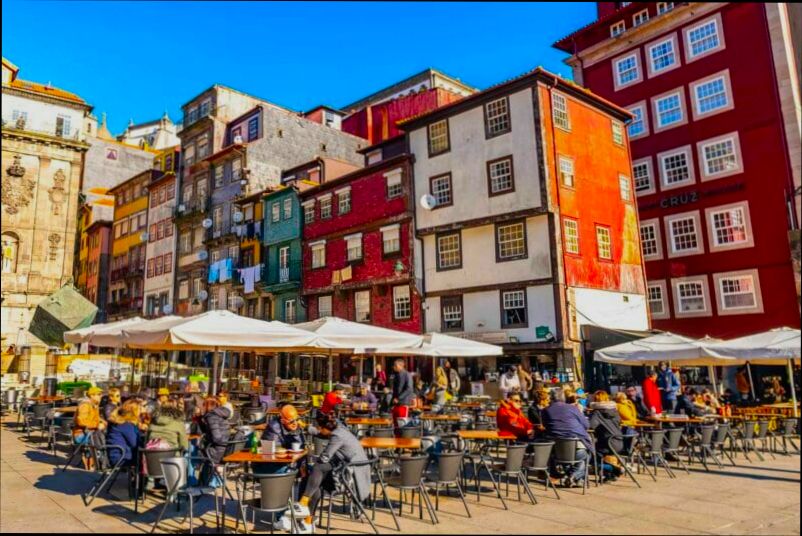
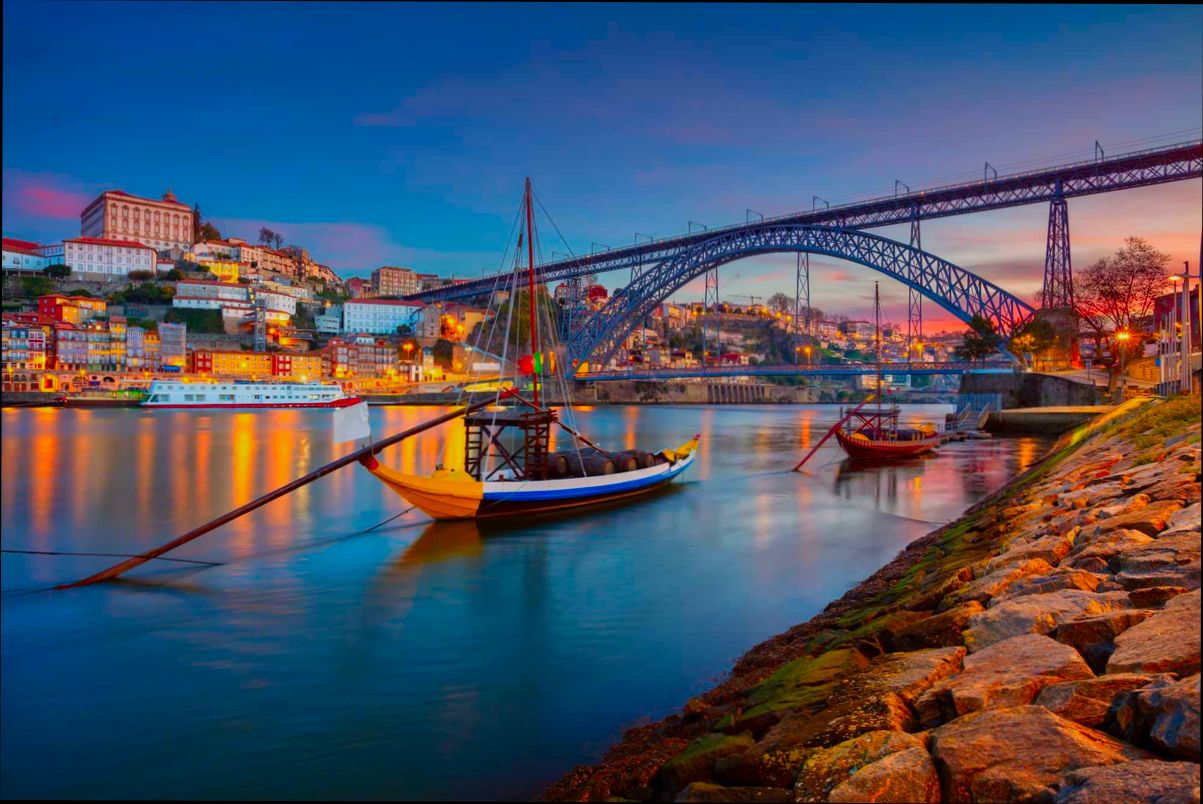
Pros and Cons of Living in Porto often spark lively discussions among locals and expats alike. Let’s kick it off with the pros: Porto boasts a vibrant culture, rich history, and mouthwatering cuisine that’s hard to resist. Imagine sipping on a glass of world-famous port wine while overlooking the Douro River, or strolling through the Ribeira neighborhood with its colorful buildings and lively atmosphere. Rent prices are shockingly reasonable too, with an average of €550 a month for a one-bedroom apartment in the city center. You can live comfortably and enjoy everything this charming city has to offer without breaking the bank.
On the flip side, there are a few cons to consider. The weather can be a bit gloomy in the winter, with frequent rain showers that might make you miss those sunny days. Public transportation, while decent, isn’t always the most reliable, leading to longer commuting times than you’d like. If you’re a fan of nightlife, you might find that options can be limited during the weekdays; things really pick up only on weekends. There’s also a bit of a language barrier for non-Portuguese speakers, which can feel isolating at first.
Cost of Living in Porto
When considering a move to Porto, it’s essential to understand how far your money can stretch in this vibrant city. The cost of living here is generally more affordable compared to Lisbon, making it an attractive option for expats and locals alike. Let’s delve into the key expenses you might encounter while living in Porto.
Key Living Expenses
1. Housing Costs: Renting in Porto is comparatively cheaper than in other major European cities. A one-bedroom apartment in the city center averages around €800 monthly, while you might find similar accommodations outside the center for about €600.
2. Groceries: Grocery prices in Porto are quite reasonable. For instance:
- A liter of regular milk costs approximately €0.64.
- A loaf of white bread typically runs about €1.13, while you can buy 1kg of tomatoes for around €1.59.
3. Dining Out: Eating out can also be budget-friendly. A meal at a mid-range restaurant averages €12-€18, and you can enjoy a domestic beer for about €1.05—perfect for unwinding after a long day.
Comparative Grocery Costs in Porto
| Product | Average Price |
|---|---|
| Milk (regular), (1 liter) | €0.64 |
| Loaf of white bread (500g) | €1.13 |
| Rice (white), (1kg) | €1.92 |
| Chicken filets (1kg) | €5.18 |
| Bottle of mid-range wine | €4.00 |
Real-World Examples
If you are planning to live in the Ribeira District, known for its stunning river views, keep in mind that while prices may be higher in central areas, the ambiance can justify the expense. Alternatively, consider neighborhoods like Paranhos or Campanhã, which offer more affordable rents without sacrificing access to the city’s amenities.
Another example can be seen in dining choices. If you choose to eat at local taverns, you could enjoy traditional Portuguese dishes for less than €10, whereas international cuisine might push your meal cost closer to €20.
Practical Implications
Understanding these costs is crucial for budgeting your new lifestyle in Porto. You might want to set aside about 30% of your income for rent, with the remainder allocated for groceries, dining, and entertainment. Additionally, public transportation is affordable and efficient, usually costing around €1.20 for a ticket within the city.
Actionable Advice
If you’re considering making Porto your home, familiarize yourself with local markets and small shops rather than relying solely on supermarkets. This can significantly lower your grocery bills and enhance your cultural experience. Don’t forget to explore various neighborhoods to find an area that aligns with your budget while still enjoying everything this beautiful city offers.
Cultural Richness and Heritage
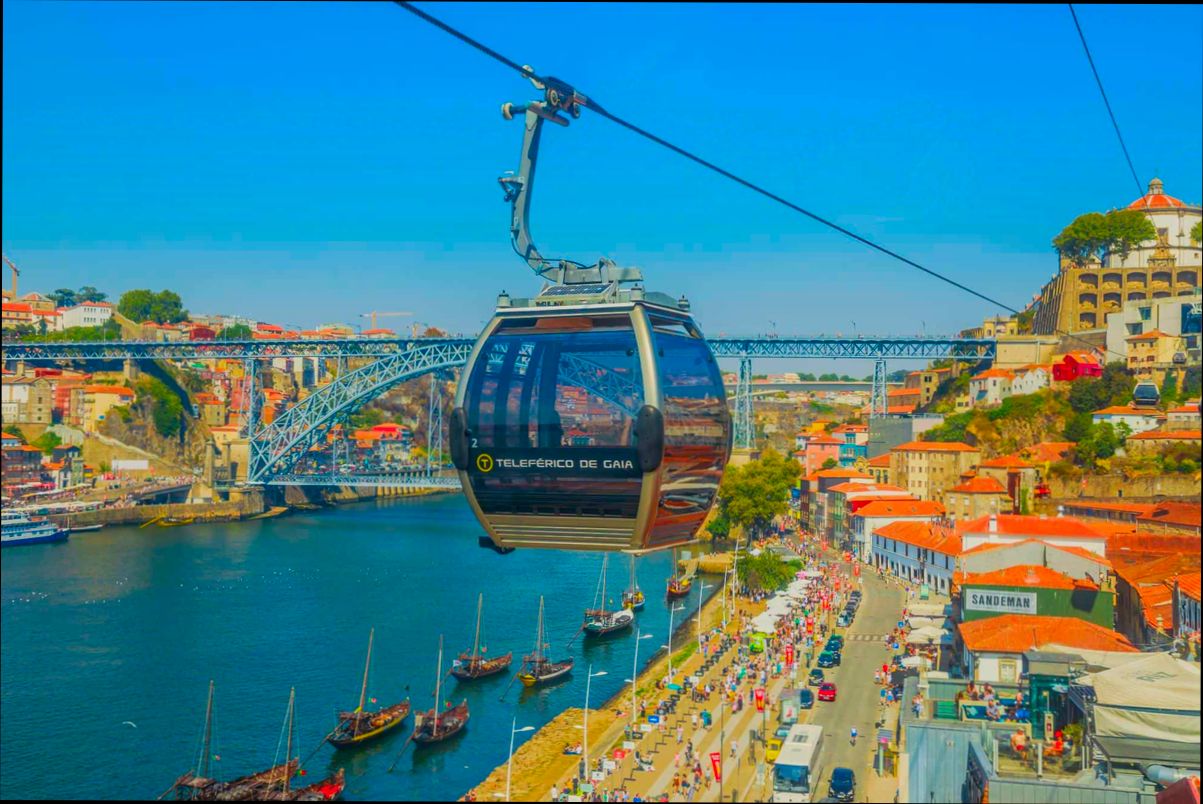
Living in Porto immerses you in a vibrant tapestry of history, art, and local customs that are deeply interwoven into the city’s identity. Let’s unpack how this cultural richness can be both an enchanting experience and a source of connection to Portugal’s heritage.
Historical Significance
Porto is steeped in history, with remnants dating back to the Roman period. The city boasts:
- 6 UNESCO World Heritage Sites: This places Porto among cities with significant cultural importance globally, such as the historic center of Oporto and the landscapes of the Douro Valley.
- The Palácio da Bolsa, established in the 19th century, reflects Porto’s commercial success and architectural beauty.
Artistic Expression
Porto’s arts scene is both diverse and expressive, offering a plethora of artistic experiences:
- Over 60 museums and galleries: You can explore contemporary art at the Serralves Museum, or delve into local history at the Museu de História Natural e da Ciência.
- The São João Festival: A unique tradition that draws thousands every June, filled with music, dance, and the spectacular sight of paper lanterns illuminating the night sky.
Culinary Heritage
The food culture in Porto is a vital aspect of its heritage:
- The famed Francesinha sandwich combines various meats, cheese, and a spicy sauce, showcasing local flavors and culinary techniques.
- Porto is situated in the Douro Valley, known for its Port wine production, and many vineyards offer tours where you can learn about viniculture.
| Aspect | Cultural Significance | Examples |
|---|---|---|
| Historical Sites | Important heritage reflections | UNESCO sites, Palácio da Bolsa |
| Arts and Festivals | Celebration of local culture | São João Festival |
| Culinary Traditions | Fusion of ingredients and history | Francesinha, Port wine tours |
Real-World Examples
Exploring local customs can enhance your experience:
- Semana Santa (Holy Week) showcases centuries-old traditions, including processions that feature elaborate costumes and rituals, attracting both locals and tourists.
- Art events like the Porto Cartoons Festival not only highlight local talents but also bring international artists together, fostering a sense of community and cultural exchange.
Practical Implications for You
Engaging with Porto’s cultural heritage can enrich your daily life:
- Participate in local festivals to forge connections with neighbors and learn about traditions that have shaped the community.
- Visit museums regularly to absorb the stories behind Porto’s evolution, connecting you more deeply with the city’s past and future.
Actionable Insights
- Attend cultural events: Make it a habit to explore the city’s event calendars for exhibitions, concerts, or festivals, encouraging immersion in local culture.
- Engage with local artisans: Whether in markets or shops, supporting local craftspeople not only sustains traditions but also offers unique souvenirs celebrating Porto’s cultural identity.

Real Estate Trends and Opportunities
Porto’s real estate market is evolving rapidly, presenting various opportunities for investors and prospective residents alike. As you consider your options in this picturesque city, it’s vital to grasp the current trends that are shaping the property landscape.
Current Market Dynamics
The real estate sector in Porto is witnessing impressive growth. Here are some key trends and insights:
- Appreciation Rates: Property prices in Porto have increased by approximately 15% over the last year, indicating a robust demand for housing. This is particularly evident in sought-after neighborhoods like Baixa and Ribeira.
- Rental Yields: Investors can expect rental yields to hover around 6% to 8%, making Porto one of the more lucrative markets in Europe for rental properties.
- Development Projects: Several large-scale development projects, including commercial and residential properties, are currently underway, which spurs further interest in the market and enhances infrastructure.
- Foreign Investment: There has been a marked increase in foreign capital inflow, with over 50% of new property purchases made by non-Portuguese buyers, accentuating the city’s desirability among international investors.
Market Value Overview
| Neighborhood | Average Property Price (per m²) | Rental Yield (%) | Price Increase (Year-on-Year) |
|---|---|---|---|
| Baixa | €2,500 | 6.5 | 16% |
| Ribeira | €2,800 | 7.5 | 14% |
| Foz do Douro | €3,200 | 5.8 | 12% |
| Cedofeita | €2,100 | 6.0 | 15% |
Real-World Examples
Consider the case of a recent project in the Cedofeita neighborhood. Developers transformed an old building into modern apartments, bringing in a blend of traditional aesthetics and modern amenities. This project saw a 15% increase in property values upon completion, highlighting the benefits of revitalizing older properties.
Another example is the influx of digital nomads and expatriates, drawn by remote work opportunities. In neighborhoods like our analysis of Ribeira, properties rented to professionals have seen rent prices grow significantly, capitalizing on the demand for short-term rentals.
Practical Implications for Investors
As you evaluate your possible involvement in Porto’s real estate scene, consider these actionable steps:
- Research Local Trends: Stay informed about projected growth areas and neighborhoods undergoing gentrification. Areas like Vila Nova de Gaia, just across the river, may offer emerging opportunities.
- Consider Long-Term Rentals: With high rental yields, investing in long-term rentals could provide stable income, particularly as more young professionals move to Porto.
- Engage with Local Experts: Collaborate with local real estate agents who can provide insights into market conditions, upcoming projects, and investment opportunities. Their expertise can be invaluable when navigating this dynamic market.
Final Insights
When looking at Porto’s real estate opportunities, remember that the market’s strong upward trend signifies a favorable climate for both living and investment. Understanding these patterns will place you in a good position to make informed decisions moving forward.
Accessibility and Public Transportation
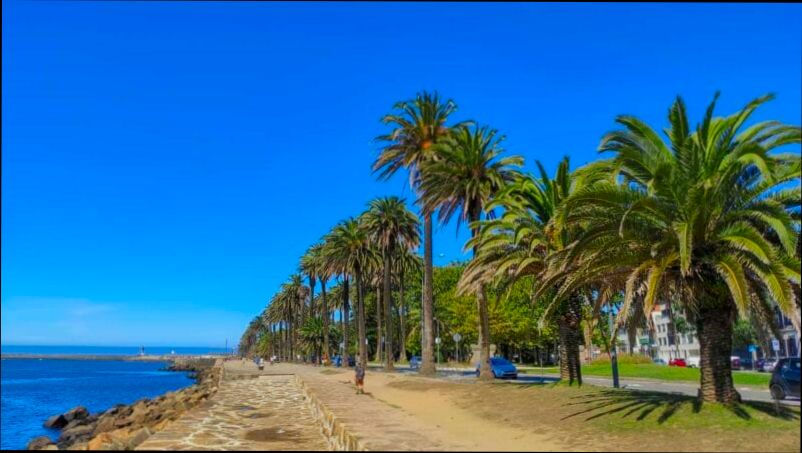
When considering life in Porto, the accessibility and public transportation options available can greatly influence your daily routine. From navigating the charming streets to commuting for work, understanding the public transit landscape is crucial. Let’s dive into the specifics of how well-connected the city is and what that means for residents.
Diverse Public Transport Options
Porto boasts a multifaceted public transportation system that includes:
- Metro: The Porto Metro operates four main lines with over 70 kilometers of track. It is efficient for navigating the city and connecting to neighboring areas.
- Buses: Carris, the bus company, provides extensive coverage across Porto and its outskirts, ensuring that even the farthest neighborhoods are accessible.
- Trams: While historical trams offer a scenic journey, they also serve as a functional means to traverse specific routes, contributing to the city’s public transport appeal.
Ridership Statistics
Understanding the usage patterns of public transportation in Porto can be enlightening:
- Over 23 million trips were made via the Porto Metro in the past year, reflecting its popularity among commuters and tourists alike.
- The efficiency of the system is showcased by the 98% on-time performance rate for public transports, making it a reliable choice for getting around.
Comparative Accessibility Table
| Transport Mode | Coverage Range | Average Wait Time | Monthly Pass Cost |
|---|---|---|---|
| Metro | +70 km | 10 minutes | €38 |
| Bus | City & suburbs | 15 minutes | €33 |
| Tram | Select routes | 20 minutes | €31 |
Real-World Examples
Consider the case of Maria, a resident of Porto who commutes from the outskirts into the city center daily. She finds the Metro invaluable, as it allows her to bypass traffic and arrive at work quickly, enjoying the benefits of frequent service and low fares. The integration of different transport modes means she can easily switch from metro to bus, enhancing her overall travel convenience.
Additionally, the city has seen increased accessibility options for individuals with reduced mobility. Many metro stations are now equipped with elevators and tactile guide paths, making it easier for everyone to navigate the public transport network.
Practical Implications for Residents
For those living in Porto, leveraging public transportation can save time and reduce commuting costs. Here are some actionable insights:
- Invest in a monthly pass if you use public transport frequently. This can save you a significant amount over single-trip purchases.
- Plan your trips by checking the schedules and real-time updates available on various transport apps to minimize wait times.
By effectively utilizing the public transport resources available in Porto, residents can navigate the city efficiently and enjoy the myriad benefits that this vibrant urban area offers.
Quality of Life for Expats
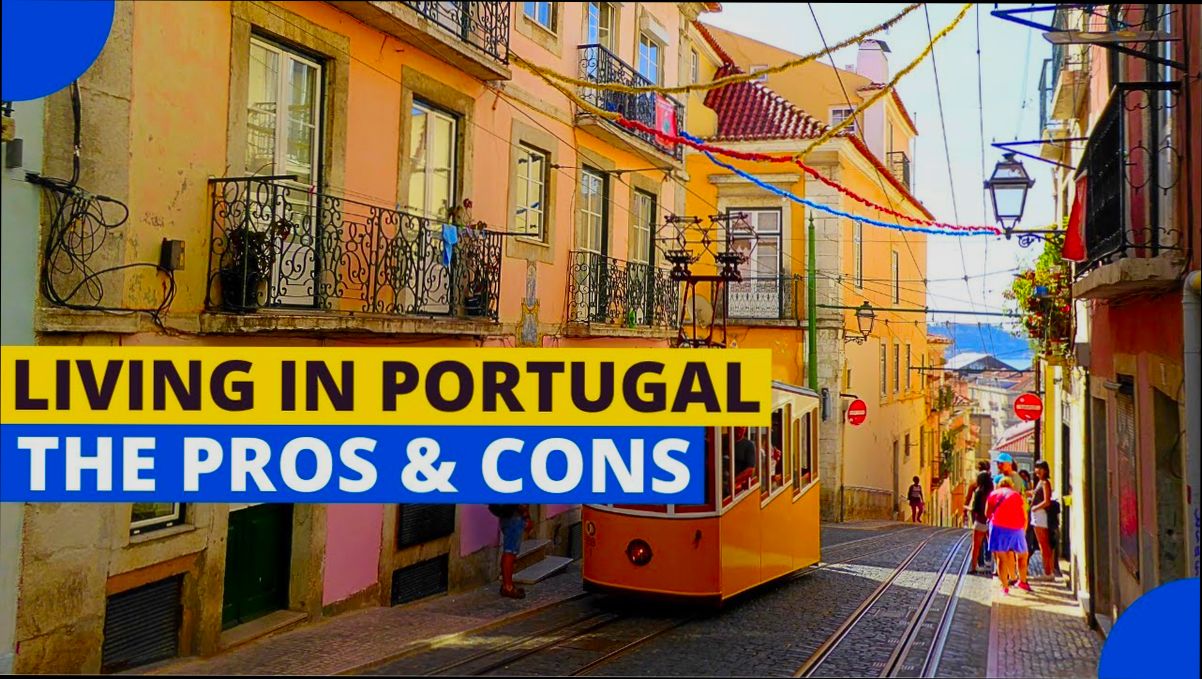
When considering a move to Porto, the quality of life for expatriates is a pivotal aspect that can significantly influence your experience. This Mediterranean gem is known for a blend of rich culture, welcoming locals, and a relatively high standard of living that appeals to many international residents.
Key Factors Influencing Quality of Life
Several factors contribute to the overall quality of life for expats in Porto:
- Safety and Security: Almost 72% of expats in Porto report feeling safe, although this is slightly lower than the global average of 80%. This suggests that while Porto remains relatively secure, there might be room for improvement in terms of public safety measures.
- Healthcare Access: The healthcare system in Portugal is regarded fairly positively, with many expats appreciating the affordability and quality. Access to timely and high-standard medical care is part of what makes living in Porto appealing.
- Leisure and Recreational Options: Porto offers a vibrant leisure scene where expats can immerse in local culture and enjoy diverse dining options. The city’s nightlife and recreational activities provide ample opportunities to socialize and engage with the community.
- Environmental Quality: Many expats praise Porto’s natural environment, which fosters a pleasant living experience with access to parks and outdoor activities. Studies indicate that this contributes to overall happiness and satisfaction among residents.
Quality of Life Index Comparison
| Category | Porto | Global Average |
|---|---|---|
| Safety & Security | 72% | 80% |
| Healthcare Satisfaction | High | Medium |
| Leisure Options | Good | Average |
| Environmental Quality | High | Variable |
Real-World Examples
Research from the Expat Insider 2024 report highlighted that expats often rate their quality of life in Porto positively due to:
- Community Engagement: Many expatriates find it easy to connect with locals and fellow expats, leading to a strong sense of community. Local events, such as food festivals and cultural celebrations, enhance this aspect.
- Culinary Experiences: The city is known for its exciting culinary scene, with many international restaurants and local spots proud of traditional Portuguese cuisine. Expats who value food diversity rank their satisfaction highly.
Practical Implications for Expats
When you move to Porto, it’s essential to consider how everyday aspects like safety, healthcare, and leisure affect your quality of life. You might want to focus on:
- Engaging in expat communities online or offline to share experiences and build connections.
- Exploring various neighborhoods to find one that matches your lifestyle preferences, ultimately impacting your overall satisfaction.
- Taking advantage of readily available healthcare services to ensure your well-being, which can boost overall happiness.
Experimenting with local cuisines and participating in community events can greatly enhance your integration and enjoyment.
Climate Considerations and Weather Patterns
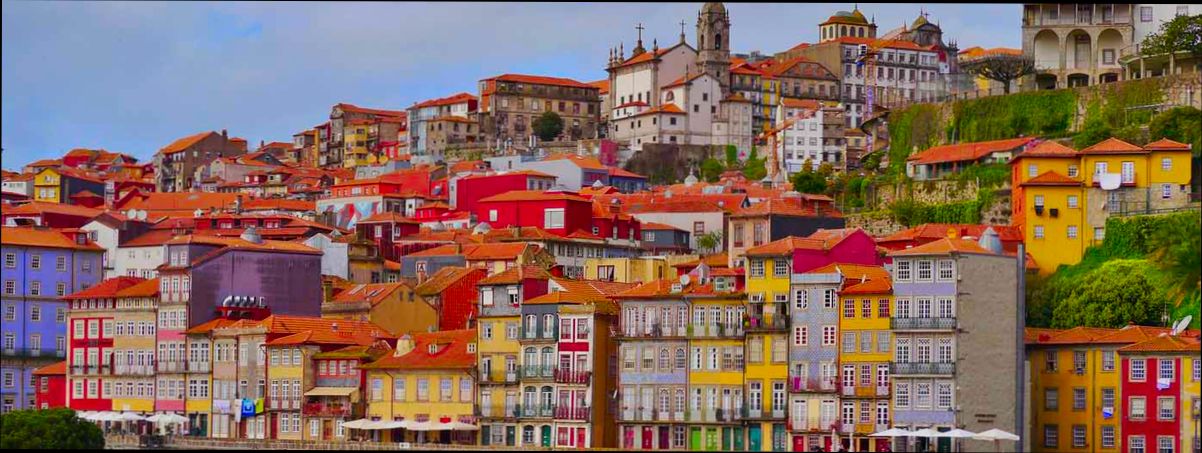
Understanding Porto’s climate and weather patterns is essential for anyone considering a move to this beautiful city. With its Mediterranean climate, Porto offers a range of weather experiences, from sunny summers to cool, rainy winters. Let’s dive into the specifics.
Seasonal Insights
Porto experiences four distinct seasons, each with its own characteristics that can impact daily life:
1. Spring (March - May):
- Average temperatures range from 12°C to 20°C.
- This season sees a gradual increase in sunshine, making it ideal for outdoor activities.
2. Summer (June - August):
- Temperatures can soar to around 25°C to 30°C.
- During this time, rainfall decreases significantly, with August being the driest month.
3. Autumn (September - November):
- Similar to spring, temperatures start to cool down, averaging between 15°C to 23°C.
- Rainfall begins to increase again, particularly in November.
4. Winter (December - February):
- Average temperatures hover around 6°C to 15°C.
- This is the wettest season, with January often receiving the most precipitation.
Precipitation and Humidity
- Annual Rainfall: Porto receives approximately 1,200 mm of rain per year.
- Wet Days: Expect about 140 days of rainfall annually, mostly concentrated in the winter months.
- Humidity Levels: Humidity averages around 75%, which can feel heavy during the warmer months, particularly in July and August.
Climate Data Overview
| Season | Average Temperature (°C) | Average Rainfall (mm) | Days with Rain |
|---|---|---|---|
| Spring | 12 - 20 | 80 | 12 |
| Summer | 25 - 30 | 20 | 6 |
| Autumn | 15 - 23 | 100 | 12 |
| Winter | 6 - 15 | 400 | 50 |
Real-World Examples
For instance, many locals enjoy the beautiful, sunny weather during the summer months for beach outings or hiking in the nearby mountains. However, they prepare for the winter by investing in waterproof clothing and quality home insulation due to the increased precipitation.
Take Maria, who relocated from a drier climate—her biggest adjustment was adapting to Porto’s humid summers, which prompted her to invest in a good air conditioning system for her home.
Practical Implications for Residents
Understanding Porto’s climate can greatly influence your lifestyle choices. If you’re planning to live here:
- Outdoor Activities: Schedule them for the spring and summer months to maximize enjoyment.
- Home Buying/Renting: Consider properties with good insulation and heating systems for coping with winter.
- Clothing Choices: Invest in layered clothing for transitional seasons and waterproof gear for the rainy months ahead.
Actionable Insights
- Gardening Enthusiasts: Porto’s winters are mild enough for year-round gardening; consider planting winter vegetables.
- Travel Plans: If you’re visiting or moving, aim for late spring or early fall for the best weather conditions.
- Local Events: Take advantage of Porto’s numerous outdoor festivals, especially during the summer, when the city is alive with cultural activities.
Understanding these climate considerations can significantly enhance your living experience in Porto, allowing you to thrive within its unique weather patterns.
Healthcare Services and Community Support
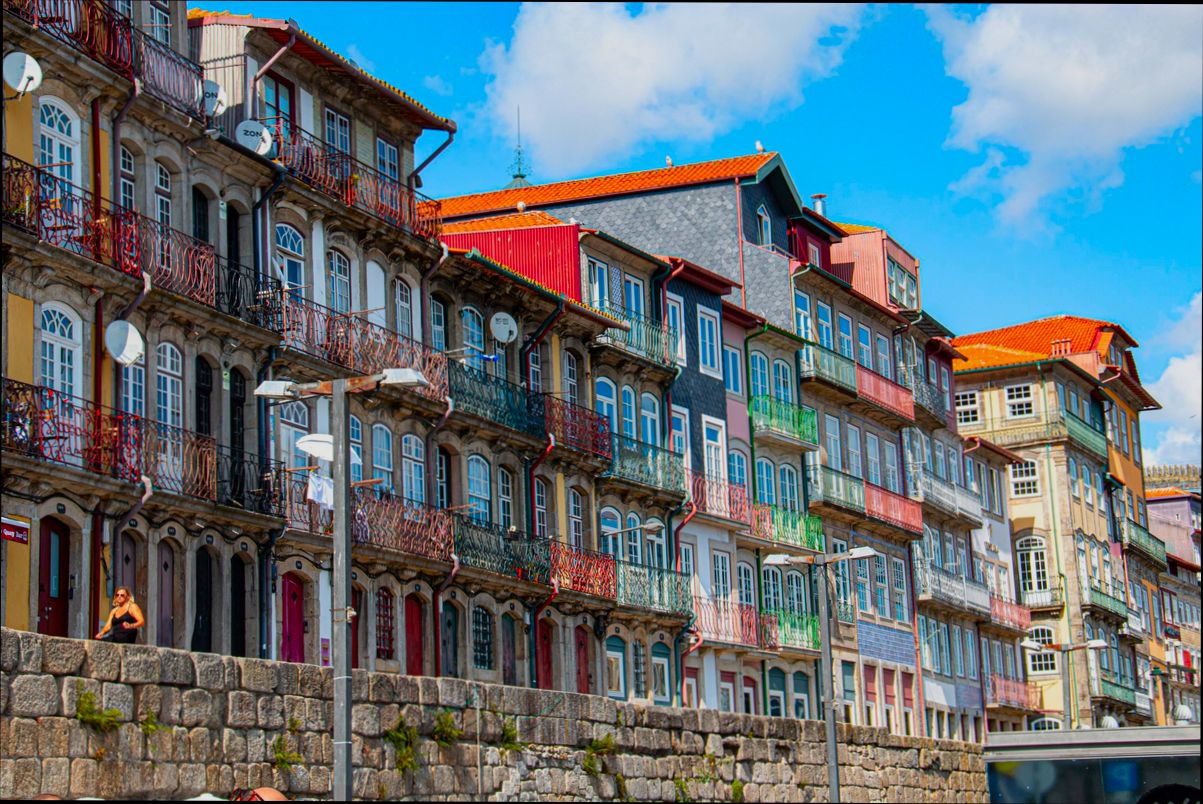
When it comes to healthcare services and community support in Porto, you’ll find a comprehensive system designed to cater to diverse healthcare needs. With a strong emphasis on accessibility and quality, Porto’s healthcare landscape presents both advantages and some areas for consideration.
Public Healthcare System
Portugal’s national healthcare system, known as Serviço Nacional de Saúde (SNS), offers residents, including expatriates, access to essential medical services. Here are some key facts:
- Universal Coverage: The SNS provides universal healthcare coverage to all residents, ensuring you have access to a wide range of medical services.
- Low Costs: For many services, costs can be minimal. For example, a standard doctor’s visit may only cost around €5 to €10.
- Emergency Services: Emergency departments operate 24/7 across the city, ensuring immediate care for urgent health issues.
Private Healthcare Options
In addition to public services, Porto has a robust private healthcare sector, which is quite popular among expats and those seeking shorter wait times.
- Fast Access: Private clinics and hospitals provide quicker access to specialist consultations and procedures, often within days rather than weeks.
- Insurance Coverage: Many private insurance plans cover a substantial portion of healthcare expenses, making private healthcare viable for many residents.
Availability of Specialist Care
Porto houses numerous specialists across various fields of medicine. Hospitals and clinics in the area cater to specific health concerns such as:
- Cardiology
- Orthopedics
- Gynecology
- Pediatrics
Local hospitals like Hospital de Santo António and São João offer comprehensive specialist care, ensuring you can find the right healthcare professional for your needs.
| Type of Healthcare | Public Sector | Private Sector |
|---|---|---|
| Access Speed | Moderate | Fast |
| Cost of Visit | €5-€10 | €50-€150 |
| Emergency Services | 24/7 | 24/7 |
| Specialist Care Availability | High | Very High |
Community Support Initiatives
Porto’s community support extends beyond healthcare services, creating a safety net for residents in need.
- Local Health Programs: Various community health initiatives, often funded by local government or NGOs, focus on preventive care and education, such as vaccination drives and health workshops.
- Mental Health Services: Organizations like the Portugal Mental Health Association provide resources for mental well-being, including counseling and support groups.
- Social Support Networks: Expats and locals alike often engage in community centers, which offer social services, assistance with navigating the healthcare system, and opportunities to connect with others.
Real-World Examples
Consider the case of expatriates in Porto who have utilized the community’s mental health services. Access to local support groups has been crucial for many, providing a platform to share experiences and alleviate feelings of isolation. Moreover, residents appreciate local health workshops that demystify the healthcare system, making it easier to navigate various services.
Practical Implications for Residents
If you’re considering moving to Porto, take the time to familiarize yourself with both public and private healthcare options. Ensure your health insurance covers necessary services within the area. Joining community initiatives and groups can also provide valuable support during your transition.
- Action Steps:
- Research local health services available in your neighborhood.
- Connect with expat groups online that can share their experiences with healthcare in Porto.
- Attend community health workshops to make the most of the available resources.
Quick Facts
- Porto has a mix of public and private hospitals equipped with modern facilities.
- The average wait time for a specialist appointment in the public sector can range from a few weeks to a couple of months, while private services typically offer appointments within days.
- Community support initiatives provide vital resources and aid, enhancing the overall quality of life for all residents.