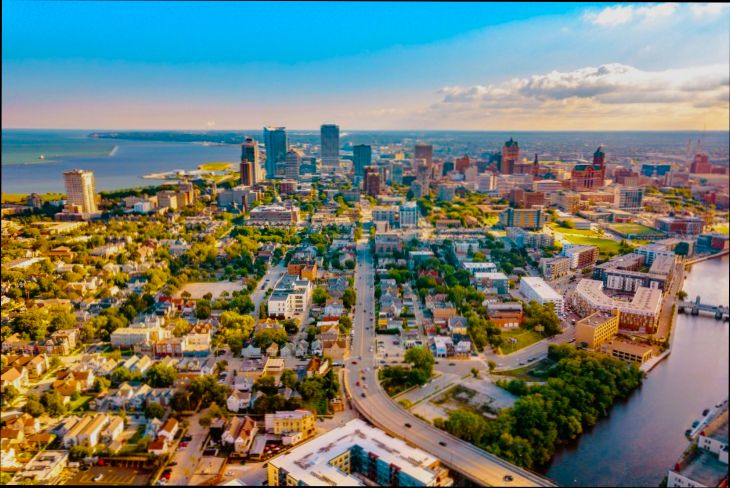
Pros and Cons of Living in Milwaukee, WI, can vary widely depending on what you’re looking for in a city. On the plus side, Milwaukee boasts an impressive cost of living that’s about 10% lower than the national average, making it incredibly attractive for those wanting to stretch their dollars. You can snag a charming two-bedroom apartment for around $1,200 a month, which is refreshingly affordable compared to other big cities. Plus, the city’s renowned beer culture and annual festivals, like Summerfest, attract locals and visitors alike, creating a vibrant atmosphere that feels like a party year-round.
On the flip side, Milwaukee faces some challenges that can affect daily life. For instance, the winter months can be brutally cold, with average January temperatures hovering around 20 degrees Fahrenheit, and snow can stick around for months. Additionally, the job market, while improving, often mirrors the struggles of the Midwest, with a reliance on manufacturing jobs and some sectors experiencing slower growth. Traffic can also be a hassle, particularly during rush hour, making that commute through the city a bit more stressful than you might like.
Cost of Living in Milwaukee Compared
Understanding the cost of living in Milwaukee is crucial for anyone considering moving to or residing in this vibrant city. With varying expenses across housing, transportation, and food, it’s essential to dive deep into how Milwaukee stacks up against other cities and its own internal metrics.
Housing Costs
When we look at housing, the median home price in Milwaukee is around $251,000, which is significantly below the national average of approximately $400,000. If you’re comparing cities, Milwaukee’s home prices are about 37% lower than in Chicago, making it an attractive option for first-time homebuyers.
- Renting: The average rent for a one-bedroom apartment in Milwaukee is about $1,000 per month. In contrast, the same apartment would typically set you back around $2,000 in nearby Madison.
Transportation Expenses
Transportation is another facet where Milwaukee shines. The city’s Transportation Cost Index is about 15% lower than the national average. Here are some key transportation stats:
- Public Transport: A monthly public transit pass in Milwaukee costs around $70, whereas similar cities like Minneapolis charge about $100 for the same service.
- Gas Prices: If you drive, gas prices in Milwaukee hover around $3.50 per gallon, generally lower than cities like Los Angeles, where drivers can expect to pay upwards of $5.00 per gallon.
Grocery Costs
Grocery prices can quickly add up, but Milwaukee’s grocery costs are approximately 5% lower than the national average. You can compare this with cities like Seattle, where the grocery prices are around 12% higher.
| Expense Category | Milwaukee Average | National Average | Difference |
|---|---|---|---|
| Median Home Price | $251,000 | $400,000 | -$149,000 |
| Average Rent | $1,000 | $1,500 | -$500 |
| Grocery Index | 95 (lower is better) | 100 | -5% |
| Gas Price | $3.50 | $4.00 | -$0.50 |
Real-World Examples
To illustrate these differences, consider a family moving from San Francisco to Milwaukee. In San Francisco, a three-bedroom house can easily reach $1.5 million, compared to the local Milwaukee market, where a similar property could cost around $350,000. This translates to substantial savings and more space for families.
Another scenario involves a student relocating to Milwaukee for university. While they might spend around $1,200 monthly on rent in another city, they can find suitable accommodations in Milwaukee for roughly $900, leaving more room in their budget for other expenses.
Practical Implications
For anyone considering a move, the cost of living in Milwaukee provides significant savings compared to other urban areas. The lower housing costs mean you could potentially allocate funds toward savings, leisure activities, or investing in education.
- Action Steps: If you’re planning your budget, prioritize housing and transportation when calculating overall living expenses.
- Further Tips: Look into neighborhoods with more affordable rental options if you’re keen on minimizing costs, like Riverwest or Bay View.
Milwaukee’s cost efficiency can provide a more balanced life and greater financial flexibility, whether you are a single professional, a family, or a student pursuing studies in the city.

Cultural Vibrancy and Arts Scene
Milwaukee boasts a rich cultural tapestry and a dynamic arts scene that enchants both residents and visitors. With a blend of established institutions and grassroots initiatives, the city fosters creativity across various artistic disciplines. Let’s dive into the components that make Milwaukee’s cultural scene so vibrant.
Thriving Arts Institutions
- Milwaukee is home to over 25 museums, including the Milwaukee Art Museum, which houses more than 30,000 artworks.
- The city also plays host to the renowned Milwaukee Symphony Orchestra, which performs over 140 concerts annually, showcasing a wide range of musical works from classical to contemporary.
Diverse Festivals
- Throughout the year, Milwaukee embraces a myriad of cultural festivals that reflect its diverse heritage.
- The Summerfest festival, known as “The World’s Largest Music Festival,” lasts 11 days and attracts around 900,000 visitors, featuring over 800 acts across multiple stages.
| Festival Name | Focus Area | Attendance Estimate |
|---|---|---|
| Summerfest | Music | 900,000 |
| Milwaukee Film Festival | Film | 25,000 |
| Bastille Days | French Culture | 300,000 |
Local Artists and Galleries
- The city encourages local artists through numerous galleries, such as the Milwaukee Institute of Art & Design (MIAD) and various pop-up galleries in neighborhoods like the Historic Third Ward.
- According to the Greater Milwaukee Foundation, nearly 40% of residents participate in art-related activities, whether as creators or consumers.
Enrichment Programs
- Community art programs, like the Milwaukee Public Theatre, engage over 6,000 youth annually, ensuring the future generation benefits from a rich artistic lineage.
- Additionally, the city’s art scene is bolstered by initiatives that promote public art installations, enhancing streetscapes and engaging the community at large.
Real-World Examples
- The Zilber School of Public Health hosts art exhibits that portray health-related themes, creating a unique intersection of art and public health awareness.
- The Historic Pabst Brewery showcases a rotating arrangement of contemporary art, inviting artists to display their work while celebrating Milwaukee’s brewing heritage.
Practical Insights
- Engage with local artists by attending gallery openings or art walks that are often scheduled monthly.
- If you’re a music lover, consider joining the vibrant local music scene by attending gigs or supporting local bands at venues such as the Riverside Theater or The Rave.
- Long-term residents often recommend attending the Milwaukee Art Museum’s first Fridays, which feature extended hours, live music, and light refreshments while exploring new exhibitions.
With its collective abundance of artistic opportunities, Milwaukee’s cultural vibrancy invites collaboration, creativity, and community engagement. Whether you’re an art aficionado, a music lover, or someone looking to explore their own creative talents, the options here are plentiful and welcome everyone to participate.

Job Market Trends and Opportunities in Milwaukee, WI
When considering a move to Milwaukee, the job market trends and opportunities play a pivotal role in the decision-making process. This city presents a unique landscape for job seekers, characterized by notable growth in various sectors, competitive salaries, and a supportive business environment.
Growing Industries
Milwaukee has experienced significant growth in several key industries, making it a land of opportunity. Here are a few sectors where job growth is particularly strong:
- Healthcare: The healthcare industry is booming due to an aging population and advancements in medical technology. Hospitals like Aurora Health and Froedtert are major employers, offering a range of positions from nursing to administrative roles.
- Manufacturing: Known historically for its manufacturing roots, Milwaukee continues to lead in sectors such as advanced manufacturing and food production. Companies like Harley-Davidson and Miller Brewing provide numerous job opportunities.
- Technology: As the tech landscape expands, Milwaukee is becoming a hub for startups and tech firms. Organizations like the Milwaukee Institute and local incubators support entrepreneurship and innovation.
Comparative Salary Insights
In terms of wages, Milwaukee shows a mixed but encouraging picture. While the average salary tends to be lower compared to national figures, the cost of living makes these salaries relatively attractive:
| Industry | Average Salary (Milwaukee) | Average Salary (National) |
|---|---|---|
| Healthcare | $55,000 | $70,000 |
| Manufacturing | $60,000 | $75,000 |
| Technology | $80,000 | $95,000 |
These figures suggest that while wages may be lower, the cost of living—13% below the national average—makes it possible for residents to enjoy a comfortable lifestyle with their earnings.
High Employment Rate
Milwaukee’s unemployment rate stands at 24.5% among the nation’s 100 largest cities, indicating that the city has ample job openings. With many sectors actively hiring, the job market remains resilient. Employers are increasingly prioritizing diversity and inclusion, offering numerous opportunities for a well-rounded workforce.
Real-World Examples
Several businesses in Milwaukee have demonstrated a commitment to growth and jobs:
- Kohler Co.: This iconic brand not only employs thousands in manufacturing and design roles but also emphasizes sustainability, aligning with modern job seekers’ values.
- Generac Power Systems: A company specializing in power generation, Generac has expanded significantly, creating hundreds of jobs as demand for energy solutions rises.
Practical Implications for Job Seekers
For residents or those moving to Milwaukee, it’s beneficial to consider the following when navigating the job market:
- Networking: Leverage local events and trade groups to connect with industry leaders and learn about job openings.
- Utilize Job Boards: Websites focusing on Milwaukee-based opportunities can be valuable resources for job seekers, helping then stay updated on openings.
- Upskilling: Many local institutions, like Milwaukee Area Technical College, offer courses tailored to emerging industries. Investing in new skills can significantly enhance job prospects.
Opportunities abound in Milwaukee for those ready to dive into its evolving job market. With a commitment to growth in important sectors and competitive living conditions, the city presents an attractive option for job seekers.
Quality of Education and Schools
When considering a move to Milwaukee, the quality of education and schools is a crucial factor for families and individuals alike. The city’s educational landscape is diverse, comprising public, private, charter, and parochial schools that cater to various needs and preferences.
School Performance Metrics
Milwaukee offers a range of school options, and understanding their performance is essential. Here are some important metrics:
- High School Graduation Rate: Milwaukee Public Schools (MPS) report a graduation rate of approximately 78.9% for the 2022 academic year.
- State Report Card Scores: MPS schools scored an average of 59.5 on the state report card, where scores range from 0-100, indicating areas of strength and opportunities for improvement.
- College Readiness: Only about 18% of high school graduates in Milwaukee are considered “college and career ready,” which is lower than the state average of 34%.
Comparative School Performance Table
| School Type | Average Graduation Rate | Average State Report Card Score | College Readiness Percentage |
|---|---|---|---|
| Milwaukee Public Schools | 78.9% | 59.5 | 18% |
| Private Schools | 93% | 75.2 | 45% |
| Charter Schools | 85% | 70.1 | 35% |
Real-World Examples
One standout school in Milwaukee is Rufus King International School. This public school has consistently ranked among the best in the city with an impressive graduation rate of 95% in 2022. Rufus King’s focus on International Baccalaureate programs is designed to enhance students’ preparedness for global opportunities.
On the charter school front, University School of Milwaukee is known for its robust curriculum and cultural diversity. It boasts a graduation rate of 100% with 85% of graduates attending four-year colleges.
Practical Implications for Readers
When evaluating schooling options in Milwaukee, consider visiting local schools to get a sense of their environment and culture. Engaging with teachers and administrators can provide personal insights into school performance and programs available for students. It’s also helpful to review school ratings on websites like GreatSchools and Niche for detailed comparisons.
Parents should weigh factors like school size, extracurricular offerings, and community involvement, all of which significantly contribute to the educational experience. Additionally, exploring scholarship opportunities can ease the financial burden of private schooling, which tends to offer higher graduation and college readiness rates.
Actionable Insights
- Explore local school district websites for the latest performance data and school visit options.
- Attend open houses or school fairs to directly interact with educators and gather information.
- Consider the academic programs offered, particularly those focused on STEM, arts, or dual enrollment opportunities, to find the best fit for your child’s interests and needs.
Outdoor Activities and Recreation Options
Milwaukee offers a diverse range of outdoor activities and recreation options that cater to various interests and lifestyles. Living in this vibrant city means access to beautiful parks, trails, and waterfront activities that can enhance your quality of life. Whether you enjoy outdoor sports, leisurely strolls, or nature exploration, Milwaukee has something for everyone.
Parks and Green Spaces
Milwaukee is home to an impressive number of parks—roughly 150—providing ample opportunities for both relaxation and active pursuits. Here are some highlights:
- Lake Park: This scenic park along Lake Michigan offers stunning views, natural trails, and picnic areas. You can enjoy walking, running, or simply soaking up the beauty of the lakeshore.
- Kletzsch Park: Known for its serene environment, this park features paths for biking and hiking, along with nestled picnic spots.
Biking and Running Trails
Milwaukee’s extensive network of biking and walking trails spans over 100 miles, making it easy to stay active. Here are some favorites:
- Oak Leaf Trail: This trail encircles the city and connects various parks, making it ideal for long bike rides or brisk walks.
- Hank Aaron State Trail: Ideal for both biking and running, it follows the Menomonee River and connects to multiple neighborhoods, featuring beautiful scenery along the way.
| Activity | Description | Popular Locations |
|---|---|---|
| Biking | Extensive trails for biking enthusiasts | Oak Leaf Trail, Hank Aaron State Trail |
| Running | Well-maintained paths suitable for running | Kletzsch Park, Lake Park |
| picnicking | Designated areas with tables and scenic views | Veterans Park, Mitchell Park |
Waterfront Recreation
Living near the Great Lakes means you have a plethora of waterfront activities at your fingertips:
- Kayaking and Paddleboarding: You can rent kayaks and paddleboards at various locations along the Milwaukee River, including rental services by the Milwaukee Kayak Company. This allows for a unique view of the city’s architecture from the water.
- Fishing: The diverse fishing spots include the Milwaukee River and nearby lakeshore areas, attracting both novice and seasoned anglers eager to catch local fish species.
Seasonal Outdoor Activities
Milwaukee’s four distinct seasons provide opportunities for varied outdoor activities throughout the year:
- Winter Sports: During snowy months, parks transform into winter wonderlands where you can ski, snowboard, or even go ice skating at local rinks.
- Summer Festivals: Organized events often take place in parks, where you can enjoy outdoor concerts, food festivals, and movies under the stars.
Real-World Examples
Local organizations like the Milwaukee County Parks Department actively promote outdoor activities and recreational programs. For instance, they provide guided kayak tours during summer months, showcasing the ecological beauty of the rivers and lakes. Additionally, community initiatives include outdoor yoga classes that take place in parks, combining fitness and relaxation in a natural setting.
Practical Implications
Residents can take advantage of Milwaukee’s rich outdoor offerings by planning regular outdoor activities. Whether it’s joining a local running group or participating in community events, connecting with nature and staying active is achievable.
Keep an eye out for seasonal permits if you plan to fish or engage in water sports. Joining local outdoor clubs can also enhance your experience and connect you with like-minded individuals.
For anyone considering moving to Milwaukee, embracing its outdoor lifestyle can be remarkably rewarding and beneficial for both physical and mental well-being.
Community Engagement and Neighborhood Life
Living in Milwaukee isn’t just about enjoying a low cost of living; it also offers vibrant community engagement and diverse neighborhood life that warmly welcomes residents. In this section, let’s explore how community initiatives, local organizations, and social interactions shape daily life and contribute to a strong sense of belonging.
Vibrant Community Organizations
Milwaukee hosts a plethora of community organizations designed to engage residents. With over 300 active neighborhood associations across the city, these groups empower individuals to influence decisions about their communities. You might find initiatives focused on safety, beautification, and local events like neighborhood clean-ups that foster a strong community spirit.
- Volunteerism: Approximately 25% of residents actively participate in local volunteer opportunities, ranging from tutoring at schools to environmental conservation projects.
- Civic Engagement: Milwaukee boasts a 35% voter participation rate in local elections, reflecting residents’ commitment to civic engagement and community development.
Neighborhood Events and Activities
Residents enjoy a wide range of events that facilitate interaction and foster connection among neighbors. These gatherings create opportunities for residents to come together, celebrate, and maintain a vibrant neighborhood atmosphere.
Here’s a quick look at the types of events:
| Event Type | Frequency | Example |
|---|---|---|
| Farmers Markets | Weekly | Milwaukee’s East Side Market |
| Block Parties | Seasonal | Summer BBQ in the neighborhoods |
| Art Walks | Monthly | Third Ward Art Walk |
| Cultural Festivals | Annually | Fiserv Forum’s Summerfest |
Real-World Cases of Community Engagement
The importance of community engagement is evident through initiatives like the Milwaukee Neighborhood News Service, which promotes hyper-local journalism. This platform encourages residents to share stories and experiences from their neighborhoods, enhancing local discourse and understanding.
Another notable example is the “Neighborhood Watch” program, which emphasizes safety through community participation. With a 40% increase in neighborhood watch groups over the past few years, residents come together not only for safety but for social support, creating bonds that extend beyond mere vigilance.
Practical Implications for Residents
For anyone considering a move to Milwaukee or currently residing here, engaging with neighborhood initiatives can positively impact quality of life. Joining local groups or participating in community events can enhance your social circle, leading to new friendships and a stronger network.
- Attend Local Meetings: Get involved by attending neighborhood association meetings to learn about local issues and contribute your voice.
- Participate in Events: Try participating in block parties or farmers markets to establish connections and immerse yourself in the community culture.
- Volunteer: Find local volunteer opportunities that match your interests, whether that’s mentoring youth or working on environmental projects.
Actionable Advice
To truly thrive in Milwaukee, dive into the community life by connecting with your neighborhood. Engage with local associations, volunteer your time, or simply attend the nearest farmers market to meet new people. By doing so, you not only enrich your own experience but also contribute to the vibrant tapestry of Milwaukee’s neighborhood life.

Public Safety and Crime Statistics
Understanding the public safety landscape in Milwaukee is essential for residents and potential movers, as crime statistics can significantly influence your choice of neighborhood. Milwaukee does experience crime, but contextualizing these figures can help you make informed decisions about living in the area.
Key Crime Statistics
- Milwaukee’s overall crime rate is approximately 28% higher than the national average, which may raise concerns for newcomers.
- Violent crime, including homicide, aggravated assault, and robbery, saw a notable spike, with a 30% increase in homicides reported in recent years.
- Property crime is also a concern, with incidents like burglary and theft making up about 60% of reported crimes in the city.
| Crime Type | Milwaukee Crime Rate | National Average Crime Rate |
|---|---|---|
| Violent Crime | 1,350 incidents/100,000 | 382 incidents/100,000 |
| Property Crime | 4,100 incidents/100,000 | 2,200 incidents/100,000 |
| Homicide | 160 per year | 17 per year |
Real-World Examples
One key case that highlights the crime situation in Milwaukee occurred in late 2022 when a significant spike in community concern catalyzed increased police presence in high-crime neighborhoods. Local law enforcement collaborated with community organizations to implement initiatives such as neighborhood watch programs, which empowered residents to take an active role in their safety.
Another notable example is the use of data-driven policing strategies. The Milwaukee Police Department has employed predictive analytics to identify and address areas with rising crime patterns, leading to a 20% reduction in certain violent crimes over the last year.
Practical Implications for Residents
- If you plan to live in Milwaukee, consider researching crime statistics specific to the neighborhoods you’re interested in. Communities like Bay View and the Third Ward tend to report lower crime rates compared to other areas.
- Engaging with local neighborhood associations can provide valuable insights into public safety measures and community initiatives aimed at crime prevention.
- Knowing how to navigate emergency services and local resources can enhance your safety; familiarize yourself with the Milwaukee Police Department’s programs and community outreach efforts.
You might also want to invest in home security systems as a proactive measure—statistics indicate that homes without security systems are 300% more likely to be broken into than those with them.