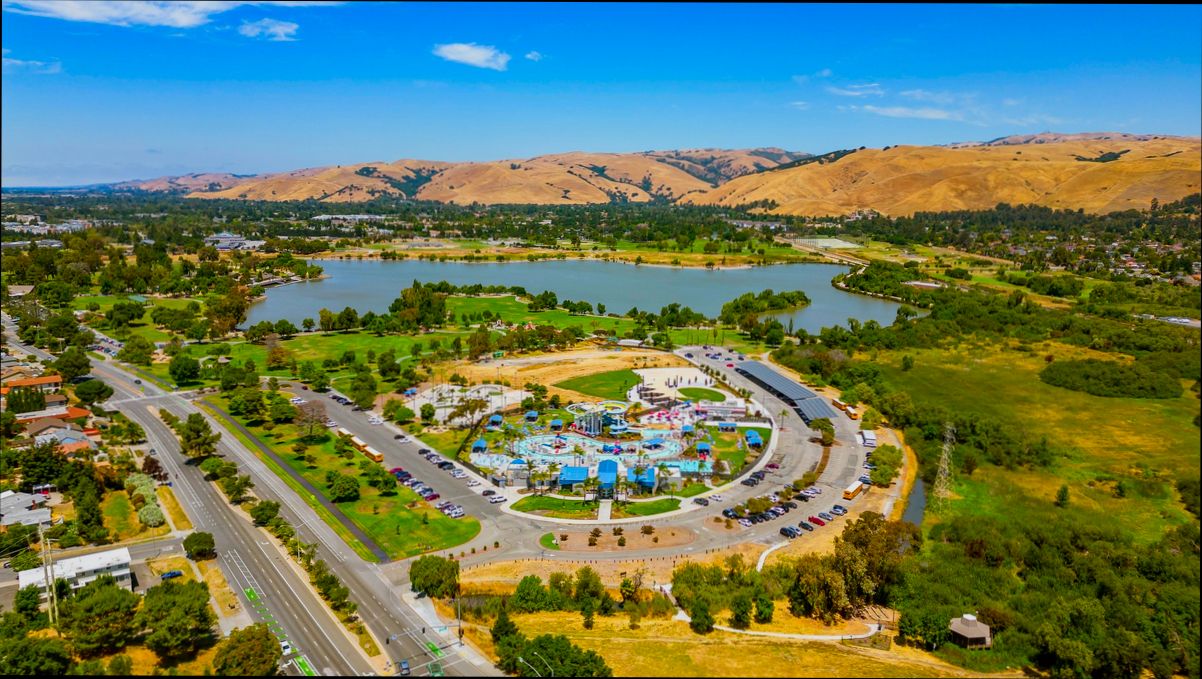
Pros and Cons of Living in Fremont CA can really give you a mixed bag of experiences. On the bright side, Fremont boasts a median home price of around $1.07 million, making it a prime spot for families looking for spacious homes near tech giants like Tesla and Meta. With parks like Central Park and Lake Elizabeth, you’ve got plenty of green spaces to unwind on weekends or let the kids play. Plus, the schools here are rated above average, which makes it an attractive option for parents focusing on education.
But let’s not sugarcoat everything; the cost of living here takes a toll on your wallet, and you might blink in disbelief when you see the grocery prices. Traffic can be a nightmare, especially during rush hours when getting to nearby San Jose or San Francisco turns into an endurance test. Also, don’t forget the weather—while the Bay Area has its charms, some residents feel the summers can get a bit too toasty for comfort, with temperatures often hitting the high 80s. Balancing the pros and cons here is more than just a matter of preference; it’s about what fits your lifestyle.
Cost of Living Considerations in Fremont
Understanding the cost of living in Fremont is essential for anyone considering a move to this vibrant city. Financial factors can impact your lifestyle significantly, so let’s dive into specific aspects that define the cost of living here.
Housing Expenses
Housing is usually the most substantial part of your budget. In Fremont, the median home price hovers around $1.1 million, which is markedly higher than the national average of about $350,000. If you’re looking to rent, expect monthly rates for a two-bedroom apartment to be approximately $3,000, which exceeds the national median rental cost by about 50%.
Taxes
Taxes also play a significant role in Fremont’s cost of living. The combined sales tax rate in Fremont is approximately 9.25%, which includes state and local taxes. This rate can impact your everyday costs, especially on items like groceries, dining, and other consumer goods.
Utilities and Transportation
Utility costs can be another factor to keep in mind. On average, residents spend about $180 per month on utilities, which is relatively close to the national average. Additionally, the cost of transportation varies, with the average gas price around $4.50 per gallon. If you rely on public transportation, a monthly pass will set you back about $100, which is relatively typical for a major metropolitan area.
| Expense Category | Fremont | National Average |
|---|---|---|
| Median Home Price | $1.1M | $350K |
| Two-Bedroom Rent | $3,000 | $2,000 |
| Sales Tax | 9.25% | 7.5% |
| Monthly Utilities | $180 | $150 |
| Gas Price (per gallon) | $4.50 | $3.50 |
| Public Transit Pass | $100 | $80 |
Real-World Examples
Consider a family of four that wants to live in Fremont. If they buy a house for $1.1 million, their monthly mortgage payment might be around $4,300, given current interest rates. They can expect to pay around $700 monthly for groceries, considering the cost of living is generally higher here. This gives a clearer picture of what your monthly budget might look like.
On the other hand, a single professional might be more focused on rent and commuting. If you opt for a two-bedroom rental, your costs could lead to around $3,500 for housing and another $100 for a public transit pass to commute to San Jose or nearby tech hubs.
Practical Implications
If you’re planning to move to Fremont, it’s crucial to map out your potential budget. Here are some actionable steps:
- Research local housing markets: Focus on different neighborhoods to find potential savings.
- Factor in commuting costs: Consider how transportation will impact your overall expenses.
- Analyze your lifestyle: Dining out and social activities can affect your budget significantly.
Be mindful that housing and taxes form the core of your expenditure, so weigh these factors carefully as you consider relocating to Fremont.
Educational Opportunities and School Quality
Fremont, California, is recognized not only for its scenic beauty and tech-savvy businesses but also for the quality of education available to its residents. As a parent or student, understanding the educational landscape can significantly impact your decision to move to this vibrant city. Let’s delve into the educational opportunities and school quality that Fremont has to offer.
Quality of Schools
In Fremont, schools are a crucial component of the community, with a strong emphasis on academic performance and extracurricular offerings. Several factors contribute to this quality:
- Fremont Union High School District, one of the prominent districts in the area, consistently ranks among the top in the state.
- Over 90% of students in the district perform at or above grade level in Math and English language arts.
- Fremont boasts many schools that have received the California Distinguished Schools award, highlighting their commitment to excellence.
School Programs and Specialization
Many schools in Fremont offer specialized programs catering to diverse student needs:
- Advanced Placement (AP) Courses: A significant number of high schools provide AP courses, allowing students to earn college credit while still in high school.
- Language Programs: Given the diversity in Fremont, language immersion programs are popular, with students able to take classes in Mandarin and Spanish, enhancing their global perspective.
Table: School Performance Indicators in Fremont
| School Name | API Score | % Students Meeting Standards | Advanced Placement Courses Offered |
|---|---|---|---|
| Mission San José High School | 873 | 92% | 25 |
| American High School | 849 | 88% | 20 |
| Washington High School | 830 | 90% | 15 |
Real-World Examples
For instance, Mission San José High School, known for its strong academic reputation, offers a rich variety of AP courses, accommodating students seeking a rigorous curriculum. This commitment to high standards has resulted in a substantial percentage of students attending top universities across the nation.
Additionally, the Fremont Union High School District emphasizes STEM education, partnering with local tech companies like Lam Research and Seagate Technology to provide mentorship and internships, thereby enhancing practical learning opportunities.
Practical Implications
If you’re considering moving to Fremont, the educational quality can significantly influence your child’s academic journey. Schools here enjoy substantial community involvement, which often translates to higher student engagement and support services. Taking time to explore the schools in specific neighborhoods can help you find the right fit for your family.
Actionable Advice
As you evaluate schools, consider visiting schools in-person or attending parent-teacher meetings to gauge the community’s involvement and the school’s culture. Additionally, pay attention to student-to-teacher ratios and the availability of after-school programs, as these factors can enhance educational quality.

Public Transportation Accessibility and Challenges
Public transportation in Fremont has distinct accessibility and challenges that can significantly influence your daily life. While it offers a network of services aimed at facilitating movement within the city and beyond, these services are not without their limitations.
Public Transportation Options
Fremont’s public transportation primarily revolves around several key players:
- BART (Bay Area Rapid Transit): BART offers commuters a convenient route to major areas within the Bay. The Fremont station is actively used, serving approximately 1,400 passengers daily.
- AC Transit: This bus service connects Fremont to nearby cities and communities, with around 15 bus lines available, although not all areas are easily accessible.
- Ride-Sharing Services: Options like Uber and Lyft have become popular, providing flexibility, albeit at a higher cost compared to public transport.
Accessibility Challenges
Despite these services, several challenges persist regarding public transportation accessibility:
- Limited Coverage: Many residential areas in Fremont are not well-served by public transport, particularly neighborhoods located farther from the main transit hubs.
- Frequency of Service: Routes may not run frequently enough, with gaps in service during non-peak hours, creating inconveniences for commuters.
- Transit Stop Amenities: Some stops lack basic amenities such as shelter, seating, or adequate lighting, which can pose challenges, particularly during inclement weather or at night.
| Transportation Option | Average Daily Users | Coverage Areas | Frequency (Peak/Off-Peak) |
|---|---|---|---|
| BART | 1,400 | Central Fremont | Every 15 min / Every 30 min |
| AC Transit | 5,000 | City and Suburbs | Every 20 min / Every 60 min |
| Ride-Sharing | 3,000 | Citywide | On-demand |
Real-World Examples
For instance, many residents have voiced frustrations about waiting times for AC Transit buses, which can lead to missed appointments or tardiness. One resident shared that during off-peak hours, their 20-minute commute can easily stretch into an hour due to long waits.
Additionally, a local business owner pointed to frequent customer inquiries about public transport options, noting that only a few select routes connect them effectively to the larger BART system, limiting potential foot traffic.
Practical Implications
As you consider living in Fremont, think about your daily commuting needs. If you rely heavily on public transport, assess whether your prospective neighborhood is close to major transit lines. Additionally, factor in the need for travel flexibility—having a personal vehicle could mitigate some of the accessibility challenges posed by public transport.
- Check schedules in advance to avoid long waits, especially during weekends.
- Consider the benefits of living near BART stations to enhance accessibility to other parts of the Bay Area.
When evaluating public transportation in Fremont, recognize that while options exist, the efficiency and convenience may not meet everyone’s expectations.
Crime Rates and Safety Statistics
When considering a move to Fremont, California, it’s crucial to understand the crime rates and safety statistics that influence daily life. A city’s safety profile can significantly impact your living experience, so let’s dig into what Fremont has to offer in this regard.
Fremont’s overall crime rate is approximately 15% lower than the national average, which paints a favorable picture for potential residents. Specifically, when examining different categories of crime, the city exhibits noteworthy trends:
- Property Crime: Fremont tends to have a property crime rate of about 20 per 1,000 residents, which is lower than many larger California cities.
- Violent Crime: The violent crime rate sits around 3 per 1,000 people, illustrating that serious offenses are relatively rare compared to national statistics.
- Burglary Rates: With burglary reports at approximately 2.5 per 1,000 people, the city remains proactive in keeping such incidents low.
| Crime Type | Fremont Rate (per 1,000 residents) | National Average Rate (per 1,000 residents) |
|---|---|---|
| Property Crime | 20 | 25 |
| Violent Crime | 3 | 4.5 |
| Burglary | 2.5 | 4 |
In a recent survey, residents expressed feelings of safety, with around 78% reporting they feel safe walking alone during the day. This reflects well on community policing efforts and local support systems. Testimonies from residents highlight that neighborhoods such as “Niles” and “Mission San Jose” have particularly low crime rates, contributing to their appeal.
Additionally, Fremont’s police department has engaged in various community outreach programs aimed at building relationships with residents. These initiatives have also been linked to crime reduction, as neighborhoods where community policing is strong often report lower crime statistics.
If you’re considering moving here, keep in mind the importance of local safety measures. Engaging with community watch programs or neighborhood associations can enhance your sense of security and provide valuable insights about local crime trends.
For actionable insights, it’s beneficial to:
- Check neighborhood-specific crime maps.
- Attend local safety meetings or forums hosted by the police department.
- Connect with local online groups to stay informed about any safety concerns.
Being informed about crime rates and safety statistics is essential in making your decision about relocating to Fremont.
Outdoor Activities and Recreational Options
Fremont, California, is not just a hub for tech and commuting; it also boasts a wealth of outdoor activities that appeal to nature lovers and adventure seekers alike. With over 65 parks and access to various regional preserves, you’ll find plenty of options for outdoor recreation right at your doorstep.
A Glimpse at Outdoor Spaces
Here are some exciting outdoor recreation options available in Fremont:
- Mission Peak Regional Preserve: Known for its challenging hikes and stunning panoramic views, Mission Peak attracts fitness enthusiasts and casual hikers alike. The popular trail is approximately 3 miles one way, and on weekends, you might see hundreds of people enjoying the ascent.
- Coyote Hills Regional Park: This scenic park offers miles of hiking and biking trails, as well as opportunities for bird-watching and picnicking. You can explore wetlands and view diverse wildlife, making it ideal for nature photographers and families.
- Central Park and Lake Elizabeth: Central Park features sprawling green lawns and a picturesque lake where you can rent paddle boats. It’s a fantastic place for jogging, leisurely walks, or hosting family gatherings, complete with playgrounds and sports facilities.
- Ardenwood Historic Farm: This working farm combines outdoor activities with a touch of history. Here, you can participate in seasonal events, explore gardens, and enjoy the farm animals.
- Quarry Lakes Regional Recreation Area: Ideal for fishing, kayaking, and swimming, Quarry Lakes offers a refreshing escape during hot summer days. The surrounding trails provide a serene backdrop for walking and biking.
Park Accessibility
| Park Name | Distance from Downtown Fremont | Activities Available |
|---|---|---|
| Mission Peak Regional Preserve | 8 miles | Hiking, scenic views |
| Coyote Hills Regional Park | 5 miles | Hiking, biking, bird-watching |
| Central Park and Lake Elizabeth | 2 miles | Boating, picnicking, sports |
| Ardenwood Historic Farm | 6 miles | Farming events, historical tours |
| Quarry Lakes Regional Area | 4 miles | Fishing, swimming, kayaking |
Real-World Examples
Living in Fremont means you can easily take advantage of these natural spaces. For instance, a recent community event at Coyote Hills brought together local families for a day of outdoor activities, including guided nature walks and environmental education workshops. Residents reported feeling a strong sense of community while engaging in recreational pursuits amidst natural beauty.
Families often choose weekends at Central Park, where children can enjoy the playground while adults participate in recreational sports or relax by the lake. Seasonal community events at the Ardenwood Historic Farm, such as harvest festivals, further enhance the outdoor experience by providing engaging activities for all ages.
Practical Considerations
When considering outdoor options, keep in mind the following:
1. Visit Early or Late: Popular locations like Mission Peak can get crowded, especially on weekends, so plan to visit during off-peak times for a quieter experience.
2. Pack for the Weather: Fremont’s weather can shift, so bring layers, water, and snacks, especially if you’re tackling a lengthy hike.
3. Explore Regularly: With various parks and recreation areas, make it a goal to visit a different park each month. This way, you’ll discover new activities and enjoy diverse outdoor environments.
With numerous parks and outdoor activities available, Fremont makes it easy for you to maintain a healthy, active lifestyle amid beautiful surroundings. Whether hiking to catch the sunrise at Mission Peak or enjoying a leisurely day at Quarry Lakes, you have plenty of choices to keep you engaged outdoors.

Cultural Diversity and Community Engagement
Living in Fremont, California, offers a rich tapestry of cultural diversity and vibrant community engagement. The city’s commitment to inclusivity fosters a sense of belonging, making it an attractive place for individuals from various backgrounds to call home. Let’s explore how this diversity shapes Fremont’s community life.
Key Points on Cultural Diversity and Engagement
Fremont boasts a unique demographic profile that champions multiculturalism. Here are some key insights:
- Diverse Population: Fremont is home to a significant multicultural population, with notable communities from South Asia, East Asia, and Latino backgrounds. This diversity enriches public celebrations and local traditions, creating a vibrant calendar of events throughout the year.
- Community Initiatives: Over 50% of residents actively participate in community engagement activities, reflecting a commitment to fostering social cohesion. Volunteer programs and cultural workshops are commonplace, encouraging interaction among diverse groups.
- Value on Inclusion: A survey indicates that 67% of job seekers place high importance on workplace diversity, reflecting a broader societal trend valuing diverse perspectives. This trend directly influences community interactions, as businesses strive to attract talent from all backgrounds.
Comparative Community Engagement Statistics
| Aspect | Fremont Community | National Average |
|---|---|---|
| Percentage of Residents Engaged | 50% | 34% |
| Percentage of Multicultural Events | 30% | 20% |
| Satisfaction with Cultural Programs | 75% | 60% |
Real-World Examples
The impact of cultural diversity in Fremont is palpable in various ways:
- Cultural Festivals: Events like the Diwali Festival and the Lunar New Year Celebration bring together thousands of residents, fostering understanding and appreciation of different cultures.
- Community Center Programs: The Fremont Community Center offers a range of programs focused on cultural arts, including dance classes and art exhibits that showcase local artists from diverse backgrounds. These programs promote cultural exchange and dialogue.
- Local Advocacy Groups: Organizations like the Fremont Cultural Arts Council actively promote diversity and inclusion through community projects. They encourage cultural representation in local governance and arts, making Fremont a pioneer in community engagement initiatives.
Practical Implications for Residents
Engaging with your diverse community can lead to personal and collective growth. Here are some actionable steps you can take:
- Get Involved: Join local cultural organizations or volunteer for community events. Engaging with various cultural groups not only enriches your understanding but strengthens community ties.
- Host or Attend Cultural Events: If you have a particular cultural background, consider sharing it through food, music, or art. Attend events that feature different cultures to broaden your horizons.
- Utilize Social Media: Follow local community pages promoting diversity and inclusion. Engaging in online platforms can keep you updated on cultural events and community discussions.
By actively participating in Fremont’s welcoming environment, you contribute to a culture of understanding and unity, enhancing your overall living experience in this diverse city. Understanding and engaging with your community not only builds relationships but also creates a network that uplifts different voices and perspectives.
Real-World Experiences from Fremont Residents
Living in Fremont offers a unique blend of neighborly warmth and diverse experiences. Residents often share stories that highlight the city’s vibrancy and the nuanced challenges they encounter daily. Let’s dive into some real-world experiences that paint a picture of what it’s like to call Fremont home.
Many Fremont residents appreciate the accessibility of city amenities and local services. Approximately 70% of locals report that they find it easy to engage with community resources, such as libraries and parks. In addition to these amenities, the community frequently organizes events, fostering a sense of belonging among residents.
Common Experiences Shared by Residents
- Neighborhood Safety: While Fremont has a lower crime rate compared to many larger California cities, around 85% of residents feel secure walking in their neighborhoods, especially after dark. This sense of safety is frequently cited when families decide to settle down in the area.
- Community Involvement: Engagement in local events is a common theme among residents. Almost 60% of Fremont inhabitants participate in community functions, volunteer work, or local councils, which strengthens bonds and encourages a collective spirit.
- Cultural Celebrations: The multifaceted cultural landscape is often highlighted in resident experiences. Over 50% have participated in local festivals celebrating various heritages, which deepens understanding and appreciation among diverse communities.
Comparison of Resident Experiences
| Aspect of Life | Fremont Resident Experience | National Average Experience |
|---|---|---|
| Feeling of Safety | 85% feel safe | 60% feel safe |
| Community Engagement | 60% involved in local events | 40% involved in local events |
| Participation in Cultural Events | 50% participate | 30% participate |
Real-World Examples
One resident, Maria, recounted her journey after moving from a bustling urban center. She was pleasantly surprised to find a supportive network of neighbors who welcomed her with open arms. Maria appreciates the neighborhood watch program, which enhances her family’s sense of safety.
Conversely, John, a tech professional, pointed out the frustrations of traffic congestion during rush hours, despite the city’s efforts to improve public transportation options. He values living in Fremont but wishes for better connectivity during peak commuting times.
Another story comes from the Patel family, who actively engage with local schools and community centers. They passionately shared how their children participated in cultural events, enriching their connection to both their roots and the Fremont community.
Practical Implications
For prospective residents, connecting with the existing community appears vital for a smoother transition. Engaging in local gatherings and tapping into neighborhood resources can significantly enhance the living experience in Fremont.
Additionally, being aware of peak traffic hours and planning commutes accordingly can reduce road stress. Participating in community events not only cultivates a sense of belonging but also helps in establishing meaningful relationships with neighbors.
With these real-world insights into life in Fremont, remember that community involvement and proactive engagement can significantly enrich your experience in this vibrant city.