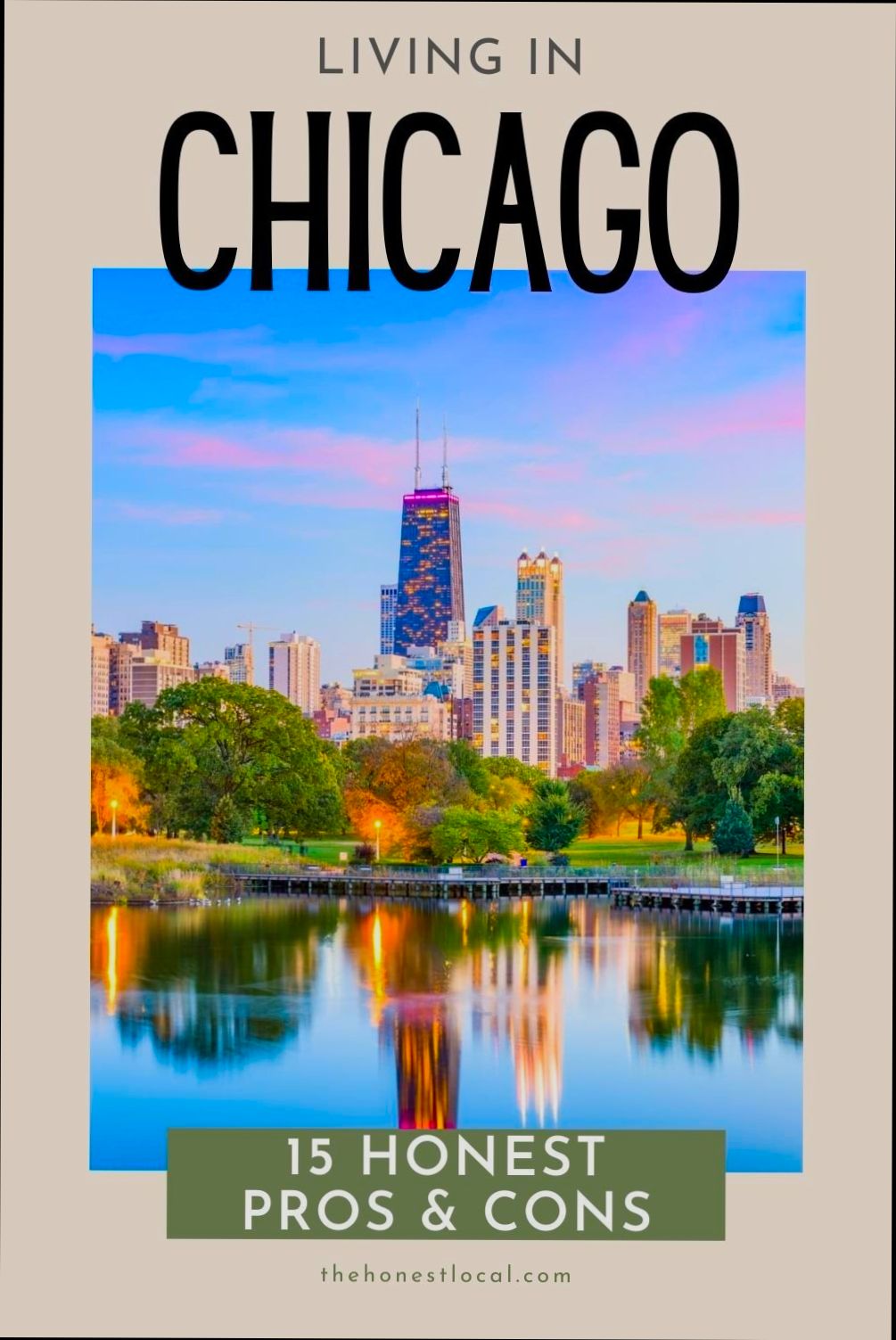
Pros and Cons of Living in Chicago IL can feel like a rollercoaster ride. On the bright side, Chicago boasts a vibrant arts scene with over 200 theaters and countless music festivals, like Lollapalooza that draw crowds from all over. You’ve got the iconic Chicago-style deep-dish pizza, which is practically a rite of passage for newcomers. The public transport system is reliable, with the CTA running trains and buses around the clock, making it easy to explore neighborhoods like Wicker Park or Lincoln Park without breaking the bank on gas.
But it’s not all pizza and jazz. Winters here are brutal, with average temperatures dipping to around 20°F and heavy snowfall that can turn commutes into a real headache. Crime rates can be a concern, especially in certain neighborhoods, which can make anyone think twice before picking that dream apartment. And let’s face it, the cost of living isn’t a walk in the park – rent in desirable areas can easily hit over $2,000 for a one-bedroom. Balancing the perks of city life with its challenges is a constant negotiation that every Chicagoan faces.

Cost of Living Analysis in Chicago
When considering a move to Chicago, understanding the cost of living is crucial for making informed decisions. The Windy City presents a compelling case for affordability when you closely analyze housing, utilities, and other living expenses.
Key Cost of Living Insights
- Housing Affordability: The median home price in Chicago stands at approximately $355,000. This is 13% lower than the national median and significantly more affordable than cities like Boston, where homes average around $748,000.
- Rental Costs: Renting in Chicago also offers relative affordability, with the average rent for a one-bedroom apartment costing about $2,150, compared to more than $3,500 in New York City.
- Property Tax Impact: The effective property tax rate in Chicago is around 2%, which is higher than cities like Boston (0.67%) and Los Angeles (0.69%). This means that if you own a home worth $355,000, you could be paying approximately $7,100 annually in property taxes alone.
- Sales Tax Rate: The sales tax in Chicago is on the higher side, at 10.25%, compared to the national average of 6-7%. This extends to everyday purchases, from groceries to miscellaneous goods.
- Utility Expenses: Monthly utilities average about $190 in Chicago, which is lower than the national average of $170. However, utility costs can spike during extreme weather months, adding to overall living expenses.
Comparative Cost of Living Table
| Cost Item | Chicago | Boston | NYC | LA | National Avg |
|---|---|---|---|---|---|
| Median Home Price | $355,000 | $748,000 | $763,000 | $973,000 | $407,500 |
| 1BR Rent (avg) | $2,150 | $2,950 | $3,500+ | $2,300 | $1,534 |
| Property Tax % | 2.0% | 0.67% | 0.9% | 0.69% | 1.1% |
| Sales Tax | 10.25% | 6.25% | 8.875% | 9.5% | 6-7% |
| Monthly Utilities | $190 | $220+ | $250+ | $220 | $170 |
Real-World Examples
A first-time homebuyer may find that their dollar stretches further in Chicago. For instance, a couple purchasing a home for $355,000 in Chicago would enjoy considerably lower housing costs compared to their counterparts in cities like Los Angeles or New York City. With the median home price in Los Angeles hovering around $973,000, securing a similar-sized property there would drastically increase monthly mortgage payments.
For renters, opting for a one-bedroom apartment in Chicago at $2,150 means costing far less than what they would pay for a cramped studio in New York City, where rents often exceed $3,500.
Practical Implications
As you evaluate your budget, consider not just the price tags attached to housing or rent but also the ongoing costs, such as property taxes and utility bills. Understanding Chicago’s various homeowner exemptions could also result in significant savings if you’re eligible, such as the Senior Citizen Homestead Exemption for residents over 65.
When planning your relocation, keep in mind:
- Budget Utilities: Set aside about $190/month for utilities, but be prepared for fluctuations, particularly in winter.
- Account for Sales Tax: Shop smart; understand that a 10.25% sales tax can add up quickly.
By becoming aware of these cost factors and planning accordingly, you can find a suitable balance between enjoying Chicago’s offerings and managing your expenses effectively.

Cultural Diversity and Its Impact
Living in Chicago means immersing yourself in a vibrant tapestry of cultures, where over 100 languages are spoken across the city. This immense cultural diversity creates a dynamic environment that fosters creativity, innovation, and a sense of global citizenship among residents. Let’s delve into how this diversity can enrich your experience in Chicago.
Key Points on Cultural Diversity
- Rich Cultural Festivals: Chicago hosts over 200 festivals annually that celebrate different cultural heritages, including the famous Chicago Air and Water Show, the Chicago Blues Festival, and various ethnic parades. This not only showcases the city’s multicultural fabric but also attracts millions of visitors.
- Culinary Diversity: The city’s diverse population translates to a culinary landscape that features everything from authentic Thai street food to Polish pierogis. According to a 2022 study, over 25% of Chicago’s restaurants are owned by immigrants, highlighting the integral role of diverse communities in shaping the local dining scene.
- Educational Opportunities: Chicago’s cultural diversity enhances educational experiences, with programs designed to promote understanding among different racial and ethnic groups. Over 50% of public school students in Chicago belong to minority groups, creating a rich, multicultural learning environment.
| Aspect | Chicago’s Diversity | Impact |
|---|---|---|
| Languages Spoken | 100+ | Greater communication and unity |
| Festivals Annually | 200+ | Community engagement and tourism |
| Minority Students | 50%+ | Cultural competence and awareness |
Real-World Examples
One notable example is the Pilsen neighborhood, which has transformed into a vibrant hub for Mexican culture and art. Local galleries and murals reflect the community’s heritage, drawing visitors from all over the city. Similarly, the thriving Chinatown offers authentic dining experiences and cultural immersion, further amplifying Chicago’s diverse offerings.
Another case study is the Chicago Public Library, which runs programs tailored for diverse communities. These initiatives help connect residents through shared language and cultural backgrounds, fostering a community where everyone feels valued and included.
Practical Implications
For residents, embracing Chicago’s cultural diversity can enhance daily life. Engaging in local festivals or dining in diverse neighborhoods not only supports these communities but also enriches your personal experiences. Consider joining cultural workshops or classes available in the city, allowing you to learn from different traditions and practices.
Furthermore, understanding the cultural dynamics at play in public spaces, workplaces, and schools can improve interactions and relationships. Being open to learning about the various backgrounds of your neighbors can lead to more enriching connections.
Having access to such a diverse cultural landscape can enhance your quality of life in Chicago. Making the most of this diversity will lead to a more fulfilling experience in the city, whether through food, art, education, or simply connecting with others.

Public Transportation Accessibility in the City
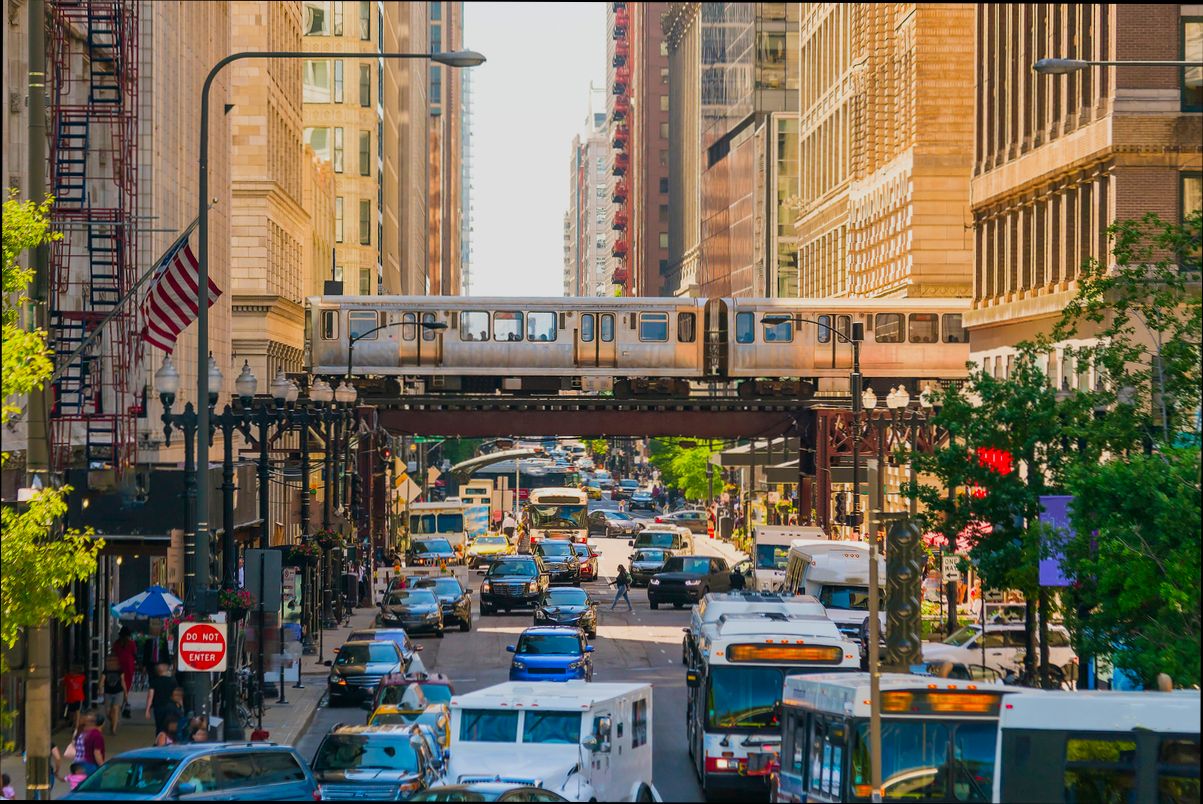
Navigating Chicago’s public transportation system can significantly impact your daily routine and overall experience living in the city. Accessibility plays a crucial role in how easy it is for residents and visitors to move around, and there are several factors to consider.
Key Accessibility Insights
- Extensive Network Coverage: Chicago’s public transportation includes over 140 bus routes and a transit network that encompasses eight train lines, making it one of the most comprehensive systems in the nation. Approximately 90% of residents live within a quarter-mile of a transit stop.
- Affordability: The average cost of a single CTA fare stands at $2.50, which can save you substantial amounts compared to car ownership. Monthly passes cost around $105, providing unlimited rides and making commuting economically viable.
- Accessibility Options: Roughly 30% of train stations are equipped with elevators and ramps, which is crucial for those with mobility challenges. CTA continues to focus on improving accessibility with ongoing renovations to enhance service for all residents.
- Real-Time Tracking: Chicago’s public transportation system offers real-time updates via mobile apps, allowing users to track bus and train arrivals. This feature can reduce wait times and improve convenience, especially during peak hours.
| Feature | Data |
|---|---|
| Total Bus Routes | 140+ |
| Train Lines | 8 |
| Residents Near Transit | 90% within 0.25 miles |
| Average Single Fare | $2.50 |
| Stations with Elevators | 30% |
| Monthly Pass Cost | $105 |
Real-World Examples
For instance, I often rely on the No. 6 bus route, which connects areas from the northside to downtown. The service frequency is impressive, providing access every 10-15 minutes during rush hours.
Another case involves the Blue Line, which offers a reliable connection to O’Hare International Airport. It allows easy transit for both residents and visitors without needing a car or expensive taxi rides.
Practical Implications for Residents
Living in Chicago means you can eschew the hassle of parking and gas prices by embracing public transportation. With numerous transit stops within walking distance in most neighborhoods, you can seamlessly integrate this mode of travel into your daily life. Commuting using public transport could also provide opportunities to meet new people and network within the community.
- Plan your routes utilizing the CTA app to maximize your travel efficiency.
- Consider purchasing a monthly pass if you frequently use public transport to save money and time.
Actionable Advice
When you move to Chicago, familiarize yourself with your nearest bus and train stops to understand your commuting options fully. Take advantage of the Chicago Transit Authority’s resources to stay updated on service changes and available amenities. Investing time to learn about the transportation system will ultimately enhance your urban living experience.

Weather Challenges and Seasonal Impacts
When moving to Chicago, the weather is a significant factor that can deeply influence your daily life. The city experiences a mix of extreme weather conditions, from harsh winters to sweltering summers, which presents unique challenges and seasonal impacts worth considering.
Seasonal Weather Breakdown
- Winter: The winters in Chicago can be brutally cold, with average temperatures often dropping to around 22°F (-6°C) in January. Residents should be prepared for heavy snowfall, with the city receiving approximately 36 inches of snow annually. This can lead to travel disruptions and potentially hazardous road conditions.
- Summer: Summers bring a sharp contrast with average highs reaching about 84°F (29°C) in July. However, the humidity can make it feel even warmer, sometimes leading to oppressive heat advisories. Chicago averages nearly 4 days a year where temperatures exceed 90°F (32°C), prompting the need for effective cooling solutions in homes.
- Spring & Fall: These transitional seasons can be unpredictable, with fluctuating temperatures and sudden weather shifts. For instance, early spring can bring lingering cold spells, while late fall might still include some warmer days. Rainfall is common, particularly in April and May, where you can expect about 3-4 inches per month.
Temperature Variability Table
| Season | Average Temperature (°F) | Average Precipitation (inches) |
|---|---|---|
| Winter | 22 | 2.5 |
| Spring | 50 | 3.5 |
| Summer | 84 | 3.3 |
| Fall | 54 | 3.0 |
Real-World Examples of Weather Challenges
- Snow Accumulation: The 2019-2020 winter saw Chicago receiving over 45 inches of snow, causing a backlog of snow removal efforts. Streets grew treacherous, and many residents found themselves shoveling their driveways multiple times a day.
- Heat Waves: In July 2021, Chicago experienced a heat wave that resulted in temperatures soaring past 100°F (38°C). This led to increased emergency calls related to heat-related illnesses, stressing the healthcare system and prompting city alerts for residents to stay hydrated.
Practical Implications for Residents
Living in Chicago means being proactive about weather-related challenges. Here are some actionable considerations:
- Invest in Weatherproofing: Ensure your home is insulated properly for winter months. Consider adding weather stripping to windows and doors to keep your heating costs down.
- Prepare for Summer Heat: Equip your home with efficient air conditioning and keep your blinds closed during peak sunlight hours. This will help maintain a comfortable indoor temperature and lower energy bills.
- Stay Informed: Follow local weather forecasts and alerts. The city often provides updates on snow removal and heat advisories, which can be crucial for your safety and mobility.
Actionable Weather Facts
- Always keep an emergency kit at home that includes items like blankets, non-perishable food, and water, particularly during winter months when heavy snow can isolate residents.
- Consider obtaining a “cooling center” map from local resources during summer heat alerts to know where you can go if your home becomes too hot.
Navigating Chicago’s weather challenges means being prepared and informed. Whether it’s managing snow clearance in winter or mitigating heat in the summer, your approach can significantly enhance your living experience in this iconic city.
Job Market Opportunities and Growth
Chicago’s job market is bustling with opportunities, particularly in emerging fields that promise significant growth over the next decade. Understanding the landscape can empower you to seize the best positions available in some of the fastest-growing occupations.
One of the standout areas in Chicago’s job market is the renewable energy sector, where wind turbine service technicians are projected to grow by an astonishing 60% between 2023 and 2033. This booming field offers a median salary of $61,770 per year, making it an attractive option for those interested in sustainable careers.
Other fast-growing opportunities include:
- Solar Photovoltaic Installers: With a projected growth rate of 48% and a median pay of $48,800.
- Nurse Practitioners: Expected to grow by 46%, offering a substantial average salary of $126,260.
- Data Scientists: Enjoying a 36% growth, with earnings around $108,020 annually.
Here’s a table summarizing some of these roles and their growth potential:
| OCCUPATION | GROWTH RATE, 2023-33 | 2023 MEDIAN PAY |
|---|---|---|
| Wind turbine service technicians | 60% | $61,770 |
| Solar photovoltaic installers | 48% | $48,800 |
| Nurse practitioners | 46% | $126,260 |
| Data scientists | 36% | $108,020 |
| Information security analysts | 33% | $120,360 |
Beyond these roles, the healthcare sector remains robust in Chicago. The demand for professionals like medical and health services managers and physician assistants is soaring, with growth rates of 29% and 28%, respectively. These positions not only provide job security but also very competitive salaries—$110,680 for managers and $130,020 for physician assistants.
Reading real-life success stories can be motivating. Consider the case of a recent graduate who pursued a career as an operations research analyst. Within two years, they landed a role at a logistics firm, benefiting from a 23% increase in job openings in this field. Their journey highlights the potential for growth and job stability in Chicago’s evolving job market.
As you explore opportunities in Chicago, consider networking with industry professionals or utilizing platforms such as LinkedIn to gain insight into emerging trends.
Here are a few actionable tips:
- Investigate high-growth fields and assess your skills to align with roles like data science or healthcare management.
- Consider additional training or certifications relevant to fast-growing occupations to enhance your employability.
- Participate in local job fairs or networking events to connect with employers actively seeking talent in emerging sectors.
With a diversified economy and an array of high-growth job sectors, Chicago presents many avenues for career advancement and financial success. Stay informed about industry trends to position yourself effectively within this vibrant job market.

Crime Rates and Safety Concerns
When considering a move to Chicago, understanding the crime rates and safety concerns is essential for making an informed decision. While Chicago boasts a vibrant culture and diverse communities, it also has notable challenges related to crime that potential residents should be aware of.
Crime Statistics Overview
Chicago’s crime rate often raises concerns. As of the most recent reports:
- Overall Crime Rate: The city’s overall crime rate is significantly higher than the national average, emphasizing the need for awareness and precaution.
- Violent Crime: Chicago reported around 992 violent crimes per 100,000 inhabitants, a stark contrast to the national rate of approximately 366 per 100,000.
- Property Crime: The property crime rate stands at about 3,701 incidents per 100,000 people, also exceeding the national average of 2,199.
Here’s a brief comparative table to provide a clearer picture:
| Crime Type | Chicago Rate (per 100,000) | National Average Rate (per 100,000) |
|---|---|---|
| Violent Crime | 992 | 366 |
| Property Crime | 3,701 | 2,199 |
Real-World Examples
For those considering life in Chicago, context is crucial. For instance, specific neighborhoods face unique challenges:
- South and West Sides: These areas have higher crime rates, especially regarding violent crime, often attributed to gang activities and economic disparities.
- Loop and North Side: While the downtown area and parts of the North Side generally report lower crime statistics, incidents such as pickpocketing and muggings are noted, particularly in crowded tourist areas.
Practical Implications
1. Neighborhood Selection: It’s vital to research specific neighborhoods before deciding where to live. Resources like neighborhood crime maps can help you find safe areas.
2. Personal Safety Strategies: Stay aware of your surroundings, avoid poorly lit areas at night, and use reputable transportation options, especially if you’re out late.
3. Community Engagement: Many neighborhoods have active community watch programs and local initiatives aimed at enhancing safety. Getting involved can provide both security and a sense of belonging.
Actionable Advice
- Check local crime reports and statistics frequently to stay informed about safety trends.
- Consider investing in security systems or joining local safety groups to enhance personal and community safety.
- Always be cautious in busy areas; thieves often target tourists and distracted pedestrians.

Community Engagement and Local Initiatives
When living in Chicago, you’ll discover a strong sense of community engagement that shapes the city’s neighborhoods and initiatives. This vibrant involvement empowers residents to come together and create positive change, fostering a dynamic environment where local initiatives thrive.
Key Aspects of Community Engagement
- Volunteerism Rates: Approximately 27% of Chicagoans engage in volunteer work. This shows a commitment to giving back to the community and supporting local organizations.
- Civic Engagement Programs: The city offers various programs aimed at increasing civic participation, with over 50 neighborhood-based groups focused on promoting community events and initiatives.
- Community Health Initiatives: More than 30% of residents participate in local health initiatives, addressing issues such as nutrition, mental health, and access to healthcare.
Community Initiative Impact Table
| Initiative Type | Description | Participation Rate |
|---|---|---|
| Volunteer Programs | Local organizations engaging citizens in service | 27% |
| Civic Engagement Programs | Neighborhood groups fostering community bonds | 50+ groups |
| Health Initiatives | Programs focused on improving community health | 30% |
Real-World Examples of Engagement
- Chicago Community Trust: This organization funds numerous local initiatives aimed at economic development and cultural enrichment. Recent projects have focused on improving access to arts education, engaging over 15,000 students per year.
- The Chicago Cultural Alliance: By uniting various cultural organizations, this initiative celebrates the city’s diversity, encouraging community members to collaborate on artistic projects. Events organized through the alliance attract thousands, showcasing local talents and history.
Practical Implications for Residents
As you settle in Chicago, you can take advantage of these community engagement initiatives by:
- Seeking volunteer opportunities through local organizations. Websites like VolunteerMatch can help you find events aligned with your interests.
- Joining neighborhood associations or groups that focus on civic improvement. Engaging in local meetings can provide a direct impact on your community.
- Participating in health and wellness programs that can enhance not only community health but also your personal well-being.
Involving yourself in these initiatives enhances your connection to the city. By understanding how to engage with local programs, you can actively participate in shaping Chicago’s vibrant community life.