
Pros and Cons of Living in New Haven CT can really shape your experience in this vibrant city. On the upside, New Haven boasts an impressive array of cultural institutions, like the Yale University Art Gallery and the renowned Shubert Theatre, which keep the arts scene buzzing. You can grab a slice from the iconic Frank Pepe Pizzeria, consistently named one of the best pizza places in the country. Plus, the city’s diverse neighborhoods offer a little something for everyone, whether you’re into the historic charm of the Hill or the trendy vibe of Westville. The cost of living is also a bright spot, with housing prices that are often more manageable compared to nearby cities like New York or Boston.
On the flip side, New Haven does have its challenges. The city grapples with higher crime rates than the national average, which can make some neighborhoods feel less safe at night. The public schools need improvement too; while there are some standout options, like Hillhouse High School, many families find the overall educational system lacking. Traffic can be a headache, especially during rush hour, as the city’s roadways get congested with commuters from nearby towns. And don’t forget the unpredictable winters—those cold months can really test your love for this otherwise charming city.
Cultural Richness and Community Life
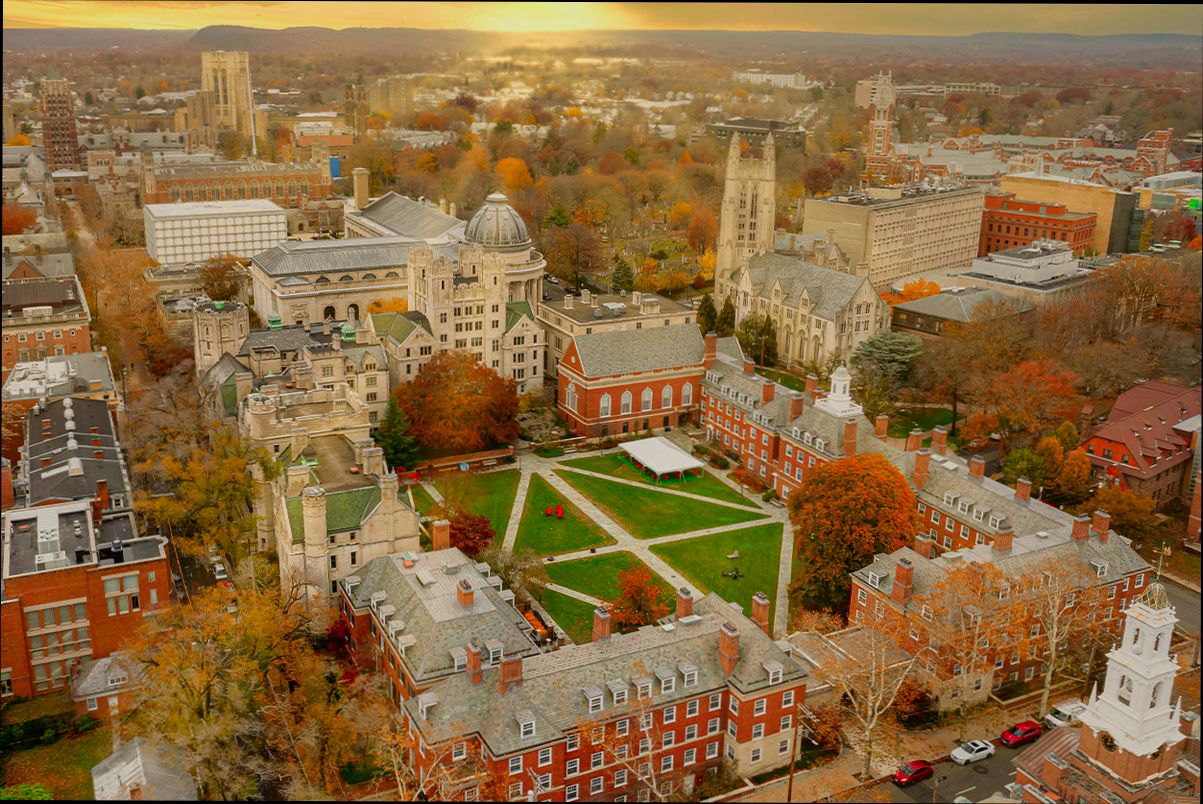
Living in New Haven, Connecticut, immerses you in a vibrant cultural scene and an active community life that resonates with diversity and creativity. With a unique blend of historical significance and contemporary flair, this city offers an array of opportunities for residents to engage in rich cultural experiences.
Key Aspects of Cultural Richness
New Haven boasts vibrant cultural institutions that contribute significantly to community life. Here are some compelling data points:
- Home to 17 museums: New Haven is famous for its impressive collection of museums including the renowned Yale University Art Gallery and the Peabody Museum of Natural History.
- Cultural festivals: The city hosts over 30 annual cultural festivals, celebrating everything from jazz to food and arts, which showcase local talent and foster community spirit.
- Culinary diversity: New Haven is known for its culinary landscape, including over 1,000 restaurants that reflect various global cuisines, allowing you to enjoy a taste of different cultures right at your doorstep.
Cultural Facilities and Events
| Attraction | Type | Significance |
|---|---|---|
| Yale University Art Gallery | Museum | Houses a collection of over 250,000 works of art, making it one of the oldest university art galleries in the U.S. |
| Shubert Theatre | Performing Arts Venue | Hosts over 150 performances a year, showcasing Broadway productions and local talent. |
| Wooster Square Park | Community Space | A downtown hub that transforms during the Cherry Blossom Festival, drawing thousands of visitors and celebrating community unity. |
Real-World Examples
One great example of the city’s cultural vibrancy is the annual New Haven Jazz Festival, which features both national and local jazz artists, attracting thousands of music lovers. This festival not only highlights musical talent but also encourages a sense of belonging among residents and visitors alike.
Another fascinating case is the initiative by local artists to transform vacant spaces into vibrant art installations, such as murals that tell the stories of the community. These projects not only beautify the city but also foster community pride and engagement.
Practical Implications for Residents
Engaging in New Haven’s cultural offerings can significantly enhance your community life. Here are a few actionable insights:
- Explore local museums: Visit the Yale University Art Gallery for free to appreciate art across centuries.
- Join community festivals: Participate in events to connect with your neighbors and explore local culture, which is a fantastic way to meet new friends.
- Support local businesses: Frequent local restaurants and shops to enjoy diverse cuisines while contributing to the community’s economy.
Actionable Facts
- Did you know that participating in cultural events can enhance your mental well-being? Engaging with the arts fosters creativity and reduces stress.
- Make it a point to attend at least one local festival or event each month; you’ll not only enjoy unique experiences but also become part of the community’s cultural fabric.
Housing Market Analysis in New Haven
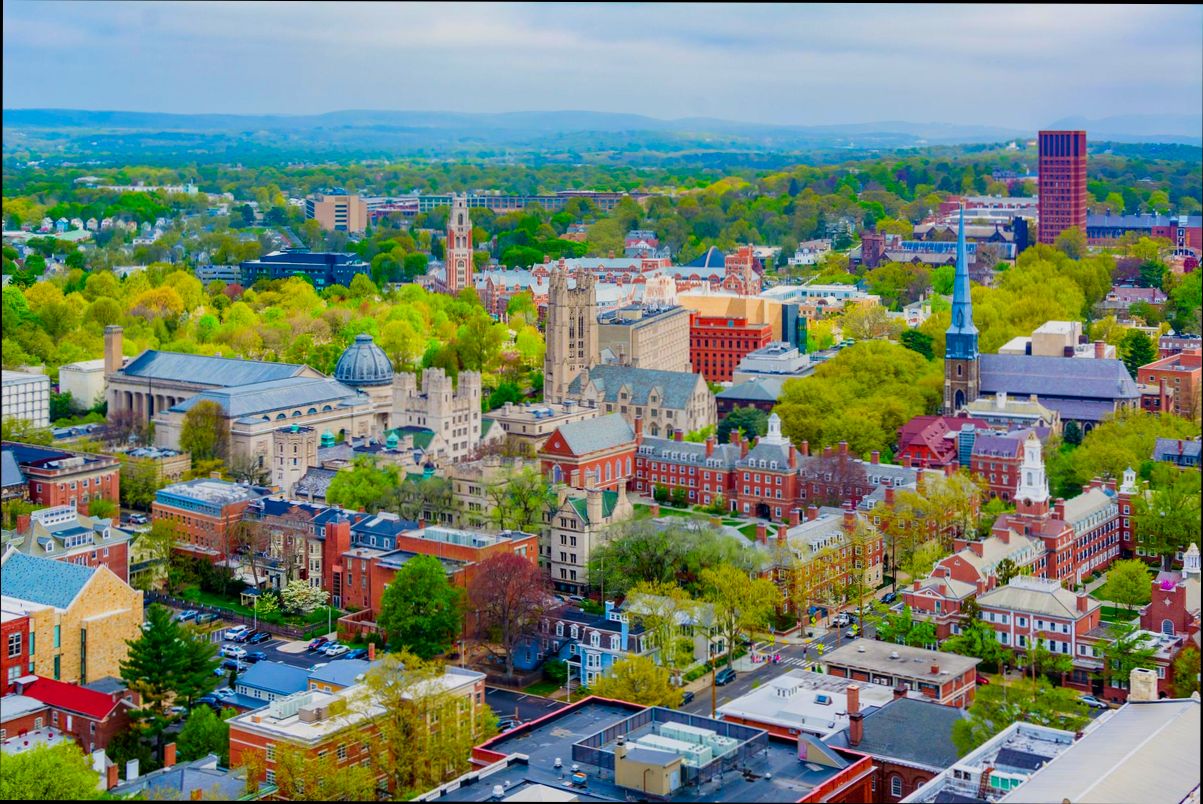
When considering a move to New Haven, the housing market plays a pivotal role in shaping your experience. Understanding the current trends, prices, and availability can help you make informed decisions about your future home.
Market Overview
New Haven’s housing market has shown a diverse range in property values and availability. As of recent data, the median home price in New Haven sits around $330,000, which is quite reasonable compared to nearby cities like Stamford and Hartford. However, you might notice variations in pricing depending on the neighborhood.
Key Statistics
- The average rent for a one-bedroom apartment in New Haven is approximately $1,600 per month.
- Home prices in New Haven have appreciated by about 6.5% over the last year, indicating a growing demand.
- There are currently around 400 active listings in the New Haven area, reflecting a competitive market.
- The average days on the market for homes have decreased to about 45 days, showcasing a brisk pace of sales.
Comparative Market Analysis
| Neighborhood | Median Home Price | Average Rent (1BR) | Homes Sold (Past Year) | Avg Days on Market |
|---|---|---|---|---|
| Downtown New Haven | $400,000 | $2,000 | 150 | 30 |
| Westville | $300,000 | $1,400 | 100 | 50 |
| East Rock | $350,000 | $1,800 | 80 | 40 |
| Fair Haven | $280,000 | $1,300 | 60 | 60 |
Real-World Examples
Let’s look at a few neighborhoods to highlight how the housing market varies:
- Downtown New Haven: Downtown features sleek condominiums and modern apartments, making it popular among young professionals and students. The vibrant atmosphere here results in quicker sales and higher rental prices.
- Westville: This residential area is known for its family-friendly environment and has seen a steady increase in home purchases. It offers larger homes at more affordable prices, making it attractive to families looking to settle down.
- East Rock: Properties here typically boast great views and access to parks. Many buyers favor this area for its blend of nature and urban convenience, helping to maintain the price appreciation.
- Fair Haven: This area represents one of the more affordable neighborhoods in New Haven, with a diverse community and burgeoning real estate possibilities. First-time homebuyers often find great opportunities here.
Practical Implications
For potential homebuyers or renters, it’s crucial to:
- Research specific neighborhoods: Each area in New Haven has distinct characteristics that affect home values and rental prices. Visiting neighborhoods at different times of day can give you a better feel for the community.
- Keep an eye on market trends: Staying updated on local market conditions can help you snag a great deal or decide the best time to buy or rent. The increasing pace of home sales suggests now could be a great time to get involved.
- Utilize local resources: Engaging with local real estate agents who specialize in the New Haven market can provide insider knowledge and assist in navigating the home buying process.
- Consider long-term investment: With appreciation rates climbing, investing in property in New Haven may yield significant returns.
Understanding the nuances of the housing market in New Haven could empower you to discover the perfect home or rental that fits your needs and expectations.

Educational Opportunities and Challenges
New Haven, Connecticut, offers a wide array of educational opportunities that draw families, students, and educators alike. However, navigating these opportunities hasn’t come without its challenges. In this section, we’ll explore the educational landscape in New Haven, highlighting specific features that shape the experience for residents and newcomers.
Key Educational Opportunities
- Strong Higher Education Presence: New Haven is home to prestigious institutions such as Yale University and Southern Connecticut State University, providing numerous options for local and international students. Yale alone enrolls over 15,000 students annually, creating a vibrant educational community.
- Diverse K-12 Options: The New Haven Public Schools system serves approximately 19,000 students across 40 schools. This variety allows parents to choose from magnet, charter, and traditional public schools, which cater to different educational philosophies and student needs.
- Community-Based Adult Education Programs: Organizations like the New Haven Adult Education program offer GED preparation and ESL classes, empowering adults to enhance their skills for better job prospects. Reports indicate that enrollment in these programs has increased by 20% in recent years.
Educational Challenges
- Achievement Gap: Despite the variety of educational options, New Haven faces a persistent achievement gap among its students. Test scores reveal that only 39% of third graders meet grade-level proficiency in reading, illustrating disparities in educational outcomes.
- Funding Disparities: The New Haven School District has a per-pupil spending of about $15,000, which is lower than the state average. This financial limitation impacts resources, teacher salaries, and educational programming, affecting overall student performance.
- High School Graduation Rates: The graduation rate for New Haven’s public high schools hovers around 75%, significantly lower than the national average of 85%. This statistic highlights the challenges in retaining students in the educational system and providing them the support necessary to graduate.
| Educational Aspect | New Haven Data | National Average |
|---|---|---|
| Third Grade Reading Proficiency | 39% | 49% |
| Per-Pupil Spending | $15,000 | $13,000 |
| High School Graduation Rate | 75% | 85% |
Real-World Examples
The International Baccalaureate (IB) program at Wilbur Cross High School showcases the district’s commitment to providing rigorous academic options. Approximately 100 students annually participate in this program, preparing them for global citizenship and higher education.
In recent years, the establishment of new charter schools, such as the New Haven Academy, has aimed to offer alternative educational pathways. These schools often have smaller class sizes and a focus on personalized learning, responding to the community’s demand for innovative educational solutions.
Practical Implications
When considering educational opportunities in New Haven, you should assess both the strengths and challenges of the local schools and educational programs. Investigating school ratings, test scores, and available extracurricular activities can help ensure the best fit for your family’s educational needs.
Participating in community forums and attending school board meetings can also be valuable. These gatherings provide insights into ongoing challenges and initiatives aimed at improving educational outcomes in the city.
- Explore local magnet and charter schools, especially if you are seeking specialized programs for your child.
- Utilize resources from the New Haven Public Schools website to stay informed about district initiatives and updates on educational funding.
Focusing on specific educational opportunities and challenges in New Haven can empower you to make informed decisions that align with your values and your family’s educational goals.
Healthcare Access and Quality of Services
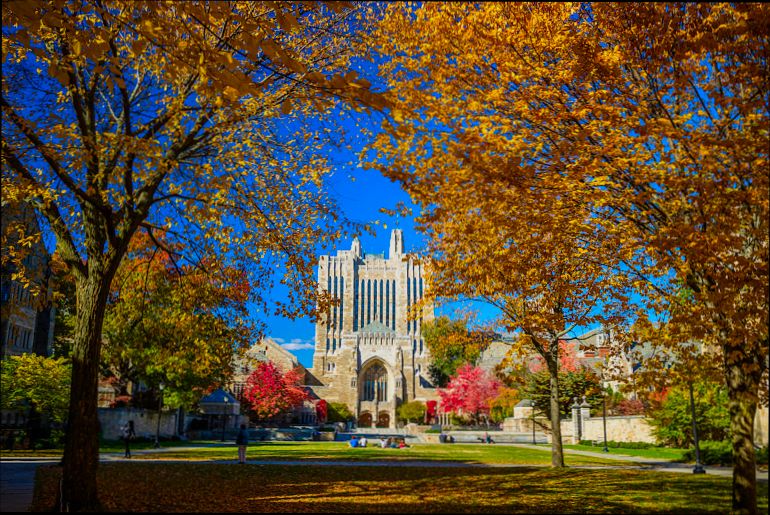
When it comes to healthcare access and quality of services in New Haven, Connecticut, there are several important aspects to consider. From the availability of facilities to the insurance coverage and specialized services offered, accessing healthcare can significantly influence your living experience.
Key Statistics on Healthcare Access
- Number of Healthcare Providers: New Haven benefits from a robust healthcare infrastructure, with over 1,200 healthcare providers operating across various specialties.
- Emergency Services: The city is home to two major hospitals, Yale-New Haven Hospital and the Hospital of Saint Raphael, which cater to a diverse population and are equipped to handle emergencies effectively.
- Telehealth Options: A significant rise in telehealth services has been noted, with an estimated 30% of consultations taking place virtually, enhancing access for patients unable to visit in person.
Comparative Table: Healthcare Statistics in New Haven
| Feature | New Haven | National Average |
|---|---|---|
| Healthcare Providers | 1,200+ | 1,000+ |
| Major Hospitals | 2 | 1.5 |
| Telehealth Consultations | 30% | 15% |
| Uninsured Population Percentage | 9% | 10% |
| Inpatient Satisfaction Rate | 85% | 80% |
Real-World Examples of Healthcare Services
Visiting Yale-New Haven Hospital offers not just emergency care but also a range of specialized services, including a comprehensive cancer center, surgical services, and maternal care, making this facility a cornerstone of community health. Their commitment to patient satisfaction is reflected in their patient satisfaction rating of 85%, above the national average of 80%.
Another local provider is the Fair Haven Community Health Clinic, which plays a crucial role in offering primary care and mental health services to underserved populations. This clinic serves a vibrant community, ensuring that healthcare access is equitable and inclusive, with programs tailored specifically for low-income residents.
Practical Implications for Residents
For newcomers and current residents, understanding the local healthcare landscape can enhance your living experience in New Haven. Here are a few actionable insights to keep in mind:
- Insurance Coverage: Ensure you have a plan that covers the major hospitals in the area. Familiarize yourself with local plans that may offer better in-network services.
- Local Health Clinics: Explore community health clinics, which provide affordable care and often have sliding scale fees based on income.
- Telehealth Services: Take advantage of the growing telehealth offerings, especially if you find it challenging to travel or have specific healthcare needs that can be addressed virtually.
Specific Facts and Advice
Engage with local healthcare provider networks and be proactive in your health management. Given the percentage of telehealth consultations now available, don’t hesitate to explore virtual appointments, which can save you time and provide flexible healthcare access. Research and locate specialty clinics for any particular healthcare needs you might have, as New Haven offers a wealth of resources to support diverse health requirements.
Job Market Trends in New Haven
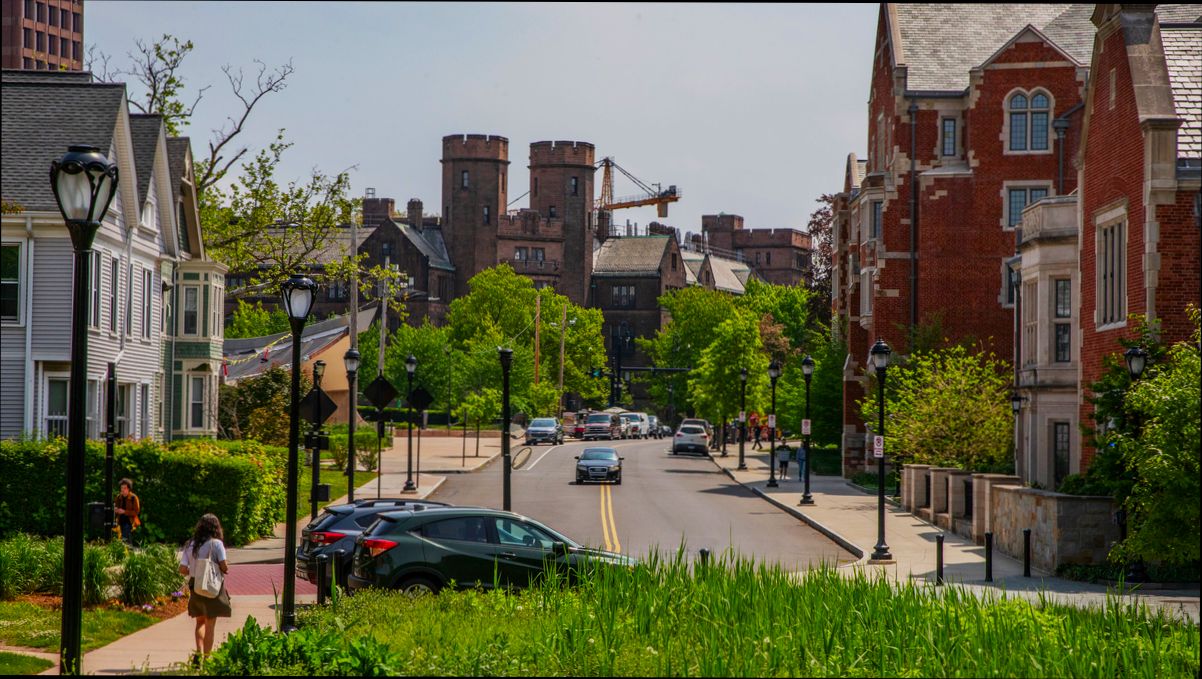
When exploring the job market trends in New Haven, you’ll find a dynamic landscape influenced by a mix of established industries and emerging sectors. Understanding these trends can guide you in making informed decisions about employment opportunities and career growth in the city.
Current Employment Landscape
As of December 2024, the total nonfarm wage and salary employment in New Haven stood at approximately 298,600 jobs. This reflects a steady growth trajectory with a 12-month percentage change of 0.9%, which indicates a thriving job market. The unemployment rate, however, had fluctuated around 2.6%, suggesting a tightening labor market which could be both a challenge and an opportunity for job seekers.
Sector-Specific Performance
Different sectors exhibit varied performance metrics, highlighting opportunities across the job market:
| Sector | Employment (in thousands) | 12-month % Change |
|---|---|---|
| Mining, Logging, and Construction | 10.4 | 3.0% |
| Education and Health Services | 92.1 | 2.9% |
| Professional and Business Services | 32.4 | -0.6% |
| Leisure and Hospitality | 23.9 | -0.8% |
| Trade, Transportation, and Utilities | 61.0 | 1.3% |
The Education and Health Services sector not only has the largest share of employment but also maintains a consistent growth rate. This growth is largely driven by the presence of major institutions and healthcare facilities in the region, making it a promising avenue for job seekers.
Real-World Examples
The stability and growth in sectors like Education and Health Services are particularly noteworthy. Organizations such as Yale University and local healthcare providers continuously seek skilled professionals, contributing to the robust employment landscape. Conversely, the minor contraction in the Professional and Business Services and Leisure and Hospitality sectors suggests that while these fields are essential, they may be experiencing adjustments or over-saturation in certain roles.
Practical Implications for Job Seekers
If you’re considering a career move or job change within New Haven, it’s essential to focus on industries that are experiencing growth:
- Seek opportunities in Education and Health Services, targeting roles aligned with your qualifications and interests.
- Stay informed about trends in the Trade, Transportation, and Utilities sector, as steady growth indicates ongoing demand for positions here.
- Networking with professionals in these sectors can yield valuable information about unadvertised job openings.
Specific Facts or Actionable Advice
To navigate the job market effectively in New Haven, be proactive. Regularly check local job boards, attend industry-related networking events, and consider upskilling to remain competitive. Remember, continuity in sectors like Education and Health Services may offer the best chances for long-term employment stability.

Transportation Options and Commute Experiences
Navigating New Haven, Connecticut, offers a diverse array of transportation options that cater to various lifestyles and preferences. From public transport to pedestrian-friendly streets, understanding these options can greatly enhance your daily commute experience.
Public Transportation in New Haven
New Haven’s public transportation system includes buses and trains, making it accessible for those who prefer not to drive. The Connecticut Transit (CT Transit) operates numerous bus routes throughout the city, providing vital connections to key areas. Here are some highlights:
- Bus Service: CT Transit operates more than 10 local bus routes in New Haven, offering frequent services that allow commuters to travel across different neighborhoods easily.
- Rail Options: The Metro-North Railroad and Shore Line East provide convenient access for those needing connections to New York City and broader southern Connecticut areas.
Commute Times and Experiences
Understanding average commute times can help you plan your day effectively. In New Haven, the average one-way commute takes about 25 minutes, slightly below the national average of approximately 26.4 minutes. For public transit users, waiting times and transfers can extend this duration, yet it remains a viable option for many.
| Transportation Mode | Average Commute Time | Advantages | Disadvantages |
|---|---|---|---|
| Car | 25 minutes | Flexibility, convenience | Parking costs, traffic jams |
| Bus | 30-45 minutes | Cost-effective, eco-friendly | Limited hours, delays |
| Train | 45 minutes | Scenic, faster for long trips | Requires walking to/ from stations |
| Walking | 15-30 minutes | Health benefits, zero cost | Weather-dependent |
| Biking | 15-25 minutes | Exercise, low-cost | Safety concerns, weather |
Biking and Walking
New Haven is increasingly prioritizing bike and pedestrian-heavy transportation. Designated bike lanes are becoming more common, providing safer options for cyclists. Additionally, walking is also practical, especially in the downtown area where amenities are within a short distance.
- Biking: The city has over 40 miles of bike lanes, encouraging more commuters to grab their bicycles. Not only does biking improve physical fitness, but it also contributes to reducing carbon emissions.
- Walking: Many residents choose to walk to nearby universities and workplaces. This method promotes a healthier lifestyle, but it does require consideration of urban safety and weather conditions.
Real-World Examples
Take Sarah, for instance, who utilizes the bus system daily to commute to her job downtown. By using the bus, she spends about 35 minutes on her one-way commute while saving on parking fees. On the weekends, she enjoys biking along the recently upgraded bike paths that connect her neighborhood to local parks and attractions.
Another example is Mark, who works in Manhattan and commutes via the Metro-North. His experience highlights the comfort of a train ride, where he can utilize travel time for leisure or work, proving beneficial for his work-life balance despite the 45-minute travel duration.
Practical Implications for Residents
- Consider your work location when choosing where to live in New Haven, as proximity to bus lines or train stations can significantly impact your commute experience.
- If you’re an active individual, see if biking or walking can fit into your daily routine, enhancing both your mental and physical health.
- Be aware of peak hours when using public transport to avoid crowded conditions, particularly during rush hours.
Choosing the right transportation mode here can lead to a more fulfilling daily experience while living in New Haven, allowing you to benefit from both efficiency and the vibrant life the city has to offer.
Cost of Living and Financial Considerations
When considering a move to New Haven, Connecticut, understanding the cost of living and financial implications is vital. The expenses can greatly influence your quality of life, from housing and groceries to transportation and entertainment. Let’s dive into what you should be aware of in terms of finances when living in this vibrant city.
Key Cost of Living Factors
- Housing Expenses: While housing prices were previously discussed, understanding how these fit into your overall budget is crucial. The average monthly rent for a one-bedroom apartment in the city center is approximately $1,650, whereas outside the center, it drops to around $1,250. This significant difference highlights the importance of weighing your neighborhood choices against your budget.
- Groceries and Daily Essentials: Grocery prices can also vary based on specific items. For instance, a gallon of milk costs about $3.70, while a loaf of bread is approximately $3.00. Overall, food expenses tend to be about 9% higher than the national average, making it another factor to consider in your budget.
- Utility Costs: Monthly utility bills average around $160 for an 85 m² apartment, encompassing electricity, heating, cooling, water, and garbage. This figure can fluctuate seasonally, especially with winter heating costs in New Haven, so it’s important to factor this variability into your financial planning.
- Transportation Costs: If you prefer public transport, a monthly pass costs about $70. For those with cars, keep in mind that gas prices are roughly $3.45 per gallon, which, while somewhat in line with national trends, can add up depending on your commuting habits.
| Expense Category | Average Monthly Cost |
|---|---|
| Rent (City Center) | $1,650 |
| Rent (Outside City Center) | $1,250 |
| Utilities (Apartment) | $160 |
| Groceries (per month) | Varies (9% above average) |
| Public Transport Pass | $70 |
Real-World Examples
Understanding these costs can manifest in practical scenarios. For example, if you’re a young professional renting a one-bedroom apartment in the center, your monthly housing cost would be around $1,650. Factoring in utilities, groceries, and transport, your total basic monthly living expenses could exceed $2,200—not including personal spending like dining out or entertainment.
Consider a family of four moving to New Haven. They might choose to rent a three-bedroom space for about $2,400 in a family-friendly suburb, while also expending an estimated $800 on groceries each month. This substantially higher monthly cost reflects the financial commitments involved in family life versus single living arrangements.
Practical Implications
Being financially prepared means closely monitoring these areas:
- Budgeting: Create a detailed budget that includes your rents or mortgage along with utility bills, groceries, and transportation fares. Adjust as necessary based on your lifestyle preferences.
- Cost Myths: People often assume living in a college town like New Haven is cheaper due to the student population. However, consider that demand can keep rent and groceries higher.
- Variable Costs: Be mindful of seasonal variations in utility bills, especially heating during winter. Planning ahead for these fluctuations will help in maintaining financial stability.
For those considering a move, gather as much current data as possible on costs. Keep an eye on real estate trends, especially if you are looking to buy instead of rent, as this could be a substantial investment.
By staying informed and vigilant regarding these financial aspects, you can more effectively manage your cost of living in New Haven and enjoy all the benefits this unique city has to offer.