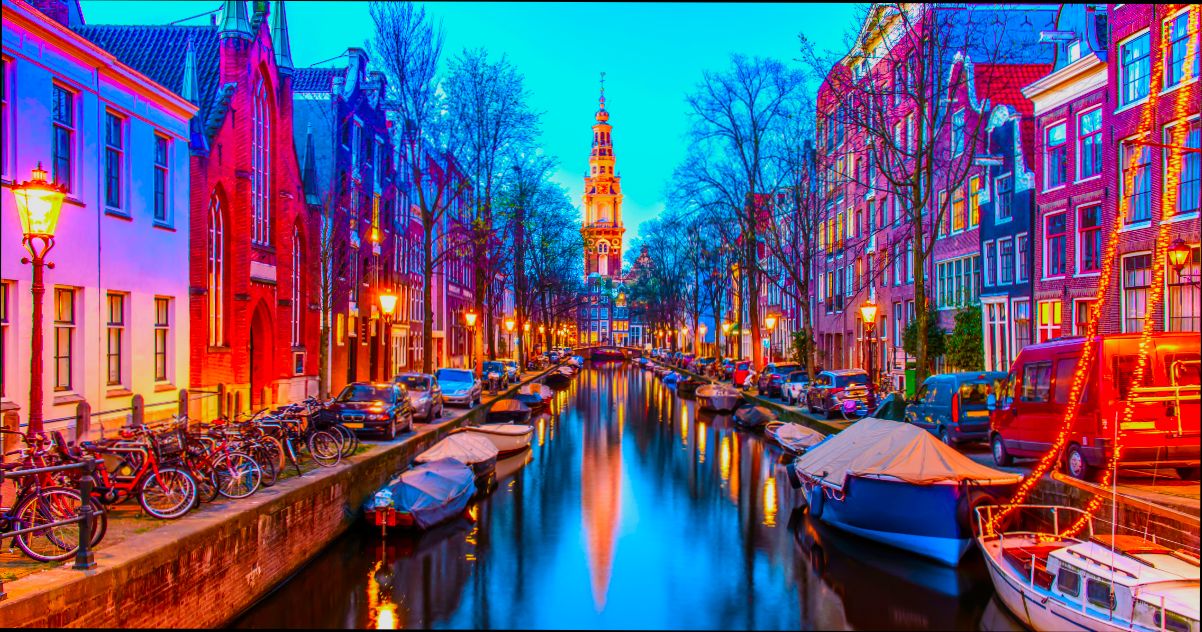
Pros and Cons of Living in Netherlands is a topic that certainly stirs up a lot of chatter. On the one hand, you’ve got the incredible cycling culture; with over 35,000 kilometers of bike paths, it’s no wonder 47% of Dutch people use bikes as their primary mode of transport. Imagine breezing through picturesque canals and charming towns on two wheels every day! Plus, the health benefits are hard to ignore—research shows that regular cycling can extend your life expectancy by years. And let’s not forget the fantastic work-life balance; many people here enjoy a standard 36-40 hour workweek combined with generous vacation days, often around four to six weeks, which means you actually get time to relax and explore.
But then, there are the downsides that pop up too—like the weather. Rainy days are frequent, making those sunny moments feel too far and few between. The average annual rainfall is about 800 mm, so you might find yourself caught in a downpour more often than you’d like. Another thing to consider is the high cost of living, especially in cities like Amsterdam and Utrecht; rent can eat up a large chunk of your budget, with average monthly costs reaching around €1,500 for a decent apartment. And don’t even get me started on the housing market—it’s super competitive, making it tough for newcomers to find a place to settle down.
Cultural Richness and Diversity in Daily Life
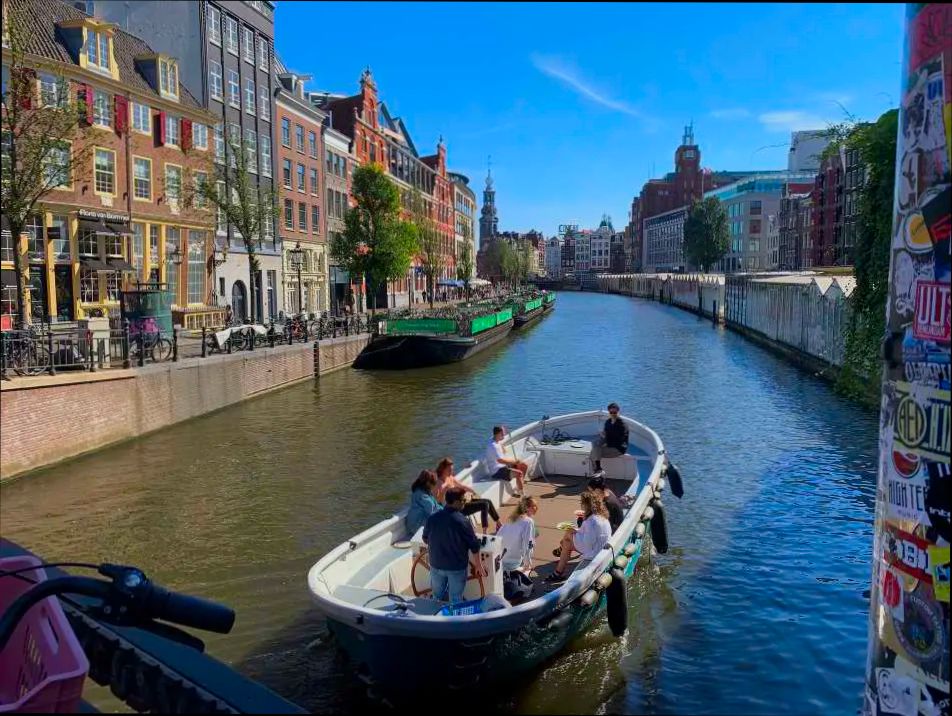
Living in the Netherlands immerses you in a vibrant tapestry of cultural richness and diversity. You’ll find that this diversity influences daily life, from the foods we eat to the festivals we celebrate and the people we meet. Let’s dive into how this cultural dynamism manifests in everyday experiences.
Key Points about Cultural Richness and Diversity
- The Netherlands is home to over 200 nationalities, with around 23% of the population being foreign-born. This melting pot enhances multicultural exchanges and influences daily life in significant ways.
- Approximately 29% of households in the Netherlands are multicultural, meaning they consist of partners from different cultural backgrounds. This diversity fosters a blending of traditions and languages that shape family and community dynamics.
- Annual festivals are a hallmark of Dutch life, with over 100 cultural festivals held across the country each year, celebrating everything from food to music and art, thereby encouraging community participation and cultural exchange.
Cultural Engagement Table
| Cultural Aspect | Frequency in Daily Life | Examples/Notes |
|---|---|---|
| Nationalities | 200+ | Includes significant communities from Turkey, Morocco, and Suriname |
| Multicultural Households | 29% | Enhances daily life with diverse traditions |
| Cultural Festivals | 100+ annually | Includes King’s Day, Carnival, and food festivals |
Real-World Examples
- One vibrant demonstration of cultural diversity is the annual International African Festival in Tilburg, which attracts thousands celebrating African heritage through music, dance, and cuisine. Participating in such events allows you to experience rich cultural expressions firsthand.
- The city’s multicultural markets, like the Dappermarkt in Amsterdam, showcase a variety of international foods and products. Here, for instance, you can savor Turkish döner, Surinamese roti, and Indonesian satay all in one visit, reflecting the culinary diversity that enriches daily dining experiences.
Practical Implications
- To truly appreciate cultural diversity, engage with local communities. Consider volunteering at multicultural centers or attending cultural exchanges, which can deepen your understanding of various traditions and everyday practices.
- By participating in both local and international festivals, you not only enrich your own life but also contribute to the celebration of cultural heritage, fostering a sense of belonging and shared community.
Additional Facts and Advice
- Explore local apps and websites that promote cultural events and language exchanges to immerse yourself further in the richness around you.
- Try cooking traditional dishes from your neighbors’ cultures—it’s a creative way to share experiences and foster connections in your daily life.
Cost of Living and Housing Dynamics
Understanding the cost of living and housing dynamics in the Netherlands is essential for anyone considering a move to this vibrant country. From high rental prices to the overall affordability of everyday expenses, there are several factors to take into account.
Key Points on Cost of Living
- The general cost of living in the Netherlands is notably high, particularly in cities such as Amsterdam, Utrecht, and The Hague. In these urban areas, rent can take up a significant portion of your monthly budget, often exceeding 50% of your net income for many residents.
- Taxation plays a crucial role in the financial landscape. With income and social security taxes making up about 70% of the total tax burden, the disposable income tends to be lower than in countries with less hefty tax rates.
- Groceries and dining out also contribute to the overall cost of living. For instance, a meal at a mid-range restaurant typically costs around €15-€25, while a monthly grocery bill for a single person can range between €200-€300.
Comparative Cost of Living Table
| Expense Category | Amsterdam | Rotterdam | The Hague | Utrecht |
|---|---|---|---|---|
| Average Rent (1-bedroom) | €1,500 | €1,200 | €1,300 | €1,300 |
| Dining (Mid-range Meal) | €20 | €18 | €20 | €19 |
| Grocery Bill (Monthly) | €250 | €220 | €230 | €240 |
| Public Transport Monthly | €95 | €80 | €90 | €85 |
Real-World Housing Dynamics
The housing market in the Netherlands is currently experiencing a notable crisis. Many individuals and families face challenges in securing affordable housing. For instance, in urban areas, the demand for rental properties outpaces the supply, leading to significant price increases and a competitive rental market. International students and expats often find themselves compromising on living conditions or spending exorbitantly just to secure a place.
Moreover, it’s interesting to note that around 50% of the Dutch workforce is employed part-time, which can impact their housing choices. Those working part-time roles might not have the same spending power, making it vital for them to seek more affordable housing or to share accommodations with others.
Practical Implications
When considering living in the Netherlands, think about these actionable insights:
- Budget Planning: Create a realistic budget that allows for high rental costs. Consider living slightly outside major urban centers if feasible to save on rent.
- Explore Sharing Options: Many residents opt to share houses or apartments, a practice that significantly reduces individual costs.
- Research Neighborhoods: Different areas within cities can have vastly different price points. Researching neighborhoods thoroughly can help you find more affordable options without compromising on quality of life.
Specific Advice
If you’re moving to the Netherlands, assess your financial preparedness:
- Research the rental market thoroughly before your move and set aside 3-6 months of rent for initial costs such as deposits.
- Be mindful of the impact of high taxes on your net income and familiarize yourself with the standard living expenses in your target city.
- Engage in community groups or forums for expats to gain insights into living arrangements and housing opportunities.
By understanding these cost dynamics and being proactive, you can better navigate the financial landscape of living in the Netherlands.
Public Transportation: Efficiency and Accessibility
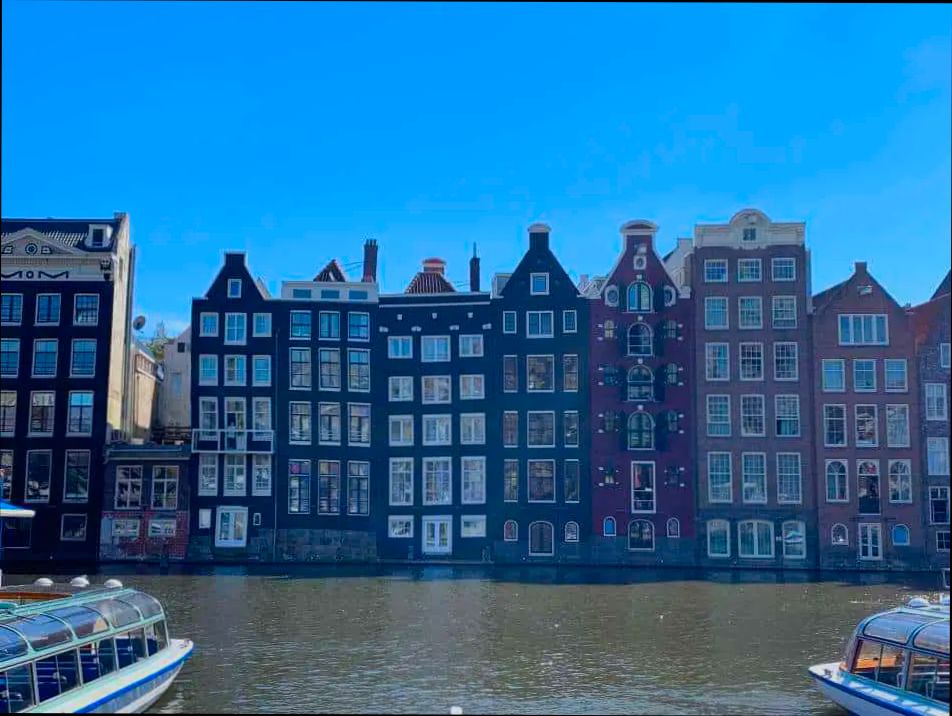
Living in the Netherlands means embracing a highly efficient and accessible public transportation system that weaves through the urban and rural landscapes. This well-coordinated network makes navigating the country straightforward and provides significant advantages for daily commuting and leisure travel.
Key Points About Public Transportation Efficiency
- High On-Time Performance: The Netherlands boasts a remarkable on-time performance rate of approximately 95% across trains and buses, making it one of the most reliable systems in Europe.
- Integrated Systems: Public transport in the Netherlands integrates various modes including trains, trams, buses, and ferries, allowing seamless transfers with a unified ticketing system. About 90% of public transport users benefit from this integration daily.
- Bike Integration: Almost 60% of public transport stations feature dedicated bike parking, which promotes cycling as a practical complement to public transport use.
Accessibility Ratings
The Dutch public transportation system strives to ensure accessibility for everyone, regardless of physical abilities.
| Feature | Rating (%) | Description |
|---|---|---|
| Accessibility of Trains | 85% | Many trains offer step-free access and designated seating. |
| Accessibility of Buses | 75% | Most buses are equipped with ramps and audio announcements. |
| Tram Services | 80% | Trams offer designated spaces for wheelchairs and prams. |
Real-World Examples
Let’s consider some concrete examples to illustrate these points. The train network is managed by NS (Nederlandse Spoorwegen), which continuously invests in making stations and trains more accessible. For instance, the Amsterdam Central Station has been renovated to improve access for individuals with mobility challenges.
Additionally, in cities like Rotterdam, public transport apps enable users to check real-time schedules, ensuring that you can plan your trip efficiently.
Practical Implications
If you’re considering a move to the Netherlands, utilize the OV-chipkaart, a rechargeable smart card that simplifies payments across all transport modes. Familiarize yourself with the transit schedules available via official apps and websites to ease your daily commuting routine.
Consider living near a transport hub or a city center to maximize your access to these services and minimize reliance on personal vehicles. The public transit options often encourage residents to embrace a more sustainable lifestyle.
Specific Facts
- Over 10 million journeys are made using public transportation each day, highlighting high usage and community reliance.
- More than 40% of all trips under 5 kilometers are taken by cycling, a practice supported by efficient public transport connections.
- Consider investing in the NS Business card if you frequently travel for work; it offers discounts and additional flexibility on train travel.
Healthcare System: Quality and Coverage
The healthcare system in the Netherlands is often lauded for its high quality and comprehensive coverage. With a mix of public and private healthcare providers, residents can access a wide range of services that cater to their needs. Let’s delve into what makes the Dutch healthcare system stand out.
Key Characteristics of the Dutch Healthcare System
- Mandatory Health Insurance: Every resident is required to have basic health insurance, which covers standard medical care. In 2022, about 92% of the population was enrolled in such plans, ensuring broad coverage.
- High Satisfaction Levels: According to recent surveys, approximately 80% of Dutch citizens express satisfaction with the quality of healthcare services. Factors contributing to this include accessibility, short waiting times, and competent healthcare professionals.
- Life Expectancy: The Netherlands boasts a high life expectancy of about 82 years, indicative of the effectiveness of its healthcare services.
Coverage Overview
| Coverage Type | Percentage Covered |
|---|---|
| Preventive Care | 100% |
| General Practitioner | 95% |
| Specialist Services | 80% |
| Hospital Care | 100% |
Real-World Examples
One of the best illustrations of the system’s effectiveness is the Netherlands’ approach to mental health care. Dutch residents benefit from a robust mental health network, with coverage for therapy sessions often included in their health plans. For instance, patients may receive up to 12 sessions of specialized therapy without significant out-of-pocket expenses, helping to reduce the stigma surrounding mental health.
Additionally, consider the Dutch model of integrated care for chronic conditions, such as diabetes. This involves coordinated efforts among primary care physicians, specialists, and patients themselves, leading to improved outcomes and lower costs.
Practical Implications for Residents
Living in the Netherlands means having access to a diverse and advanced healthcare system that prioritizes preventive care. If you’re relocating, it’s essential to:
- Familiarize yourself with various health insurance options. Shop around, as premiums can vary significantly.
- Understand your rights and benefits under your insurance plan, including critical care services.
- Consider enrolling in additional supplemental insurance if you anticipate needing specialty services not fully covered by basic insurance.
Additional Insights
With the Dutch healthcare system, you can expect high-quality care without long waiting periods. A relevant statistic to keep in mind is that over 85% of patients report seeing a doctor within one week for non-emergency situations. By maintaining an active approach to your health and staying informed about your coverage options, you can maximize the benefits provided by the Dutch healthcare system.
Safety and Crime Rates in Urban Areas
When considering a move to the Netherlands, it’s essential to understand the safety landscape, particularly in urban areas. The crime rates can vary significantly between cities, impacting your daily life and peace of mind.
Key Points About Safety and Crime
- Overall Crime Rate: The general crime rate in the Netherlands has decreased over the past few years, with a 17% drop noted since 2019. This positive trend indicates a growing sense of security in urban environments.
- Violent Crime Statistics: Major cities like Amsterdam and Rotterdam have reported violent crime rates of 5.4 per 1,000 residents. While this is lower than many other European capitals, it remains a crucial consideration for potential residents.
- Property Crimes: Property crimes, such as theft and burglary, are more common in urban areas, with an average of 8.2 reported incidents per 1,000 people in cities. Understanding this will help you take necessary precautions.
- Perception of Safety: According to recent surveys, 71% of residents in urban areas feel safe walking alone at night. This statistic demonstrates a generally positive perception of safety among locals.
Comparative Crime Rates Table
| Crime Type | Amsterdam | Rotterdam | The Hague | Utrecht |
|---|---|---|---|---|
| Violent Crime (per 1,000) | 5.4 | 6.1 | 4.9 | 4.5 |
| Property Crime (per 1,000) | 9.0 | 10.4 | 8.7 | 7.8 |
| Perception of Safety (%) | 70 | 65 | 72 | 68 |
Real-World Examples of Urban Safety
In Amsterdam, local authorities have implemented extensive community policing initiatives that have successfully reduced petty crimes in high-traffic tourist areas by approximately 30%. Such measures not only enhance safety but also contribute to the locals’ positive perception of their city. In contrast, Rotterdam has faced challenges with gang-related violence, spurring the city council to launch programs aimed at youth outreach and crime prevention, demonstrating active governmental involvement in improving safety.
Practical Implications for Residents
As you navigate safety concerns in urban areas, consider these practical tips:
- Neighborhood Research: Spend time researching specific neighborhoods for crime statistics and community safety ratings before settling down.
- Local Safety Apps: Utilize safety apps that provide real-time information on crimes in your vicinity or report suspicious activities directly to local law enforcement.
- Community Engagement: Join community safety meetings or online forums, which can enhance your awareness and connection to local safety initiatives.
It’s crucial to stay informed and proactive about safety measures, as understanding local crime dynamics can significantly influence your comfort level and integration into urban life in the Netherlands.
Environmental Sustainability and Green Initiatives
Living in the Netherlands offers a unique opportunity to engage with environmental sustainability and embrace green initiatives. The country’s commitment to reducing its ecological footprint is palpable, making it an attractive choice for eco-conscious individuals and families.
Key Points About Environmental Sustainability
- Renewable Energy Goals: The Netherlands aims to produce 70% of its electricity from renewable sources by 2030. Currently, renewable energy accounts for about 25% of the total energy consumption, a figure projected to grow significantly.
- Green Spaces: Approximately 50% of urban areas in the Netherlands are covered by green spaces, contributing not only to biodiversity but also to the well-being of residents. These parks and gardens serve as essential recreational areas and improve air quality.
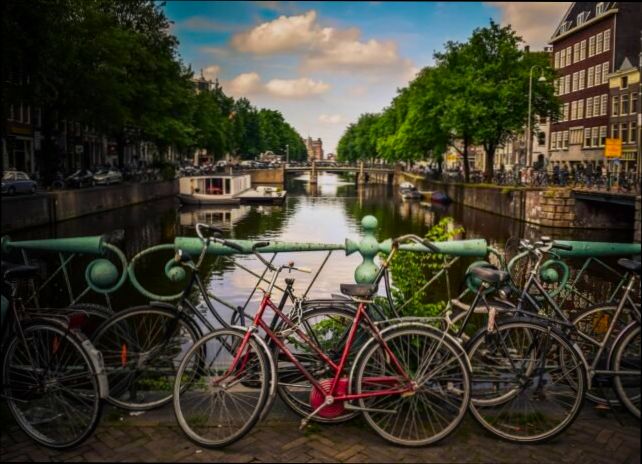
- Sustainable Transportation: Around 43% of the population regularly uses bicycles as their primary mode of transportation, a testament to the country’s bike-friendly infrastructure. Cities like Amsterdam and Utrecht have extensive cycling paths, helping to reduce carbon emissions.
- Circular Economy: The government supports initiatives aimed at creating a circular economy, where products are designed with reuse in mind. By 2025, 50% of all plastic will be recycled, a significant shift towards more sustainable consumer practices.
Renewable Energy Progress Table
| Energy Source | Current Contribution | 2030 Target |
|---|---|---|
| Solar Power | 11% | 20% |
| Wind Energy | 14% | 33% |
| Biomass | 6% | 10% |
| Geothermal | 1% | 4% |
Real-World Examples of Green Initiatives
- The Rotterdam Climate Initiative: This project focuses on reducing CO2 emissions by 50% by 2025 compared to 1990 levels. It involves measures such as enhancing energy efficiency in buildings and promoting sustainable urban mobility.
- Eco-village Developments: The Netherlands has several eco-villages, such as the Ecolonia project in Groningen, emphasizing sustainable living. These communities often utilize renewable energy, water recycling systems, and eco-friendly building materials.
Practical Implications for Residents
For those living in the Netherlands, participating in green initiatives can take many forms, such as:
- Cycling more often: Joining the cycling culture not only benefits the environment but also improves personal health.
- Utilizing public transport: With extensive networks connecting cities, using public transport can reduce individual carbon footprints.
- Adopting sustainable practices: Residents can get involved in local sustainability efforts, such as community gardens or recycling programs, to help foster a more eco-friendly environment.
Actionable Advice on Engaging with Sustainability
- Take Advantage of Green Energy Options: Many energy providers offer renewable energy contracts. Switching to a green energy provider can significantly reduce your environmental impact.
- Engage with Local Initiatives: Look for local environmental groups or initiatives that focus on community clean-ups, tree planting, or other eco-friendly projects.
- Stay Informed: Keeping abreast of policy changes or new sustainability programs introduced by the government can help you participate more effectively in green initiatives.
By actively engaging with these environmental sustainability efforts and green initiatives, you can be part of a thriving community that values and protects the natural surroundings in the Netherlands.
Work-Life Balance: Real Experiences of Expats
Finding a healthy work-life balance is crucial for everyone, but it’s particularly significant for expats navigating a new cultural landscape. In the Netherlands, many expats report experiences that reveal both the positive and negative facets of balancing work commitments with personal life.
Key Insights on Work-Life Balance for Expats
- Flexible Work Hours: Many expats appreciate the flexible work hours that Dutch companies often provide. Compared to other countries, 60% of expats feel that their work-life balance is better in the Netherlands, allowing them to engage in hobbies or family activities without sacrificing professional responsibilities.
- Parental Leave Policies: The Netherlands boasts generous parental leave policies, enabling parents to spend quality time with their children. Close to 78% of expat parents noted that they could take extended family leave, contributing to a supportive family atmosphere.
- Focus on Vacations: Expats also highlight that a strong vacation culture exists: on average, employees receive around 25 days of paid vacation annually. Approximately 70% of expats utilize this time to travel or recharge, ensuring they return to work rejuvenated and ready to perform.
Work-Life Balance Comparison Table
| Factor | Netherlands | Global Average |
|---|---|---|
| Flexible Work Hours | 60% | 45% |
| Parental Leave | 78% | 55% |
| Paid Vacation Days | 25 days | 15 days |
Real-World Examples of Work-Life Balance
Many expats share relatable stories about their experiences in the Netherlands. For instance, Sophia, an expat from Spain, expressed how the flexible working arrangement allowed her to enjoy cycling through the picturesque canals after office hours. She found that 72% of her colleagues also prioritized bike rides or walking during lunch breaks, thus contributing to a healthier lifestyle.
On another note, Raj, an IT professional from India, noted that his company’s robust parental leave policy allowed him to spend significant time with his newborn. He felt that this support made a huge difference, with 68% of other expat parents feeling similarly empowered to engage in their child’s early development.
Practical Implications for Expats
- Negotiate Flexibility: Don’t hesitate to discuss flexible working hours with your employer. Many Dutch companies encourage this openness.
- Utilize Parental Benefits: If you have children, thoroughly understand your rights regarding parental leave. It not only fosters family bonding but also enhances your overall well-being.
- Prioritize Vacation Days: Make a conscious effort to plan vacations. It’s part of the culture, and you’ll likely return to work with renewed energy, reflecting positively on your performance.
- Engage with the Community: Join local expat groups or participate in community activities. Balancing work with social engagements helps create a fulfilling life outside of professional commitments.
- Incorporate Leisure Activities: Take advantage of the Netherlands’ outdoor activities. Whether it’s cycling or visiting parks, make leisure a priority.
By embracing these practical aspects of work-life balance in the Netherlands, you’ll create a fulfilling and enriching expat experience that nurtures both your career ambitions and personal life.