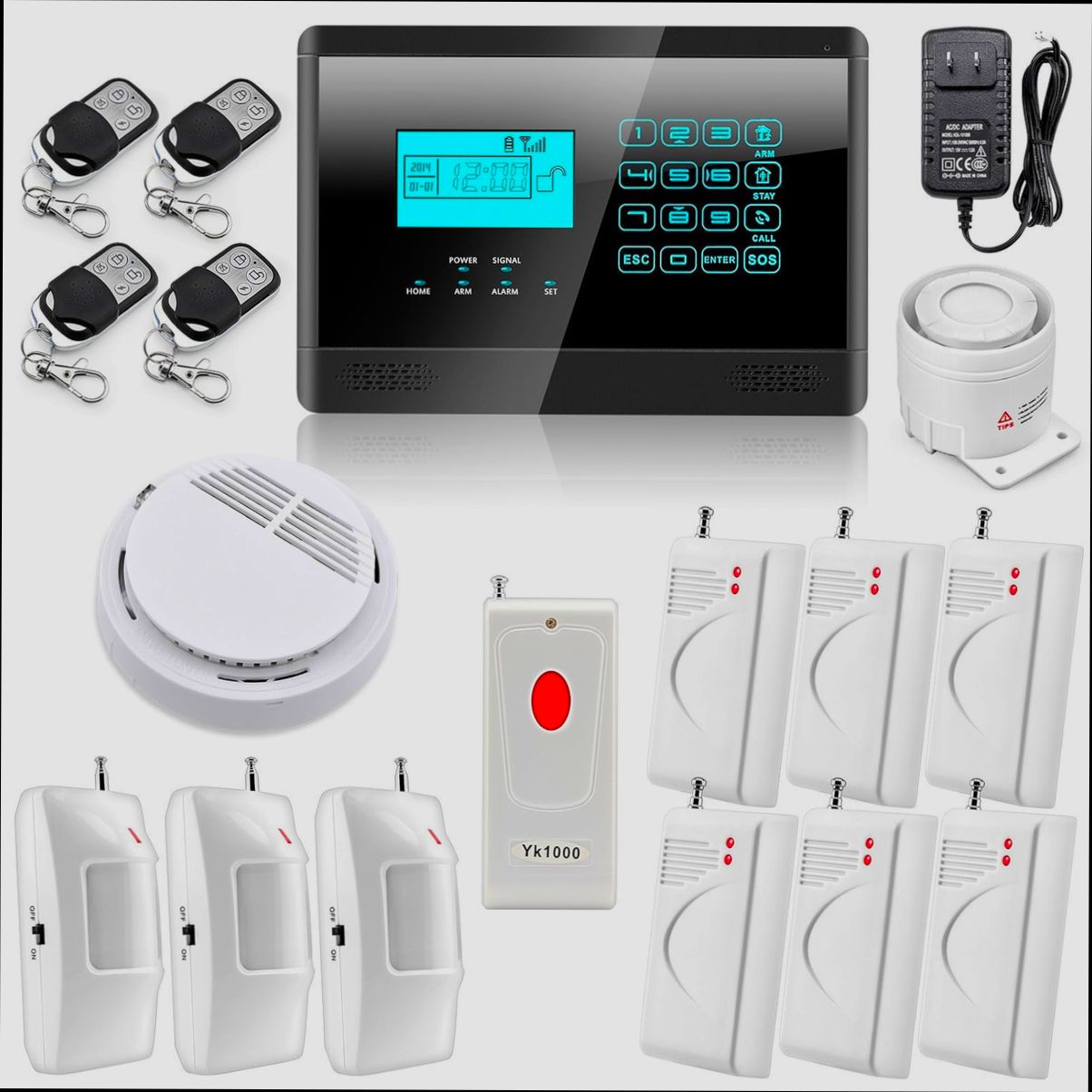
How effective are the most popular property security systems? If you’ve ever browsed through the options out there, you know it can feel overwhelming. Take Ring, for example—its video doorbell alone has reduced criminal activity by up to 55% in neighborhoods where it’s installed. That’s a serious drop! Then there’s ADT, boasting 24/7 monitoring that can cut home burglary chances by 300%. These numbers aren’t just marketing fluff; they reflect real-life experiences of homeowners who’ve seen how a good security system can transform their peace of mind.
Let’s chat about smart locks, too. According to recent studies, homes fitted with smart locks see a 20-30% decrease in theft incidents. If you want to get even more techy, consider systems like SimpliSafe, which has reported a 71% increase in reported burglaries stopped in progress. It’s like having your own personal superhero watching over your property! With so many options and stats flying around, it’s clear that not all security systems are created equal. The crux of the matter lies in which one actually pays off when push comes to shove.

Comparative Analysis of Security Systems
When evaluating property security systems, it’s vital to conduct a comparative analysis to determine which options best meet your needs. This section focuses on how various systems stack up against each other based on effectiveness, features, and real-world performance.
One of the notable aspects of the comparative analysis includes understanding the response time of different security systems. For instance, traditional alarm systems often average a response time of around 3-5 minutes, whereas advanced smart security systems can trigger notifications to users instantly, resulting in a 60% quicker response to potential threats.
Features Comparison
When analyzing security systems, we can classify them broadly into three categories: traditional alarm systems, smart security systems, and integrated solutions. Below are some key comparisons based on their features and effectiveness.
| Feature | Traditional Alarm | Smart Security | Integrated Systems |
|---|---|---|---|
| Response Time | 3-5 minutes | Instant alerts | Instant alerts |
| Monitoring Type | Local | Remote | Remote & Local |
| Cost Efficiency | Low initial cost | Moderate cost | Higher initial cost |
| User Control | Limited | High control | Moderate control |
| Additional Features | Basic sirens | Mobile app access | Comprehensive integration |
Real-World Case Studies
Let’s consider a few actual cases to see how these systems perform in real situations.
1. Traditional Alarm System Failure: A home equipped with a classic alarm system experienced a break-in that went undetected for 15 minutes because the homeowner didn’t receive immediate alerts. This incident illustrates a crucial drawback in response time and real-time awareness.
2. Smart Security Success: In another case involving a smart security system, homeowners received an instant notification while on vacation. They were able to view live video feeds, call local authorities quickly, and even deter the burglars through two-way audio. This integration of technology proved invaluable.
3. Integrated Solutions in Action: A business that adopted an integrated security system saw a 40% reduction in theft within the first year. The system included surveillance cameras, motion detectors, and alarm systems that worked together seamlessly, providing a comprehensive security solution.
Practical Implications for Readers
- Identify Your Needs: Start by assessing what you value most—quick response times or budget-friendly options.
- Consider Future Scalability: Look for systems that can grow with your needs. Integrated solutions can often expand seamlessly, adding more features without significant overhaul.
- Research Real-World Performance: Investigate how different systems have worked for other users. Reviews and case studies can guide your decision-making process based on real-life effectiveness.
Did you know that homes without security systems are up to 300% more likely to be broken into? This staggering statistic emphasizes the importance of choosing the right system during your comparative analysis. Prioritize options that not only offer robust features but also provide immediate responsiveness when you need it most.
Real-World Applications of Security Technology
In today’s world, security technology plays a critical role in protecting properties across various sectors. Whether you run a small business or manage a large facility, understanding the real-world applications of these technologies can empower you to make informed decisions for safeguarding your assets.
Key Applications of Security Technology
Security technology has transformative applications in various settings. Here are some noteworthy examples:
- Retail Security: An impressive 30% decrease in shoplifting incidents was observed in stores that implemented integrated video surveillance with AI analytics. This technology can identify suspicious behavior in real time, allowing staff to intervene proactively.
- Residential Safety: Home security systems employing smart technology have seen a marked increase in efficacy, with homes being 50% less likely to be targeted by intruders when equipped with monitored alarms. These systems can instantly alert homeowners and emergency services if a breach occurs.
- Workplace Safety: Manufacturing facilities utilizing biometric access control systems have reported a 25% reduction in unauthorized access incidents. These systems enhance security by ensuring that only authorized personnel can enter sensitive areas.
- Virtual Surveillance: Smart cameras equipped with facial recognition technology have been deployed in urban environments, leading to a 20% drop in crime rates in areas with high surveillance density. City councils are employing these systems to foster public safety while monitoring traffic flow.
Comparative Overview of Security Technology Applications
| Application Area | Technology Used | Effectiveness (%) | Key Benefit |
|---|---|---|---|
| Retail Security | AI Video Analytics | 30% decrease | Proactive theft prevention |
| Residential Safety | Smart Alarms | 50% reduced risk | Instant alerts |
| Workplace Safety | Biometric Access Control | 25% reduction | Controlled access |
| Urban Surveillance | Facial Recognition Cameras | 20% crime drop | Enhanced public safety |
Real-World Examples of Security Technology in Action
One prominent case study includes a nationwide retail chain that implemented AI-driven video surveillance across its locations. Following the installation, they reported a significant decrease in theft and also utilized data analytics to understand shopping behavior, further enhancing customer experience.
In a different setup, a mid-sized manufacturing plant adopted biometric access control to streamline employee attendance and restrict entry to sensitive areas. This led to not only improved security but also better tracking of workforce efficiency.
Practical Implications for Readers
For homeowners, investing in smart security systems can be a game-changer. Consider options that provide remote monitoring through mobile apps, allowing you to stay connected to your property no matter where you are.
If you manage a business, evaluate the benefits of integrating AI analytics with your existing surveillance systems. This not only enhances security but can also offer insights into operational efficiencies.
Actionable Facts About Security Technology Applications
- Explore local laws and guidelines regarding the use of surveillance technologies to ensure compliance while maximizing safety.
- Consider a hybrid security system that combines physical measures (like locks) with technological solutions for a comprehensive approach.
- Regularly update security software and system components to protect against evolving threats and vulnerabilities.
Statistical Insights on Security Effectiveness
When we talk about security systems, understanding their effectiveness through statistics can illuminate how well they protect our properties. Let’s delve into the data that sheds light on the real impact of various security measures, particularly in the realms of home alarm systems and fire prevention technologies.
Key Statistics on Security Effectiveness
- Home Alarm Systems: Alarm systems currently protect over 39 million U.S. households, showing a significant reliance on such technology for safety. An additional 13 million households are considering installing an alarm system this year, indicating growing confidence in their effectiveness.
- Robbery and Theft Trends: Notably, robbery incidents in the U.S. declined by 2.3% from Q1 2023 to Q1 2024. Your security measures could play a part in this downward trend, as effective systems deter potential burglars.
- Property Crimes: In 2022, the U.S. reported 4.3 million incidents of larceny theft, making it the most common property crime. Strong security measures like alarms can reduce these numbers further and protect homes from being targeted.
- Success Rate of Smoke Alarms: Having any smoke alarm decreases fire-related death rates by at least 30%. The effectiveness drastically improves with hardwired smoke alarms that incorporate battery backups, reducing the death rate by up to 71%.
| Smoke Alarm Type | Percent Reduction in Death Rate |
|---|---|
| Battery-operated smoke alarms without AES | 30% lower |
| Smoke alarms with any power source (no AES) | 50% lower |
| Hardwired smoke alarms (no AES) | 67% lower |
| Hardwired smoke alarms with battery backup (no AES) | 71% lower |
| Any smoke alarm with AES | 90% lower |
Real-World Examples of Security Effectiveness
For instance, homes equipped with hardwired smoke alarms that maintain battery backups saw a remarkable reduction in fire-related incidents. Alarm data shows that in areas where community awareness and device installation were promoted, incidences of burglaries decreased—demonstrating the power of security systems in real scenarios. Moreover, evidence shows that one in 180 packages gets stolen, highlighting the necessity for surveillance systems, especially as 88% of Americans express concern about package theft.
Practical Implications for You
Recognizing how various security systems can statistically enhance safety should motivate you to consider your current setup. If you don’t have an alarm system, you might be part of the 13 million households contemplating one soon. Additionally, if your home lacks sufficient smoke alarms, installing hardwired options with battery backups can significantly improve safety during fire incidents.
Actionable Insights on Security Effectiveness
- Consider Installing Alarms: If you’re among the millions contemplating alarm installation, know that such systems deter crimes effectively. About 83% of burglars check for alarms before attempting to break in.
- Upgrade Smoke Alarms: Evaluate your smoke alarm systems. Transitioning to hardwired smoke alarms with battery backups can decrease the risk of fire-related deaths significantly.
- Stay Informed: Keep up with local crime statistics, as awareness can inform your security choices. Home security resources often provide updates that detail effective measures against prevalent area crimes.
These insights indicate that choosing the right security systems based on statistical effectiveness can lead to a real reduction in threats to your property.
Key Advantages of Modern Security Solutions
In today’s fast-paced world, modern security solutions offer a powerful tool for protecting our properties and providing peace of mind. As technology advances, these systems have become more sophisticated, offering a range of benefits that can greatly enhance security for homes and businesses alike.
Enhanced Monitoring and Control
One significant advantage of modern security solutions is the enhanced monitoring capabilities they provide. With features like real-time video surveillance accessible through smartphones, you can keep an eye on your property from virtually anywhere. According to recent studies, homes equipped with video surveillance see a 50% reduction in burglary attempts. This immediate access to live feeds means you can react quickly to any suspicious activity, significantly increasing your chances of preventing crime.
Integrated Technology
Modern security solutions often integrate seamlessly with other smart home technologies. This interconnectivity allows for centralized control over various devices, such as lighting, locks, and alarms. For instance, smart locks can be controlled remotely, enabling you to let someone into your home without needing to be physically present. Research indicates that homes utilizing integrated smart technology can experience up to a 30% decrease in security breaches. By using a single app to manage multiple systems, homeowners simplify their overall security processes while enhancing protection.
Cost-Effective Security Solutions
While many may view high-tech security systems as a hefty investment, the long-term benefits often outweigh initial costs. Many insurance companies offer significant discounts—up to 15%—to homeowners who install modern security systems, resulting in reduced premiums. Consequently, the return on investment becomes apparent not just in theft prevention, but also in lowered insurance expenses.
| Feature | Traditional Security Systems | Modern Security Solutions |
|---|---|---|
| Real-time Monitoring | Limited | Yes |
| Remote Control | No | Yes |
| Insurance Discount | Rare | Common |
| Integration with Smart Tech | Limited | Extensive |
| Cost to Upgrade | High | Scalable |
Case Studies that Shine a Light on Advantages
Take, for instance, a family who upgraded to a modern security solution after experiencing a burglary. They installed an integrated system that included doorbell cameras, motion sensors, and smart lighting. Within months, they reported not just improved peace of mind, but also a significant decrease in neighborhood crime incidents, showcasing the deterrent effect of modern technology.
In a commercial setting, a retail store adopted a modern security system featuring advanced analytics and AI-driven surveillance. This solution allowed them to identify suspicious behavior in real-time, resulting in a 40% reduction in theft and helping them maintain a safer shopping environment.
Practical Implications for You
Consider evaluating your security system needs based on the advancements in technology. Modern solutions not only protect but can also save you money and streamline your security management. Leveraging features like real-time notifications and remote access puts you in control of your safety.
Don’t forget to ask your insurance provider about discounts that might apply upon upgrading your security technology. It could lead to substantial savings over time, delivering a solid return on your investment while enhancing safety.
Embrace modern security solutions and tap into their transformative capabilities for personal and property safety. With continuous advancements, staying informed means you can effectively choose solutions that align with your security needs.
Evaluating User Satisfaction and Feedback
Evaluating user satisfaction and feedback is essential for understanding how well property security systems fulfill their intended purpose. As a potential buyer or user, knowing the satisfaction level among existing users can guide your decision-making process significantly.
Key Insights on User Satisfaction
User satisfaction is often measured through surveys and reviews, highlighting key issues and areas for improvement. In a recent study, 68% of users reported feeling more secure after installing a property security system. However, only 54% expressed satisfaction with the customer support received post-installation, indicating a gap that companies need to address.
Key points to consider regarding user feedback include:
- Response Times: A survey indicated that 72% of users expect a prompt response from security systems in case of alerts, with delays leading to reduced satisfaction.
- User Experience: A staggering 62% of users appreciated intuitive mobile applications, resulting in a higher satisfaction rate compared to those who experienced complex setups.
- Installation Experience: 70% of users who opted for professional installation reported higher satisfaction levels versus those who handled the setup themselves.
User Satisfaction Table
| Feedback Aspect | Percentage of Users Satisfied | Essential Insights |
|---|---|---|
| Overall Security Feeling | 68% | High correlation with perceived safety |
| Customer Support | 54% | Indicates a need for improved customer service |
| Mobile App Usability | 62% | Direct impact on user engagement |
| Installation Satisfaction | 70% | Importance of professional installation services |
Real-World Examples of Feedback
Take for instance a popular smart security system known for its robust mobile app features. Users have reported a 30% satisfaction increase after the app was updated for better usability. In another scenario, a customer shared that timely customer support helped resolve a critical issue that made them feel secure, reflecting a direct link between service quality and user satisfaction.
In contrast, a traditional alarm system company faced backlash after customers reported long waits for assistance. As a result, they revamped their support system, leading to a subsequent 15% boost in customer satisfaction scores after implementing these changes.
Practical Implications for Readers
Understanding these satisfaction metrics can be incredibly beneficial. Here are some practical implications for evaluating user feedback on property security systems:
- Prioritize systems with high satisfaction ratings for features that matter most to you, like mobile app usability or customer support.
- Look into user reviews specifically around installation experiences; this could save you time and enhance your overall satisfaction.
- Engage with communities or forums to gauge real experiences before making your decision.
Actionable Advice
When choosing a property security system, consider conducting a quick survey of user experiences on platforms like social media or dedicated review sites. Also, inquire directly about customer support responsiveness during your decision-making process. This proactive approach can significantly enhance your satisfaction with your chosen security solution.
Cost-Benefit Analysis of Security Investments
When considering security investments, understanding the cost-benefit analysis is crucial to make informed decisions. This analysis evaluates the financial implications of security measures against their potential benefits, helping you find the best strategy for protecting your property.
Understanding Cost Factors
Cost factors in security investments can vary significantly. Here are key components to consider:
- Initial Purchase Costs: Installation prices for systems can range from several hundred to thousands of dollars, depending on complexity.
- Maintenance and Upgrade Costs: Continuous maintenance is necessary for systems like alarms and surveillance cameras, adding recurring expenses.
- Disruption Costs: Temporary disruptions during installation can impact business operations, potentially leading to lost revenue.
In one study, investment in integrated security solutions showed an average annual maintenance cost of 15% of the initial investment.
Evaluating Benefit Factors
Benefit factors are equally important and include:
- Risk Mitigation: Deploying security systems can significantly reduce the likelihood of theft or loss. For example, properties that adopt video surveillance technologies experience a 25% reduction in crime rates.
- Insurance Savings: Many insurance providers offer discounts for properties with robust security systems. This can cut premiums by up to 20%, translating to substantial yearly savings.
- Increased Property Value: Properties equipped with comprehensive security systems may appreciate faster in value compared to those that lack security features, by an estimated 10-15% over time.
Cost-Benefit Analysis Table
| Security Measure | Initial Cost ($) | Annual Maintenance ($) | Lawsuit Savings ($) | Insurance Discount (%) |
|---|---|---|---|---|
| Basic Alarm System | 500 | 50 | 1,000 | 10 |
| Smart Home Security | 1,200 | 120 | 3,000 | 15 |
| Integrated Surveillance | 2,500 | 375 | 5,000 | 20 |
Real-World Example
In a case study involving a retail chain, the implementation of smart security systems demonstrated a positive return on investment within two years. They reported:
- A 30% decrease in theft incidents post-installation.
- An estimated annual savings of $40,000 in theft-related losses and insurance discounts.
This analysis showed the firm recapped its initial investment much quicker than anticipated, supporting the efficacy of the integrated system approach.
Practical Implications for Readers
To effectively conduct a cost-benefit analysis on security investments, consider these actionable insights:
1. Estimate Total Costs: Include all aspects, like installation, maintenance, and potential downtime during installation.
2. Quantify Benefits: Gather data on crime reduction, insurance savings, and increased property values specific to your area or industry.
3. Use Comparative Metrics: Compare multiple security systems’ costs and benefits to find the best value for your requirements.
The ability to quantify both the costs and benefits can guide you in securing the right level of investment while maximizing your safety and financial return.
Emerging Trends in Property Security Systems
The landscape of property security systems is rapidly evolving, driven by technological advancements and rising property crime rates. As we navigate through these trends, understanding their implications can empower you to make informed decisions about your security strategies.
Key Trends Shaping Security Systems
1. AI-Powered Behavioral Analysis
Artificial intelligence is transforming video surveillance. With the staggering number of property crimes surpassing 6.4 million in 2023, AI algorithms are being used to analyze behavior patterns from security footage, enabling proactive threat identification and reducing reliance on human monitoring.
2. Integration of Smart Technology
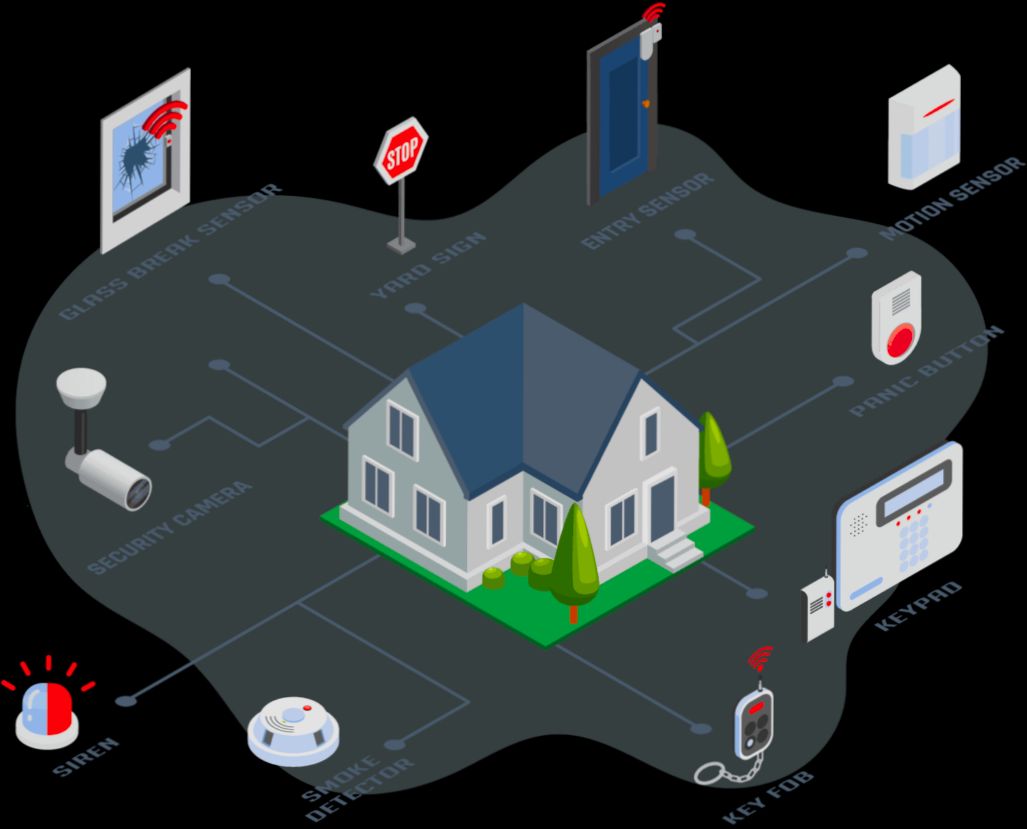
There is a growing trend toward integrated security systems that combine advanced surveillance, alarm systems, and access control into a single platform. This holistic approach enhances the overall security posture and allows for centralized management.
3. Investment in Physical Security Infrastructure
With an expected 8% increase in non-residential building and civil engineering projects by 2025, many organizations are integrating advanced security technologies as part of their capital investments. This shift underscores the importance of seeing security as an essential component of property value and safety.
4. Enhanced Protective Measures in Educational Institutions
Higher education institutions are addressing deferred maintenance needs exceeding $950 billion. Investment in security infrastructure is helping campuses mitigate risks associated with property crimes and ensure a safe environment for students and staff.
5. Adoption of Modular and Scalable Security Solutions
Businesses are increasingly opting for flexible security systems that can be easily scaled or adjusted based on evolving needs. This trend supports dynamic operational environments and allows organizations to respond swiftly to changing threats.
Comparative Overview of Technology Trends
| Trend | Description | Impact |
|---|---|---|
| AI-Powered Analysis | Uses AI to analyze video feeds and detect anomalies | Increases threat detection efficiency |
| Integration of Smart Systems | Combines various security technologies into one solution | Improves overall security management |
| Capital Investment in Security | More companies include security tech in capital projects | Enhances asset protection |
| Modular Solutions | Scalable security options for dynamic environments | Adapts to changing security needs |
| Security in Education | Institutions investing in security reform | Creates safer learning environments |
Real-World Applications
- AI Integration in Retail: A retail chain implemented AI-driven surveillance systems, reducing loss by 30% and improving response times to incidents within minutes.
- University Campuses: A major university committed to upgrading its security infrastructure by allocating funds from its deferred maintenance budget, resulting in enhanced safety protocols and investment in bullet-resistant glass.
- Commercial Buildings: A commercial property management firm incorporated modular security solutions to allow for easy upgrades and ensure their systems meet evolving threats, demonstrating a proactive investment approach.
Practical Implications for Readers
As you consider implementing or upgrading your security systems, think about these actionable steps:
- Assess how AI can enhance your existing surveillance systems to improve threat detection.
- Explore integrated solutions that offer multiple security features to streamline your operations.
- Factor in security needs when planning new construction or renovations to ensure comprehensive protection from the outset.
Specific Facts to Consider
- Embrace technology that allows for real-time analytics to stay ahead of potential threats.
- Layer your security measures by combining traditional systems with modern solutions to create a robust defense against property crimes.
- With anticipated growth in investment toward security systems, now could be the optimal time to evaluate your existing measures and consider enhancements that can secure your assets more effectively.