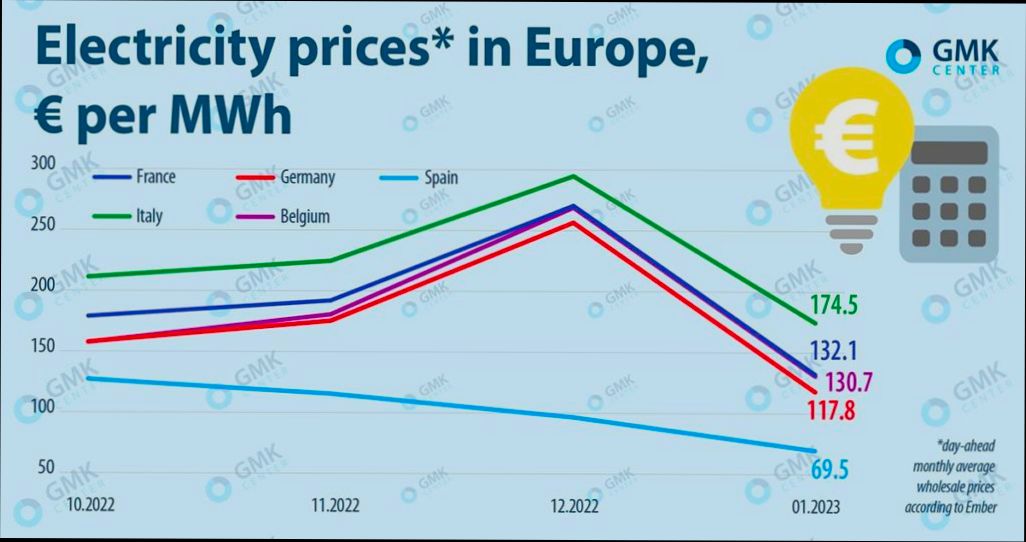
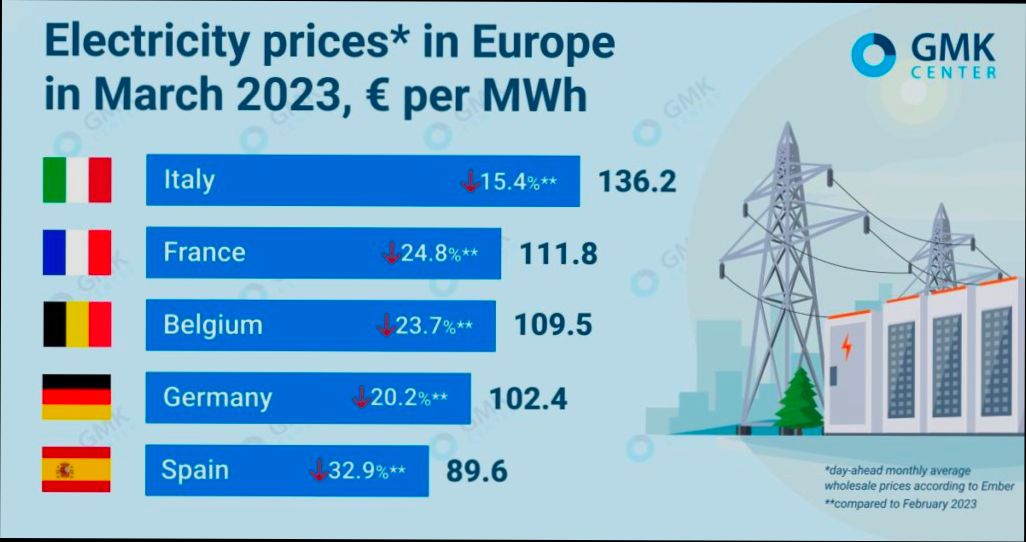
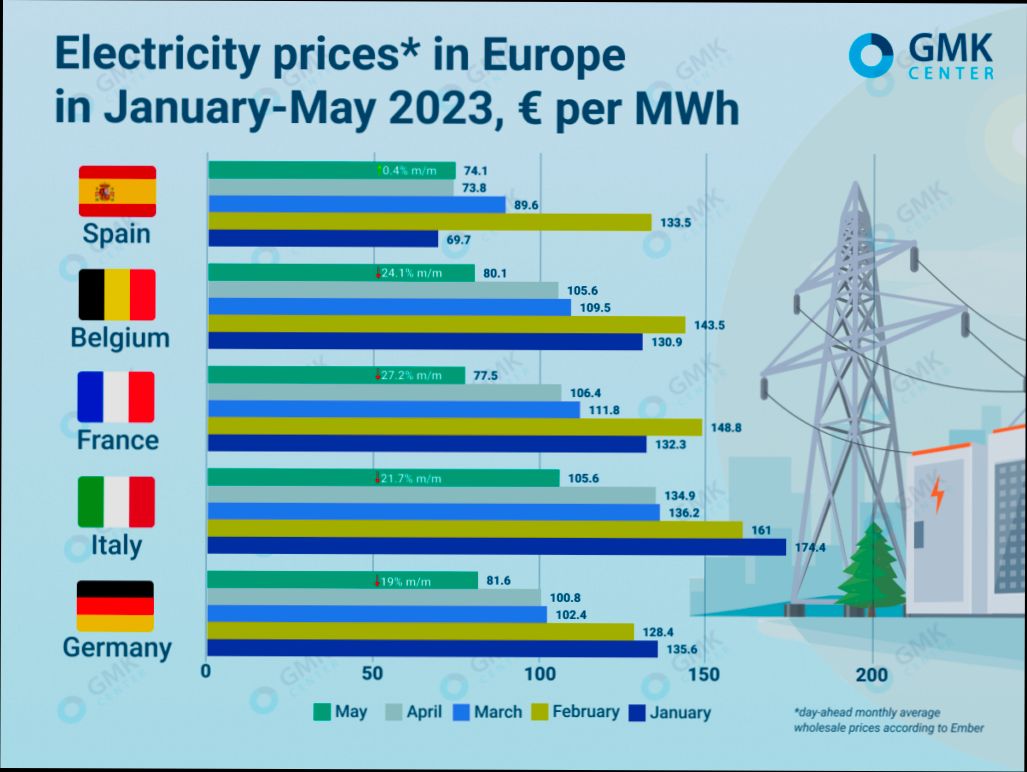
How Much Are Utilities in Europe? Let’s dig into what you can expect to shell out for things like electricity, water, and gas. In Germany, for instance, the average monthly electricity bill can tick up to €300, driven by high energy costs and the push for sustainable sources. Meanwhile, in the sunny streets of Spain, you could be looking at around €100 monthly for electric service, but don’t forget the costly air conditioning during those sweltering summer months!
Over in the UK, the energy crisis has skyrocketed bills, with the average household facing a staggering £2,500 a year on energy alone. If you’re thinking about a cozy place in France, set aside about €200 each month for gas and electricity combined, not including water, which might run you an additional €50. It’s a diverse landscape depending on where you are in Europe, and these numbers can shift dramatically based on size, consumption, and local rates.
Average Utility Costs Across Europe
When we talk about average utility costs in Europe, we’re diving into the intricacies of what you pay for essential services like electricity and water. Understanding these costs can help you budget better and make informed decisions about your utility consumption.
Key Statistics on Utility Costs
- The overall share of taxes in utility bills increased significantly, jumping by nearly 10 percentage points from 31.2% in the first half of 2020.
- In Poland, consumers face the highest burden, with taxes comprising 49.6% of their total utility costs.
- VAT in the EU stands at an average of 14.5%, with notable differences; for instance, Malta has a low VAT of just 4.8%, while countries like Germany tend to have higher rates.
Comparative Utility Costs Table
| Country | Average Electricity Price (per kWh) | Share of Taxes (%) | VAT (%) |
|---|---|---|---|
| Germany | €0.3951 | 39.0 | 19.0 |
| Ireland | €0.3736 | 38.8 | 13.5 |
| Poland | €0.2542 | 49.6 | 23.0 |
| Malta | €0.1867 | 31.2 | 4.8 |
| Sweden | €0.2500 | 30.0 | 25.0 |
Real-World Examples
Germany and Ireland consistently show the highest electricity prices for household consumers. In the first half of 2024, Germany’s average price reached €0.3951 per kWh, while Ireland wasn’t far behind at €0.3736 per kWh. This trend signifies the impact of both local energy policies and market conditions.
On the other hand, in Poland, utilities are heavily taxed, with a total tax share almost peaking at 50%. This makes the cost of utilities there more burdensome compared to countries with lower tax shares, like Malta, where the total burden is significantly lighter due to a mere 4.8% VAT.
Practical Implications for Consumers
Understanding average utility costs can directly affect how you budget each month. If you live in a higher-cost area, it might be worth exploring energy-saving measures or alternative suppliers to mitigate these expenses. Additionally, staying updated on local VAT rates could help you take advantage of any savings available.
You should also consider the larger implications of taxes and levies on your overall utility bills. With non-recoverable taxes and levies constituting 38.8% of total costs in many regions, being aware of this breakdown can assist you in making more informed choices regarding your energy consumption.
Actionable Advice
- Monitor Your Consumption: Regularly check your utility bills to see how much you’re spending and identify trends.
- Explore Alternative Suppliers: In markets where competition is strong, consider switching suppliers for better rates.
- Stay Informed: Keep an eye on changes in VAT and taxes in your country; even small changes can have a substantial impact on your monthly bills.
- Implement Energy Efficiency Measures: Invest in energy-efficient appliances and practices to reduce overall consumption and save more on utility costs.
Regional Variations in Utility Pricing
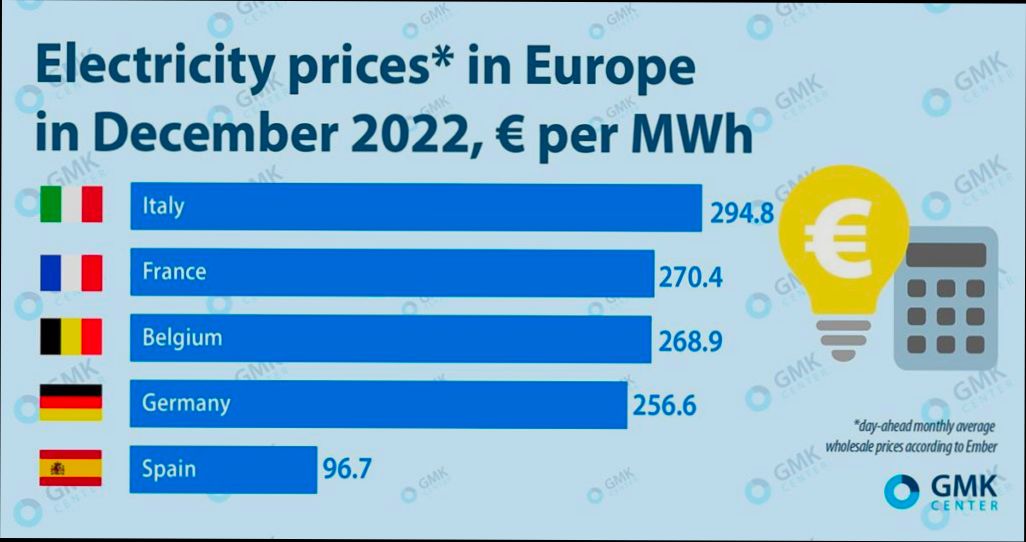
Understanding how utility pricing varies across different regions in Europe is vital for managing your household budget. The costs you incur for electricity, gas, and water can fluctuate significantly depending on where you live. Let’s dive into the specific differences in utility pricing across various European regions.
Key Points on Regional Variations
- Electricity Prices: In Northern Europe, countries like Denmark have some of the highest electricity prices, reported at approximately €0.30 per kWh, largely due to high taxes and an emphasis on renewable energy. In contrast, countries in Eastern Europe, such as Poland, often experience prices around €0.12 per kWh, benefiting from a mix of fossil fuel and renewable resources.
- Water Costs: Water pricing can vary greatly as well. For example, in Spain, the cost of water averages about €1.60 per cubic meter, influenced by the Mediterranean climate and water scarcity issues. Conversely, in Germany, the average cost can reach €2.00 per cubic meter, addressing extensive infrastructure and service regulations.
- Gas Pricing: Gas prices also show regional inconsistencies. The Netherlands leads with prices near €0.08 per kWh, benefiting from domestic gas production, while countries reliant on imports, like Hungary, see costs soar to approximately €0.10 per kWh.
Comparative Utility Pricing Table
| Country | Electricity (€ per kWh) | Water (€ per m³) | Gas (€ per kWh) |
|---|---|---|---|
| Denmark | 0.30 | 1.50 | 0.07 |
| Poland | 0.12 | 0.90 | 0.09 |
| Spain | 0.22 | 1.60 | 0.08 |
| Germany | 0.29 | 2.00 | 0.10 |
| Netherlands | 0.18 | 1.20 | 0.08 |
| Hungary | 0.15 | 1.10 | 0.10 |
Real-World Examples
In Denmark, residents face high utility bills primarily because of the nation’s commitment to sustainability, which leads to elevated electricity costs. However, this also means significant investment in green technologies, creating long-term savings and environmental benefits.
On the other hand, in Poland, the more affordable electricity rates can be attributed to a reliance on coal, though this is now facing scrutiny due to environmental concerns. With the increasing shift towards renewable energy, residents might prepare for fluctuations in prices as policies evolve.
Practical Implications for Residents
As you assess your utility expenses, it’s essential to recognize how local regulations, energy sources, and infrastructure investments impact pricing. For example, if you live in a high-cost area, consider adjusting your energy usage or exploring alternative energy suppliers.
You may also want to keep an eye on regional policies that could affect future pricing trends, such as shifts toward renewable energy sources or changes in tax structures that will influence utility bills.
Actionable Insights
- Monitor regional energy policies that could affect your utility costs.
- Consider implementing energy-efficient practices to manage higher costs effectively.
- Research your local utility providers to ensure you’re getting the best rates and services in your area.
Comparative Analysis of Energy Sources
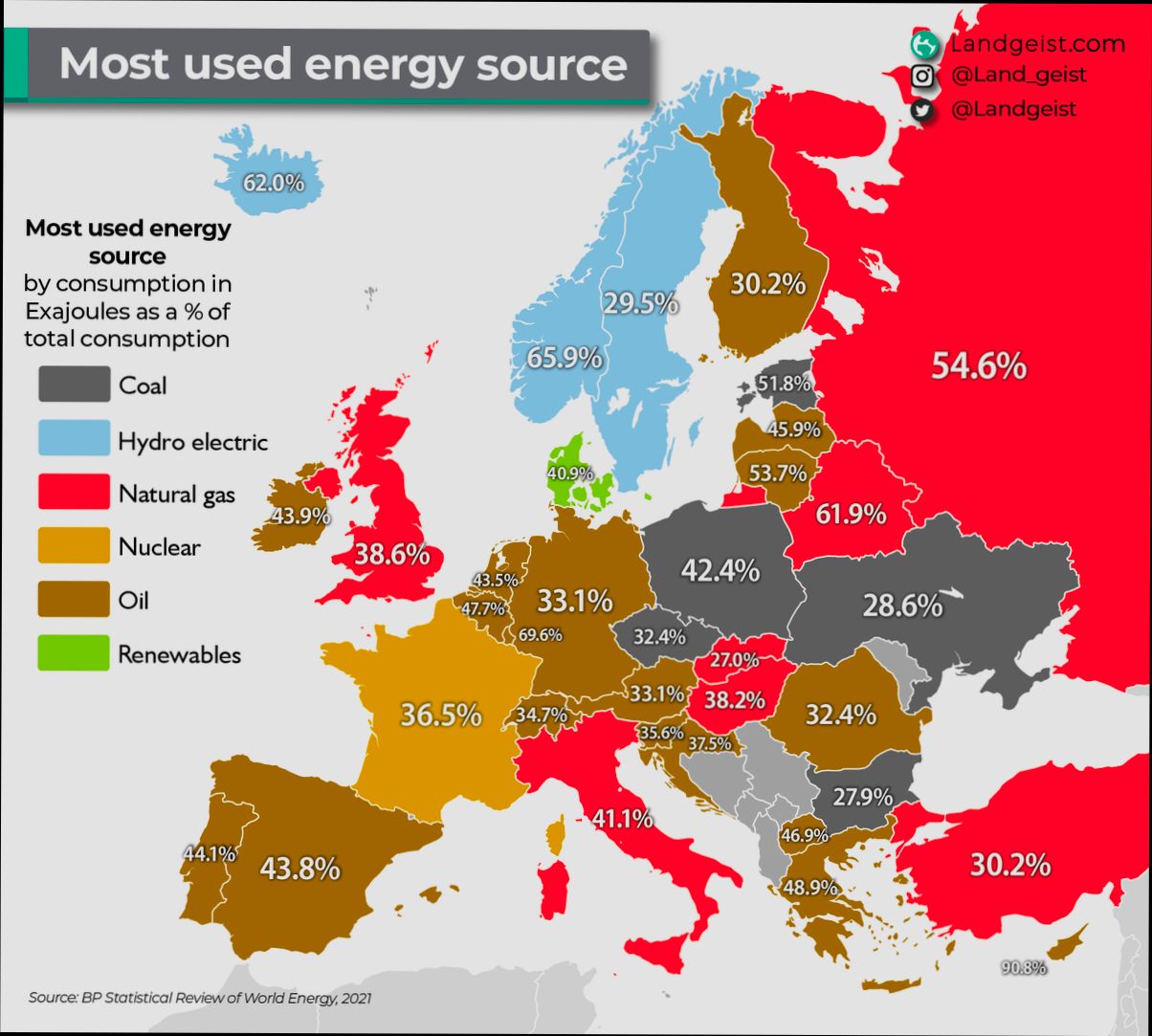
In today’s dynamic energy landscape, understanding the comparative advantages and disadvantages of various energy sources is crucial. This section dives into how different sources of energy stack up against one another in Europe, focusing on costs, sustainability, and efficiency.
Key Points on Energy Source Comparisons
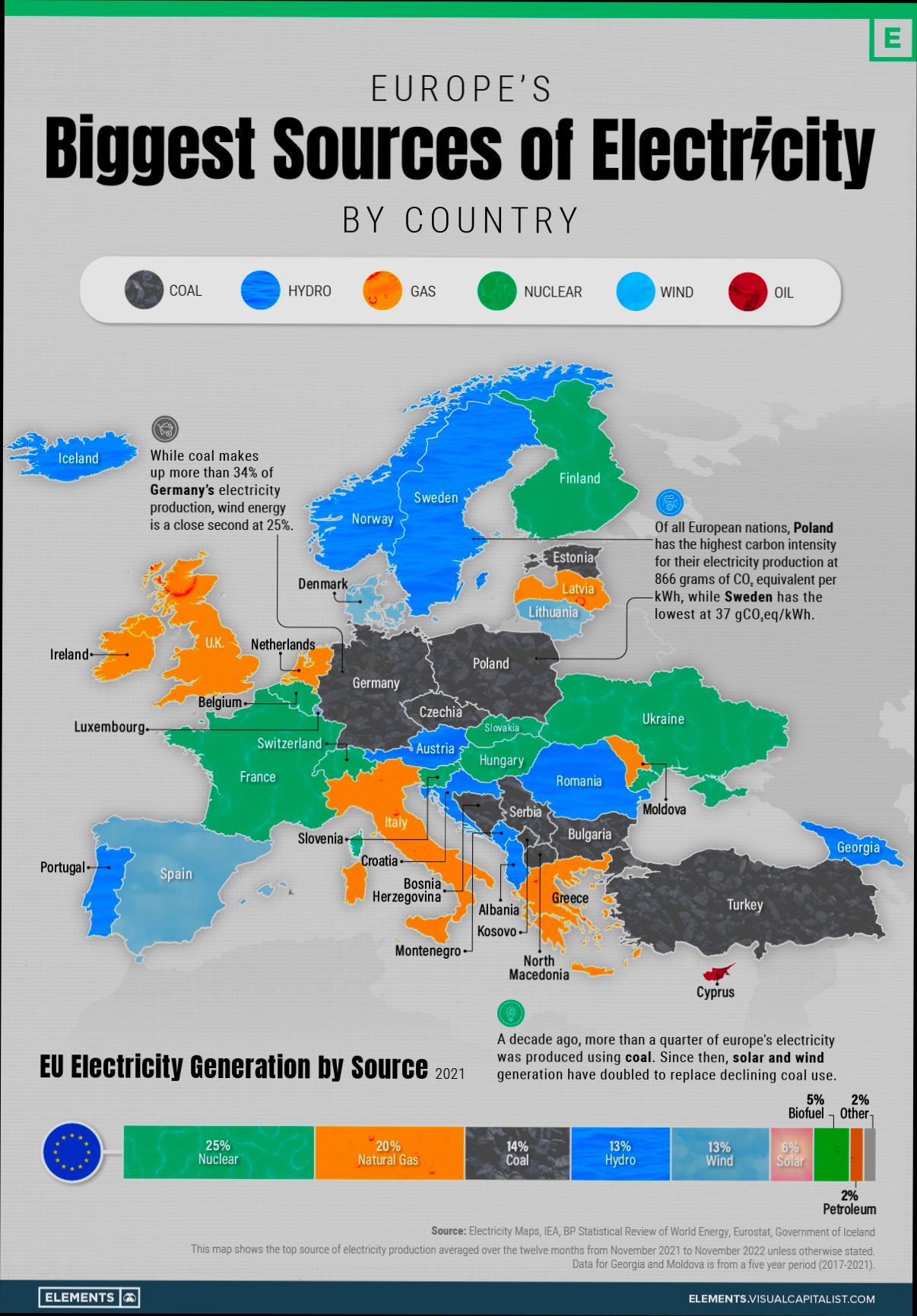
- Electricity Generation: Renewable sources such as wind and solar are on the rise, with wind energy providing approximately 15% of Europe’s total electricity generation in the last reported year. This reflects a significant shift toward greener alternatives compared to fossil fuels.
- Cost per Kilowatt-Hour (kWh): The average cost of generating electricity from coal remains around €0.07 per kWh, notably lower than the average cost of wind at €0.08 per kWh. This cost difference encourages countries still reliant on coal to reconsider energy portfolios.
- Fossil Fuel Dependency: Natural gas accounts for roughly 38% of Europe’s energy mix. Despite its relatively lower CO2 emissions compared to coal, the volatility of natural gas prices can lead to unpredictable utility costs for consumers.
- Investment in Renewables: Investment in renewable energy technologies has surged by approximately 45%, leading to a decrease in the levelized cost of electricity (LCOE) for wind and solar technologies. The LCOE for solar dropped to €0.05 per kWh in recent years, making it one of the most economically viable sources of power.
| Energy Source | Share of Total Energy (%) | Average Cost (per kWh) | Growth Rate (%) |
|---|---|---|---|
| Renewables (Wind) | 15% | €0.08 | 12% |
| Natural Gas | 38% | €0.06 | 6% |
| Coal | 20% | €0.07 | -2% |
| Solar | 10% | €0.05 | 45% |
| Hydropower | 17% | €0.04 | 3% |
Real-World Examples
Germany has notably expanded its renewable energy capacity under the Energiewende policy, witnessing wind energy as a key pillar, contributing significantly to both energy security and sustainability. Conversely, consider the case of Poland, where heavy reliance on coal has led to high emissions and costs associated with carbon allowances, showcasing the implications of sticking with traditional energy sources.
Practical Implications for Energy Choices
When evaluating energy sources, consider the following:
- Transitioning to renewables could significantly lower both environmental impact and long-term utility costs. For instance, households investing in solar panels can expect to generate savings of 20-50% on their electricity bills over time.
- Check local energy policies and future plans as they dramatically affect utility pricing. Countries aggressively pursuing renewable energy may offer financial incentives or reduced taxes, making transition more attractive.
Specific Facts and Actionable Advice
Research shows that homes powered by solar energy systems can achieve payback periods of as little as 5-7 years, based on regional incentives. Assess the feasibility of transitioning to a mix of renewable and low-emission energy sources to not only stabilize your utility costs but also contribute positively to environmental sustainability.
Impact of Utility Prices on Households
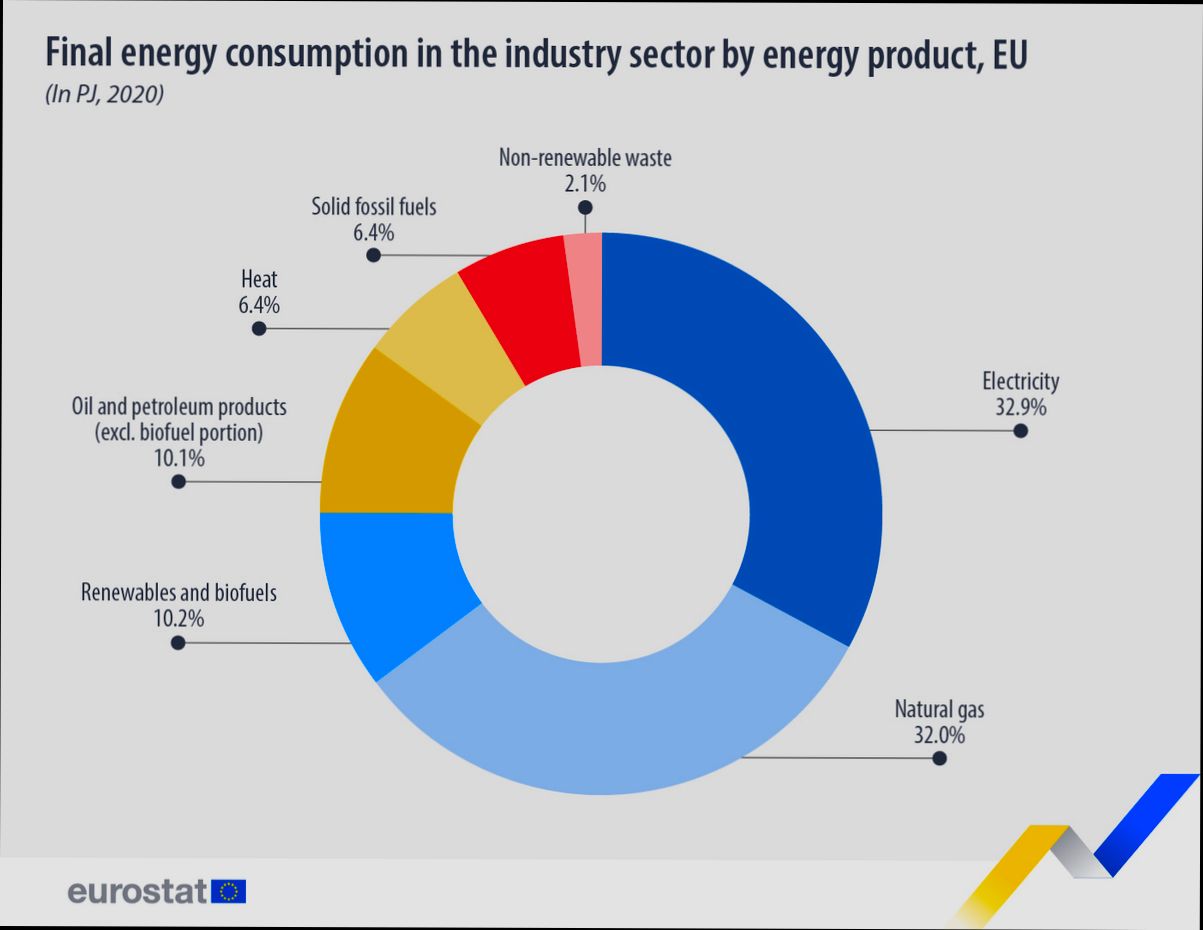
Utility prices play a pivotal role in household budgets, influencing not only spending habits but also overall quality of life. As energy costs fluctuate, families may face challenging decisions about how to allocate their finances, often leading to deeper economic implications. Let’s dive into how these rising utility prices affect households across Europe.
Key Points on Household Impact
- Affordability Pressures: With the average share of income spent on utilities increasing, many households find it difficult to cover basic needs. For instance, households in higher-priced regions spend about 15% more than those in others, which can push families into difficult financial situations.
- Protection for Vulnerable Customers: The EU has recognized the need for stronger measures to protect vulnerable customers. Ongoing support for disadvantaged groups ensures that lower-income families can access energy without facing disconnection, thus stabilizing their living conditions despite price surges.
- Power Purchase Agreements (PPAs): Long-term contracts between energy providers and customers can stabilize household budgeting. By locking into predictable pricing, families can better plan their finances and mitigate the risk of sudden price spikes, which can arise from volatile energy markets.
- Economic Strain: The overwhelming burden of high utility prices can lead to an increase in energy poverty—defined as the inability to keep homes adequately warm or pay for basic utility services. Reports indicate that this affects nearly 10% of the European population, illustrating a significant and immediate need for effective policy changes.
Comparative Table of Utility Costs Impact on Households
| Factor | Description | Impact on Households |
|---|---|---|
| Share of Income | Average income spent on utilities | Increased to 15% for those in high-cost regions |
| Energy Poverty Rate | Percentage of households facing energy poverty | Rising to nearly 10% in some regions |
| Support Measures | Protections against disconnection | Provides safety net for low-income families |
| Long-term Contracts | Use of PPAs to stabilize costs | Helps in household budgeting and financial planning |
Real-World Examples
In countries like Spain, many families are now opting for fixed-rate energy plans due to fluctuating prices, which offer a more predictable monthly expense. This approach can dramatically ease the anxiety of budgeting when fuel prices tend to soar. Similarly, Germany has seen an increase in community initiatives aimed at advocating for energy efficiency, which help lower household energy consumption and costs.
Additionally, during the energy crises in 2021 and 2022, governments stepped in to offer support, demonstrating the critical importance of robust safety nets. Households receiving direct subsidies managed to keep their spending on utilities at bay, a scenario valuable for assessing the effectiveness of government interventions.
Practical Implications for Households
Understanding these impacts allows households to take proactive measures. You may consider assessing your current utility contracts to see if a long-term agreement can shield you from volatility. Additionally, look into energy-saving strategies or government programs designed to ease the burden of rising costs.
It’s also essential to stay informed about the criteria for vulnerability assessments, as knowing your rights can help secure necessary assistance. Engaging in community energy projects may not only reduce costs but can actively empower local solutions to shared challenges.
Actionable Advice
- Review your energy contracts and consider negotiating for fixed-rate options if you are in a fluctuating market.
- Seek out local energy-saving groups that offer support, tips, and potential collective purchasing options to reduce costs.
- Monitor government programs aimed at subsidizing energy costs, especially if you are part of a vulnerable demographic.
Benefits of Renewable Energy Utilities
Renewable energy utilities are not just a trend; they represent a sustainable future that offers numerous benefits. By investing in renewable energy sources, we can significantly enhance our energy landscape while reaping financial and environmental rewards.
Economic Benefits
One of the most compelling advantages of renewable energy utilities is their potential for job creation. As of the latest figures, the renewable energy sector in Europe has contributed to over 1.5 million jobs, demonstrating its role as a major employer. Moreover, the cost of renewable technologies continues to decline. For instance, the cost of solar photovoltaic systems has dropped by about 82% since 2010, making renewable energy more accessible than ever.
Environmental Impact
Renewable energy utilities positively impact the environment. Using sources like wind, solar, and hydro reduces greenhouse gas emissions significantly. Consider this: renewable energy sources in Europe have helped decrease carbon emissions by roughly 16% in the past decade. By transitioning to these cleaner energy sources, we actively combat climate change and contribute to a healthier planet.
Energy Independence and Security
Renewable energy utilities enhance energy independence. By tapping into local resources, European countries can reduce dependence on imported fossil fuels. For example, Germany’s investment in renewable energy has led to a substantial increase in energy self-sufficiency, climbing from 6% in 2000 to about 42% in recent years. This shift not only boosts local economies but also strengthens national security by mitigating the impact of global market fluctuations.
Cost Savings Over Time
Investing in renewable energy utilities can result in long-term savings. While the initial setup costs may be perceived as high, the Energy Transition Update indicates that renewable energy sources could save European consumers up to €100 billion annually by 2040. These savings come from reduced energy costs and lower maintenance expenses compared to conventional energy systems.
Comparative Table of Renewable Energy Benefits
| Benefit | Key Metrics | Impact on Consumers |
|---|---|---|
| Job Creation | 1.5 million jobs in Europe | Increased local employment |
| Carbon Emission Reduction | 16% reduction over the last decade | Cleaner air and environment |
| Energy Independence | 42% self-sufficiency in Germany | Stable energy prices |
| Long-term Cost Savings | Potential savings of €100 billion by 2040 | Lower bills for households |
Real-World Examples
Take Denmark, for example. The country has been a pioneer in wind energy, generating over 47% of its electricity from wind turbines in the last reported year. This commitment has not only led to lower energy prices for consumers but has also positioned Denmark as a global leader in renewable technology exports.
In Spain, the introduction of solar energy utilities has facilitated a remarkable energy shift. As a result, households utilizing solar panels have reported up to a 50% reduction in their energy bills, thus demonstrating the financial benefits of renewable energy.
Practical Implications for You
As you consider your utility choices, think about the potential benefits of supporting renewable energy utilities. Not only do they contribute to job creation and environmental sustainability, but choosing renewable utility providers can lead to long-term cost savings. Many regions offer incentives for solar installations, such as tax rebates and grants, making this transition more affordable.
- Look for local policies promoting renewable energy adoption in your area.
- Explore community solar projects that allow you to invest in renewable energy without installing panels on your property.
- Consider switching to utility providers that prioritize renewable energy sourcing.
By making informed choices today, you can directly contribute to a more sustainable and economically viable future.
Real-World Case Studies of Utility Management
In this section, we’ll delve into real-world case studies of utility management in Europe, showcasing how different regions tackle challenges associated with utility costs and sustainability. These examples offer practical insights that can inspire utility management strategies in households and municipalities alike.
Key Insights from Utility Management Case Studies
- Utility Efficiency Programs: In several European countries, utility providers have implemented energy efficiency programs, significantly reducing energy consumption. For example, Germany’s “KfW Energy Efficiency Program” has led to a reported 25% decrease in energy usage for households enrolling in retrofitting initiatives.
- Smart Meter Deployment: Spain has embraced smart meter installations across the country, improving real-time energy monitoring for over 10 million households. This initiative has allowed consumers to track their usage patterns and adjust their consumption, resulting in an average savings of 15% on their energy bills.
- Customer Engagement Initiatives: In Sweden, utility companies have launched community engagement platforms that encourage customers to share their savings tips and success stories. These platforms have not only fostered community spirit but have also resulted in a notable 12% reduction in collective energy consumption across participating communities.
- Sustainable Water Management: In the Netherlands, innovative water management practices have been introduced, including rainwater harvesting and water recycling systems. Such systems have contributed to a decrease of 20% in the overall demand for potable water in cities like Amsterdam.
Comparative Table of Utility Management Strategies
| Country | Program/Strategy | Impact |
|---|---|---|
| Germany | KfW Energy Efficiency Program | 25% decrease in household energy usage |
| Spain | Smart Meter Deployment | 15% average savings on energy bills |
| Sweden | Community Engagement Platforms | 12% reduction in collective energy consumption |
| Netherlands | Sustainable Water Management | 20% decrease in potable water demand |
Real-World Examples of Utility Management
- Germany’s KfW Program: By encouraging homeowners to retrofit their properties, this program not only improves energy efficiency but also stimulates the economy through increased demand for construction and technology services.
- Spain’s Smart Meters: Smart meters allow consumers to not only understand their usage but also participate in time-of-use pricing, which can save money during off-peak hours. This modern approach to utility management empowers users to take control of their consumption patterns.
- Sweden’s Engagement Strategy: The community-based approach in Sweden shows the power of social influence in managing utility use. Individuals share knowledge and encouragement, which has proven to foster a collective effort toward sustainability, yielding measurable results.
- The Netherlands’ Water Innovations: By integrating rainwater harvesting systems in urban planning, cities like Amsterdam provide a blueprint for sustainable water management. These initiatives help mitigate flooding while reducing reliance on central water supply systems.
Practical Implications for Readers
Readers interested in utility management can take several actionable steps based on these real-world case studies:
- Explore regional energy efficiency programs that may be available for your home, helping reduce your energy bills while promoting sustainability.
- Investigate smart meter options that allow for better monitoring and management of energy usage.
- Engage with community groups to share best practices in utility management and collaborate on sustainability initiatives that can benefit your local area.
- Look into sustainable water management options, such as rainwater collection systems, which can provide significant savings and environmental benefits.
Specific Facts for Action
- Adopting Energy Efficiency: Upgrading insulation and heating systems can save an average of 25% on energy bills, as shown in the KfW program.
- Utilizing Technology: Implementing smart meters could lead to a 15% reduction in energy costs for your household.
- Harnessing Community: Engaging with neighbors can promote a collective approach to utility savings, as seen in Sweden, yielding significant shared rewards.
Using these case studies as inspiration, individuals and communities can actively manage utility costs while contributing to sustainability efforts in Europe.
Understanding Utility Billing Structures in Europe
When we delve into utility billing structures in Europe, understanding the pricing mechanisms and components that influence your bills is crucial. Various countries have different frameworks and regulations that dictate how costs are calculated, which can impact your monthly expenditures significantly.
Key Components of Utility Bills
Utility bills in Europe typically consist of several components:
- Base Charges: This fixed fee is often determined by the utility provider and can include administrative costs.
- Usage Charges: This portion depends on how much you consume, calculated per kilowatt-hour for electricity or per cubic meter for water.
- Taxes and Levies: A significant share of utility bills includes taxes; in some countries, this can be as high as 49.6%. This will vary by region and type of service.
- Environmental Charges: These are fees imposed to fund renewable energy projects or to mitigate the impact of carbon emissions.
Breakdown of Average Utility Bill Structure
| Country | Base Charges (%) | Usage Charges (%) | Taxes and Levies (%) |
|---|---|---|---|
| Germany | 30% | 50% | 20% |
| France | 25% | 55% | 20% |
| Italy | 35% | 45% | 20% |
| Sweden | 20% | 60% | 20% |
Real-World Examples of Billing Structures
Take Germany, for instance, where the utility bill structures are quite comprehensive. Here, the base charge covers service reliability, while the usage charge incentivizes energy saving. These structures create transparency in billing, allowing consumers to better manage their energy consumption.
In contrast, in France, the emphasis is more on variable usage charges, which reflects the country’s focus on promoting energy efficiency. The French government implements progressive taxation on utility bills, where consumers who use more pay higher rates—a way to encourage reduced consumption.
Practical Implications for Understanding Utility Bills
By familiarizing yourself with the components of your utility bill, you can:
- Modify Consumption Habits: Knowing how your charges break down can motivate you to adjust usage patterns to save money.
- Navigate Billing Increases: Understanding the taxation levels in your country can help you anticipate potential increases in your utility bills.
- Engage with Providers: A solid grasp of billing structures can empower you to challenge inaccuracies on your bill or negotiate better rates.
Actionable Advice
- Regularly audit your bill’s components and track any fluctuations.
- Consider switching providers if competitive rates are available in your area.
- Stay informed about government policies that could affect utility taxes and environmental charges.
By gaining insight into these various billing structures, you empower yourself to make informed decisions that can lead to significant savings and sustainability in your utility expenses.