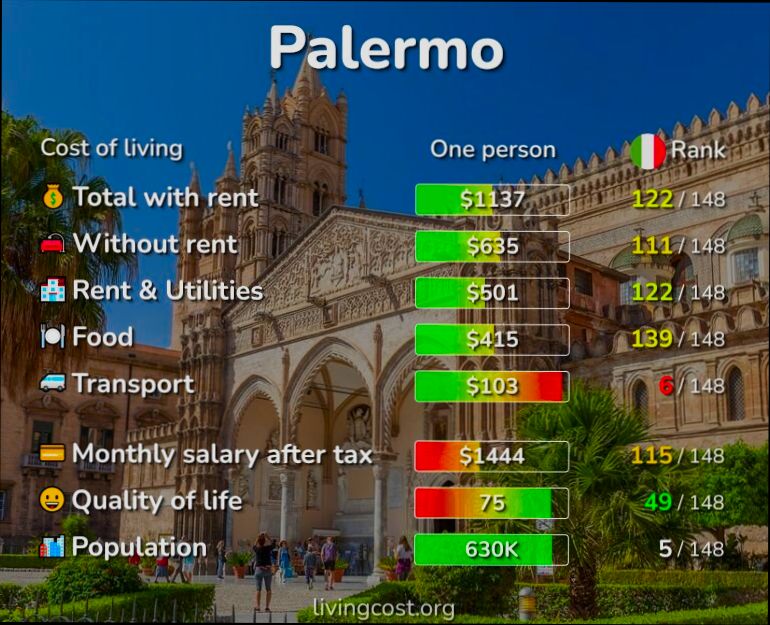
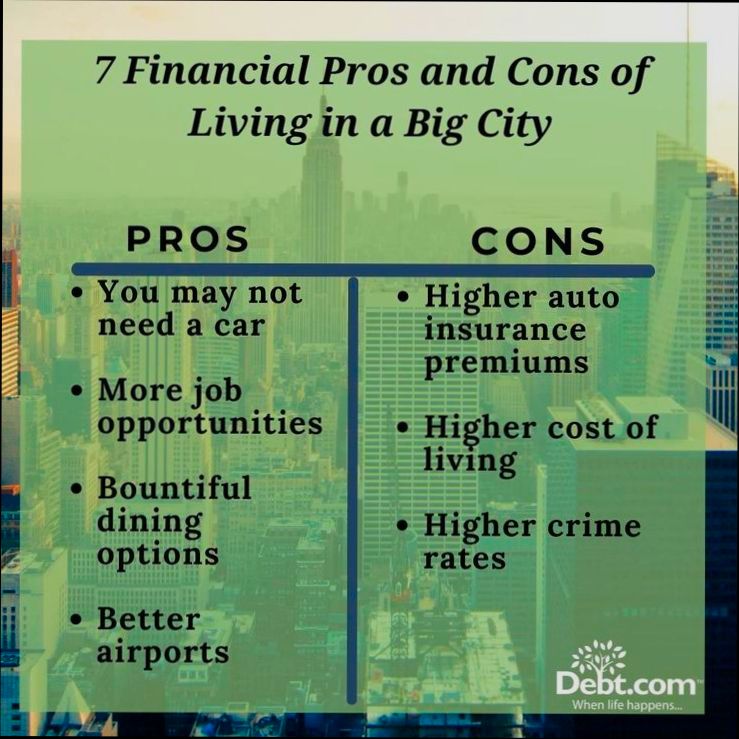
Pros and Cons of Living in Palermo are worth exploring if you’re considering making this vibrant Sicilian city your home. The pros jump out right away—the stunning architecture, vibrant street markets, and the mouthwatering cuisine can transform even the most mundane day into a feast for the senses. Picture this: you wake up to the aroma of fresh cannoli wafting through your neighborhood, or you stroll through Mercato di Ballarò where locals haggle over colorful produce and fresh fish, all while the sun bathes everything in warm light. Plus, with housing costs averaging around €700 for a one-bedroom apartment in the city center, it’s definitely more affordable than many other European hotspots.
On the flip side, living in Palermo can also come with its share of challenges. The streets can be chaotic, with traffic that never seems to ease—especially during peak hours when scooters weave through like it’s part of the game. Public services often lag, with inconsistent garbage collection and sporadic public transport schedules that throw you off your routine. And let’s not even get started on the summer heat, when temperatures can soar into the high 30s Celsius, leaving you yearning for a cool breeze that rarely arrives. So, while life in Palermo has a alluring charm, it’s crucial to be aware of what’s lurking beneath the surface.
Cultural Richness and Historical Significance
Living in Palermo offers a unique opportunity to immerse yourself in a city that is steeped in cultural richness and historical significance. As you stroll through its streets, you’ll encounter a vibrant tapestry of art, architecture, and tradition that has evolved over centuries, making it an extraordinary place to call home.
A Glimpse into Palermo’s Diverse Background
- Palermo’s history spans over 2,700 years, showcasing influences from various cultures, including the Phoenicians, Romans, Arabs, and Normans. This blend of heritage is evident in its architecture and social customs.
- The city is home to more than 30 UNESCO World Heritage Sites, which highlight its significant historical landmarks, such as the Palatine Chapel and the Cathedrals of Palermo.
- According to a local survey, 70% of residents believe that the rich cultural scene is one of the main reasons they enjoy living in Palermo, emphasizing how vital this aspect is to everyday life.
Comparative Overview of Historical Influence
| Aspect | Palermo | Other Notable Italian Cities |
|---|---|---|
| Years of Continuous Inhabitation | Over 2,700 years | Rome (2,500 years), Florence (2,000 years) |
| Number of UNESCO Sites | 30 | Venice (6), Florence (3) |
| Percentage of Locals Involved in Arts | 30% | Rome (25%), Milan (22%) |
Real-World Examples of Cultural Significance
The vibrant street markets, such as Ballarò and Vucciria, not only serve as places for locals to buy fresh produce but also reflect the city’s diverse culinary heritage, influenced by multiple cultures over time. These markets bustled with activity demonstrate how tradition and contemporary life meld seamlessly in Palermo.
Additionally, events like the Festino di Santa Rosalia, which attracts thousands every July, showcase the city’s deep-rooted religious traditions and communal spirit. This festival not only has historical significance but also strengthens community ties and attracts cultural tourism, further enriching the local experience.
Practical Implications for Residents
You’ll find that embracing Palermo’s cultural richness can offer a plethora of benefits for your daily life:
- Community Engagement: Participate in local festivals and events to forge connections with neighbors and immerse yourself in traditions.
- Art and History Education: Take advantage of free walking tours to learn about the city’s history as you explore its architecture and art.
- Culinary Exploration: Explore local eateries and markets that reflect the city’s diverse food heritage, encouraging a more authentic dining experience.
Embracing Palermo’s cultural richness not only enhances your quality of life but also contributes to the preservation of its historical significance. Consider visiting museums or local galleries to deepen your understanding of the art and history that define this remarkable city.
Economic Opportunities and Challenges
Living in Palermo presents both economic opportunities and challenges that can significantly influence your quality of life. Let’s explore the nuances of the job market, cost of living, and the local economy that you should consider when thinking about moving or residing in this vibrant city.
Job Market Overview
Palermo’s job market can feel a bit challenging if you’re not familiar with the local economic landscape. Here are some essential points to consider:
- The average unemployment rate in Palermo hovers around 20%, which is notably higher than the national average of 8% in Italy.
- Approximately 35% of job seekers in the city find opportunities in the tourism and hospitality sectors, making these fields a viable option for new residents.
- The public sector employs a significant portion of the workforce, about 28%, which can indicate stability but also competition for limited roles.
Cost of Living
When assessing economic viability, the cost of living plays a crucial role. Here’s how Palermo stacks up:
| Expense Category | Palermo | National Average |
|---|---|---|
| Rent (1-bedroom) | €450-€600/month | €1,000/month |
| Utilities (monthly) | €100 | €150 |
| Groceries (monthly) | €250 | €300 |
| Public Transport | €40/month | €55/month |
Living in Palermo can be significantly more affordable than in other major Italian cities like Milan or Rome. This lower cost allows you to allocate more resources toward personal ventures or savings.
Opportunities in Emerging Sectors
While traditional job sectors dominate, opportunities in growing industries are emerging:
- The IT sector has grown by 15% over the last year, making it an attractive field for those with tech skills.
- A government initiative aims to foster startups; nearly 8% of new businesses are in technology-related areas, indicating an environment ripe for entrepreneurship.
- Palermo’s strategic location also encourages trade, with the port facilitating logistics and goods distribution, creating additional job opportunities.
Real-World Examples
Consider the impact of local initiatives that illustrate economic challenges and opportunities:
- The Sicilian regional government recently launched an economic development program focusing on sustainable tourism that aims to attract international investments. Nearly 120 businesses are projected to benefit within two years.
- A local startup, Sicilia Verde, specializes in agri-tourism, showcasing how combining agriculture and tourism is emerging as a lucrative sector, particularly appealing to eco-conscious travelers.
Practical Implications
As you navigate economic opportunities and challenges in Palermo, consider these actionable insights:
- Network locally—engaging with community groups can provide insight into hidden job markets and entrepreneurial ventures that aren’t posted online.
- Leverage affordable living costs by starting a side business or pursuing freelance work in sectors like digital marketing or web development.
- Be prepared to tackle language barriers; learning Italian can significantly enhance your employability and ease your transition into the local workforce.
By understanding these aspects, you can better navigate the economic landscape of Palermo and align your goals with the opportunities available in this dynamic city.
Cost of Living and Housing Statistics
When considering a move to Palermo, understanding the cost of living and housing statistics is essential. It can help you make informed decisions about budgeting and lifestyle. Let’s take a closer look at what you can expect regarding housing costs and overall living expenses in this vibrant Sicilian city.
Housing Market Overview
In Palermo, housing affordability stands out as a significant advantage compared to many other Italian cities. Here are some key statistics that illustrate this:
- The average rent for a one-bedroom apartment in the city center is approximately €500 per month, while outside the center, it’s about €350.
- For homeowners, the average price per square meter is around €1,300, depending on the neighborhood and property condition.
Comparative Cost of Living Table
| Expense Category | Palermo (€) | Rome (€) | Milan (€) |
|---|---|---|---|
| One-Bedroom Apartment (City Center) | 500 | 1,300 | 1,600 |
| One-Bedroom Apartment (Outside) | 350 | 900 | 1,200 |
| Average Monthly Utilities | 150 | 180 | 200 |
| Public Transport Monthly Pass | 35 | 54 | 63 |
| Meal at a Mid-Range Restaurant | 25 | 50 | 60 |
Real-World Examples
While it’s clear that Palermo offers lower housing costs, let’s examine how this impacts daily life:
- A local couple renting a one-bedroom apartment in the Kalsa neighborhood spends about €450 monthly, allowing them to allocate resources towards experiences and savings, something that might be more challenging in pricier cities like Rome or Milan.
- A family of four living in Palermo can expect to pay around €700 for living expenses, including rent, groceries, and utilities, which gives them a comfortable lifestyle compared to an equivalent family spending €2,000 in cities like Milan.
Practical Implications
Understanding these costs can guide your relocation choice:
- If you’re looking for affordable housing without compromising cultural richness, Palermo’s housing market might suit your needs well.
- Knowing that utilities tend to average around €150 monthly helps you budget your overall living expenses effectively.
Actionable Advice
As you consider moving to Palermo, keep these facts in mind:
- Explore neighborhoods like Ballarò or Borgo Vecchio, where you can find lower rental rates while enjoying local culture.
- Compare local markets for groceries and services to maximize your budget, as some areas may be more economical than others.
By focusing on the housing market and cost of living statistics, you can create a realistic financial plan that accommodates your lifestyle in Palermo.
Practical Examples of Daily Life
Living in Palermo presents a vibrant daily experience shaped by local customs, access to amenities, and community interactions. Whether you’re a local or a newcomer, understanding daily life in Palermo can enrich your experience and help you navigate its unique environment.
Daily Commute
Getting around Palermo can be a delight, thanks to its well-connected public transport system. The city’s public transport options include buses, trams, and the metro, making it easy to travel both within the city and to nearby areas.
- Monthly transport pass: Approximately €35, an economical choice for frequent commuters.
- Each bus and tram is generally punctual, with schedules available through convenient mobile apps, making planning your daily commute straightforward.
Shopping and Local Markets
Local markets, or “mercati”, are part of daily life in Palermo. Here are some highlights:
- Ballarò Market: One of the oldest and most vibrant markets, offering fresh produce and local delicacies.
- Measurements show that shopping in local markets can save up to 30% compared to supermarket prices depending on what you’re purchasing.
Dining Culture
Eating out in Palermo is both an experience and a budget-friendly option. The city’s culinary scene offers a range of choices:
- Street food evaluation: You can enjoy authentic Sicilian street food, such as arancini or panelle, for an average of €2 to €5, making it an inexpensive meal option.
- Traditional restaurants showcase local cuisine with meals typically ranging from €15 to €25.
Community Engagement
Community life is rich in Palermo, with many activities and local initiatives:
- Weekly events often include local dances, music gatherings, and art exhibitions that foster community spirit.
- Neighborhood events can attract hundreds of attendees, showcasing the lively nature of Palermitano culture.
Table: Daily Life Cost Overview
| Daily Activity | Approximate Cost (€) |
|---|---|
| Public Transport Pass | 35 |
| Meal at Local Restaurant | 15 - 25 |
| Street Food Item | 2 - 5 |
| Market Produce | 30% cheaper than stores |
Real-World Examples
Imagine you wake up to the sound of street vendors setting up their stalls. On your way to work, you stop by the Ballarò Market to grab a fresh cannolo for breakfast at just €2. Afterward, you take the bus to your office, enjoying the affordable €35 monthly pass that makes commuting hassle-free.
Practical Implications
Understanding daily life can enhance your experience in Palermo:
- Take advantage of local markets for fresh produce and savings.
- Engage in community events to meet neighbors and enrich your social life.
- Regularly explore different dining options to enjoy the diverse culinary offerings without overspending.
By immersing yourself in these daily routines, you not only save money but also create meaningful connections with the culture and people of Palermo.
Climate and Environmental Considerations
When considering life in Palermo, it’s essential to factor in the city’s climate and environmental conditions. These elements can significantly impact your daily experiences and overall quality of life. Let’s explore what living in Palermo looks like from a climate and environmental perspective.
Mild Mediterranean Climate
Palermo enjoys a Mediterranean climate characterized by hot, dry summers and mild, wet winters. Here are some notable climate features:
- Average Annual Temperature: The temperature usually ranges from 14°C (57°F) to 30°C (86°F).
- Summer Heat: During peak summer months, temperatures can soar above 34°C (93°F), making air conditioning a necessity for comfort.
- Rainfall: The city receives about 600 mm (23.6 inches) of rain annually, primarily falling between October and March, which can sometimes lead to flash floods.
These factors make Palermo a pleasant place for those who enjoy warm weather but can pose challenges during the hotter months.
Air Quality and Pollution
The air quality in Palermo is generally acceptable, though certain areas experience higher pollution levels:
- PM10 Levels: The average concentration of PM10 (particulate matter) hovers around 35 µg/m³, exceeding the WHO’s recommended level of 20 µg/m³ on several days.
- Vehicle Emissions: Traffic congestion contributes to pollution, particularly in densely populated areas, so living away from main roads might be preferable for better air quality.
Keeping informed about air quality can help you make choices about when to engage in outdoor activities.
Flooding and Climate Resilience
Palermo faces environmental risks, particularly concerning flooding. Here are some key points about flooding and climate resilience:
- Flood Zones: Certain parts of the city are prone to flooding, especially following heavy rainfall during the winter.
- Urban Development: Efforts are ongoing to improve drainage systems and enhance urban resilience to mitigate these risks, reflecting a growing awareness and action towards climate change adaptations.
Comparative Rainfall Data
Here’s a comparison of average rainfall in Palermo compared to a few other cities:
| City | Average Annual Rainfall (mm) | Average Temp (°C) |
|---|---|---|
| Palermo | 600 | 18.5 |
| Rome | 800 | 17.5 |
| Milan | 950 | 15.9 |
| Barcelona | 600 | 16.5 |
This table showcases how Palermo maintains a balance between moderate rainfall and a warm climate, making it a unique spot in the Mediterranean.
Local Environmental Initiatives
Palermo is taking strides towards enhancing sustainability:
- Green Spaces: The city is home to various parks and green areas, improving air quality and offering residents a natural escape.
- Sustainable Transport Advocates: There’s active promotion of cycling and public transport to reduce reliance on cars, aligned with the city’s commitment to reducing carbon emissions.
Inhabitants can take advantage of these initiatives to engage with the community and contribute to a healthier environment.
Practical Implications for Residents
- Invest in Cooling Solutions: If you’re moving to Palermo, consider energy-efficient cooling systems to handle the summer heat effectively.
- Stay Informed: Regularly check air quality indices, especially if you have respiratory issues or allergies.
- Engage with Local Initiatives: Participate in local environmental programs that focus on sustainability and flood prevention.
Final Thoughts on Climate and Environmental Considerations
Understanding Palermo’s climate and environmental landscape equips you to make informed decisions about your living conditions. Whether you’re enjoying the warm summers or navigating the occasional wet winter, being aware of these factors will help you adapt and thrive in this vibrant city.
Access to Education and Healthcare
In Palermo, access to education and healthcare significantly influences the quality of life for its residents. Understanding the local landscape can help you navigate the challenges and opportunities in both sectors.
Education Access and Quality
In Palermo, educational attainment plays a crucial role in shaping health outcomes. Statistics indicate that individuals with higher education levels tend to experience better health and longevity compared to less educated counterparts. Here are some key insights:
- Around 29% of adults in the U.S. with only some college education experience adverse health effects related to limited educational access and quality.
- The local schools often face issues with resources, resulting in disparities in educational quality, particularly in lower-income communities.
Table: Educational Institutions in Palermo
| Type of Institution | Number of Institutions | Enrollment Capacity |
|---|---|---|
| Public Schools | 150 | 30,000 |
| Private Schools | 80 | 20,000 |
| Vocational Training Centers | 25 | 5,000 |
| Universities | 5 | 50,000 |
Healthcare Access
Healthcare access in Palermo varies widely depending on socio-economic factors, and several challenges affect residents’ ability to obtain necessary medical care.
- Approximately 21% of individuals living in low-income neighborhoods report barriers to accessing quality healthcare.
- The availability of healthcare services can differ by region, making it crucial for residents to understand where to find necessary resources.
Case Study: Healthcare Disparities in Palermo
A local community health organization serves as a vital resource for many residents. They provide:
- Health screenings and education tailored for underserved populations.
- Outreach programs that specifically target communities grappling with language barriers and limited healthcare access.
These services demonstrate a proactive approach in addressing the access gaps faced by certain groups in Palermo.
Practical Implications for Residents
- Leverage Resources: Explore local libraries and community centers which often offer educational programs and workshops to enhance skills and knowledge.
- Engage with Health Services: If you face language or cultural barriers, consider reaching out to community organizations that provide assistance in navigating healthcare systems.
- Stay Informed: Keeping track of local health initiatives can help you better prepare for emergencies and access necessary services efficiently.
Actionable Advice
As you contemplate living in Palermo, take the time to learn about the educational resources available to you. Building connections with schools and healthcare providers early on will enable you to access essential services more readily, ensuring that you and your family can thrive in this vibrant city.
Transport and Connectivity within Palermo
Understanding how to navigate Palermo is essential for enjoying everything this vibrant city has to offer. Transport and connectivity options vary widely, making it important to know your choices to enhance your daily life.
Public Transport Options
Palermo boasts a mix of public transport options, including buses, trams, and the metro system. Here’s a quick rundown:
- Buses: The bus network covers most areas of the city and connects to surrounding suburbs, making it a vital mode of transport for locals and visitors alike.
- Trams: Although limited, the tram service operates in specific neighborhoods and can be an easy way to traverse the city.
- Metro: The metro system has a few key lines that efficiently link important parts of Palermo, especially the north and south regions.
Connectivity Statistics
Here are some interesting statistics to consider regarding Palermo’s transport connectivity:
- The public transportation system operates with an estimated 80% punctuality rate, ensuring that services run on time most of the time.
- Approximately 45% of residents rely on public transport for their daily commute, reflecting its importance in daily life.
Comparative Overview of Transport Fares
Palermo’s transport costs are generally quite affordable compared to larger cities in Italy. Here’s a quick look at how Palermo’s transport fares stack up against some other Italian cities:
| Transport Type | Palermo (€) | Rome (€) | Milan (€) |
|---|---|---|---|
| Single Ticket | 1.40 | 1.50 | 2.00 |
| Monthly Transport Pass | 35 | 54 | 63 |
| Bus Ride (Average Price) | 1.20 | 1.50 | 2.00 |
Real-World Examples
Many residents have shared their experiences with Palermo’s transport system:
- A student living in the city center reported that she relies on a monthly transport pass that allows her unlimited travel. With the pass priced at only €35, it keeps her budget-friendly while commuting to university and exploring the city.
- Commuters working in nearby industrial areas often find the bus service crucial, highlighting the short wait times and reliable schedules that make their daily journeys smooth.
Practical Implications for Residents
For anyone considering moving to Palermo, here are a few practical implications about transport and connectivity:
- Car Options: While public transport is convenient, having a personal vehicle might provide added flexibility for those in suburban areas not well linked by buses or trams.
- Biking: Recently, Palermo has promoted cycling as an eco-friendly transport option, with more bike lanes being developed. This is great for those looking for a healthy way to commute.
- Touristic Accessibility: Knowing that many of the historical and cultural sites are easily accessible via public transport can save time and enhance your experience, especially during peak tourist seasons.
Actionable Advice
- Consider investing in a monthly transport pass if you plan to use public transport regularly; it’s a cost-effective way to navigate the city.
- If you prefer cycling, look into local bike-sharing programs that might suit your lifestyle.
- Familiarize yourself with the bus and tram schedules to optimize your commuting times and explore hidden gems throughout Palermo.