Pros and Cons of Living in Coral Springs FL jump right out at you when you start digging into this sunny South Florida gem. On the upside, you’ve got family-friendly vibes with top-rated schools like Coral Springs High, and an impressive 90+ rating on GreatSchools. You can also enjoy the outdoors with lush parks like the sprawling Betti Stradling Park, where you can picnic, play sports, or take a leisurely stroll. The city’s commitment to safety shines through, too—Coral Springs has one of the lowest crime rates in Broward County, making it feel pretty secure for families and retirees alike.
But, it’s not all smooth sailing in Coral Springs. The cost of living can feel steep, especially when compared to nearby cities. While you might snag a sweet three-bedroom home for about $425,000, homeowners also need to factor in hefty homeowners association fees that can catch you off guard. Plus, the nightlife is pretty subdued. If you’re craving a bustling scene with lively bars and clubs, you’ll have to drive over to Fort Lauderdale or Miami—about 30 minutes away. So, it’s a mixed bag, and everyone’s experience can vary quite a bit!
Cost of Living in Coral Springs
When considering a move to Coral Springs, understanding the cost of living is crucial. It encompasses everything from housing expenses and utility bills to food costs and transportation. Let’s dive deeper into the specifics of what you can expect when it comes to costs in this vibrant city.
Housing Costs
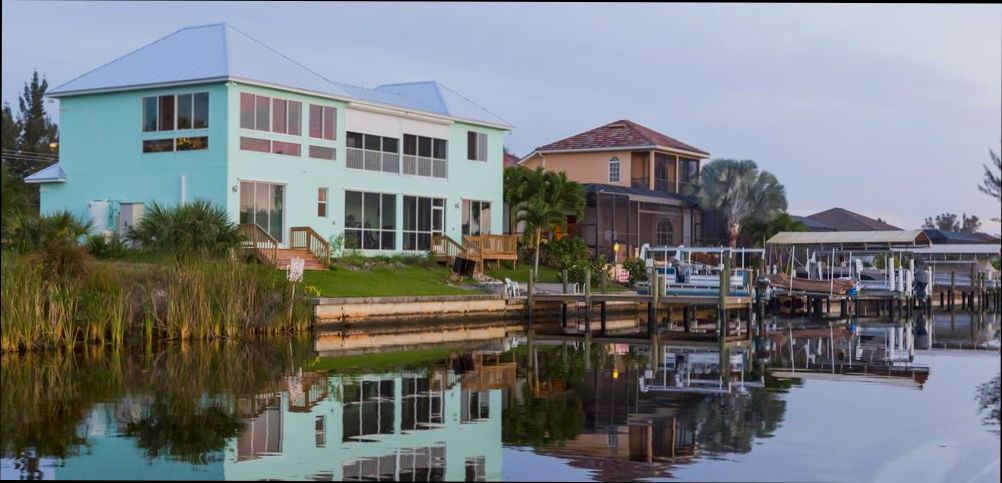
Housing is typically the largest expense for most residents. In Coral Springs, the median home price is around $470,000, which is higher than the national average. However, you might still find homes that cater to various budgets and family sizes.
- Renting: For those who prefer renting, the average monthly rent for a two-bedroom apartment is approximately $2,150. This cost may vary depending on the neighborhood and amenities available.
Utilities and Other Living Expenses
Utilities can also add up and contribute significantly to the overall cost of living. Here’s a quick overview:
- Electricity, heating, cooling, water, and garbage: The combined monthly expense typically ranges from $150 to $250, depending on usage and the size of the home.
- Internet: Expect to pay about $70 per month for a reliable high-speed internet connection.
Grocery Prices
Grocery prices are another consideration when evaluating the cost of living. Here’s how they stack up in Coral Springs:
- The cost of groceries can be about 5% higher than the national average.
- A gallon of milk averages around $4.10, while a loaf of bread costs approximately $3.00.
Transportation Costs
When it comes to transportation, you have options. Public transportation is less prevalent compared to having a personal vehicle. If you drive, here’s what you can expect:
- The average gas price in Coral Springs hovers around $3.50 per gallon.
- Monthly transportation costs for a public transport pass can be about $90.
| Expense Category | Average Monthly Cost |
|---|---|
| Housing (2-BR Rent) | $2,150 |
| Utilities | $150 - $250 |
| Internet | $70 |
| Groceries | High (5% above avg) |
| Transportation | $90 (public pass) |
Real-World Examples
Consider the Johnson family, who moved from a cheaper area. They found that their housing expenses almost doubled, but they were happy because it came with more space and better schools. Another example is Sarah, who switched to home-cooked meals. By doing this, she managed to cut down her grocery bill from $600 to $450 per month, taking advantage of local farmer’s markets.
Practical Implications for Residents
- If you’re relocating, budgeting around $4,000 a month could cover your rent, utilities, groceries, and transportation comfortably.
- Consider grocery shopping during sales or at discount stores to help manage costs effectively.
- Explore neighborhoods with lower rental costs if housing feels overwhelming, as prices can vary significantly even within Coral Springs.
Specific Facts & Actionable Advice
- Monitor the housing market trends regularly, especially if you’re considering purchasing a home; this could help you identify good deals.
- Always factor in seasonal changes to expenses—like increased power bills in summer due to air conditioning.
- Utilize local apps and websites to track grocery prices and find discounts.
By keeping these insights in mind, you can make informed decisions and effectively manage your budget while living in Coral Springs.
Educational Opportunities and School Ratings
When it comes to living in Coral Springs, the educational opportunities and school ratings significantly shape family decisions. With a range of public and private schools, along with nearby higher education institutions, the area offers an appealing environment for learning and growth.
Coral Springs is served by Broward County Public Schools, the sixth-largest school district in the U.S. Here are some key points about educational opportunities and school ratings:
- High-Performing Schools: Many schools in Coral Springs consistently receive high ratings. For instance, several elementary and middle schools achieve an ‘A’ rating from the Florida Department of Education, indicating exceptional academic performance.
- Diverse Educational Options: In addition to traditional public schools, Coral Springs offers various charter and private school options, providing families with choices tailored to their children’s learning styles and needs. Over 10 charter schools operate within the area.
- High School Success: Coral Springs High School has a graduation rate of approximately 90%, which exceeds the national average. This indicates a commitment to student achievement and support.
- Extracurricular Activities: Schools in Coral Springs emphasize a well-rounded education, offering various extracurricular programs, including sports, arts, and clubs. About 75% of high school students participate in extracurricular activities, which aids in personal development.
| School Name | Type | Rating | Graduation Rate | Notable Programs |
|---|---|---|---|---|
| Coral Springs High School | Public | A | 90% | AP courses, Sports teams |
| Park Springs Elementary | Public | A | N/A | STEM initiatives |
| Coral Academy of Science & Technology | Charter | A | 95% | Robotics and Arts programs |
| The Blank Canvas Academy | Private | B | 85% | Personalized Learning |
In practice, families moving to Coral Springs can take advantage of the school system’s resources. For example, local schools provide tutoring programs, mentorship opportunities, and access to advanced placement (AP) courses that prepare students for college-level work.
Taking the time to visit schools during open houses or parent-teacher conferences can be invaluable. Meeting with teachers and administrators allows you to gauge the school environment and find the best fit for your child.
For those interested in higher education, several colleges and universities are in proximity to Coral Springs, including Broward College and Florida Atlantic University, enriching the community’s educational landscape.
If you are relocating to the area, I recommend checking the latest school ratings on state websites or school district reports. Understanding these ratings can guide your decision-making process when selecting the ideal neighborhood and school for your children.
Recreational Activities and Parks
When considering a place to call home, recreational activities and parks are vital parts of lifestyle and community engagement. Coral Springs, Florida, boasts a wealth of parks and recreational facilities that cater to all ages and interests, making it an appealing choice for families and outdoor enthusiasts alike.
Abundant Park System
Coral Springs is home to over 30 parks, each offering a unique mix of amenities and activities. Here are some notable features:
- Walking Trails: The city has more than 17 miles of walking and biking trails that wind through various local parks, encouraging an active lifestyle.
- Sports Facilities: Numerous parks feature baseball, soccer, basketball, and tennis fields, with facilities supporting youth leagues and adult leagues alike.
Recreational Programs
Coral Springs offers a range of recreational programs that engage the community:
- Youth Programs: Programs such as youth soccer and summer camps attract over 2,000 participants annually.
- Senior Activities: Senior fitness classes and social events provide a vibrant community for older residents.
Comparative Overview of Local Parks
| Park Name | Features | Size (acres) | Activities |
|---|---|---|---|
| Betti Stradling Park | Playground, picnic areas, nature trails | 36 | Community events, walking |
| Cypress Park | Fishing pier, tennis courts, dog park | 61 | Sports leagues, family activities |
| Mullins Park | Aquatic center, fitness classes, baseball fields | 47 | Swimming, sports, youth camps |
| Sandy Ridge Park | Nature trails, playgrounds | 26 | Hiking, picnicking |
Real-World Examples
The city sponsors various events such as the Coral Springs Festival of the Arts, which attracts over 15,000 attendees annually, showcasing local artists and bringing the community together in a picturesque park setting. Another great occasion is the spring Concert in the Park series, where families gather to enjoy free music while savoring picnics.
Actionable Insights for Families
If you’re exploring ways to spend quality time outdoors, consider:
- Engaging in community sports leagues within local parks, which not only promote fitness but also foster camaraderie.
- Participating in seasonal programs and events designed for all age groups, enhancing your connection with neighbors.
- Exploring the extensive network of bike trails that provide safe and scenic routes throughout the city.
In Coral Springs, parks and recreational activities are not just options— they are integral to community life and well-being. Whether you’re a fitness fanatic or someone looking to enjoy a peaceful afternoon picnic, you’ll find plenty to do outdoors!
Crime Rates and Safety Statistics
When considering a move to Coral Springs, it’s essential to understand the local crime rates and safety statistics. This information helps you gauge the overall safety and livability of the area. Let’s dive into the specifics.
Crime Rate Overview
Coral Springs generally enjoys a reputation as a safe community, but understanding the numbers will give you a clearer picture:
- The overall crime rate in Coral Springs is approximately 24% lower than the national average.
- For violent crimes, the rate is around 1.7 per 1,000 residents, which is significantly lower than the national average of 3.7 per 1,000.
- Property crime in Coral Springs stands at about 15.5 incidents per 1,000 residents, compared to the national average of 22.0.
Comparative Crime Rate Statistics
| Crime Type | Coral Springs Rate | National Average |
|---|---|---|
| Violent Crimes | 1.7 per 1,000 | 3.7 per 1,000 |
| Property Crimes | 15.5 per 1,000 | 22.0 per 1,000 |
| Overall Crime Rate | 24% lower | N/A |
Real-World Examples
Statistical trends in Coral Springs reflect positively on its safety. For instance, in the past year, local law enforcement reported a notable decline in both burglary and theft incidents, with rates dropping by 15%. This decline could be attributed to increased community policing initiatives and neighborhood watch programs.
Additionally, specific neighborhoods within Coral Springs, such as the Coral Springs Square area, boast a crime rate that is even lower than the city average, enhancing their appeal for families and first-time homebuyers.
Practical Implications
What do these crime statistics mean for you? Knowing that Coral Springs maintains lower-than-average crime rates may provide peace of mind if you’re considering a move. It suggests a community-focused environment where public safety is prioritized.
- Make use of local resources, like the community police department, to stay informed about ongoing safety programs and initiatives.
- Consider participating in community events or neighborhood watch programs to engage with fellow residents and contribute to the safety of your environment.
Specific Facts for Better Decision-Making
- Always check local crime maps for real-time updates on crime incidents in specific neighborhoods.
- Engage with neighbors to gather insights about safety and experiences in the area.
These statistics and real-world examples can help you make an informed decision about living in Coral Springs.

Commute Times and Transportation Options
When considering living in Coral Springs, the commute times and transportation options significantly shape your daily routine. Understanding the available options can help you make informed choices about your lifestyle and your commute, whether you prefer driving, public transit, or active modes like walking and biking.
Daily Commute Insights
- Average Commute Time: Residents of Coral Springs have an average commute time of about 29 minutes. This is slightly less than the national average of 30 minutes, which can make your daily travel feel more manageable.
- Driving Dominance: Approximately 85% of Coral Springs residents drive alone to their workplaces. This reliance on personal vehicles can offer convenience but contributes to traffic congestion during peak hours.
- Public Transit Use: Less than 5% of residents utilize public transportation for commuting. While bus services are available, their limited frequency may not be suitable for everyone, particularly during off-peak times.
Comparative Table of Transportation Options
| Transportation Mode | Percentage of Residents | Average Commute Time |
|---|---|---|
| Car (Alone) | 85% | 29 minutes |
| Carpool | 7% | 30 minutes |
| Public Transit | 5% | 45 minutes |
| Walk or Bike | 3% | 20-25 minutes |
Real-World Examples
If you opt for a carpool, you might connect with neighbors or coworkers, potentially reducing costs and commuting stress. For instance, a group of four colleagues commuting together each day could save on fuel and split parking fees, enhancing cost-effectiveness.
For those who prefer active transportation, biking to work on designated bike lanes can be both efficient and healthy. Coral Springs offers various routes suitable for cyclists, such as the tree-lined paths around the neighborhoods, which can significantly reduce your commute time compared to driving.
Practical Insights for Your Commute
Exploring different commuting modes can open up options for enhancing your daily routine. If you live closer to business districts or job centers, consider biking or walking as viable options. It not only helps you avoid rush hour traffic but also contributes positively to your health.
- Utilize Carpool Resources: Join local online forums or social media groups to find carpool partners. This initiative can cut commute times and fuel expenses, making your travel more efficient.
- Check Public Transit Schedules: For specific destinations, familiarize yourself with bus schedules and routes that might fit into your routine. Even if it’s not a daily option, having a backup can be useful.
- Consider Flexible Work Hours: If your job allows it, try to adjust your hours to avoid peak commuting times. Departing a little earlier or later can shave significant minutes off your travel time.
In Coral Springs, knowing the nuances of your commute options is crucial in making your daily life more convenient and enjoyable.
Community Events and Social Life
If you’re considering making Coral Springs your home, you’ll be delighted by its vibrant community events and social life. With numerous activities throughout the year, there’s always something happening to bring residents together, making it an ideal place for families and individuals looking to engage with their neighbors.
Annual Events and Festivals
Coral Springs hosts a variety of annual events that foster community spirit and provide entertainment. Some popular events include:
- Coral Springs Festival of the Arts: This festival features local artists, live performances, and workshops, attracting thousands of attendees each year.
- Springtime in the Park: A family-friendly event held in March that includes games, activities, and food, offering a celebration of community in a fun and festive atmosphere.
- Holiday Parade: This annual parade lights up the streets with floats, music, and festive cheer, making it a must-see for residents and newcomers alike.
These events not only showcase local talent but also provide opportunities for residents to connect and make lasting memories.
Community Engagement and Support
Coral Springs emphasizes community engagement through various initiatives:
- Volunteer Opportunities: Residents actively participate in local charities and community service events, promoting a culture of giving back.
- Community Centers: Places like the Coral Springs Center for the Arts serve as hubs for social interaction, offering classes, workshops, and cultural events that encourage participation from all age groups.
Social Clubs and Groups
Joining social clubs is an excellent way to meet like-minded individuals. Here are some engaging options:
- Coral Springs Community Center: This center hosts regular classes and group activities, making it easy to forge connections over shared interests.
- Local Sports Leagues: From youth soccer to adult softball leagues, sports are a vital part of Coral Springs life, fostering teamwork and camaraderie.
Events and Participation Statistics
Here’s a look at some statistics that highlight community participation in Coral Springs events:
| Event Name | Average Attendance | Year Established | Fee to Participate |
|---|---|---|---|
| Coral Springs Festival of the Arts | 10,000+ | 1996 | Free |
| Springtime in the Park | 5,500+ | 2000 | Free |
| Holiday Parade | 15,000+ | 1995 | Free |
Real-World Examples
Many residents have shared how these events have enriched their lives. For instance, families often cite the Springtime in the Park as a cherished tradition, making it a yearly outing to enjoy food and fun together. Another resident emphasized the sense of belonging from participating in volunteer activities through the community center, stating, “It’s rewarding to contribute and see the immediate impact we can have on our community.”
Actionable Insights for Residents
Engaging in community events can significantly enhance your social life in Coral Springs. Here are some actionable tips:
- Attend Local Events: Make it a point to join community events such as the festival or parade. It’s an excellent way to meet neighbors and experience local culture firsthand.
- Get Involved: Look into volunteer opportunities or clubs that match your interests, such as gardening or sports. This not only expands your social circle but also enriches your community.
- Promote Events: If you’re passionate about a cause or hobby, consider organizing local activities or meetups to encourage others to join in.
Involve yourself actively to make the most of your social life in Coral Springs, enjoying the rich tapestry of community life and creating lasting connections.
Advantages of Quality Healthcare Access
Access to quality healthcare is crucial for individuals and communities, influencing overall health outcomes, wellness, and quality of life. Living in areas like Coral Springs offers tangible benefits when it comes to healthcare access, which is essential for maintaining good health and addressing medical needs promptly.
One significant advantage of quality healthcare access is having health insurance that facilitates entry into the healthcare system. With insurance coverage, you are more likely to receive preventive care, early diagnosis, and timely treatment. According to research, a reduction in the uninsured population under age 65 has been notable, decreasing from 13.4% to 7.8% between 2002 and 2018. This improvement indicates that more people in Coral Springs are obtaining necessary health insurance, thus enhancing their access to healthcare services.
Key Benefits of Quality Healthcare Access
- Timely Access to Needed Care: Quality healthcare access ensures that individuals can obtain medical attention when they need it. Data shows that having a usual source of care significantly improves the likelihood of receiving timely assistance.
- Relationship with Healthcare Providers: Consistent access allows you to develop ongoing relationships with healthcare providers, fostering better communication and tailored care. This relationship is essential for managing chronic conditions or complex health issues effectively.
- Preventive Health Measures: Access to quality healthcare promotes preventive measures such as vaccinations and screenings, which are critical in catching potential health issues early. Statistics indicate that regions with better healthcare access see significant reductions in hospitalizations due to preventable conditions.
- Equitable Care for Diverse Populations: Research indicates disparities in access among various racial and economic groups. When quality healthcare is accessible, diverse populations can achieve better health outcomes and equity in care, reducing the gap in healthcare access for communities of color.
| Access Measure | Percentage of Better Access | Percentage of Worse Access |
|---|---|---|
| Quality of Care Based on Insurance | 71% | 44% |
| Timeliness of Care for High-Income Households | 79% | 50% |
| Preventive Services | 79% | 21% |
Real-World Examples Demonstrating Healthcare Access Benefits
In Coral Springs, organizations and healthcare facilities have focused on improving healthcare access, particularly for underserved populations. For instance, local clinics have partnered with insurance providers and community programs to reduce barriers to care based on income and ethnicity.
In a case study, a community health initiative reported increased access to preventive healthcare services, resulting in a 30% increase in the utilization of routine check-ups among participants over a year. This was particularly impactful for families who previously struggled with access due to financial constraints.
Practical Implications for Residents
For residents of Coral Springs, leveraging available healthcare options can lead to healthier lifestyles. Ensuring you have health insurance is the first step towards this advantage. Familiarize yourself with local clinics, hospitals, and health programs that cater specifically to community needs.
You can benefit from proactive health screenings, making it easier to detect and manage health conditions. Also, building a rapport with your healthcare provider can lead to personalized care, improving your health outcomes.
Accessing quality healthcare in Coral Springs not only enhances individual well-being but also contributes to the overall health of the community. A strong focus on preventive care and timely access can lead to a healthier population, ultimately resulting in lower healthcare costs and a higher quality of life for all residents.