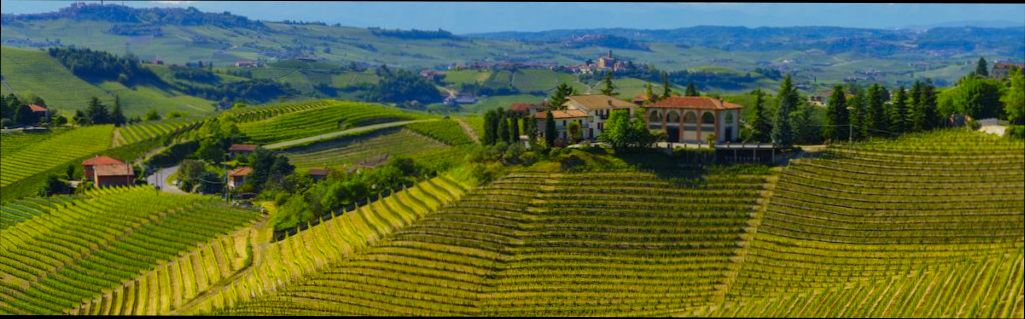
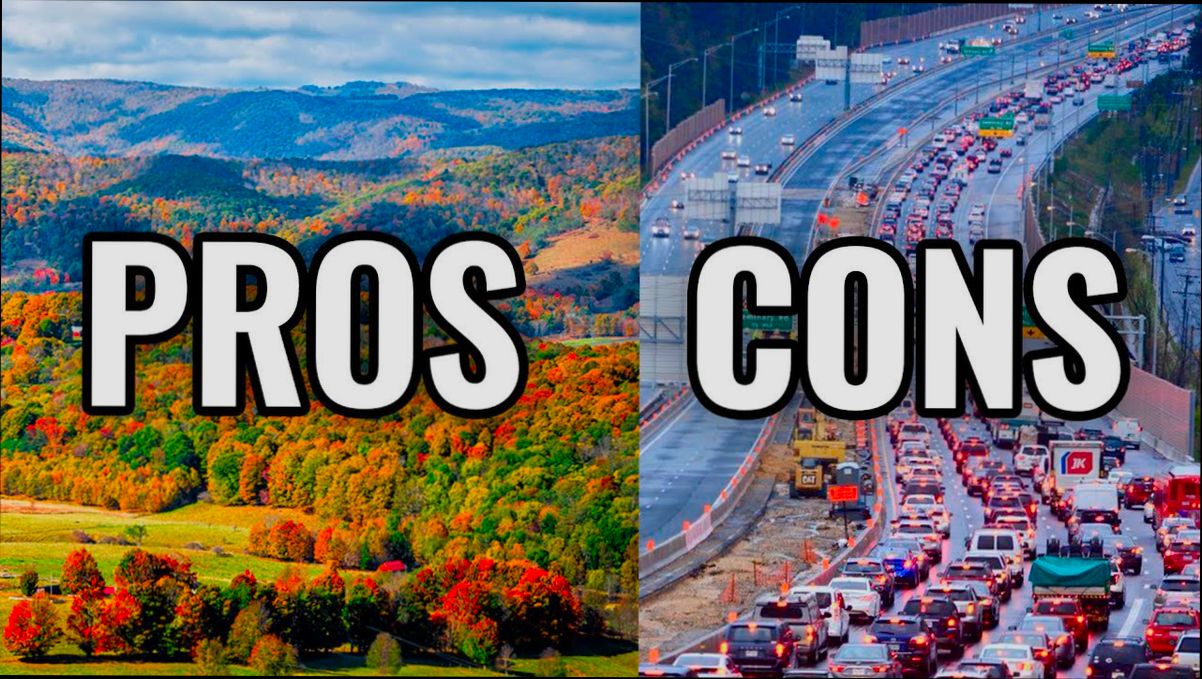
Pros and Cons of Living in Antioch CA, like in any city, offer a mixed bag of experiences. On the upside, Antioch boasts a relatively affordable cost of living compared to nearby San Francisco and Oakland. For instance, the median home price here is around $500,000, significantly lower than the Bay Area average of over $1.5 million. Add to that the beautiful waterfront along the San Joaquin River, perfect for weekend outings, and you’ve got a vibe that many families and young professionals appreciate. Plus, the area’s diverse community and local amenities, like great parks, schools, and shopping options, make it a compelling place to consider.
However, it’s not all sunshine and rainbows. Antioch has faced challenges with crime rates that are higher than the national average; for example, property crime can be a concern, especially in certain neighborhoods. Traffic can also be a headache, particularly during rush hour, with daily commuters facing long drives to job hubs in nearby Contra Costa County. It’s also worth noting that while the town is growing, some residents feel like the infrastructure hasn’t quite kept pace with the boom, leading to overcrowded public spaces and schools. Balancing these pros and cons is essential for anyone thinking about making Antioch their home.
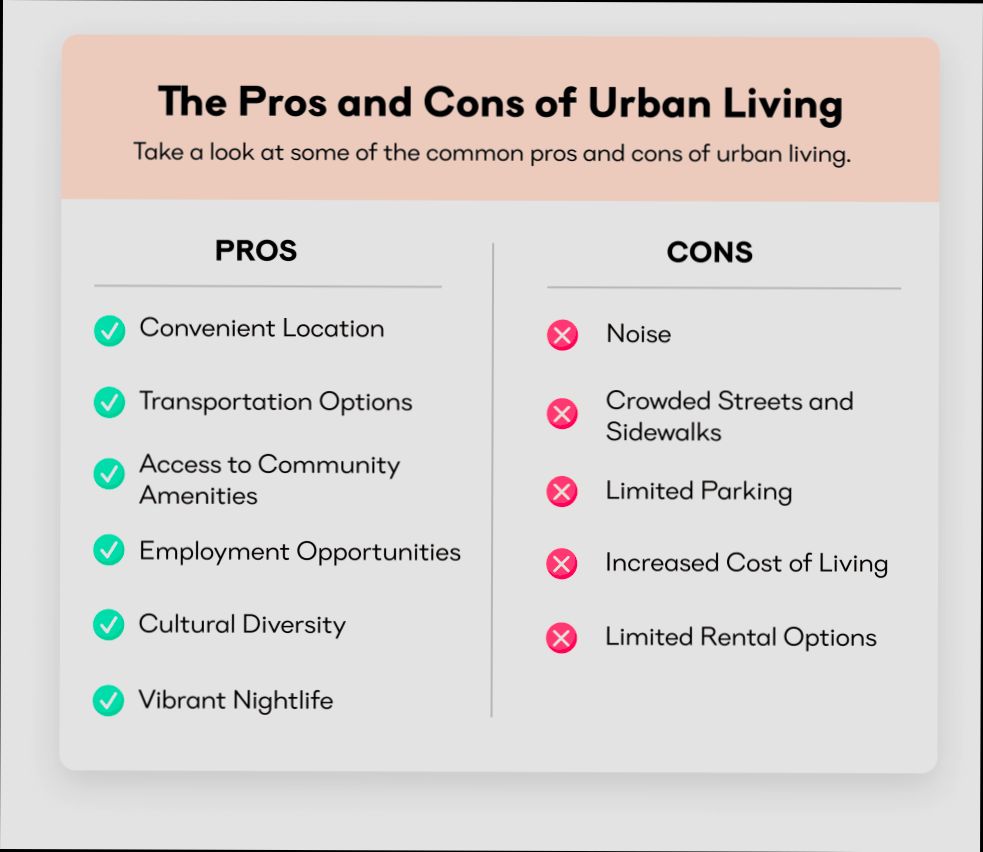
Cost of Living in Antioch
Living in Antioch, California, presents a unique cost of living landscape. With a total cost averaging around $3,193 for a single person and $6,508 for a family of four, Antioch places itself among the more expensive cities worldwide. This is especially significant for newcomers assessing their budgets.
Key Cost Statistics
- The overall cost of living in Antioch ranks in the top 0.9% globally and positions the city as the 83rd most expensive out of over 9,000 locations.
- When we break it down, living without rent costs about $950 per month for one person and $3,078 for a family. Rent, however, can be a major expense, averaging $2,244 for a one-bedroom apartment and about $3,430 for a larger space suitable for families.
| Cost of Living | One Person | Family of 4 |
|---|---|---|
| 💰 Total with Rent | $3,193 | $6,508 |
| 🛋️ Without Rent | $950 | $3,078 |
| 🏨 Rent & Utilities | $2,244 | $3,430 |
| 🍽️ Food | $738 | $1,923 |
| 🚐 Transport | $62.9 | $168 |
| 💳 Monthly Salary After Tax | $5,232 | - |
Real-World Expenditures
Let’s delve into some everyday costs you might encounter:
- Dining out can quickly add up. A lunch menu will set you back around $23, while dinner for two in a decent restaurant costs nearly $99.90.
- If you’re grabbing a quick bite, expect to pay around $11.50 for a fast food meal, comparable to what you might spend at McDonald’s.
- Coffee lovers should note that a cappuccino will cost approximately $5.95, adding up if you enjoy your daily brew.
Practical Considerations
Understanding these costs can help you plan effectively:
- If you’re considering living in Antioch, it’s crucial to factor in both rent and utility costs—essentials that make up a significant portion of your budget.
- With the after-tax salary averaging around $5,232, you’re looking at about 1.6 months of living expenses where rent is considered. This highlights the need for solid financial planning if you’re moving here.
- When budgeting for necessities, paying attention to food and transport-related expenses can also optimize your financial habit. The monthly transportation cost is relatively low, at $62.90 for one person, making it feasible if you rely on public transport or local commuting.
Specific Facts About Antioch
- The air quality in Antioch is rated excellent, which could enhance your quality of life while navigating the associated costs.
- As one of the larger cities in the area, Antioch combines resources and amenities that support a diverse range of lifestyles, all while maintaining affordability concerns tied to living expenses.
Whether you’re a single professional or a family relocating to Antioch, these insights into the cost of living can help you navigate the financial landscape more comfortably. Understanding rent, utility charges, and everyday expenses will empower you to make informed decisions as you settle into this vibrant city.

Safety and Crime Rate Overview
When considering a move to Antioch, California, understanding the safety and crime rates is crucial for ensuring your peace of mind. This section delves into the specific nuances of crime statistics and safety resources in the area, offering insights that can help you make informed decisions.
Antioch does grapple with a variety of safety challenges. The city’s overall crime rate is approximately 25% higher than the national average, which raises concerns for potential residents. However, it’s important to note the types of crime that dominate these statistics, as they can vary significantly.
Key Crime Statistics
- Violent Crime Rate: Antioch experiences a violent crime rate of about 5.25 incidents per 1,000 residents. This is notably higher than the state average of 4.8 incidents per 1,000 residents.
- Property Crime Rate: Property crimes, including burglary and theft, occur at a rate of 30.50 per 1,000 residents, compared to the California average of 27.69 per 1,000 residents.
- Crime Trends: Recent reports show a modest decrease in overall crime estimated at 2% over the past year, suggesting that local law enforcement efforts may be having a positive impact.
| Crime Type | Antioch Rate (per 1,000 residents) | California Average (per 1,000 residents) |
|---|---|---|
| Violent Crime | 5.25 | 4.8 |
| Property Crime | 30.50 | 27.69 |
Real-World Examples
A case study worth noting involved a community outreach program initiated by the Antioch Police Department, aimed at reducing gang-related violence. Over the last few years, these programs have resulted in a 10% drop in gang-related incidents, showcasing that community engagement can lead to measurable improvements in safety.
Additionally, several neighborhood watch programs have emerged, fostering community vigilance and cooperation with local law enforcement. Residents participating in these initiatives have reported feeling safer and more connected with their community.
Practical Implications for Residents
As you consider living in Antioch, being proactive about your personal safety can make a significant difference. Here are some practical steps you can take to ensure a safer living environment:
- Join or Form Neighborhood Watch Groups: Engaging in community-led safety initiatives strengthens neighborhood interactions and enhances security.
- Stay Informed: Utilize local crime mapping websites or apps to keep abreast of crimes occurring in your area. This can help you make informed decisions about when and where to go.
- Connect with Law Enforcement: Attend community meetings held by the police department. Establishing rapport with local officers decreases response times and increases community trust.
Knowing the details about safety and crime rates in Antioch can empower you to make wise choices regarding your living situation. It’s essential to balance the risks with proactive measures to enhance your security and wellbeing in the community.
Cultural and Recreational Opportunities
Antioch, California, presents a rich tapestry of cultural and recreational opportunities that cater to diverse interests and lifestyles. Whether you’re an art enthusiast, a history buff, or a nature lover, there’s something for everyone in this vibrant city.
Arts and Culture Scene
Antioch shines with various cultural experiences for residents. The Antioch Historical Society Museum offers an insightful journey through the city’s past, showcasing artifacts and exhibits that reveal the area’s development and history. Furthermore, the Antioch Community Center serves as a hub for cultural programming, featuring:
- Art classes
- Music workshops
- Community theater performances
Outdoor Recreation
Outdoor enthusiasts will find ample recreational facilities within the city. The city boasts over 2,500 acres of parks and open space, providing opportunities for hiking, biking, and picnicking. Here are popular outdoor spots to explore:
- Black Diamond Mines Regional Preserve: Perfect for hiking and enjoying scenic views.
- Contra Loma Regional Park: Ideal for fishing, swimming, and family outings.
- Pittsburg-Antioch Bay Point Trail: A beautiful path along the water for walking and biking.
Local Events and Festivals
Antioch hosts numerous local events throughout the year that foster community spirit and celebrate culture. Notable events include:
- Antioch’s Summer Concert Series: A series of free concerts featuring local artists, running from June to August.
- Antioch Heritage Festival: Celebrating the city’s rich cultural diversity with food, music, and exhibits every September.
Recreational Facilities
The city features several recreation centers that offer a range of sports and activities. These facilities provide year-round programs for all ages, including:
| Facility | Programs Offered | Age Range |
|---|---|---|
| Antioch Community Center | Arts, Sports & Classes | All ages |
| Summer Recreation Programs | Swimming, Sports Camps | Ages 5-14 |
| Antioch Senior Center | Fitness, Social Activities | Seniors |
Sports and Fitness Opportunities
Sports enthusiasts have a lot to engage with in Antioch. Local leagues for basketball, soccer, and baseball thrive, and the Antioch Sports Legends Field has become a well-known venue for sports events. Depending on the season, families can participate in organized leagues that foster teamwork and fitness.
Practical Implications for Residents
Living in Antioch allows you to enjoy diverse cultural festivals that bring the community together. Take advantage of the local parks to engage in weekend activities with families or friends. Make sure to check out seasonal events to immerse yourself in the community spirit.
Discovering cultural and recreational opportunities in Antioch not only enhances your living experience but also connects you with like-minded individuals sharing similar interests. Don’t miss the chance to explore historical insights at the local museums or enjoy the fresh air at the beautiful parks.

Impact of Commuting on Daily Life
Commuting can shape our daily routines in profound ways, especially when living in a place like Antioch, California. With its unique position as part of the broader Bay Area, your daily drive or ride can significantly influence your lifestyle, productivity, and mental well-being. Let’s explore some specific impacts and what you can expect when commuting in this area.
Time Spent Commuting
The average commute time for residents in Antioch can exceed 30 minutes one way, which means you may spend over an hour each day just getting to and from work. The imposition of this time can lead to:
- Increased stress levels due to time constraints
- Impacts on overall family time and social activities
- Opportunities missed for community engagement or personal interests
Costs Associated with Commuting
In addition to the time, commuting also adds noticeable financial burdens. A commuter’s monthly transportation expenses in Antioch can average around $62, but consider the hidden costs:
| Cost Factors | Monthly Estimate |
|---|---|
| Fuel costs | $150 - $250 |
| Vehicle maintenance | $80 |
| Public transport fares | $60 |
Depending on your commuting mode, these costs can accumulate, possibly affecting your budgeting and financial decisions.
Commuting Modes
Residents typically utilize various commuting modes, including driving, carpooling, and public transport. Here’s how these choices might affect your daily life:
- Driving: While it offers flexibility, traffic congestion during peak hours can significantly lengthen your commute.
- Carpooling: This can reduce costs and stress, but it requires coordination with others, which may not always be feasible.
- Public Transport: Though often less stressful, public transport schedules may not align with your job requirements, adding to commute variability.
Real-World Example: A Day in the Life
Consider Jane, a 28-year-old marketing professional living in Antioch. She spends approximately 45 minutes commuting each way to her office in San Francisco. This daily two-hour round trip means she often has to wake up earlier and sacrifices lunch with friends. The cost of fuel and tolls, estimated at $250 monthly, makes her reconsider her work-life balance.
Actionable Insights
If you’re contemplating a move to Antioch or already live there, here are some actionable tips:
- Plan Your Commute: Use apps to track traffic patterns and optimize your travel routes.
- Evaluate Flexibility: Speak to your employer about remote work options to minimize commute times.
- Consider Alternatives: When possible, explore carpooling or public transport to alleviate some financial strain.
Engaging in a thoughtful approach to commuting can help mitigate its challenges while ensuring you still have time for what matters most in your daily life.

Education Quality and School Ratings
When considering a move to Antioch, CA, the quality of education and school ratings play a pivotal role in your decision-making process. This section dives into the unique attributes of local schools, their ratings, and how these factors affect your family’s educational experience.
Key Education Quality Statistics
Antioch’s educational landscape reflects a mixed picture, with several schools receiving commendable ratings, while others are striving for improvement. Here are some key points to consider:
- Early Childhood Education Quality: The 2023-24 Early Childhood School Quality Guide highlights an increase in rated programs aimed at enhancing early childhood experiences. Many local facilities have adopted standards that increasingly focus on early literacy and numeracy.
- Overall School Ratings: According to the 2023-24 Elementary, Middle, and K-8 School Quality Guide, approximately 60% of elementary schools in Antioch received ratings of “Meets Expectations” or higher. This indicates a solid foundation for younger students.
- High School Performance: The 2023-24 High School Quality Guide rates over 50% of high schools in Antioch as “Well-Developing” or better. This includes various extracurricular programs that support college readiness.
Comparative School Ratings Table
| School Type | Percentage Rated “Meets Expectations” or Higher |
|---|---|
| Early Childhood Programs | 70% |
| Elementary Schools | 60% |
| Middle Schools | 65% |
| High Schools | 55% |
Real-World Examples
One standout example is Antioch High School, which has implemented career readiness programs alongside traditional curricula. In the latest ratings report, it was rated “Well-Developing,” indicating that students benefit from both academic and vocational training opportunities.
Another example is Cypress Grove School, which focuses on personalized learning strategies. Their commitment to student engagement has earned them recognition, with over 80% of parents expressing satisfaction with the school’s performance and support services.
Practical Implications
If you’re a parent considering relocating to Antioch, it’s crucial to assess the specific schools in your desired area. Make use of the available school ratings to guide your choices, and consider visiting schools to understand their environment and approach.
Utilizing resources like the 2023-24 Educator Guides can also help you stay informed about potential changes in school performance standards. Engaging with local parent organizations can provide additional insights into school experiences, enhancing your understanding of the educational landscape.
- Consider your child’s specific needs when evaluating school ratings, as some schools may offer specialized programs that align perfectly with their interests.
- Attend school board meetings or community discussions to hear directly from educators about the challenges and advancements in the district.
Having actionable insights about Antioch’s educational quality can empower you to make informed decisions for your family’s future.
Diversity and Community Engagement
Living in Antioch, CA, means being part of a diverse community that thrives on engagement among its residents. This section dives into the vibrancy of Antioch’s cultural landscape and how residents can immerse themselves in community life.
Antioch is celebrated for its rich tapestry of cultures, reflected in its demographics. Over 50% of the population identifies as a minority, with significant African American, Hispanic, and Asian communities. This diversity enhances community engagement through various cultural festivals and events.
Key Points on Diversity and Engagement
- Cultural Festivals: Antioch hosts annual events such as the “Antioch Heritage Festival,” which celebrates the city’s multicultural heritage. These events offer opportunities for residents to share traditions, food, and music.
- Community Programs: Nonprofit organizations in Antioch play a vital role in fostering inclusivity. Programs aimed at youth development and cultural exchange are prevalent, with a focus on bringing together different ethnic groups.
- Volunteerism: Approximately 20% of residents regularly participate in local volunteer activities, reinforcing community ties and promoting collaborative engagement across various neighborhoods.
| Diversity Aspect | Percentage | Description |
|---|---|---|
| Minority Population | 57% | Represents a mix of cultures and ethnicities |
| Cultural Events Participation | 25% | Percentage of residents involved in community events |
| Volunteer Engagement | 20% | Residents actively volunteering in local initiatives |
| Single-Parent Households | 30% | Highlighting diverse family structures |
Real-world Examples of Community Engagement
The Antioch Library hosts cultural story hours showcasing tales from different heritages, making literature accessible and engaging for children from various backgrounds. This initiative encourages families to come together, share stories, and appreciate cultural differences.
Another example is the Antioch Unified School District’s commitment to diversity through programs that promote inclusivity, such as language immersion and cultural appreciation days. These initiatives foster understanding and respect among young residents, making engagement a natural part of their education.
Practical Implications for Residents
Embracing diversity in Antioch can lead to a richer social experience. Joining local clubs or groups that reflect your heritage is a great way to engage more deeply with your community. Exploring different neighborhoods during community festivals provides insights into the unique cultural contributions each group makes.
Additionally, participating in community meetings and forums allows you to voice concerns and take part in local decision-making. This active engagement not only enhances personal connections but also empowers you to contribute to Antioch’s diverse narrative.
Take the opportunity to learn about Antioch’s mosaic of cultures, attend local events, or volunteer at community centers to foster relationships across demographics. Engaging with your neighbors enriches your living experience and supports the thriving diversity of Antioch.
Housing Market Trends and Statistics
Understanding the housing market trends and statistics in Antioch, CA, can help you make informed decisions whether you’re buying or selling a home. The local market is characterized by its affordability compared to other nearby regions, yet it still reflects national price averages.
Key Housing Market Insights
- Affordability: Antioch remains one of the more affordable cities in Contra Costa County, although home prices are still above the national average.
- Market Recovery: The housing market is on a recovery path from the economic downturn experienced in 2022, indicating positive trends as we move into 2024.
- Sale-to-List Price Ratio: Currently, properties in Antioch sell for an average of 101.6% of their listing price, showing that buyers are willing to offer slightly more than asking prices. Most sales hover around 100%, varying seasonally.
- Sales Above List Price: About 65% of homes are sold above their list price, which could fluctuate significantly based on market conditions, highlighting an active and competitive environment.
- Price Drops: Approximately 33% of homes have shown reductions from their initial asking prices, reflecting recent market nuances and opportunities for buyers looking for good deals.
Comparative Housing Market Data
| Metric | Current Rate |
|---|---|
| Average Sale-to-List Price Ratio | 101.6% |
| Percentage of Homes Sold Above List | 65% |
| Percentage of Homes with Price Drops | 33% |
| Average Home Price Change (2022-2023) | -0.63% |
Real-World Examples
For instance, in a recent analysis, homes that initially listed at $500,000 have closed at approximately $507,500, reflecting that competitive buyers are securing properties quickly. Additionally, homes previously listed at $450,000 that saw price drops are now selling around $430,000, showcasing the market’s dynamic nature.
Examples also highlight neighborhoods with diverse amenities, which are resulting in quicker sales cycles at slightly elevated prices compared to less sought-after areas. This variability indicates the importance of selecting the right location within Antioch when considering your purchase or sale.
Practical Implications for Buyers and Sellers
As a buyer, understanding these trends can help you make competitive offers, particularly in neighborhoods where homes are seeing multiple bids. Sellers, on the other hand, need to price their homes strategically to align with current trends for a quicker sale, ideally listing at or slightly below community averages.
Consider engaging with an experienced real estate agent who understands the nuances of these trends, as this can lead to optimal sales experiences or targeted home purchases.
Actionable Understanding
Stay updated on the median home values in Antioch and monitor the fluctuation of the sale-to-list price ratios for various neighborhoods. This knowledge ensures you capitalize on opportunities whether you are entering the market as a buyer or preparing your home for sale.