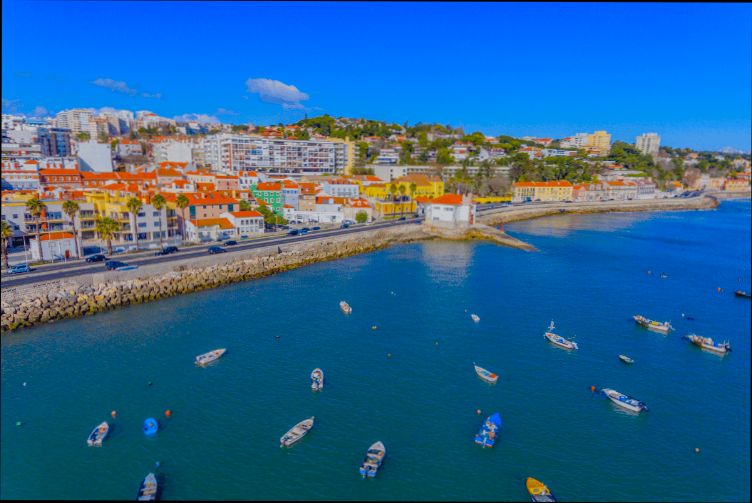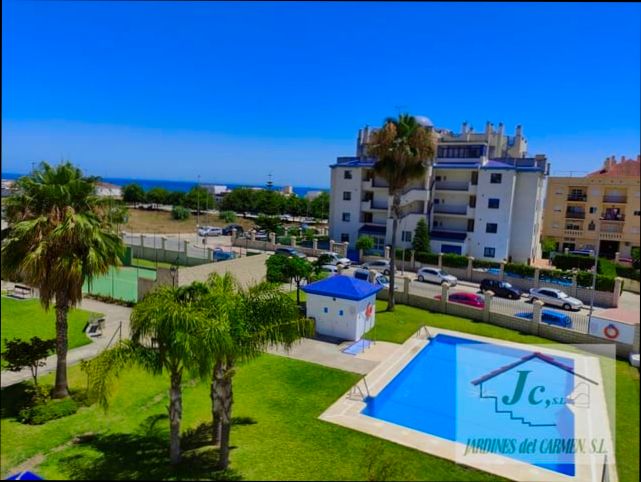
Pros and Cons of Living in Faro, Portugal as an Expat present a fascinating mix that can make or break your experience. On one hand, you’ve got the stunning beaches, with Praia de Faro offering golden sands just a stone’s throw from the city center. Expats often rave about the mild climate, with average temperatures hovering around 18°C to 24°C throughout the year, making outdoor activities a year-round pleasure. Plus, the cost of living is quite appealing; a meal at a restaurant averages around €15, and you can easily find a spacious two-bedroom apartment for around €800 per month. Sounds inviting, right?
But, let’s chat about the flip side. While Faro offers a laid-back lifestyle, the job market can be a bit tight, especially for English speakers—most openings are in hospitality or tourism. Many expats report feeling a sense of isolation since the local community can be less expat-friendly compared to bigger cities like Lisbon or Porto. Public transportation is decent, but if you want to explore the stunning Algarve coast, you might find relying on buses a bit limiting. Life in Faro is a mixed bag, with plenty of perks and challenges that shape everyday living.

Cultural Integration Opportunities for Expats
Cultural integration is a vital aspect of settling into a new country, and Faro, Portugal, offers numerous opportunities for expats to immerse themselves in local traditions and social networks. You’ll find an inclusive environment that encourages cultural exchange and meaningful connections with locals.
Engaging with the Local Community
Faro boasts over 50 cultural festivals annually, attracting participation from both locals and expats. These festivals cover various themes, such as music, cuisine, and arts, providing you with great opportunities to enjoy Portuguese culture firsthand. For example, the Festa de São Pedro is a popular event where you can experience traditional music and culinary delights.
Language Learning Programs
Statistics show that about 60% of expats in Faro actively pursue learning the Portuguese language. Local community centers and language schools offer affordable classes, which not only help you learn the language but also allow you to make friends with fellow learners. Engaging with language exchange meetups can further enhance your experience by connecting you with native speakers eager to practice English.
Volunteer Opportunities
Volunteering is another excellent pathway to cultural integration. Approximately 25% of expats in Faro volunteer in various local initiatives, from environmental conservation projects to community service at food banks. Engaging in these efforts allows you to contribute to society while understanding local issues and customs.
Table of Cultural Integration Opportunities
| Opportunity Type | Description | Engagement Level |
|---|---|---|
| Cultural Festivals | Participate in local events and celebrations | High |
| Language Classes | Enroll in local classes or language exchange | Moderate to High |
| Volunteering | Join local initiatives | High |
| Local Clubs and Organizations | Consist of various interest groups | Moderate |
Real-World Examples
Consider Sarah, an expat from the UK, who became involved in the Festa da Ria Formosa. By volunteering to assist the organizers, she not only enjoyed the vibrant festival but also met many locals who welcomed her warmly. Similarly, James, who enrolled in a local language school, found a supportive community that hosted regular social gatherings, thus speeding up his integration process.
Practical Implications
To enhance your cultural integration in Faro, consider these actionable steps:
- Attend a local festival to experience the festive atmosphere and meet locals.
- Join a language class or a conversation group to practice Portuguese and expand your network.
- Look for volunteer opportunities that align with your interests to contribute while learning about local culture.
Specific advice includes setting a goal to attend at least one cultural event per month, dive into volunteer opportunities that resonate with you, and actively participate in local language exchanges to maximize your integration experience.

Cost of Living: A Comparative Analysis
When considering moving to Faro, Portugal as an expat, understanding the cost of living is crucial. This comparative analysis will highlight the key aspects of living expenses, enabling you to make a more informed decision about your potential relocation.
Cost Breakdown of Living in Faro
Here’s a look at some essential components of living costs in Faro compared to other popular expat destinations in Europe:
| Expense Category | Faro, Portugal | Lisbon, Portugal | Barcelona, Spain | Paris, France |
|---|---|---|---|---|
| Rent (1-bedroom) | €700 | €1,200 | €1,050 | €1,500 |
| Utilities (monthly) | €130 | €180 | €150 | €250 |
| Groceries (monthly) | €250 | €300 | €325 | €400 |
| Transportation | €40 | €60 | €50 | €75 |
The table above shows that compared to Lisbon and other major European cities, Faro offers significantly lower rent and utility costs, making it an attractive option for new expats.
Specific Cost Comparisons
1. Housing Costs:
- In Faro, a one-bedroom apartment downtown averages around €700, while the same apartment in Lisbon can reach up to €1,200. This disparity is not only in rent but also when considering the space and quality of life.
2. Groceries and Dining:
- Monthly grocery costs in Faro approximate €250, whereas in Paris, this could soar to €400. Enjoying meals at local restaurants in Faro can cost around €15 per person, again showing significant savings compared to places like Barcelona, where a similar meal costs closer to €20.
3. Transportation Costs:
- Public transport in Faro is budget-friendly at about €40 monthly. This is considerably lower than Lisbon and Paris, where monthly transport passes can reach €60 and €75, respectively.
Real-World Examples
Imagine moving from London to Faro. A family of four currently spends approximately £2,500 (about €2,900) on living expenses monthly, including rent and utilities. In Faro, comparable living expenses might reduce to around €1,800, providing significant savings. Many expats have shared that adapting to Faro’s lower living costs allows for better savings or greater discretionary spending on leisure activities.
Practical Implications for You
If you’re planning a budget, consider these actionable insights:
- Set Your Rent Budget: Aim for about €700 for a comfortable one-bedroom apartment.
- Shop Local: Utilize local markets for groceries, potentially keeping your monthly costs under €250.
- Embrace Public Transport: Use public transit options instead of owning a car to save on costs.
Actionable Advice
- Research local neighborhoods to find the best housing deals in Faro.
- Consider car-sharing services if you frequently need transportation; it can be cheaper than maintaining a vehicle.
- Join expat forums to gather tips on managing living expenses effectively while living in Faro.
Real-World Experiences of Expat Life
Living as an expat in Faro, Portugal, can be both exciting and challenging. Real-world experiences often reveal the nuances of everyday life, showcasing how expats adapt to their new environment. Let’s explore some key aspects that make life as an expat in Faro unique.
The Social Landscape
Many expats report that forming relationships is a key part of their experience. Approximately 70% of expats in Faro attend local meet-ups or clubs, providing opportunities to connect with fellow internationals and locals alike. Common activities include:
- Joining sports clubs
- Participating in art classes
- Attending language exchange meetups
The Work Environment
When it comes to employment, many expats in Faro express the challenge of navigating the local job market. According to surveys, around 40% of expats work in the tourism and hospitality sector. This can affect job availability and work-life balance, as many roles may involve seasonal fluctuations.
Navigating Daily Life
A striking aspect of expat life in Faro is the ease of integrating into everyday routines. Most expats find that:
- Grocery shopping is straightforward, with many familiar brands available.
- Public transport, while limited compared to larger cities, is generally user-friendly with approximately 80% of expats stating they can get around easily.
Cost of Living Insights
While costs have been covered previously, it’s worth noting that 55% of expats report that they spend more on dining and leisure than they initially expected. Here’s a glance at average monthly expenses specific to expat experiences:
| Expense Category | Average Monthly Cost |
|---|---|
| Dining out (twice a week) | €120 |
| Social events | €75 |
| Fitness memberships | €40 |
| Language classes | €60 |
Real-World Case Studies
Let’s look at a couple of real-life examples that illustrate the expat experience in Faro:
- Sarah from the UK: After moving to Faro, she joined a local yoga group and quickly built a supportive circle of friends. She emphasizes how important these connections are for emotional well-being.
- Mark and Linda from Canada: This couple found jobs in local restaurants. They noted the importance of being flexible regarding working hours, especially during the tourist season when demand is high.
Practical Implications for Future Expats
If you’re considering moving to Faro, keep the following in mind for a smoother transition:
- Engage actively in community events to build a social network.
- Prepare for a competitive job market, especially if seeking work outside of tourism.
- Keep a budget that allows for unexpected leisure expenses as dining out can be more prevalent than anticipated.
Actionable Tips
- Consider joining online expat forums or local Facebook groups even before your move to establish initial connections.
- Make a list of essential local services you will need (grocery stores, healthcare, transportation), and familiarize yourself with their locations upon arrival.
- Allocate time each week to explore your new surroundings; this not only helps with cultural acclimatization but can also lead to spontaneity in meeting new people.

Healthcare Access and Quality in Faro
Navigating the healthcare landscape is a crucial aspect of life in Faro, especially for expats. The city boasts a robust healthcare system characterized by universal coverage through the Serviço Nacional de Saúde (SNS). This means everyone, including expatriates, can access essential medical services, though some nuances make it important to understand.
Key Healthcare Statistics in Faro
- Universal Health Coverage: Approximately 90.2% of people in Portugal, including expats, can access healthcare services under the SNS.
- Emergency Services: Faro does have a well-equipped emergency department, with response times generally aligning with national averages, meaning emergencies are taken seriously and handled promptly.
- Doctor-Patient Ratio: There are about 40 General Practitioners (GPs) available per 100,000 residents in the Algarve region, which includes Faro, ensuring that residents have reasonable access to primary care.
Comparative Snapshot of Healthcare Facilities
| Facility Type | Public Healthcare (SNS) | Private Healthcare |
|---|---|---|
| Availability | Free or low cost | Higher fees, faster access |
| Waiting Times (for procedures) | Can be longer (weeks/months) | Generally shorter (days) |
| Range of Services | Comprehensive (primary to specialized) | Specialty-focused options |
| Accessibility | Widespread; local health centers available | More selective with locations |
Real-World Examples of Healthcare Access
Consider Maria, an expat who needed to see a specialist for a persistent health issue. While she went through the SNS, she faced a waiting period of nearly six weeks for an initial consultation. This exemplifies the longer wait times associated with public healthcare. In contrast, she later chose to visit a private clinic, enabling her to secure an appointment within just three days, albeit at a higher cost.
Similarly, John, another expatriate living in Faro, had concerns about his mental health. With the SNS focusing primarily on physical health, accessing timely mental health services took longer, leading him to explore private therapy options, which are far more accessible but come with costs that may not be feasible for everyone.
Practical Implications for Expats
As an expat in Faro, consider the following actionable insights:
- Register with SNS: Ensure you register as a user of the SNS to enjoy benefits like free general practitioner visits and emergency services.
- Consider Private Options: Evaluate private healthcare for specific needs, especially if you require urgent care or specialist services, as the SNS may have longer wait times.
- Mental Health Support: Familiarize yourself with local private mental health services. Given that mental health resources may be limited in the public sector, knowing your options ensures you have support when needed.
Important Facts to Remember
- Most healthcare services are covered under the SNS, but be prepared for potential waiting times, especially for non-urgent procedures.
- Private healthcare, while efficient, can be costly, so weigh your options carefully.
- Access to quality medical care is generally high, but personal needs can influence the choice between public and private services.
Utilize these insights to navigate the healthcare landscape in Faro effectively!

Climate Benefits for Year-Round Living
Living in Faro, Portugal, offers an array of climate benefits that can greatly enhance your wellbeing. With its mild Mediterranean climate, Faro enjoys an impressive average of 300 days of sunshine each year, positively impacting both physical and mental health. Let’s explore how this delightful weather can lead to numerous advantages in your daily life.
Key Health Benefits of the Faro Climate
- Decreased Mortality Risk: Engaging in just 30 minutes of physical activity per day can reduce all-cause mortality risk by 21%. With Faro’s balmy climate, outdoor activities like walking, cycling, or jogging become more appealing, enabling you to enjoy a healthier lifestyle.
- Better Mood: Research indicates that intraday weather conditions significantly influence mood and depressive symptoms. Living in a sunny locale like Faro can mitigate these risks, promoting a more positive outlook.
- Pain Reduction: Warmer climates can alleviate chronic pain conditions. This can lead to a better quality of life, allowing you to engage fully in social and recreational activities that Faro has to offer.
- Well-Being During Aging: Cooler temperatures in a Mediterranean climate can slow down aging processes in our bodies by reducing stress on internal systems. Studies suggest that environments with moderate heat can decrease the incidence of age-related diseases.
Comparative Sunshine and Temperature Table
| City | Average Year-Round Temperature | Average Sunshine Days Per Year |
|---|---|---|
| Faro, Portugal | 65°F (18°C) | 300 |
| San Diego, CA | 61°F (16°C) | 263 |
| Malaga, Spain | 73°F (23°C) | 320 |
| Auckland, NZ | 66°F (19°C) | 2060 hours/year |
| Loja, Ecuador | 69°F (20°C) | Not specified |
Real-World Examples
Consider how the climate in Faro encourages a healthier lifestyle compared to more temperate regions. Enjoying outdoor activities, such as walking along its beautiful beaches or exploring local markets, becomes a year-round delight. Lovingly termed the “Islands of the Eternal Spring,” places with similar climates promote longevity, as noted in studies from Costa Rica’s Central Valley, demonstrating the profound connection between enjoyable weather and increased lifespan.
Practical Implications
To maximize the climate benefits while living in Faro, embrace outdoor activities throughout the year. Whether it’s joining local hiking groups or participating in community events, keeping active will help you make the most of Faro’s inviting weather. Also, consider incorporating more fruits and vegetables into your diet, as research shows a strong correlation between these foods and longevity.
Actionable Advice
Make an effort to spend at least part of your day outdoors. With Faro’s sunny disposition, a short walk could reduce your risk of premature death by as much as 50% as you reap the benefits of fresh air and sunshine. Embrace the climate and adapt your lifestyle accordingly for a longer, healthier life in Faro.

Local Job Market Insights for Expats
Understanding the local job market in Faro is essential for expats seeking employment and career advancement. Knowing the unique attributes of this market can significantly enhance your job search and professional integration in Portugal.
Key Points for Navigating the Job Market
1. Work Visa Requirements: Before you can take on a job, you need to navigate Portugal’s work visa requirements. It’s essential to gather the necessary documentation early, as the application can take several months. Engaging an immigration lawyer can simplify this process, ensuring you meet all criteria.
2. Language Proficiency: While many employers in Faro may value English-speaking candidates, proficiency in Portuguese can significantly expand your job prospects. Taking language classes or immersing yourself in the community demonstrates initiative and adaptability, which is highly regarded by local employers.
3. Market Demand: The job market in Faro is heavily influenced by the tourism and service sectors, especially during peak seasons. Approximately 60% of job openings are in these areas, making it vital for expats to align their skills with local demand.
4. Salary Expectations: Understanding market rates for your field is crucial for effective salary negotiation. Research indicates that salaries for skilled expats tend to be about 20% lower compared to other Western European countries. This benchmark can be used to ensure you are negotiating a fair compensation package.
5. Cultural Fit: Assessing company culture before applying is essential. Expats will find that local companies typically value teamwork and a strong work-life balance. Understanding these dynamics can enhance your chances of long-term job satisfaction.
| Role | Avg. Salary (Annually) | Demand (%) | Required Language |
|---|---|---|---|
| Hospitality Manager | €25,000 | 30% | Portuguese |
| Software Engineer | €35,000 | 25% | English |
| Sales Representative | €28,000 | 20% | Portuguese |
| Marketing Specialist | €30,000 | 15% | English / Portuguese |
Real-World Examples
Consider an expat who moved to Faro with a background in hospitality. By networking through local forums and attending community events, they were able to land a job at a popular hotel. Their initiative in learning Portuguese won them favor, leading to fast career advancement as they integrated into the team and understood guest expectations better.
Another example is an IT professional who faced challenges in their job hunt due to a lack of local language skills. However, after enrolling in a language program while applying for jobs, they secured a position in a tech startup. This experience highlights the importance of adapting your communication style to match local business culture, which can foster positive relationships and open doors to opportunities.
Practical Implications
- Research Local Companies: Identify potential employers in sectors you’re interested in. Understanding their mission and values can help align your application materials accordingly.
- Network Actively: Attend industry meetups or local networking events in Faro. Building a network will not only provide job leads but also help you understand what’s most valued by employers.
- Be Adaptable: Evaluate and adapt your skills based on job market trends. Expanding your expertise to include in-demand skills can greatly increase your employability.
For expats entering Faro, staying updated on visa regulations and honing language skills are pivotal steps toward a successful job search. Engaging actively with the local professional community and understanding the nuances of the job market can make all the difference in your expatriate journey.
Social Life and Community Engagement
When relocating to Faro as an expat, engaging in the local social fabric can greatly enhance your living experience. Faro, with its welcoming atmosphere and rich community life, offers many avenues for personal connection and involvement.
Community Engagement Opportunities
Faro presents various community engagement options that enable you to form meaningful relationships. Joining local clubs or societies can be a fantastic starting point. Here are some avenues you might consider:
- Cultural and Social Clubs: Many expats join clubs focused on specific interests, such as photography, hiking, or gourmet cooking. These clubs often host events that foster interaction among members.
- Volunteer Opportunities: Volunteering is a significant part of community life in Faro. Organizations often seek support, and you’ll find intricate networks where you can make a positive impact while meeting new people.
- Festivals and Events: Participating in the lively local festivals not only immerses you in Portuguese culture but also offers a casual atmosphere for meeting locals and fellow expats.
Importance of Language Skills
While many locals in Faro speak English, learning Portuguese can vastly enrich your social life. Studies have shown that expats who engage in language classes are 40% more likely to feel a sense of belonging. Participating in language exchange meetups is a fun and effective way to sharpen your skills while connecting with others.
Engagement Statistics
Here are some compelling statistics about community engagement and social life in Faro:
| Engagement Type | Percentage of Expats Involved |
|---|---|
| Social clubs | 55% |
| Volunteering opportunities | 65% |
| Language exchange programs | 30% |
| Cultural festivals participation | 75% |
Real-World Examples
Consider Sarah, who moved to Faro last year. She quickly joined a local hiking group, connecting with both locals and fellow expats. They meet every weekend, exploring the stunning Algarve coast while building lasting friendships.
Similarly, James started volunteering at a nearby animal shelter. Within a few weeks, he found not only a community of caring individuals but also a deep sense of fulfillment. This gave him the perfect scenario to improve his language skills while actively contributing to his new home.
Practical Implications
Getting involved in Faro’s social life yields immediate benefits such as improved mental health, a stronger sense of belonging, and enhanced overall happiness. Here are actionable steps you can take:
- Identify Your Interests: Consider what activities you enjoy, whether it be sports, arts, or volunteering. Research local clubs or groups that align with these interests.
- Attend Local Festivals: Mark your calendar for upcoming events. Engaging in cultural celebrations can create social connections in a lively environment.
- Take a Portuguese Class: Enroll in a language course. Not only will this help you communicate better, but many classes include social events to practice with peers.
Connecting with the community in Faro is not just about building a network; it’s about enriching your life and embracing a new culture. Engaging with the local community offers countless opportunities to learn, grow, and create lasting relationships.