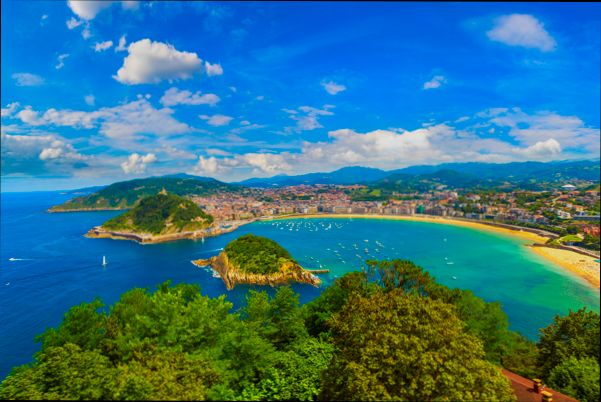
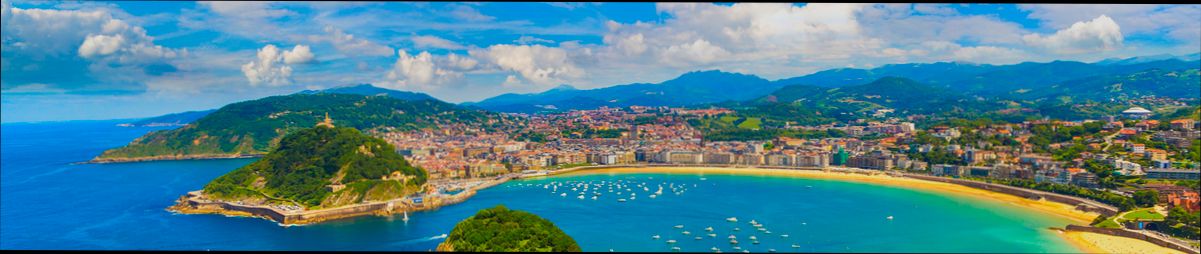
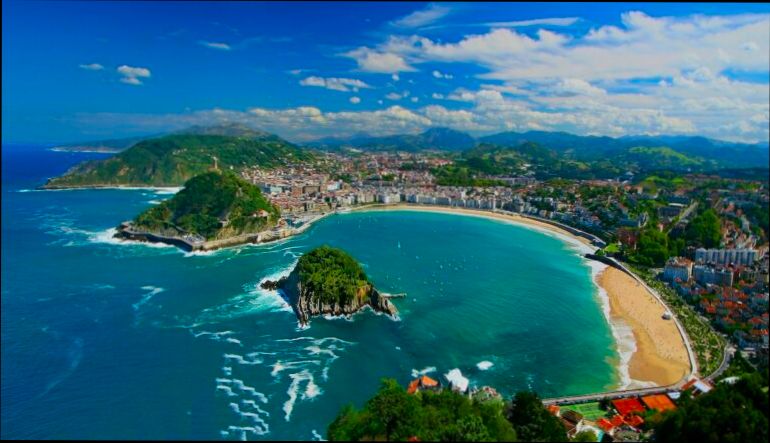
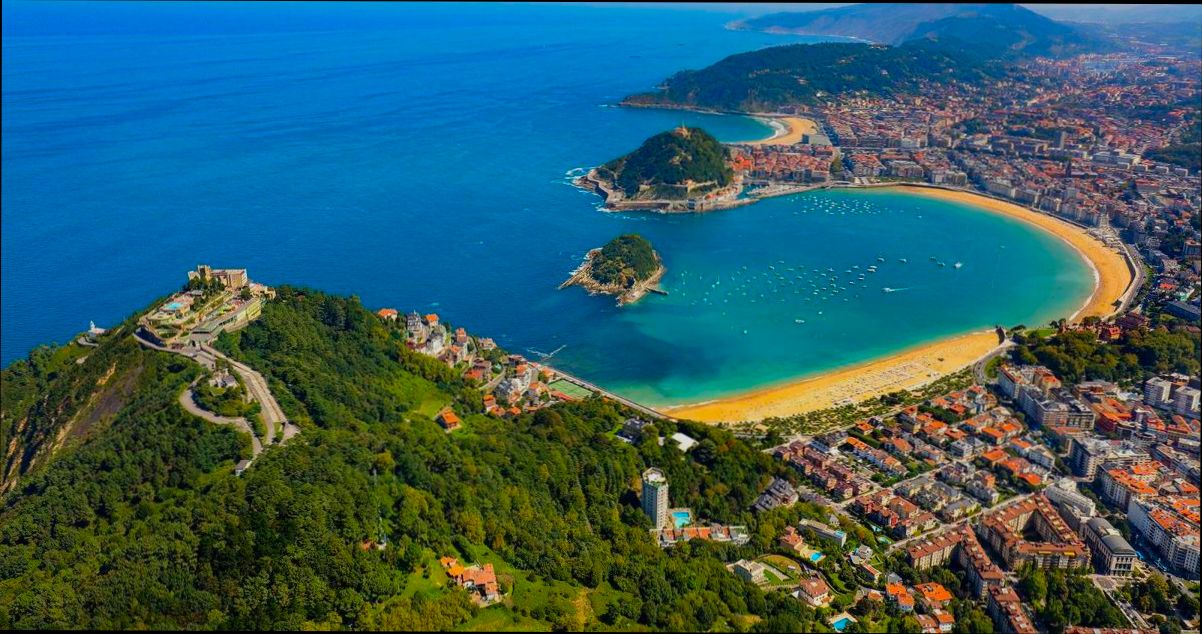
Pros and Cons of Living in Donostia San Sebastián can be a real eye-opener for anyone considering this stunning Basque coastal city. Picture this: you’re waking up to the sound of waves crashing on La Concha beach and a world-renowned pintxos bar just a five-minute walk away. The city boasts a vibrant culture, with around 15 Michelin-starred restaurants and a culinary scene that will make any food lover’s heart race. Plus, with an average of 1,800 hours of sunshine a year, outdoor activities like surfing, hiking, or just lounging in one of the many parks become a part of your daily life.
But it’s not all sun and fun. The cost of living in San Sebastián can be steep; it consistently ranks as one of the priciest cities in Spain, with rental prices for a one-bedroom apartment in the city center averaging about €1,100 monthly. Coupled with a small-town feel, you might find the nightlife lacks diversity, especially compared to larger cities like Barcelona or Madrid. Also, for those who don’t speak Spanish or Basque, the language barrier can make settling in a bit tricky. Balancing these perks and pitfalls sets the stage for what life could be like in this beautiful city.
Cost of Living in Donostia San Sebastián
Living in Donostia San Sebastián comes with its unique financial landscape. It’s crucial to understand the various facets of the cost of living in this stunning coastal city, from housing to everyday expenses. Let’s delve into what you can expect financially when making this vibrant city your home.
Housing Costs
Housing is often the most significant expense in any city. In Donostia San Sebastián, the average rent for a one-bedroom apartment in the city center is about €1,200, while the same apartment outside the center can cost around €900. Purchasing property can be a hefty investment as well, with average prices hovering around €3,500 per square meter.
Food and Groceries
Eating is a pleasurable experience in San Sebastián, with many options available. Here’s a breakdown of food costs you might encounter:
- A meal at an inexpensive restaurant: €15
- A mid-range three-course meal for two: €60
- Monthly grocery expenses for one person: approximately €250
- Bread (500g): €1.10
- Milk (1 liter): €1.00
Transportation Expenses
Transportation costs are manageable, especially with a good public transport system. Here are some key points:
- A monthly pass for public transport is around €42.
- A single ticket for public transport costs €1.70.
- If you prefer taxis, the starting fare is about €3.50, with approximately €1.10 per kilometer after that.
Comparative Costs Table
| Expense Category | City Center | Outside City Center |
|---|---|---|
| Rent (1-bedroom) | €1,200 | €900 |
| Meal (inexpensive) | €15 | €15 |
| Monthly transport pass | €42 | €42 |
| Grocery (monthly) | €250 | €250 |
| Coffee (regular) | €2.00 | €2.00 |
Real-World Examples
Consider Maria, who moved to Donostia from Madrid. She found her monthly expenses to be about €1,600, including rent and food. Maria opted for a one-bedroom apartment a little outside the city center and shops at local markets to keep grocery costs down. Her lifestyle also influenced her dining choices, as she evoked the city’s tapas culture, enjoying meals out while controlling her overall budget.
Similarly, John and Lucy, a couple, budgeted around €2,800 a month, which included their rent in the heart of the city and frequent dining at restaurants around La Parte Vieja, known for its culinary offerings. They found the allure of San Sebastián’s gastronomy well worth the investment.
Practical Implications for Readers
Understanding these figures allows you to plan effectively. If you’re a student, consider sharing accommodations to reduce rent costs. For families, researching neighborhoods can uncover affordable areas that maintain access to quality schools and amenities. It’s also smart to embrace local markets for groceries to help budget better and enjoy fresher produce.
Actionable Advice
- Research various neighborhoods to find the balance of cost and lifestyle that suits you.
- Explore public transportation to save on commuting costs.
- Engage in local culinary experiences that don’t break the bank, such as pinxtos nights, to enjoy the culinary richness without overspending.
- Keep an eye on property trends if you consider buying, as prices can fluctuate based on market demand.
Cultural Richness and Community Engagement
Living in Donostia San Sebastián offers an abundance of cultural richness, allowing you to engage deeply with a variety of traditions and practices. The city is a vibrant melting pot of cultures due to its unique geographical location and the history of interactions among different communities. This rich cultural landscape not only enhances social experiences but also fosters strong community ties.
Key Aspects of Cultural Engagement
1. Promotes Inclusivity: Engaging with diverse cultures creates an environment where every individual feels valued. This inclusivity leads to a more cohesive community where differences are celebrated.
2. Enhances Communication: By understanding cultural nuances, we improve communication and diminish the risk of misunderstandings. This is particularly beneficial in a multilingual city like Donostia San Sebastián.
3. Fosters Empathy: Exposure to various perspectives helps cultivate empathy and compassion. This dynamic leads to stronger social fabric and mutual respect among community members.
4. Strengthens Community Bonds: Shared cultural experiences—like festivals—help create lasting connections and strengthen relationships.
5. Encourages Collaboration: Community projects focusing on cultural initiatives effectively address common challenges, while also promoting cooperation.
Cultural Engagement Initiatives Comparison Table
| Initiative Type | Implementation Details | Benefits |
|---|---|---|
| Cultural Festivals | Collaborate with local organizations for diverse booths | Education on customs and traditions, fostering respect |
| Workshops | Local artists lead workshops, ensuring accessibility for all | Hands-on cultural experiences, skill development |
| Storytelling Sessions | Create comfortable spaces for narrative sharing | Encourages vulnerability and deeper understanding |
| Art Exhibitions | Curate exhibitions with local artists showcasing various art forms | Stimulates discussion about culture and promotes local talent |
Real-World Examples
In Donostia San Sebastián, cultural festivals serve as an ideal platform for inclusivity. For instance, the city’s renowned Jazzaldia music festival showcases not only local talent but also international artists, uniting a diverse audience. This type of engagement not only entertains but also educates participants about various genres and influences, fostering appreciation across cultures.
Additionally, community workshops on traditional Basque cooking are a fantastic example of hands-on cultural exploration. Local chefs share their culinary traditions, enhancing participants’ skills while deepening their understanding of Basque heritage.
Storytelling sessions have emerged as a popular activity, where people gather to share personal narratives. This initiative promotes openness and vulnerability, allowing individuals to connect on a deeper level through their unique stories.
Practical Implications for Community Members
You can actively engage in local cultural events and initiatives to enhance your personal experience in Donostia San Sebastián. Consider attending a cultural festival to appreciate diverse traditions or participating in workshops for hands-on experiences that cultivate both skills and bonds within the community.
By taking part in storytelling sessions, you not only share your own cultural journey but also gain insights into others’ backgrounds. Engaging in art exhibitions allows you to appreciate local talent while sparking meaningful discussions about identity and culture.
To maximize your involvement, reach out to community organizations and local artists to learn more about upcoming events. Actively participating helps weave a richer social tapestry and leaves a positive impact on the community at large.
Real-World Experiences of Expatriates
Living as an expatriate in Donostia San Sebastián opens up a world of unique experiences and challenges. Many expats navigate a rich tapestry of cultural norms and social dynamics that can significantly impact their day-to-day lives.
Social Integration Challenges
One of the most common challenges expatriates face is social integration. With approximately 70% of expats noting difficulty in forming friendships initially, it becomes essential to actively seek connections. Language barriers can add to the challenge; around 60% of expats reported feeling isolated due to limited proficiency in Spanish or Basque at first.
- Tips for Integration:
- Participate in local language exchanges.
- Join expat groups on social media platforms.
- Attend community events to meet locals.
Healthcare Experiences
Expatriates often reflect positively on the healthcare system in San Sebastián but note several nuances. While 85% express satisfaction with the quality of care, many report challenges in navigating the bureaucracy of health insurance when they first arrive. It’s important to familiarize yourself with local healthcare policies.
| Healthcare Aspect | Satisfaction Rate (%) | Common Issues |
|---|---|---|
| Quality of Care | 85 | Bureaucratic hurdles |
| Availability of Specialists | 75 | Language barriers in consultations |
| Access to Emergency Services | 90 | Understanding local procedures |
Work-Life Balance Adjustments
Adjustments to work-life balance are another key factor in expats’ experiences. Many professionals find that the local culture places a strong emphasis on leisure and family life. About 78% of expats report feeling more encouraged to take time off compared to their home countries. Balancing a work schedule around local customs, including lengthy siestas and later meal times, can take some getting used to.
- Advice for Managing Work-Life Balance:
- Choose local dining spots that offer meals in line with cultural norms.
- Set boundaries with colleagues regarding after-hours communication to prioritize downtime.
Personal Growth and Perspectives
Expatriates often undergo personal growth during their time in Donostia San Sebastián. About 72% express that living abroad has made them more adaptable and open-minded. This transformation often stems from immersing themselves in a new culture and facing everyday challenges.
- Personal Growth Strategies:
- Keep a journal to reflect on daily experiences.
- Engage in local artistic or culinary classes to expand horizons.
Actionable Insights for Future Expats
1. Building a Network Early: Start connecting with other expatriates before moving.
2. Language Skills: Enroll in Spanish or Basque language courses promptly to enhance communication.
3. Familiarization with Local Customs: Engage in cultural training or workshops to ease into the lifestyle more smoothly.
As you navigate your own adventure in Donostia San Sebastián, remember that these real-world experiences of other expatriates can guide you through the ups and downs of expatriate life.
Outdoor Activities and Natural Beauty
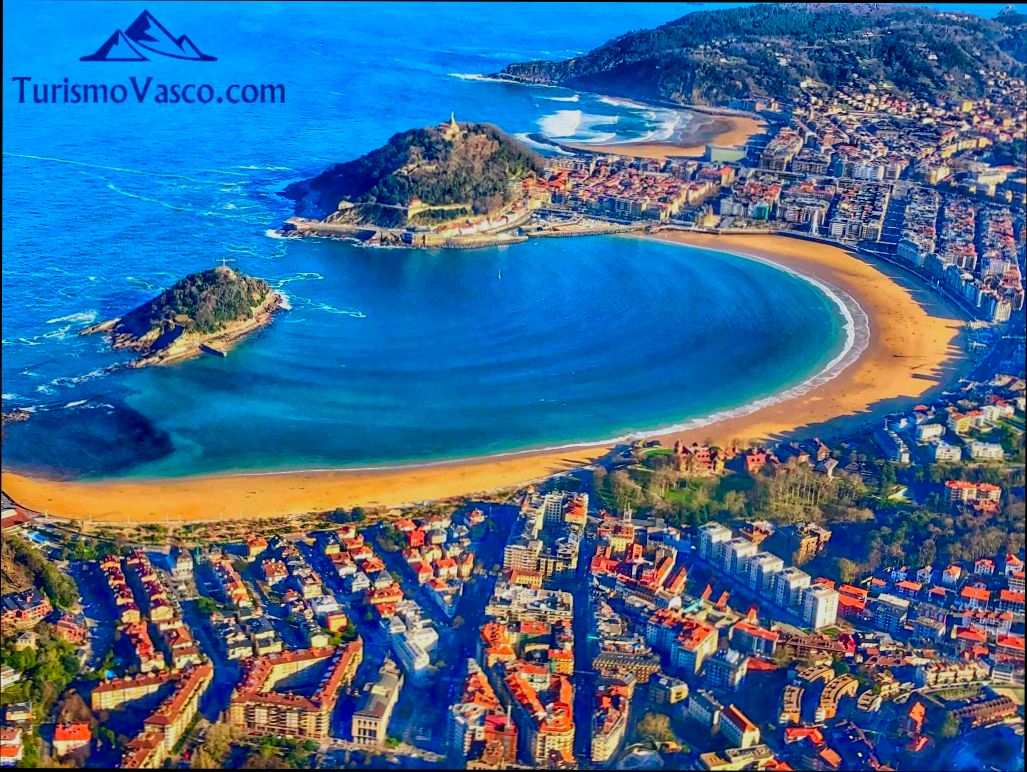
Donostia San Sebastián is a haven for outdoor enthusiasts and nature lovers alike. The city’s unique geographical location, nestled between lush green mountains and stunning coastlines, provides abundant opportunities for outdoor activities and an enchanting display of natural beauty.
Abundant Outdoor Activities
You’ll find an array of outdoor activities that cater to both thrill-seekers and those who prefer a more leisurely experience. Here are some highlights:
- Beaches: Playa de la Concha, one of the most beautiful urban beaches in Europe, attracts sunbathers and swimmers year-round. An impressive 87% of residents enjoy the beach during the summer months, highlighting its popularity.
- Hiking Trails: The nearby Monte Urgull and Monte Igueldo offer hiking trails with varying difficulty levels. Approximately 65% of locals take advantage of these trails for weekend excursions.
- Water Sports: The Bay of La Concha is not just for sunbathing; around 50% of residents participate in water sports such as kayaking, paddleboarding, and surfing, especially during the vibrant summer season.
Natural Beauty Comparison Table
| Feature | Donostia San Sebastián | Cities with Limited Access |
|---|---|---|
| Urban Beach Access | Multiple beaches (e.g., La Concha, Zurriola) | Few or none |
| Hiking Opportunities | 10+ designated trails | 1-2 most small cities |
| Green Spaces | 400+ parks, gardens | 5-10 if urbanized |
| Scenic Views | Coastal and mountain vistas | Limited cityscape |
Real-World Examples
A local sports club, Club Costa Vasca, holds regular paddleboarding sessions that attract both experienced athletes and beginners; about 120 community members participate weekly. Additionally, annual events like the Donostia Marathon invite runners from around the world to experience the stunning coastal route, making it a popular choice among fitness enthusiasts and creating a sense of camaraderie within the local community.
Practical Implications for Residents
Living in Donostia San Sebastián means embracing a lifestyle intertwined with nature and outdoor activities. Here’s how you can benefit:
- Engage in weekly hiking groups to explore the picturesque landscapes.
- Utilize local beaches for stress relief and leisure activities.
- Explore organized outdoor events, like beach volleyball tournaments, which are often social and community-focused.
Feel free to grab your hiking boots, surfboard, or even a picnic basket – Donostia is a playground for anyone who loves the great outdoors and a visually stunning environment. Embracing these opportunities can enrich your quality of life immensely.
Access to Healthcare and Education Quality
When you think about moving to Donostia San Sebastián, considering access to healthcare and the quality of education is crucial. These facets significantly influence your lifestyle and overall well-being. In this beautiful city, you’ll find a mix of educational opportunities and healthcare services that cater to a diverse community.
Access to Healthcare
- Public Healthcare System: Spain provides a universal healthcare system, and Donostia San Sebastián is no exception. The Basque health service, Osakidetza, ensures comprehensive health care for residents, offering both primary and specialist services.
- Waiting Times: Average waiting times for appointments in the Basque Country can be around 20 days for specialist care. While this is relatively efficient compared to other regions, it’s essential to plan ahead for non-urgent healthcare needs.
- Emergency Services: The city boasts well-equipped hospitals and emergency services, with a response time that averages under 8 minutes, ensuring prompt care when it’s needed most.
Quality of Education
- Public vs. Private Schools: The education system in Donostia San Sebastián features a blend of public and private institutions. Approximately 95% of students attend public schools, which are known for their quality education and strong emphasis on community values.
- Higher Education Opportunities: The presence of the University of the Basque Country and several international schools enriches the educational landscape, catering to various academic interests and language preferences.
- Language Learning: Education quality also reflects multilingual learning opportunities. Many schools offer bilingual programs, with around 60% of students receiving education in Basque and Spanish, enhancing their language skills for future career prospects.
| Factor | Public Healthcare in Donostia San Sebastián | Private Education Opportunities | Public Education Accessibility |
|---|---|---|---|
| Healthcare System | Universal access through Osakidetza | International diploma programs | 95% students in public schools |
| Emergency Response | Avg. response time: 8 minutes | - | Emphasis on community values |
| Average Wait Time | 20 days for specialist care | - | Multilingual programs available |
| Language Options | Spanish and Basque offered | English-centric curricula | Support for language learning |
Real-World Examples
In real-world applications, families like the Garcíases benefit from the public education system through programs in digital literacy, which bolster their children’s readiness for technological advancements. Similarly, Maria, a local resident, praises the Osakidetza system for its ease of access, stating that her family received timely vaccinations and regular check-ups without fees, emphasizing the importance of preventive care.
Practical Implications
If you’re considering relocation, understanding the healthcare accessibility will allow you to navigate services effectively. Checking the school ratings and nearby educational resources can provide you and your family a clear picture of your options for quality schooling.
Facts and Actionable Advice
- Health Insurance: Register with the public health system and consider supplementary private health insurance for faster access to specialists.
- Explore Educational Institutions: Visit schools and meet with educators to assess which institutions align with your values and educational goals.
- Community Engagement: Engage in local health workshops and educational seminars to maximize your access to resources and strengthen community ties.
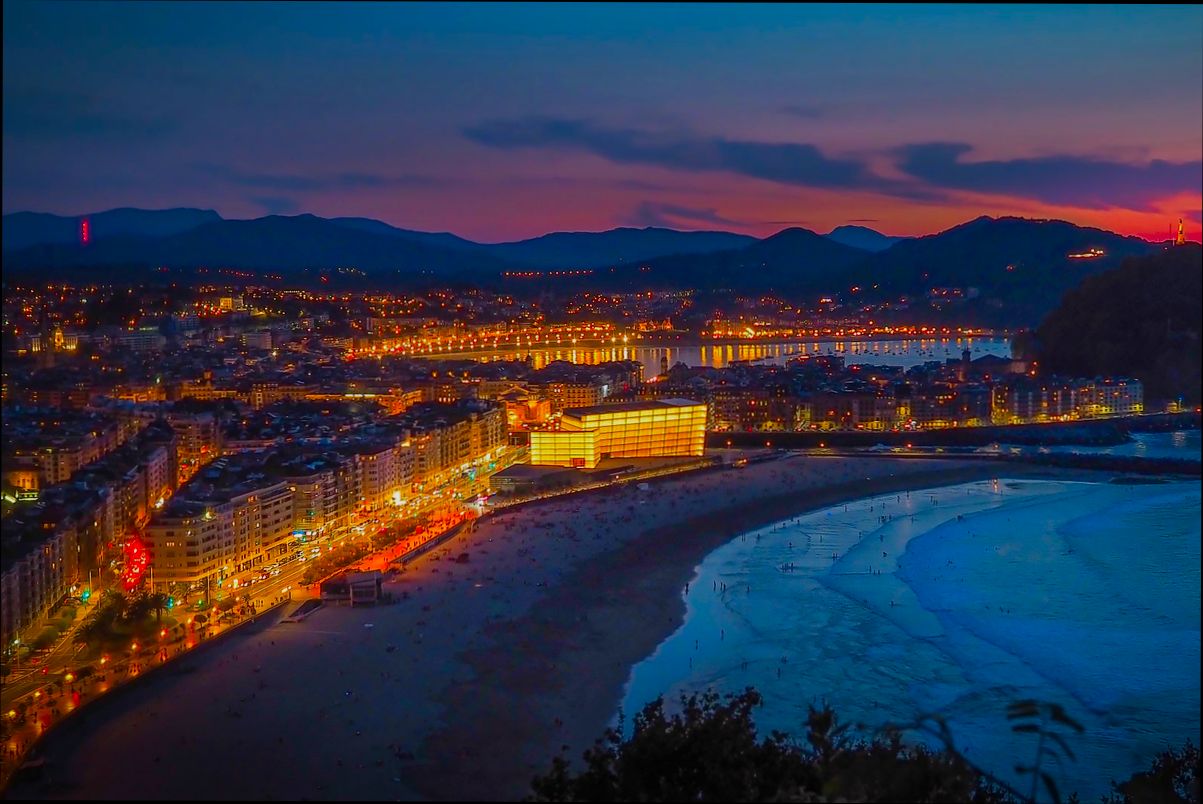
Climate and Weather Considerations
Living in Donostia San Sebastián means embracing a climate characterized by mild temperatures and ample rainfall throughout the year. Understanding the local weather conditions is essential for making the most of your life in this vibrant coastal city. Let’s discuss some key aspects of the climate that may influence your experience.
General Climate Overview
Donostia San Sebastián enjoys an oceanic climate, which means:
- Mild Temperatures: Average temperatures range from 10°C in winter to 22°C in summer.
- Precipitation: The city experiences around 1,800 mm of rain annually, with October being the wettest month.
Seasonal Insights
Understanding the seasons can help you plan your activities:
- Spring (March to May): Temperatures gradually warm up, making this a delightful time for outdoor activities. You can expect average highs of about 17°C.
- Summer (June to August): This is the peak tourist season, where temperatures can soar up to 25°C, perfect for beach outings.
- Autumn (September to November): The weather remains fairly mild, but rain increases as you head into November. Average temperatures decrease to around 14°C.
- Winter (December to February): Bring warmer clothes! Winter temperatures average around 10°C, and although the temperatures are mild, the rain can be frequent.
Rainfall Breakdown by Month
| Month | Average Precipitation (mm) | Average Temperature (°C) |
|---|---|---|
| January | 130 | 9 |
| April | 90 | 13 |
| July | 50 | 22 |
| October | 150 | 15 |
Real-World Example: Managing Rainy Days
Residents often adapt their daily routines around the rainfall. For instance, locals frequently carry umbrellas and waterproof gear, ensuring that outdoor plans can still proceed regardless of sudden showers. A community-driven approach can be seen, where many cafes and shops create cozy indoor environments, inviting residents and visitors to relax and socialize despite the rain.
Practical Implications
Consider these actionable insights regarding the climate:
- Plan outdoor activities during the warmer months, particularly in summer, when daylight lasts longer and rain is less frequent.
- Stock up on rain gear—a quality umbrella and waterproof shoes can make all the difference on a rainy day.
- Embrace seasonal festivals, as the vibrant cultural celebrations often take place throughout the year, showcasing the city’s charm irrespective of the weather.
Consider these climate aspects as essential to enhancing your experience in Donostia San Sebastián. Understanding the weather patterns can help you make smarter choices about your daily life and leisure activities in this beautiful coastal gem.
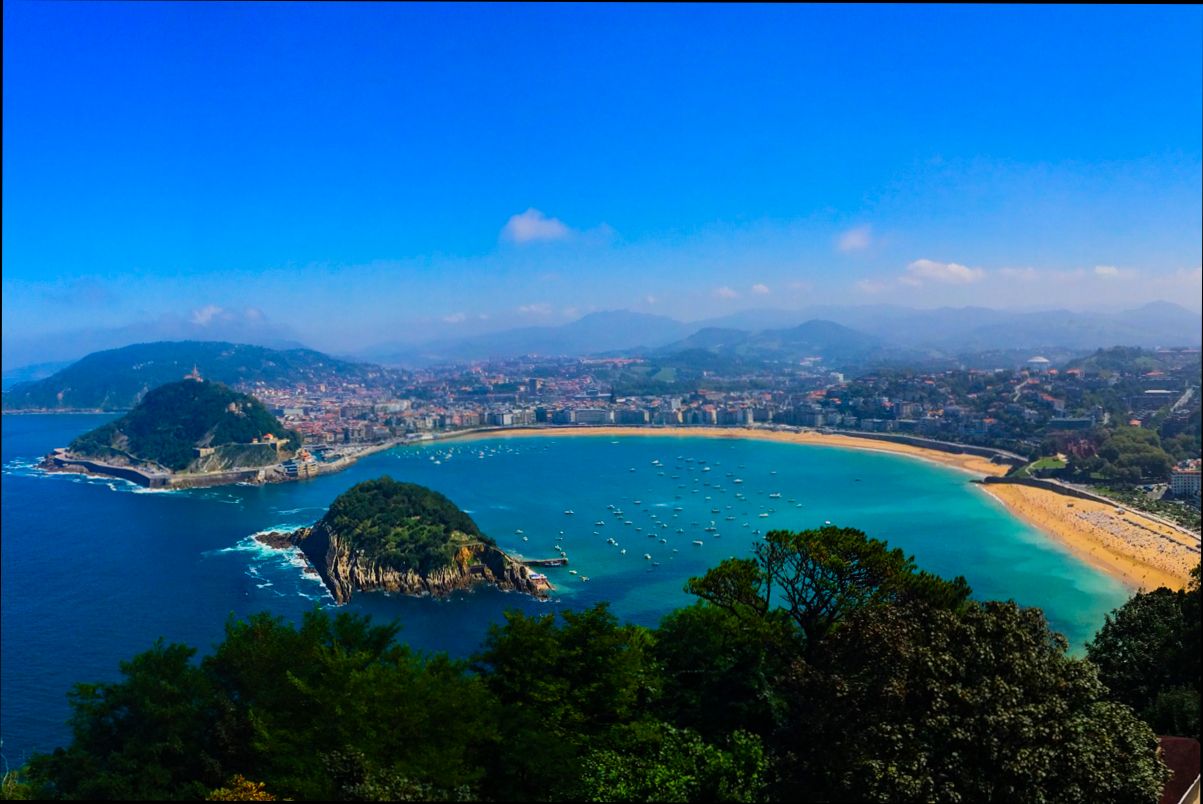
Economic Opportunities and Job Market Trends
Living in Donostia San Sebastián opens the door to a range of economic opportunities, particularly for those in specific sectors. Understanding the job market trends can significantly influence your decision to move or settle in this vibrant city.
As of recent data, the job market in San Sebastián has shown resilience despite broader economic fluctuations in Spain. Unemployment rates hover around 8%, significantly lower than the national average of approximately 13%, making it a competitive environment for job seekers. Key industries driving the local economy include tourism, gastronomy, and technology.
Key Economic Sectors
1. Tourism and Hospitality: This sector is a cornerstone of San Sebastián’s economy, responsible for a substantial portion of job creation. With millions of tourists visiting annually, roles are abundant in hospitality, event planning, and tourism services.
2. Gastronomy: Renowned for its culinary scene, the city attracts food enthusiasts and professionals alike. Jobs range from chefs in Michelin-starred restaurants to roles in local pintxo bars.
3. Technology and Innovation: The emergence of tech companies in recent years has created opportunities for skilled workers, particularly in software development and digital innovation. The city’s commitment to fostering tech initiatives attracts startups and international firms.
Comparative Job Market Overview
| Sector | Job Opportunities | Average Salary |
|---|---|---|
| Tourism | High | €25,000 |
| Gastronomy | Moderate to High | €30,000 |
| Technology | Increasingly High | €38,000 |
The table highlights the varying job opportunities across key sectors. While tourism and gastronomy showcase numerous roles, the technology sector is gaining ground with attractive salaries.
Real-World Examples
- Tourism Growth: The city’s annual International Film Festival creates temporary but significant spikes in employment in event management and tourism. Local businesses see an increase in foot traffic, providing seasonal job opportunities.
- Culinary Success: A local startup called “Pintxos Delivery” capitalized on the city’s culinary reputation, employing locals while delivering high-quality pintxos. This blend of tech and gastronomy exemplifies the innovative spirit of the area.
- Tech Initiatives: Organizations like the Donostia-San Sebastián Technology Park support entrepreneurship, making it a hub for tech talent. This has resulted in the establishment of several startups focused on AI and software development.
Practical Implications for Job Seekers
If you’re considering moving to San Sebastián, the city’s thriving sectors can influence your job search strategy:
- Networking: Engage with expat groups or local clubs to cultivate professional connections, vital in industries like tourism and technology.
- Skill Development: Consider enrolling in courses offered by local language schools to enhance your employability, especially in customer-facing roles.
- Understand Local Regulations: Familiarize yourself with visa and residency requirements, as these can impact your ability to work legally in Spain. Resources like expat counseling can help you navigate these processes smoothly.
- Explore Remote Work: With a rising number of co-working spaces, the city is becoming an attractive base for digital nomads. If remote work is an option for you, leverage the beautiful surroundings to enhance your work-life balance.
Embracing the unique economic landscape of Donostia San Sebastián enhances your potential for professional growth. Understanding market trends and available opportunities prepares you for an exciting career in this dynamic city.