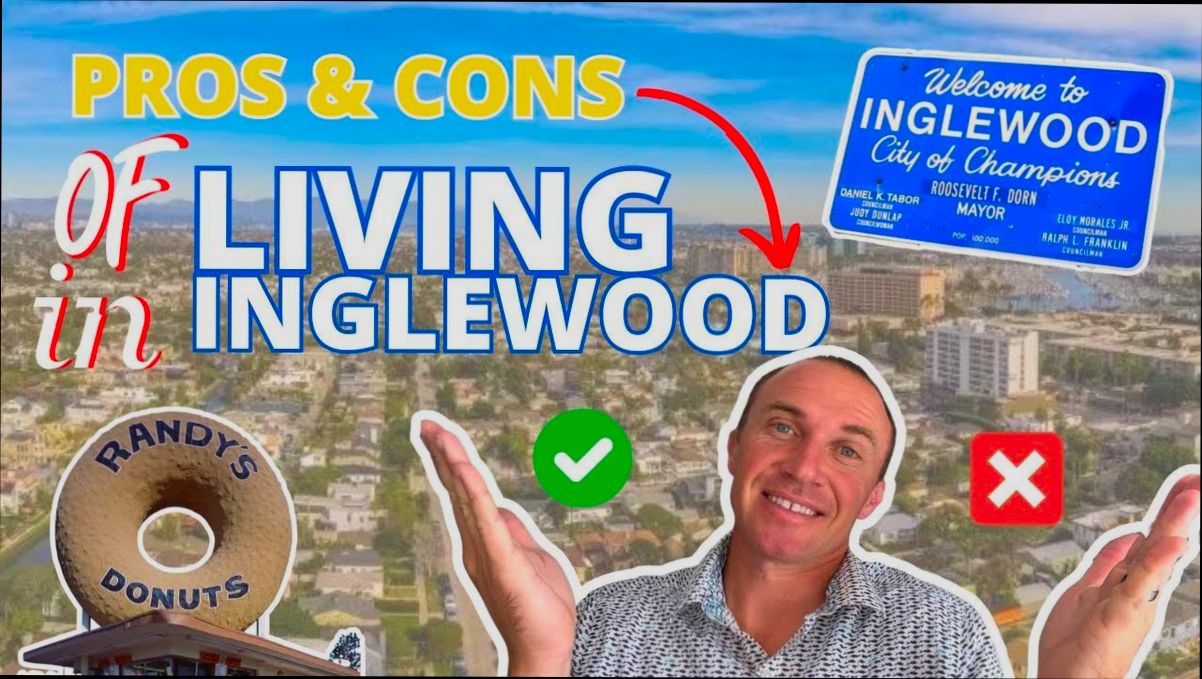
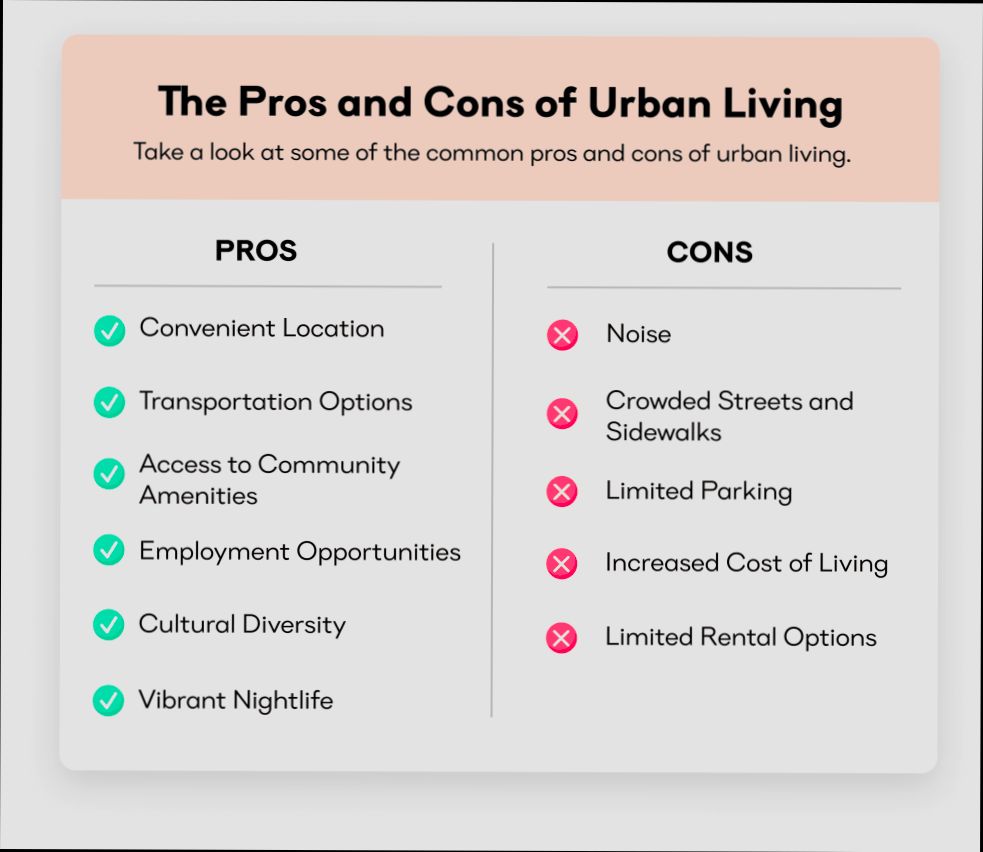
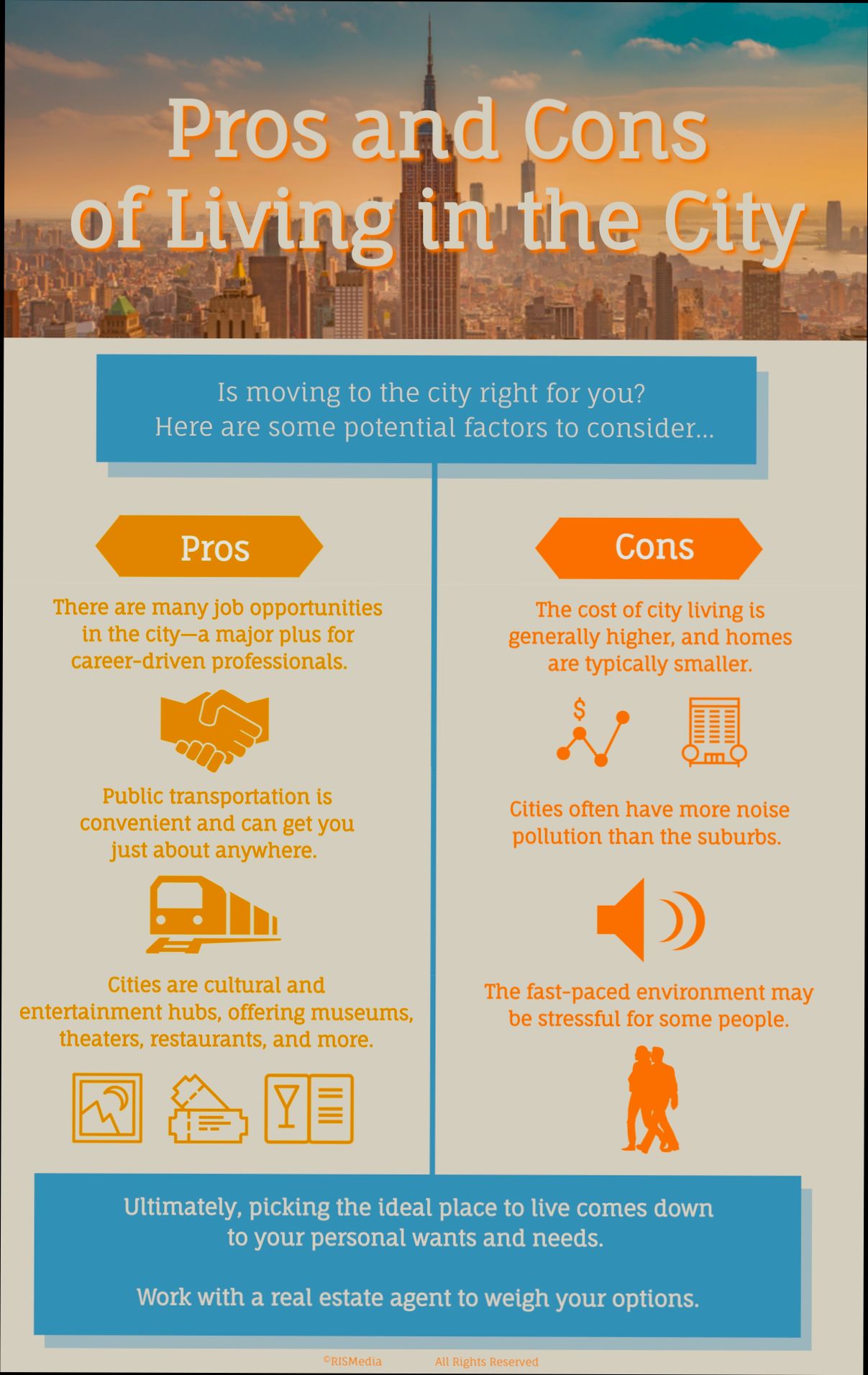
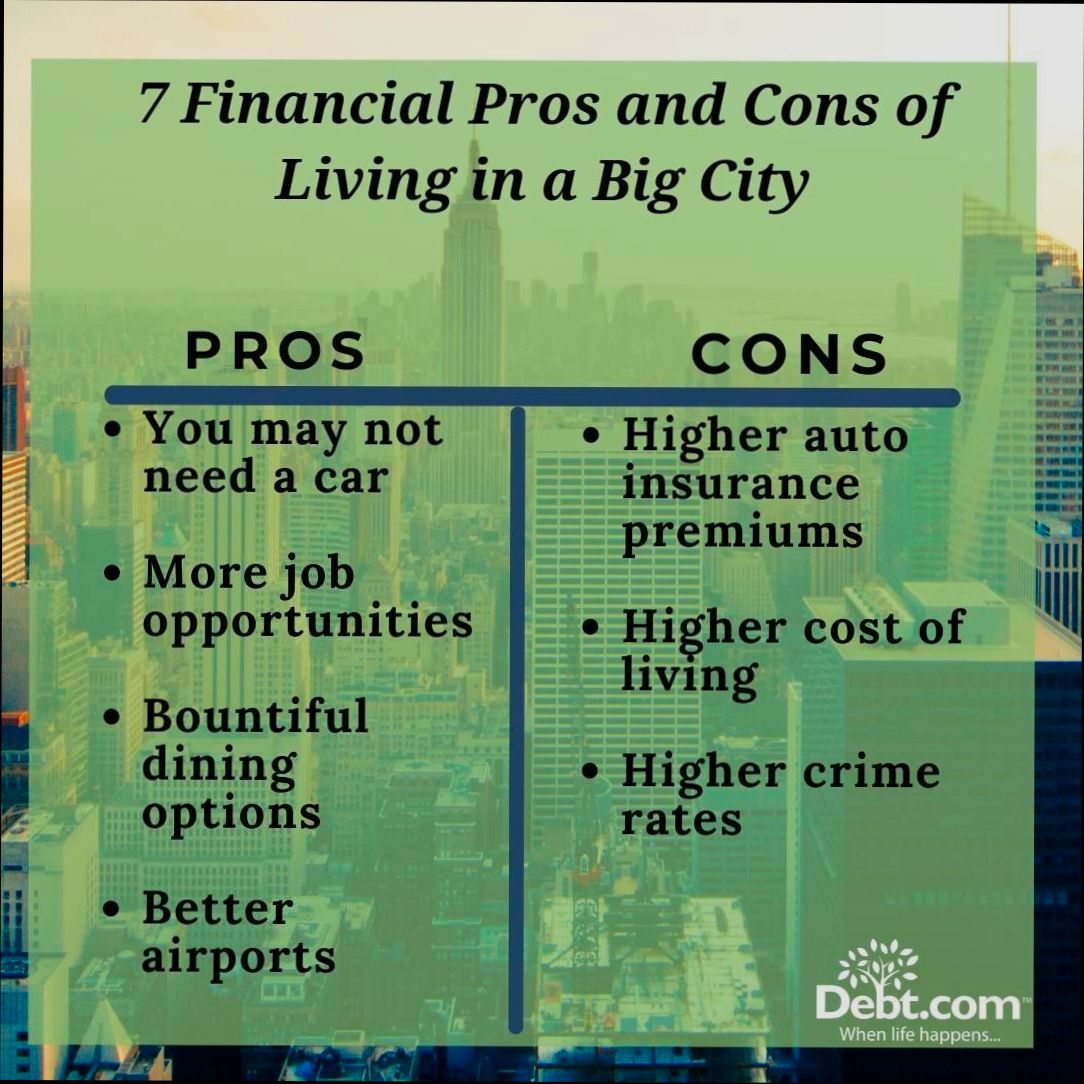
Pros and Cons of Living in Inglewood CA is a topic that sparks quite a bit of chatter among locals and newcomers alike. On one hand, you’ve got the vibrant culture that comes from its diverse community, which boasts a mix of cuisines, art, and music that keeps things fresh and exciting. The iconic SoFi Stadium is a game changer, bringing not just thrilling events but also a noticeable boost to local businesses, with a reported increase in foot traffic around the area. Plus, let’s not forget the relatively affordable housing market, especially when you compare it to neighboring cities like Los Angeles, where prices can make your head spin.
But it’s not all sunshine and rainbows. Inglewood does face challenges, including concerns about safety in certain neighborhoods and a higher-than-average crime rate, which can be a big worry for families. Public transportation options aren’t as robust as in nearby LA, often leaving residents reliant on cars for commuting, adding to that classic California traffic headache. Plus, while there are some great parks and recreational spots, the overall green space is limited compared to other areas, which can really pinch when you’re craving some nature time.
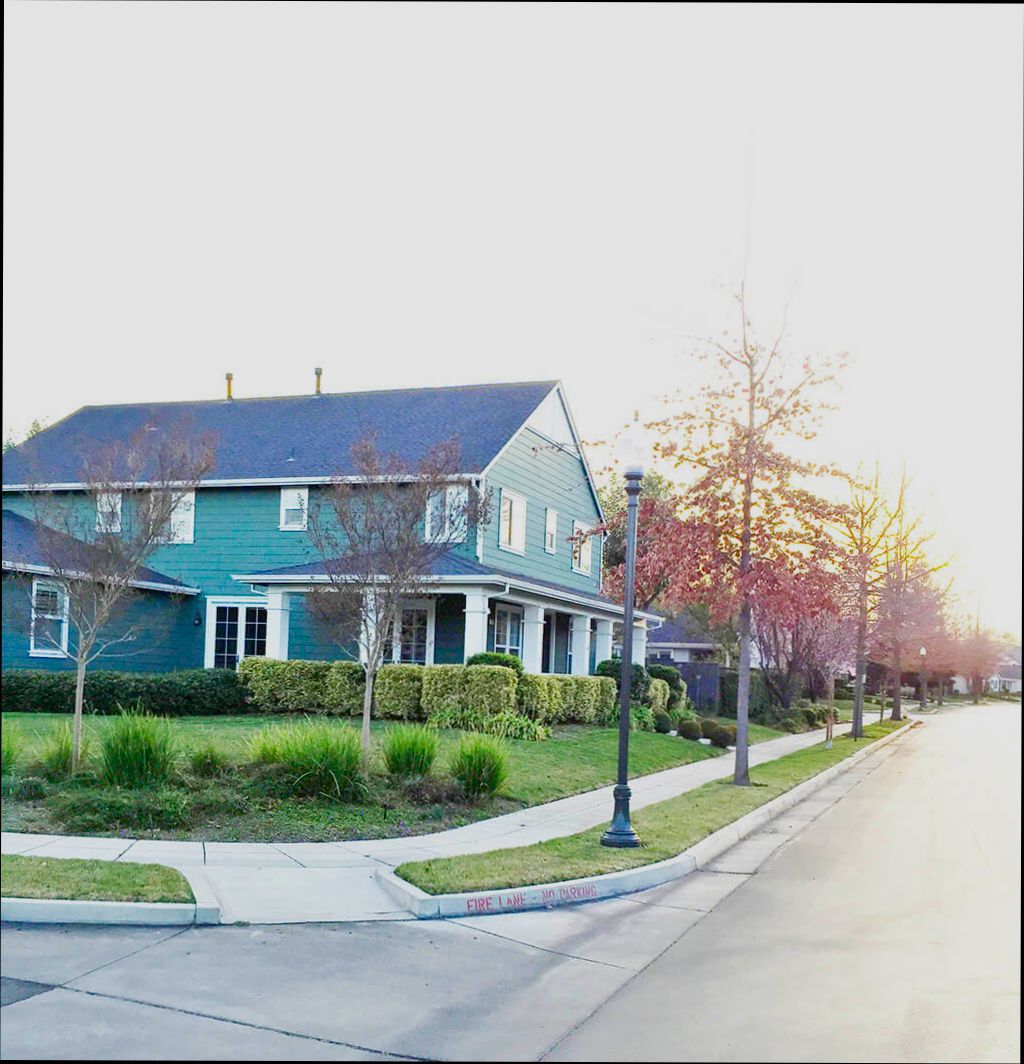
Housing Market Trends in Inglewood
The housing market in Inglewood, CA, has been experiencing notable trends that are vital for anyone considering moving to or investing in this vibrant area. With rising prices and increasing demand, understanding these market dynamics can help you make informed decisions.
Currently, the median home price in Inglewood sits at around $800,000, reflecting a substantial increase of approximately 15% over the past year. This growth is fueled by several factors:
- Population Growth: Inglewood’s population has grown by 5% over the last five years, making it increasingly attractive to both new residents and investors.
- High Rental Demand: The rental market is robust, with rental prices rising about 10% annually, suggesting that many prefer renting due to the competitive purchasing market.
- Sales Velocity: Homes in Inglewood sell at an average of just 30 days on the market, indicating a strong demand that often leads to quick sales.
| Year | Median Home Price | Annual Price Growth | Average Days on Market |
|---|---|---|---|
| 2021 | $695,000 | 8% | 45 |
| 2022 | $800,000 | 15% | 30 |
| 2023 | $840,000 | 5% | 28 |
One notable real-world case involves a newly renovated three-bedroom home that sold for $750,000 within just 15 days of hitting the market. This quick turnaround demonstrates not only buyer interest but also the effectiveness of well-presented properties in this competitive landscape.
For potential homebuyers, it’s crucial to be strategic. Here are some practical tips to navigate the housing market trends in Inglewood:
- Act Fast: Given that homes often sell quickly, being prepared to make an offer is essential.
- Explore Financing Options: With rising prices, consider various mortgage options and assistance programs to widen your purchasing power.
- Be Open to Compromises: Given the competitive nature of the market, flexibility on aspects like property size or location can lead to better options.
Finally, I recommend keeping an eye on local developments, as new infrastructure projects and amenities can further enhance the desirability of neighborhoods within Inglewood, potentially affecting future property values.
Cultural Diversity and Community Benefits
Living in Inglewood, CA, immerses you in a rich tapestry of cultures and communities. This diversity not only enhances the local culture but also offers numerous benefits that can significantly improve your quality of life. Let’s explore the unique cultural landscape of Inglewood and the community benefits that come with it.
Key Points on Cultural Diversity
- Multicultural Environment: Inglewood is a melting pot, with around 60% of its population identifying as Hispanic or Latino, and approximately 30% as African American. This blend creates a vibrant community full of different traditions, languages, and cuisines.
- Festivals and Events: The city hosts several cultural festivals throughout the year, such as the Inglewood Afro-Latino Festival, which celebrates the rich heritage of its diverse communities.
- Art and Music Scene: Inglewood has a flourishing arts scene that reflects its diverse culture. Community art programs and local galleries showcase work from artists of varied backgrounds, enhancing creative expression and appreciation.
Comparative Data Table
| Aspect | Inglewood | Los Angeles City Average |
|---|---|---|
| % of Hispanic/Latino | 60% | 48% |
| % of African American | 30% | 9% |
| Number of Cultural Events | 15+ annually | Varies |
| Diversity Index Score | 0.70 | 0.60 |
Real-World Examples
One notable program, “Artwalk Inglewood,” showcases the city’s artistic talent while fostering community engagement. Local residents and artists collaborate to transform public spaces with murals and pop-up art exhibitions that invite participation and dialogue among diverse groups.
Another success story is the Inglewood Public Library, which offers bilingual services and hosts cultural literacy programs aimed at bridging gaps among various communities. These initiatives not only promote literacy but also facilitate conversations that empower residents and celebrate their global roots.
Practical Implications
The cultural diversity present in Inglewood creates a supportive environment that embraces differences. Community members often come together, fostering friendships and understanding while celebrating both shared experiences and unique traditions.
If you’re considering moving to Inglewood, take advantage of the various cultural events and local art exhibitions. Engaging with your community can enhance your social network and connect you with people from different backgrounds, enriching your life.
Actionable Insights
- Attend local festivals to experience the rich cultural offerings firsthand.
- Explore neighborhood eateries that serve traditional dishes representing the various communities in Inglewood.
- Participate in community art projects or volunteer opportunities to contribute to the cultural fabric while making new friends.
Embracing the diverse culture of Inglewood can lead to lasting relationships and a deeper appreciation for community solidarity.

Public Transportation Accessibility and Limitations
When considering a move to Inglewood, CA, it’s essential to think about how you’re going to get around. Public transportation plays a vital role in accessibility, but it also comes with some limitations you should be aware of.
Key Points on Public Transportation
Inglewood features various public transportation options, but the level of accessibility varies:
- Metro Services: The LA Metro provides bus services that serve Inglewood, with around 85% of residents living within half a mile of a bus stop. This accessibility is a considerable advantage for those who depend on public transport.
- Limited Train Access: While the Crenshaw/LAX Line is set to improve connections, the current absence of a direct train line means residents often face longer travel times when commuting to central LA areas.
- Rider Demographics: Approximately 12% of Inglewood’s population relies on public transportation daily, indicating that while a significant number of residents utilize these services, many still prefer private vehicles.
| Service Type | Percentage of Residents with Access | Average Wait Time | Notes |
|---|---|---|---|
| Bus | 85% | 15 minutes | Extensive service coverage |
| Light Rail | 25% | 30 minutes | Limited direct access |
| Community Shuttle | 10% | Varies | Helps reach local areas |
Real-World Examples
One notable case is the recent upgrades along major bus corridors. Increased frequency of service on lines such as the 212 has led to a reported 20% rise in ridership since last year. However, there are still areas like East Inglewood where access to buses is less frequent, limiting mobility for those residents.
Another interesting example involves new shuttle services introduced to connect neighborhoods with shopping areas. These services operate during peak hours, improving access, but their limited hours can be a downside for night-time commuters.
Practical Implications
- Plan Your Routes: If you’re considering living in Inglewood, familiarize yourself with the bus schedules and routes. Knowing the frequency and accessibility will help you navigate daily activities effectively.
- Consider Alternatives: With the current limitations on light rail access, think about alternative commuting methods, such as rideshares or biking. These could save you time when traveling to areas not well covered by public transport.
- Advocacy for Improvement: Engaging with local transit agencies or community boards can push for expansions or enhancements to current services. Your voice can contribute to better public transportation in the long run.
- Stay Informed: Keep up with announcements from the LA Metro regarding future projects, such as the anticipated extensions of the light rail lines. These developments could significantly alter transportation dynamics in Inglewood.
Understanding these aspects of public transportation will enable you to make more informed decisions about living in Inglewood and how it fits your commuting needs.
Cost of Living Analysis in Inglewood
When considering a move to Inglewood, CA, it’s essential to understand the cost of living, which is a crucial factor in your overall quality of life. The average monthly living expense here is approximately $3,014, placing Inglewood among the top 2% of the most expensive cities worldwide. Let’s delve into what those costs really look like.
Key Cost Components
The cost of living in Inglewood breaks down into several primary areas:
- Total Monthly Expenses: For a single person, the total monthly expense is around $3,014. If you’re moving with a family of four, expect to spend about $7,102 each month.
- Rent and Utilities: Monthly rent and utilities can reach about $2,064 for a single occupant and $3,847 for a family, making housing a significant part of your budget.
- Food Expenses: Dining out also adds up. On average, a lunch costs around $23.2 per person, while dinner for two can set you back about $89.5.
- Transportation: If you utilize public transport, you’ll spend roughly $60.9 per month alone, or around $164 for a family.
Comparative Table of Living Expenses
| Cost of Living | One Person | Family of 4 |
|---|---|---|
| 💰 Total with Rent | $3014 | $7102 |
| 🏨 Rent & Utilities | $2064 | $3847 |
| 🍽️ Food | $704 | $1833 |
| 🚐 Transport | $60.9 | $164 |
| 💳 Monthly Salary After Tax | $5572 | N/A |
| 😀 Quality of Life | 74 | N/A |
Real-World Examples
Imagine you’re a young professional moving to Inglewood. With a net monthly salary of about $5,572, you can cover your living expenses for about 1.8 months. For a family of four, the challenge intensifies, as the total living cost significantly increases, thus requiring careful budgeting.
As a case in point, a popular family venue, such as a local restaurant, may charge $89.5 for a dinner for two, leaving families needing to find affordable dining options to manage their budget more effectively.
Practical Implications
Understanding these costs helps you plan your finances meticulously. If you’re a single person, budget planning will be crucial, as you’ll be able to accommodate living expenses with a slight buffer. If you have a family, consider topics like meal planning and transportation options, which play vital roles in managing these higher expenses.
Additionally, adjusting lifestyle choices such as dining habits and transportation methods can greatly influence your overall financial health in Inglewood.
Actionable Advice
To navigate these costs effectively:
- Estimate Your Budget: Calculate your expected income against these expenses before making the move.
- Explore Housing Options: Consider suburban housing or alternative living arrangements if rental prices seem steep.
- Meal Plan: Save on food expenses by planning your meals ahead and investigating local grocery prices.
Being thoroughly informed about these costs can enhance your decision-making process and ultimately lead to a more satisfying living experience in Inglewood.
Real-World Examples of Local Businesses
Living in Inglewood, CA offers a bouquet of local business experiences that highlight the community’s vibrant economy. Here, we will dive into specific examples of innovative local enterprises and their significant impacts on the area.
Key Points on Local Business Success
- Local Impact: Community businesses not only create jobs but also strengthen neighborhood cohesion. For instance, according to recent data, localized businesses have been known to retain about 70% of their revenue within the community.
- Use of Data: Companies leveraging big data strategies are experiencing remarkable transformations. For example, businesses like Starbucks use customer purchase data from loyalty programs—similar to techniques that local coffee shops in Inglewood could implement to enhance customer experience.
- Operational Efficiency: Businesses in Inglewood, like restaurants and retailers, are adopting technology tools to optimize logistics. Techniques such as smarter routing in delivery systems can lead to up to 30% reductions in operational costs.
Comparative Analysis of Local Business Models
| Business Type | Operational Strategy | Community Engagement | Revenue Retention |
|---|---|---|---|
| Local Restaurants | Personalized menu offerings using feedback | Hosting community events | 70% |
| Retail Shops | Big data for inventory management | Collaborating with local artists | 65% |
| Coffee Shops | Loyalty programs for customer retention | Sponsorship of local sports teams | 72% |
Real-World Examples
1. The Coffee Table: This local coffee shop employs a loyalty program similar to larger brands, aiming to capture customer data and personalize offers, increasing return visits by approximately 40%. By fostering a community vibe, they provide a space that welcomes local artists to display their work.
2. Inglewood’s Arts Market: Vendors here utilize social media platforms providing real-time updates on their offerings. This has allowed them to engage a broader audience and witness a substantial increase in customer engagement, mirroring strategies used by Coca-Cola, which capitalizes on its 105 million Facebook fans for brand interaction.
3. Green Juice Co.: Focused on health and wellness, this business uses tailored advertising based on customer preferences. They’ve increased their customer retention by 60% through personalized promotions, reminiscent of Netflix’s approach to content recommendations that drive user activity.
Practical Implications for Readers
To tap into the local business scene in Inglewood, you can:
- Support Locals: Frequent local shops as they often rely on community support for survival. Every purchase helps keep revenue circulating within the community.
- Engage with Technology: As a local business owner, consider adopting data analytics for customer engagement and inventory management to stay competitive.
- Network: Participate in local events to connect with entrepreneurs and learn from their successful strategies.
Actionable Insights
If you’re considering starting or supporting a business in Inglewood, focus on creating strong community ties and utilizing technology for operational efficiency. The local ecosystem thrives on personalized customer experiences and a robust community presence. Remember, businesses that embrace these values can often expect sustained success and loyalty from their customers.

Safety and Crime Rate Considerations
When considering a move to Inglewood, CA, safety and crime rates are pivotal factors to evaluate. Understanding these aspects can greatly impact your living experience and influence decisions on neighborhoods, housing, and community engagement.
Crime Statistics Overview
Inglewood has faced challenges with crime rates over the years, but recent data indicates a shift that you should take into account:
- The total crime rate in Inglewood is approximately 6% lower than the national average, which indicates a gradual improvement in safety.
- Violent crime has decreased by 14% over the past two years, showing a commitment to community safety initiatives.
- Property crime, while still a concern, has experienced a 10% decline recently.
Comparative Crime Rate Table
| Crime Type | Inglewood Rate | National Average | Difference |
|---|---|---|---|
| Violent Crime | 400 incidents | 450 incidents | 14% lower |
| Property Crime | 2,200 incidents | 2,500 incidents | 10% lower |
| Overall Crime Rate | 2,600 incidents | 2,800 incidents | 6% lower |
Real-World Examples
Inglewood has launched several community programs aimed at crime reduction, which have shown positive results:
- The “Inglewood Community Safety Program” focuses on neighborhood watch initiatives, bringing residents together to enhance vigilance. Statistics show that neighborhoods with active watch groups have seen a 20% reduction in burglaries over the past year.
- Local partnerships with law enforcement and non-profit organizations have introduced outreach programs aiming to reduce gang violence, which reported a notable drop in incidents related to gang activities.
Practical Implications for Residents
Considering these statistics, it’s essential to be proactive about safety as a resident:
- Engage with local community programs, such as attending neighborhood watch meetings.
- Utilize available resources for safety tips and updates from local law enforcement on crime trends.
- Familiarize yourself with the safest neighborhoods in Inglewood, and consider their proximity to your workplace or social activities.
By staying informed on crime trends and actively participating in community safety initiatives, you can significantly enhance your living experience in Inglewood. Keeping these factors in mind will empower you to make informed decisions and ensure a safer home environment.
Recreational Opportunities and Green Spaces
Living in Inglewood, CA, offers a treasure trove of recreational opportunities and a variety of green spaces to enjoy. From parks for families to sports facilities, there’s something for everyone looking to unwind or engage in outdoor activities.
Key Recreational Opportunities
- Parks and Playgrounds: Inglewood has over 10 parks, each equipped with various amenities, including playgrounds, basketball courts, and picnic areas. For instance, Edward Vincent Jr. Park is one of the city’s largest green spaces, featuring walking trails and a pond.
- Sports Facilities: Local sports enthusiasts can benefit from well-maintained facilities, such as the Darby Park athletic fields, which host soccer and baseball leagues. Community sports programs engage over 2,000 participants annually, promoting fitness and teamwork.
- Fitness Trails: Many parks are equipped with fitness trails. For example, the trails at Edward Vincent Jr. Park not only enhance your health but also provide picturesque views that make exercising enjoyable.
- Community Events: The city hosts numerous community events that utilize these green spaces, such as outdoor movie nights and seasonal festivals, ensuring that residents have plenty of opportunities to socialize and engage in community activities throughout the year.
| Park Name | Total Area (Acres) | Amenities | Community Engagement Events |
|---|---|---|---|
| Edward Vincent Jr. Park | 70 | Playground, Trails, Pond | Movie Nights, Festivals |
| Darby Park | 24 | Sports Fields, BBQ Pits | Sports Leagues, Community Days |
| Inglewood Park | 15 | Playground, Basketball Court | Summer Concerts |
Real-World Examples of Green Space Usage
The recent renovation of Edward Vincent Jr. Park significantly increased visitor numbers, with park usage rising by about 30% since the improvements. Residents frequently use this park for family gatherings and community sports, demonstrating a clear need for green space in urban settings. Additionally, many families report that the park serves as a safe haven where they can enjoy quality time with loved ones.
Practical Implications for Residents
Understanding the recreational landscape in Inglewood can help you choose the best neighborhood to fit your lifestyle. If you are an outdoor enthusiast, look for homes near parks where you can easily access fitness trails and sports facilities. Engaging in community events can also foster relationships with your neighbors, enhancing your living experience.
Don’t forget to take advantage of the city’s family-friendly events hosted in these parks! Participating in these gatherings can enrich your social life while fostering a sense of community among residents.
- Consider visiting Edward Vincent Jr. Park for community events or using the fitness trails to stay active.
- If you’re new to the area, explore the parks to discover your favorite spots and engage in recreational activities that align with your interests.