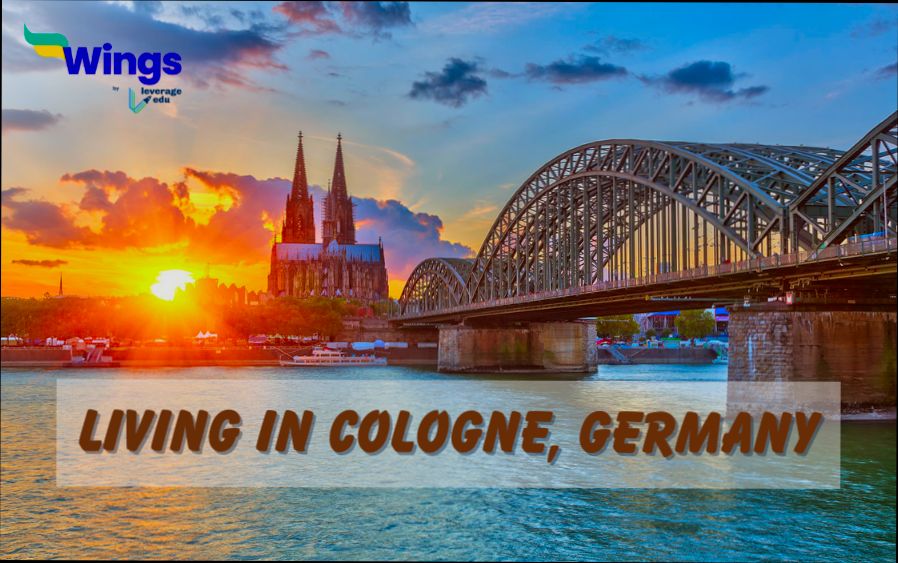
Pros and Cons of Living in Cologne (Köln) dive straight into why this vibrant German city is both a dream and a challenge. On one hand, its rich history is everywhere you turn, from the iconic Cologne Cathedral, which attracts more than six million visitors each year, to the lively vibe of the Old Town with its charming breweries and intimate cafés. Plus, the city boasts a generous public transport system that makes getting around a breeze, letting you hop on trams and buses that run frequently, often with minimal wait times. With a cost of living that’s significantly lower than cities like Munich and Frankfurt, it’s easy to see why many are drawn to Köln’s unique blend of culture and affordability.
On the flip side, the weather can be a real downer, especially if you’re not a fan of grey skies and rain — average rainfall hits about 800mm annually, making those sunny days feel like a rare treat. And while the local food scene is diverse, the love for dishes like Himmel un Ääd (mashed potatoes with apple sauce) doesn’t resonate with everyone. Don’t forget about the housing market; with increasing demand, finding an affordable apartment can feel like searching for a needle in a haystack. So, whether you find joy in the festive atmosphere or struggle with the cloudy weather, living in Cologne certainly has its ups and downs.
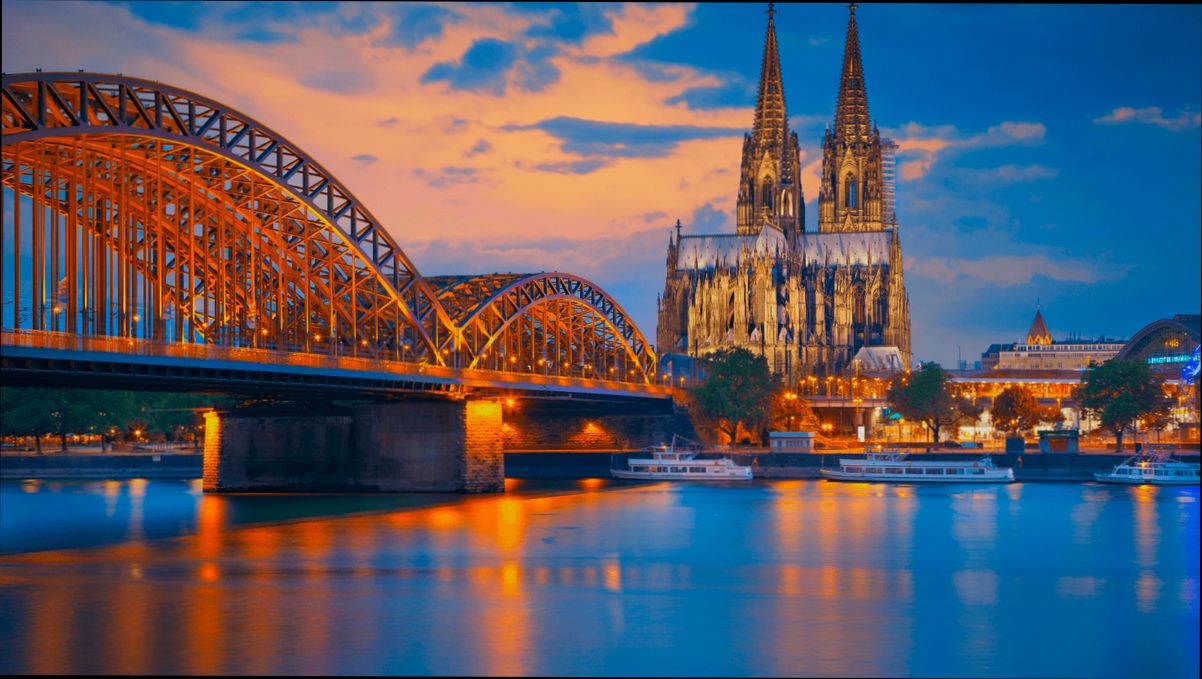
Cost of Living in Cologne
Understanding the cost of living in Cologne is essential for anyone considering making this vibrant city their home. From housing to groceries, let’s break down the numbers so you can budget effectively.
Housing Costs
Housing is typically the most significant expense in Cologne. The average rent for a one-bedroom apartment in the city center is around €1,000 per month, whereas a similar apartment outside the city center costs about €700. If you’re planning on sharing an apartment, a room in a shared flat can range from €400 to €600, depending on the area.
Groceries and Dining
Groceries are generally affordable, but prices can vary based on where you shop. On average, you can expect to spend around €250 to €350 monthly on groceries. Here’s a quick look at some common grocery prices in Cologne:
| Item | Approximate Price (€) |
|---|---|
| Bread (500g) | 2.50 |
| Milk (1 liter) | 1.10 |
| Eggs (12) | 3.00 |
| Chicken Fillets (1kg) | 9.00 |
| Apples (1kg) | 2.20 |
Dining out can also fit various budgets. A basic meal at an inexpensive restaurant will cost you around €12, while a three-course meal for two at a mid-range restaurant averages about €60.
Transportation Expenses
Cologne has a robust public transportation system. A monthly public transport pass costs about €90, which provides unlimited access to buses, trams, and trains within the city. If you prefer biking, many locals opt for this eco-friendly mode of transport, as bike rentals can be quite economical.
Utility Costs
Monthly utility bills, including electricity, heating, cooling, water, and garbage for an average apartment, typically run between €200 and €250. Internet, on the other hand, is fairly standard, with costs around €35 for a monthly plan.
Real-World Example
A young professional moving to Cologne might find themselves renting a one-bedroom apartment in the trendy Belgisches Viertel for €1,100 a month. They could budget around €300 for groceries and €90 for public transport. That brings their total monthly living expenses to approximately €1,490, not including leisure activities.
Actionable Insights
- If you’re considering moving to Cologne, research neighborhoods to find a balance between rent and amenities.
- Take advantage of discount grocery stores, like Aldi or Lidl, to save on food costs.
- Explore the city’s public transport options early to determine which pass best fits your commuting needs.
Remember that your lifestyle choices will significantly impact your cost of living, so plan accordingly!
Cultural Diversity and Social Life
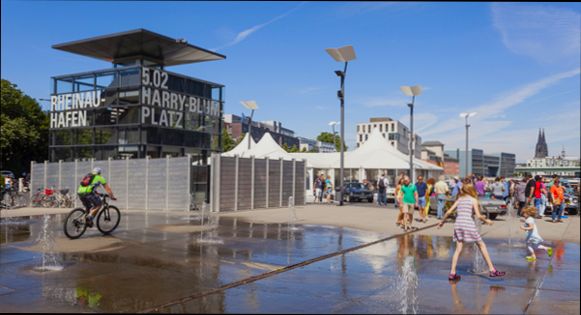
Living in Cologne exposes you to a rich tapestry of cultural diversity and vibrant social life. This city stands out not just for its historical significance but also for its melting pot of different cultures and traditions reflected in everyday interactions, food, festivals, and community activities.
The blend of cultures in Cologne creates a unique social atmosphere that encourages openness and engagement. Here are some key points about cultural diversity and social life in this lively city:
- International Community: Approximately 22.5% of Cologne’s residents come from foreign backgrounds, fostering a rich mix of cultures that enhances the local social fabric.
- Cultural Festivals: Cologne hosts over 80 cultural events each year, including the large-scale Carnival, where people from different backgrounds come together, celebrating with parades, music, and dance. This festival attracts more than 1 million visitors annually.
- Culinary Diversity: Gastronomy in Cologne reflects its multicultural population, featuring more than 50 international cuisines available in its restaurants. You can find everything from traditional German fare to Turkish kebabs and Vietnamese pho.
- Art and Music Scene: The city is home to numerous cultural institutions, with over 30 museums and art galleries hosting exhibitions that celebrate both local and international artists, showcasing a variety of artistic expressions from diverse backgrounds.
| Aspect | Cologne |
|---|---|
| Percentage of Foreign Residents | 22.5% |
| Annual Cultural Events | Over 80 |
| International Restaurants | 50+ |
| Museums and Galleries | 30+ |
One exciting example of cultural diversity in Cologne is the “International Festival of Street Art,” where performers from various countries showcase their talents, enriching the local art scene while celebrating global culture. This festival provides a platform for artists to engage with residents and visitors, making it a lively event for cultural exchange.
Another notable occasion is the “Cologne Pride,” which is one of the largest LGBTQ+ events in Germany, emphasizing inclusivity and acceptance with participants from diverse backgrounds celebrating together. This event attracts hundreds of thousands of attendees, reflecting the city’s commitment to social equality and diversity.
As you settle into life in Cologne, take advantage of the many cultural and social opportunities available:
- Engage with the local community by participating in language exchange meetups or cultural clubs.
- Attend the various cultural festivals to broaden your understanding of different traditions and lifestyles.
- Explore the culinary scene by trying out different ethnic restaurants, which serve as a window into the diverse cultures present in the city.
Understanding the cultural environment of Cologne not only enriches your social interactions but also broadens your perspective on global cultures and communities. Embrace this diversity to create meaningful connections and a vibrant social life.
Public Transportation Accessibility and Efficiency
Public transportation in Cologne (Köln) is not just a means to get around; it’s an integral part of daily life for many residents. With a well-organized system, this city prioritizes accessibility and efficiency, making it one of the better options in Germany for commuters and travelers alike.
Cologne’s public transport consists of buses, trams, and trains, all of which connect seamlessly, offering an efficient way to navigate the city. The KVB (Kölner Verkehrs-Betriebe) operates most of these services, which includes over 400 kilometers of track. Here are some key points about its accessibility and efficiency:
- Approximately 90% of Cologne’s residents live within 500 meters of a public transport stop, significantly enhancing accessibility.
- The average waiting time for public transportation is remarkably low, typically around 8-10 minutes during peak hours.
- Cologne’s public transport network serves over 1 million passengers daily, demonstrating high efficiency and reliability across its various modes of transport.
Comparative Efficiencies of Transport Modes
| Transport Mode | Average Speed (km/h) | Daily Ridership | Coverage Area (km²) |
|---|---|---|---|
| U-Bahn (Subway) | 30 | 500,000 | 74 |
| Trams | 18 | 250,000 | 200 |
| Buses | 15 | 300,000 | 250 |
The U-Bahn system in Cologne, for instance, is designed for speed and efficiency, averaging 30 km/h, which is especially beneficial for long-distance commuters. On the other hand, trams, while slightly slower, offer excellent connectivity within the city center, operating on a comprehensive network that covers 200 square kilometers.
Real-World Examples
One of the highlights of Cologne’s public transport efficiency is the integration of various transport modes. For instance, you can easily transfer from the U-Bahn to regional trains at Cologne Central Station (Köln Hbf), which is a hub for both local and intercity services. This interconnectivity allows for hassle-free travel to nearby cities like Bonn and Düsseldorf.
Additionally, the KVB runs several night bus services that provide transport even when the trams and subways are not operational. These services ensure that accessibility is maintained, reflecting the city’s commitment to comprehensive public transport solutions.
Practical Implications
- For newcomers, getting a monthly transport pass may be cost-effective, especially if you rely on public transport to commute to work or explore the city.
- Utilize the KVB app to plan your journeys; it provides real-time updates, helping you avoid unnecessary wait times.
- If you’re considering living on the outskirts, note that additional transfers may be necessary, but with the efficient running times, you can still expect a relatively smooth commute.
Cologne’s public transport system is designed with user efficiency in mind, making it easy for residents to navigate the city. With the integration of various transport modes, dynamic scheduling, and consistently high ridership rates, you can rely on an accessible and efficient public transport network to meet your daily needs.
Employability Trends in Cologne’s Job Market
Cologne’s job market is evolving rapidly, influenced by technological advancements and shifting work preferences. This section focuses on the current employability trends that can impact your job search or career planning in this vibrant city.
Key Trends Shaping Employability
- Remote Work Expansion: A significant 30% of the workforce in Cologne is currently engaged in remote roles, reflecting a broader trend towards flexible work arrangements. This shift allows for a broader talent pool and enhances work-life balance.
- Low Unemployment Rate: With unemployment rates around 6%, Cologne is performing well compared to other major German cities, indicating a steady demand for skilled workers.
- Increased Job Openings: The job market is experiencing a surge in openings, particularly in sectors like information technology, healthcare, and engineering. As companies adapt to new technologies, the demand for digitally skilled workers continues to grow.
- Regional Salary Comparisons: The average gross salary in Cologne is approximately €52,000, which is slightly below the national average of €54,000. Understanding these figures helps gauge the competitive landscape for job seekers.
| Factor | Cologne | National Average |
|---|---|---|
| Gross Average (€) | 52,000 | 54,000 |
| Net Average (€) | 32,000 | 34,000 |
Real-World Examples
Local companies such as SAP and Microsoft are leading the remote work trend by adopting flexible policies. These firms are not just focusing on local talent; they are also attracting skilled professionals regionally and internationally.
Additionally, the growth in the healthcare sector due to an aging population is encouraging initiatives to recruit talent in nursing and medical technology. This has contributed to job creation in both public and private health institutions.
Practical Implications
If you’re eyeing a move to Cologne, here’s what you should consider:
- Skill Development: To compete effectively, honing skills in high-demand areas such as IT and healthcare will increase your employability. Online courses and certifications can make your resume stand out.
- Language Skills: Being fluent in German is often advantageous, especially for roles in management and healthcare, where communication with clients and patients is essential. However, opportunities in English-only roles exist in global companies.
- Networking: Participate in local job fairs and professional networking events. Engaging with local communities can lead to job opportunities not listed online.
Actionable Insights
- Stay Updated: Keep an eye on emerging sectors like renewable energy and digital transformation in Cologne. These areas are likely to create new job opportunities in the coming years.
- Tailor Your Applications: Customize your CV to highlight relevant skills and experiences that align with the job descriptions in Cologne’s competitive market.
- Explore Freelancing: Given the rise of remote work, consider freelance opportunities which can provide flexibility and diverse projects to enhance your portfolio.
With these insights, you can navigate Cologne’s job market with greater confidence and strategy.
Historical Significance and Urban Charm
Cologne boasts a rich historical tapestry intertwined with a captivating urban charm. Living in this city means immersing yourself in a culture influenced by centuries of history and transformation. From its iconic architecture to its vibrant public spaces, there is so much to explore and appreciate.
Architectural Heritage
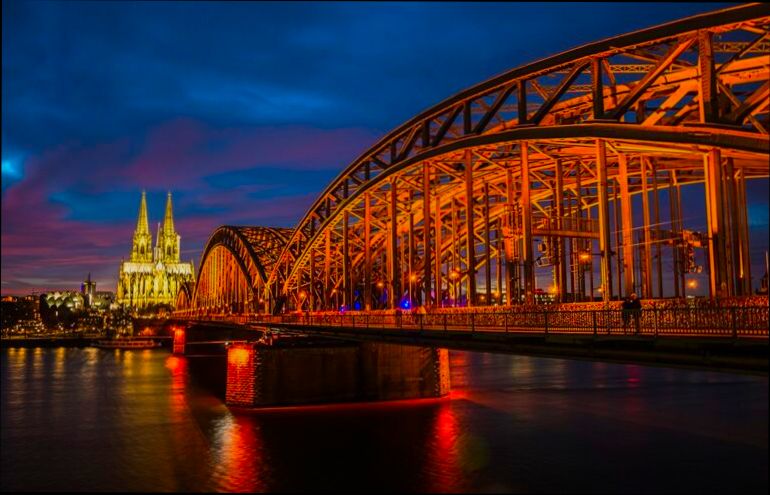
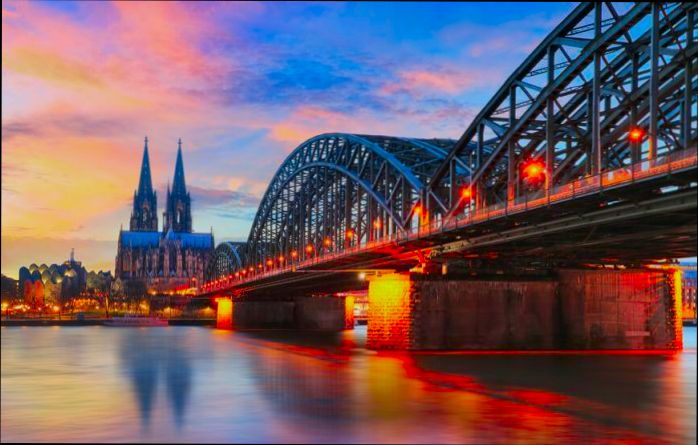
Cologne’s skyline is dominated by the breathtaking Cologne Cathedral (Kölner Dom), a UNESCO World Heritage Site, renowned for its stunning Gothic architecture. Completed in 1880, it stands as a testament to the city’s long-standing traditions and craftsmanship. Did you know that the cathedral took over 600 years to complete? This ambitious project reflects the historical aspirations and religious fervor of its time.
- Gothic Influence: See elements of Gothic style throughout the city.
- Historical Landmarks: Over 30 museums and numerous historical buildings showcase various eras from Roman to modern times.
Historical Events
Cologne is often characterized by its significant events that have shaped not only the city but also the broader European landscape. For example, the city played a vital role during the Roman Empire as an important trade and cultural center. Archaeological finds like the Roman Praetorium highlight this ancient prosperity, drawing history enthusiasts from around the globe.
- Roman Capital: Once known as Colonia Claudia Ara Agrippinensium, it was a major Roman settlement.
- World War II Resilience: Despite extensive damage, Cologne has rebuilt itself, maintaining its historical essence.
Urban Liveability
The city’s medieval charm is effortlessly blended with modern urban life. Quaint cobblestone streets, bustling markets, and hidden squares contribute to a delightful atmosphere that invites exploration. The “Old Town” (Altstadt) is a maze of narrow alleys and vibrant, colorful buildings that transport you back in time.
- Percentage of Historic Buildings: About 35% of the buildings in the city center date back more than 100 years.
- Cultural Events: Cologne hosts over 1,500 events annually, many of which celebrate its historical heritage.
| Feature | Detail |
|---|---|
| Cologne Cathedral Height | 157 meters |
| Total Number of Museums | Over 30 |
| Historic Building Percentage | 35% of city center |
| Architecture Styles | Roman, Gothic, Renaissance, Modern |
Real-World Examples
Consider the Cologne Carnival (Kölner Karneval), an annual festival that draws millions and showcases the city’s vibrant heritage. Participants celebrate with parades and masquerades, reflecting a blend of historical customs and contemporary festivities. This lively event illustrates how history can be celebrated in everyday life.
Another example is the Ludwig Museum, which features modern art while also preserving the history behind it. Here, you can engage with both the past and future of artistic expression, making it a perfect example of Cologne’s evolving cultural landscape.
Practical Implications
For those contemplating a move to Cologne, take time to explore its rich history first-hand. Engaging with historical sites can deepen your understanding and appreciation of the city’s culture. Additionally, frequent participation in local festivals can help you connect with the community while celebrating Cologne’s heritage.
- Explore: Plan visits to historical sites like the Roman-Germanic Museum for insights into the city’s ancient past.
- Engage: Participate in local events to experience firsthand the blend of history and urban charm.
Living in Cologne means embracing a lifestyle steeped in history while enjoying the conveniences of a modern city. Experience the balance of past and present that makes this city undeniably unique.
Quality of Education and Schools
Cologne is renowned for its robust education system, catering to a diverse population and providing quality learning opportunities for students of all ages. In this section, we’ll explore the educational landscape, including the types of schools available and their performance.
Diverse School Types
In Cologne, you will find a mix of public, private, and international schools. This diversity allows families to choose educational paths that best fit their children’s needs and their personal preferences.
- Public Schools: The majority of students attend public schools, which are funded by the government and follow the German education system.
- Private Schools: There are several private institutions that offer alternative curricula, often with smaller class sizes or specialized programs.
- International Schools: As home to a significant expatriate community, Cologne also hosts international schools that provide education in English and other languages, catering specifically to non-German-speaking families.
Performance Metrics
When considering the quality of education, performance and student outcomes are key indicators. Notably:
- Average Graduation Rate: Approximately 92% of students in Cologne complete their secondary education, which is above the national average.
- Student-Teacher Ratio: The average student-teacher ratio in public primary schools is around 16:1, promoting personalized attention and support for students.
- Educational Attainment: More than 50% of residents aged 25 to 64 have completed tertiary education, highlighting the emphasis on higher education in the area.
| School Type | Average Graduation Rate | Average Student-Teacher Ratio | Percentage of Higher Education Attainment |
|---|---|---|---|
| Public Schools | 92% | 16:1 | 50% |
| Private Schools | 95% | 12:1 | 55% |
| International Schools | 90% | 10:1 | 60% |
Real-World Examples
Cologne’s education system exemplifies quality in action. One standout is the International School of Cologne, which offers the International Baccalaureate (IB) program and has received high praise for its academic rigor and extracurricular activities. The school features an average graduation rate of 90% and a student-teacher ratio of 10:1, fostering an engaging learning environment.
Another example is the Stadtgarten Gymnasium, a public secondary school, known for its strong focus on arts and sciences. Their graduation rate reflects the city’s commitment to academic excellence, as 92% of its students successfully complete their education.
Practical Implications for Families
For families considering a move to Cologne, the variety of schooling options means you can tailor your child’s education based on their individual needs, interests, and language proficiency. With a significant investment in education from the local government, funding for schools has been consistently strong, ensuring that resources are available to support quality education.
- Research schools early: Investigate which school types are available and visit them to understand their environments.
- Consider language options: If you are from abroad, ensure that the chosen school offers language instruction that supports your family’s needs.
- Get involved: Engage with the school community, as parent involvement can significantly enhance your child’s educational experience.
Actionable Facts
- Aim for schools with lower student-teacher ratios for more personalized support.
- Take advantage of the international schools if you are not fluent in German, which can provide a smoother transition.
- Look for schools that emphasize not just academics but also extracurricular activities, which can greatly enhance your child’s development.
By understanding the educational landscape in Cologne, you can make informed decisions that will benefit your family’s learning journey.
Environmental Sustainability Initiatives in Cologne
Cologne has become a hub for environmental sustainability, showcasing a range of initiatives that aim to enhance the quality of life for its residents while promoting eco-friendly practices. From green building projects to urban gardening, these initiatives reflect a strong commitment to preserving the environment and fostering a sustainable urban ecosystem.
Key Initiatives in Environmental Sustainability
- Green City Plan: Cologne introduced a comprehensive Green City Plan that focuses on increasing green spaces throughout the city. The target is to boost urban greenery by 20% by 2035, improving air quality and biodiversity.
- Climate Protection Strategy: The city aims to reduce greenhouse gas emissions by 40% by 2030 compared to 1990 levels. This ambitious plan includes enhancement of energy efficiency in buildings and transition to renewable energy sources.
- Sustainable Transport Initiatives: Cologne is investing heavily in cycling infrastructure, with an increase of bike lanes by 50% intended to encourage cycling as a primary mode of transportation. As a result, cycling now accounts for over 13% of all trips within the city.
- Waste Management Programs: With an impressive recycling rate of 65%, Cologne has implemented programs that encourage residents to separate waste effectively. Initiatives like “Zero Waste” campaigns have been established to promote minimal waste lifestyles.
| Initiative | Target Goal | Current Status |
|---|---|---|
| Green City Plan | Increase green spaces by 20% | Ongoing with several parks revamped |
| Climate Protection Strategy | 40% reduction in emissions by 2030 | In progress with renewable energy projects |
| Cycling Infrastructure Growth | Expand bike lanes by 50% | Achieved 13% of trips by bike |
| Recycling Rate Enhancement | 70% recycling by 2025 | Current at 65% |
Real-World Examples of Sustainability Initiatives
One notable project is the “Köln Natur” initiative which encourages residents to participate in the maintenance and development of urban green spaces. Community gardens have sprung up in various neighborhoods, allowing residents to cultivate produce locally, significantly reducing food miles.
Another successful venture is the conversion of historical sites into energy-efficient buildings. The renovation of the historic Stadtgarten focuses on maintaining its cultural significance while integrating modern sustainable technologies, attracting visitors interested in both heritage and sustainability.
Practical Implications for Residents
Living in Cologne gives you access to numerous programs aimed at promoting sustainability. For instance, local workshops teach residents about composting and urban gardening, allowing you to actively participate in eco-friendly practices in your daily life.
Additionally, Cologne’s growing focus on green transport means that investing in a bicycle or public transit pass not only aligns with a sustainable lifestyle but can also save you money compared to car ownership.
Actionable Advice
To fully embrace the environmental initiatives in Cologne, consider:
- Participating in local community gardens or sustainability workshops to learn firsthand about urban farming and recycling practices.
- Utilizing cycling or public transportation whenever possible, and exploring routes that showcase the city’s commitment to green infrastructure.
- Staying informed about the city’s sustainability progress and engaging with local initiatives to contribute positively to the community.