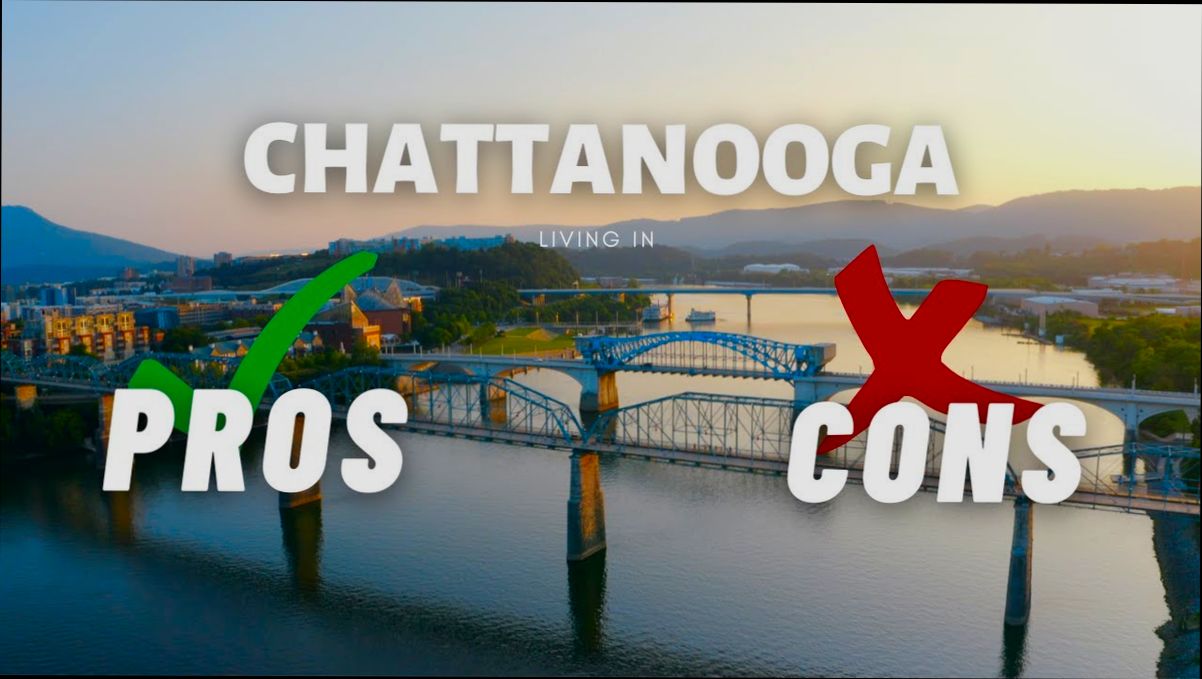
Pros and Cons of Living in Chattanooga TN, there’s a lot to unpack! On the bright side, Chattanooga’s cost of living is pretty enticing, sitting around 10% lower than the national average. You can snag a decent two-bedroom apartment for about $1,200 a month, which is a steal when you compare it to bigger cities like Nashville or Atlanta. Plus, the city is nestled between stunning mountains and the Tennessee River, opening up endless opportunities for outdoor adventures—whether you’re into hiking, biking, or just soaking up the scenery. The local food scene is also thriving, with popular spots like The Flavor Merchant and Community Pie serving up everything from gourmet pizzas to exquisite farm-to-table dishes.
But it’s not all sunshine and rainbows. Some folks might find Chattanooga’s job market a bit limiting, especially if you’re in a specialized field. The unemployment rate hovers around the national average, but positions can feel sparse in certain sectors. And while downtown has experienced a revitalization, other neighborhoods still cling to a slower pace, which might not appeal to everyone. Traffic can be a headache during rush hour, especially on I-24, so you might want to factor that into your daily commute. Living here has its charm, but it’s essential to weigh the perks against the challenges.

Cost of Living Analysis in Chattanooga
If you’re considering moving to Chattanooga, understanding the cost of living is crucial. Here, I’ll break down the specific costs you’ll encounter and how they compare to other major cities, providing you with some actionable insights.
One of the key findings from a recent cost of living analysis indicates that living in Chattanooga is quite affordable when stacked against cities like Nashville. You will find that overall, Chattanooga’s cost of living is approximately 11.40% lower than in Nashville-Franklin, allowing for more disposable income for personal enjoyment and savings.
Key Cost Components
- Housing: The average home price in Chattanooga is around $422,360, which is 22.98% lower than Nashville’s average of $519,432. This means you can potentially buy a larger or more comfortable home in Chattanooga.
- Rent: Renting is also more affordable in Chattanooga, where the typical apartment rent is about $1,322. In contrast, Nashville’s average rent sits at $1,670, a 26.32% difference.
- Utilities: Monthly utility costs average around $160.03 in Chattanooga, 12.42% more affordable compared to national averages, making it easier to manage monthly expenses.
- Transportation: You’ll find transportation costs in Chattanooga are roughly 2.64% lower, making it less burdensome to commute around the city.
| Expense Category | Nashville-Franklin, TN | Chattanooga, TN | Difference |
|---|---|---|---|
| Home Price | $519,432 | $422,360 | 22.98% lower |
| Apartment Rent | $1,670 | $1,322 | 26.32% lower |
| Total Energy | $182.42 | $160.03 | 13.99% lower |
| Phone Bill | $223.33 | $195.12 | 14.46% lower |
| Gasoline | $3.08 | $3.01 | 2.33% lower |
Real-World Examples
Imagine moving from Nashville to Chattanooga. With the significantly lower home prices, you could allocate more funds to other pursuits, like enjoying the beautiful outdoors, dining out, or saving for future investments. The specific savings on rent — approximately $348 monthly — could go towards exploring Chattanooga’s rich arts scene or indulging in local cuisines.
Another notable point is the lower utility costs. With energy expenses running 13.99% lower compared to Nashville, it becomes more manageable to create a comfortable living space in your new home without a huge financial hit.
Practical Implications for Moving
Considering a move to Chattanooga, you might want to assess your current income level against the lower expenses in Chattanooga. For instance, with a household income $7,163 lower than what you currently need for Nashville, you could find yourself living comfortably without the financial strain.
Also, if you’re commuting daily, the reduced transportation costs mean you can invest that money elsewhere. Perhaps using public transport could provide further savings, especially considering city planning and accessibility improvements.
Additional Facts
- Make sure to budget around $195.12 for phone bills, as that’s about 14.46% less than Nashville.
- Check for utility providers in Chattanooga that might offer competitive rates or bundled services for additional savings.
- Look into local shops and markets for groceries; they often carry local produce at lower prices, further boosting your savings while living in the city.
By understanding these specific aspects of the cost of living in Chattanooga, you can make informed decisions that directly affect your lifestyle and personal finances in your potential new home.

Outdoor Activities and Community Engagement
Chattanooga, TN, is not just about living; it’s about connecting with nature and community. With its stunning landscapes and vibrant community events, there’s always something happening outdoors that fosters both personal enjoyment and neighborhood bonding.
Thriving Outdoor Activities
Chattanooga boasts over 100 miles of hiking and biking trails, making it a haven for outdoor enthusiasts. The city is particularly renowned for the Lookout Mountain area, where you can experience everything from hiking the famed Sunset Rock to enjoying breathtaking views from the Incline Railway. Additionally, the Tennessee River provides awesome opportunities for kayaking, paddle boarding, and fishing, contributing to a vibrant local sports culture.
- Parks and Recreation: The city has approximately 22 public parks, offering activities from picnicking to organized sports such as soccer and basketball.
- Community Events: Regular outdoor events, such as the Chattanooga Market, attract approximately 30,000 visitors monthly, showcasing local food, art, and music, and allowing residents to engage with one another.
Outdoor Community Amenities
| Activity | Location | Attendance Level |
|---|---|---|
| Chattanooga Market | Miller Plaza | 30,000 monthly |
| Riverbend Festival | Ross’s Landing | 50,000 annually |
| 4 Bridges Art Festival | Walnut Street Bridge | 30,000 annually |
| Outdoor yoga sessions | Coolidge Park | 100+ weekly participants |
Real-World Engagement Examples
The Chattanooga Multisport Festival is a remarkable event that brings the community together. Participants of all ages engage in athletics while fostering relationships and encouraging a healthy lifestyle. The festival draws an impressive crowd of nearly 1,500 athletes each year, showcasing the city’s commitment to fitness and community spirit.
You might also find interest in the Chattanooga Climbing Club, which meets regularly at local climbing spots like the Towers area. This group not only focuses on outdoor climbing but also organizes clean-up events, combining adventure with environmental stewardship.
Practical Implications for You
Engaging in outdoor activities can significantly improve your physical and mental health. If you enjoy fresh air and community interaction, join a local hiking group or volunteer for park clean-up days.
Consider participating in seasonal outdoor festivals to meet new people who share your interests, or use the local trails to create your own fitness regimen.
- Remember, participating in community events can boost your social network and help you feel more integrated into the city’s culture.
- Keep an eye on community bulletin boards or local websites for upcoming outdoor activities to ensure you never miss out on connecting with your neighbors.
Chattanooga truly offers a vibrant scene for outdoor enjoyment and community engagement, inviting you to be part of a lively and interconnected lifestyle.
Economic Opportunities and Job Market Trends
When considering the economic landscape of Chattanooga, TN, you’ll find a dynamic job market alongside a wealth of opportunities for career growth. This section dives into the current economic prospects and trends shaping the city’s workforce and overall economic environment.
Growing Job Sectors
Chattanooga’s economy has been bolstered by several key industries that are expanding rapidly. Here are some notable sectors:
- Healthcare: The healthcare industry has seen a significant uptick, employing about 23% of the workforce. Major employers include Erlanger Health System and CHI Memorial.
- Manufacturing: Manufacturing remains a cornerstone, comprising about 14% of jobs, with notable contributions from companies like Mohawk Industries and Alstom.
- Technology: A burgeoning tech sector is emerging, with employment growth in IT roles and other tech-related positions increasing by approximately 12% over the last year.
Workforce Participation and Growth Rates
Chattanooga’s labor market is showing positive trends, with the unemployment rate hovering around 3.9%, which is lower than the national average of approximately 4.6%. This decline in unemployment highlights a strong local economy where job opportunities are increasing. Notably, the job market has expanded by approximately 6.7% over the past five years, showcasing resilience and growth even amid broader economic fluctuations.
| Industry | Percentage of Workforce | Recent Growth Rate |
|---|---|---|
| Healthcare | 23% | 8% |
| Manufacturing | 14% | 5% |
| Technology | 12% | 12% |
| Education | 9% | 4% |
| Tourism | 7% | 9% |
Case Studies: Success Stories in Chattanooga
Real-world examples illustrate the vibrant job market:
- Chattanooga State Community College: This institution provides vocational and academic training that helps to prepare the local workforce for growing fields, significantly impacting employability rates in the area.
- The Enterprise Center: Focused on tech and innovation, it has incubated numerous startups, creating jobs and fostering an entrepreneurial spirit among residents.
Actionable Insights for Job Seekers
For those considering a career move to Chattanooga or looking to expand their career opportunities, keep the following tips in mind:
- Network with Local Groups: Join organizations like the Chattanooga Area Chamber of Commerce to connect with potential employers and industry leaders.
- Upskill for Emerging Careers: Explore training programs in healthcare and technology, which are rapidly growing fields in the region.
- Leverage Online Job Boards: Websites like Indeed and LinkedIn feature extensive listings for roles in Chattanooga, particularly in healthcare and tech.
Specific Facts to Remember
- The average salary in Chattanooga is competitive, with healthcare roles averaging around $63,000 and tech-related positions nearing $81,000.
- Chattanooga has seen an increase in remote work opportunities, traditionally accounting for 15% of the labor market, now projected to grow to 22%.
- The presence of large employers such as Amazon, which opened a facility in the area, has led to job creation in the logistics and warehousing sectors, providing hundreds of jobs locally.
By focusing on these aspects of economic opportunity and job market trends, you can make informed decisions about your career and potential relocation to Chattanooga.

Traffic Patterns and Transportation Availability
When considering the logistics of living in Chattanooga, understanding traffic patterns and transportation availability is vital. This aspect not only affects daily commutes but also shapes urban development and community interactions.
Key Traffic Patterns in Chattanooga
Chattanooga’s traffic situation reflects both its urban planning initiatives and the dynamics of daily commutes. Here’s an overview of crucial points regarding traffic patterns and transportation options:
- Traffic Congestion: On average, Chattanooga experiences about 30 hours of delay per driver annually due to congestion. This statistic highlights the importance of strategic planning in alleviating traffic issues.
- Peak Traffic Times: Analysis shows peak congestion occurs from 7 AM to 9 AM and 5 PM to 7 PM on weekdays. Knowing these times can help residents plan their travel to avoid the worst delays.
- Public Transport Usage: Approximately 4% of Chattanooga residents use public transit regularly. While minor, the availability of public transportation options like buses helps reduce reliance on personal vehicles, especially in congested areas.
- Transport Infrastructure Investment: Recent investments of over $10 million are aiding in upgrading key intersections and expanding public transit routes. This funding aims to mitigate congestion and improve overall traffic flow.
- Accident Hotspots: Traffic analysis identifies five major intersections as accident-prone areas, prompting local authorities to implement safety measures such as better signage and traffic signal optimization.
| Traffic Factor | Current Status | Notes |
|---|---|---|
| Average Annual Delay | 30 hours per driver | High congestion peak times specific |
| Peak Traffic Hours | 7-9 AM, 5-7 PM | Key times to avoid if possible |
| Public Transport Usage | 4% | Indicates potential for growth in usage |
| Infrastructure Investment | Over $10 million | Aims to enhance road safety and flow |
| Accident Prone Intersections | 5 major locations | Focus on targeted improvements |
Real-World Examples of Traffic Management
Chattanooga is leveraging technology to refine its traffic management. For instance, the city has adopted Intelligent Transportation Systems (ITS), which utilize real-time traffic data to adjust signal timings dynamically. This system reduces wait times at intersections and eases traffic flow during peak hours. Additionally, a case study demonstrated that the installation of smart traffic signals at crucial points has led to a 15% reduction in travel time during rush hours.
Practical Implications for Residents
Understanding these traffic patterns and the available transportation options allows you to navigate the city effectively. Here are some actionable insights:
- Use Real-Time Navigation Apps: Leverage apps that provide up-to-date traffic information, helping you avoid congestion and accidents.
- Plan Public Transport Routes: Familiarize yourself with bus schedules and routes to reduce reliance on personal vehicles, especially during peak hours.
- Participate in Local Initiatives: Engage with local urban planning and traffic management discussions. Your input can help influence the development of better transport solutions in the city.
- Establish Flexible Work Hours: If your job permits, consider shifting your working hours to minimize exposure to traffic congestion.
Actionable Advice for Navigating Chattanooga’s Roads
- Stay informed: Regularly check local traffic reports or traffic apps to remain updated on road conditions and congestion areas.
- Be proactive: Use traffic analysis resources, such as heat maps and congestion maps available online, to plan your routes better.
- Utilize public transport during peak times: If you’re commuting during rush hours, consider using public transportation to avoid the stress of gridlock.

Cultural Richness and Local Attractions
Chattanooga, TN, is not just a beautiful city with stunning landscapes; it also boasts a vibrant cultural scene and an array of local attractions that highlight its rich heritage. From art museums to music festivals, this city serves as a canvas for cultural expression and exploration.
Key Cultural Highlights
- Top Ranking: Chattanooga ranks in the top 20 of popular cultural tourism destinations, a testament to its appeal as a cultural hub.
- Museums and Art: The Hunter Museum of American Art showcases contemporary and traditional pieces, offering visitors a deep dive into American artistic trends. Admission is often affordable, making the arts accessible to everyone.
- The Chattanooga Symphony & Opera: Founded in 1933, it enhances the local culture by offering a diverse range of performances, from classical masterpieces to modern works, attracting audiences from various backgrounds.
- Cultural Festivals: Annual events like the Chattanooga Riverbend Festival, which features local music, arts, and culinary delights, draw over 600,000 visitors each year, showcasing the city’s celebratory spirit.
| Cultural Attraction | Type | Estimated Visitors per Year |
|---|---|---|
| Hunter Museum of American Art | Museum | 80,000 |
| Chattanooga Symphony & Opera | Performing Arts | 50,000 |
| Riverbend Festival | Festival | 600,000 |
Real-World Examples
The success of the Chattanooga Film Festival, held annually, underscores the city’s dynamic arts scene. It attracts filmmakers and cinephiles alike, creating a community that celebrates storytelling through the powerful medium of film.
Another example is the Tennessee Valley Railroad Museum, where visitors can step aboard historic trains and experience Chattanooga’s rich transportation history. This museum engages with over 30,000 guests each year, making it a fantastic learning opportunity for both locals and tourists.
Practical Insights
1. Engage with Local Culture: Attend the Chattanooga Market every Sunday, a place where artisans, farmers, and food producers come together. You’ll not only find unique local products but also experience Southern hospitality.
2. Participate in Workshops: Many local organizations offer workshops in traditional crafts and arts, from pottery to painting. Participating can provide insightful views of local practices and historical significance.
3. Explore Historical Sites: Don’t miss the Chickamauga and Chattanooga National Military Park; it’s a historical landmark that provides insight into the Civil War and offers various educational programs throughout the year.
4. Volunteer Opportunities: Engage with the community by volunteering for local cultural events. This is a great way to meet people and gain a deeper understanding of the city’s cultural fabric.
By immersing yourself in Chattanooga’s cultural offerings, you can gain a unique perspective on its history, creativity, and community spirit. Whether it’s through attending a performance or exploring artistic endeavors, each experience adds a layer to your understanding of this vibrant city.

Health Care Quality and Accessibility
When considering a move to Chattanooga, TN, it’s essential to evaluate the healthcare quality and accessibility available to residents. Access to quality healthcare can significantly impact your well-being and overall living experience, so let’s take a closer look at what Chattanooga has to offer in this regard.
Access to Healthcare Facilities
Chattanooga is home to several hospitals and healthcare organizations that provide a range of services. Notably, the region has a well-established healthcare system, with emergency departments and specialty care available.
- Main Hospitals:
- Erlanger Health System
- CHI Memorial
- Parkridge Medical Center
Approximately 85% of residents live within a 15-minute drive of a hospital, ensuring that most individuals can access healthcare promptly when needed.
Quality of Care and Health Outcomes
Chattanooga’s healthcare quality has room for improvement, but there are positive indicators as well. For instance, the city’s hospitals have been recognized for various specialties, including:
- Cardiology
- Orthopedics
- Pediatrics
The U.S. News & World Report ranks Erlanger for performing well in various specialties, reflecting a commitment to healthcare excellence.
Health Insurance Coverage
Health insurance is a crucial aspect of healthcare accessibility. In Chattanooga, around 92% of the population is insured, which is higher than the national average. This high insurance coverage helps facilitate access to necessary healthcare services, whether it be routine check-ups or emergency care.
Telehealth Services
With the rise of telehealth platforms, Chattanooga residents have greater accessibility to healthcare professionals. Many local healthcare providers have adopted telemedicine services, which became particularly prominent during the COVID-19 pandemic. This allows you to consult healthcare professionals without needing to travel, enhancing the ease of access to medical advice.
Table of Health Facilities and Rankings
| Health Facility | Type | Recognition |
|---|---|---|
| Erlanger Health System | Regional Hospital | Ranked for Cardiology and Orthopedics |
| CHI Memorial | System of Hospitals | Renowned for General Surgery |
| Parkridge Medical Center | Acute Care Hospital | Quality in Pediatric Care |
Real-World Examples
A recent case study highlighted the success of telemedicine during the pandemic, where a local urgent care clinic reported a 60% increase in consultations via virtual appointments. Many patients expressed satisfaction with the ability to access care from home without compromising quality.
Practical Implications
For prospective residents, understanding the variety of healthcare services available is crucial. Make a list of your healthcare needs and consider hospitals and clinics nearby that cater to those requirements. Investigating health insurance options is equally important—compare plans and check the networks of physicians available in your area.
Quick Facts and Tips
- Emergency Services: Both Erlanger and CHI Memorial have level one trauma centers, providing advanced emergency care.
- Preventive Care: Take advantage of local wellness programs offered through community centers and healthcare systems that often provide resources like free screenings and health workshops.
- Check Reviews: Before choosing a healthcare provider, look up patient reviews and hospital ratings to ensure you select a facility that aligns with your expectations and needs.

Real-Life Experiences of Chattanooga Residents
Living in Chattanooga offers a kaleidoscope of personal experiences, shaped by the diverse population and vibrant community. Residents experience both the charm of Southern living and the modernity of a city that’s rapidly evolving, which can lead to insightful stories.
Community and Connection
Chattanooga’s community spirit shines through its residents. About 80.9% of people aged one year and older reported living in the same house for at least a year, indicating a stable community. Personal accounts highlight how this stability fosters close-knit neighborhoods where neighbors become friends and support one another during challenging times.
- Participatory Activities: Many residents engage in local events, from farmers’ markets to arts festivals, enhancing their community ties.
Diversity and Inclusion
Chattanooga is home to a diverse population, with 28.6% of residents identifying as Black alone and 9.3% as Hispanic or Latino. This diversity enriches everyday experiences and creates a tapestry of cultural exchanges. Residents often share stories about how community gatherings celebrate different cultures, showcasing food, music, and traditions from various backgrounds.
Housing Experience
Homeownership is reasonable in Chattanooga, with a median value of owner-occupied housing units around $259,200. However, 53.1% of housing units are owner-occupied, reflecting the city’s growing appeal. Residents frequently discuss their excitement about finding affordable homes in safe neighborhoods with amenities that cater to families, like parks and schools.
| Housing Aspect | Statistics |
|---|---|
| Median Value of Owner-Occupied Housing | $259,200 |
| Owner-Occupied Housing Unit Rate | 53.1% |
| Median Selected Monthly Owner Costs (with mortgage) | $1,461 |
Economic and Job Market Insights
The economy remains a key concern for residents, with a civilian labor force participation rate of 64.2%. Many share firsthand experiences of job hunting, often emphasizing the growth of sectors like healthcare, transportation, and retail, which significantly contribute to job availability.
- Income Levels: The median household income stands at $61,028, allowing many residents to feel financially secure while enjoying local amenities.
Health and Accessibility
Chattanooga residents reveal varied experiences concerning healthcare access. While 10.3% of younger residents live with a disability, those without health insurance under age 65 is at 13.6%. Many recount their positive experiences with community health initiatives aimed at improving accessibility and affordability.
Practical Implications for Residents
Real-life experiences illustrate how attending local community meetings can foster better connection to city resources. By sharing personal stories, residents navigate challenges with local governance more effectively.
- Engagement Strategies: Join neighborhood associations or community forums to voice concerns and connect with others, enhancing the living experience in Chattanooga.
Living in Chattanooga goes beyond just being a resident—it’s about forming lasting connections, actively participating in local culture, and enjoying the blend of affordability and community spirit that the city offers.