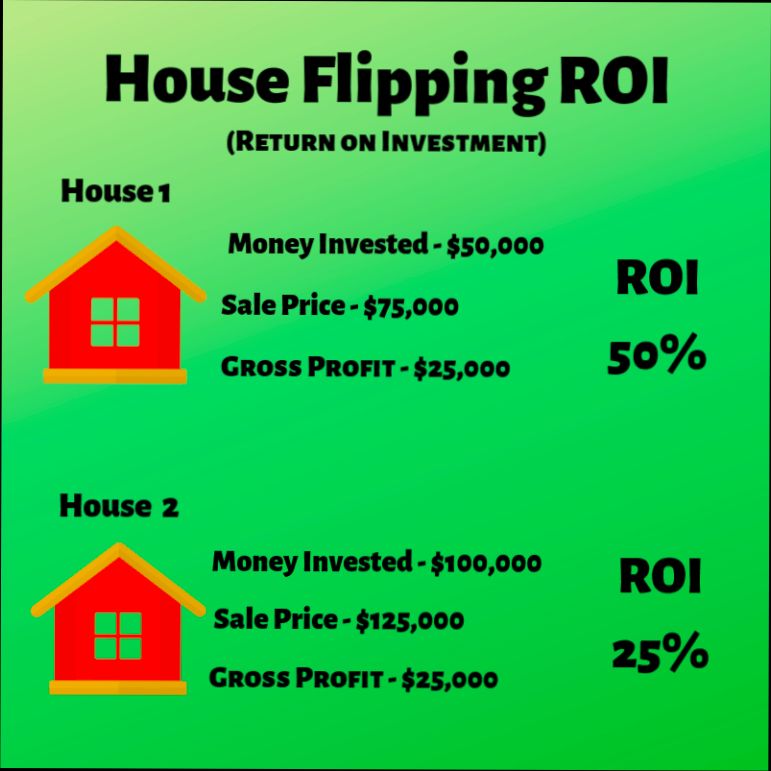
How to Profit from Flipping Houses is all about spotting opportunities, diving into renovations, and reaping the rewards. Picture this: you grab a distressed property for $200,000 in a hot neighborhood where the average sale price is $350,000. After putting in about $50,000 for some strategic updates—think fresh paint, new countertops, and maybe even a trendy backsplash—you list it for $320,000. If everything goes according to plan, you’re pocketing a tidy profit while breathing new life into a tired space.
But not every flip is a golden ticket. According to the latest data from ATTOM Data Solutions, the average gross profit on a flip in 2021 was around $67,000, which is enticing, but it comes with its own risks. Miscalculating your renovation costs or underestimating the market can quickly turn that dream into a nightmare. There are real-life stories of investors who lost big because they didn’t do their homework—like the couple who bought a fixer-upper in a booming market, only to find out later that their budget couldn’t cover the necessary plumbing upgrades. So, understanding the landscape is crucial if you want to be among the success stories.

Understanding Market Trends for Profit
Understanding market trends is crucial for anyone looking to profit from flipping houses. By recognizing patterns and shifts in real estate markets, you can make more informed decisions that lead to higher returns. Let’s dive into what you need to know.
Key Points to Consider
1. Sales Data Trends: According to the latest reports, homes that are flipped tend to generate a profit of approximately 40%. Understanding which areas have seen the highest sales growth can help you identify profitable opportunities.
2. Seasonal Trends: Studies show that the best time to sell a flipped house is typically during spring, where sales can spike by up to 20% compared to winter months. This data can guide your renovation timelines and marketing strategies.
3. Neighborhood Dynamics: Research indicates that neighborhoods with recent job growth experience a 30% increase in home values. Paying attention to economic shifts can provide insights into areas poised for growth.
4. Local Market Conditions: In 2022, data revealed that 45% of houses sold in a seller’s market moved within 30 days. Recognizing whether you are in a buyer’s or seller’s market can inform your pricing strategies.
5. Price Point Assessment: Awareness of the average price per square foot can significantly impact your flipping profits. Homes priced between $250,000 and $350,000 tend to sell 15% quicker than those above this price range.
Comparative Table of Market Metrics
| Metric | Strong Market | Weak Market | Average Market |
|---|---|---|---|
| Flip Profit Percentage | 40% | 25% | 30% |
| Average Days on Market | 30 days | 90 days | 60 days |
| Price Point Ideal Range | $250K-$350K | $150K-$200K | $200K-$300K |
| Seasonal Sales Increase | 20% (Spring) | 5% (Winter) | 10% (Fall) |
Real-World Examples
- Case Study: Denver Flips: In Denver, homes near tech companies saw a 35% increase in flips profitability since 2020, emphasizing the importance of local economic factors. If you’re considering a flip here, focus on properties within these avenues.
- Case Study: Seasonal Sales: A house flipped in the spring of 2023 in Austin fetched a price that was 15% higher than similar properties listed in the fall. Timing can be everything; leveraging seasonal market types can drastically change your margin.
Practical Implications for You
- Monitor Economic Indicators: Keep an eye on local job growth and infrastructural developments. Favorable economic conditions can directly correlate with increased property values.
- Network with Local Experts: Use local real estate agents and analysts to gain insights into upcoming trends. Their expertise can help you identify the right neighborhoods before prices explode.
- Adapt to Market Fluctuations: Be prepared to adjust your renovation styles based on current buyer preferences which can shift with market trends.
Specific Facts and Tips
- Technology Use: Leverage data analytics platforms to track housing market trends effectively. Many companies now provide predictive modeling that may offer insights on future market shifts.
- Long-Term View: Analyze 5-10 year trends rather than just short-term metrics. Understanding long-term shifts enables smarter investment decisions for consistent profitability.
By understanding market trends, you can make informed decisions that maximize your flipping profits, turning potential losses into lucrative gains.

Analyzing Case Studies of Successful Flips
When it comes to flipping houses, learning from successful case studies is a practical way to gauge what strategies work. By analyzing these real-world examples, you can carve out a blueprint that aligns with your investment goals. Let’s dive deeper into some key elements that contributed to these profitable flips.
Key Insights from Case Studies
1. Kitchen Renovations Yield High Returns: A well-executed kitchen remodel can return between 70-80% of the investment. For example, one successful flip involved a kitchen renovation that cost $55,000 and added $85,000 in value.
2. Timing the Market: Quick sales in strong markets often lead to higher profits. The Phoenix Quick Flip sold in just 45 days, netting a $45,000 profit due to strategic renovations and a favorable market.
3. Focus on High-ROI Improvements: In each case, investors emphasized changes with the highest return on investment. For instance, the Seattle Craftsman invested $160,000 but made alterations that resulted in a total property value of $775,000.
4. Stick to a Budget: Each successful flip involved conservative budgeting, usually incorporating a 20% contingency for unexpected costs. This strategy helps mitigate financial risk during the renovation phase.
5. Reliable Contractor Relationships: Building strong relationships with contractors can influence project efficiency and quality. Investors leveraged these connections to keep costs down and timelines tight.
Cost and Value of Key Improvements
| Improvement | Cost | Value Added |
|---|---|---|
| Kitchen renovation | $55,000 | $85,000 |
| Bathroom updates | $12,000 | $20,000 |
| New flooring | $8,000 | $15,000 |
| Paint (interior/exterior) | $6,000 | $10,000 |
| Landscaping | $5,000 | $10,000 |
Real-World Flip Examples
1. The Arlington Heights Revival ($87,000 Profit): This dated 1960s ranch home underwent a $53,000 renovation, focusing on essential updates like paint and landscaping. The final sale price surged by $87,000 from the original purchase price.
2. The Urban Bungalow Transformation ($70,000 Profit): Located in Austin, this project involved modernizing the kitchen and bathroom for a total renovation cost of $50,000. The property was flipped for $320,000, thanks to improved curb appeal and an optimized layout.
3. The Seattle Craftsman Transformation ($165,000 Profit): After investing in extensive renovations totaling $160,000, this investor sold the historic craftsman for $775,000. Key renovations included structural updates that were essential for maintaining the home’s integrity while maximizing visual appeal.
Practical Implications for Your Flips
- Emphasize Cosmetic Updates: Most successful flips focus primarily on aesthetic improvements rather than structural overhauls. This approach can contribute to faster sales and higher profit margins.
- Document Everything: Maintaining detailed records of all expenses and improvements can help you track your budget effectively, ensuring that you remain profitable throughout the process.
- Leverage Market Knowledge: Knowing your local market trends allows you to make informed decisions about what improvements will yield the best returns, ultimately making your investment strategy more effective.
- Consider Financing Options Wisely: With alternatives like hard money loans and cash purchases available, understanding your financial options can provide maximum negotiating power and flexibility for future flips.
By analyzing these case studies and their strategies, you’re not just gaining insight; you’re building a toolkit for your flipping ventures.
Budgeting for Renovations and Repairs
Budgeting for renovations and repairs isn’t just a necessary evil—it’s a crucial skill that can significantly affect your profitability when flipping houses. Understanding where your money is going can make or break your project. Let’s dive into the specifics of creating a budget that works for your renovation needs.
Key Considerations for Your Renovation Budget
1. Overall Expenditure Trends: In the United States, homeowner renovation expenditure reached approximately $418 billion in Q3 2022, showcasing a booming market that is predicted to grow to $445 billion by Q3 2023. This solid growth indicates that investing in renovations can yield significant returns when done wisely.
2. Types of Projects: According to recent statistics, over 25% of homeowners choose renovations to customize recently purchased homes. This preference highlights the importance of tailoring your projects to both market demands and personal preferences, which can lead to higher resale values.
3. Financing Your Renovations: A large majority of homeowners (nearly 97%) are financing their renovations through savings rather than loans. This statistic emphasizes the need to budget smartly. Saving might mean delaying your renovations initially, but it ensures you avoid unnecessary debt.
Comparative Renovation Budget Table
| Renovation Type | Average Cost (in USD) | Percentage of Total Renovation Budget |
|---|---|---|
| Kitchen Remodel | $25,000 | 20% |
| Bathroom Update | $10,000 | 10% |
| Roof Replacement | $10,000 | 10% |
| Landscaping Improvements | $5,000 | 5% |
| Energy Efficiency Upgrades | $15,000 | 15% |
Real-World Examples
Let’s consider homeowners who renovated their properties in 2023 primarily for value appreciation. For instance, homeowners investing $50,000 in a kitchen remodel saw an average increase in home value of about 80% of that investment. Similarly, those who put $30,000 into bathroom updates generally recouped about 70% of their costs upon sale. These examples underline the correlation between thoughtful renovation budgeting and return on investment.
Practical Implications for Your Budgeting
- Prioritize Projects: Start by identifying which renovations yield the best returns, like kitchens and bathrooms, and allocate a larger portion of your budget to these areas.
- Use Reliable Cost Estimates: Base your budget on realistic cost estimates. Connect with professionals or utilize online resources to get accurate quotes.
- Include Contingency Funds: Always set aside about 10-15% of your total budget for unexpected expenses. Renovations often unearth hidden issues that require financial flexibility.
Make sure to approach budgeting with a focused mindset. Understanding what aspects of your renovations carry the most weight in terms of cost and potential return will give you an edge in the competitive flipping market. Keep these strategies and insights in mind as you work through your renovation planning and execution.

Key Financial Metrics for House Flipping
Understanding the financial metrics involved in house flipping is vital for maximizing your profits. Whether you’re a seasoned pro or just starting out, knowing how to evaluate these metrics can guide your investment decisions and ultimately impact your bottom line.
Key Financial Metrics to Monitor
1. Return on Investment (ROI)
ROI is perhaps the most critical metric for any real estate investment, including house flipping. It measures the percentage return on an investment relative to its cost. A good ROI for house flips typically ranges between 15-20%.
2. Cash on Cash Return
This metric helps you assess the cash income earned on the cash invested in the property. A cash on cash return of 8-12% is often seen as acceptable within the flipping market.
3. Fixed vs. Variable Costs
Knowing your fixed costs (like property taxes, insurance, and utilities) versus variable costs (repairs and renovations) is essential. On average, fixed costs can account for about 30-40% of total expenses during a flip, so it’s crucial to manage these proactively.
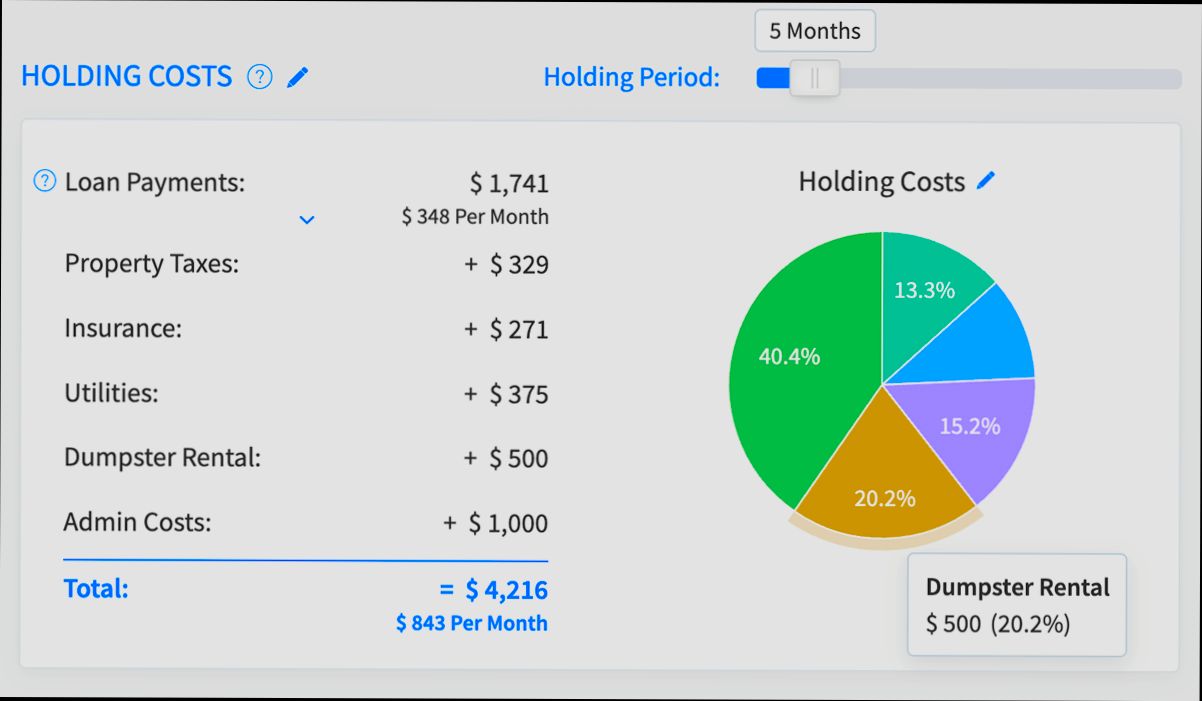
4. Holding Costs
Holding costs accumulate when you’re waiting to sell a property. These can include mortgage payments, property taxes, insurance, and utilities. A target holding period is usually 4-6 months, and holding costs can average around 1% of the purchase price per month.
5. After Repair Value (ARV)
ARV represents the estimated value of the property after renovations. Generally, successful house flippers aim for at least a 20% increase in ARV post-renovation when compared to the purchase price.
| Metric | Target Value | Typical Range |
|---|---|---|
| Return on Investment (ROI) | 15-20% | 10-25% |
| Cash on Cash Return | 8-12% | 5-15% |
| Fixed Costs Percentage | 30-40% of total costs | 25-50% |
| Holding Costs | 1% of purchase price | 0.5-1.5% per month |
| ARV Increase | 20% increase | 10-30% |
Real-World Examples
Let’s look at a couple of examples that highlight these metrics in action:
- Example 1: A flipper purchases a home for $200,000, spending $50,000 on renovations. If they sell the home for $300,000, their ROI would be calculated as follows:
ROI = [(300,000 - 200,000 - 50,000) / 250,000] * 100 = 20%
- Example 2: Another investor buys a property for $150,000 and incurs $40,000 in holding costs over 6 months. If they sell the property for $240,000, their cash on cash return would be:
Cash on Cash Return = [240,000 - (150,000 + 40,000)] / (150,000 + 40,000) * 100 = 16%
Practical Implications
When you start calculating these financial metrics, you provide yourself with a clearer picture of your potential profits and losses. Here are some actionable points to keep in mind:
- Calculate Your Metrics Upfront: Before making a purchase, crunch the numbers on ROI and ARV. This helps set realistic expectations.
- Monitor Holding Period: Keep track of your holding costs and aim to keep this period as short as possible to minimize expenses.
- Adjust Based on Market Conditions: If market conditions shift, re-evaluate your ARV and holding costs to ensure your metrics align with current trends.
Understanding and applying these financial metrics can make a significant difference in your house flipping endeavors, allowing you to make informed decisions and enhance your profitability.

Benefits of Location in Property Value
When flipping houses, the location of a property plays a critical role in determining its value and potential profitability. Understanding this concept not only helps you choose the right property but also ensures you maximize your investment returns. Let’s dive into the specific benefits of location in enhancing property value.
Key Points to Consider
1. Proximity to Amenities: Properties near schools, parks, shopping centers, and public transportation generally see a higher demand. In fact, homes located within a mile of good schools can fetch up to 30% higher prices than those farther away.
2. Neighborhood Trends: Emerging neighborhoods can see significant value appreciation. Research indicates that homes in revitalized areas may appreciate by 20% over three years compared to more stable neighborhoods.
3. Crime Rate Impact: Safety directly influences property value. Homes in lower-crime areas often have a price premium up to 25% when compared to similar homes in higher-crime locations, making safety a top priority for buyers.
4. Future Development Plans: Areas targeted for future development can see substantial growth. Properties located near announced infrastructure projects—like new highways or subway lines—often appreciate by 40% in anticipation of increased accessibility.
Comparative Property Value Table
| Location Type | Average Price Increase (%) | Notes |
|---|---|---|
| Proximity to Schools | 30% | Demand driven by families with children |
| Emerging Neighborhoods | 20% | Increased value due to urban renewal and investment |
| Low Crime Areas | 25% | Enhanced desirability from safety-conscious buyers |
| Future Development | 40% | Speculation boosts prices ahead of infrastructure projects |
Real-World Examples
For instance, a property bought for $300,000 in a neighborhood slated for new public transportation found its value skyrocketing to $420,000 within two years, translating to a remarkable 40% appreciation. Conversely, a similar-sized home located in a high-crime area struggled to attract buyers, remaining stagnant at $300,000, thus demonstrating the impact of local safety on property value.
Another case involved a suburban community where homes in proximity to reputable schools experienced a 30% boost in asking prices. Investors quickly realized that flipping homes in such locations led to faster sales and higher profits, as families were willing to pay a premium to secure their children’s education.
Practical Implications for Flippers
When you’re considering a property for flipping, keep these factors in mind:
- Assess nearby amenities and their appeal to buyers.
- Look into local crime statistics to ensure safety.
- Investigate planned development projects in the area that could drive future demand.
Understanding these aspects can significantly enhance your decision-making process and potentially lead to higher resale values. Always remember: a strategically chosen location can transform your flipping endeavor from a moderate gain into a substantial profit opportunity.

Navigating Legal Requirements and Regulations
When flipping houses, understanding the legal landscape is essential to ensure you maximize your profits while minimizing risks. From zoning laws to permits and inspections, each component of the legal framework can impact your flipping strategy significantly.
Key Legal Considerations
- Zoning Laws: Familiarize yourself with local zoning laws as they dictate what kind of renovations you can perform. For instance, converting a single-family home into a multi-family unit could infringe on zoning regulations.
- Building Permits: Always obtain the necessary building permits before beginning renovations. Failing to do so can result in fines or even a halt to your project. Approximately 30% of flippers encounter issues due to permit violations.
- Disclosure Requirements: Depending on your location, you may be required to disclose existing property issues to buyers, such as past flood damage or code violations. This can impact your selling price and buyer negotiations significantly.
- Property Taxes: Understand the implications of property taxes related to renovations. Modifications may increase your property’s assessed value, thereby raising your tax obligations and potentially affecting your profits.
- HOA Regulations: If your property is within a Homeowners Association (HOA) jurisdiction, ensure your renovations comply with their regulations, as violations can lead to fines or required reversions.
| Requirement Type | Description | Potential Impact |
|---|---|---|
| Zoning Laws | Regulations on property use and structure | Limits on project scope |
| Building Permits | Official permission for construction | Project delays and fines |
| Disclosure Requirements | Legal obligation to inform buyers | May affect sale price |
| Property Taxes | Taxes based on property value | Increased operational costs |
| HOA Regulations | Rules governing residential community | Restrictions on renovations |
Real-World Examples
Consider the case of John, who purchased a home in a historic district. He initially planned extensive renovations, but upon consulting local regulations, he discovered that any alterations needed permission from the historical society. Failing to navigate this requirement could have resulted in costly rework and fines.
Similarly, Sarah acquired a property that previously faced water damage. She neglected to disclose this issue during the sale, leading to a lawsuit from the buyer. This served as a critical lesson about the importance of transparency and compliance with disclosure laws in real estate.
Practical Implications
1. Research Local Laws: Make it a habit to research local and state regulations, as these can vary widely. Understanding these laws upfront helps you avoid unexpected fines.
2. Hire Professionals: Consider enlisting a real estate attorney who can help you navigate complex legal landscapes associated with property flipping.
3. Documentation: Keep meticulous records of all legal documents, permits, and correspondence related to your property. This ensures you’re prepared if any disputes arise later.
Remarkably, over 25% of flippers report losing potential profits due to legal missteps. Being proactive in navigating legal requirements not only safeguards your investments but also enhances your ability to flip houses successfully.