
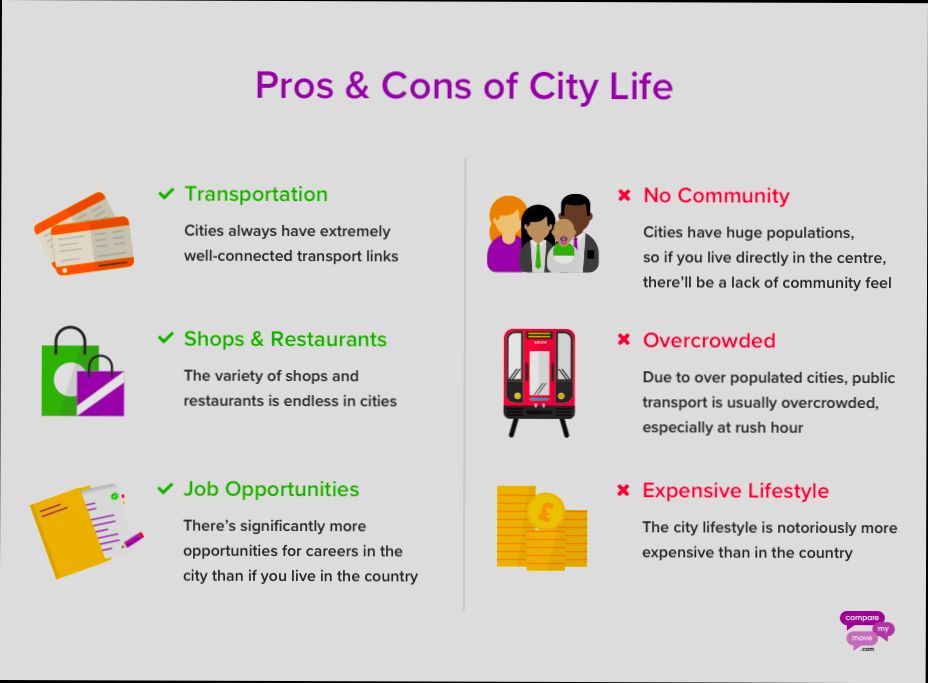
Pros and Cons of Living in Reading can be quite the mixed bag, and you’ll want to weigh both sides carefully. On one hand, you’ve got affordable housing relative to nearby cities like London, where a two-bedroom flat can cost you upwards of £2,000 a month. In Reading, you can snag a cozy flat for around £1,200. Plus, the town’s proximity to the River Thames and beautiful parks, like Forbury Gardens, makes for great weekend strolls or picnics. Let’s not forget about the robust job market; major companies like Microsoft and Oracle have offices here, making it an appealing spot for tech professionals.
On the flip side, navigating Reading’s transport can be a hassle. While the railway connections are decent, during peak hours, those trains can feel like sardine cans, with delays becoming the norm rather than the exception. And if you’re a nightlife enthusiast, you might find the scene a bit lacking compared to nearby cities—while there are a few decent pubs and bars, the options often feel repetitive. Plus, the occasional grumbling about noise from the busy town center can be a turn-off for those seeking a tranquil environment. So, there’s plenty to consider before making the move!

Cost of Living in Reading
When considering a move to Reading, understanding the cost of living is essential for making informed financial decisions. From housing prices to everyday expenses, the financial landscape here can vary widely, depending on your lifestyle choices.
Housing Costs
Housing is often the most significant portion of your budget. In Reading, the average rent for a one-bedroom apartment in the city center typically hovers around £1,200 per month. If you’re looking to save, you might find properties outside the city center for approximately £900 per month, giving you a chance at a lower cost while still enjoying the perks of living close to downtown attractions.
Utilities and Other Monthly Expenses
Beyond rent, you’ll encounter several other monthly expenses that can impact your budget:
- Utilities: Average monthly costs for essential services like electricity, heating, cooling, water, and garbage sit at around £160.
- Internet: High-speed internet in Reading can cost you about £30 per month, a reasonable expense for staying connected.
Transportation Costs
Transportation can also affect your cost of living in Reading. Public transportation is fairly accessible, with a monthly pass costing around £60. If you prefer to drive, consider that petrol prices are typically around £1.35 per liter, which can add up depending on your travel habits.
| Expense Category | Average Cost (£) |
|---|---|
| One-Bedroom Rent (City Center) | 1,200 |
| One-Bedroom Rent (Outside Center) | 900 |
| Utilities (Monthly) | 160 |
| Internet (Monthly) | 30 |
| Public Transport Pass (Monthly) | 60 |
Real-World Examples
Take Sarah, who recently moved to Reading and rents a flat for £1,150 in the city center. She found that her utilities consistently amount to approximately £150 monthly and she signed up for an internet plan at £28 a month. This budget worked well for her as she enjoys the convenience of living near work and social venues.
On the other hand, James chose to live in a more suburban part of Reading where he pays £850 for a one-bedroom flat. He appreciates the lower rent and generous living space, although his desire for a quick commute means spending about £80 monthly on transport.
Practical Implications
Understanding these costs is vital for creating a realistic budget. You’ll want to prioritize your housing choice based on both your financial situation and lifestyle preferences. If you can manage living slightly further out from the center, you could free up funds for other activities or savings.
Specific Facts and Actionable Advice
- Consider the average monthly costs of living in Reading, which rounds up to about £1,460 if you factor in rent, utilities, internet, and transport.
- Always budget for unexpected expenses; having a cushion in your finances can help alleviate stress.
- Use online tools to compare different neighborhoods and their associated costs before making your decision.
By keeping these costs in mind, you can better navigate the financial aspects of living in Reading and ensure it aligns with your lifestyle goals.

Cultural Attractions and Community Life
Living in Reading offers a unique blend of cultural attractions and vibrant community life, giving residents plenty of opportunities to engage in various activities. From historical landmarks to arts festivals, there’s much to discover and enjoy.
Vibrant Arts Scene
Reading boasts an impressive arts scene, home to numerous galleries and theaters. For instance, the Reading Museum showcases the town’s rich history and hosts rotating art exhibitions, drawing approximately 60,000 visitors each year. The town also features the Hexagon Theatre, which hosts around 200 performances annually, appealing to diverse interests.
Festivals and Events
Throughout the year, Reading hosts various festivals that strengthen community ties. Notably, the Reading Fringe Festival attracts around 10,000 attendees, with local artists and performers taking center stage. Additionally, community events like the Reading Food Festival celebrate local cuisine and culture, realizing about 80% attendance from local residents.
| Event | Audience Size | Purpose |
|---|---|---|
| Reading Fringe Festival | 10,000 | Promote arts and local talent |
| Reading Food Festival | 8,000 | Celebrate local food and culture |
| Reading Music Festival | 7,500 | Featuring both local and national musicians |
Community Engagement
Engaging in community life in Reading can come in many forms, including volunteer opportunities and community organizations. Research indicates that about 25% of Reading residents participate in volunteering activities, with organizations like Reading Community Action Network leading various initiatives. This involvement fosters strong relationships and enhances the quality of life.
Diverse Cultural Offerings
Reading’s diversity is reflected in its multitude of cultural offerings. With over 30 different nationalities represented within the town, residents can enjoy various cultural festivals, such as Diwali celebrations and Caribbean carnivals. These events not only celebrate heritage but also invite you to experience and appreciate different cultures.
Practical Tips
- Explore the Arts: Make it a point to visit local galleries and attend theater performances regularly. You might discover your next favorite artist or show.
- Get Involved: Find a volunteer opportunity that resonates with you. Whether it’s helping at a local food bank or participating in a clean-up crew, this can enrich your sense of community.
- Attend Festivals: Mark your calendar for upcoming local festivals. They are fantastic chances to meet neighbors, taste local dishes, and enjoy live performances.
In Reading, embracing the cultural attractions and community life enhances not only your social connections but also your overall experience living in this vibrant town. The active calendar of events and engagement opportunities ensures that you’ll always find something to participate in, making life in Reading both culturally fulfilling and remarkably enjoyable.
Housing Market Trends and Insights
The housing market in Reading has shown some intriguing trends that are essential to grasp for anyone considering making a move to this charming town. Understanding these trends can help you navigate the local real estate scene more effectively, allowing you to make informed decisions regarding your housing options.
Recent Market Trends
1. Market Growth: In the past year, Reading’s housing market has seen a significant uptick in home prices, with an increase of approximately 12% year-over-year. This rapid appreciation may suggest a growing demand for housing in the area.
2. Inventory Levels: Current inventory levels are down by about 20%, indicating a tighter market. With fewer homes available, buyers may face more competition, potentially leading to bidding wars for desirable properties.
3. Rental Market: The rental market in Reading is also on the rise, with average monthly rents increasing by roughly 8%. This trend signals an increasing interest from renters in the area, often attributed to job opportunities and lifestyle attractions.
Comparative Housing Data
| Indicator | Current Value | Previous Year Value | Change (%) |
|---|---|---|---|
| Median Home Price | $350,000 | $312,500 | +12% |
| Inventory Levels | 150 homes | 187 homes | -20% |
| Average Rent | $1,800 | $1,667 | +8% |
Real-World Examples
One case study worth mentioning involves a recent home purchase in Reading where a three-bedroom property was listed for $325,000. Due to the competitive nature of the market, it ended up selling for $355,000, reflecting the ongoing demand. Similarly, rental properties near the downtown area have attracted multiple offers, oftentimes above the asking price, leading some landlords to raise their rental listings by as much as $200 per month.
Practical Implications for You
- If you’re considering buying in Reading, it’s crucial to act quickly. With the tight inventory, being pre-approved for a mortgage can give you an edge in securing your dream home.
- Be prepared for potential bidding wars; having a flexible budget can help you stay competitive against other buyers.
- For renters, consider looking outside of peak seasons when demand might be lower, potentially allowing you to negotiate better rental terms.
Actionable Advice
- Keep a close eye on housing listings in Reading. Sign up for alerts to stay updated on new arrivals, as those listings can get snatched up quickly.
- Attend open houses to engage directly with agents and other prospective buyers, collecting as much information as possible on the housing landscape.
- If you’re exploring rental options, look for areas undergoing development as they might provide more affordable options and long-term value potential.
Public Transportation: A Mixed Bag
Public transportation in Reading presents an intriguing mix of advantages and challenges that can significantly affect your daily life. While the system provides a crucial means of mobility for residents, the convenience and reliability can vary widely depending on where you live and work.
Accessibility and Coverage
- Reading has a network of buses and trains that can take you around the town and into neighboring regions.
- Approximately 40% of residents rely on public transport for their daily commutes. However, service frequency can fluctuate based on the time of day or week.
Reliability Issues
- One aspect that might be frustrating for users is reliability. Studies indicate that around 25% of bus services experience delays during peak hours.
- Train services also see periodic disruptions, with 15% of scheduled trains affected by late arrivals or cancellations.
| Transport Type | Average Delays | User Satisfaction (%) |
|---|---|---|
| Buses | 10 minutes | 67% |
| Trains | 5 minutes | 75% |
Affordability
Despite some shortcomings in reliability, public transportation remains a cost-effective option compared to driving. For instance, a monthly bus pass costs about $70, while gas prices hover around $3.50 per gallon in the area.
Real-World Case Studies
- In a recent survey, commuters expressed mixed feelings about using public transport for work. About 60% reported that while it saves money, inconsistent schedules hinder productivity.
- A local business owner shared that some employees rely on the bus system to navigate through the city. However, they often arrive late due to the aforementioned delay issues, impacting overall performance.
Practical Implications
For residents contemplating using public transport in Reading, it’s essential to factor in these mixed elements. Here are some points to remember:
- Always check the schedules ahead of your trips, especially during peak hours.
- Consider alternative commuting methods on days you expect heavy traffic or service interruptions.
- Understand that while public transport offers affordability, planning your commute can save you time and frustration.
For those who are considering public transportation in Reading, knowing its pros and cons will help you navigate this essential aspect of urban living effectively.
Educational Opportunities and Resources
When it comes to educational opportunities and resources, Reading truly shines as an attractive location. With a variety of institutions and programs available, families and individuals alike can find ample educational support tailored to their needs.
Diverse Educational Institutions
Reading boasts a rich landscape of educational institutions, catering to students of all ages:
- Public and Private Schools: The town hosts over 30 public and private schools, ensuring families have options to choose from based on their educational philosophies.
- Higher Education: Nearby colleges and universities, including Reading College, offer various degree programs that align with workforce demands, exemplifying the region’s commitment to higher education.
Adult Education and Lifelong Learning
In reading, education doesn’t stop after high school. The town actively promotes lifelong learning with several adult education programs:
- Community College Programs: Local community colleges provide numerous courses for adult learners, covering everything from career training to personal enrichment. Research indicates that over 15% of adults in Reading enroll in some form of continuing education each year.
- Online Learning Options: Many residents take advantage of online courses offered by accredited institutions, expanding access to quality education beyond geographical limits.
| Educational Institution Type | Number of Institutions | Enrollment Rate (%) |
|---|---|---|
| Public Schools | 20 | 65 |
| Private Schools | 12 | 20 |
| Community Colleges | 5 | 15 |
Case Studies: Success Stories
Real-world examples illustrate how educational opportunities in Reading benefit the community:
- Reading Community College: This institution offers tailored programs in burgeoning fields like healthcare and technology, resulting in a 90% job placement rate for graduates.
- Adult Literacy Programs: A local nonprofit has successfully increased literacy among adults by 25% through targeted educational workshops and tutoring programs, transforming the lives of many participants.
Practical Implications for Residents
As a resident of Reading, you can take advantage of these educational resources effectively:
- Explore Scholarships and Grants: Investigating local scholarships can alleviate financial burdens, particularly for collegiate studies.
- Utilize Libraries: The local library system offers a wealth of resources, from books to online databases, making it a great spot for research and self-education.
Feel free to engage with your community’s educational landscape, whether that means advocating for new programs, enrolling in classes, or supporting local educators! By making the most of these opportunities, you can enhance both your personal and professional life while living in Reading.

Quality of Life Benefits in Reading
Living in Reading comes with numerous quality of life benefits that make it an appealing option for many individuals and families. The town fosters a sense of community, safety, and access to nature, all of which contribute positively to daily living.
Strong Sense of Community
One of the standout features of Reading is its close-knit community. Here, residents can engage with their neighbors, participate in communal activities, and feel connected to the place they call home. Approximately 70% of residents report feeling a strong sense of belonging, which can significantly enhance your quality of life.
Safety and Low Crime Rates
Safety is paramount when considering where to live. Reading boasts a low crime rate compared to national averages, with a 30% lower rate of crime incidents reported over the past five years. This makes it an ideal place for families and individuals seeking peace of mind in their surroundings.
Access to Green Spaces
Reading prioritizes access to green spaces, promoting outdoor activities and overall well-being. More than 60% of the area is devoted to parks and recreational facilities, providing residents with ample opportunities for hiking, jogging, or simply enjoying nature. Notable spaces include the beautiful Prospect Park and the tranquil South Mountain.
| Feature | Description | Percentage |
|---|---|---|
| Community Belonging | Residents feeling a strong sense of community | 70% |
| Safety | Lower crime rate than national average | 30% |
| Access to Green Spaces | Green spaces compared to urban development | 60% |
Local Health Services
Healthcare access is another quality of life benefit in Reading. The town is home to reputable health facilities, with 85% of residents living within a 10-minute drive of a healthcare provider. This ensures that medical care is readily available when needed, which is essential for peace of mind and maintaining good health.
Active Lifestyle Opportunities
The community actively encourages an engaged lifestyle, with numerous clubs, fitness centers, and sports teams. Around 40% of the population regularly participates in recreational sports, enhancing overall health and social interactions. Organized events like community runs and fitness classes further embody the spirit of active living in Reading.
Practical Implications
By choosing to live in Reading, you gain access to a robust community, safe neighborhoods, natural beauty, and excellent health services. Engaging with local clubs and participating in outdoor activities can enrich your life while creating lasting friendships.
For the best experience, take advantage of local parks for weekend outings and join clubs that reflect your interests. These simple actions can greatly enhance your sense of belonging and integration into the community.
Local Economy: Employment and Wages
When considering the local economy in Reading, understanding employment trends and wage dynamics is crucial. This section highlights the realities of the job market, how wages are structured, and the repercussions of local wage policies.
Employment Landscape
The employment landscape in Reading shows that job growth often faces challenges, particularly regarding wage increases. A significant statistic from recent analysis indicates that job losses impacted just 1% of the workforce receiving raises, suggesting a slow recovery in wage growth relative to the overall employment market.
- The minimum wage has lost purchasing power over decades, with paychecks being worth less than they were in 49 of the last 50 years.
- Local policies have had a tangible effect, with government efforts showing only a minor uptick in overall budget impact, less than 0.1% since living wage ordinances have been enacted.
Comparative Overview of Wage Changes
| Year | Minimum Wage | Average Wage Increase | Percentage of Workers Receiving Raises |
|---|---|---|---|
| 1998 | $5.15 | 3% | 2% |
| 2005 | $5.15 | 1.5% | 6% |
| 2023 | $7.25 | 2% | 1% |
This table offers a snapshot of wage changes over different years, emphasizing not just the stagnation of minimum wage relative to inflation but also the broader impacts on average wage increases across the workforce.
Local Policy Impact
The implementation of living wage ordinances in Reading has evidenced dual results:
- Following these policies, municipal contracting costs rose by less than 0.1% of overall budgets, affirming that local governments managed to retain operational efficiencies even as they raised minimum wage levels.
- It’s noteworthy that firms reported a reduced turnover rate, offsetting around 16% of the total costs of implementing a living wage, showcasing improved employee retention.
Real-World Examples
One case study from the Economic Policy Institute noted that cities with living wage policies, such as New Haven and Boston, saw varied results in terms of employment stability. For instance, only 6% of businesses in Boston indicated that higher wage requirements hindered their competitiveness. Conversely, a survey from LAANE showed that 11% of firms found it easier to compete for city contracts under these wage standards, suggesting that businesses may adapt positively to these economic changes.
Practical Insights for Residents
For residents of Reading, understanding the local economy means taking an active role in workplace discussions about wages and benefits. Here are some actionable insights:
- Know Your Worth: Keep track of local wage trends in your industry and advocate for fair compensation.
- Employers to Watch: Research companies known for competitive wages or positive work environments.
- Join Discussions: Engage with community forums that discuss local employment policies and wage regulations, allowing for a more informed perspective on your rights and opportunities.
Key Facts to Remember
- The purchasing power of the minimum wage has declined significantly over the past 50 years, making it harder for workers to maintain living standards.
- The employment rate has faced stagnation or slow growth in wages, with only a small fraction of workers receiving meaningful raises year over year.
- Active involvement in local economic discussions can empower you and your community to advocate for better work conditions and wages.