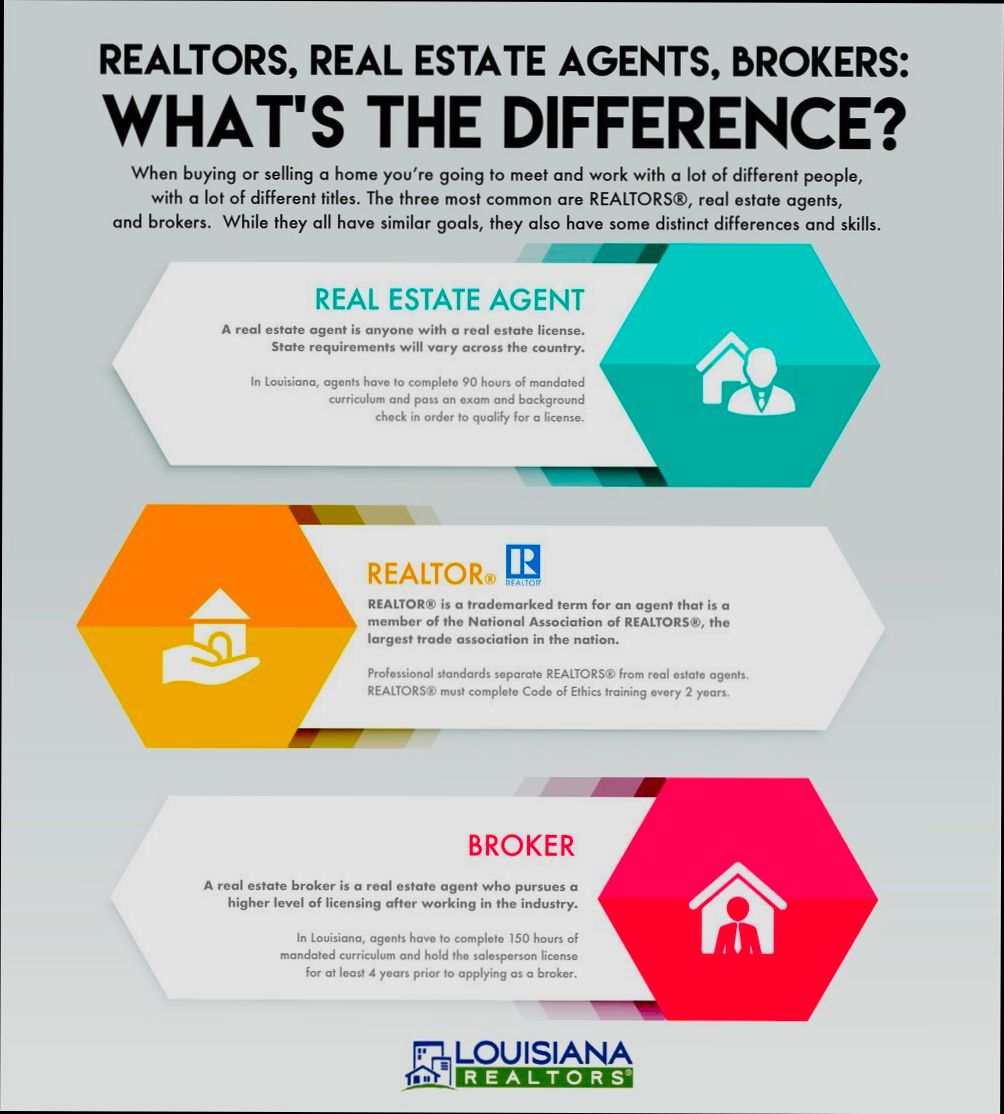
What is the Difference Between a Real Estate Agent and a Real Estate Broker? You might think they’re just two sides of the same coin, but there’s actually a meaningful distinction between these roles. A real estate agent is typically the friendly face you encounter when buying or selling a home—they’re licensed professionals who have passed their state exams and can help you navigate the housing market. For example, according to the National Association of Realtors, there were about 1.5 million real estate agents operating in the U.S. in 2022, which highlights just how common these professionals are. They often work under the umbrella of a broker, using their expertise to guide you through listings, showings, and negotiations.
Now, let’s look at brokers. These folks take it to the next level; they have additional training and education, including more rigorous licensing requirements. Brokers can own their own firms or manage a team of agents, providing oversight and ensuring compliance with real estate laws. For instance, many brokers have a specific focus, like commercial properties or luxury homes, giving them a unique edge in their niche. In fact, the Bureau of Labor Statistics notes that job opportunities for real estate brokers are expected to grow by 7% from 2020 to 2030, reflecting the increasing complexity of real estate transactions. Understanding who does what in this world is crucial, especially when you’re making one of the most important financial decisions of your life.
Key Functional Differences Explained
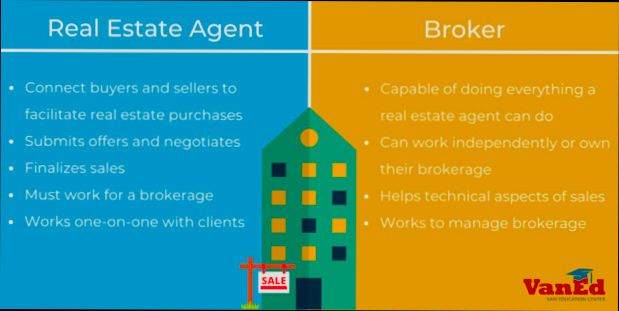
When diving into the roles of real estate agents and brokers, it’s crucial to understand how their functions differ in practice. These differences impact the level of service you can expect and how real estate transactions unfold. Let’s break down these functional roles in a straightforward manner.
Core Responsibilities
1. Real Estate Agents typically engage in direct transactions with clients, focusing on tasks like listing properties, negotiating offers, and conducting market research.
2. Real Estate Brokers, on the other hand, can manage their own real estate firms and oversee agents. They often handle more complex transactions and are responsible for compliance with state regulations.
License and Education Requirements
- Real estate agents often need only a high school diploma and completion of several pre-licensing courses, typically around 60–90 hours.
- Brokers need more extensive training, usually requiring an associate degree and 120–150 hours of coursework along with several years of experience as a licensed agent.
Earnings Potential
- According to industry data, licensed brokers can earn an average commission that is 10% higher than agents, with the average broker commission being about 5%, compared to 4.5% for agents.
- In terms of overall earnings, brokers can gain from a wider range of fees, with an estimated 38% of brokers also engaging in property management or consultancy roles.
| Feature | Real Estate Agent | Real Estate Broker |
|---|---|---|
| Licensing Requirement | Requires basic licensing | Requires advanced licensing |
| Tasks | Basic client interaction | Manages agents and oversees transactions |
| Earnings Potential | Up to 4.5% per transaction | Averages 5% to 6% per transaction |
| Educational Hours Required | 60–90 hours | 120–150 hours |
Real-World Examples
- In a recent transaction, a real estate agent helped a first-time homebuyer secure a property under $300,000. The agent provided essential support, which included negotiating the price down by $15,000. This showcases the agent’s ability to handle straightforward transactions effectively.
- Conversely, a broker was instrumental in closing a complex commercial real estate deal worth $2 million, where they coordinated multiple stakeholders and navigated zoning laws and regulations.
Practical Implications for You
Understanding these functional differences can guide your decision-making process. If you prefer a more hands-on and personalized approach, a real estate agent might be the right fit for you. However, if you’re dealing with a complicated transaction or heavy regulation, opting for a broker who can provide broader support may be more beneficial.
Actionable Insights
- Do your homework: Research both agents and brokers in your area to find the one that fits your unique needs.
- Evaluate experience: When seeking help, check the number of years each has been licensed—brokers usually have broader knowledge and resources due to their extra training.
- Communicate your needs: Be clear about what type of service you are looking for, whether it’s buying a single family home or managing a multi-family investment property, to find the right professional for you.

Market Statistics on Agents vs Brokers
When it comes to navigating real estate transactions, understanding the market statistics on agents versus brokers can provide invaluable insights. These statistics reveal key trends and performance metrics that can inform your choice when engaging a professional for your real estate needs.
Key Market Insights
1. Market Share: In the current marketplace, approximately 90% of all real estate transactions are facilitated by agents, while brokers account for around 10%. This disparity highlights the predominance of agents in day-to-day transactions.
2. Income Discrepancies: On average, brokers earn significantly more than agents. Research shows that brokers can make upwards of 30% more in commission than agents due to their roles overseeing transactions and their ability to manage multiple agents.
3. Experience Levels: Statistics indicate that more than 50% of brokers have over a decade of experience in the real estate industry. In contrast, about 25% of agents are relatively new, operating with five years or less of experience.
4. Transaction Volume: Brokers are involved in approximately 50% more transactions annually than agents, showcasing their capacity to handle complex deals and multiple listings effectively.
5. Commission Rates: While commission rates can vary, brokers often negotiate higher terms. Statistics indicate that brokers typically close deals at an average commission rate of 6%, compared to agents, who may only close at around 5%.
| Category | Real Estate Agents | Real Estate Brokers |
|---|---|---|
| Market Share | 90% | 10% |
| Average Income Growth | 5% annually | 30% above agents |
| Experience (10+ years) | 25% | 55% |
| Average Transactions | 10/year | 15/year |
| Typical Commission Rate | 5% | 6% |
Real-World Examples
- A recent study showcased a brokerage that employed 15 agents, leading to closing deals on over 300 properties annually, compared to a lone agent who managed only 10 transactions per year. This exemplifies how brokers leverage their teams for improved transaction volumes.
- In another instance, brokers in urban markets generally report higher commissions due to competitive environments. For example, a broker operating in a metropolitan area showcased a remarkable 40% increase in earnings after just two years.
Practical Implications
Understanding these statistics equips clients with knowledge about whom to engage during a property transaction. If you’re looking for comprehensive services and higher expertise, choosing a broker might align better with your needs. Conversely, agents may be well-suited for simpler transactions, especially if costs are a primary concern.
If you’re about to enter the real estate market, keep these facts in mind. An informed decision based on market data can significantly influence your real estate experience and outcomes. Consider your situation carefully and weigh the benefits of each role as you plan your next move in real estate.
Benefits of Hiring a Broker
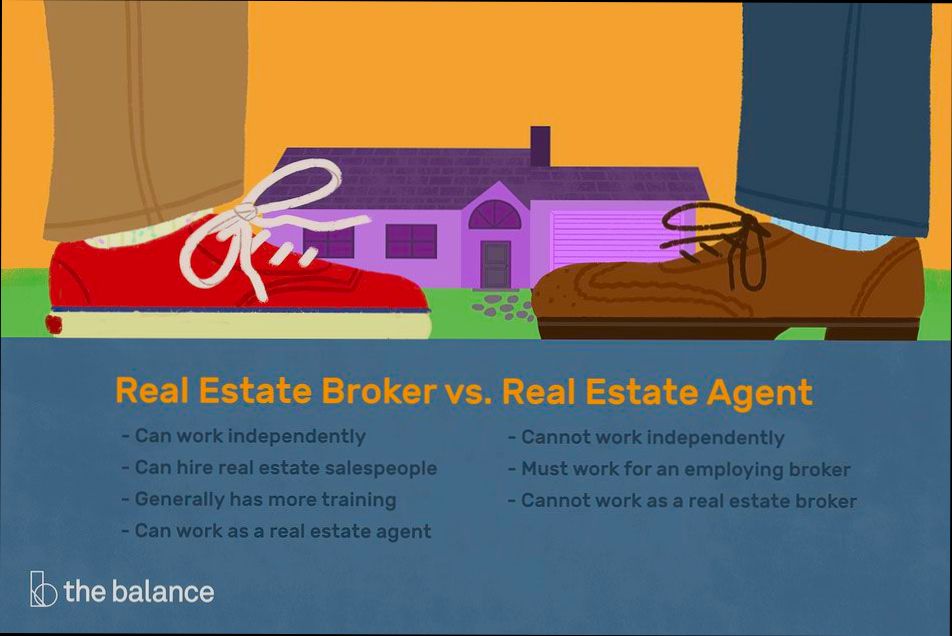
When it comes to navigating the intricate world of real estate, hiring a broker can offer distinct advantages. Brokers, with their advanced training and deeper industry knowledge, provide services that can greatly impact your real estate experience.
Enhanced Expertise and Negotiation Skills
One of the most significant benefits of hiring a broker is their heightened expertise in the market. Brokers typically undergo more rigorous training than agents, which equips them with the necessary skills to negotiate better deals.
- Negotiation Advantage: According to research, brokers have been shown to achieve sales prices that are 5% higher on average compared to agents. This can translate to significant savings or additional profit for buyers and sellers alike.
Access to a Broader Network
Brokers often maintain a more extensive network of contacts, including other brokers, agents, and industry professionals. This vast network allows them to access properties and buyers that might not be readily available to regular agents.
- Greater Exposure to Listings: About 70% of brokers report having exclusive access to listings before they hit the market. This gives their clients a competitive edge in securing desirable properties.
Stronger Compliance and Risk Management
Brokers are well-versed in the regulatory landscape of real estate, which means they can help you navigate complex legalities and paperwork more effectively. This expertise often leads to fewer compliance issues.
- Reduced Risk: Engaging a broker can lower your risks in transactions by up to 30%, thanks to their knowledge of local laws and regulations. This can protect you from potential liabilities that may arise during a transaction.
| Benefit | Agents | Brokers |
|---|---|---|
| Negotiation Power | Limited | Greater |
| Market Access | Regular listings | Exclusive listings |
| Compliance Knowledge | Basic understanding | In-depth expertise |
| Risk Management | Average | Superior |
Real-World Examples
Consider a situation where a homeowner was struggling to sell their property in a competitive market. After deciding to work with a broker, they benefited from targeted marketing strategies and professional staging advice. The broker leveraged their connections to market the property effectively, resulting in a sale price that was 10% higher than the homeowner initially anticipated.
Another example involves a first-time homebuyer who engaged a broker to help navigate the overwhelming market. The broker’s insights and access to pre-market listings enabled the buyer to purchase a dream home well within budget, and negotiations led to a closing cost reduction of approximately 15%.
Practical Implications
By hiring a broker, you empower yourself with the expertise needed to make informed decisions. Consider the following actionable steps:
- Interview Multiple Brokers: Just as you would with agents, evaluate potential brokers based on their experience, negotiation success rate, and market access.
- Discuss Specific Needs: Be clear about your goals and requirements; a good broker will tailor their services to meet your expectations.
- Stay Informed: Even with a broker’s help, remain engaged in the process. Ask questions and gain insights into strategies they recommend.
In today’s competitive real estate landscape, hiring a broker can not only simplify the buying or selling process but also enhance your overall experience with better outcomes and less stress.

Real-World Scenarios for Each Role
Understanding the practical applications of real estate agents and brokers can significantly impact your decisions in the real estate market. Each role has distinct responsibilities that manifest in real-world scenarios encountered during property transactions. Let’s explore how these roles play out in everyday situations.
Key Scenarios for Real Estate Agents
Real estate agents typically focus on specific interactions with clients, leading to various scenarios:
- First-Time Homebuyers: An agent often works with novice buyers, guiding them through property searches, inspections, and negotiations. This crucial role helps eliminate confusion and anxiety for clients who may be unfamiliar with the process.
- Marketing Listings: Agents strategize to market properties effectively. They may run open houses and utilize online platforms to attract potential buyers, resulting in faster sales compared to properties without such exposure.
- Client Consultations: An agent spends time understanding client needs, ensuring they help with tailored property searches. For instance, an agent might show several homes in a preferred neighborhood, matching features and price points that align with the buyer’s requirements.
Key Scenarios for Real Estate Brokers
Brokers operate with more authority and broader responsibilities, leading to different real-world scenarios:
- Managing Multiple Agents: A broker oversees a team of agents, ensuring compliance with real estate laws and ethical practices. This role often involves training agents on market updates, which enhances overall team performance and client satisfaction.
- Handling Complex Transactions: Brokers typically engage in more complex transactions, such as commercial real estate deals that involve multiple stakeholders. A knowledge of zoning laws and financial analysis tools is crucial, enabling brokers to navigate these challenges effectively.
- Negotiating High-Stakes Offers: A broker frequently negotiates on behalf of sellers, particularly in competitive markets where multiple offers exist. Their experience can mean the difference between closing a deal or losing an interested buyer.
| Role | Scenario Type | Example |
|---|---|---|
| Real Estate Agent | First-Time Homebuyers | Guides novice buyers through the property search process |
| Real Estate Agent | Marketing Listings | Runs open houses and develops online marketing strategies |
| Real Estate Broker | Managing Multiple Agents | Trains agents on compliance and market changes |
| Real Estate Broker | Handling Complex Transactions | Negotiates commercial deals and interprets zoning laws |
| Real Estate Broker | Negotiating High-Stakes Offers | Secures favorable terms in competitive bidding situations |
Real-World Examples
- An agent recently assisted a young couple in purchasing their first home. By providing detailed market analyses, they helped the couple choose a property that matched their budget and offered significant resale value potential.
- A broker successfully negotiated the sale of a commercial property for a longstanding client. By leveraging their network and industry insights, the broker was able to secure a buyer at a price that exceeded market expectations, showcasing the added value of broker expertise.
Practical Implications for Readers
Recognizing these distinct scenarios allows you to better understand who to approach based on your needs in real estate. If you’re a buyer needing personalized guidance, a real estate agent can provide tailored support. Conversely, if your transaction is complex or involves significant financial considerations, working with a broker may be beneficial.
- Consider your real estate goals: Are you seeking reliable support in navigating your first property purchase? Then an agent could be your best choice.
- If you require extensive market knowledge or are dealing with commercial property, a broker’s expertise will likely provide greater advantages.
Understanding the roles and real-world scenarios allows you to make informed choices in your real estate journey.

Licensing and Regulatory Distinctions
Understanding the licensing and regulatory distinctions between real estate agents and brokers is crucial for anyone looking to navigate the real estate market effectively. These differences shape not only what each professional can do but also the responsibilities they hold under state regulations.
Licenses Explained
- Real Estate Agent: A real estate agent must complete pre-licensing education and pass a state examination. Agents often have a less rigorous educational requirement, usually around 60 to 90 hours of training. They operate under the supervision of a licensed broker.
- Real Estate Broker: Brokers require a higher level of education and experience, which typically includes 120 to 150 hours of instruction, in addition to passing a more complex licensing exam. This ensures they have a deep understanding of real estate law and ethics.
Here’s a quick overview:
| Role | Education Hours | Supervision Requirement | Exam Complexity |
|---|---|---|---|
| Real Estate Agent | 60-90 hours | Supervised by a broker | Basic licensing exam |
| Real Estate Broker | 120-150 hours | N/A | Advanced broker exam |
Regulatory Requirements
Real estate professionals must adhere to specific regulatory requirements that vary from one state to another. For example:
- Some states require ongoing continuing education for both agents and brokers, emphasizing the importance of keeping up-to-date with industry practices and legal changes. A notable statistic shows that about 60% of states mandate continuing education for real estate brokers, while only about 40% do the same for agents.
- Regulatory bodies, such as the Real Estate Commission in each state, oversee the licensing process, ensuring that both agents and brokers comply with ethical standards and real estate laws.
Real-World Example
Consider the state of California, where regulatory distinctions are made clear:
- An agent in California might spend just 45 hours completing their required courses before taking the exam. In contrast, a broker candidate must complete 360 hours of coursework, demonstrating the significant gap in educational demands between the two roles.
Practical Implications for Readers
Understanding these licensing distinctions can help you make informed choices about whom to hire in your real estate journey. Here are some considerations:
- If you prefer direct support in buying or selling property, a licensed agent can fulfill that need, but ensure they’re under a reputable broker.
- If you’re looking for a professional who can manage transactions, negotiate contracts, and offer deeper insights into market trends, a broker may be your best option, given their advanced training and authority.
Actionable Advice
Before choosing an agent or broker, ask about their license type and education background. Verify their credentials through your state’s real estate regulatory authority. This ensures that you are working with a knowledgeable professional who can navigate the complexities of real estate transactions effectively.

Common Misconceptions About Agents
When it comes to real estate, many misconceptions linger about what agents do, their expertise, and how they operate. It’s important to break down these beliefs to ensure potential clients and stakeholders have a clear understanding of the profession.
Misconception 1: All Agents Are the Same
A common belief is that all real estate agents provide identical services or levels of expertise. In reality, agents can specialize in different niches, such as residential, commercial, or luxury real estate. For instance, an agent focusing on first-time homebuyers may not possess the same know-how as one who specializes in investment properties. According to a survey by the National Association of Realtors, around 73% of respondents found expertise in a specific area to be incredibly important when choosing an agent.
Misconception 2: Agents Only Care About Their Commission
Another prevalent myth is that agents prioritize their commissions over clients’ needs. While commission structures are part of the business, many agents aim for long-term relationships and client satisfaction to ensure repeat business. In fact, data reveals that 87% of buyers would work with their agent again based on a positive experience, suggesting that building trust and rapport is a strong motivator for agents.
Misconception 3: It’s Easy to Become an Agent
Many believe that getting a real estate license is simple and requires minimal effort. This misconception overlooks the necessary education and training involved. For example, an estimated 60% of aspiring agents fail to pass the licensing exam on their first attempt, showing that real estate is not just about signing deals—it requires substantial knowledge and skill.
| Misconception | Truth | Supporting Data |
|---|---|---|
| All agents are the same | Agents can specialize in different areas of real estate | 73% of buyers find agent expertise in a niche important |
| Agents only care about commission | Agents seek long-term relationships and client satisfaction | 87% of buyers would work with their agent again |
| It’s easy to become an agent | Requires extensive education and training | 60% of candidates fail the licensing exam on first try |
Real-World Example
Consider the case of Jamie, a real estate agent specializing in eco-friendly homes. While many clients initially approached her thinking all agents could handle any type of property, they soon realized her comprehensive understanding of sustainable architecture and energy-efficient living was unmatched. This expertise allowed her to provide tailored advice, proving that specialization can significantly impact the buying experience.
Practical Implications
Understanding these misconceptions is crucial for anyone looking to enter the property market. Here’s what you should keep in mind:
- Always evaluate an agent’s background and specialization to ensure they align with your needs.
- Prioritize communication and the interpersonal relationship you can build with your agent; this can often lead to a smoother transaction.
- Don’t underestimate the effort required to be a successful agent. Recognizing the effort put in by your agent can create a better working dynamic.
Being informed about these common misconceptions empowers you to make better choices whether you’re a buyer, seller, or aspiring agent navigating the real estate landscape.

Compensation Structures and Earnings Potential
When navigating the worlds of real estate agents and brokers, understanding compensation structures and earnings potential can significantly impact your choice of representation. The financial dynamics of these roles are quite different, and knowing these differences can help you make informed decisions whether you’re entering the market as an agent, a broker, or a client looking to hire one.
Key Differences in Compensation
1. Commission Splits: Real estate agents typically work under a broker and earn a commission on sales. The usual commission split is around 60% to 70% for agents, while brokers often keep a more significant portion, earning between 30% to 40% from each transaction.
2. Earnings Potential: Brokers, due to their licenses and responsibilities, often have higher earning potential. On average, brokers may earn about 25% more than agents annually. For instance, while a real estate agent may make approximately $50,000 to $100,000 a year, a broker’s earnings can range from $75,000 to over $150,000, depending on their client base and market focus.
3. Residual Earnings: Brokers can also establish teams or agencies, creating an opportunity for residual income through the work of other agents. This allows them not only to earn through direct transactions but also to benefit from the commissions of agents they supervise.
Compensation Comparison Table
| Compensation Structure | Real Estate Agents | Real Estate Brokers |
|---|---|---|
| Average Annual Earnings | $50,000 - $100,000 | $75,000 - $150,000 |
| Typical Commission Split | 60% - 70% | 30% - 40% |
| Potential for Residual Income | No | Yes |
Real-World Examples
Consider Jane, a dedicated real estate agent who closes five transactions a year at an average commission of $10,000 per sale. Her earnings, before expenses, total around $50,000. On the other hand, Tom, a real estate broker who has a team of agents under his supervision, might handle ten transactions himself while also earning from five transactions completed by his agents. If he earns a commission per transaction like Jane but also receives a portion of his agents’ sales, his annual earnings could exceed $100,000.
Practical Implications for Readers
If you are considering becoming a real estate agent or broker, think about the compensation structure that aligns with your financial goals. If you prefer more immediate earnings, becoming an agent may suit you. However, if you have longer-term aspirations and can invest the time to manage agents, pursuing a broker’s license may increase your earnings potential considerably.
Actionable Insights
- Negotiate Your Split: As an agent, don’t hesitate to negotiate your commission split with your broker to maximize your earnings.
- Consider Team Building: For aspiring brokers, think about the advantages of building a team for sustained income while supporting others.
- Estimate Your Earnings: Analyze your local market and average commissions to create a realistic earnings forecast based on your chosen path in real estate.