
How to Buy Agricultural Land in Spain is an exciting journey, especially if you’re dreaming of thriving olive groves in Andalusia or vibrant vineyards in La Rioja. With over 25 million hectares of agricultural land across the country, Spain offers a treasure trove of opportunities, from the sun-kissed fields of Valencia to the fertile plains of Castile and León. For example, the average price per hectare can vary widely, from around €3,000 in certain rural areas to over €20,000 in prime vineyard locations. Understanding these numbers helps you pinpoint where you want to invest your heart—and your money.
Navigating the Spanish agricultural landscape isn’t just about finding the right plot; it’s about knowing the local market and regulations. In regions like Catalonia, where organic farming is booming, you might find stricter environmental regulations, while in the less populated areas of Extremadura, there’s more freedom to develop your farming dreams. Picture yourself standing on that sprawling land, envisioning a sustainable farm or a cozy retreat for agritourism. With the right info about land types, ownership rights, and local customs, you’ll start seeing the potential waiting just behind that vineyard you’ve been eyeing.
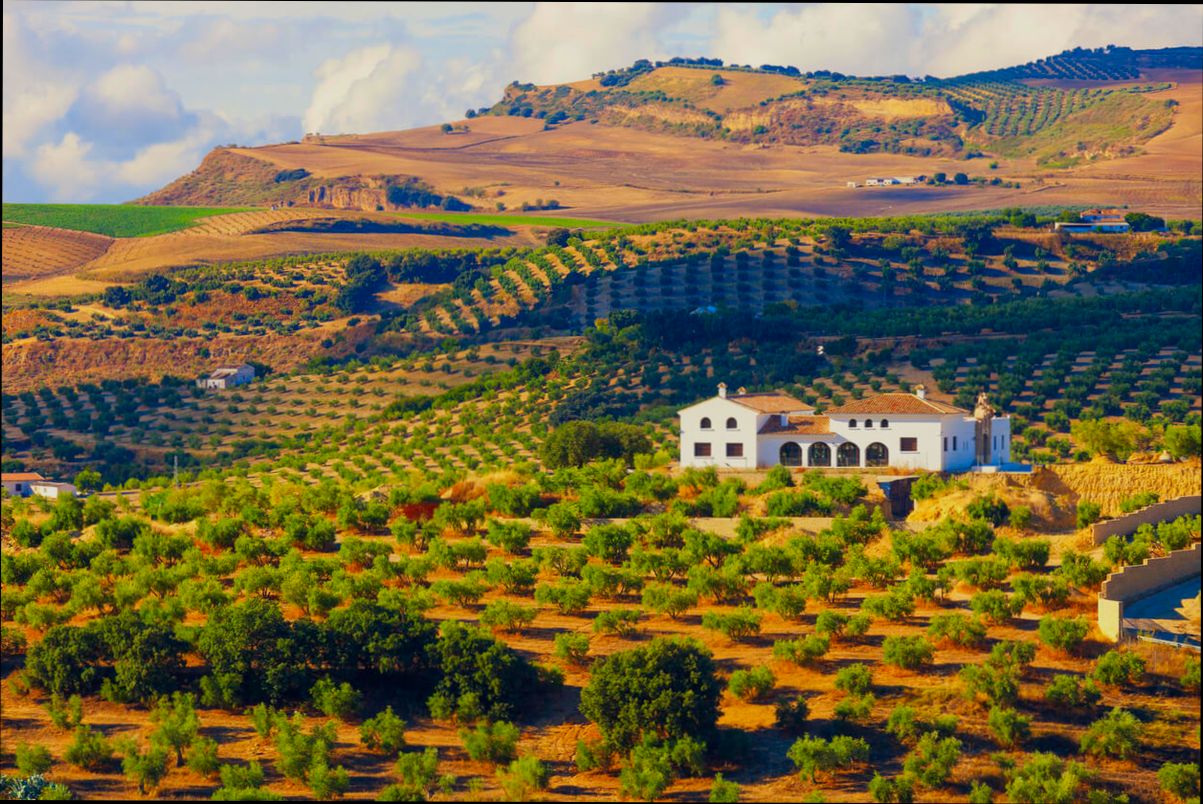
Understanding Land Regulations in Spain
When exploring the purchase of agricultural land in Spain, understanding its land regulations is crucial. Spain has a complex framework of laws and local regulations that govern land use, ownership, and agricultural practices. Let’s dive into these regulations to ensure you make informed decisions during your land acquisition process.
Key Regulatory Frameworks
Spain’s land regulations are primarily dictated by local and national laws, with significant nuances depending on region. Here are some key points to consider:
- Zoning Regulations: In Spain, land is classified under different categories such as urban, rustic, and industrial, influencing how you can use it. Approximately 30% of Spain’s land is classified as ‘rustic’, which is often designated for agricultural use.
- Agricultural Laws: The Law of Irrigation and the Law of Agricultural Planning govern agricultural practices in Spain. Properties in certain regions may require an irrigation license if you plan to cultivate crops.
- Environmental Regulations: Spain adheres to strict European Union environmental directives, meaning that any agricultural land purchase must comply with directives on biodiversity and land use. Up to 20% of the acquisition cost may be allocated to ensuring environmental compliance.
- Prior Rights: Existing rights and obligations, such as those pertaining to tenants who may have been farming the land prior to your purchase, must also be considered.
Comparative Table of Land Classifications
| Land Classification | Usage Type | Ownership Regulations | Typical Restrictions |
|---|---|---|---|
| Urban | Residential/Commercial | Generally free to buy | Zoning laws apply |
| Rustic | Agricultural | Ownership limited to farmers with active farming plans | Environmental compliance needed |
| Industrial | Manufacturing/Commercial | Usually available for purchase | Subject to local industrial regulations |
Real-World Examples
Consider the case of Maria, who purchased rustic land in Andalusia. She faced significant delays due to unforeseen environmental inspections that required compliance documentation. Her property was located near a protected area, mandating a thorough environmental impact assessment.
Another example is Juan, a farmer from Valencia, who encountered issues with zoned land when he attempted to convert part of his agricultural plot into residential housing. Local zoning regulations prohibited such changes, forcing him to reconsider his plans and stick to farming.
Practical Implications for Buyers
Understanding these regulations is essential for a smooth buying process. Here are some actionable insights:
- Consult Local Authorities: Before purchasing, always check with local authorities about zoning classifications and specific environmental laws affecting the land.
- Hire a Local Expert: Engaging a local lawyer familiar with agricultural land transactions can save you time and money by navigating the complex regulatory landscape.
- Plan for Compliance Costs: Budget for possible expenses related to environmental assessments and compliance with agricultural planning laws.
Actionable Advice
Before you commit to buying land in Spain, consider the following specific actions:
- Visit the local town hall to gather information on zoning and environmental regulations.
- Research the history of the land to identify any existing rights or restrictions.
- Stay updated with any changes to agricultural laws, as these can vary significantly over time and across regions.
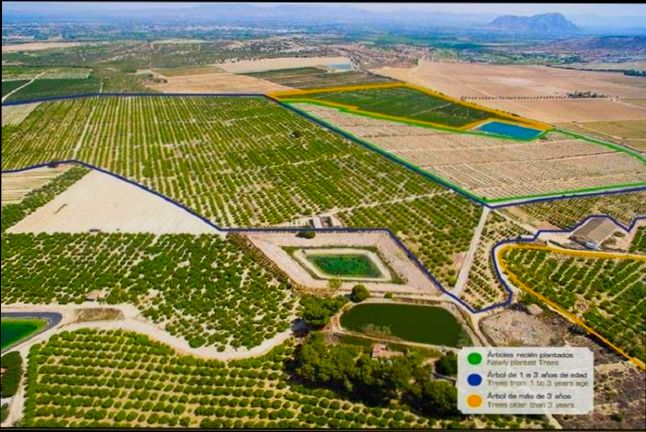
Financial Considerations for Land Purchase
When it comes to buying agricultural land in Spain, understanding the financial implications is paramount. Beyond the purchase price, various costs and obligations can impact your total investment. Let’s explore some essential financial considerations that will help you navigate this complex landscape.
Key Costs Involved
Purchasing agricultural land comes with multiple layers of costs. Here’s what you should budget for:
- Legal Fees: Typically range between 1%–2% of the purchase price. Always ensure you have a reliable legal advisor experienced in property transactions in Spain.
- Notary and Registration Fees: Expect these to be around 1% of the property’s value. This involves formalizing the transaction and ensuring public record.
- Due Diligence Costs: Hiring a chartered surveyor can cost you around €500-€1,500 but can save you from unexpected surprises regarding land measurements and boundaries. As discrepancies between actual and registered measurements can be significant, this step is crucial.
- Land Taxes: Be aware of ongoing tax obligations like the Impuesto sobre Bienes Inmuebles (IBI), which can vary based on location and land type. This could be around 0.4% to 1.1% of the property’s cadastral value annually.
Comparative Table of Costs
| Cost Type | Estimated Percentage/Amount |
|---|---|
| Legal Fees | 1% – 2% of purchase price |
| Notary and Registration Fees | 1% of property value |
| Surveyor Fees | €500 – €1,500 |
| Ongoing Land Taxes (IBI) | 0.4% – 1.1% of cadastral value |
Real-World Examples
Consider a scenario: you’re purchasing a piece of agricultural land in Andalusia for €100,000. Here’s how your costs add up:
- Legal Fees: €1,000 (assuming a 1%)
- Notary and Registration Fees: €1,000
- Surveyor Fees: €1,200
- Ongoing Taxes: Let’s say the cadastral value brings you to €700 annually for IBI.
In this case, your initial purchase-related financial outlay arrives at approximately €3,200, plus your ongoing annual tax obligation. This highlights how quickly initial costs can accumulate.
Practical Implications
It’s vital to consider encumbrances that could affect your land’s value and future usability, such as:
- Right-of-way and Access: Ensure you understand any existing rights that might require additional financial considerations in terms of maintenance or compliance.
- Water Rights: If you are relying on specific water sources for irrigation, investigate potential costs associated with maintaining these rights, especially in dry seasons.
- Zoning Restrictions: Changes in zoning laws might impose costs for compliance or legal disputes if your agricultural plans are deemed non-conforming.
Actionable Advice
- Always budget for unexpected costs by setting aside an additional 10% of your initial budget.
- Consult with local agricultural experts or financial advisors to learn about regional incentives or grants that could mitigate expenses.
- Prepare for potential ongoing costs and legal obligations that might arise from the operation of agricultural land ownership, which can be quite different from urban property investments.
Being aware of these financial considerations and planning accordingly will not only help you make informed decisions but also ensure a smoother purchasing process in your quest to own agricultural land in Spain.

Key Agricultural Regions to Explore
Spain boasts a rich tapestry of agricultural regions, each with its unique attributes and opportunities. When considering buying agricultural land, understanding these key areas will help you identify where the best potential for productivity lies.
Key Agricultural Regions
1. Andalusia
Known for its olive oil production, Andalusia is the largest agricultural region in Spain, covering approximately 17% of the country’s total agricultural land dedicated to crops like olives, cereals, and vegetables. The region benefits from a diverse climate, allowing for various agricultural pursuits.
2. Catalonia
Catalonia stands out for its wine production, particularly in the Penedès region, which is renowned for Cava. With agriculture representing about 2.5% of the region’s GDP, there’s a solid infrastructure supporting farmers, including cooperatives that help in collective marketing.
3. Extremadura
This region is particularly famous for its Iberian ham production, leveraging the extensive holm oak forests. More than 30% of Spain’s acorn-fed Iberian pigs are raised here, making it an attractive area for livestock farming.
4. Valencia
Hosting a Mediterranean climate, Valencia is celebrated for its citrus fruits, especially oranges. The region contributes significantly to the Spanish economy, with around 12% of national citrus production occurring here. The fertile lands near the Turia River make it ideal for different types of crops.
Comparative Overview of Key Regions
| Region | Main Products | Agricultural Land Area (%) | Key Economic Contribution |
|---|---|---|---|
| Andalusia | Olives, Cereals, Vegetables | 17% | Large-scale production |
| Catalonia | Wine, Fruits | 2.5% | Significant GDP role |
| Extremadura | Iberian Ham, Livestock | 20% | Specialized livestock focus |
| Valencia | Citrus Fruits | 12% | Major economic sector |
Real-World Examples
- Andalusia: A case study illustrates a family-owned olive grove in Jaén, where the production of high-quality olive oil has turned into a lucrative business. Investors should consider the thriving organic market in this region, where the demand for organic produce is on the rise.
- Catalonia: The growth of organic vineyards has made Catalonia a beacon for sustainable wine production. One vineyard, La Vinyeta, has positioned itself as a leader in organic wines, capitalizing on the increasing consumer preference for sustainability.
- Extremadura: Local farms engaging in acorn-fed Iberian pig rearing provide not just products, but also eco-tourism opportunities, showing how combining agricultural practices with tourism can diversify income streams.
Practical Implications for Readers
When exploring agricultural land in these regions, think about the following:
- Look at local cooperatives and how they can support your agricultural endeavors.
- Understand regional specialties; for instance, if you are inclined towards livestock farming, Extremadura offers unique opportunities that are not available elsewhere.
- Investigate local markets to sell your produce, as some regions are known for their specific agricultural outputs, leading to higher value-added selling opportunities.
Consider the regional climates and soil types when selecting a location, as these factors can significantly impact crop yield and profitability.
With this knowledge, you can better navigate the agricultural landscape in Spain and make informed decisions on where to invest in land that aligns with your goals.

Data on Land Prices and Trends
When considering the purchase of agricultural land in Spain, understanding land prices and their trends is vital. Price fluctuations influence investment decisions and can significantly impact your potential return on investment.
Current Price Trends
- The average price of agricultural land in Spain saw an increase of approximately 2.8% in the past year.
- Regions such as Andalusia and Valencia report higher-than-average land prices, with figures reaching about €5,000 per hectare in prime areas.
- Rural areas show significant disparities, with prices ranging from €2,000 to €6,000 depending on soil quality and location.
Price Segmentation by Region
| Region | Average Price per Hectare | Annual Price Change | Key Characteristics |
|---|---|---|---|
| Andalusia | €5,200 | +3.5% | Fertile soil, diverse crops |
| Valencia | €4,800 | +2.7% | Citrus fruits, irrigation potential |
| Extremadura | €2,500 | +1.2% | Lower demand, extensive pasture |
| Catalonia | €6,000 | +2.2% | High-value crops, proximity to markets |
Real-World Examples
In Southern Spain, a case study revealed that a 10-hectare plot in Andalusia sold for €52,000, demonstrating the demand for land suitable for olive cultivation. In contrast, a mixed-use agricultural property in Extremadura, featuring both farming and grazing lands, was priced at €25,000 for 15 hectares, underlining the affordability in certain regions.
Practical Implications
When evaluating options, consider these trends:
- Higher prices in regions like Andalusia signify strong market demand but also indicate potential for return on investment.
- Investigate local agricultural practices and soil quality, as these can directly affect land value.
- Periodically review agricultural reports to stay updated on price movements and adjust your purchasing strategy accordingly.
- Understanding land price trends aids you in negotiating effectively and recognizing when to act, ensuring that you make informed decisions in a fluctuating market.
- Pay attention to emerging regions, as they might offer combination deals that ensure lower purchase costs with high growth potential.

Practical Steps to Closing the Deal
When you’re ready to buy agricultural land in Spain, closing the deal is where your meticulous planning pays off. This phase is not just about the paperwork; it’s about ensuring you’re protected and making a smart investment. Here’s your practical guide to navigating this critical final step.
Step-by-Step Process
1. Negotiate the Sale Price: Begin by negotiating a fair price based on your research. Consider similar properties in the area to strengthen your position.
2. Draft a Purchase Agreement: Create a comprehensive purchase agreement. This document should outline all terms of the deal, including contingencies, deposit amounts, and timelines.
3. Deposit Payment: Generally, you’ll make an initial deposit, around 10% of the sale price, to secure the property while you finalize the purchase.
4. Conduct Due Diligence: Before finalizing, perform thorough due diligence, including:
- Title searches to ensure clear ownership
- Assessing any existing easements or encumbrances
5. Finalize Financing: Ensure your financing is in place. Speak with your lender about terms and confirm that funds will be available at the closing date.
6. Engage a Notary: In Spain, the presence of a notary is mandatory for closing. Choose a reputable notary to oversee the transaction, ensuring all legal requirements are fulfilled.
7. Sign the Deed: At the closing meeting, both parties will sign the public deed in the presence of the notary. Ensure you thoroughly review the document before signing.
Essential Costs to Consider During Closing
| Cost Type | Percentage/Amount | Description |
|---|---|---|
| Notary Fees | €600 - €1,200 | Cost for the notary’s services |
| Property Transfer Tax | 7% - 10% | Varies by region; based on the property value |
| Registration Fees | €60 - €150 | Cost to register the new ownership |
| Legal Fees | 1% - 2% | Typically charged by your legal advisor |
Real-World Example
Let’s look at Maria, who recently purchased a piece of agricultural land in Andalusia. After negotiating the price down from €200,000 to €180,000, she paid a €18,000 deposit. Maria worked closely with a local notary who facilitated the signing of the public deed and guided her in understanding local taxes, ensuring she budgeted for the 8% property transfer tax that added an additional €14,400 to her closing costs.
Practical Implications for the Buyer
Understanding these steps can save you time and money. Keep communication open with your real estate agent, notary, and lender to stay informed on timelines and document requirements.
- Be Proactive: Don’t wait until the last minute to gather documents. Start early to avoid delays.
- Clarify Contingencies: Ensure the purchase agreement specifies conditions under which you can walk away from the deal, protecting your investment.
Finally, remember that patience and careful planning are your best allies when closing. Being thorough in each step can prevent costly mistakes and ensure your new agricultural land investment is a success.
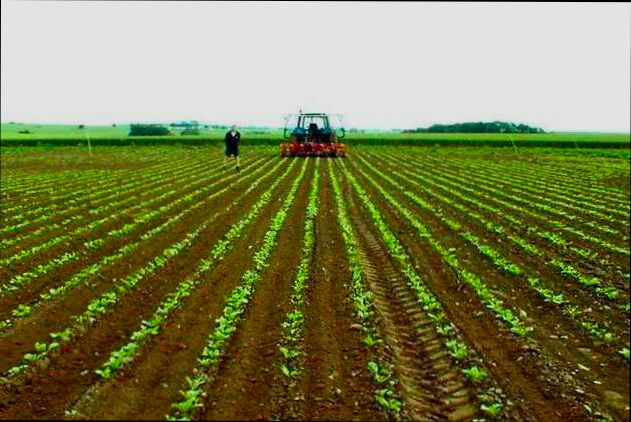
Benefits of Owning Agricultural Land
Investing in agricultural land isn’t just about producing crops or raising livestock; it comes with several unique benefits that can enhance your financial portfolio and lifestyle. Owning farmland, especially in a place like Spain, can provide a myriad of advantages that extend beyond mere economic returns. Let’s explore some key benefits that make agricultural land ownership worthwhile.
Tangible Asset with Long-Term Value
Owning farmland provides you with a physical, tangible asset that comes with intrinsic value. Unlike stocks, farmland does not experience the same volatility and can be a safe harbor during economic fluctuations. Historically, the value of agricultural land has appreciated over time; with urbanization reducing the availability of fertile land, this trend is expected to continue. According to some analyses, farmland values can increase by as much as 3% annually in favorable markets, making it a smart long-term investment.
Diverse Income Streams
Agricultural land offers multiple avenues for generating income. Aside from traditional crops, you can explore:
- Agrotourism, which allows you to attract visitors to your property.
- Leasing your land for farming operations, providing a steady cash flow without the need for direct management.
- Solar farming or other renewable energy projects, capitalizing on your land’s potential for producing energy.
This multifaceted income potential can cushion your financial risks and enhance your overall returns.
Agricultural and Tax Advantages
Owning agricultural land can come with various tax benefits that can save you money. In Spain, for example, agricultural activities can be eligible for tax reductions and credits. Additionally, expenditures related to land improvements, such as irrigation systems or crop diversification, may also qualify for tax deductions. This can reduce the effective cost of your investment and improve your net profitability significantly.
| Benefit | Description | Example |
|---|---|---|
| Asset Appreciation | Farmland has experienced consistent value increase, often around 3%. | Spanish agricultural land. |
| Diverse Income Opportunities | Income through crops, tourism, leasing, and energy production. | Renting space for solar panels. |
| Tax Advantages | Tax breaks and deductions for improvements and operations. | Deduction on irrigation systems. |
Supporting Sustainable Practices
Owning agricultural land positions you to engage in sustainable farming practices. This not only benefits the environment but can also lead to improved product quality and marketability. For instance, adopting organic farming techniques can attract a premium consumer base, and studies show that certified organic farms can earn 30% more per acre than conventional farms.
Real-World Example: Almond Farming in Spain
Spain is increasingly recognized as a prime location for almond farming, a sector witnessing outstanding growth. A noteworthy case is the region of Plasencia, where the climate and soil characteristics lend themselves to high-quality almond production. The almond market has become incredibly lucrative, with demand on the rise, reinforcing the benefits of investing in agricultural land focused on specific high-value crops like almonds. Those who have entered this market observed significant returns within just a few years due to increased demand and efficient farming practices.
Actionable Insights for Landowners
As you consider the advantages of agricultural land ownership, think about:
1. Defining Your Goals: Whether for investment or personal use, clarify your priorities to make informed decisions.
2. Evaluating Crop Potential: Analyze soil quality and climate to choose crops that maximize your land’s productivity.
3. Researching Tax Incentives: Stay informed about agricultural tax reliefs to enhance your financial success.
Owning agricultural land offers not only a break from the urban pace but also a valuable financial investment. Understanding and leveraging these benefits can lead to both environmental stewardship and fiscal prosperity.
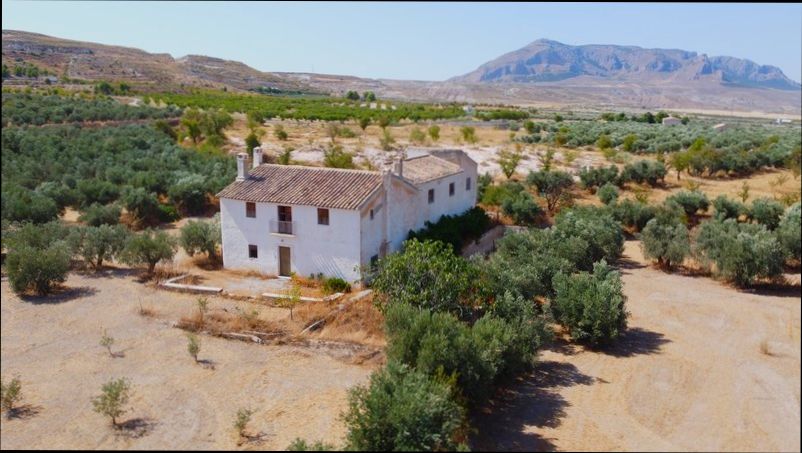
Real-World Case Studies in Land Acquisition
In the realm of agricultural land acquisition in Spain, examining real-world case studies provides invaluable insights into the complexities involved. These examples showcase the diverse factors that influence land transactions, from legal frameworks to socio-economic impacts.
Key Insights from Case Studies
- Impact on Local Livelihoods: Large-scale land acquisitions (LSLAs) can significantly alter local economies. For instance, a case study in Zambia displayed a 30% reduction in local employment when foreign entities took over land previously used for small-scale farming.
- Water Resource Conflicts: With agriculture consuming nearly 70% of global water usage, land acquisitions can trigger ‘water wars’. In Spain, the Mediterranean regions have seen intense negotiations regarding water rights among new landowners and local communities.
- Regulatory Challenges: The two-stage sequential challenges in Sections 34 and 37 of the A and C Act reveal the intricate legal landscape of land acquisition in Spain. Navigating this can be daunting but essential for successful transactions.
| Case Study | Location | Impact on Employment | Legal Framework Used |
|---|---|---|---|
| Zambia LSLA | Zambia | 30% reduction | Local Governance Act |
| Mediterranean Water Dispute | Spain | Increased conflict | A and C Act Sections 34 & 37 |
| Solar Energy Project | United States | Job creation of 150+ jobs | Federal Land Policy Act |
Real-World Examples
- In a project focused on solar energy in the United States, understanding land ownership through detailed parcel mapping was crucial. The developers successfully identified and negotiated with landowners using soil surveys and historical land use data, ensuring the land’s optimal use while minimizing conflicts with existing agricultural practices.
- Another case revolves around an agricultural cooperative in Spain that faced challenges acquiring nearby plots for expansion. By engaging local farmers and negotiating water rights, they managed to secure land while maintaining existing water agreements, highlighting the importance of community engagement in land acquisition.
Practical Implications
As you consider purchasing agricultural land, draw lessons from these real-world examples. Understand the local impact on employment and resources, and be prepared for legal complexities. Engaging with local communities can provide pathways to successful deals, especially in regions with contentious water rights.
- Research Local Laws: Familiarize yourself with regional regulations like the A and C Act to navigate legal processes effectively.
- Community Engagement: Foster relationships with local stakeholders to mitigate conflicts and enhance the chances of a smooth acquisition.
- Data-Driven Decisions: Utilize soil surveys and historical land use data to make well-informed decisions about land suitability and market value.
Stay informed about the intricate dynamics of land acquisition in Spain; this knowledge will empower you to build a sustainable and equitable agricultural project.