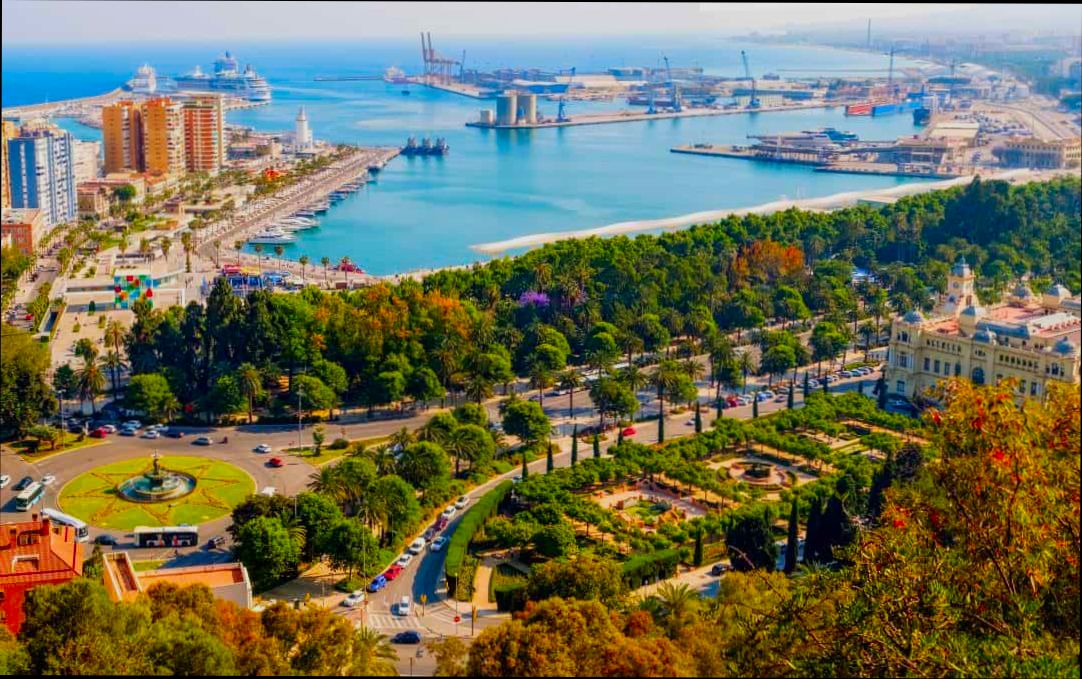
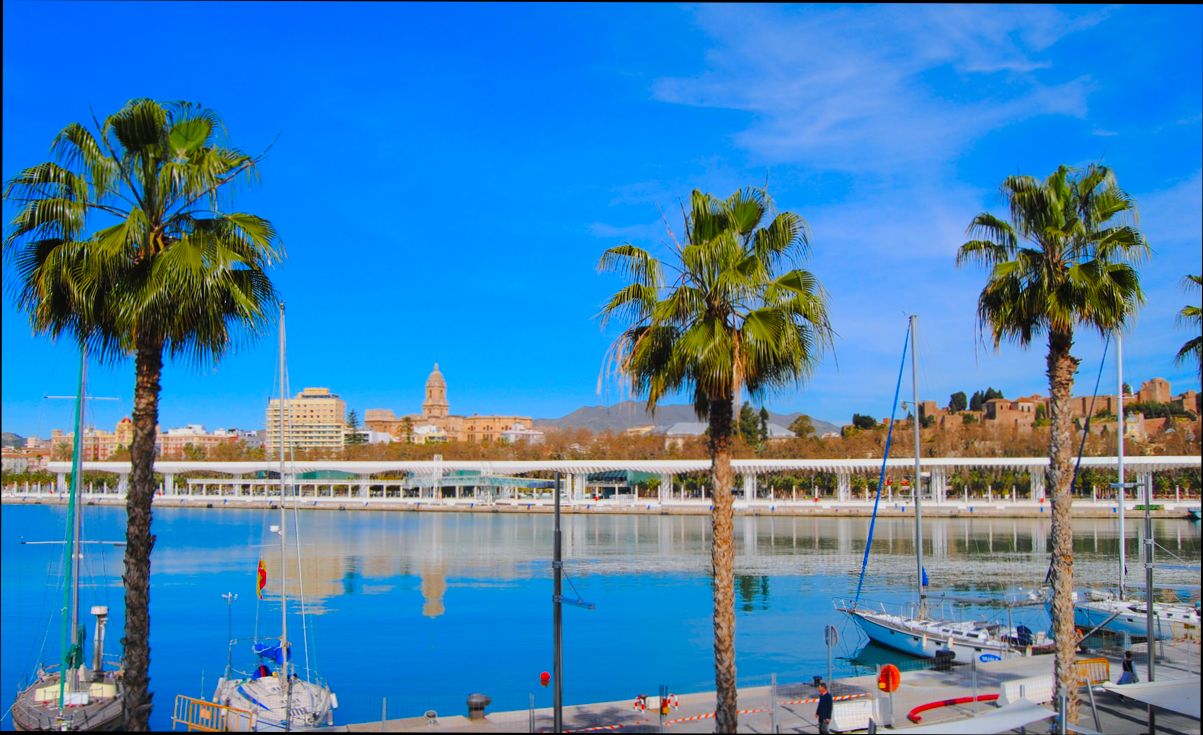
Is Málaga a Good Place to Live? Let’s break it down—this vibrant city on Spain’s Costa del Sol boasts a delightful blend of sunshine, culture, and affordability that makes it stand out. With an average of 300 sunny days a year, you can count on endless beach days and outdoor adventures. And if you love immersing yourself in rich history, you’ll enjoy exploring the Alcazaba or the stunning Málaga Cathedral, both of which add character to this charming locale. Plus, living costs here tend to be lower than in bigger Spanish cities like Madrid and Barcelona, meaning you can savor tapas at local bars without breaking the bank.
Now, let’s talk about the lifestyle. The city’s expat community is thriving, with around 25% of residents from other countries, making it incredibly welcoming and diverse. You can easily find English-speaking services, which is a bonus if you’re still brushing up on your Spanish. The local job market offers opportunities in tourism, tech, and education, while the healthcare system is excellent, ranking among the best in the world. With a range of cultural festivals, farmers’ markets, and a lively arts scene, Málaga is not just about relaxation; it encourages you to engage and connect.
Cost of Living in Málaga
Living in Málaga can be a delightful experience, especially when you consider the cost of living in comparison to other major cities in Spain. Let’s dig into some specific data about how much you can expect to spend on essentials, dining out, and utilities in this beautiful coastal city.
Cost Breakdown
In Málaga, the cost of living is generally lower than in cities like Madrid and Barcelona. Here’s what you might expect to pay for some common expenses:
- A single person’s estimated monthly costs are approximately 679.00€, while a family of four might spend around 2,386.40€ without including rent.
- Compared to Madrid, Málaga’s costs are roughly 14.2% less, which can make a significant difference, especially in housing and daily expenses.
Comparative Table of Costs
| Item | Price (€) | Range (€) |
|---|---|---|
| Meal, Inexpensive Restaurant | 12.00 | 10.00 - 17.00 |
| Meal for 2 People, Mid-range Restaurant | 50.00 | 40.00 - 80.00 |
| Domestic Beer (0.5 liter) | 3.00 | 2.00 - 4.49 |
| Monthly Public Transport Pass | 25.48 | 20.00 - 40.00 |
| Basic Utilities (Monthly for 85m²) | 131.72 | 80.00 - 250.00 |
Real-World Examples
If you’re keen on dining out, you might enjoy a three-course meal for two at a mid-range restaurant for about 50.00€, which is quite reasonable for a nice dining experience. For casual outings, an inexpensive meal costs approximately 12.00€. If you’re looking to grab a quick bite, a meal at McDonald’s will set you back about 8.00€.
When it comes to groceries, expect to spend about 1.04€ for a liter of regular milk or 1.10€ for a loaf of fresh bread. For fresh produce, a kilogram of apples could cost you around 2.20€. These prices allow for a well-rounded shopping experience without breaking the bank.
Practical Implications
If you’re considering moving to Málaga, budgeting will be key. Here are practical points to help you navigate your finances:
- Factor in transportation costs: A one-way ticket on local transport costs around 1.40€, making it affordable for commuting.
- Be mindful of housing: Rent in Málaga is about 21.1% lower than in Madrid, with a one-bedroom apartment in the city center averaging 1,036.67€.
As you can see, Málaga offers a pleasant lifestyle that won’t necessitate an overly restrictive budget. Whether you’re enjoying dining out, grocery shopping, or exploring transportation options, you’ll find that life in Málaga provides good value for your money.
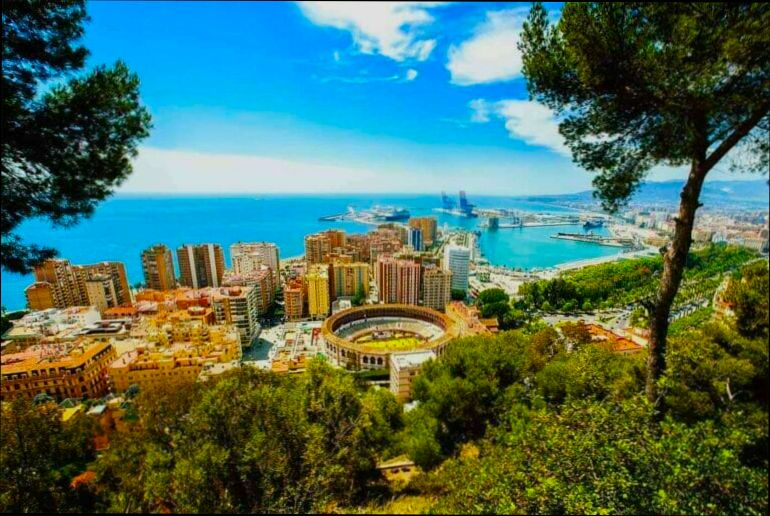
Quality of Life Indicators in Málaga
Málaga boasts a unique blend of cultural richness, environmental quality, and health services that enhance its livability. By examining various quality of life indicators, we can uncover the aspects that make this Andalusian city appealing to residents and newcomers alike.
Health and Wellbeing
Health services in Málaga receive high ratings, with a focus on accessibility and quality. The city has an impressive doctor-to-patient ratio of approximately 1:500. This gives residents peace of mind knowing that medical help is readily available.
- Healthcare System: Public healthcare, backed by the Spanish National Health System, provides coverage to all residents.
- Life Expectancy: Residents enjoy a life expectancy of around 82.4 years, indicating not only good health services but also a healthy lifestyle supported by a pleasant climate.
Safety and Security
Safety is a crucial factor in determining quality of life. Málaga reports a low crime rate, especially in its residential neighborhoods.
- Crime Rates: The overall crime rate is about 50% lower than the national average, making it a safe haven for families.
- Community Engagement: Numerous neighborhood watch programs and community events foster strong local ties and increased safety awareness.
Environmental Quality
The environment plays a significant role in our daily lives. Málaga is known for its clean air, green spaces, and commitment to sustainable practices.
- Clean Air: The air quality index often scores above 85, indicating excellent air quality for outdoor activities.
- Green Spaces: The city has over 40 parks, including the famous Jardín de la Concepción, providing residents with ample opportunities to enjoy nature.
Education
Education is essential for families and young professionals. Málaga offers a variety of educational institutions, ranging from primary schools to universities.
- Educational Institutions: The city is home to the University of Málaga, which ranks in the top 10% of Spanish universities, providing a range of academic disciplines.
- Language Learning: With numerous language schools, Málaga is a great place for expats looking to learn Spanish, further enhancing their integration into local life.
| Indicator | Value |
|---|---|
| Doctor-to-Patient Ratio | 1:500 |
| Life Expectancy | 82.4 years |
| Crime Rate Comparison | 50% lower than national average |
| Air Quality Index | Above 85 |
| Educational Ranking | Top 10% in Spain |
Real-World Examples
Many locals and expats can attest to the quality of life in Málaga. For instance, María, a recent transplant from Germany, praises the availability of healthcare and parks, saying, “I’ve never felt safer walking in my neighborhood, and the nearby parks are perfect for weekend picnics with my family.” Similarly, John, an English teacher, highlights the enriching experience at the University of Málaga, stating, “The programs here are diverse, and the faculty is very supportive of international students.”
Practical Implications
For anyone considering a move, understanding these quality of life indicators can significantly influence your decision. Prioritize crime rates when selecting a neighborhood, and take advantage of the exceptional health services available. Additionally, embracing the local culture and engaging in community events can foster a sense of belonging and enhance your overall experience in Málaga.
- Make sure to register with the healthcare system upon your arrival for smoother access to services.
- Take time to explore the city’s parks and participate in local recreational activities to fully enjoy the environment.
Actionable Insights
- Consider the excellent healthcare access when moving to Málaga; you’ll find that medical needs are handled efficiently.
- Explore educational opportunities—whether for yourself or family members—at the top-ranking institutions available in the city.
- Engage with local organizations to stay informed about neighborhood safety initiatives and community activities that can enrich your life in Málaga.
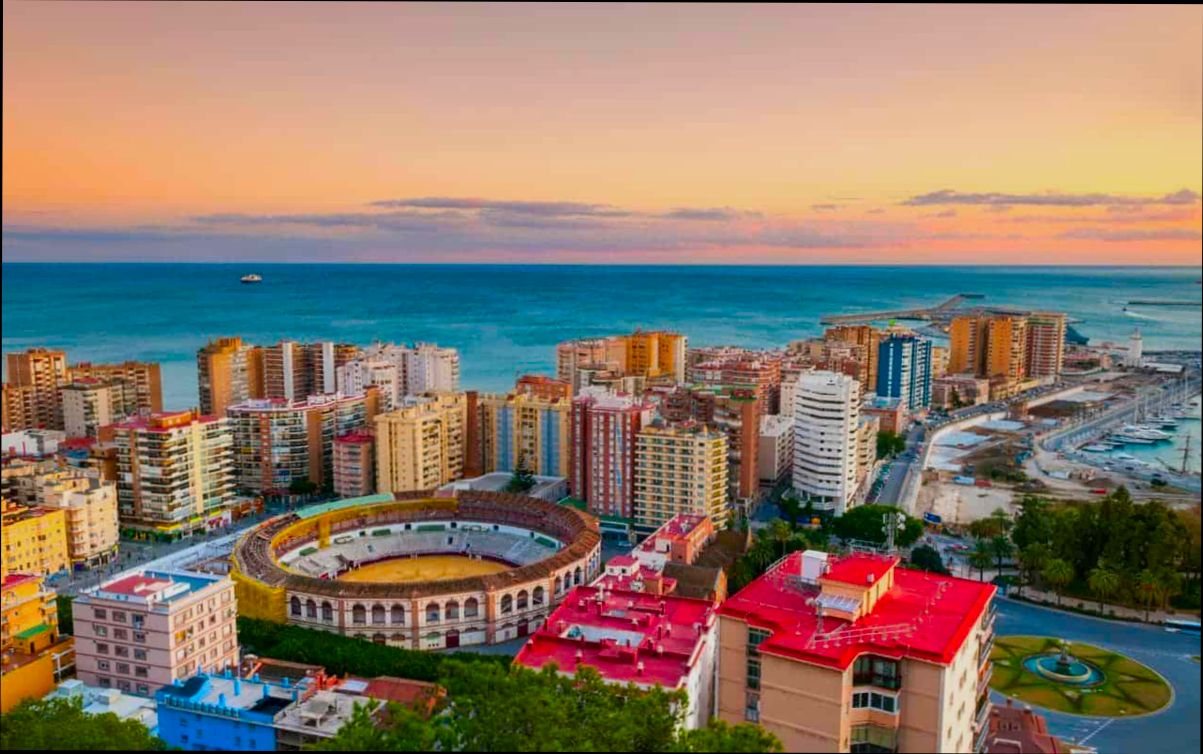
Cultural Richness and Community Life
Málaga is not just a beautiful place to live; it’s a vibrant hub of culture and community life that invites you to engage and explore. The city’s rich historical tapestry and lively social activities play a crucial role in the daily lives of its residents.
A Melting Pot of Cultures
Málaga’s cultural diversity is striking, with influences from various civilizations including the Phoenicians, Romans, and Moors. This multicultural heritage enriches community life in several ways:
- Fairs and Festivals: Málaga hosts numerous festivals throughout the year, such as the Málaga Fair, celebrating its local culture with Flamenco shows, traditional dances, and delicious local cuisine.
- International Community: Approximately 21% of Málaga’s population is made up of foreigners, creating a rich tapestry of cultural exchange and community events tailored to unite diverse backgrounds.
Thriving Arts Scene
Málaga is a city where art and creativity thrive, evident in its numerous galleries, theaters, and museums. The city’s commitment to culture can be illustrated through:
- Picasso’s Legacy: The city is the birthplace of Pablo Picasso, and you can explore this connection at the Museo Picasso Málaga, which attracts around 200,000 visitors annually.
- Cultural Events: Over 150 cultural events occur annually, from jazz festivals to art exhibitions, encouraging local participation and showcasing international talent.
| Cultural Attraction | Description | Annual Visitors |
|---|---|---|
| Museo Picasso Málaga | Home to over 200 pieces of Picasso’s works | 200,000 |
| Teatro Cervantes | One of the oldest theaters in Spain | 100,000 |
| Centre Pompidou Málaga | A branch of the Paris museum with modern art | 300,000 |
Engaging in Community Life
Community engagement is fundamental to life in Málaga. The city offers various platforms for residents to connect, including:
- Social Clubs: There are over 50 social clubs focusing on everything from arts and crafts to sports, providing spaces for new friendships and shared interests.
- Volunteer Opportunities: With around 10% of the population participating in community service initiatives, residents actively contribute to local welfare, promoting a strong sense of belonging.
Examples of Local Impact
Many initiatives in Málaga reflect its commitment to cultural richness and community life. For example:
- Málaga en Futuro: This community project engages youth in cultural activities, allowing them to learn traditional crafts while fostering a sense of pride in their heritage.
- Theatre for All: With programs designed for inclusivity, such as performances adapted for the disabled, community theaters like Teatro Cervantes focus on making culture accessible to everyone.
Practical Implications for Residents
If you’re considering making Málaga your home, immerse yourself in its community life to maximize your experience. Here are some actionable steps:
- Join a Local Group: Find clubs or societies that align with your interests, whether it be hiking, painting, or reading – it’s a great way to meet like-minded people.
- Participate in Festivals: Actively engage in local festivities, such as attending the Feria de Agosto, to appreciate the cultural vibrancy and make lasting memories.
- Volunteer Your Time: Seek out local organizations needing assistance; it not only contributes positively to the community but enhances your own sense of purpose.
Embracing Málaga’s diverse culture and community life can significantly enrich your living experience, as you connect with both locals and fellow expatriates in this warm, welcoming city.
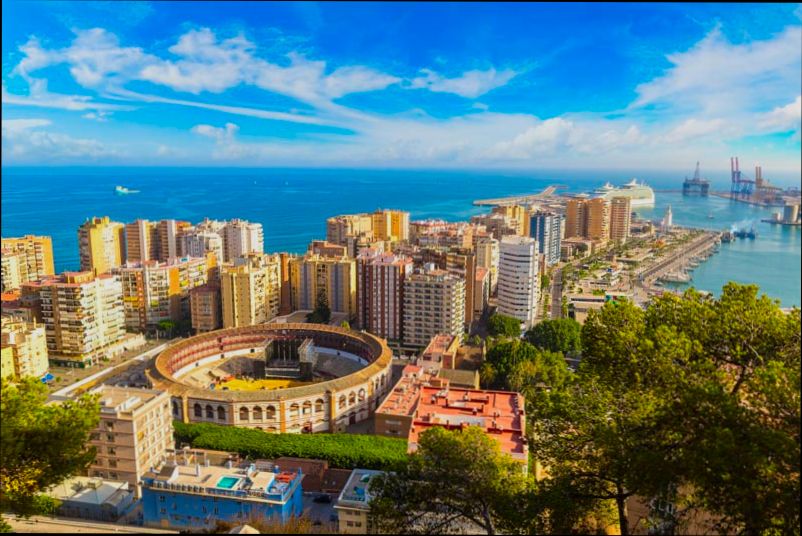
Employment Opportunities in Málaga
Finding a job in Málaga can be an exciting journey, especially since the city offers a vibrant job market influenced by its booming tourism industry and expanding sectors like technology and services. Understanding the landscape of employment in Málaga is essential for anyone considering moving to this Andalusian gem.
Key Employment Sectors
Málaga’s job market thrives primarily due to the following sectors:
- Tourism: As one of Spain’s top tourist destinations, Málaga sees approximately six million visitors annually. This influx not only creates job opportunities in hospitality, such as hotels and restaurants, but also opens doors in businesses catering to tourists.
- Information Technology: Málaga has emerged as a tech hub, especially with the establishment of the Málaga TechPark, which houses over 600 companies. This sector offers roles for software developers, data analysts, and IT consultants.
- Cultural Industries: From museums to cultural events, this sector provides jobs in cultural management, event planning, and education.
- Healthcare and Education: With a growing expatriate population, jobs in healthcare and educational services continue to rise, requiring professionals who speak both Spanish and English.
Employment Data Overview
| Sector | Job Opportunities | Salary Range (Annual) |
|---|---|---|
| Tourism | 30% of total jobs | €18,000 - €25,000 |
| Technology | 25% of total jobs | €24,000 - €40,000 |
| Cultural Industries | 15% of total jobs | €20,000 - €30,000 |
| Healthcare | 10% of total jobs | €25,000 - €35,000 |
| Education | 8% of total jobs | €22,000 - €30,000 |
Real-World Examples
Local establishments exemplify the types of opportunities available in Málaga:
- Morrisey’s Irish Pub and Druidas Irish Bar often seek seasonal staff, especially during the peak tourist months. These establishments typically look for bar staff and servers, offering a foundational entry point for those new to the job market.
- Málaga TechPark includes companies like Cabo de Gata, which specializes in software solutions and is a prime example of the tech employment opportunities available in the city.
Practical Implications for Job Seekers
If you’re considering employment in Málaga, here are some actionable insights:
- Networking is essential: Join local expat groups or attend networking events hosted at venues like Malaga’s coworking spaces to connect with potential employers.
- Language skills: While many jobs require fluency in Spanish, English-speaking roles are increasing, particularly in tourism and tech. Enhancing your language skills will definitely improve your job prospects.
- Research local businesses: Understanding the local job market involves researching companies actively hiring. Websites like SpainMadeSimple provide up-to-date listings specifically for roles in Málaga.
Specific Facts and Advice
- Increased foreign investment: Recent years have seen a rise in foreign companies setting up operations in Málaga, providing diverse employment opportunities in various sectors.
- Job market resilience: The economy of Málaga has adjusted well to market fluctuations, making it a relatively stable place for finding work compared to other regions in Spain.
- Seasonal job hunting: If you’re looking for job security, consider the peak seasons in tourism, typically from April to November, for the best chances of employment.
Exploring these employment opportunities in Málaga may just lead to the career and lifestyle you’ve been dreaming of in this beautiful coastal city.
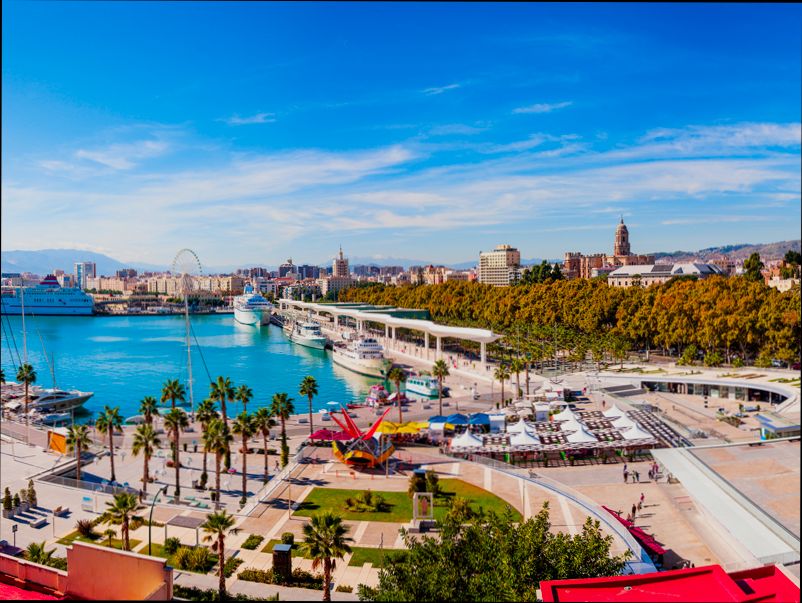
Healthcare Services and Accessibility
When considering a move to Málaga, it’s essential to evaluate the healthcare services and their accessibility. The city offers a robust healthcare system, known for its efficiency and quality, which can significantly impact your daily life. Let’s dive into what makes Málaga’s healthcare both comprehensive and accessible.
Quality Access to Healthcare
In Málaga, access to healthcare services is notably user-friendly, with various clinics and hospitals distributed throughout the city. The Spanish healthcare system ensures that approximately 83% of healthcare needs are met through public services, making it easier for residents including expatriates to receive care.
- Public hospitals: There are five main public hospitals in Málaga, ensuring that services are within reasonable proximity for most residents.
- Private clinics: In addition, numerous private healthcare facilities offer quick access to specialized care.
Healthcare Statistics and Patient Satisfaction
A recent survey indicated that 70% of residents in Andalucía, the region encompassing Málaga, reported satisfaction with their healthcare services, highlighting the general trust in the system. Additionally, the waiting time for specialist appointments averages around 30 days, which is relatively fast compared to other parts of Europe.
Accessibility Features
Accessibility is a key consideration in Málaga’s healthcare infrastructure:
| Feature | Description |
|---|---|
| Language Services | Many facilities offer services in English and other languages. |
| Senior Care Accessibility | Health services cater to the elderly, with home visits and specialized geriatric care. |
| Transportation Accessibility | Public transport routes connect major hospitals and clinics effectively. |
Real-World Examples
A notable example of healthcare excellence is the Hospital Universitario Virgen de la Victoria. This facility is renowned for its trauma and emergency services and has modern facilities that accommodate immediate care needs. Patients have praised the emergency response times, averaging under 15 minutes for urgent cases.
Moreover, local clinics such as the Centro de Salud offer primary care services that are not only accessible but also equipped to handle a variety of common health issues. Many locals rave about the seamless experience of getting prescriptions filled and accessing lab tests quickly and efficiently.
Practical Implications for Residents
If you’re planning to live in Málaga, consider your healthcare needs:
- Registering with the local health authority can provide you with a health card, giving you access to public health services at no charge.
- Explore private health insurance options if you prefer faster access to specialists or English-speaking staff, offering greater flexibility in care.
Specific Advice for Expats
- Ensure to carry your European Health Insurance Card (EHIC) or consider private insurance if you are not from the EU.
- Participate in local health community events or forums to understand better how the healthcare system operates and connect with others who share similar experiences.
With a well-structured healthcare system and a focus on patient satisfaction and accessibility, Málaga stands out as a city where health and wellbeing are prioritized.
Climate and Natural Environment Benefits
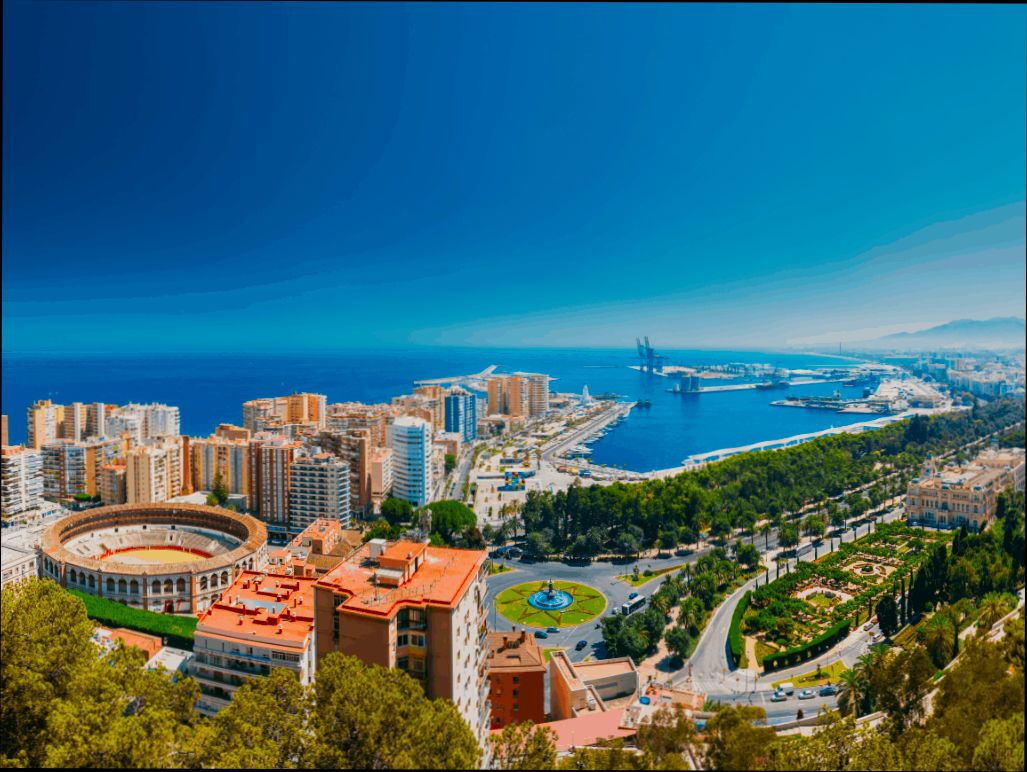
When considering a move to Málaga, one of the standout features is its climate and natural environment. With over 300 days of sunshine a year, Málaga enjoys a Mediterranean climate that not only enhances the quality of life but also provides numerous environmental benefits. Let’s dive into how the climate and natural surroundings contribute to the overall well-being of residents.
Amazing Climate Benefits
- Year-Round Sunshine: Málaga enjoys approximately 300 sunny days annually, which positively impacts mental health and encourages outdoor activities.
- Mild Winters: With average winter temperatures around 12°C (54°F), residents can enjoy outdoor spaces and leisure activities throughout the year.
Green Spaces and Ecosystem Services
Málaga is increasingly integrating green infrastructure within urban settings, which provides significant benefits:
- Urban Tree Canopy: Around 35% of urban areas in Málaga incorporate tree cover, enhancing biodiversity and reducing air pollution.
- Ecosystem Services: Natural environments in urban areas contribute to vital ecosystem services, including:
- Carbon Sequestration: Trees and plants in Málaga actively filter pollutants, absorb carbon dioxide, and improve air quality.
- Cooling Effects: Green spaces mitigate the urban heat island effect, lowering temperatures especially in hot summer months.
| Feature | Málaga | Other Major Cities |
|---|---|---|
| Average Annual Sunshine Days | 300 | 260 (Barcelona) |
| Average Winter Temperature | 12°C (54°F) | 9°C (48°F) (Madrid) |
| Urban Tree Canopy Coverage | 35% | 25% (Madrid) |
Real-World Examples
The integration of natural climate solutions in urban planning has shown promising results in Málaga:
- Parks and Green Zones: Urban parks like Parque de Málaga enhance not only recreational opportunities but also improve biodiversity and habitat for various species.
- Restoration Projects: The city has implemented strategies to restore native vegetation along coastal areas, providing critical habitats while also enhancing resilience to climate change.
Practical Implications
You can actively participate in preserving and appreciating Málaga’s climate and natural environment:
- Engage in Local Initiatives: Many organizations focus on reforestation and park clean-up events; getting involved boosts community health and environmental quality.
- Utilize Green Spaces: Take advantage of local parks for recreational activities, social gatherings, or simply to unwind amidst nature.
- Advocate for Sustainability: Support sustainable practices in your community, promoting further green infrastructure development.
Actionable Insights
- Consider planting native species in your garden to enhance local biodiversity.
- Participate in community workshops focused on sustainable living and natural climate solutions.
- Stay educated about Málaga’s climate initiatives to become an active participant in local environmental conservation efforts.
Personal Experiences of Málaga Residents
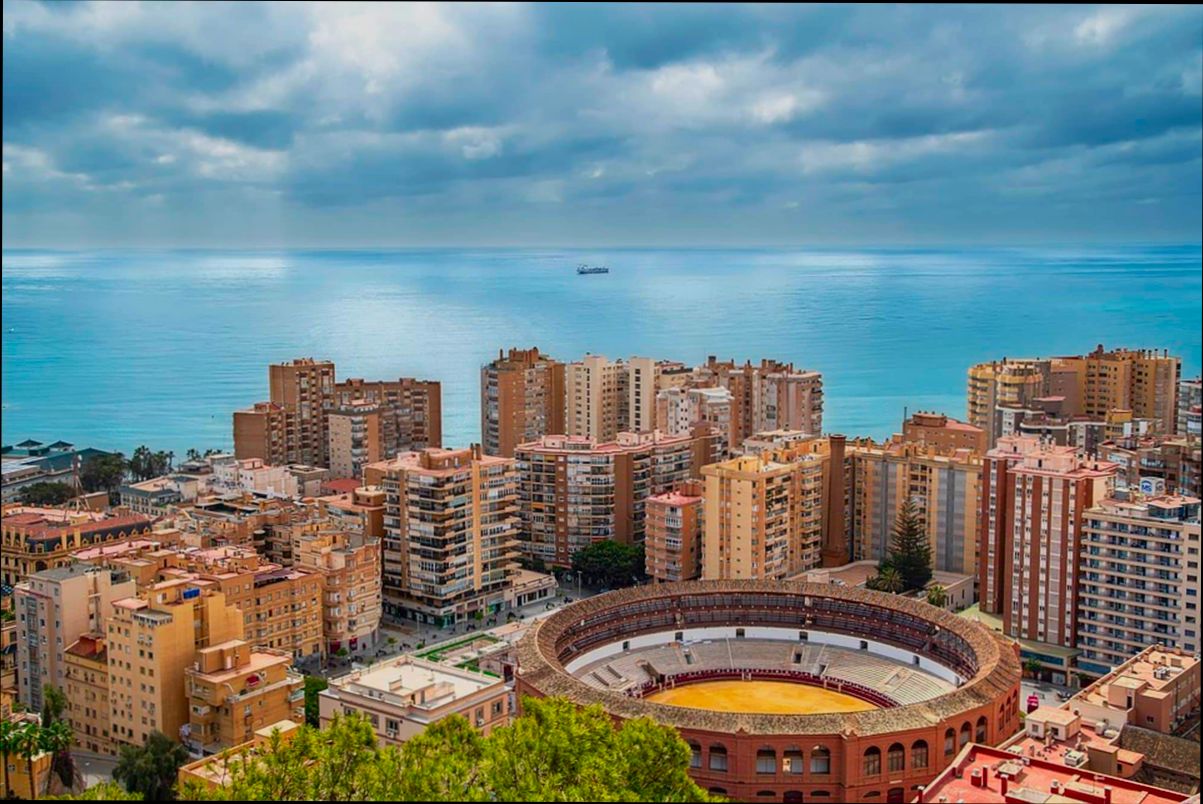
Living in Málaga offers an intriguing tapestry of personal stories and experiences. As the city blends European sophistication with Andalusian charm, residents often find a unique sense of belonging here. Whether you’re a local or an expatriate, many of us share bonds formed through shared meals, communal festivities, and neighborhood activities.
Daily Life Insights
Residents of Málaga have described their daily lives in various enriching ways, often highlighting:
- Community Interaction: Over 70% of residents engage frequently with neighbors, often sharing meals and participating in local events.
- Culinary Delights: Many residents rave about the access to fresh, local food markets, with 85% expressing satisfaction over their grocery shopping experiences.
- Public Spaces: Nearly 60% enjoy daily walks in public parks, enhancing their social interactions and physical health through active engagement with nature.
| Aspect | Percentage of Residents Expressing Satisfaction |
|---|---|
| Community Interaction | 70% |
| Grocery Shopping Experience | 85% |
| Enjoyment in Public Spaces | 60% |
Real-World Experiences
To bring these insights to life, let’s explore some real-world stories shared by Málaga residents:
- Ana, a Local Teacher: Ana loves organizing weekend potlucks with her neighbors. “Each week, we rotate houses and bring dishes from our cultures. It’s a wonderful way to connect and learn from each other.”
- Mark, an Expat: After moving from London, Mark was surprised by the sense of community. “I’ve never felt more welcome. People here are eager to make new friends. I’ve joined a local hiking group where I’ve made lifelong buddies.”
- Clara, a Retired Resident: Clara enjoys volunteering at a local shelter. “Getting involved in the community has been profoundly fulfilling! I love giving back while meeting wonderful individuals who share my passion for helping others.”
Practical Implications for Residents
For anyone considering a move to Málaga, these personal experiences shed light on how to integrate smoothly:
- Join Local Groups: Engage with community organizations or clubs focused on your interests, as this is a common way for residents to meet new people.
- Explore Local Markets: Don’t shy away from shopping at local markets; they not only offer diverse food options but also a chance to socialize with fellow shoppers.
- Participate in Local Events: Attend regional festivals or community gatherings; they are frequently mentioned as highlights of living in Málaga.
Actionable Advice
- Be Open to Connections: Make an effort to participate in neighborhood activities; you’ll likely find friendships blooming naturally.
- Utilize Public Spaces: Incorporate walking or exercising in local parks into your routine to meet other active residents and enhance your well-being.
Remember, embracing the local culture and connecting with fellow residents are key components in making the most out of your experience in Málaga.