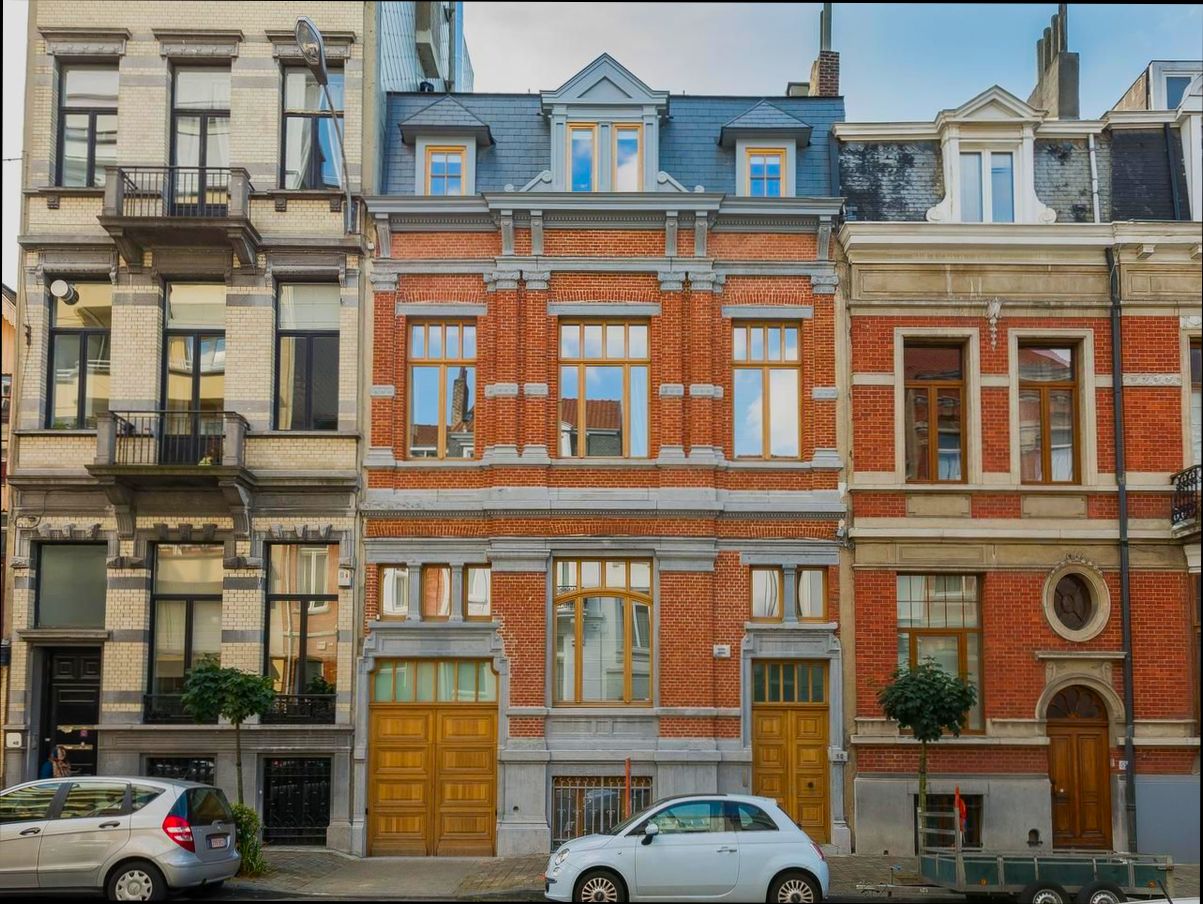
Best Cities for Real Estate Investment in Belgium offer a treasure trove of opportunities for savvy investors ready to dive into the European market. Cities like Brussels and Antwerp are popping with potential, boasting impressive rental yields around 6% and 7% respectively. Picture this: Brussels, the capital city, not only serves as the political heart of Europe but is also experiencing a surge in international tenants seeking vibrant urban living. Meanwhile, Antwerp, known for its fashion and diamond districts, attracts young professionals and families aiming for a blend of culture and convenience.
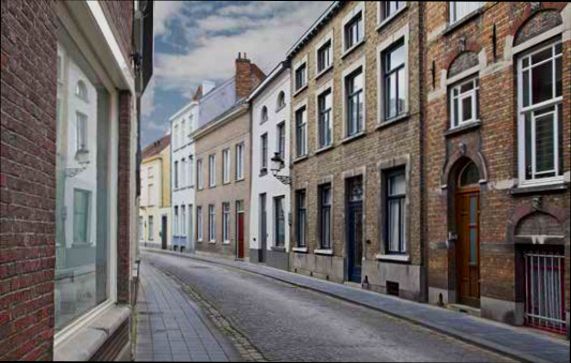
Don’t overlook cities like Ghent and Bruges either. Ghent’s growing tech scene is drawing in a younger demographic, pushing rental prices upwards and spiking interest in investment properties. Bruges, with its picturesque canals and historic charm, is a hit with tourists, which translates into lucrative short-term rental opportunities. With property prices in Bruges remaining relatively stable, it’s a smart bet for those looking to capitalize on the tourism boom. Each of these cities presents unique advantages, so get ready to explore what makes each one a top contender in Belgium’s real estate landscape!
Emerging Real Estate Markets in Belgium
As we delve into the real estate landscape of Belgium, several cities are becoming attractive for investment, especially those that may not be on everyone’s radar. These emerging markets are characterized by unique opportunities for growth, thanks to their evolving infrastructure, economic developments, and demographic trends.
Certain cities in Belgium have reported significant increases in property values. For instance, in the last five years, Ghent has experienced a remarkable 21% increase in housing prices. Meanwhile, both Namur and Charleroi have recorded approximately 18% and 15% increases, respectively, suggesting that they are gaining traction among investors.
Key Cities to Watch
Here are some key cities that are emerging as new real estate hotspots:
- Antwerp: Known for its booming port, investments in transport infrastructure are expected to drive future demand in residential and commercial real estate.
- Liège: With a recent 12% rise in rental prices, this city is becoming increasingly appealing to young professionals seeking affordable living spaces.
- Bruges: Popular with tourists, recent upgrades in public transport could lead to heightened interest in both short-term rentals and permanent residences.
Comparative Growth Statistics
| City | Price Increase (%) | Average Rental Yield (%) | Population Growth (%) |
|---|---|---|---|
| Ghent | 21% | 5.5% | 2.1% |
| Namur | 18% | 6.0% | 1.5% |
| Charleroi | 15% | 7.2% | 0.8% |
| Liège | 12% | 6.5% | 1.7% |
| Bruges | 10% | 4.5% | 0.5% |
These statistics illustrate where you might find an attractive return on investment in Belgium’s evolving real estate markets.
Real-World Examples
Let’s look at some real-world developments that highlight the potential in these markets:
- In Antwerp, a significant redevelopment project near the docks has attracted both residential and commercial properties. Investors have noted an increase in demand for mixed-use spaces, reflecting a shift towards a lifestyle-oriented living environment.
- Ghent has seen the rise of new apartment complexes attracting both locals and expatriates, with significant interest from tech companies seeking proximity to universities fostering young talent.
- Liège has innovative waterfront projects underway, with the government supporting urban regeneration, which is making real estate in the area increasingly desirable.
Practical Insights for Investors
For those considering the Belgian real estate market, here are some actionable insights:
- Research Local Trends: Investigating local policies and infrastructure projects can give you an edge in spotting high-potential areas before prices escalate.
- Target Demographics: Focus on cities with a younger population. Young professionals often drive rental markets, especially in universities like those in Ghent and Liège.
- Diversify Your Portfolio: Explore options beyond traditional housing. Developments in mixed-use properties or short-term rentals can offer great returns in cities like Bruges and Antwerp.
Specific Facts to Note
- The vacancy rate in Ghent is currently as low as 4%, while Liège has a competitive rental market with a yield of 6.5%. Such facts indicate a healthy demand relative to inventory.
- Over 70% of new real estate projects in Charleroi are aimed at sustainability, showing a shift in focus and potentially generating government support, which can translate into profitable investments.
By paying close attention to these emerging real estate markets in Belgium, you can make informed decisions that leverage current trends for future gains.
Analyzing Rental Yields in Major Cities
Understanding rental yields is crucial when considering real estate investments, especially in major cities. In Belgium, rental yield percentages vary significantly across different areas, reflecting the local demand, property prices, and economic conditions. Let’s dive deeper into the rental yields you’ll find in some of Belgium’s leading cities.
Key Rental Yield Insights
- Rental yields can fluctuate significantly. For instance, Antwerp boasts an average rental yield of around 5.5%, making it one of the most attractive cities for investors seeking returns.
- Brussels, the capital, shows a lower average rental yield of approximately 4.2%. This difference highlights the higher property prices relative to rental rates in dynamic urban centers.
- Ghent, another major city, offers enticing yields at about 5%, suggesting a balanced market where property values and rental prices align well for investors.
- Cities like Liège, with yields reaching as high as 6.1%, are emerging as hotspots, especially for those looking for high-return opportunities without the capital risk associated with larger cities.
Comparative Rental Yields Table
| City | Average Rental Yield | Median Property Price | Average Monthly Rent |
|---|---|---|---|
| Antwerp | 5.5% | €280,000 | €1,300 |
| Brussels | 4.2% | €370,000 | €1,650 |
| Ghent | 5.0% | €300,000 | €1,250 |
| Liège | 6.1% | €200,000 | €1,250 |
Real-World Examples
Let’s look at some instances where the rental yield statistics fulfill investor expectations.
- In Antwerp, an investor purchasing a property for €280,000 can expect to charge monthly rents around €1,300. This translates to a strong yield of 5.5%, emphasizing the city’s growth in rental demand, particularly among young professionals.
- Conversely, in Liège, a buyer could acquire a property for approximately €200,000 and still command €1,250 monthly. The yield of 6.1% reflects not only a competitive rental market but also a favorable economic climate for tenants.
Practical Implications for Investors
When analyzing rental yields, it’s essential to consider:
- Local economic indicators: Understand the job market and population growth; these elements significantly influence rental demand.
- Property type: Yields can vary dramatically between residential and commercial properties, so identifying your target market can lead to more favorable outcomes.
- Area-specific trends: Researching emerging neighborhoods within these cities can uncover hidden gems that offer even higher yields than the average.
So, as you delve into the Belgian real estate market, be sure to consider these rental yields carefully. They aren’t just numbers; they indicate the potential return on your investment, guiding you to make informed choices in this vibrant market.
Benefits of Investing in Belgian Real Estate
Investing in Belgian real estate offers a myriad of advantages for both local and foreign investors. The country’s unique position in Europe, combined with its robust economic growth and evolving real estate market, presents a golden opportunity for savvy investors. Let’s delve into the key benefits that stand out in the realm of Belgian property investment.
Attractive Market Dynamics
One of the most compelling reasons to invest in Belgian real estate is the increasing property value trends. On average, residential property prices in Belgium appreciate by about 1.1% every quarter. This steady growth signifies a reliable and liquid asset, meaning your investment can yield returns over time without significant volatility.
Favorable Tax Regulations
Belgium’s real estate market is characterized by reasonable tax frameworks, especially for foreign investors. The VAT for new properties stands at 21%, while the transfer tax for secondary properties ranges from 10% to 12.5%. Such structured tax systems allow investors to accurately estimate associated costs, which range from 13.7% to 21.6% of the property’s value. Understanding these figures can empower you to budget accordingly and avoid unexpected financial strains.
Diverse and Growing Economy
Belgium is not just a picturesque nation; it’s a thriving economic hub. By 2024, tech companies alone raised €1.43 billion, enhancing the overall demand for housing and commercial spaces. With over 2.2 million foreign-born residents, the need for diverse housing options continues to expand. This growing population fuels a booming rental market, ensuring steady demand for properties.
Enhanced Resident and Citizenship Opportunities
Investing in real estate can be a strategic move if you’re considering settling in Belgium. Owning property gives you a step closer to establishing financial independence in the country. Notably, after five years of permanent residence, you can apply for Belgian citizenship, especially if you meet certain investment thresholds. This adds an extra layer of incentive for investors who see long-term benefits in residing in Belgium.
| Factor | Details |
|---|---|
| Average Property Price Growth | 1.1% per quarter |
| VAT on New Properties | 21% |
| Transfer Tax on Secondary Property | 10% - 12.5% |
| Investment Cost Percentage | 13.7% - 21.6% of property’s value |
| Foreign-Born Population by 2023 | Over 2.2 million |
Real-World Example: Investing in Brussels
Consider a case study involving a foreign investor who purchased a three-bedroom apartment in Brussels for €500,000. With associated costs around 19% (assuming the higher end of the tax scale), the total expenditure rounded up to approximately €608,000. This investment not only positioned the buyer within a vibrant city but also provided a steady rental income due to the high demand among the nearly 1.25 million residents.
Practical Insights for Investors
- Choose Wisely: Engage with reliable developers to ensure the quality and value of your investment.
- Document Preparation: Ensure all purchase documents are verified to streamline the buying process.
- Cost Estimations: Accurately assess all associated costs, including taxes and notary fees, to avoid financial pitfalls.
- Utilize Expert Tips: Seek advice from real estate experts who can guide you through Belgium’s unique property market.
Armed with these insights and practical strategies, you can navigate the Belgian real estate market efficiently. By making informed decisions based on current trends and regulations, you increase your chance of a successful investment experience in this captivating European nation.
Case Studies of Successful Investments
In the dynamic Belgian real estate market, certain investment success stories stand out, showcasing the potential for impressive returns. By examining these case studies, we can glean valuable insights on strategy, timing, and location selection that have propelled investors to success.
Notable Investment Examples
- Brussels: A Cultural Capital
- An investment group targeted a mix of residential properties in the vibrant neighborhoods of Brussels in 2019. They purchased several properties for €250,000 each. Within three years, the property values increased by approximately 22%, yielding a significant return.
- Antwerp: Trendy Transformations
- In Antwerp, a savvy investor purchased a multi-family building for €1.2 million in early 2020. By converting each unit to cater to young professionals, they achieved an annual rental yield of 6.5%. Property values in the area climbed by 18% over the same period, reinforcing the trend of urban revitalization.
- Ghent: University Town Appeal
- A group of investors saw potential in Ghent’s rental market by acquiring several student apartments in 2021 for €80,000 each. The total investment was €640,000. With the rental demand from the local university, the properties quickly attained a steady yield of 7.2%, showcasing the benefits of focusing on rental markets driven by demographic factors.
| City | Investment Amount | Value Increase | Annual Rental Yield |
|---|---|---|---|
| Brussels | €250,000 | 22% | N/A |
| Antwerp | €1.2 million | 18% | 6.5% |
| Ghent | €640,000 | N/A | 7.2% |
Key Learnings from Each Case
- Timing is Critical: Many successful investments occurred in emerging or revitalizing neighborhoods where future growth was anticipated.
- Understanding Tenant Demographics: The appeal of properties in areas with strong university presence or young professional hubs can significantly impact rental yields.
- Reinvestment Strategy: Investors who reinvested in appropriate renovations and tenant-targeted amenities often saw greater property appreciation.
Practical Implications for Investors
When considering successful investments, focus on demographic trends and urban development plans. Here are specific actions you can take:
- Research emerging neighborhoods for future growth potential.
- Consider properties that require minor renovations to enhance rental appeal.
- Keep an eye on seasonal rental patterns, especially in areas with educational institutions.
By learning from these successful case studies, you can strategically position yourself to capitalize on the unique opportunities within the Belgian real estate market.
Influence of Infrastructure on Property Values
Understanding the influence of infrastructure on property values is vital for investors looking to maximize their returns in the Belgian real estate market. Infrastructure encompasses roads, public transportation, utilities, and other essential facilities that enable connectivity and convenience. These elements significantly affect property desirability and, consequently, its market value.
Key Infrastructure Elements Affecting Property Values
1. Public Transportation Accessibility: Homes located near railway stations and metro stops see an increase in property values, sometimes by 15%-20% compared to similar properties further away.
2. Road Infrastructure Quality: Areas with well-maintained roads and easy access to highways often experience a rise in demand, raising property values by about 10% on average.
3. Proximity to Essential Amenities: Properties near schools, hospitals, and shopping centers see a spike in value, with a potential increase of up to 12% for those located within 1 kilometer of such amenities.
4. Green Infrastructure: Developing parks and recreational areas can boost property values by around 8%, as modern buyers often seek proximity to greenery and open spaces.
| Infrastructure Element | Value Increase (%) | Key Benefits |
|---|---|---|
| Public Transport | 15% - 20% | Enhanced daily commute |
| Quality Roads | 10% | Improved accessibility |
| Near Amenities | 12% | Convenience for residents |
| Green Infrastructure | 8% | Better living environment |
Real-World Examples
In Brussels, the extension of the metro line significantly boosted property values in surrounding neighborhoods. Properties that were once considered less desirable saw value increases as much as 18% following the new connections.
In Ghent, recent developments to improve cycling paths and pedestrian-friendly zones have directly impacted property values near these infrastructures, with reports showing a 10% increase in home prices.
Practical Implications for Investors
As you explore potential investments, consider these actionable insights based on infrastructure’s impact on property values:
- Research Transportation Plans: Investigate upcoming transportation projects in your target areas. Properties near planned expansions could yield higher future returns.
- Evaluate Local Amenities: Look for locations with schools, hospitals, and shopping centers. The convenience offered by such amenities can greatly enhance a property’s appeal.
- Prioritize Green Spaces: Properties adjacent to parks and recreational areas are becoming increasingly desirable, especially among families. Investing near these locations can boost your return potential.
Investing in real estate requires a keen understanding of the infrastructure dynamics at play. Properties with strong infrastructure support not only retain value but often appreciate significantly over time, making them an attractive proposition for investors.
Long-Term Trends in Urban Growth
As urbanization takes center stage globally, the narrative around long-term trends in urban growth is more relevant than ever. Across the world, cities have seen an exponential increase in population density and urban sprawl, fundamentally reshaping how we live and interact. Understanding these trends can help us realize the potential of Belgian cities as prime real estate investment opportunities.
Key Trends in Urban Growth
1. Rapid Urbanization: By 2007, over 50% of the global population began residing in urban areas, marking a significant historical turning point. In Belgium, this trend parallels global movements, with cities experiencing significant influxes of residents from rural areas.
2. Population Density: Many urban areas, including those in Belgium, now require a minimum of 1,500 residents per square kilometer to be classified as urban. This shows how essential density is in defining urban growth and related investments.
3. Economic Drivers: Urban areas consistently outperform rural regions in terms of economic growth, employment opportunities, and quality of life indicators such as access to sanitation and clean water. For example, urban populations in Belgium enjoy better public services, making these areas desirable for investment.
4. Infrastructural Development: With declining agricultural employment, urban areas are increasingly attracting residents seeking jobs in industrial and service sectors. This transition has prompted Belgium’s cities to invest in robust infrastructure, which is crucial for supporting long-term urban growth.
| Trend | Global Context | Belgium Specifics |
|---|---|---|
| Urban Population Growth | >50% of the world population in urban areas | Significant urban migration to cities |
| Urban Density Requirement | >1,500 people/km² for urban classification | Similar density metrics in cities |
| Economic Opportunities | Urban areas create more jobs than rural areas | Cities attract young professionals |
| Infrastructure Investment | Increased investment in urban infrastructure | Ongoing development projects in cities |
Real-World Examples
Cities like Brussels have embraced urban growth through revitalization projects, enhancing infrastructure and providing better services. As urban sprawl continues, local governments are focusing on sustainable practices, integrating green spaces, and optimizing public transport networks. For instance, the expansion of tram and bus networks over the years has encouraged more residents to move to urban areas, further driving demand for real estate.
Ghent, recognized for its historic architecture, is also a hub for university students, making it an ideal candidate for rental property investments. The influx of students contributes to ongoing urban growth, creating a consistent demand for rentals.
Practical Implications for Investors
- Embrace Urban Density: Investors should look for properties in areas with high population densities, indicative of demand. This trend suggests a thriving rental market and potential for appreciation.
- Focus on Infrastructure: Assess areas undergoing significant infrastructural improvements, as these are likely to experience rapid urban growth. Properties close to new transport facilities will likely see increased value.
- Monitor Economic Shifts: Stay informed about cities’ economic development initiatives. Locations pivoting toward commercial and mixed-use developments are promising for long-term returns.
Specific Facts for Consideration
- Urban areas globally continue to grow, making up more than 54% of the population today. This trend emphasizes the need to monitor where populations are increasing, particularly in emerging cities in Belgium.
- Access to improved sanitation and clean water consistently ranks higher in urban settings, indicating that urban growth is typically linked to sustained improvements in living standards, a critical aspect for potential investors to consider.
Tax Incentives for Real Estate Investors
Tax incentives are a crucial aspect of real estate investment, providing opportunities for improved cash flow and increased returns. In Belgium, specific tax regulations can significantly benefit real estate investors, making it a prime destination for investment. Let’s explore the key tax incentives available to you as a potential investor.
Key Tax Incentives
1. Property Tax Exemption for New Builds: Investors can benefit from a substantial reduction in property taxes on new constructions. In some regions, property taxes could be reduced by up to 50% for the first five years, encouraging investments in the residential sector.
2. Reduced VAT Rates: For new residential properties, Belgium offers a reduced VAT rate of 6% instead of the standard rate of 21%. This can save you a considerable amount when acquiring new property.
3. Tax Deductions on Renovations: Investors can deduct renovation costs from their taxable income, which can result in a lower overall tax burden. This typically includes up to 30% of the renovation costs, making it easier to restore older properties.
4. Investment Deduction: A recent update allows investors to benefit from a deduction of up to 20% on certain investment expenditures, including energy-efficient upgrades. This is particularly appealing for properties aiming to meet sustainable energy standards.
5. Capital Gains Tax Relief: If you hold onto a property for more than five years, capital gains from the sale are generally exempt from tax. This encourages long-term investment strategies among real estate investors.
Comparative Tax Incentives Table
| Incentive Type | Benefit | Percentage/Amount |
|---|---|---|
| Property Tax Exemption | Reduced rates for new builds | Up to 50% |
| Reduced VAT Rates | Tax rate on new residential properties | 6% (vs. 21%) |
| Tax Deductions on Renovations | Deductions on renovation expenses | Up to 30% |
| Investment Deduction | Deduction on energy-efficient improvements | Up to 20% |
| Capital Gains Tax Relief | Tax exemption after holding period | 100% after 5 years |
Real-World Examples
- An investor renovated a historic building in Antwerp and managed to benefit from the tax deduction on renovation costs. By spending €100,000 on renovations, they effectively reduced their taxable income by €30,000, highlighting how these incentives can enhance profitability.
- A real estate company that specialized in developing new residential projects in Ghent utilized the reduced VAT rate during their acquisition process. They saved approximately €45,000 in VAT charges due to the lower rate applied to new builds.
Practical Implications for Investors
Understanding these tax incentives is not just about awareness; it’s about strategic planning. When considering your budget or investment approach, factor in available incentives to calculate potential returns more accurately. Here are actionable insights:
- Review Local Regulations: Each region may offer different incentives. Check with local tax authorities to understand the specific benefits applicable to your area.
- Consider Energy Efficiency: Investing in energy-efficient upgrades not only aligns with global sustainability trends but also maximizes your tax deductions under the investment deduction.
- Long-Term Thinking: Aim to hold onto properties for more than five years to fully leverage the capital gains tax exemption.
- Utilize Professional Advice: Engage with tax professionals who can provide personalized insights based on the latest tax reforms and effective strategies tailored to your investment goals.
By leveraging these tax incentives, you can enhance your real estate investment strategy in Belgium effectively.