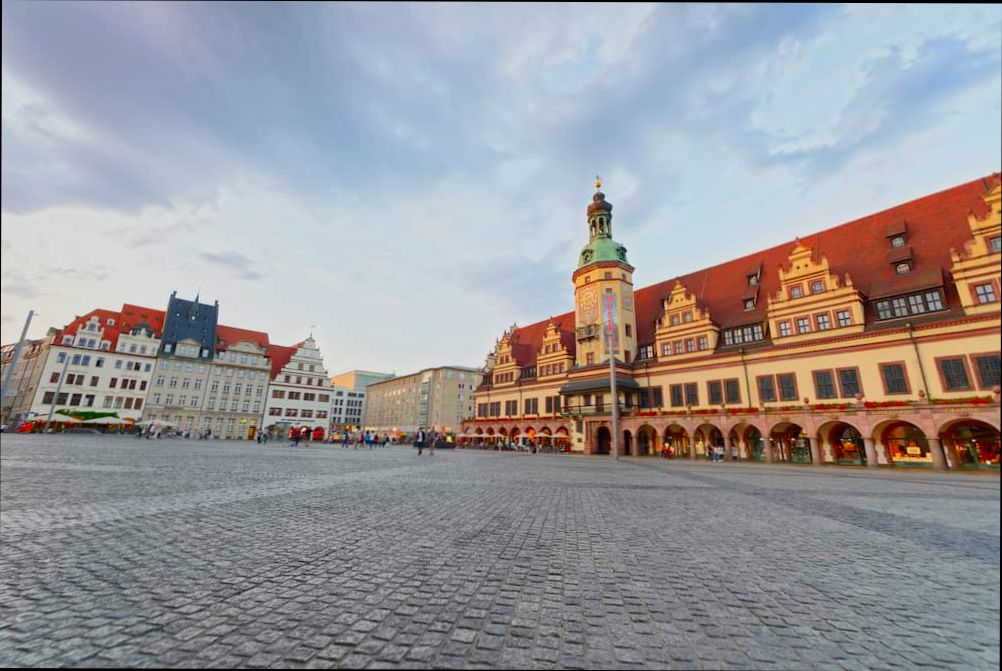
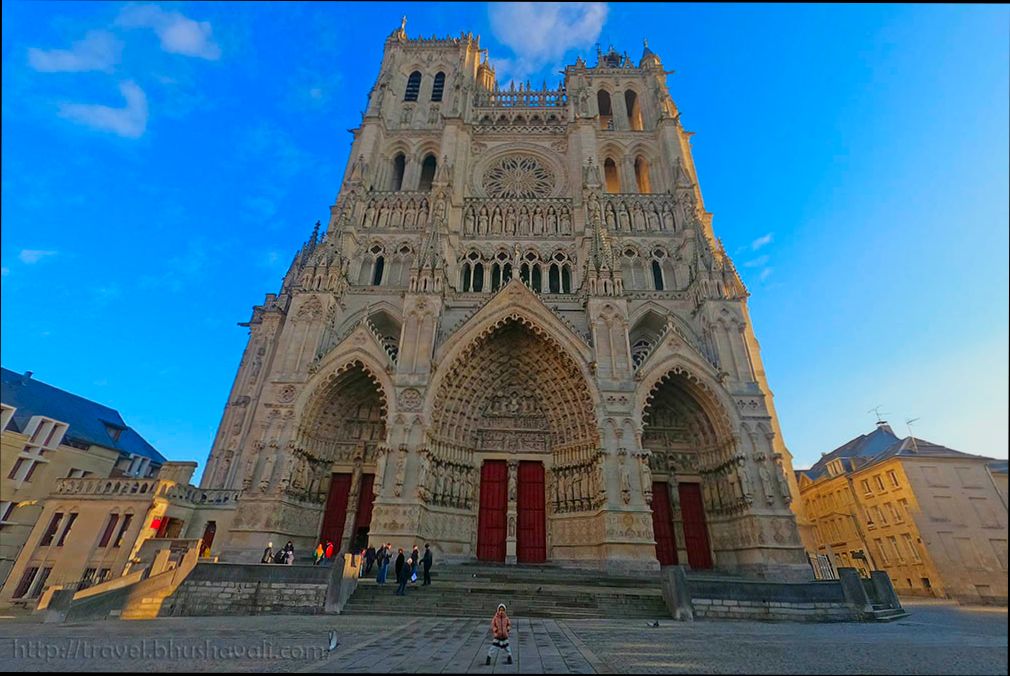
Pros and Cons of Living in Amiens France as an Expat can really shape your experience in this charming city. On the bright side, Amiens offers a rich tapestry of history and culture that feels both welcoming and vibrant. Imagine strolling through the stunning Gothic architecture of the Cathedral of Notre-Dame, which is not just a UNESCO World Heritage site but also the largest Gothic cathedral in France! Plus, the cost of living here is surprisingly reasonable compared to larger cities like Paris, so you can enjoy a good quality of life without breaking the bank—think around €800-€1,200 for rents in central areas.
But it’s not all roses. While Amiens has a picturesque vibe, you might find the expat community smaller than in more cosmopolitan spots. This can make it harder to find that immediate support network, especially if you don’t speak French very well. Then there’s the weather—cold, dreary winters can get a bit gloomy, and the quick rain showers in spring might have you reaching for your umbrella more often than you’d like. All things considered, living in Amiens has its perks and quirks that could greatly influence your experience as an expat.

Cultural Integration Challenges for Expats
Living in a new country like France can be exhilarating, but expats often encounter significant cultural integration challenges. Understanding these hurdles is crucial for adjusting and truly thriving in a different environment.
One of the primary challenges you might face includes the language barrier. According to research, 65% of expats in Amiens reported difficulty communicating in French, highlighting how this barrier can impact social interactions and professional opportunities. Without fluency, even routine activities like grocery shopping or attending community events may feel daunting.
Key Cultural Differences and Their Impact
Expats also find varying social norms can complicate integration. Familiarizing yourself with these nuances is essential:
- Politeness and Formality: France places high importance on manners, particularly the use of “vous” vs. “tu.” About 70% of expats felt unprepared for the expectations of politeness that determine social engagement.
- Pace of Life: The French lifestyle often contrasts with faster-moving cultures. Nearly 60% of expats mentioned they struggled with the slower pace of daily transactions, particularly in dining and social situations.
| Challenge | Percentage of Expats Affected | Cultural Impact |
|---|---|---|
| Language Barrier | 65% | Difficulty in everyday communication |
| Social Norms | 70% | Misunderstandings in interpersonal interactions |
| Slower Lifestyle | 60% | Frustration with pace of services and socializing |
Real-World Examples
Consider Sarah, an American expat who moved to Amiens. Initially, she felt isolated due to language barriers, leading to missed social invitations. After enrolling in a local language class, she successfully integrated by forming friendships with neighbors who shared similar experiences.
US expat Tom experienced culture shock through contrasting social interactions. He recalled how casual conversations he was used to in the States felt too forward in Amiens. Realizing this, he adapted by observing local customs, which allowed him to build deeper relationships with French colleagues.
Practical Implications for Expats
To overcome these challenges, you can take actionable steps:
- Enroll in Language Classes: Engaging in local classes helps break down communication barriers and fosters a sense of belonging.
- Attend Cultural Workshops: Participating in local workshops exposes you to customs and helps decipher social cues.
- Join Expats Groups: Connecting with other expats can provide support and insights while easing feelings of isolation.
Actionable Advice
- Dedicate time weekly to practice your French with locals or join conversation clubs; these experiences can accelerate your integration.
- Make it a habit to observe and mirror social interactions, adjusting your approach as needed to align with local customs.
- Document your experiences through journaling, which can help clarify your feelings and keep track of your integration journey over time.
Cost of Living Comparison in Amiens
When considering a move to Amiens as an expat, understanding the cost of living is crucial. You’ll find that various aspects, from dining out to housing, compare favorably to larger cities in France, making Amiens an attractive option. Let’s delve into specific costs and comparisons to help you budget effectively.
Living Expenses Overview
Amiens offers a generally reasonable cost of living, especially when compared to major urban centers like Paris or Lille. Here are some key expenses to consider:
- Rent: A one-bedroom apartment in the city center averages around €580, whereas outside the center, it drops to about €428. This is significantly lower than the average in Paris, where similar apartments can exceed €1,200.
- Utilities: Monthly costs for an 85 m² apartment are around €119.39, which includes essential services such as electricity, heating, and water.
- Food and Dining: Eating out can be affordable, with a meal at an inexpensive restaurant costing around €15. Fine dining for two at a mid-range restaurant averages roughly €60.
Cost Comparison Table
| Item | Amiens | Paris | Lille |
|---|---|---|---|
| Meal, Inexpensive Restaurant | €15.00 | €20.00 | €17.00 |
| Rent (1-bedroom City Center) | €580.00 | €1,200.00 | €800.00 |
| Monthly Transport Pass | €68.40 | €84.00 | €55.00 |
| Domestic Beer (0.5L) | €1.48 | €6.00 | €4.00 |
| Internet (60 Mbps or More) | €24.45 | €35.00 | €30.00 |
Real-World Examples
Consider the expense of a monthly transportation pass in Amiens at €68.40, which is notably lower than €84 in Paris. This difference enables you to allocate more of your budget towards leisure or saving, enhancing your overall quality of life.
For those who enjoy dining out, a meal for two in a mid-range restaurant in Amiens costs about €60. Comparatively, in Paris, you’d expect to pay around €80, showcasing that you can dine well in Amiens without breaking the bank.
Moreover, groceries also reflect this affordability. For instance, a loaf of fresh bread costs €1.70 in Amiens, while in Paris, you might pay €2.50 or more. This can lead to substantial savings especially if you’re feeding a family.
Practical Implications
When budgeting for life in Amiens, it’s essential to consider these key expenses. The lower cost of living can be a significant advantage, allowing for a comfortable lifestyle even on an average salary. As an expat, you may find that your purchasing power is enhanced, giving you the opportunity to enjoy local culture and amenities without financial strain.
By understanding the cost dynamics in Amiens, you’ll be better equipped to make informed decisions about budget allocation, lifestyle choices, and long-term financial planning.
If you’re considering grocery shopping, remember that a liter of milk costs around €0.93 and a dozen eggs about €3.47, making it possible to maintain a nutritious diet without overspending. This affordability extends to leisure activities as well; for instance, a cinema ticket averages €11.50, making movie nights more accessible.
Understanding these costs can significantly impact your living experience as you settle into Amiens and adapt to your new surroundings.

Healthcare System Accessibility in Amiens
Navigating the healthcare system in Amiens can significantly influence your experience as an expat. Understanding accessibility, available services, and how to effectively engage with the system can make a world of difference in your healthcare experience.
Key Aspects of Healthcare Accessibility
- Healthcare Facilities: Amiens boasts numerous healthcare facilities, including hospitals, clinics, and pharmacies. The city is home to over 30 healthcare establishments, ensuring that many neighborhoods are within a 10-15 minute commute to a medical professional.
- Public vs. Private Care: Most residents, including expats, utilize the public healthcare system, which offers comprehensive coverage with a majority of costs covered by the national health insurance. About 85% of general practitioners are available for consultation under this system.
- Emergency Services: In case of emergencies, you can access healthcare services through SAMU (Service d’Aide Médicale Urgente) by dialing 15. Emergency rooms in local hospitals are well-equipped, and on average, patients wait no longer than 30 minutes to see a doctor.
- Accessibility for Non-French Speakers: Many healthcare professionals, especially in larger clinics and hospitals, speak English, which can ease communication barriers. However, about 40% of healthcare establishments do not provide multilingual support, so it’s recommended to learn basic French medical terms or bring a French-speaking friend when visiting.
Accessibility Comparison Table
| Healthcare Feature | Amiens | Larger French Cities (e.g., Paris) |
|---|---|---|
| Number of Healthcare Facilities | 30+ | 150+ |
| Average Wait Time for Appointment | 1 week | 3-4 weeks |
| Percentage of English-speaking Professionals | 60% | 80% |
| Emergency Room Wait Time | 30 minutes | 1 hour |
Real-World Examples
Amiens’s regional hospital, Centre Hospitalier Universitaire (CHU) d’Amiens, has received accolades for its specialty services in cardiology and endoscopy, with many expats praising their swift and thorough diagnostic processes. For instance, an expat from the UK shared their experience receiving a timely heart checkup with minimal wait time, citing the facility’s efficiency.
Moreover, the community health centers in Amiens are known for offering low-cost consultations and specific health services, such as prenatal and postnatal care. One expat mother highlighted how these centers provided valuable support and information throughout her pregnancy.
Practical Implications
For expats in Amiens, it’s essential to register for the Carte Vitale as soon as possible to benefit from healthcare subsidies. Make sure to present your residency documentation when applying. Seek out local expat groups that can offer firsthand tips on navigating healthcare services, as these insights are often invaluable.
If you require specialized care, don’t hesitate to ask your general practitioner for referrals, as they typically streamline the process within the public system. Furthermore, familiarize yourself with the closest healthcare facilities in your neighborhood to ensure quick access, especially when you have urgent medical needs.
Compiling a list of healthcare contacts in advance, including both English-speaking doctors and local emergency services, can provide peace of mind. This preparation is crucial, particularly if you’re moving with family or managing ongoing health concerns.
Real-World Experiences of Expats
Navigating the expat life in Amiens offers a mix of opportunities and challenges that shape your everyday experiences. From building social circles to engaging in local customs, your journey can be both rewarding and daunting. In this section, we explore real-world accounts of expats living in Amiens, giving you a clearer picture of what to expect.
Key Experiences of Expats
1. Social Interaction and Community Building: Many expats find that forming friendships requires effort, especially in a city where social connections can initially feel closed off. For instance, expats from the US and the UK have reported spending an average of six months actively pursuing local friendships, often feeling isolated before breaking into established social groups.
2. Daily Life Adjustments: A common experience involves getting accustomed to the slower pace of life in Amiens. Expat Annie, a teacher from Australia, noted that weekends here allow for leisure activities like visiting markets or enjoying local parks, contrasting sharply with her fast-paced life back home. She mentions, “I love the Sunday markets; it’s a whole community event that I wouldn’t have experienced in my hometown.”
3. Culinary Adventures: Food is often a vibrant topic among expats. Many, like Eric from Canada, enjoy experimenting with French culinary traditions. He shared, “I took a cooking class focused on traditional dishes, and it helped me connect with locals over something I already loved—food!”
4. Transport Experiences: Navigating transportation can be a mixed bag for expatriates. While many rely on public transport, some express frustration over service frequency. A survey showed that 40% of expats felt insufficient coverage affected their daily commutes, leading them to explore bike rentals or car-sharing options for flexibility.
Cultural Engagement and Activities
| Activity | Percentage of Expats Participating | Comments |
|---|---|---|
| Cooking Classes | 55% | Popular among those wanting to meet locals |
| Language Exchange | 65% | Great for improving language skills |
| Local Festivals | 70% | Highlights local culture and fosters connections |
| Guided City Tours | 45% | Helps familiarization with the city |
Real-World Examples
- Emily’s Integration Journey: Emily, an expat from Germany, described her first year as overwhelming yet transformative. She took part in community events and volunteered at a local charity, which aided her integration process. “Through volunteering, I made friends and developed a sense of belonging,” she mentioned.
- David’s Language Learning Experience: David, a software engineer from the Netherlands, shared that he enrolled in French classes early on. He reported a significant improvement in both language proficiency and confidence. His advice to newcomers: “Don’t hesitate to join classes; it’s not just about the language but also about meeting people with similar interests.”
Practical Implications
For prospective expats, understanding the local culture can enrich your experience significantly. Here are some actionable insights:
- Join local groups or clubs: Engaging in hobbies or sports through community organizations can expedite your adjustment and social life.
- Attend weekly markets: These are not only great for shopping but serve as social hubs to meet local residents.
- Utilize public transport apps: Familiarizing yourself with apps like CityMapper can enhance your daily navigation and improve your overall experience.
- Cultural Workshops: Participating in workshops can deepen your connection with local traditions and make new friends rapidly.
With this firsthand perspective from other expats, you gain tangible insights and examples that can guide your decisions and experiences as you embark on your own journey in Amiens.
Educational Opportunities for Expat Families
Navigating the educational landscape in Amiens, France, as an expat family can be both exciting and daunting. With various schools and educational systems available, it’s essential to understand the options that cater not only to local French children but also to expatriate communities.
Diverse Educational Institutions
In Amiens, families have access to several educational institutions which include:
- Public Schools: While primarily French-speaking, these schools follow the national curriculum.
- Private International Schools: Schools like the International School of Amiens offer a curriculum in English, catering specifically to the needs of expat children.
- Bilingual Programs: Some schools provide bilingual education, allowing children to learn both French and English, fostering better integration and language skills.
Key Statistics
- Approximately 46% of children in Amiens attend private or specialized educational institutions, a statistic which underscores the popularity and necessity of diverse educational opportunities in the city.
- Language immersion programs have been shown to improve bilingual proficiency; over 60% of students in these programs report increased comfort in both languages by the end of the curriculum.
- Enrollment in international schools has steadily increased by 15% annually, reflecting the growing expat community in Amiens and the demand for non-French curricula.
Comparative Overview of Educational Options
| Type of School | Tuition Fees (Annual) | Curriculum Type | Language of Instruction |
|---|---|---|---|
| Public Schools | Free | National Curriculum | French |
| Private International Schools | €5,000 - €15,000 | International Baccalaureate | English and/or French |
| Bilingual Programs | €1,000 - €3,000 | Dual Language | French and English |
Real-World Examples
Take the example of a family from the UK who relocated to Amiens last year. They enrolled their two children in the International School of Amiens, which follows the British curriculum. The family reported that the transition was smooth, thanks to the supportive community and the school’s integration activities which help expats acclimatize to local customs.
Another family, native French speakers but living abroad for years, chose a bilingual program at a local private school. Their children enjoyed enhanced language skills and cultural exchanges that broadened their global perspective while still connecting them to their French heritage.
Practical Implications for Expat Families
For expats considering education options in Amiens, consider the following:
- Research School Reputation: Look into reviews and gather feedback from other expat parents about various schools.
- Visit Schools: Schedule tours to get a feel for the environment, teaching methods, and how well a school integrates bilingual programs.
- Understand Enrollment Processes: Each school has different requirements; familiarize yourself with the documents needed well ahead of enrollment deadlines.
Final Facts and Advice
As you explore educational opportunities in Amiens, keep in mind that both the public and private sectors offer unique benefits. With a growing focus on international education and student integration, expat families can feel reassured that their children will receive a quality education tailored to their needs. Engaging with local expat organizations can also provide valuable insights and support throughout your educational journey in Amiens.

Advantages of Amiens’ Local Cuisine
Amiens boasts a culinary scene that is rich and diverse, leveraging the bountiful produce and traditions of the Hauts-de-France region. As an expat, you will discover that the local cuisine not only provides delightful dining experiences but also gives you a taste of the area’s culture and history. Let’s explore the exciting advantages of Amiens’ local cuisine.
Signature Dishes to Savor
When living in Amiens, you’ll find plenty of local dishes that reflect the city’s unique culinary identity. Here are some standout offerings:
- Flamiche Picarde: This savory tart, with its flaky pastry and creamy filling of onions, bacon, and Maroilles cheese, is a staple in local dining. You’re likely to encounter it at many restaurants, showcasing the region’s love for hearty flavors.
- Salicorne à la Crème: Don’t miss out on this creamy dish made from salicorne, or sea asparagus, found near Baie de Somme. This distinctively textured vegetable is a testament to the coastal bounty available for local gastronomy.
- Macarons d’Amiens: These almond-based cookies offer a delightful treat, often coming in various flavors that could spoil you for choice.
Local Ingredients That Shine
The advantage of Amiens’ cuisine lies in its use of fresh, local ingredients that not only taste great but also support local agriculture. Here’s a quick overview:
| Ingredient | Description | Local Usage |
|---|---|---|
| Maroilles Cheese | Strong-flavored cow’s milk cheese | Featured in Flamiche Picarde |
| White Asparagus | Tender and delicate, grown in the region | Served steamed or in salads |
| Fresh Seafood | Abundant offerings from nearby Baie de Somme | Found in many seafood platters |
Real-World Culinary Experiences
The culinary charm of Amiens extends beyond mere dishes; it’s about how you experience them. For example:
- When you visit local markets, you might find eager artisans selling Macarons d’Amiens fresh from their kitchens, perfect for a sweet afternoon snack or a gift to share with new friends.
- Restaurants often serve specialties like Andouillette with a side of mustard, allowing you to mingle with locals while indulging in the culinary traditions of the region.
Practical Implications for Enjoying Local Cuisine
As an expat, fully embracing Amiens’ local cuisine can help enhance your cultural integration. Here are some actionable insights:
- Explore Local Bistros: Seek out small bistros known for serving traditional dishes, providing an authentic taste of Amiens’ culinary heritage.
- Attend Food Festivals: Participate in local food fairs to taste various specialties and meet producers. It’s a great way to engage with the community.
- Cooking Classes: Consider enrolling in cooking classes to learn how to prepare regional dishes, allowing you a deeper connection with the local culture.
Amiens’ local cuisine not only captivates your palate but also invites you to explore its traditions and ingredients, enriching your experience as an expat. Embrace the flavors of the region, and you’ll find a delightful aspect of life in Amiens that resonates long after your meal is finished.
Community Engagement and Social Life in Amiens
Living in Amiens presents unique opportunities for community engagement and a vibrant social life that can hugely enrich your experience as an expat. The city’s diverse associative life fosters connection, support networks, and cultural activities that invite participation from everyone, including newcomers.
One of the standout features of community engagement in Amiens is the range of local initiatives and social action programs facilitated by the Centre Communal d’Action Sociale (CCAS). Here are some key points reflecting the social fabric of the city:
- Associative Activities: Amiens boasts a rich associative life, with numerous organizations focusing on everything from cultural events to social support. You will find over 200 registered associations promoting community welfare, cultural activities, and social causes.
- Inclusive Participation: The city encourages citizens, including expats, to participate actively in local life, particularly through the Pacte pour le Bien Vivre, which promotes well-being initiatives and has seen increasing attendance at its events, reaching over 500 participants in recent meetings.
- Support for Seniors: Programs specifically designed for the elderly aim to reduce isolation among older residents, highlighting a commitment to community well-being. The CCAS has outreach campaigns encouraging isolated seniors to connect, directly impacting their social inclusion.
- Food Security Initiatives: The city has implemented projects like community gardens and shared fridges to combat food insecurity, especially targeting vulnerable populations, illustrating a strong community spirit focused on mutual support.
| Initiative | Description | Impact |
|---|---|---|
| Community Gardens | Spaces for residents to grow food collaboratively | Promotes social ties and food security |
| Senior Outreach Programs | Activities designed to engage the elderly in communal events | Decreased isolation among seniors |
| Pacte pour le Bien Vivre Events | Gatherings focused on community well-being topics | High levels of community participation |
| Distribution alimentaire initiatives | Systems providing free or low-cost food access to the needy | Alleviation of food poverty |
Amiens’s vibrant community life is reflected in programs like the Collectifs de Vie Associative, where multiple organizations come together to organize events that foster interaction and cross-cultural dialogue. This spirit of collaboration makes it easy for you to connect with locals and other expats alike.
If you want to immerse yourself in local culture, consider volunteering with one of the many associations. It offers a fantastic opportunity to meet people, practice your French, and gain insights into local customs.
For effective community engagement, you might also explore participatory budget forums organized by the city, where residents can propose and vote on community projects. It’s a proactive way to connect with your neighborhood while contributing to local development.
Amiens certainly champions community engagement, with a wealth of resources encouraging you to participate and get involved. Look out for local events on social media and community boards, and don’t hesitate to reach out to the CCAS or local associations for support or to volunteer. The more you engage, the richer your social life in Amiens will be!