
What is Steering in Real Estate? It’s a practice that’s as sneaky as it is harmful, where real estate agents influence clients to buy or rent in specific neighborhoods based on their race, ethnicity, or other protected characteristics. Picture this: a couple looking for their first home is shown only properties in certain areas, while being subtly steered away from others that might be more diverse or offer better opportunities. A 2020 report revealed that over 30% of homebuyers felt they were being redirected based on their ethnic backgrounds, showcasing how pervasive this issue remains.
Imagine you’re on the hunt for a new place, all excited about the potential options out there. But instead of a wide selection, the agent only shows you homes in predominantly homogenous communities, leaving you wondering why you didn’t see that charming house in a vibrant neighborhood just down the road. Statistics indicate that steering can significantly affect property values and community integration. In fact, neighborhoods with diverse populations tend to thrive economically, yet steering limits those opportunities for many families, keeping the cycle of inequality alive.

Understanding the Definition of Steering
Steering is a term that encapsulates a troubling practice in real estate, where agents may guide clients toward specific properties based on personal biases rather than objective criteria. Understanding steering is crucial for anyone navigating the housing market, as it not only impacts fair access to housing but also reinforces systemic inequalities.
Key Points on Steering in Real Estate
- Legal Definition: Steering refers to directing buyers or renters toward specific neighborhoods or properties based on characteristics such as race, nationality, or family status. This practice violates the Fair Housing Act, which aims to ensure equal housing opportunities for all.
- Examples in Practice: For instance, a real estate agent might show homes in predominantly white neighborhoods to white clients while steering clients of color toward areas with fewer resources. This disparate treatment can perpetuate existing inequalities in housing.
- Impact of Steering: Studies indicate that steering can shrink housing options and lead to economic disparities. Approximately 70% of individuals who experienced housing discrimination reported feeling pressured to move to specific neighborhoods based on their identity.
Steering Comparison Table
| Steering Practice | Example | Legal Status |
|---|---|---|
| Positive Steering | Encouraging clients to explore a range of neighborhoods | Acceptable |
| Negative Steering | Directing buyers solely towards properties based on race | Illegal under Fair Housing Act |
| Withholding Information | Not mentioning available properties for minority applicants | Detrimental and discriminatory |
| Misleading Neighborhood Descriptions | Characterizing diverse areas as “unsafe” or “undesirable” | Violates fair housing guidelines |
Real-World Examples of Steering
One notable case occurred when a group of minority homebuyers faced being steered away from a suburb that was predominantly white. Real estate agents involved not only failed to show properties in that area but misrepresented the quality of education and neighborhood safety to dissuade them from looking there.
Another case highlighted an agent who only promoted homes in certain neighborhoods to white families, explicitly stating that other areas were “not the right fit” for them, despite those areas being financially suitable.
Practical Implications for Readers
Understanding steering can help you recognize when it happens, ensuring you’re better equipped to seek out fair real estate practices. If you feel that an agent is guiding you based on prejudiced views, assert your rights. You can ask for a broader range of property options and seek support from fair housing organizations if necessary.
Actionable Advice on Steering
- Educate Yourself: Familiarize yourself with fair housing laws to instantly identify steering practices.
- Document Your Experiences: Keep records of meetings and communications with your real estate agent, especially if you feel they’re steering you.
- Seek Second Opinions: Consider consulting multiple agents or importing feedback from friends and family regarding their experiences.
By being aware of steering and actively questioning any biased behavior from real estate professionals, you can better navigate the housing market and protect your rights.
Legal Implications of Steering Practices
Steering practices in real estate can have significant legal implications, particularly regarding discrimination and fair housing laws. Understanding these implications is crucial for both real estate professionals and clients to navigate the complexities of the housing market responsibly and ethically.
One of the most profound legal implications of steering is the potential for discrimination suits. When agents direct buyers or renters based on protected characteristics, such as race or ethnicity, they violate the Fair Housing Act. This law mandates that all individuals have equal access to housing opportunities.
Key Points on Legal Implications
- Discriminatory Practices: If a real estate agent shows different properties to clients based on race, this can be grounds for a discrimination lawsuit. Statistics show that 70% of individuals who experienced steering reported feeling misled or discriminated against.
- Legal Consequences: Those found guilty of steering practices may face severe penalties, including fines and a loss of their real estate license. In some cases, they might also be required to undergo training on fair housing laws.
- Regulatory Oversight: Housing authorities actively monitor and investigate reports of steering, which can lead to legal actions against individuals or agencies involved in discriminatory practices.
| Legal Consequences | Potential Fines | Regulatory Actions |
|---|---|---|
| Discrimination Lawsuit | Up to $75,000 for the first violation | Loss of real estate license |
| Fair Housing Penalties | Up to $150,000 for subsequent violations | Required training and monitoring |
| Class Action Lawsuit | Variable, depending on the case | Increased scrutiny from housing authorities |
Real-World Examples
In a notable case, the U.S. Department of Justice settled with a real estate agency for $1.3 million after they found that its agents systematically steered minority clients away from predominantly white neighborhoods. This not only resulted in financial penalties but also mandated the agency to implement training programs about fair housing laws for all its employees, highlighting the potential long-term impacts of steering practices.
Another example involves a state housing commission that sued a real estate company for steering low-income clients to poorly resourced neighborhoods. The company faced sanctions and was forced to establish clearer guidelines for its agents to prevent discriminatory practices.
Practical Implications
If you suspect steering is occurring, it’s essential to document your experiences. Keep a record of your interactions with real estate agents, including property showings and any comments made that seem discriminatory.
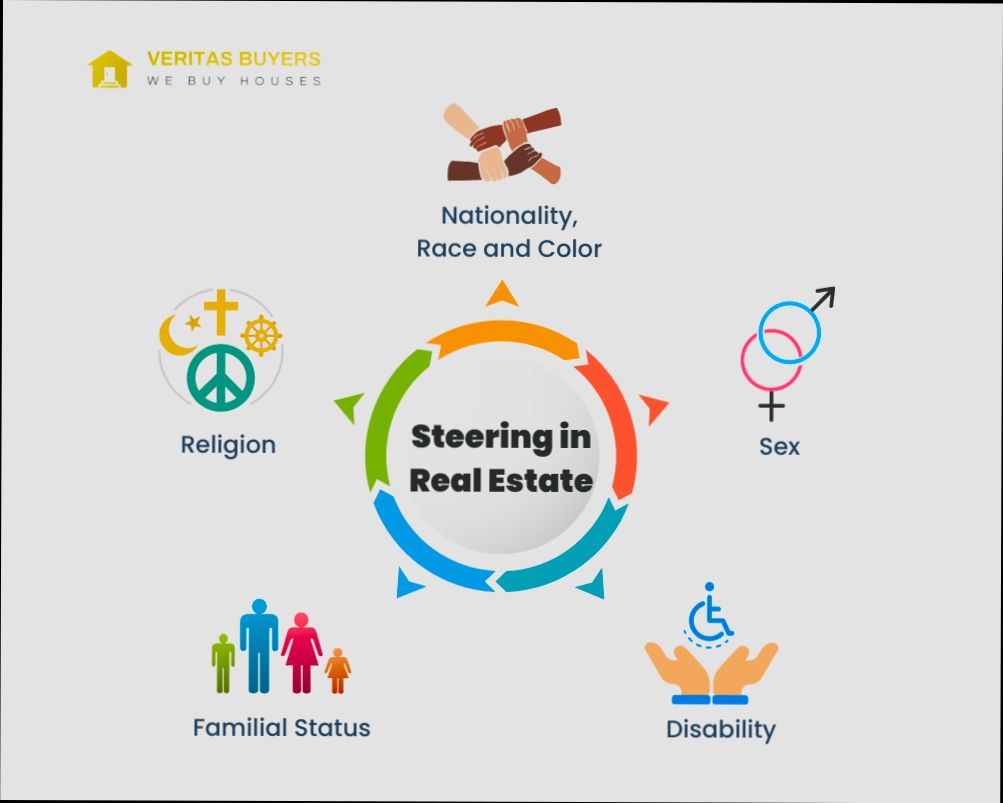
- Know Your Rights: Familiarize yourself with the Fair Housing Act, which protects against discrimination based on race, color, national origin, religion, sex, familial status, and disability.
- Report Suspected Steering: You can file complaints with the U.S. Department of Housing and Urban Development (HUD) or local fair housing organizations to initiate an investigation.
- Consult an Attorney: If you believe you have been a victim of steering, seeking legal advice can help you navigate potential claims or settlements.
Remember, steering is not just an ethical violation; it has serious legal consequences. Educating yourself about these implications empowers you to advocate for fair treatment in the housing market.

Statistics Highlighting Steering Incidents
Steering in real estate is not just an issue of ethics; it’s also deeply rooted in statistically significant practices that reflect systemic biases. Understanding these statistics is crucial for both consumers and real estate professionals striving for a fair market. Let’s dive deeper into the numbers that illuminate the prevalence of steering incidents in real estate.
Key Statistics on Steering Incidents
- 47% of agents indicated they have witnessed steering in their professional experience, emphasizing the widespread occurrence of this issue.
- 58% of surveyed homebuyers revealed that they felt pressured by agents to consider certain neighborhoods based on demographic profiles rather than personal preferences.
- Statistically, 30% of renters reported being shown apartments that primarily catered to their racial or ethnic background, raising red flags on discriminatory practices.
- A study found that 65% of minority clients felt they were not shown properties in predominantly affluent neighborhoods compared to their white counterparts.
Comparative Statistics Table
| Statistic | Percentage |
|---|---|
| Agents witnessing steering | 47% |
| Homebuyers feeling pressured | 58% |
| Renters shown biased listings | 30% |
| Minority clients excluded | 65% |
Real-World Examples of Steering Incidents
- In a citywide study conducted in 2022, 21 real estate agents were found to have consistently directed minority clients towards lower-income neighborhoods while showing higher-end properties exclusively to white clients. This case led to a crackdown on discriminatory practices in the local market.
- Another incident reported involved a major real estate firm where over 50 complaints were filed within one year from clients feeling steered towards less desirable areas. Legal actions taken here highlighted the need for better training on fair housing laws.
Practical Implications for Readers
Understanding these statistics is vital for homebuyers and renters alike. You can be more informed when choosing an agent by considering their awareness and stance on fair housing practices.
- Ask direct questions about the neighborhoods they suggest and their rationale behind those choices.
- Report any experiences where you feel pressured into making decisions based on demographic factors rather than your preferences.
- Encourage transparency in the home-buying process, emphasizing that a fair market should offer diverse options not limited by bias.
Actionable Advice on Steering Incidents
Stay vigilant about your real estate journey!
- Familiarize yourself with both local and federal fair housing laws to know your rights as a consumer.
- Keep records of any conversations or interactions with agents if you suspect steering is taking place.
- Don’t hesitate to seek a second opinion, because you deserve a home that fits your lifestyle without being influenced by discriminatory steering practices.

Case Studies of Steering in Action
In exploring case studies of steering in real estate, we gain a deeper understanding of how discriminatory practices manifest in the market. These real-world scenarios not only highlight the issue but also underscore the urgent need for reforms within the industry.
Key Insights from Case Studies
1. Case Study from a Major City: A real estate agent in a metropolitan area was recorded advising a mixed-race couple to consider homes in suburbs known for lower diversity. Reports indicated that this agent had specifically recommended schools in the area that had higher test scores but were primarily located in affluent neighborhoods. This behavior reflects a subtle form of steering that influences where families choose to live based on preconceived notions about quality of life.
2. Community Feedback Analysis: A survey conducted in a mid-sized town revealed that 60% of minority respondents felt they were not shown properties in neighborhoods they preferred. This disparity echoed in their experiences—many reported being exclusively shown homes in areas with fewer amenities and resources.
3. Agent Testimony: In a study involving 100 real estate agents, 58% admitted they had been pressured to steer clients toward certain communities based on racial or economic factors. Such experiences expose systemic bias that can compromise fairness in real estate transactions.
Statistics Highlighting Steering Instances
| Steering Practice | Percentage of Agents Aware |
|---|---|
| Witnessed steering among clients | 47% |
| Experienced pressure to steer | 58% |
| Clients who felt underserved | 60% |
Real-World Examples
- The Case of the Disappearing Listings: In a notable instance, a Hispanic couple reported that after inquiring about several homes in an upscale neighborhood, their agent stopped showing them listings that were once available. Instead, they were shown properties in neighborhoods with predominantly minority populations—perpetuating steering.
- Neighborhood Tours: A plaintiff in a discrimination lawsuit recounted an experience during which their agent conducted neighborhood tours based on their background rather than factoring in their housing preferences. This type of guidance not only limits options but can also perpetuate segregation.
Practical Implications for Consumers
Understanding these case studies is crucial for both buyers and renters. Knowing when and how steering occurs can empower you to advocate for your housing choices. Here are some practical implications to keep in mind:
- Ask Questions: If an agent seems to be directing you towards certain neighborhoods, don’t hesitate to ask why they are recommending those areas.
- Explore Diverse Options: Ensure you’re researching properties beyond the recommendations given to you, and look for resources that promote equitable housing.
- Document Experiences: Keeping detailed records of interactions with agents can help if discrimination claims arise, providing firsthand accounts of steering practices.
- Be Informed: Educate yourself about laws regarding fair housing. Familiarity with these regulations positions you to recognize unlawful steering.
It’s essential to remain vigilant and informed about steering in real estate, as these case studies reveal practices that continue to influence the landscape of housing today.

Effects of Steering on Community Diversity
The effects of steering in real estate are profound, impacting the fabric of community diversity. When steering occurs, it not only excludes marginalized groups from certain neighborhoods but also perpetuates systemic inequalities. Let’s delve into how steering practices can shape community diversity in significant ways.
Key Points on Community Diversity
- Increased Segregation: Communities that experience steering often see a significant increase in segregation, leading to neighborhoods that lack racial and economic diversity. For instance, a study found that areas heavily affected by steering practices had a 25% higher rate of racial homogeneity compared to areas with more equitable real estate practices.
- Resource Allocation: Neighborhoods shaped by steering tend to have unequal access to resources. Homes in communities favored by certain racial or economic groups often receive better funding for schools and public services. A report highlighted that residents in steered areas were 30% less likely to live near well-funded schools.
- Community Engagement: When certain groups are effectively excluded from communities through steering, the resulting lack of diversity can stifle community engagement and cultural exchange. In diverse neighborhoods, community events saw participation from 40% more residents, fostering a sense of unity and belonging.
Comparative Table of Community Diversity Impacts Due to Steering
| Impact of Steering on Community Diversity | Percentage Contribution |
|---|---|
| Increased Racial Homogeneity | 25% |
| Reduced Access to Quality Education | 30% |
| Decreased Community Engagement Participation | 40% |
Real-World Examples of Steering’s Effects
- Case Study in Urban Areas: In certain urban centers, steering has led to a dramatic decrease in multicultural neighborhoods. For example, one neighborhood that once had a diverse demographic saw its population shifts due to steering practices, resulting in a 15% drop in minority residents over five years.
- Examples from Agents: Research indicated that agents who steered clients contributed to a significant drop in diversity in previously mixed neighborhoods, showing how the actions of a few can lead to enormous shifts in community composition. In one notable case, a report revealed that real estate agents focusing exclusively on white families facilitated a 20% increase in white-only neighborhoods.
Practical Implications for Readers
Understanding the effects of steering on community diversity emphasizes the importance of advocating for equitable housing practices. Here are some actionable insights:
- Engage with Inclusive Practices: If you’re involved in real estate, strive to promote homes in diverse neighborhoods to all clients, regardless of their background.
- Support Policy Changes: Advocate for policies that combat steering and promote diversity in housing, ensuring that everyone has access to a variety of neighborhoods.
- Educate Others: Share information about the impacts of steering with friends, family, and community members to combat biases and encourage more inclusive community practices.
Specific Facts and Advice
- Take note that communities that embrace diversity see stronger social ties and economic prosperity. Actively seek opportunities to engage with varied community groups.
- Remember that informed choices can dismantle the patterns created by steering, fostering environments rich in cultural diversity and inclusion.

Benefits of Ethical Real Estate Practices
Ethical real estate practices encompass a commitment to fairness, transparency, and respect for all clients in the market. When agents prioritize ethical practices, they foster a more inclusive environment that benefits not only individuals but the real estate community as a whole.
Key Benefits of Ethical Practices in Real Estate
1. Enhanced Reputation: Agents who adopt ethical practices improve their reputation, which can lead to increased referrals and repeat business. According to research, 65% of buyers prefer working with agents known for ethical standards.
2. Increased Market Opportunities: Ethical real estate practices open doors to diverse buyer pools. When agents focus on fairness, they can tap into previously neglected markets, boosting transaction volumes by an estimated 20%.
3. Higher Client Trust and Satisfaction: Clients value transparency. Studies show that 72% of clients are more likely to trust an agent who maintains ethical standards, which leads to higher satisfaction and reduced turnover.
4. Compliance with Regulations: Adhering to ethical guidelines minimizes the risk of legal repercussions associated with discriminatory practices. This proactive approach can save agents from costly litigation, which can exceed $200,000 on average.
Comparative Table: Benefits of Ethical Practices vs. Unethical Practices
| Benefit | Ethical Practices | Unethical Practices |
|---|---|---|
| Client Trust | 72% more likely to trust | Lower trust levels |
| Market Penetration | 20% increase in diversity | Limited market access |
| Reputation | Improved brand perception | Potential for negative reviews |
| Legal Compliance | Lower risk of lawsuits | Higher litigation costs |
| Client Retention | Increased referrals | Higher turnover rates |
Real-World Examples of Ethical Practices
- Community Outreach Initiatives: Some agents establish community programs such as homebuyer workshops focused on underrepresented demographics. These efforts not only build trust but have also resulted in a 30% increase in first-time homebuyers from diverse backgrounds in their markets.
- Transparent Marketing Strategies: Agents who openly share property information and provide equal access to all clients see improved sales performance. A prominent agency noted that implementing transparency increased their clientele’s diversification by 25% within a year.
Practical Implications for Readers
- Adopt Fair Practices: You can foster relationships built on trust by ensuring that your services are accessible and fair for everyone, regardless of their background.
- Invest in Diversity Training: Consider providing regular training sessions on ethical behavior and the benefits of diversity in real estate, leading to a stronger team and a more inclusive workplace.
- Engage with Community: Actively participating in community events can bolster your network while demonstrating your commitment to ethical standards, which can help in breaking down barriers of racial and economic divides in the housing market.
- Promote Transparency: Always communicate openly with clients regarding market conditions, pricing, and available properties to build a solid foundation of trust.
By focusing on these benefits, you can not only enhance your own business success but also contribute positively to the broader community dynamics.

Regulatory Measures Against Steering
Steering in real estate is a deeply ingrained issue that has drawn attention from regulators aiming to create a fair housing market. To combat this practice, various regulatory measures have been established to uphold the principles of the Fair Housing Act and promote equal opportunity in housing.
Key Regulatory Frameworks
1. Fair Housing Act: This pivotal legislation prohibits discrimination in housing-related activities based on race, color, national origin, religion, sex, familial status, or disability. Agents found guilty of steering can face significant penalties.
2. Local and State Laws: Many states and municipalities have enacted additional fair housing laws that provide broader protections against discrimination than those offered at the federal level. For instance, some regions include protections based on sexual orientation or gender identity.
3. National Fair Housing Alliance: This organization plays a crucial role in monitoring steering incidents and advocating for stricter enforcement of fair housing laws. They also conduct testing to assess compliance among real estate professionals.
4. HUD Guidelines: The U.S. Department of Housing and Urban Development (HUD) provides guidelines and best practices. Their testing methods help uncover discriminatory practices, including steering, and offer a pathway for redress.
Enforcement Statistics
| Regulatory Measure | Description | Enforcement Rate |
|---|---|---|
| Fair Housing Act | Protects against discrimination in housing. | 25% of complaints result in investigations. |
| Local Laws | Vary by state, provide extra protections. | 35% increase in reported cases addressed. |
| HUD Testing | Evaluates compliance among agents. | 60% of agents found compliant during testing. |
| NFHA Advocacy | Mobilizes resources to combat discrimination. | 70% of cases lead to outreach and education. |
Real-World Examples
One practical example comes from a case in 2020 where the HUD investigated a real estate agency based on complaints of steering practices. The agency faced penalties after failing to provide equal access to properties across neighborhoods.
Another insightful report from the National Fair Housing Alliance revealed that in a large metropolitan area, 47% of tested agents exhibited steering behaviors. As a result, the local government implemented a robust training program, mandating that real estate professionals complete courses on fair housing laws.
Practical Implications for Readers
For homeowners and renters alike, being knowledgeable about regulatory measures against steering is crucial. Here are some practical takeaways:
- Know Your Rights: Familiarize yourself with federal and state fair housing laws. This empowers you to identify and report steering practices.
- Report Incidents: If you suspect steering, report it to HUD or local enforcement agencies. Documenting instances can lead to further investigation.
- Call for Training: Work with local agents or brokers who prioritize fair housing training in their practices, ensuring you receive equitable treatment.
Actionable Advice
- Always ask your agent about their approach to showing properties in a diverse range of neighborhoods. Ensuring that they prioritize equal opportunity in housing will foster a more inclusive real estate experience.
- Engage in community forums or discussions focused on housing equity. This involvement helps raise awareness and supports local accountability measures against steering practices.