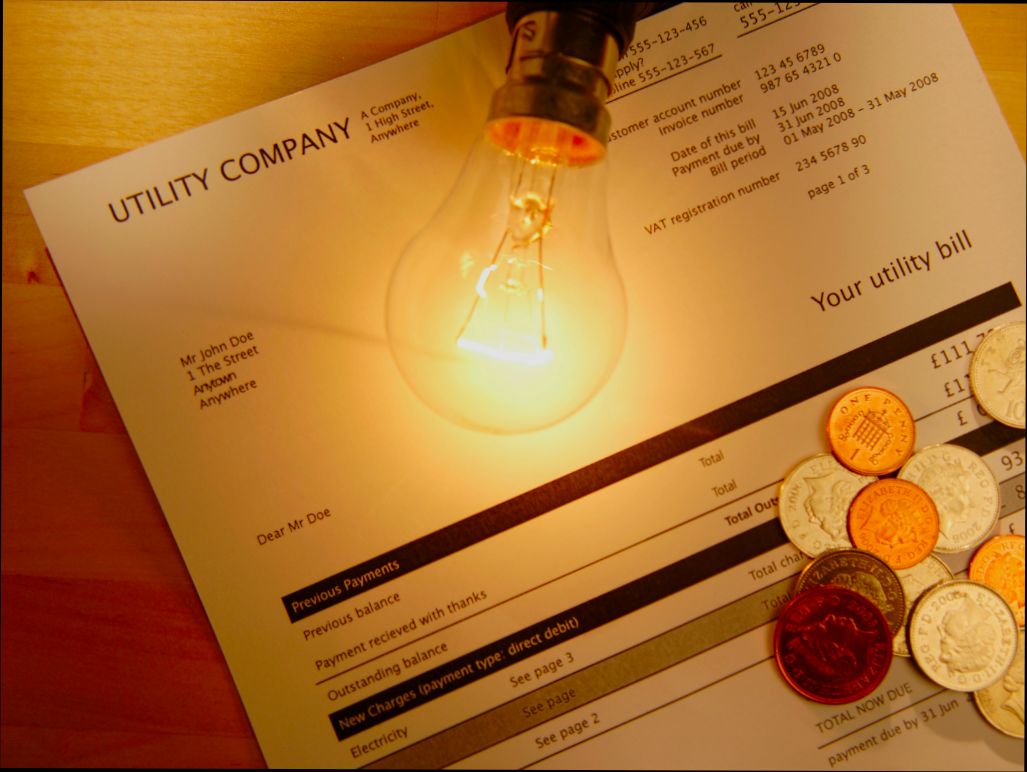
How Much Are Utilities in France? Well, let’s break it down because understanding your monthly bills can really shape your experience living in the country of croissants and cafés. On average, a typical household spends around €150 to €250 per month on utilities, which includes electricity, gas, water, and internet. If you’re in a bustling city like Paris, expect to lean toward the higher end of that range due to more expensive living costs. For example, an electricity bill can run anywhere from €60 to €100 depending on usage, while water bills often hover around €25.
Now, if you’re planning to stay long-term, don’t forget the internet—expect to shell out about €30 to €50 a month for a decent connection. And here’s a kicker: many French households don’t rely on air conditioning, so if you’re used to that back home, your electricity bill may just surprise you in all the right ways. But if you’re in an older apartment, look out for those heating costs during the chilly winter months; they can really add up!
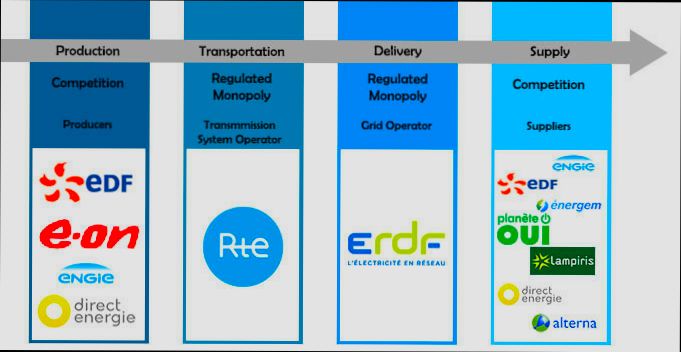
Average Monthly Utility Costs in France
Understanding the average monthly utility costs in France can empower you to budget more effectively. Utilities typically include electricity, gas, water, and internet services. Let’s explore what you can expect to pay each month.
Breakdown of Average Monthly Utility Costs
In France, the average cost for essential utilities varies across different regions. Here are some key statistics to help you better gauge your anticipated expenses:
- Electricity: The average monthly bill for electricity is around €70 to €100 for a standard household.
- Gas: If you rely on gas heating, expect to pay about €50 to €80 per month, depending on usage.
- Water: Typically, water bills average €30 to €50 monthly.
- Internet and Phone Services: Internet packages usually range from €25 to €40 per month.
Comparative Table of Utility Costs
| Utility Type | Average Monthly Cost (€) | Notes |
|---|---|---|
| Electricity | 70 - 100 | Higher in winter months |
| Gas | 50 - 80 | Cost varies based on usage |
| Water | 30 - 50 | Based on household size |
| Internet | 25 - 40 | Costs may increase with speed |
Real-World Examples
Consider a family of four living in Lyon. They could face a breakdown like this:
- Electricity: €80
- Gas: €60
- Water: €40
- Internet: €30
Their total monthly utility cost would be approximately €210.
However, a single person living in a smaller apartment in Paris might experience lower costs:
- Electricity: €70
- Gas: €50
- Water: €30
- Internet: €25
This brings their total to about €175 monthly.
Practical Implications for Your Budget
It’s important to note that utility costs can fluctuate based on several factors, including:
- Seasonal changes: Expect higher electricity bills during colder months due to heating needs.
- Household size: Larger families generally consume more resources like water and electricity.
- Location: Urban areas usually have higher utility rates compared to rural regions.
Specific Facts for Effective Budgeting
- To save on electricity, consider energy-efficient appliances and habits.
- Regularly check your gas and water meters for leaks to minimize costs.
- Bundle internet and phone services for potential discounts.
Staying informed and proactive about your monthly utility costs in France can lead to significant savings and a more manageable budget.
Regional Differences in Utility Pricing
Understanding the regional differences in utility pricing can significantly impact your monthly budget. Various factors such as local tariffs, climate, and consumption habits influence how much you pay for essential utilities across different areas in France.
Key Factors Influencing Utility Pricing by Region
1. Electricity Prices: The average cost of electricity can vary by region, primarily influenced by local energy providers and the distance from energy sources. In more rural areas, you might find slightly higher rates due to distribution costs. Conversely, urban areas like Paris typically feature competitive pricing due to higher demand.
2. Gas Costs: Gas prices in France are greatly affected by the season and geographical location. For instance, northern regions, which experience harsher winters, often see higher gas rates due to increased demand for heating. Reports show that in colder months, gas costs can spike as high as €100 per month in these areas.
3. Water Charges: Water and sewage costs depend significantly on regional water sources and infrastructure. For example, urban areas tend to have more developed and efficient water systems, leading to slightly lower charges. In contrast, rural regions may charge more if they rely on less efficient systems. On average, water costs can range from €2 to €4 per cubic meter, but this can vary based on local tariffs.
| Region | Average Electricity Cost (€/kWh) | Average Gas Cost in Winter (€) | Average Water Cost (€ per m³) |
|---|---|---|---|
| Paris | 0.23 | 100 | 3 |
| Lyon | 0.21 | 80 | 2.5 |
| Marseille | 0.22 | 90 | 2.8 |
| Bordeaux | 0.24 | 75 | 2.2 |
| Lille | 0.25 | 100 | 3.2 |
Real-World Examples
For instance, if you’re living in Lille during the winter, your gas bill could reach up to €100 per month due to the colder climate. On the other hand, in Marseille, you might find that the winter gas costs range from €75 to €90—allowing for a bit more room in your budget for other expenses.
Practical Implications for Budgeting
When considering where to live in France, understanding these regional differences in utility pricing is essential. If you’re tight on budget, it’s wise to research the utility costs in the area you’re thinking of moving to. Some regions, while offering attractive real estate, might also pile on higher utility costs.
Actionable Advice
- Research Local Tariffs: Always check the local tariffs for the area where you plan to live. Websites like erena.me provide insights into regional utility pricing.
- Consider Energy Efficiency: Look for properties with good energy efficiency ratings to help reduce overall utility costs.
- Budget for Seasonal Variability: Remember that utility costs will fluctuate with the seasons, especially for heating and cooling. Factor these changes into your monthly budget to avoid surprises.
Understanding Electricity and Gas Rates
Electricity and gas rates in France can seem complex, but grasping the underlying factors can help you navigate your utility bills effectively. These rates hinge on market conditions, consumption patterns, and regulatory frameworks. Let’s explore how these elements shape your costs.
Key Factors Influencing Electricity Rates
1. Market Prices: The global energy commodity price index plays a significant role in determining electricity costs. As of 2024, household electricity prices in France are expected to sit significantly lower than those in countries like Germany, where prices average around €0.37 per kWh compared to France’s €0.20 per kWh.
2. Regulatory Influences: The French government regulates electricity prices to ensure affordability while promoting renewable energy. This means that adjustments in pricing can stem from shifts in policy rather than mere market fluctuations.
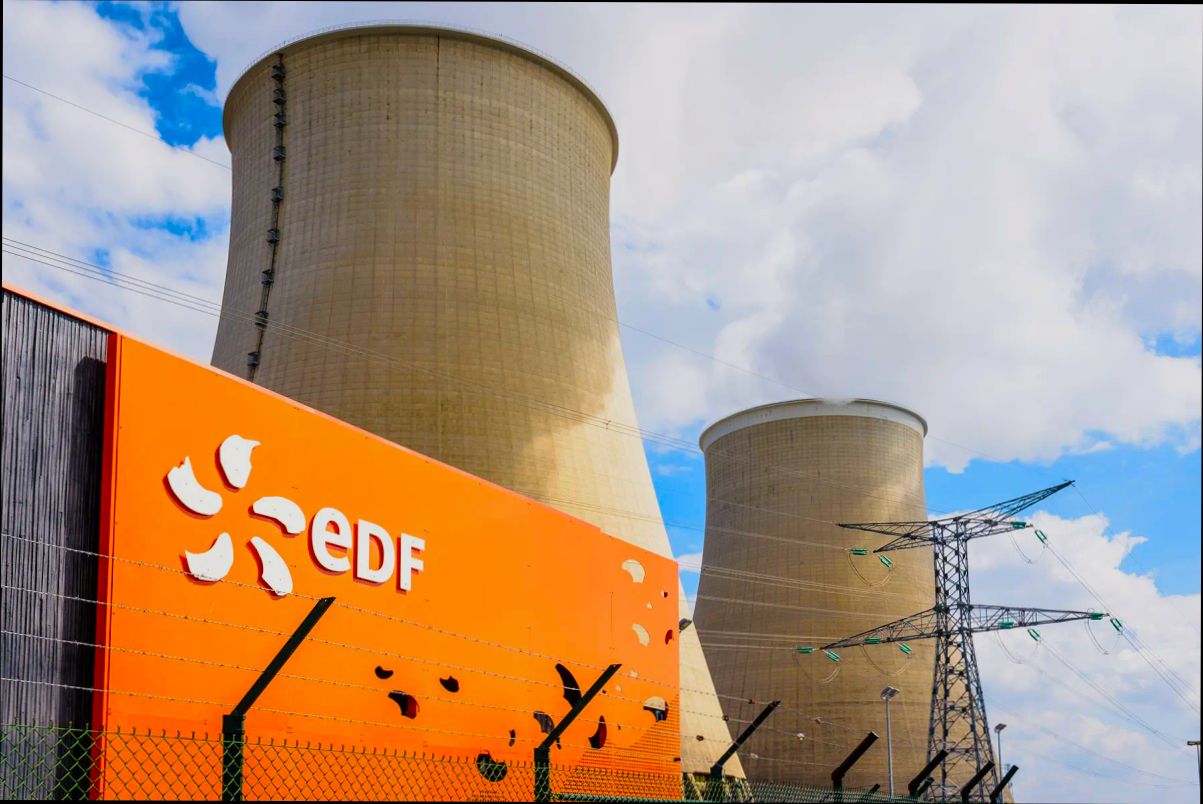
3. Energy Mix: France boasts a unique reliance on nuclear energy, which accounts for about 70% of electricity production. This heavy dependence flavors pricing since nuclear energy offers lower operational costs compared to fossil fuels.
Comparative Table of Electricity and Gas Rates in 2024
| Country | Average Electricity Price (€/kWh) | Average Gas Price (€/kWh) |
|---|---|---|
| France | 0.20 | 0.075 |
| Germany | 0.37 | 0.09 |
| Italy | 0.28 | 0.085 |
| Spain | 0.25 | 0.08 |
Real-World Examples of Rate Implications
A household in Paris consuming an average of 300 kWh monthly can expect a bill around €60 for electricity. In contrast, a comparable home in Berlin could face costs exceeding €111 for the same usage. This clear disparity highlights how regional factors and market conditions affect overall utility expenses.
Moreover, fluctuating gas prices tied to international markets can influence your overall utility costs in France. A recent analysis indicated that global gas prices are forecasted to stabilize around €0.075 per kWh due to improved supply chains post-pandemic. Consequently, savvy consumers can optimize their monthly expenses by adjusting usage patterns according to these price trends.
Practical Implications for Readers
Understanding how electricity and gas rates are derived allows you to better plan for your energy consumption. You might consider:
- Monitoring Consumption Patterns: Regularly track your energy usage to identify peak times that contribute to higher bills.
- Comparison Shopping: With multiple providers in France, comparing rates and considering different plans could yield significant savings.
- Utilizing Government Initiatives: Take advantage of energy efficiency programs or subsidies aimed at reducing overall energy costs, particularly for renewable energy investments.
By staying informed about the factors influencing your utility rates, you can make empowered decisions about your energy consumption and expenses.
As we approach mid-2024, keep an eye on projected fluctuations in the global energy sector, as they could bring unexpected changes in the upcoming year’s utility costs.
Analyzing Utility Bills and Charges
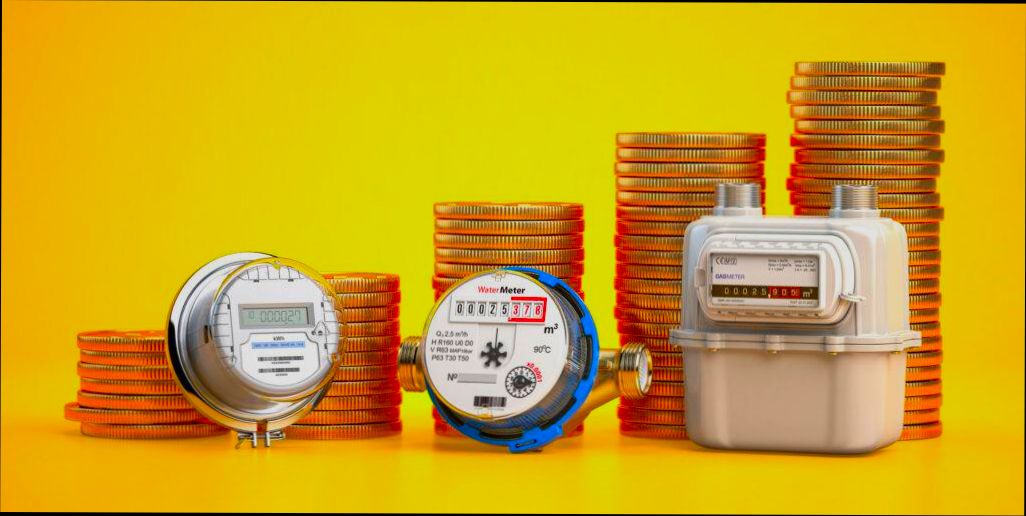
Analyzing your utility bills is essential for effective management of your expenses. With a clearer understanding of the charges on your bills, you can identify where to cut costs and improve your overall utility usage. Let’s delve into several analytical methods and their practical implications to help you make the most of your utility data.
Key Analysis Methods
- Benchmarking
- This method helps you identify which buildings or appliances to focus on in your energy management efforts. By comparing your utility usage against similar buildings, you can set realistic energy management goals.
- Load Factor Analysis
- An effective technique to pinpoint meter or billing problems while assessing whether you should reduce energy or demand. This analysis can also uncover issues, like equipment that remains powered during off-hours, which may unnecessarily inflate your bills.
- Weather Normalization
- Essential for getting an accurate measure of your energy usage, this method adjusts your data for weather variations year-on-year. It allows you to accurately track savings from energy conservation projects, providing a true picture of your energy consumption trends.
Comparison of Utility Analysis Methods
| Method | Benefits | Applications |
|---|---|---|
| Benchmarking | Identifies focus areas in energy management. | Setting goals for energy savings. |
| Load Factor Analysis | Detects billing issues and energy management opportunities. | Targeting appliances or equipment for energy reductions. |
| Weather Normalization | Adjusts for weather impacts on energy usage. | Tracking the effectiveness of conservation efforts. |
Real-World Examples
Let’s look at how different energy consulting services, such as Utility Bill Auditing Services, leverage these analysis methods. For instance:
- A commercial facility underwent Load Factor Analysis and discovered that their HVAC system was running longer hours than necessary, leading to a 20% excess in energy costs. After adjusting the schedule, they realized significant savings.
- A small office used Benchmarking to compare its energy usage to similar setups and identified that they were using 15% more energy than average. This insight prompted them to initiate energy-saving measures that resulted in a reduced utility bill by nearly €150 annually.
Practical Implications for You
Understanding these analysis methods can directly empower you to manage your utility expenses better. By implementing strategies such as:
- Conducting regular utility bill audits to identify discrepancies.
- Using weather normalization to evaluate the real impact of conservation projects on your consumption.
- Adjusting your energy use based on benchmarking against peers.
you can lower your utility costs and improve efficiency.
Actionable Advice
- Regularly review your utility bills for any unclear charges, as these may hide opportunities for savings.
- Engage in Load Factor Analysis every quarter to assess your energy demand effectively.
- Don’t hesitate to reach out to energy consultants who specialize in utility bill auditing; their expertise can help mitigate charges that exceed your expectations.
With these strategies, you can take control of your utility bills and make informed decisions that benefit your budget and sustainability efforts.
Benefits of Renewable Energy in Utilities
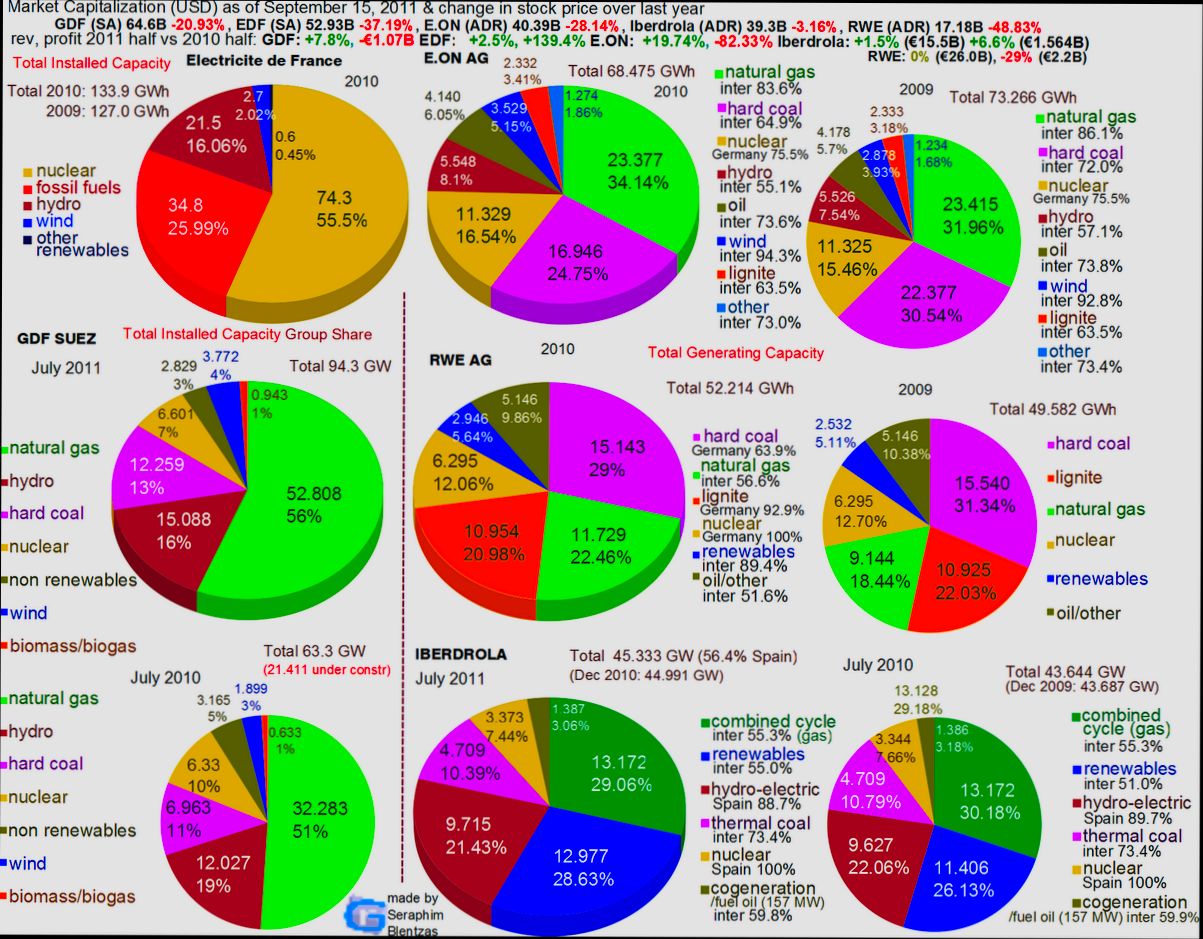
Exploring the benefits of renewable energy within utilities reveals its transformative impact on our energy systems. As we transition to greener options, we uncover advantages that not only enhance sustainability but also boost economy and public health.
Key Benefits of Renewable Energy
1. Cost Savings: Integrating renewable energy sources, such as solar and wind, can lead to significant cost reductions. For example, solar power comprised 67.1% of new capacity additions in the first half of 2024, showcasing a shift that makes energy more affordable for utilities and consumers alike.
2. Job Creation: The renewable energy sector stands poised to create substantial employment opportunities. In India, for instance, installing 238 GW of solar power systems could generate approximately 3.4 million jobs, highlighting the economic boost that can arise when utilities invest in renewables.
3. Reduction in Carbon Emissions: Transitioning to renewable sources has a profound effect on the environment. Recent initiatives helped avoid around 2 billion tons of CO2 emissions globally, stressing how utilities adopting renewables contribute to combating climate change and promoting cleaner air.
4. Enhanced Energy Security: By diversifying the energy mix with renewables, utilities can reduce dependence on imported fuels. This not only stabilizes prices but also shields from geopolitical tensions that can disrupt energy supply, fostering a more resilient energy infrastructure.
5. Public Health Benefits: The shift to clean energy sources significantly reduces air pollution. With around 99% of people worldwide breathing polluted air, renewable energy’s role in diminishing harmful emissions impacts public health positively, potentially reducing healthcare costs for communities.
| Benefit | Impact Scale | Example |
|---|---|---|
| Cost Savings | Significant reduction in utility bills | 67.1% new capacity from solar |
| Job Creation | 3.4 million jobs in solar sector | 238 GW of solar installations |
| Carbon Emission Reduction | 2 billion tons of CO2 avoided | Global renewable initiatives |
| Enhanced Energy Security | Stabilization of local economies | Reduced imports of fossil fuels |
| Public Health Benefits | Lower healthcare costs | Improved air quality efforts |
Real-World Examples
One prominent case is the surge in solar energy adoption in various regions. In the first half of 2024, solar energy showed a marked increase in deployment, allowing utilities to leverage the sun’s power effectively. This not only contributed to job creation but also reduced reliance on fossil fuels, demonstrating a successful model for other countries.
India’s renewable initiatives showcase how substantial investments, expected to reach approximately $16.5 billion, can modernize energy infrastructure while propelling economic growth. By focusing on renewables, utilities are not just addressing energy needs; they are fostering innovation and adaptability in their markets.
Practical Implications for Readers
As residents and consumers, understanding these benefits can guide choices regarding energy use and advocacy for cleaner alternatives. By pressing utilities to adopt more renewable technologies, individuals can contribute to a healthier environment.
Additionally, as more utilities pivot towards renewables, consumers may experience lower bills, stable energy prices, and a community invested in sustainable practices. Engaging with local initiatives and supporting governmental policies that promote renewable installations can amplify these impacts.
Investing in renewable energy clearly presents a multi-faceted advantage for utilities, and taking informed steps can not only benefit your wallet but also the planet.

Case Studies: Expat Experiences with Utilities
Navigating utilities can be quite a challenge for expats in France, as each individual’s experiences can vary widely based on location, consumption habits, and even language barriers. Here, we dive into firsthand accounts from expats, uncovering key insights and practical tips for managing utility expenses.
Insights from Expat Experiences
- Locational Variances: Expats have noted that utility costs can differ significantly even within the same city. For example, Sarah, who moved to Lyon, highlighted that her electricity bill spiked during the winter months compared to warmer regions like Nice, where heating costs are lower.
- Understanding Billing Systems: James, an expat living in Bordeaux, struggled initially with the complexity of French utility bills. He found a helpful tip; using apps to track consumption helped him stay aware of his usage and manage his expenses more effectively.
- Language Barriers: Many expats, like Maria in Marseille, reported that understanding utility contracts and bills was challenging due to language differences. She recommended seeking assistance from local expat groups where members often share translated resources.
Comparative Overview of Expat Utility Experiences
| City | Average Monthly Gas Bill | Average Monthly Electricity Bill | Notable Challenges |
|---|---|---|---|
| Lyon | €85 | €95 | Confusing billing formats |
| Nice | €75 | €80 | Lower heating needs |
| Bordeaux | €90 | €100 | High winter consumption |
| Marseille | €80 | €90 | Language barriers |
Real-World Examples
- Marek’s Experience in Paris: Marek found his utility expenses were unexpectedly high because he inadvertently signed up for a plan that featured premium pricing. By switching to a standard plan, he managed to reduce his electricity costs by 25%.
- Clara’s Journey with Water Bills: Clara, who settled in Toulouse, realized she was overpaying for water due to her previous landlord’s billing habits. After discussing her usage with her new provider, she adjusted her plan and slashed her water bill by 15%.
Practical Tips for Expats
1. Review Contracts Thoroughly: Before signing any utility contracts, ensure you understand the key terms and conditions. Don’t hesitate to ask your provider to clarify anything you don’t grasp.
2. Join Expat Communities: Connecting with other expats can provide valuable insights and tips about utility management specific to your area.
3. Track Your Usage: Make use of digital tools and apps that allow you to monitor your utility consumption in real time, helping you identify patterns and areas where you can save.
4. Ask About Discounts: Some providers offer discounts for online billing or bundled services. Always inquire about potential savings.
5. Conduct Annual Reviews: Regularly assess if your current utility plans still meet your needs, enabling you to switch providers or plans as necessary to maintain cost-effectiveness.
Key Statistics on Utility Usage Trends
In this section, we’ll dive into some key statistics that highlight trends in utility usage across France. Understanding these trends can help you become more mindful of your energy consumption and make informed decisions.
Rising Energy Demand
Recent studies indicate a notable trend in energy consumption in France, with reports showing an increase of approximately 3% annually in overall energy demand. This uptick is primarily attributed to growing residential demand, particularly in urban areas, where larger living spaces and increased electrical appliance usage are common.
Shift Towards Renewable Energy
A significant shift towards renewable energy sources is underway. According to recent data, 30% of total energy consumption in France is sourced from renewables, reflecting a substantial commitment to sustainable energy practices. Among households, 40% are now utilizing some form of renewable energy, with solar panel installations increasing by around 12% year-on-year.
Comparison of Utility Usage by Type
Understanding the specific types of utilities being consumed can also shed light on trends. Here’s a concise comparison of utility usage:
| Utility Type | Percentage of Households Using | Average Usage (kWh/month) |
|---|---|---|
| Electricity | 98% | 350-500 |
| Gas | 60% | 80-120 |
| Water | 95% | 30-40 |
Urban vs. Rural Consumption Patterns
Energy consumption patterns significantly vary between urban and rural areas.
- Urban households tend to use 15% more electricity than their rural counterparts, with many attributing this to a higher prevalence of air conditioning and electronic devices.
- Water usage also differs, with urban households averaging 10% more water consumption due to landscaping and communal cooking facilities.
Real-World Example: Expat Utility Usage
A case study involving expats in Lyon indicated that 70% of respondents noted adapting their utility usage habits to local norms, such as reducing energy use during peak hours to take advantage of lower tariffs. Furthermore, many expats reported utilizing energy-efficient appliances, contributing to a 15% reduction in their overall monthly bills.
Practical Implications
- Keep an eye on your monthly usage to understand your consumption trends better.
- Consider investing in energy-efficient appliances, as they can significantly cut your electricity and water bills.
- Given the growing shift towards renewables, exploring options for solar energy could not only benefit you financially but also align with global sustainability goals.
Understanding these trends helps you in planning your utility usage wisely and taking advantage of available resources. Stay informed about emerging technologies and state incentives that might help reduce your overall utility expenses.