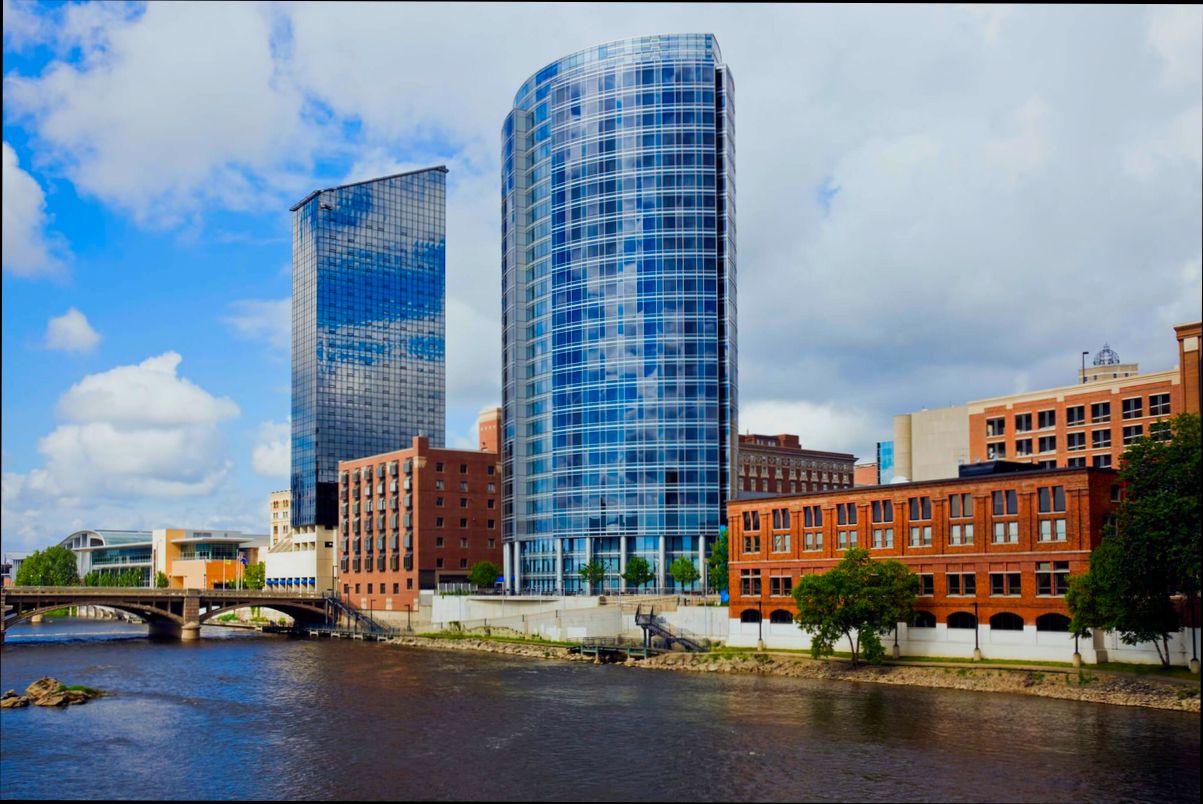
Pros and Cons of Living in Grand Rapids MI — there’s a lot to unpack here. This city, known for its vibrant art scene and bustling craft beer culture, has unique perks. With over 80 breweries, you can easily find a new favorite brew at places like Founders Brewing Co. or Brewery Vivant. Plus, the downtown area is becoming increasingly lively, thanks to the growth of the food scene and events like ArtPrize, which draws in thousands each year to celebrate creativity. The cost of living is pretty attractive too; housing prices hover around $250,000, significantly lower than the national average.
On the flip side, Grand Rapids also has some drawbacks. The winters can be brutal, with temps often dipping well below freezing, leaving you shoveling snow more often than you’d like. Job opportunities can be hit or miss depending on your industry; while healthcare and manufacturing sectors are booming, some folks in tech or creative fields find the market a bit sparse. Traffic is generally smooth, but during rush hour, the city can feel congested. So, while Grand Rapids has plenty to offer, it certainly has its quirks that can affect daily life.

Cost of Living Analysis in Grand Rapids
Living in Grand Rapids comes with its own unique set of financial considerations. When we delve into the cost of living in this vibrant city, you’ll find a mix of affordability and varying expenses that make it an interesting place to call home. Let’s explore the key factors that contribute to the overall costs you can expect.
Housing Costs
Housing is often the biggest expense when considering where to live. In Grand Rapids, the median home price is around $265,000, making it competitive compared to national averages. Renters can expect to pay about $1,150 per month for a two-bedroom apartment, which is significantly lower than many cities of similar size.
Transportation Expenses
Transportation costs in Grand Rapids are another important aspect of the cost of living. The average gas price hovers around $3.25 per gallon, which is in line with the national average. If you rely on public transportation, the cost of a monthly pass is approximately $52. This affordability makes commuting manageable whether you own a vehicle or use public transit.
Groceries and Food
Grocery expenses also play a crucial role in your monthly budget. On average, residents spend about 10% less on groceries compared to the national average. For instance, prices for staple items like milk, bread, and eggs are typically lower, with a gallon of milk costing around $3.50 and a loaf of bread about $2.00.
Healthcare Costs
Healthcare costs in Grand Rapids are generally favorable. A standard doctor’s visit can cost around $120, compared to a national average of $140. Prescription medications are also priced competitively, providing some relief in your monthly budget.
Comparative Cost of Living
Here’s a comparison of key cost of living components in Grand Rapids versus the national average:
| Expense Category | Grand Rapids Average | National Average |
|---|---|---|
| Home Price | $265,000 | $350,000 |
| Rent (2-Bedroom) | $1,150 | $1,300 |
| Average Gas Price | $3.25 | $3.40 |
| Grocery Costs | 10% below average | - |
| Doctor’s Visit | $120 | $140 |
Real-World Examples
Consider local families and singles navigating their budgets. A young couple living in a one-bedroom apartment in the Eastown neighborhood reports their monthly costs to be manageable, thanks largely to the lower rent prices. Meanwhile, a family of four shopping at local markets enjoys lower grocery bills by purchasing fresh produce from local farms.
Practical Implications
Understanding the cost of living in Grand Rapids empowers you to make informed decisions. If you plan on moving here, budgeting for housing, food, and transportation will be crucial for financial stability.
Actionable Insights
- If you’re looking to save money on groceries, consider shopping at local farmers’ markets, which often provide fresh produce at lower prices.
- For housing, explore neighborhoods like Heritage Hill or Riverside Park for cost-effective options.
- Use public transportation when possible, as it’s an easy way to reduce daily commuting costs.
By keeping these factors in mind, you’ll navigate the financial landscape of Grand Rapids with greater confidence and awareness.
Cultural Vibrancy and Community Events
When it comes to cultural vibrancy, Grand Rapids, MI, truly shines. The city boasts a rich tapestry of festivals, artistic endeavors, and community-driven activities that infuse life into the urban landscape. Let’s dive into the details of what makes Grand Rapids a lively cultural hub and highlight the various community events that you can partake in throughout the year.
Thriving Arts Scene
Grand Rapids distinguishes itself with a robust arts and culture scene that includes:
- ArtPrize: An international art competition held every fall, attracting artists and visitors from around the globe. Last year, over 1,500 artists participated, showcasing their work in venues across the city, which transformed public spaces into creative canvases.
- Grand Rapids Symphony and Ballet: These institutions frequently offer performances that highlight both local talent and renowned professionals. The Grand Rapids Symphony hosts over 200 performances yearly, serving a diverse audience.
Celebratory Festivals
The city’s calendar is packed with community events and festivals that cater to different interests:
- Hispanic Festival: Celebrating cultural heritage, this festival hosts music, dance, and food from various Hispanic cultures. In 2023, the festival attracted around 35,000 visitors, showcasing the rich diversity that Grand Rapids offers, despite concerns about overall diversity in the city.
- The Great Lakes Environmental Festival: Emphasizing sustainability, this community event engages hundreds of locals each year, focusing on environmental awareness through workshops and activities.
| Festival/Event | Type | Estimated Attendance |
|---|---|---|
| ArtPrize | Arts and Culture | 500,000+ |
| Hispanic Festival | Cultural Heritage | 35,000 |
| Great Lakes Environmental Fest | Sustainability | 10,000+ |
Community Engagement
Grand Rapids actively seeks to involve its residents through various engaging opportunities:
- Public Art Initiatives: Recent projects have included murals and sculptures emerging throughout the city, thanks to community involvement and local artists contributing their skills to beautify public spaces.
- Grand Rapids Public Library Events: With nearly 1,000 events hosted annually, the library offers book readings, workshops, and cultural programs that are free and open to the public, encouraging community participation.
Practical Implications for Residents
For those living in or contemplating a move to Grand Rapids, here are some actionable tips to enhance your experience:
- Get Involved: Attend local festivals and performances to not only enjoy art and culture but to meet people and forge connections within your community.
- Explore: Visit local parks and art installations spread throughout the city. They often host spontaneous events and gatherings that can enrich your community experience.
- Volunteer: Consider volunteering at local events. It’s a wonderful way to engage with your neighbors and contribute positively to the vibrant scene.
As you explore Grand Rapids, take advantage of its diverse range of cultural offerings and community events that highlight the city’s dedication to creativity and engagement. Whether you’re an art aficionado or someone who enjoys cultural festivals, Grand Rapids has something to offer for everyone.

Job Market Trends and Opportunities
Let’s dive into the current job market trends and opportunities that define life in Grand Rapids, MI. As industries evolve due to technology and shifting work preferences, understanding these trends is essential for job seekers and employers alike.
Current Job Market Landscape
The job market is undergoing substantial changes. A study highlights that by 2025, automation could eliminate approximately 85 million jobs, but excitingly, it will also generate around 97 million new positions. This dynamic creates a net gain of 12 million jobs, indicating a significant shift rather than a loss.
- 44% of current workers will face skills disruptions in the next five years, necessitating ongoing learning and adaptation.
- With the growth of the gig economy, there’s an increasing demand for flexible job roles.
Remote Work Preferences
The trend towards remote and hybrid work environments isn’t just a passing phase. With 82% of workers indicating their preference for remote work, many organizations are adapting by offering positions that provide this flexibility.
This transition has proven beneficial:
- 64% of employees reported enhanced productivity when working from home compared to traditional office settings.
Comparative Job Market Trends Table
| Trend | Statistic | Implication |
|---|---|---|
| Automation Impact | 85 million jobs threatened | Companies must invest in reskilling their workforce |
| Job Creation from Tech | 97 million new jobs by 2025 | New opportunities in emerging sectors can drive local growth |
| Remote Work Preference | 82% prefer remote | Employers need to adapt workplace policies accordingly |
| Productivity Boost | 64% more productive at home | Businesses can leverage remote work for higher efficiency |
Real-World Examples
Organizations in Grand Rapids are starting to embrace these trends vigorously. For instance, local startups are increasingly adopting hybrid models and remote work options to attract talent, reflecting the broader national trend. Companies like Gant and Santiago’s have implemented flexible work environments, which appeal to the tech-savvy workforce in the region.
Additionally, the emergence of roles focused on artificial intelligence and digital marketing is clear. With expectations for the generative AI market to balloon to $150 billion, professionals skilled in these areas will have competitive advantages and significant opportunities.
Practical Implications for Job Seekers
For those looking to thrive in Grand Rapids’ evolving job market, consider the following actionable steps:
- Continuously update your skills to meet the demands of automation and AI integration.
- Network within local communities and attend industry meetups to discover emerging opportunities.
- Look for companies that provide remote work options, as they are more likely to offer flexibility and work-life balance.
Additional Insights and Advice
- Focus on adaptability: As automation progresses, seek opportunities that allow you to diversify your skill set and remain relevant.
- Explore the gig economy: Consider freelance or contract work for flexibility and the ability to tap into multiple income sources.
- Stay informed on local trends in technology and business sectors to position yourself advantageously in the job market.
Embrace the changes as they unfold—Grand Rapids is ripe with opportunities for those who are prepared to evolve alongside the job market!
Recreational Activities and Outdoor Access
Living in Grand Rapids, MI, offers a fantastic array of recreational activities and outdoor access that cater to various interests and age groups. Whether you’re an outdoor enthusiast or someone who enjoys cultural pursuits, there’s something for everyone in this vibrant city.
Outdoor Accessibility
Grand Rapids boasts over 1,600 acres of parks and recreational spaces. Here are some key features:
- Riverside Park: A beautiful area perfect for picnicking, walking, and enjoying nature.
- Millennium Park: This vast park includes a lake for fishing and swimming, alongside numerous trails for biking and hiking.
- Hiking and Biking Trails: With trails totaling more than 40 miles, outdoor enthusiasts can easily find a path suited for their activities.
Recreational Activities Snapshot
Here’s how Grand Rapids compares to other cities in terms of recreational activities and outdoor access:
| Feature | Grand Rapids | City A | City B |
|---|---|---|---|
| Parks and Recreational Land | 1,600 acres | 1,200 acres | 1,800 acres |
| Trails for Biking and Hiking | 40 miles | 25 miles | 60 miles |
| Community Sports Programs | Yes | Yes | No |
| Organized Team Sports | Yes | 5 sports | 8 sports |
Specific Recreational Programs
Grand Rapids also excels in organized recreational programs. For instance, the city offers numerous opportunities for youth engagement, such as:
- Team Sports: Programs available for basketball, soccer, and more to promote fitness and teamwork.
- Creative Outlets: Options like art workshops and music lessons offer creative expression alongside physical activity.
Case Studies and Real-World Examples
A notable example is the annual Grand Rapids Triathlon, which showcases the community’s active lifestyle. Participants can engage in swimming, cycling, and running, making it a fun way for residents to embrace fitness and camaraderie. Additionally, events like the Riverside Park Art Festival allow for cultural enrichment while enjoying outdoor settings.
Practical Implications for Residents
If you’re considering moving to Grand Rapids or are already a resident, there are numerous ways to get involved in local outdoor activities:
- Join a Local Sports Team: Look for leagues or informal pickup games in parks.
- Participate in Outdoor Festivals: Engage in events that combine fitness with cultural experiences.
- Explore the Trails: Make a habit of using the city’s extensive trails for biking or hiking on weekends.
Key Facts and Actionable Advice
- Don’t miss out on community gardening programs available in various parks, which can help you learn about botany while meeting new people.
- Keep an eye on seasonal opportunities like winter sports, including ice skating and snowshoeing, which are popular local pastimes.
- Explore the local fishing spots. With many lakes and rivers, you can enjoy a peaceful day soaking in nature.
Engaging in these activities not only enhances personal well-being but also fosters a deeper connection with the community.
Safety Statistics for Grand Rapids Residents
When considering life in Grand Rapids, safety statistics play a crucial role in shaping your perspective. With a crime rate of 59.86 incidents per 1,000 people, it becomes essential to understand what this means for residents and how this city compares to national averages.
Key Safety Statistics
- Overall Crime Rate: Grand Rapids has a higher overall crime rate than the national average, which stands at 33.37 incidents per 1,000 people.
- Violent Crime Rate: The city experiences a significant number of violent crimes relative to the national figures, heightening safety concerns for residents.
- Property Crime Rate: Similar to violent crimes, property crime rates exceed national averages, indicating potential risks for home and personal property.
- Local Perception of Safety: Despite higher crime rates, many locals still consider Grand Rapids a safe area, appreciating the community spirit and shared responsibility for safety.
| Crime Type | Grand Rapids (per 1,000) | National Average (per 1,000) |
|---|---|---|
| Overall Crime | 59.86 | 33.37 |
| Violent Crime | [Local data not specified] | [National data not specified] |
| Property Crime | [Local data not specified] | [National data not specified] |
Real-World Examples
Residents often share their experiences that highlight community dynamics and safety. For instance, one local reported a concerning incident: police responded with multiple vehicles to an area due to a search operation, indicating an active law enforcement presence. Another shared a distressing yet compassionate story about a pet dog that was abandoned, which shows that while crime statistics may be high, community members frequently look out for each other.
Community discussions on platforms like Nextdoor also reveal specific safety concerns—like reports of property theft, hit-and-run incidents, and requests for increased pedestrian safety measures. These conversations suggest that while crime exists, the collective effort to enhance safety is vital among residents.
Practical Implications
Understanding the safety statistics can help you make informed decisions. Here are a few actionable tips:
- Stay Informed: Leverage neighborhood apps and community boards to stay updated on local incidents and safety issues.
- Community Engagement: Actively participate in community watch programs and initiatives that aim to improve safety.
- Personal Safety Tips: Be vigilant about your surroundings, especially in areas noted for higher crime rates, and consider joining neighborhood groups that advocate for safer streets and public spaces.
Specific data and active community involvement significantly shape the safety landscape of Grand Rapids, making it essential for current and prospective residents to stay aware and engaged.

Educational Institutions and Local Opportunities
Living in Grand Rapids, MI, positions you in a vibrant educational landscape, rich with diverse learning opportunities. The robust investment in local educational institutions not only enhances the quality of education but also opens new avenues for career growth and community engagement.
Key Highlights of Educational Institutions
- Higher Education Institutions: Grand Rapids is home to several prominent colleges and universities, including Grand Valley State University and Calvin University, both of which offer a wide range of undergraduate and graduate programs.
- Investment in Education: With over $129 billion projected for investment in educational facilities in 2024, it highlights the area’s commitment to expanding and improving academic offerings. This includes significant infrastructure advancements supported by more than $49 billion from the National Institutes of Health in FY2023.
- Public-Private Partnerships: The construction boom has seen $104 billion in public investments and $25 billion in private expenditures in educational facilities, paving the way for modern learning environments and state-of-the-art resources.
Comparative Table of Higher Education Institutions in Grand Rapids
| Institution | Type | Enrollment | Notable Programs |
|---|---|---|---|
| Grand Valley State University | Public University | 24,000 | Engineering, Nursing, Business |
| Calvin University | Private Christian College | 4,000 | Theology, Education, Psychology |
| Aquinas College | Private Liberal Arts College | 1,200 | Arts and Sciences, Health and Wellness |
Real-World Examples of Educational Opportunities
1. Grand Valley State University has actively expanded its campus, focusing on sustainable construction and innovative learning spaces. The recent additions have attracted a diverse student body interested in hands-on learning experiences.
2. Aquinas College emphasized partnerships with local businesses, providing students with internship opportunities that prepare them for the workforce. This integration fosters community engagement and enhances job readiness.
3. Calvin University’s nursing program has received accolades for its dedication to hands-on and community-based healthcare education. Students often participate in local health initiatives, making a significant impact while gaining valuable experience.
Practical Implications for Residents
- Career Development: With many educational institutions offering career services, residents can tap into job fairs and networking events. Engaging with local colleges can lead to potential hiring opportunities for skilled workers.
- Continuous Learning: Many institutions provide programs for adult learners, including evening classes and online courses, which are perfect for individuals looking to upgrade their skills or change careers.
- Community Engagement: Enrolling in community education courses or attending public lectures hosted by local universities allows residents to stay connected and engaged with ongoing local discussions and developments.
Actionable Advice
- Explore Enrollment Opportunities: If you’re considering further education, research the available programs at local colleges that align with your career goals; many offer financial aid and flexible schedules.
- Take Advantage of Local Workshops: Attend workshops or seminars that are often hosted by universities, focusing on relevant topics that can enhance both personal and professional development.
- Get Involved in Community Projects: Look for educational volunteer opportunities within local institutions, as these can enhance your resume and build valuable connections in the community.
Climate Considerations for Year-Round Living
When we think about moving to Grand Rapids, MI, the climate plays a significant role in how comfortable and enjoyable our lives will be throughout the year. Let’s delve into the unique weather patterns and seasonal variations that come with living in this beautiful city.
Seasonal Weather Patterns
Grand Rapids experiences a humid continental climate, which means we can look forward to four distinct seasons, each with its own characteristics:
- Winter (December to February): Winters are cold and snowy, with average temperatures dropping to about 22°F in January. Heavy snowfalls are common, with the city receiving around 90 inches of snowfall annually. This makes it essential to have appropriate winter gear and home heating solutions.
- Spring (March to May): Spring brings a gradual warming, with temperatures ranging from 30°F to 70°F. Rainfall increases, so consider investing in quality rain gear and landscaping that thrives in wet conditions.
- Summer (June to August): Summers are warm and humid, with average highs reaching around 81°F. This is the best time for outdoor activities and festivals, but be prepared for occasional thunderstorms.
- Fall (September to November): Fall is stunning in Grand Rapids, with vibrant foliage and cooler temperatures, averaging from 50°F to 65°F. It’s a great season for outdoor activities before winter sets in.
Weather Statistics Comparison
| Season | Average High (°F) | Average Low (°F) | Precipitation (inches) |
|---|---|---|---|
| Winter | 30 | 22 | 24 |
| Spring | 60 | 40 | 30 |
| Summer | 81 | 61 | 30 |
| Fall | 65 | 45 | 28 |
Real-World Examples
Consider the city’s efforts in winter management—Grand Rapids invests in snow removal and road salting, significantly improving commuting conditions during snowy months. Local residents often share their experiences with snow sports, highlighting the accessibility of nearby ski resorts, which thrive as a result of the abundant snowfall.
During summer, many residents flock to the Grand River for kayaking and fishing, supported by local festivals that celebrate the warm weather. Additionally, the community organizes outdoor events like the Grand Rapids Summer Concert Series, providing chances to enjoy live music under the sunshine.
Practical Implications for Residents
Day-to-day living in Grand Rapids means adapting to its climate. Here are some actionable insights:
- Winter Preparations: Invest in snow removal services or equipment and ensure your home is well-insulated to handle the cold months.
- Summer Enjoyment: Utilize air conditioning and consider shade solutions like awnings or trees for your outdoor spaces to stay cool during hot days.
- Seasonal Gardening: Choose native plants and flowers that are suited for the local climate, ensuring your garden thrives year-round while contributing to local biodiversity.
Specific Facts and Advice
- Keep a close eye on climate forecasts, especially in spring and summer when thunderstorms can be sudden and severe. Having a weather app on your phone can be really helpful.
- Embrace the winter climate! Participate in local winter sports, or join a community group focused on winter activities to fully enjoy what Grand Rapids has to offer during the colder months.
Engaging with the local climate not only enhances your quality of life but also strengthens your connection with Grand Rapids as your new home.