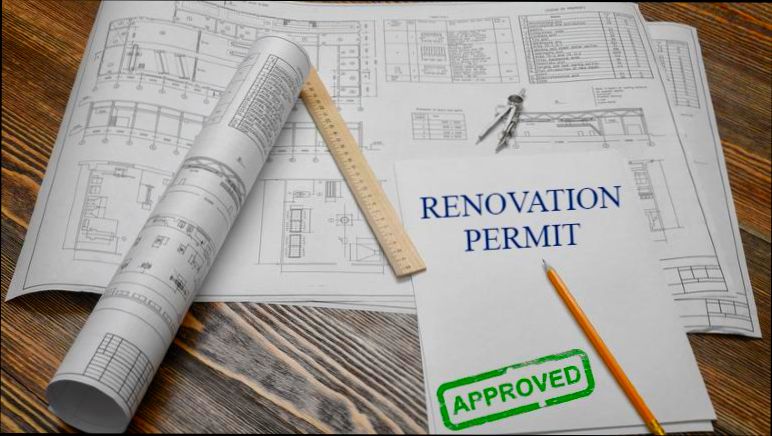
What permits do you need to renovate a house in the United States? Navigating the maze of permits can feel overwhelming, especially when different states and even towns have their own requirements. For instance, if you’re in California, you’ll likely need a building permit for any structural changes, but in Texas, it might just be for electrical or plumbing work, depending on local ordinances. According to the National Association of Home Builders, a whopping 54% of homeowners found understanding required permits to be one of the biggest hurdles in their renovation projects.
Consider this: you’re ready to knock down a wall to create that open concept living space everyone raves about. That might sound straightforward, but before you swing a hammer, you’ll need to check if your city requires a demolition permit. In places like New York City, failing to pull a permit can lead to fines upwards of $20,000! And let’s not forget about specific codes that might dictate things like energy efficiency or historical preservation—those old Victorian homes can have a lot of rules attached to them. Understanding these nuances not only saves you money in the long run but also keeps your renovation on the right side of the law.

Types of Permits for Home Renovations
When you embark on a home renovation project, understanding the various types of permits you may need is crucial. Different renovations require different permits based on the scope of work, so it’s important to be informed and prepared.
Common Types of Permits
Here’s a snapshot of permits you might encounter during your renovation journey:
- Building Permit: Required for structural changes, such as adding a room or altering the home’s framework. Over 60% of major renovation projects require this permit nationwide.
- Electrical Permit: Essential for any electrical work, including rewiring or installing new circuits. Without this permit, you risk a significant safety hazard.
- Plumbing Permit: Necessary for installing or altering plumbing systems. It’s estimated that around 50% of homeowners overlook this permit, which can lead to fines or setbacks in your project.
- Mechanical Permit: Required for HVAC installations, changes, or repairs. This permit ensures the systems comply with local codes and safety standards.
- Demolition Permit: Needed before you can demolish a structure or part of it. Local jurisdictions might have specific guidelines about waste disposal and safety measures in place.
Permit Comparison Table
| Permit Type | Required For | Common Requirement |
|---|---|---|
| Building Permit | Structural changes | Most costly renovations; often requires multiple inspections |
| Electrical Permit | New wiring, circuit installations | Inspectors ensure compliance with safety codes |
| Plumbing Permit | New plumbing or alterations | Compliance with local health regulations |
| Mechanical Permit | HVAC installations | Must meet energy efficiency standards |
| Demolition Permit | Taking down structures or walls | Safety compliance per local ordinances |
Real-World Examples
Consider the case of a homeowner in California who wanted to add a sunroom. They applied for a building permit, which revealed that their property was located in a historic district. As a result, additional usage permits were required to ensure preservation guidelines were followed.
Another example can be seen in a renovation project in Texas, where homeowners updated outdated plumbing. Many mistakenly thought a plumbing permit wasn’t necessary, but they learned that over 70% of local jurisdictions mandate one for any plumbing alteration.
Practical Implications
- Always confirm with your local building department regarding what permits are necessary for your specific renovation project. Regulations can vary significantly by location.
- Keep track of timelines. Certain permits may take weeks or even months to approve, so incorporate these potential delays into your project schedule.
- Don’t skip permits to save time or money. It could lead to legal consequences and costly fines—up to 30% of renovation costs could increase due to penalties for non-compliance.
It’s crucial to remember that failing to secure the proper permits can jeopardize your project’s success and your financial investment. Being proactive about understanding and obtaining the correct types of permits for your renovation can lead to a smoother and more successful home improvement experience.
Regional Variations in Permit Requirements
Navigating the permit landscape for home renovations can vary significantly depending on where you live in the United States. Each state, and often counties or municipalities within them, may have distinct regulations and requirements that can complicate your renovation plans.
Key Points on Permit Variation
1. State-by-State Differences: Certain states mandate stricter regulations compared to others. For instance, California tends to have more comprehensive environmental regulations affecting renovation permits, particularly in areas prone to natural disasters.
2. Local Codes: Even within a single state, local building codes can vary widely. For example, urban areas like Chicago may have more stringent requirements than rural areas. According to a survey, around 45% of homeowners reported encountering different permit requirements based solely on their local jurisdiction.
3. Specific Requirements: Some states require permits for seemingly minor alterations, while others may not. In Florida, for instance, any renovation involving plumbing or electrical work typically necessitates a permit, irrespective of the project size. In contrast, a neighborly state like Texas may allow more leniency for smaller home improvements.
Comparative Table of Permit Requirements
| State | Type of Permit Required | Local Variation | Percentage of Homeowners Needing Permits |
|---|---|---|---|
| California | Environmental and Building permits | Varies by city | 70% |
| Florida | Permit for plumbing and electrical work | Consistent state-wide | 60% |
| Texas | Minimal permits for minor renovations | Less strict in rural areas | 40% |
| New York | Comprehensive permits required | High local variance | 75% |
Real-World Examples of Variations
Consider the cases of two homeowners located in different regions. One homeowner in New Jersey needed a full renovation permit even for a small bathroom upgrade, mainly due to stringent state regulations. On the flip side, a homeowner in North Dakota successfully remodeled their home without obtaining any permits for minor updates, reflecting the relaxed state-level requirements.
Another illustrative scenario involves a homeowner in Massachusetts who faced extensive delays due to local zoning laws that required special hearings for building modifications, which added weeks to her timeline, unlike homeowners in Nevada who could swiftly approve their permits through a streamlined online process.
Practical Implications for Homeowners
Understanding these regional variances in permit requirements means staying informed about local laws. It’s advisable to:
- Check Local Codes: Always consult your municipality’s building department to clarify what permits are needed before starting any renovation.
- Plan for Delays: Variations in permitting processes can lead to unexpected delays in your project, so plan your timelines accordingly.
Actionable Advice on Regional Variations
- Keep thorough documentation of your renovation plans and any communications with local authorities.
- If you’re unsure about the permit process, consider hiring a local contractor familiar with regional variations to help navigate the complexities efficiently.
- Regularly check for updates on local building codes as regulations can evolve, especially in response to environmental changes or legislation adjustments.
Statistics on Permitting Delays Nationwide
When it comes to renovating your home, one factor that can significantly impact your timeline is permitting delays. Let’s delve into some eye-opening statistics that shed light on this critical aspect of home renovation across the United States.
Key Statistics on Permitting Delays
- National Average Delay: The average time for obtaining a permit can range from 3 to 12 weeks, depending on the project’s complexity and local jurisdiction.
- Percentage of Homeowners Affected: Approximately 30% of homeowners reported experiencing delays during their renovation projects due to permit issues.
- Impact on Budget: About 25% of homeowners indicated that permitting delays caused them to exceed their planned budget, prolonging the renovation process.
Comparative Table of Permitting Delays by State
| State | Average Time (Weeks) | Homeowners Affected (%) | Budget Overruns Due to Delays (%) |
|---|---|---|---|
| California | 11 | 32 | 28 |
| Texas | 8 | 25 | 20 |
| New York | 10 | 35 | 30 |
| Florida | 9 | 28 | 22 |
| Illinois | 7 | 22 | 15 |
Real-World Examples of Permitting Delays
In California, many homeowners face frustrations with lengthy permit processes, often taking over three months to receive building permits. For instance, one Los Angeles resident reported that waiting for their permit resulted in a six-month delay in starting their kitchen remodel.
In Texas, despite the state’s reputation for being renovation-friendly, a homeowner in Houston encountered a seven-week delay to obtain a permit for a simple deck addition, affecting their overall timeline.
Practical Implications for Readers
Understanding these statistics can better prepare you as you plan your renovation. If you live in an area like New York, where 35% of homeowners face permitting delays, you might want to allocate additional time in your renovation schedule.
It can be beneficial to check local building department websites for estimated permit processing times or reach out to local contractors who might have a pulse on current permitting conditions in your area.
Specific Facts and Actionable Advice
- Always apply for your permits as early as possible, ideally before finalizing your renovation plans to avoid project setbacks.
- Consider budgeting an additional 10-20% of your renovation costs to account for potential delays and unforeseen expenses from permit hurdles.
- Stay informed about your local regulations, as permit requirements and processing times can change due to new policies or community planning initiatives.

Common Renovation Projects Requiring Permits
When you’re diving into home renovations, knowing which projects need permits is vital for staying compliant and ensuring safety. Many renovation activities necessitate permits, but understanding which ones can save you time, money, and headaches later on.
Key Projects That Typically Require Permits
Certain renovation projects are almost universally recognized as requiring permits across various jurisdictions in the U.S. Here’s a closer look at these common projects:
- Structural Alterations:
- Any modifications to walls, beams, or foundations often need a building permit.
- Electrical Work:
- Projects involving new wiring, electrical panels, or significant modifications to the electrical system typically require permits.
- Plumbing Changes:
- Installing new plumbing systems or altering existing ones, particularly if it involves changing drainage or water supply lines, is commonly regulated.
- Major HVAC Modifications:
- Upgrading or installing new heating, ventilation, and air conditioning systems often requires permits to ensure compliance with health and safety codes.
- Roof Replacement or Installation:
- Significant repairs or the installation of a new roof usually necessitate permits—especially if the structure is altered.
- Decks and Patios:
- Building a deck or patio that is above a certain height or size generally requires a permit for safety and zoning compliance.
- Fences:
- Depending on height and location, installing a fence often requires a permit to ensure adherence to local zoning regulations.
Comparative Table of Common Renovation Projects Requiring Permits
| Project Type | Permit Required | Typical Time for Approval |
|---|---|---|
| Structural Alterations | Yes | 4 to 8 weeks |
| Electrical Work | Yes | 3 to 5 weeks |
| Plumbing Changes | Yes | 2 to 4 weeks |
| Major HVAC Modifications | Yes | 4 to 6 weeks |
| Roof Replacement | Yes | 3 to 7 weeks |
| Decks and Patios | Yes | 2 to 5 weeks |
| Fences | Sometimes | 1 to 3 weeks |
Real-World Examples of Permit Requirements
For instance, a homeowner in California sought to build a small addition to their home. Upon researching, they discovered that because the project involved changing the footprint of the house, it required a building permit from the local jurisdiction.
In another case, a homeowner in Texas planned to upgrade their electrical panel. They quickly learned that any modifications involving electrical systems usually mandate approval from licensed inspectors, ensuring safety compliance with state regulations.
Practical Implications for Homeowners
It’s essential to check with your local government about specific regulations as requirements can vary by city or county. Ignoring permit regulations can lead to fines or mandatory removal of unpermitted work.
Before you begin your renovation, take the following actionable steps:
- Consult Local Regulations: Visit your local building department’s website to gather information on permit requirements specific to your renovation project.
- Professional Advice: Consider consulting with a contractor who understands local laws and can assist in managing the permitting process.
- Document Everything: Keep records of submitted permits and permissions, as well as any inspections completed, as these can be vital for insurance and resale purposes.
Understanding the common renovation projects that require permits can significantly impact your renovation planning and execution.
Legal Implications of Ignoring Permits
Ignoring required permits during home renovation can lead to serious legal implications, affecting both property owners and contractors. When you undertake renovations without the necessary approvals, you put yourself at risk for significant penalties and complications.
Key Legal Consequences of Failing to Obtain Permits
1. Court-imposed Penalties: Many local governments impose fines for building without permits. For example, in Massachusetts, you could face fines of up to $1,000 per day, while in California, the fines can escalate to $5,000 per violation.
2. Mandatory Demolition: If unpermitted work violates local codes, authorities may order the demolition of the unauthorized structure. This can be both costly and time-consuming, as you may need to restore your property to comply with legal standards.
3. Stop-Work Orders: Building inspectors have the power to issue stop-work orders when they identify unpermitted construction. This immediate halt can derail your project and lead to additional financial losses.
4. Restoration Costs: Addressing unpermitted work often includes not just removal but also costs associated with bringing the project back in line with local codes, which can be substantial.
Comparative Table of Legal Consequences
| Consequence | Description | Typical Fine |
|---|---|---|
| Court-imposed penalties | Fines for working without permits can vary widely | Up to $5,000+ |
| Mandatory demolition | Removal of structures built without lawful permits | Variable |
| Stop-work orders | Immediate cessation of work by building inspectors | N/A |
| Restoration costs | Financial burden of modifying work to meet code compliance | Variable |
Real-World Examples
Consider a homeowner in Texas who decided to build a deck without obtaining the proper permits. Neighbors filed complaints due to noise, prompting an inspection. The result was a stop-work order and a hefty fine of $500, plus additional costs to modify the work to meet local codes.
In another case, a contractor in California did not pull the necessary permits for a remodeling project. Local authorities imposed a fine of $5,000 for the violation, and the contractor had to budget for the cost of obtaining permits retroactively along with penalties.
Practical Implications for Readers
- Always Check Local Regulations: Before starting any work, familiarize yourself with local regulations to avoid surprises later on. This can save you both time and money.
- Consult Professionals: Work with licensed contractors who understand the importance of obtaining permits. Their expertise can help you navigate the legal landscape of renovations effectively.
- Document Everything: Keep copies of all permit applications, plans, and correspondence with local authorities. This can be invaluable if issues arise later on.
Actionable Advice
If you’re considering a renovation project, don’t skip the permit process. The potential fines and legal troubles far outweigh the temporary convenience of bypassing these regulations. Investing time and effort at the outset will save you from dire consequences down the road.
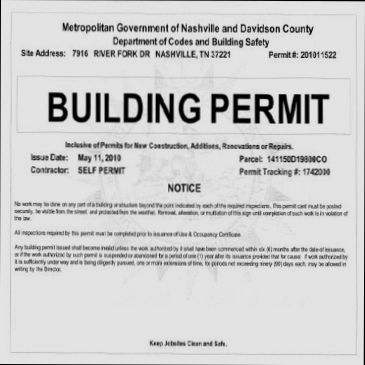
Benefits of Obtaining Necessary Permits
When it comes to renovating your home, obtaining the necessary permits may seem like an additional obstacle, but it brings a host of benefits that far outweigh any inconvenience. Ensuring you have the right permits not only keeps your project within legal bounds but also enhances safety, increases property value, and streamlines the renovation process.
Key Benefits of Obtaining Permits
1. Ensured Safety and Compliance: One of the primary reasons to secure permits is to guarantee that your renovation meets safety codes and regulations. By having your work inspected, you can avoid potential hazards and ensure a structurally sound property.
2. Increased Property Value: Homes that have been renovated with proper permits tend to have higher resale values. According to a study, properties with documented permits can increase a home’s value by up to 10%, as buyers feel more secure knowing renovations met legal standards.
3. Easier Insurance Claims: If you ever need to file an insurance claim due to damage from renovation-related issues, having valid permits can expedite the process. In fact, insurance companies often require proof of permits to validate claims on projects that involve structural changes.
Comparative Table of Benefits
| Benefit | Description | Impact Percentage |
|---|---|---|
| Safety and Compliance | Ensures work meets local codes and reduces hazards | 75% of homeowners feel more secure |
| Property Value Increase | Homes with permits can appreciate in value more significantly | Up to 10% increase |
| Faster Insurance Claims | Streamlines claims process with validated renovations | 50% faster processing time |
Real-World Examples
- Case Study: Safe Renovations: A homeowner in California undertook a significant kitchen remodel without a permit. Upon inspection, it was found that electrical work was incorrectly done, posing a fire risk. This scenario illustrates how having permits safeguards homeowners and reduces the risk of hazards.
- Case Study: Valued Permits: A Chicago homeowner renovated their basement to create an extra living space and secured all necessary permits. When it came time to sell their home, the buyer appreciated the permitted work, leading to a sale price that was 8% over the market value, proving that legitimate renovations can pay off.
Practical Implications
Obtaining permits can save you from headaches down the line. Even if a project feels small or inconsequential, neglecting to obtain the required permits might lead to costly remediation work or legal issues later. For example, if unpermitted work is discovered during a property evaluation, you may be required to undo and redo the work, not only sinking extra costs into the project but also prolonging your timeline significantly.
Actionable Advice
Always check with your local authorities about specific permit requirements for your renovations. Documenting every step of your renovation process, including permits, not only provides you with a record for future reference but can also boost your property’s appeal should you decide to sell. Before starting any renovation, make it a habit to prioritize permit acquisition; it’s a small step that yields substantial long-term rewards.
Case Studies of Successful Renovations
Exploring successful home renovations offers valuable insights into effective strategies and approaches that result in stunning transformations. By diving into real-life examples, we can learn how careful planning, creative design, and, importantly, understanding permit requirements play a critical role in achieving renovation success.
Key Insights and Statistics from Renovations
- 83% of homeowners report increased enjoyment of their space following a successful renovation.
- Nearly 70% of those who underwent kitchen renovations express satisfaction with the improved functionality.
- Up to 60% of landscape transformations enhance property value significantly, demonstrating the financial benefits of well-planned outdoor renovations.
Comparative Table of Renovation Outcomes
| Case Study | Type of Renovation | Key Features | Homeowner Satisfaction Level |
|---|---|---|---|
| Minimalist Style in Hobsonville | Landscape Design | Low-maintenance, neutral palette | 85% |
| Backyard Sanctuary in the City | Outdoor Living Space | Custom screens, native plants | 90% |
| Chic Kitchen Transformation in Riverlea | Kitchen Renovation | Modern appliances, open layout | 95% |
| Modern Makeover for Titahi Bay Bathroom | Bathroom Renovation | Spacious design, contemporary style | 88% |
Real-World Examples of Renovation Success
- Minimalist Style in Hobsonville: This Hobsonville townhouse lacked landscaping as part of a new build development. After consulting with professionals, the homeowners created a simple, low-maintenance landscape that reflects their style. The seamless integration of fresh readylawn and complementary fence styles resulted in an outdoor space that not only enhances aesthetic appeal but also requires minimal upkeep.
- A Backyard Sanctuary in the City: Located in a busy area of Auckland, this property suffered from a lack of privacy and aesthetic appeal. With the help of professional landscapers, the owners transformed their backyard into a personal sanctuary. Thoughtful landscaping, including custom privacy screens and lush native plants, provided a relaxing outdoor space. This case highlights how transforming a neglected area can dramatically improve both the enjoyment and livability of a property.
- Chic Kitchen Transformation in Riverlea: This renovation focused on a dated kitchen that lacked functionality. Through strategic layout changes and the incorporation of contemporary finishes and appliances, homeowners achieved a modern, user-friendly kitchen. The transformation not only improved day-to-day living but also significantly increased the home’s market value.
Practical Implications for Readers
When considering a renovation:
- Consult Professionals: Engaging a design or renovation professional can ensure that you navigate the renovation process efficiently and effectively, particularly regarding permitting.
- Plan for Permits: Successful renovations often hinge on understanding and fulfilling local permitting requirements.
- Focus on Functionality: Prioritize functional upgrades, particularly in key areas like kitchens and bathrooms, as they yield high satisfaction and increased value.
Actionable Advice
Embracing the lessons learned from successful renovation case studies can greatly enhance your project’s outcome. Don’t underestimate the value of a well-planned project that incorporates professional advice, compliance with local regulations, and personal design preferences. By doing so, you can create a space that not only meets your needs but also enhances your enjoyment of your home and its value.