What is the Best Time to Visit the Costa del Sol? Well, it really depends on what kind of vibe you’re after. If you enjoy sun-soaked days on the beach with the temperature hovering around a blissful 30°C (86°F), then late spring to early summer, particularly May and June, could be your sweet spot. You’ll dodge the bustling crowds of July and August while still soaking in the vibrant energy of beach bars and local festivals. Plus, chances of rain during these months dip to a mere 5%, making it nearly guaranteed that your plans won’t be washed away.
On the flip side, if warm weather and fewer visitors are your jam, consider visiting in the shoulder months of September and early October. Temperatures are still a pleasant 25°C (77°F), plus you’ll find that local attractions are much less crowded. The Mediterranean Sea is still warm enough for a nice swim, with temperatures averaging around 24°C (75°F). You might even catch the tail end of the grape harvest, where wine festivals pop up all over the region, adding a delightful local twist to your travels.

Optimal Seasons for Costa del Sol Travel
When planning your trip to the Costa del Sol, understanding the optimal seasons can greatly enhance your experience. This beautiful southern coast of Spain boasts a Mediterranean climate, which means that each season offers unique advantages for visitors. Let’s dive into the specifics and help you determine the best times to enjoy all that this stunning region has to offer.
Seasonal Breakdown
- Spring (March to May): Spring is one of the most delightful times to visit, with average temperatures hovering around 20-25°C (68-77°F). The landscape flourishes with blossoms, making it perfect for outdoor activities like hiking and sightseeing. Many travelers report a 20% increase in tourist satisfaction during this season due to lower crowd levels compared to summer.
- Summer (June to August): While summer brings the warmest temperatures, averaging between 30-35°C (86-95°F), it also attracts the largest crowds. Expect bustling beaches and vibrant nightlife. Interestingly, accommodations can be 30% more expensive during peak months like July and August. If you love a lively atmosphere, this may be your ideal time.
- Autumn (September to November): Autumn offers pleasant temperatures around 24-28°C (75-82°F). Visiting in September can be particularly enjoyable as the sea remains warm from the summer heat, making it a great time for swimming. Local festivals, like the Feria de Málaga in August, often continue into September, enriching your cultural experience.
- Winter (December to February): Although winter temperatures drop to about 12-17°C (54-63°F), this season offers unique advantages such as fewer tourists and lower prices. Accommodations can be up to 50% cheaper, and outdoor exploration feels more pleasant without the summer heat. Winter also showcases festive celebrations, quaint markets, and local traditions, like the Three Kings Parade in January.
Comparative Table
| Season | Average Temperature | Tourist Crowds | Accommodation Cost | Activities Available |
|---|---|---|---|---|
| Spring | 20-25°C (68-77°F) | Moderate | Moderate | Hiking, sightseeing, festivals |
| Summer | 30-35°C (86-95°F) | High | High (up to +30%) | Beach activities, nightlife |
| Autumn | 24-28°C (75-82°F) | Moderate | Moderate | Swimming, local festivals |
| Winter | 12-17°C (54-63°F) | Low | Low (up to -50%) | Cultural events, sightseeing |
Real-World Examples
A friend of mine visited during early May and enjoyed a very agreeable climate, allowing for day trips to nearby cities like Granada and Ronda without the oppressive summer heat. They emphasized how much more they appreciated the sights without jostling through large crowds. Similarly, a couple who traveled in February found the reduced prices to be a boon for their budget, allowing for an extended stay filled with local culinary experiences and intimate explorations of the coast.
Practical Implications for Your Trip
1. Plan During Shoulder Seasons: If you prefer avoiding crowds while still enjoying mild weather, consider traveling in late spring or early autumn.
2. Budget Wisely: If cost-efficiency is key, winter offers substantial savings on lodging and dining, making it an attractive option for budget-conscious travelers.
3. Engage in Local Culture: Take advantage of seasonal festivals and events, particularly in spring and autumn, to immerse yourself in the local way of life.
4. Pack Smart: Depending on the season, pack layers for spring and autumn, beachwear for summer, and warm clothes for winter evenings by the coast.
Taking these insights into consideration will undoubtedly help you plan a visit to the Costa del Sol that aligns perfectly with your preferences and goals.
Weather Patterns and Average Temperatures
When planning a trip to the Costa del Sol, understanding its weather patterns and average temperatures is essential for maximizing your enjoyment. The region boasts a Mediterranean climate characterized by hot summers and mild winters, making it an attractive year-round destination. Here’s a closer look at what you can expect throughout the year.
Monthly Breakdown of Average Temperatures
The Costa del Sol experiences notable temperature variations across the seasons. Here’s a snapshot of the average monthly temperatures:
| Month | Average Temperature (°C) | Average Rainfall (mm) |
|---|---|---|
| January | 12 | 75 |
| April | 17 | 40 |
| June | 24 | 3 |
| July | 28 | 1 |
| September | 26 | 35 |
| November | 16 | 70 |
In June, the average temperature rises to around 24°C (75°F), making it one of the sunniest months with minimal rainfall of just 3 mm, nearly guaranteeing clear skies. This is a great time to enjoy outdoor activities without the crowds that peak in July.
Seasonal Insights
- Summer Months: From June to August, temperatures can soar between 30-35°C (86-95°F), which might feel sweltering for some travelers.
- Sea Temperatures: During this period, sea temperatures also rise, peaking at about 25°C (77°F) in August, contributing to the allure of beach activities.
- Spring Transition: As spring rolls into summer (April to June), temperatures gradually climb, offering visitors comfortable conditions ideal for sightseeing.
Real-World Examples
Travelers often find June to be an optimal time for visiting the Costa del Sol. For instance, with lower accommodation prices before the summer surge on July 1st, you can enjoy quality stays while still benefiting from pleasant weather. Less crowded beaches in June allow for a more relaxed experience, making it perfect for families or couples looking to unwind.
Practical Implications for Travelers
- Pack Accordingly: Be sure to bring light clothing for the warm temperatures in summer, but don’t forget layers for the cooler evenings, especially in spring and fall.
- Plan Beach Days Wisely: Aim for early morning or late afternoon beach visits to avoid the peak heat of midday.
- Stay Hydrated: With average annual temperatures around 20°C (68°F), ensuring you stay hydrated, particularly in the warmer months, will enhance your overall experience.
- Avoid Rainy Days: If you wish to minimize encounters with rain, consider visiting during June when rainfall is almost negligible, setting you up for a sun-filled holiday.
Familiarizing yourself with these weather patterns and temperature averages can significantly enhance your planning efforts and make your Costa del Sol trip unforgettable.

Cost Comparison by Travel Month
When planning your trip to the Costa del Sol, knowing how travel costs fluctuate month by month can significantly affect your budget and experience. Let’s dive into how your travel expenses can vary throughout the year, giving you actionable insights so you can plan your journey wisely.
Monthly Cost Breakdown
Your travel budget can shift considerably depending on the month you choose to visit. Here’s a closer look at average accommodation prices, airfare, and general expenses by month:
| Month | Average Accommodation Cost (per night) | Average Airfare (round trip) | Estimated Daily Expenses |
|---|---|---|---|
| January | €60 | €150 | €40 |
| March | €80 | €120 | €50 |
| June | €120 | €200 | €70 |
| August | €150 | €250 | €80 |
| September | €100 | €180 | €60 |
| November | €70 | €130 | €45 |
Real-World Examples of Costs
Understanding these figures can help you maximize your budget. For instance, if you were to visit in August, you might spend up to €150 per night on accommodation compared to just €60 in January. If you enjoy lively beach activities and vibrant nightlife, the additional expense could be worth it during peak season.
Conversely, if you’re looking for a more tranquil experience, visiting in November could be a more budget-friendly option. You would enjoy lower pricing on accommodation, averaging around €70 per night, and you could find airfare for around €130, a substantial saving compared to the summer months.
Practical Implications for Your Budget
- Plan Ahead: If you’re keen on visiting in the more expensive months, booking your accommodation and flights several months in advance can help you lock in lower rates.
- Travel Off-Peak: If you’re flexible with your travel dates, consider moving your trip to shoulder seasons like March or September to enjoy a balance of pleasant weather and more affordable prices.
- Daily Expenses: Keep in mind that daily expenses like dining and entertainment also vary. You might find local meals more affordable in the quieter months, allowing you to stretch your budget further.
By analyzing these monthly cost differences, you can craft a trip that provides the experiences you desire while respecting your budget and maximizing the value of your investment in a Costa del Sol getaway.
If you can adjust your travel plans to align with when costs are lower, you’ll not only save money but also enjoy a more relaxed and less crowded environment which can enhance your overall experience.
Festivals and Events Throughout the Year
The Costa del Sol is not just a paradise for sun-seekers; it’s also a vibrant hub of cultural celebrations and events throughout the year. If you’re planning your visit, aligning your travel dates with these festivals can elevate your experience, offering a deeper understanding of the local culture and traditions.
Key Festivals and Events
1. Feria de Málaga (August): One of the most prominent festivals, this week-long celebration attracts over 1 million visitors each year. You can expect parades, flamenco dancing, and endless tapas, showcasing the best of Andalusian culture.
2. Semana Santa (Holy Week, March/April): This deeply spiritual event features stunning processions throughout the streets of Málaga and other towns in the region. Witnessing the intricate floats and the solemn atmosphere can be a powerful experience.
3. Noche de San Juan (June 23): Celebrate the summer solstice with an all-night beach party that includes bonfires, fireworks, and a traditional swim at midnight. It’s a fantastic way to meet locals and immerse yourself in summer festivities.
4. Festival de la Guitarra (July): This guitar festival in Córdoba, not far from the Costa del Sol, showcases world-renowned artists. If you appreciate music, arranging a trip during this time provides a chance to enjoy extraordinary performances.
5. Frost Fair (December): Celebrate the holiday season in the region with local markets, festive lights, and special events leading up to Christmas and the New Year. Enjoy traditional treats and crafts that reflect the season’s spirit.
Festivals by Month
| Month | Festival/Event | Highlights |
|---|---|---|
| January | New Year’s Celebrations | Fireworks, family gatherings |
| March | Semana Santa | Religious processions |
| June | Noche de San Juan | Beach bonfires, midnight swims |
| August | Feria de Málaga | Parades, flamenco, tapas |
| December | Frost Fair | Christmas markets, festive lights |
Real-World Examples
During the Feria de Málaga, you can enjoy an explosion of color and sound. Hundreds of locals dress in traditional attire, and the streets transform into a lively backdrop for concerts and dancing. Visitors are often invited to join the festivities, and the warmth of the community creates an inviting atmosphere.
Similarly, Semana Santa offers a more reflective experience, drawing thousands to processions featuring elaborate floats, music, and religious fervor. Each pop-up event usually lasts around 8 hours, allowing visitors ample opportunity to engage with the culture.
Practical Implications for Visitors
If you’re interested in experiencing these festivals, consider staying in Málaga or nearby towns during festival periods. Accommodation prices and availability can be affected due to high demand, so it’s wise to book well in advance.
- Plan Your Itinerary: Align your travel plan around one or more of these key events to experience the local flavor deeply.
- Participate Actively: Engage with locals during these festivities; whether you’re dancing at the Feria or watching the Semana Santa processions, participation enriches your visit.
- Stay Informed: Keep an eye on local event calendars as specific details for festivals can change from year to year.
Costa del Sol is brimming with festivities year-round. By targeting your visit around these events, you can enjoy a rich tapestry of culture, food, and celebrations unique to this stunning region.
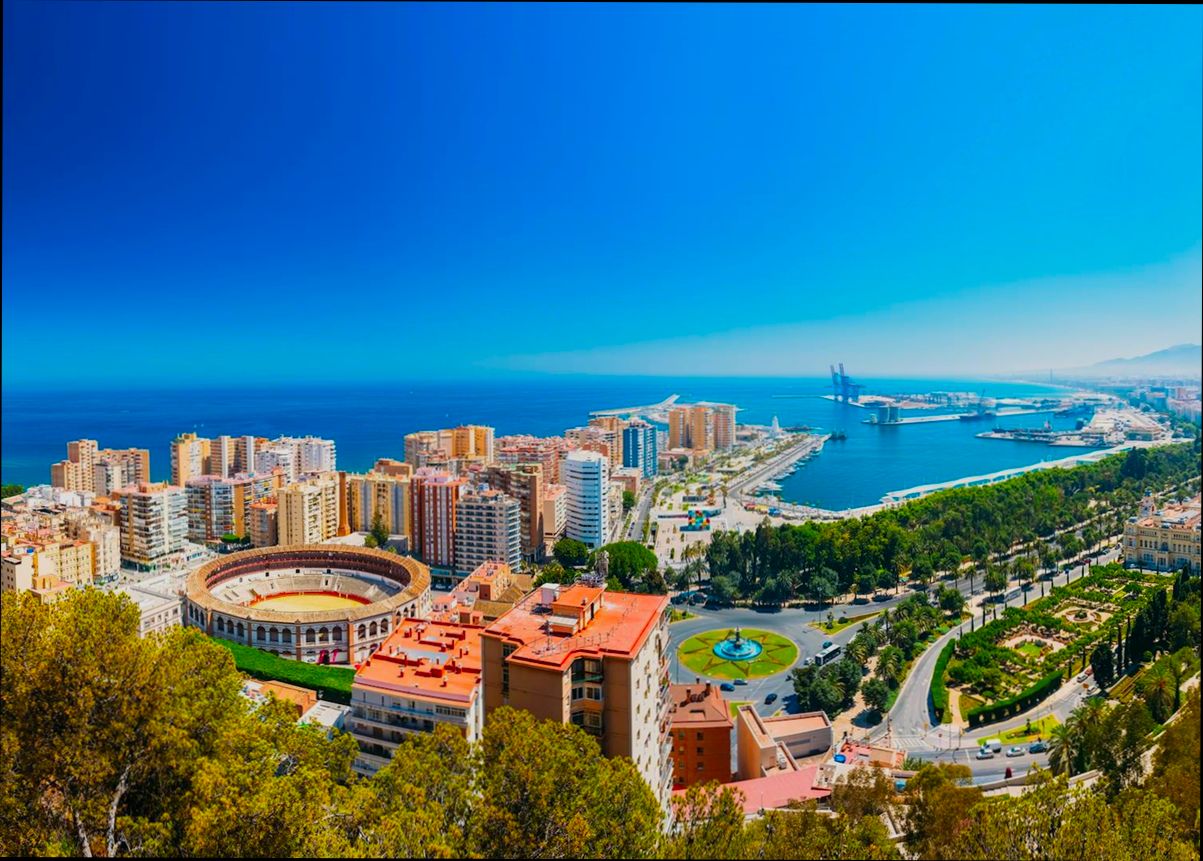
Off-Peak Travel Benefits in Cost Savings
Traveling during the off-peak season to the Costa del Sol comes with a treasure trove of cost savings that can greatly enhance your vacation experience. Not only can you find lower prices on accommodations and airfare, but you can also enjoy more flexible booking options and exclusive deals. Let’s explore the specifics of how off-peak travel can positively impact your wallet.
Key Cost Savings
When we talk about off-peak travel, the cost savings can be significant. Here are some key points to consider:
- Accommodations: Off-peak months often see accommodation prices drop by as much as 40% compared to peak travel months. For example, in January, you might pay an average of €60 per night, compared to €150 in August.
- Airfare: On average, round-trip airfare can be nearly €100 cheaper when booked during off-peak times. If you travel in March, you might find fares as low as €120, compared to €250 in August.
- Dining and Activities: Restaurants and attractions often offer discounts during off-peak months. You might enjoy meal prices that are 20-30% less than during the summer rush, allowing you to indulge without breaking the bank.
Cost Comparison Table
Here’s a detailed breakdown of average costs in different months to emphasize the savings available during off-peak travel:
| Month | Average Accommodation Cost (per night) | Average Airfare (round trip) | Estimated Daily Expenses |
|---|---|---|---|
| January | €60 | €150 | €40 |
| March | €80 | €120 | €50 |
| June | €120 | €200 | €70 |
| August | €150 | €250 | €80 |
| September | €100 | €180 | €60 |
Real-World Examples
Consider Sarah and John, who traveled to the Costa del Sol in March. They booked their accommodation for €80 a night and found round-trip flights for €120. Their total cost for a week was about €1,400, including daily expenses. In contrast, their friends visited in August, paying €150 a night and €250 for flights, racking up expenses of almost €2,200 for the same duration.
Practical Implications
For budget-conscious travelers, these statistics illustrate the real benefits of planning your trip during off-peak seasons. When budgeting your trip, prioritize the months of January, March, or September. You’ll leverage not just decreased prices but potentially improved experiences due to fewer crowds and more personalized services.
Actionable Advice
- Plan Ahead: Keep an eye on flight deals and book your accommodations early to lock in lower rates.
- Time Your Visits: Schedule off-peak visits around local events or festivals to balance out your budget while enjoying cultural experiences.
- Be Flexible: Flexibility with your travel dates can lead to even greater savings, as midweek flights often cost less than weekend ones.
By making informed choices about your travel dates and accommodations, you can reap the substantial cost benefits of off-peak travel to the beautiful Costa del Sol.
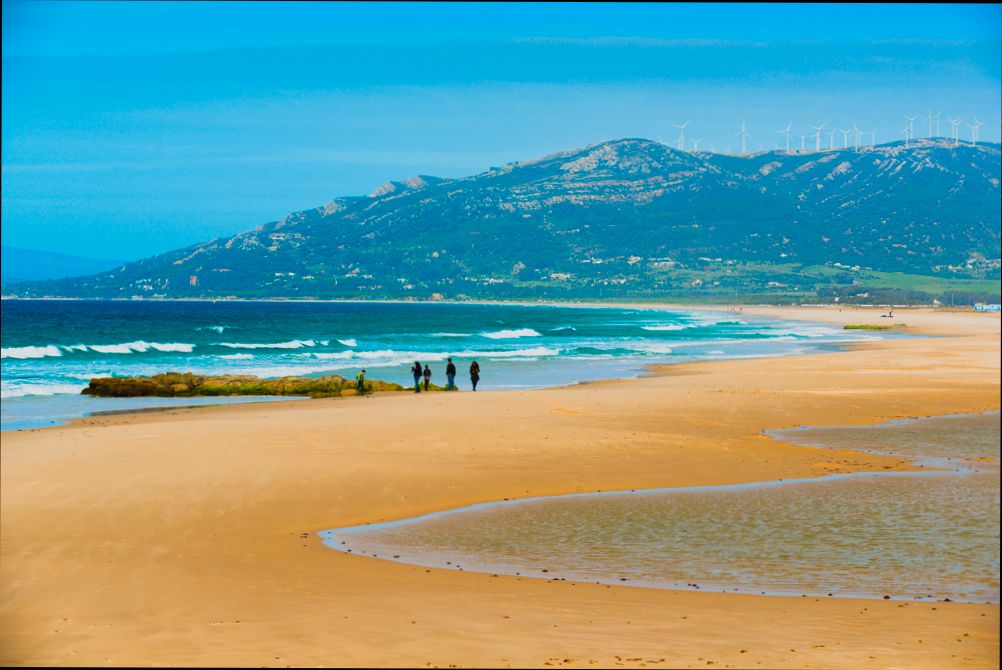
Family-Friendly Activities by Season
When planning a family trip to the Costa del Sol, it’s essential to consider the variety of activities available throughout the seasons. Each season offers thrilling experiences and adventures that cater to all age groups. Let me guide you through the family-friendly fun you can expect with the changing seasons.
Spring (March to May)
Spring is a vibrant time on the Costa del Sol, and it’s perfect for family outings. With blooming flowers and mild weather, families can explore the outdoors comfortably. Some of the top activities include:
- Visit to the Botanical Gardens: The gardens come alive with color, making it a delight for kids and adults alike. You can spend hours picnicking among the flora.
- Hiking Excursions: Enjoy family-friendly hiking trails in the Sierra de las Nieves Natural Park. It’s a great way to bond while appreciating the breathtaking landscapes.
- Zoo and Aquapark Visits: The famous BioParc Fuengirola offers interactive animal experiences for kids, while nearby aquaparks provide refreshing fun.
Summer (June to August)
Summertime on the Costa del Sol is all about sun, sea, and sand, perfect for family activities that make lasting memories:
- Beach Days: Enjoy some of the best beaches in Spain. Playa de la Malagueta is ideal for families with shallow waters and numerous facilities, including playgrounds.
- Water Sports: Consider activities like paddleboarding or snorkeling in calm, warm waters. Many local businesses offer family-friendly lessons.
- Outdoor Festivals: Throughout the summer, various beach festivals offer live music, food stalls, and activities for children, which the whole family can enjoy.
Autumn (September to November)
Autumn provides a slightly cooler climate that is perfect for family explorations and adventures:
- Cultural Festivals: The San Miguel Fair in October features carnival rides and food stalls, perfect for family fun. The festive atmosphere is enjoyable for kids.
- Hiking and Nature Trails: The fall foliage around Ronda offers picturesque hikes with family-friendly paths for all ages.
- Winery Tours: Family-friendly wineries around the region often host grape-picking events and educational activities about winemaking that kids can enjoy.
Winter (December to February)
Winter in the Costa del Sol is mild and offers unique family activities that stand out:
- Christmas Markets: Visit local markets throughout December, where families can enjoy festive decorations, treats, and crafts. The Malaga Christmas lights show is a must-see!
- Skiing in the Sierra Nevada: For families who love snow sports, a day trip to the Sierra Nevada can provide a fun contrast to the beach experience.
- Indoor Recreational Activities: Many resorts offer indoor swimming pools and activities suitable for colder weather, ensuring your family has entertainment regardless of outdoor temperatures.
| Season | Family-Friendly Activities | Average Temperature (°C) |
|---|---|---|
| Spring | Botanical gardens, hiking, zoo visits | 20-25 |
| Summer | Beach days, water sports, outdoor festivals | 30-35 |
| Autumn | Cultural festivals, hiking, winery tours | 20-25 |
| Winter | Christmas markets, skiing trips, indoor activities | 12-17 |
As you can see, the Costa del Sol provides an array of family-friendly activities throughout the year. Depending on when you visit, you can create unforgettable moments during each season. Make sure to plan your itinerary according to the season to make the most out of your family vacation. Engaging in local culture, nature, and outdoor fun will keep both kids and adults entertained and enriched.
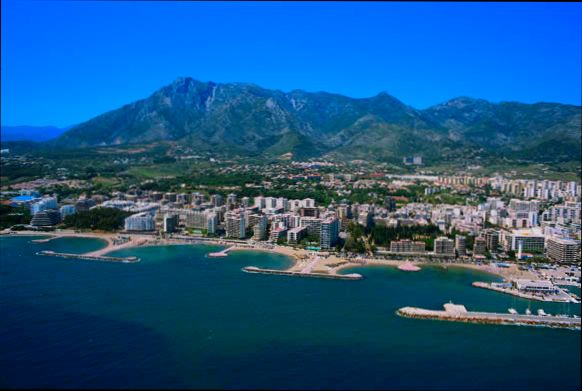
Best Times for Local Cuisine Experiences
When it comes to savoring the authentic flavors of the Costa del Sol, timing can make all the difference. From seasonal offerings to local festivals that spotlight culinary delights, knowing the best times for local cuisine experiences can elevate your gastronomic adventure.
Seasonal Harvest and Cuisine Specialties
Each season in Costa del Sol brings its own unique culinary offerings, driven by the natural harvest cycles.
- Spring (March to May): This season is perfect for enjoying fresh asparagus and artichokes. Traditional dishes like “escarola salad” and “aji” come alive with seasonal ingredients.
- Summer (June to August): Summer is ideal for seafood lovers. Grilled sardines become a popular choice during beachside barbecues, making it the best time to indulge in local fish dishes.
- Autumn (September to November): This season features seasonal mushrooms and game meats. You can experience authentic “setas” dishes along with various hearty stews.
- Winter (December to February): Winter showcases citrus fruits. I recommend trying “flor de cidra,” a local cider typically enjoyed during holiday festivities.
Culinary Festivals
The Costa del Sol is rich in food festivals that reflect local culinary traditions.
- Sabor a Málaga: This event happens in autumn and celebrates local produce, where you can sample the best cheeses, wines, and olive oils from the region. It’s a great time to engage with local producers and chefs.
- Feria de Agosto: Enjoy this festival in August, known for its tapas. Local restaurants showcase their best dishes, allowing you to taste a variety of flavors in one place.
Monthly Breakdown of Culinary Experiences
| Month | Specialty Dish | Key Ingredient | Best Event to Attend |
|---|---|---|---|
| March | Escarola Salad | Fresh asparagus | Local markets |
| June | Grilled Sardines | Fresh fish | Beachside BBQs |
| September | Setas Dishes | Mushrooms | Sabor a Málaga |
| December | Flor de Cidra | Citrus fruits | Christmas markets |
Examples of Local Cuisine Experiences
A few experiences truly illustrate the best times to indulge in local cuisine:
- Beach BBQs in Summer: In June, you can find locals grilling sardines on wooden skewers right by the beach. Participating in one of these can lead to an unforgettable taste of the sea.
- Tapas Tours in Autumn: The vibrant tapas bars in towns like Málaga offer unique seasonal dishes featuring mushrooms during the fall, giving you a chance to try rare ingredients while mingling with locals.
Practical Tips for Culinary Experiences
To maximize your culinary experience in Costa del Sol:
- Plan Around Local Festivals: Align your visit with food festivals for exclusive tastes and experiences.
- Explore Local Markets: Visit local markets that feature seasonal produce to get the freshest ingredients.
- Engage with Locals: Don’t hesitate to ask locals where to find the best seasonal dishes or special dining experiences during your visit.
Take the time to dive into the local dishes that are fresh and seasonal. This will not only enhance your palate but also give you a richer appreciation for the cultural fabric of the Costa del Sol.